
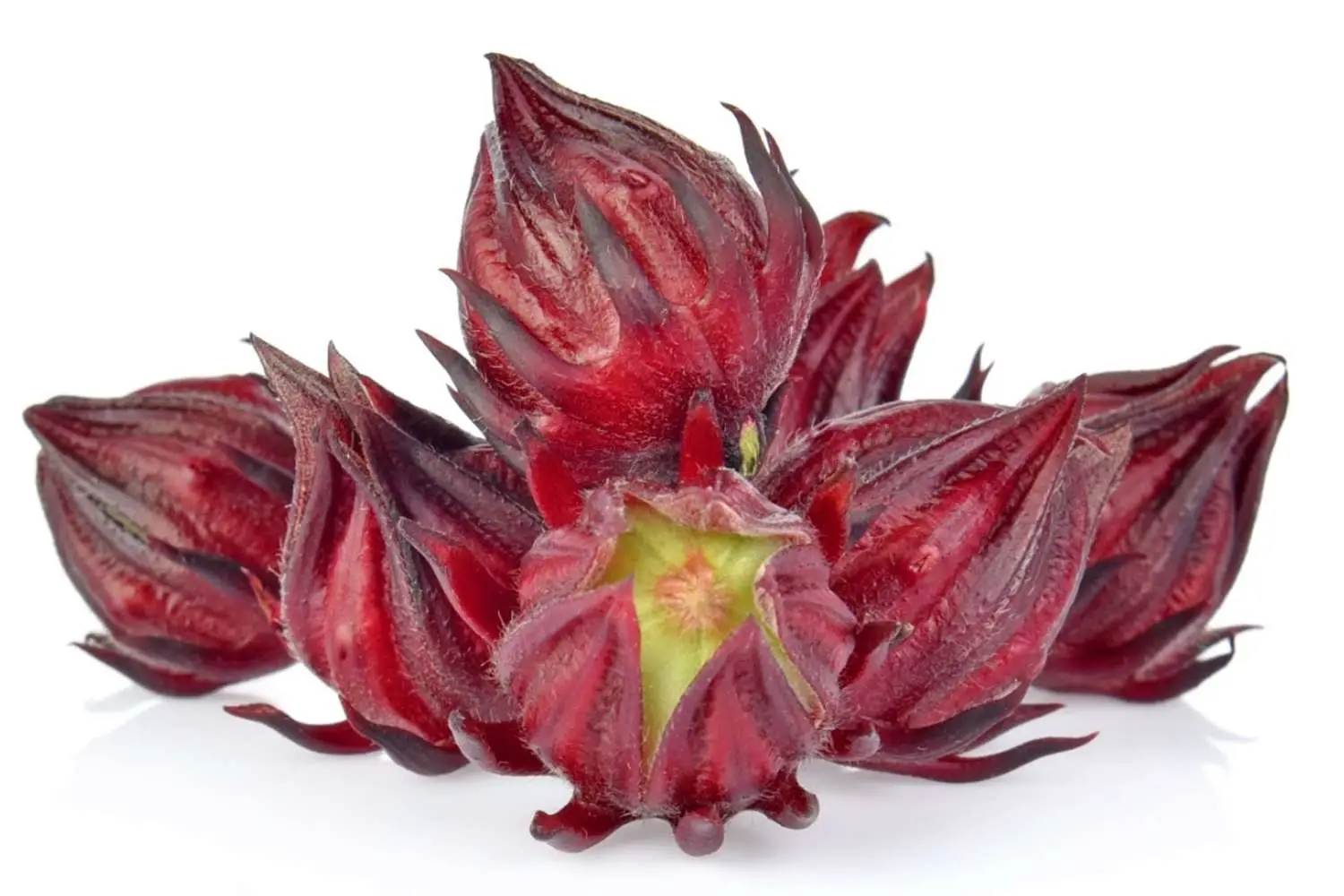
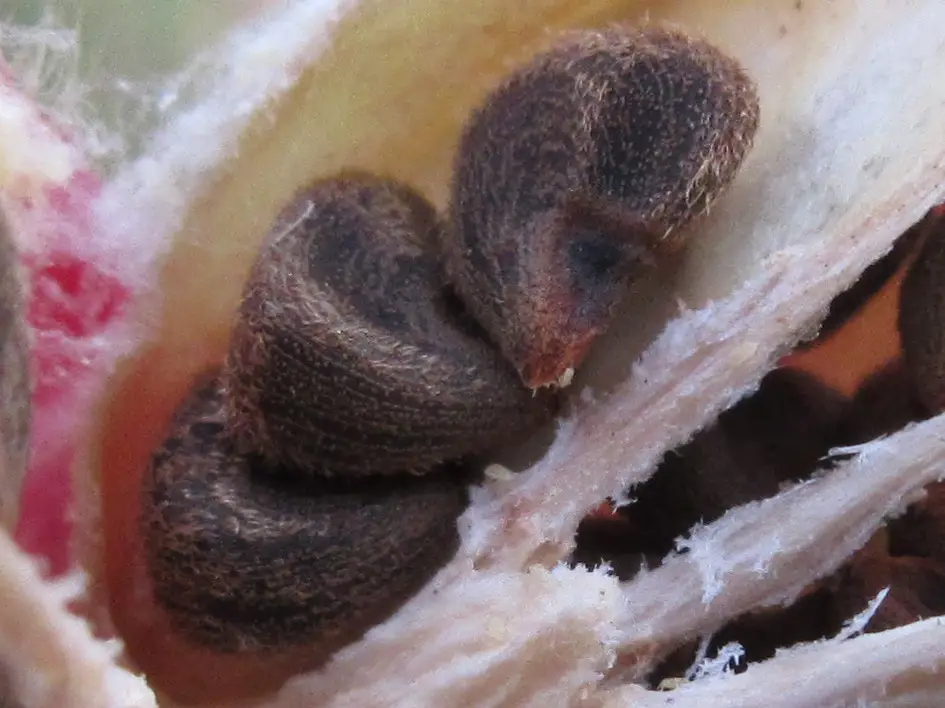
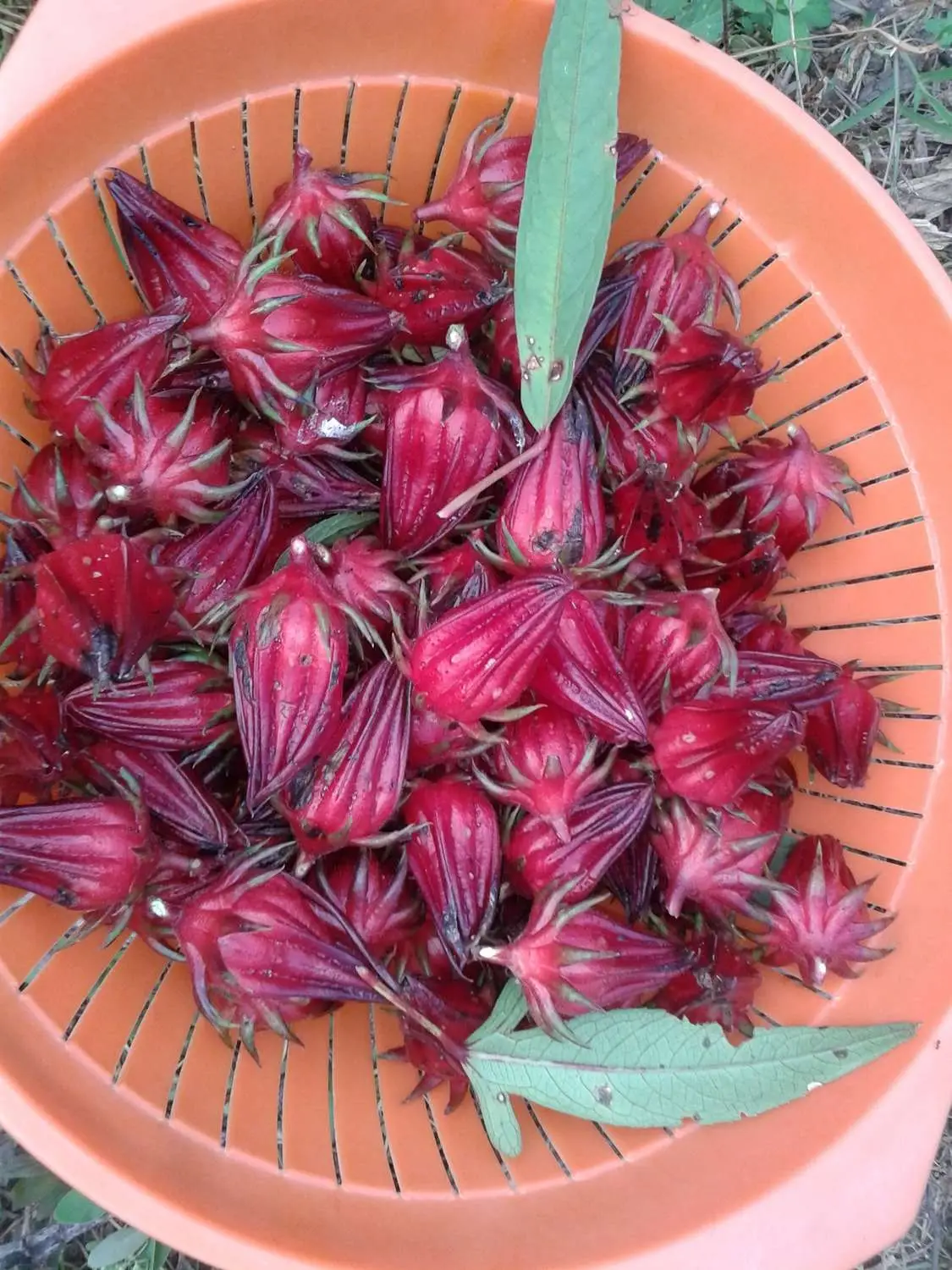
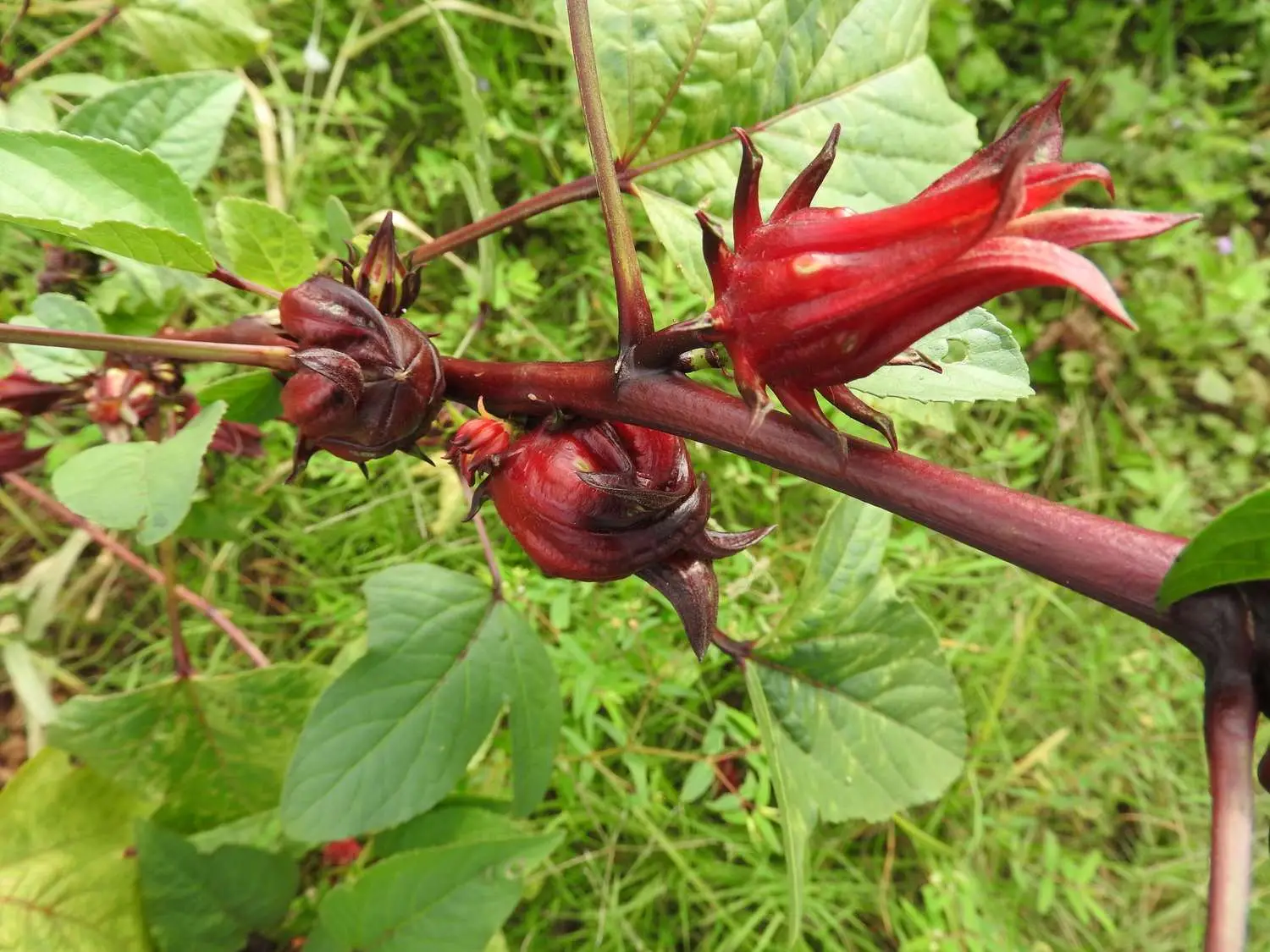
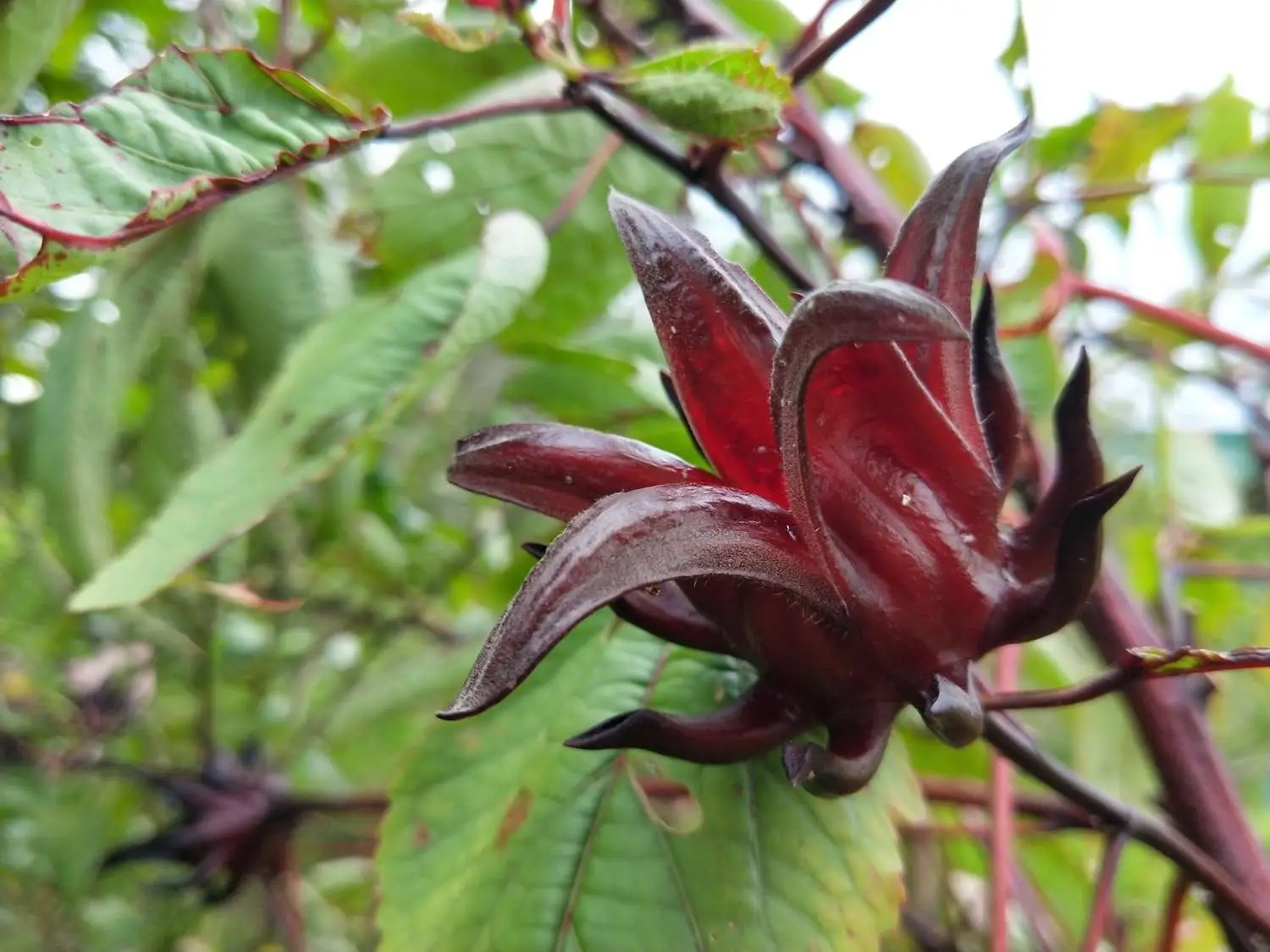
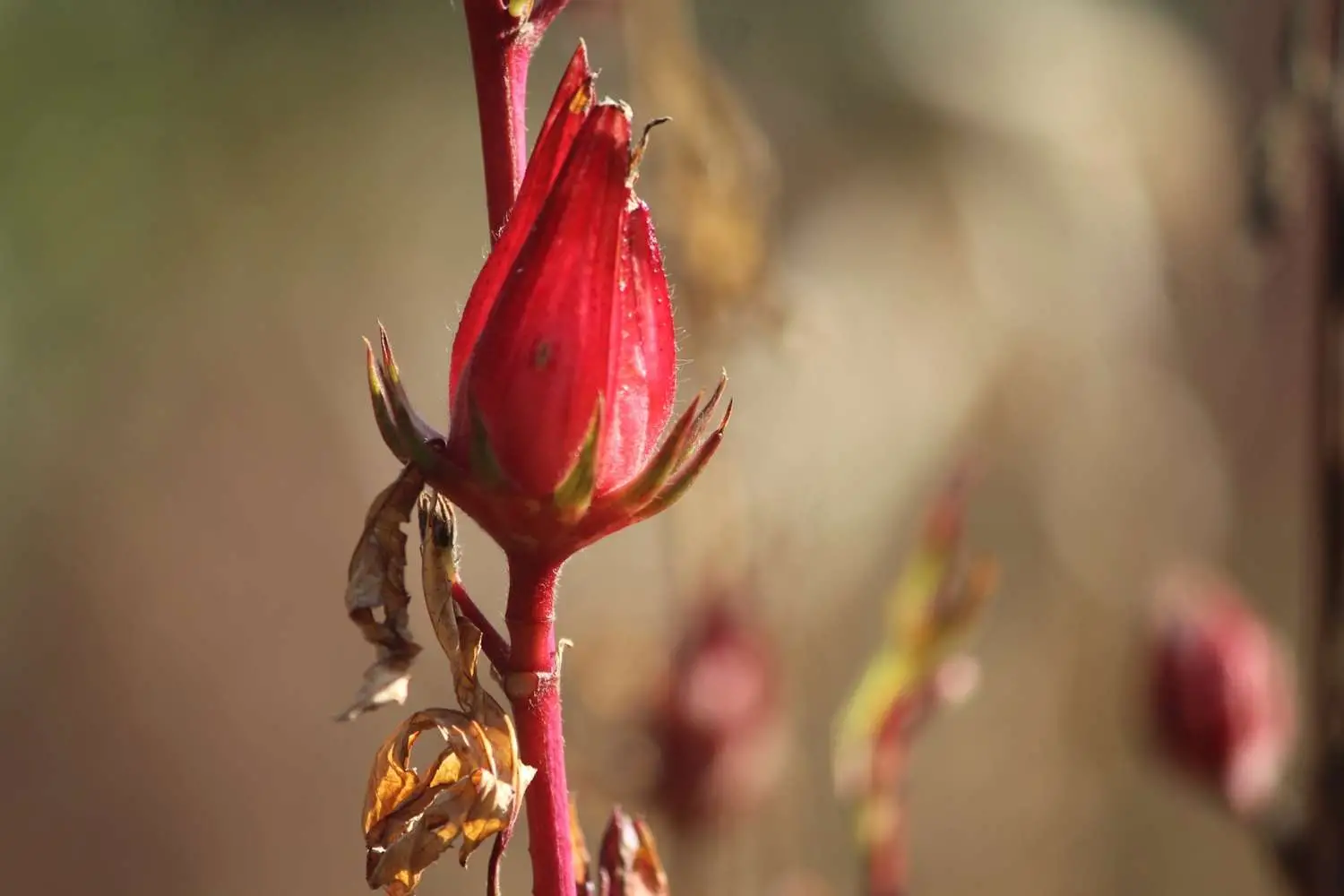
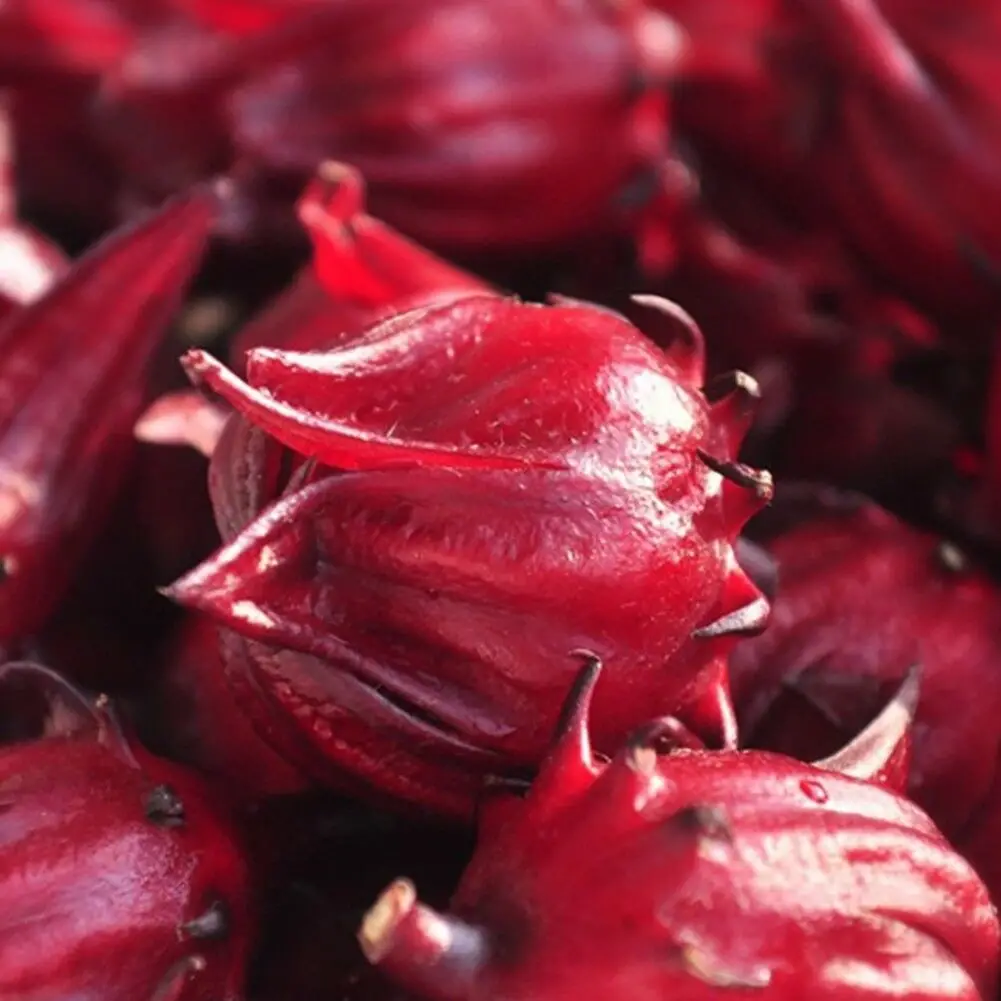
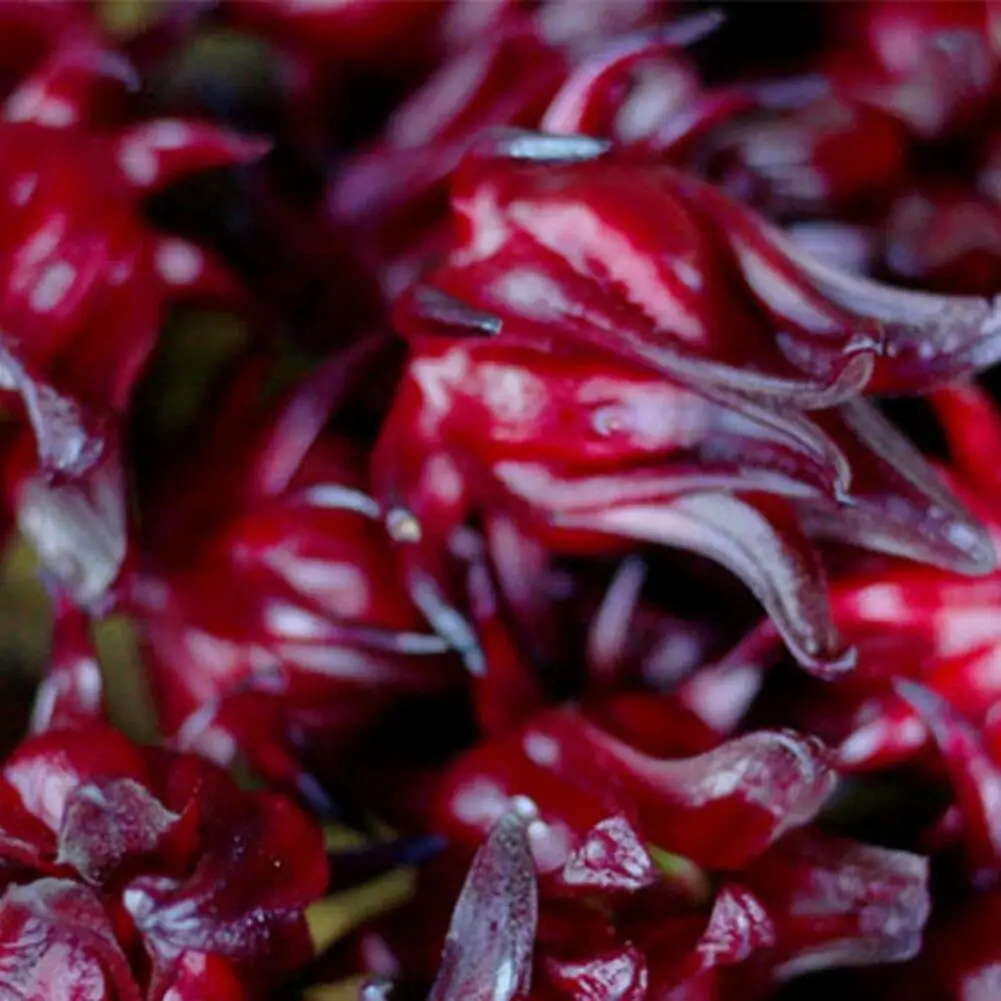
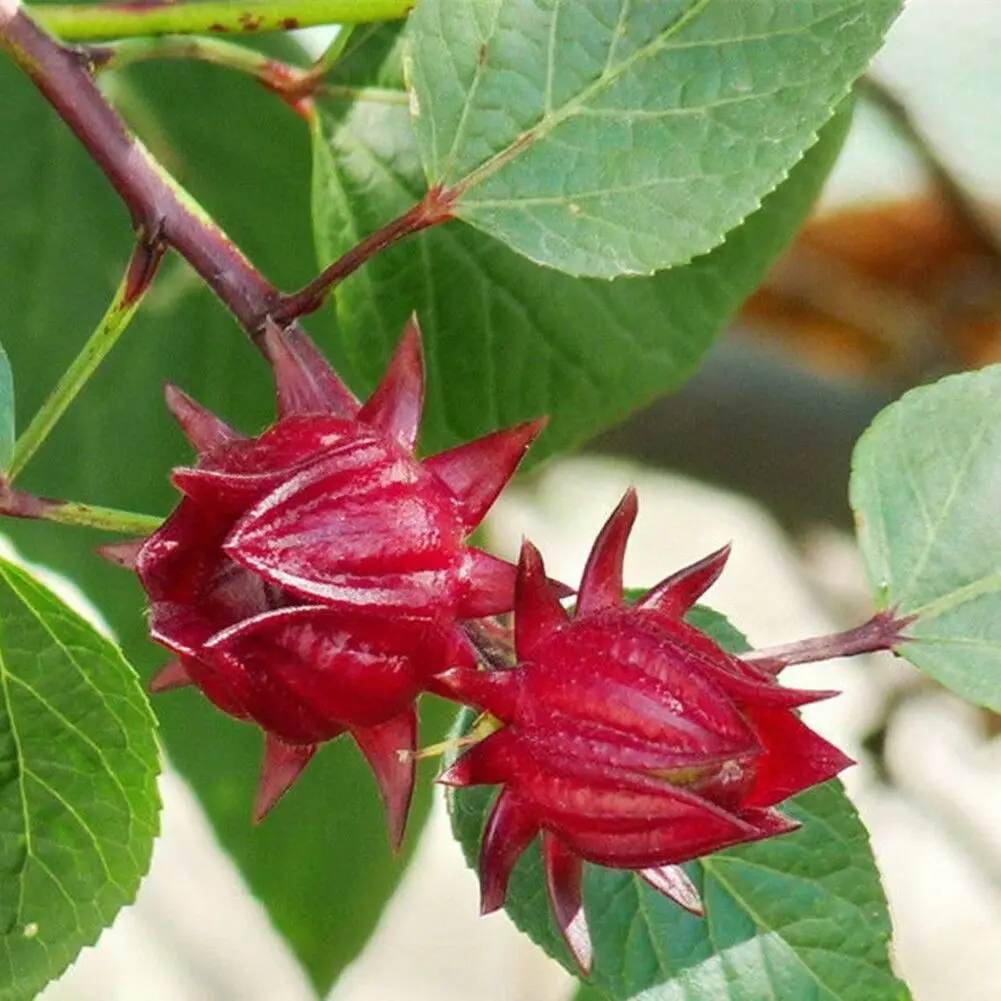
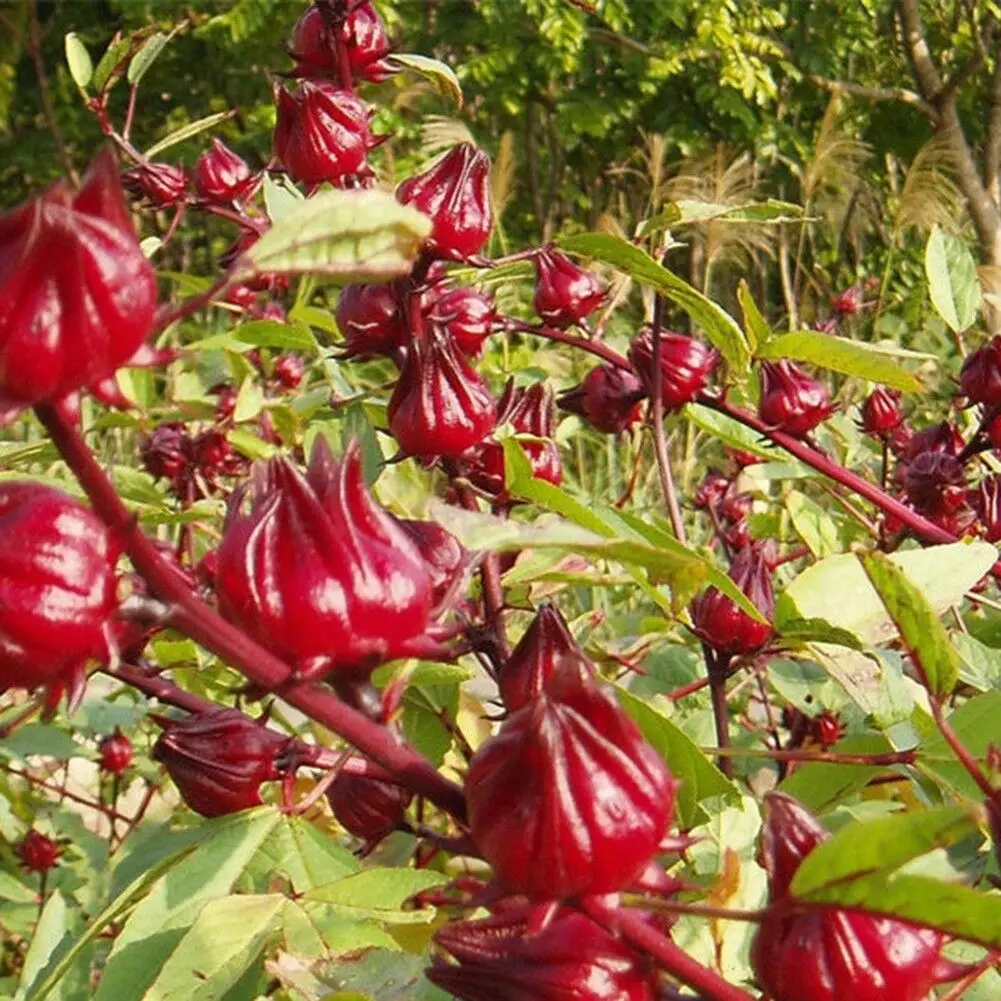
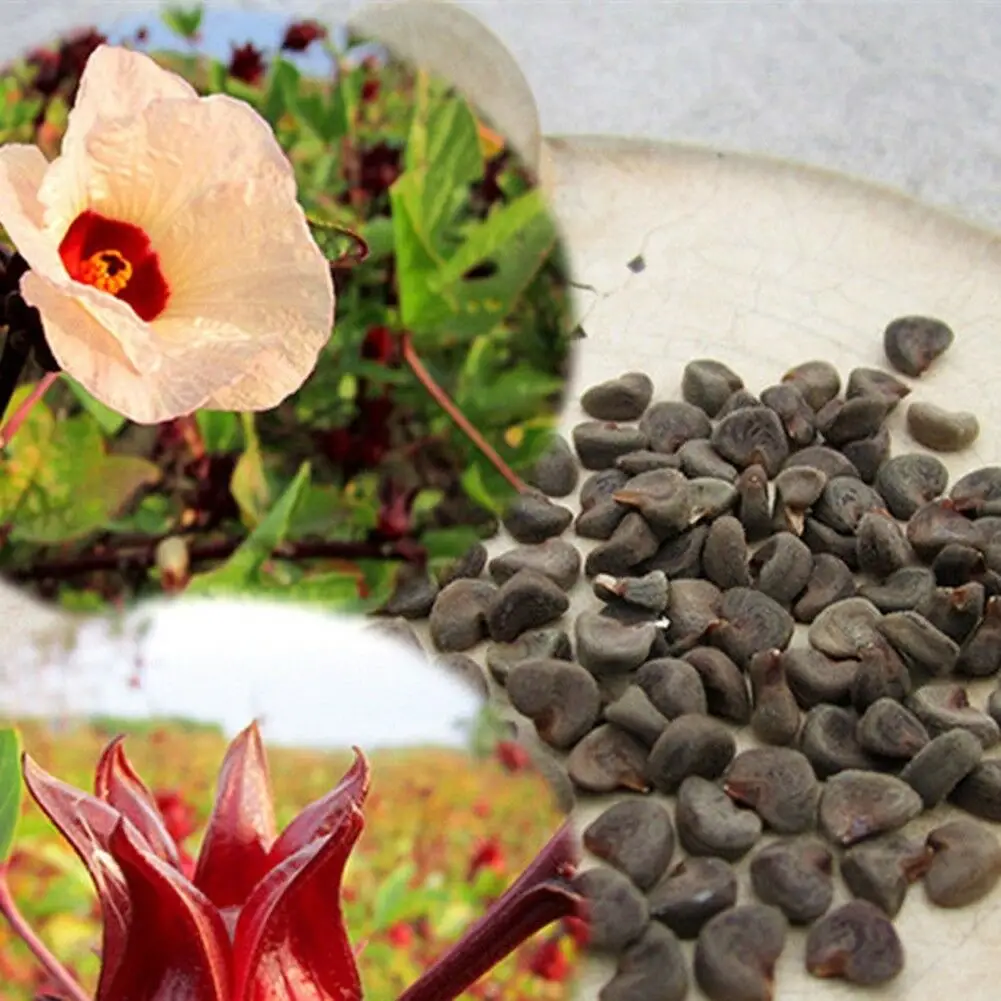
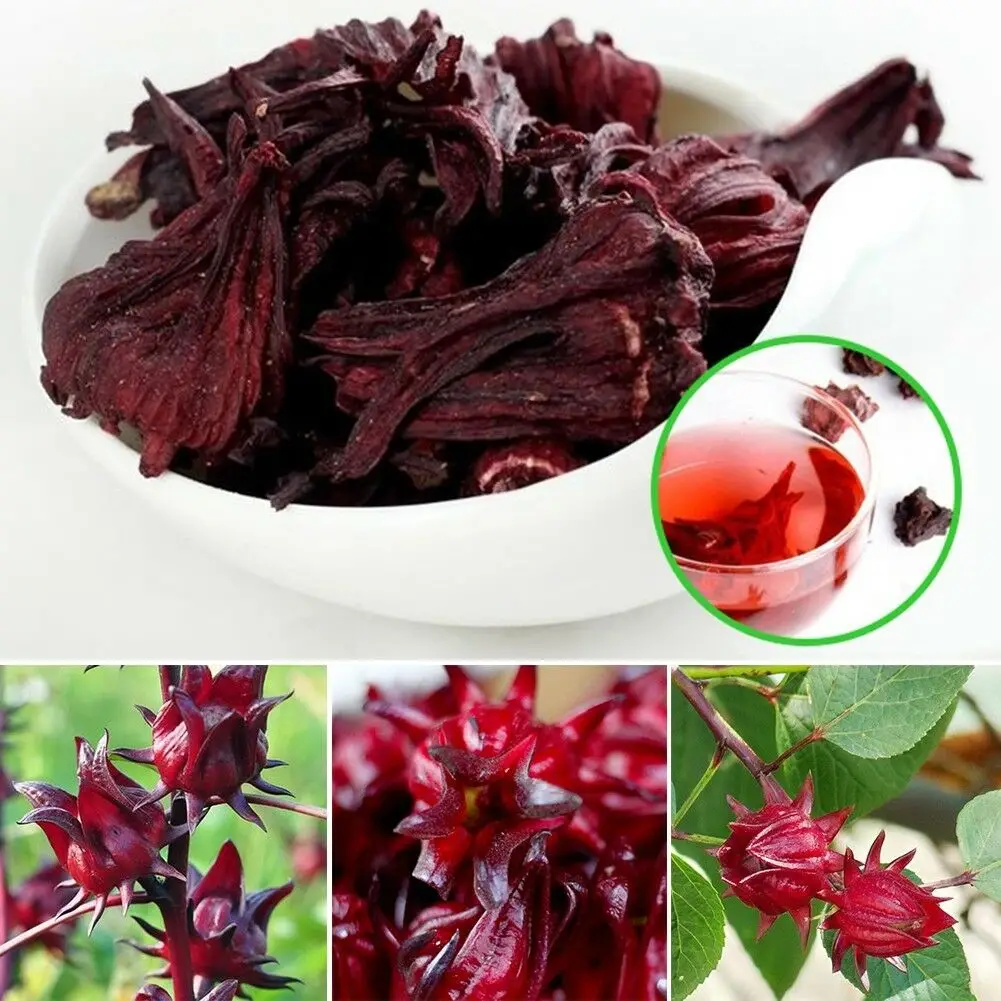
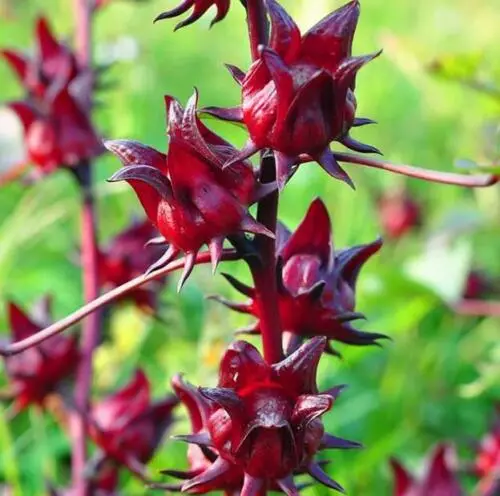
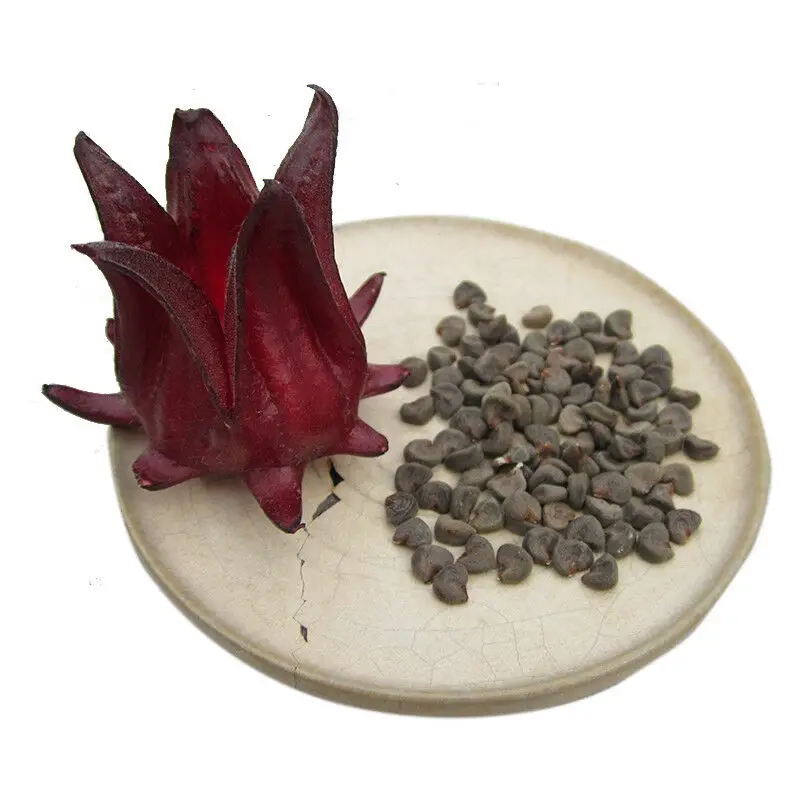
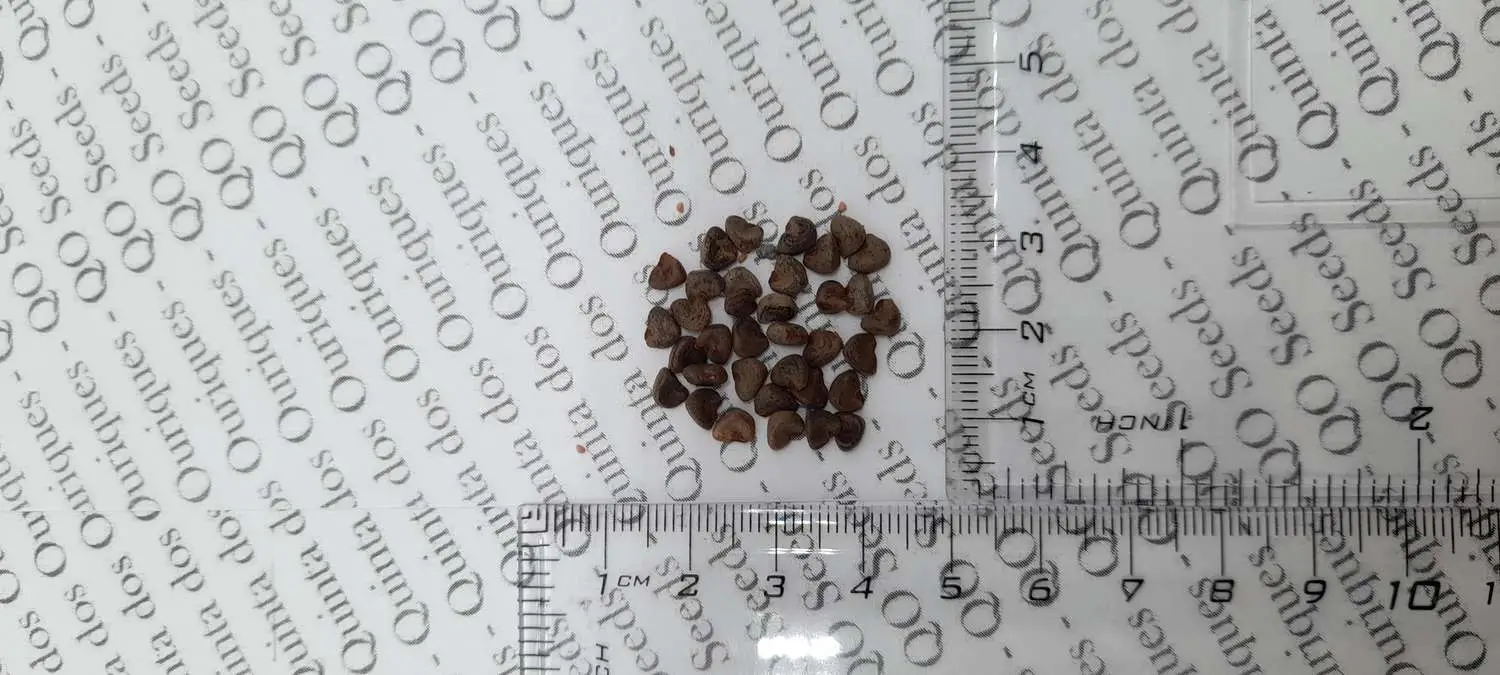
Brilliant red calyces that brew into legendary tea—tart, medicinal, intoxicating. For centuries, cultures from Jamaica to Egypt have sipped roselle’s antioxidant magic. Grow your own potent harvest: easy-to-medium from seed, thrives in warm sun, yields abundantly come autumn. One plant, infinite cups of vitality.
€2.69
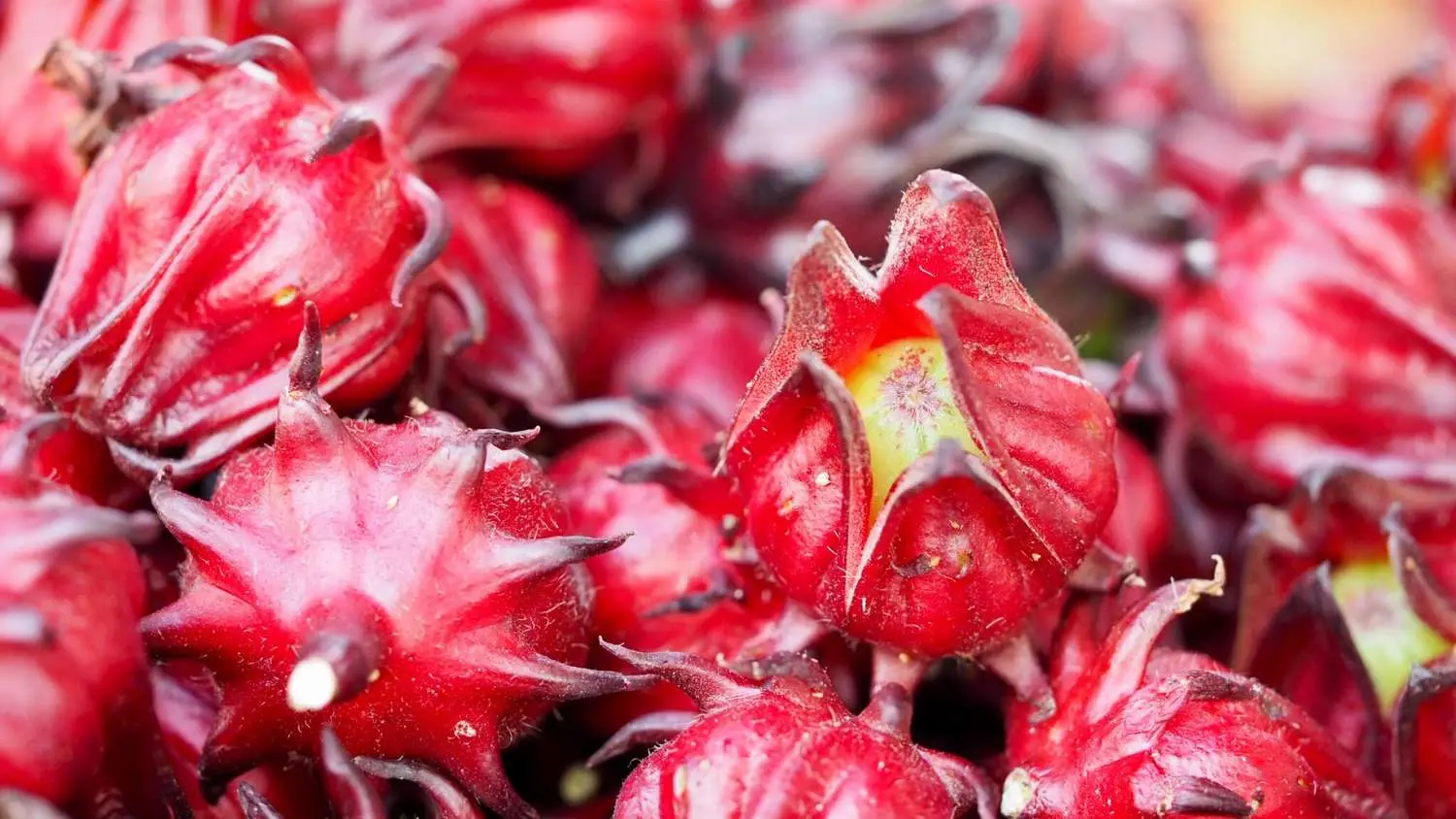
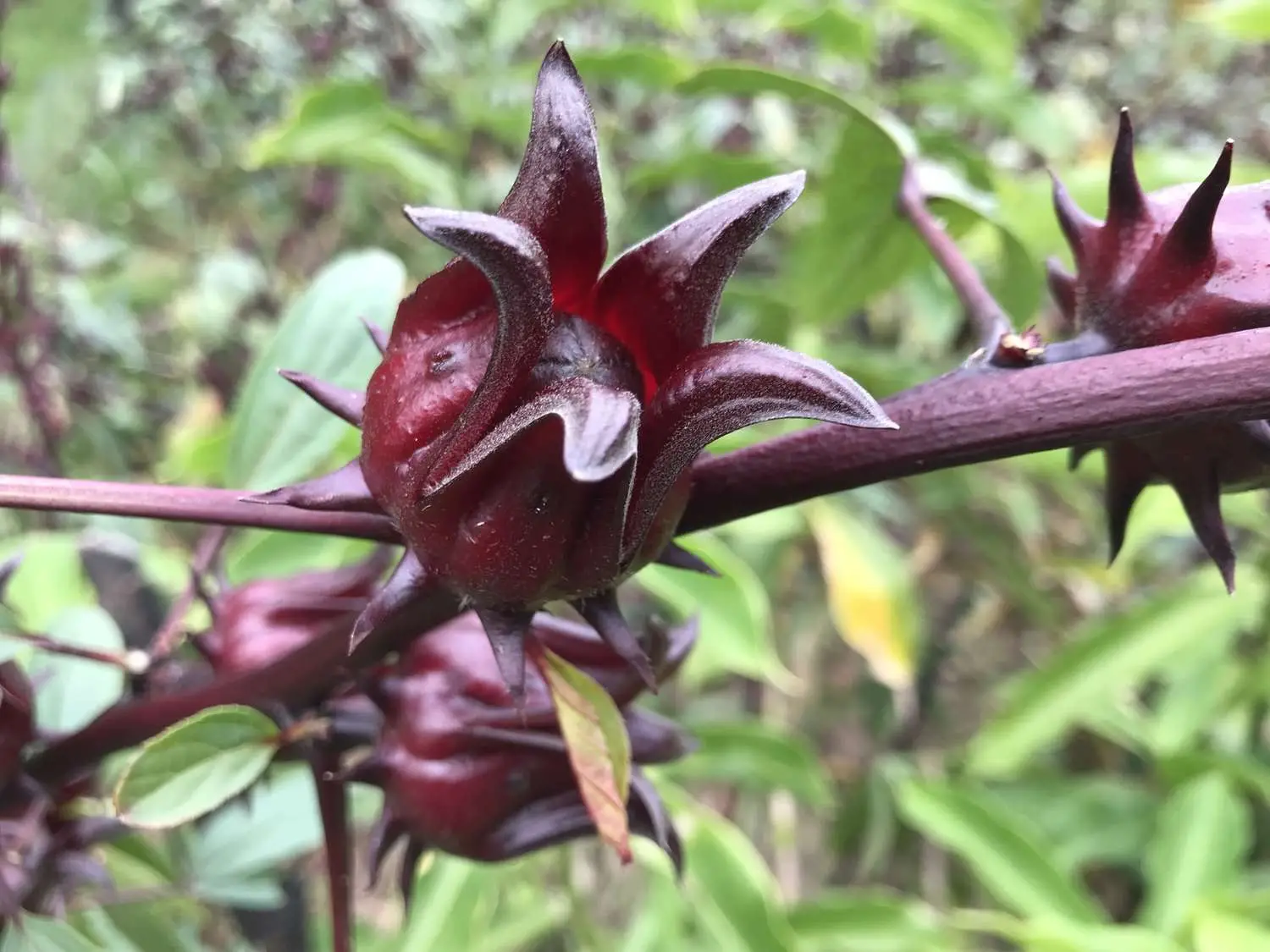
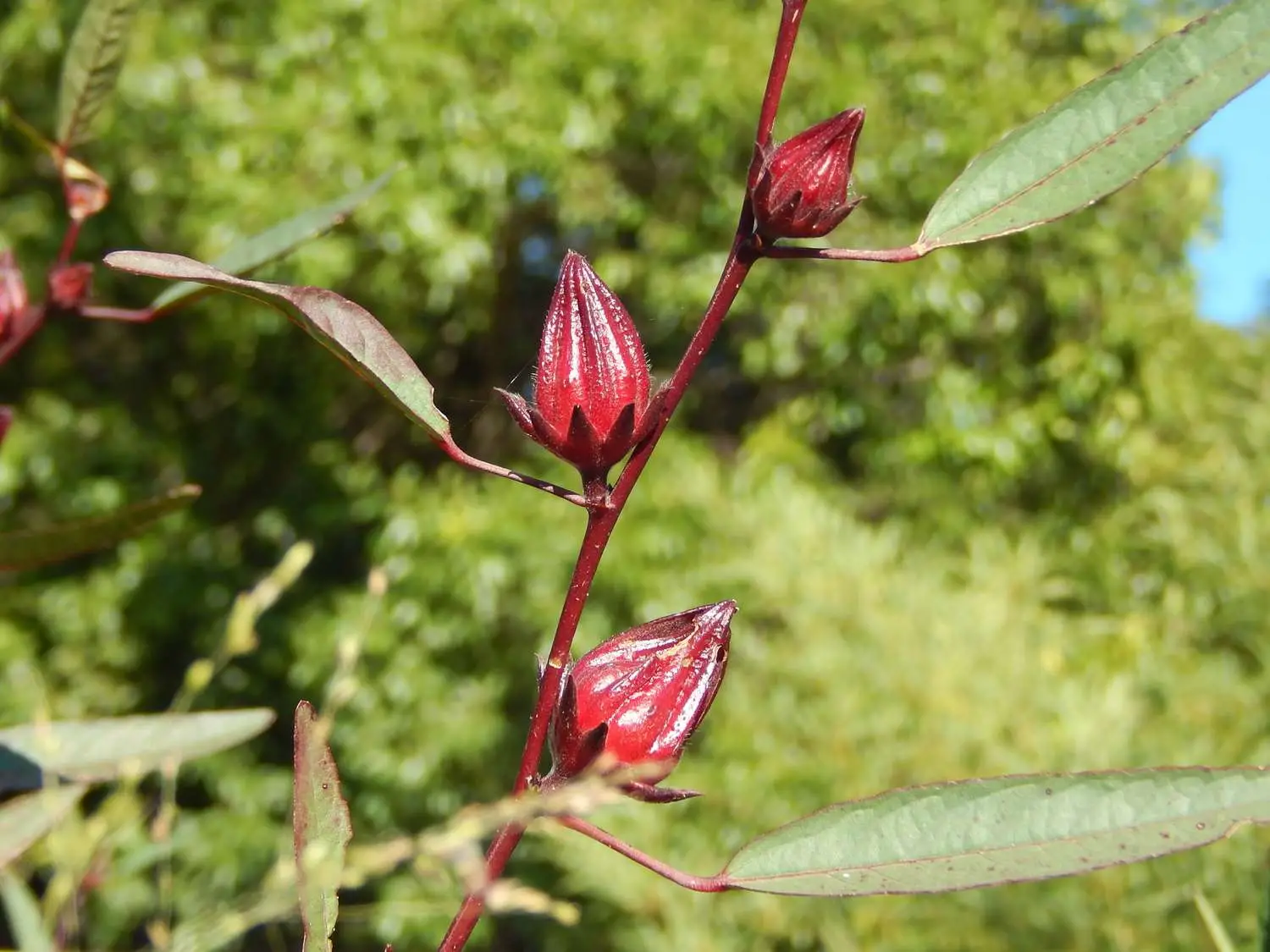
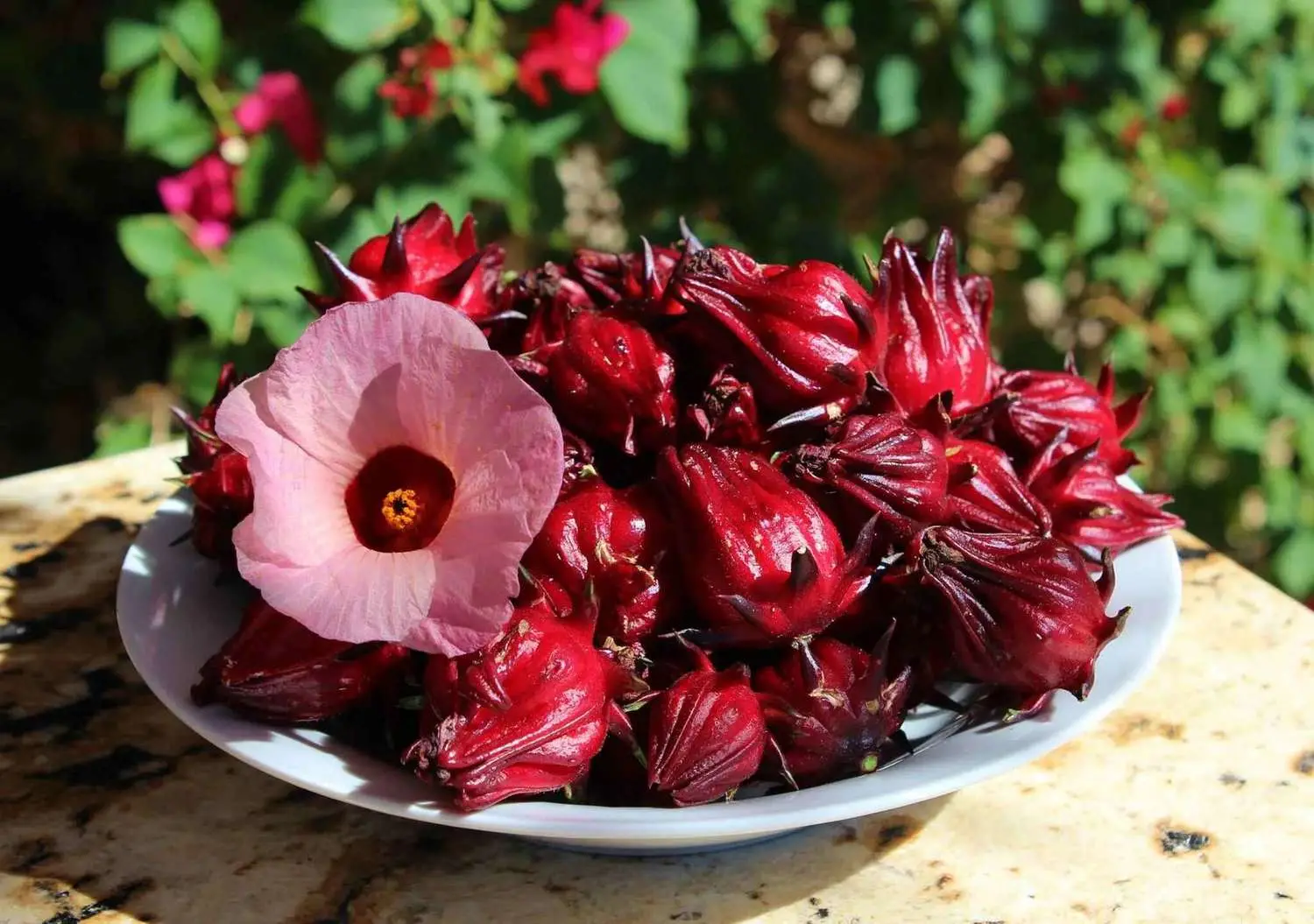
Imagine harvesting the deep crimson treasure that’s enchanted tea drinkers for centuries—the swollen, teardrop-shaped calyces of roselle, each one a concentrate of tart brilliance and living medicine.
Roselle (Hibiscus sabdariffa) traces its roots to West Africa, a plant so valued that trade routes carried it to the Caribbean, Asia, and beyond. Known as Jamaican Sorrel, Florida Cranberry, Indian Roselle—each name whispers a different cultural love story. What makes this species irresistible: it’s not just ornamental or edible; it’s a health ally wrapped in garnet-red beauty. While most hibiscus are grown for flowers, roselle rewards you with something far rarer—those magnificent fleshy calyces that become liquid gold when steeped.
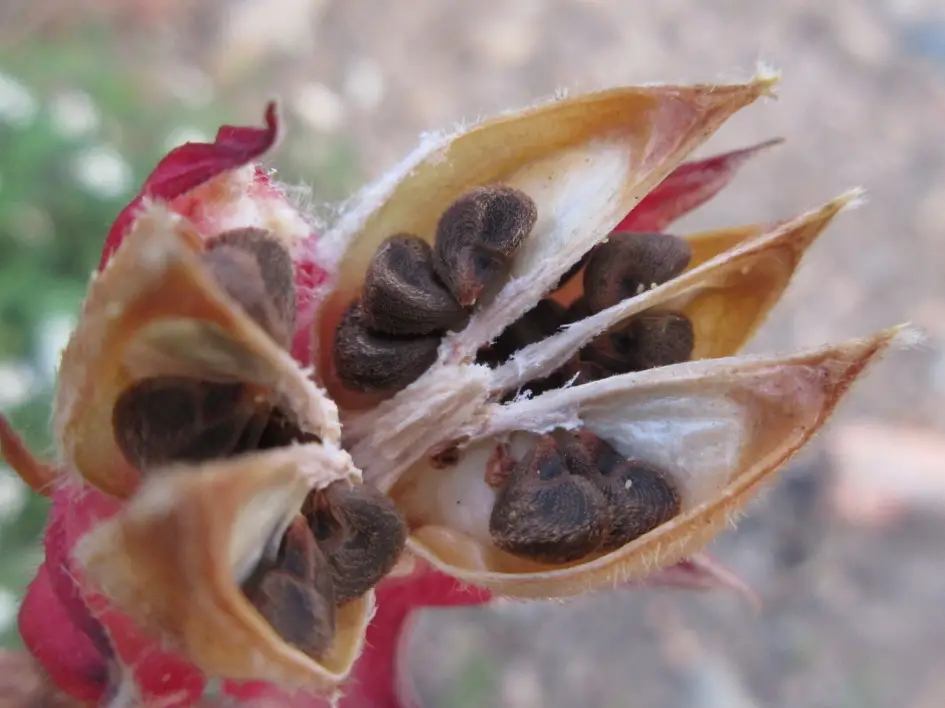
Let’s talk about what truly makes roselle a must-grow: the tea. Those brilliant red calyces—the protective sepals that cradle the flower—are where the magic lives. Steep them hot and you unlock a tart, cranberry-like elixir rich in anthocyanins, vitamin C, and citric acid. For generations, roselle tea has been the answer to what ails you: cardiovascular support (research shows it may help lower blood pressure and cholesterol), liver health, anti-inflammatory power, and antioxidant protection against free radicals. In Jamaica, it’s the Christmas drink of choice. In Egypt and Sudan, it’s “sour tea”—daily wellness ritual. In Traditional Chinese Medicine, it “clears heat” and cools the body during summer months. Beyond tea, the tender young leaves bring a rhubarb-like tang to salads and curries. The calyces become jams, jellies, syrups, sauces—even candied whole. Seeds yield oil and fiber. Every part has purpose; nothing goes to waste.
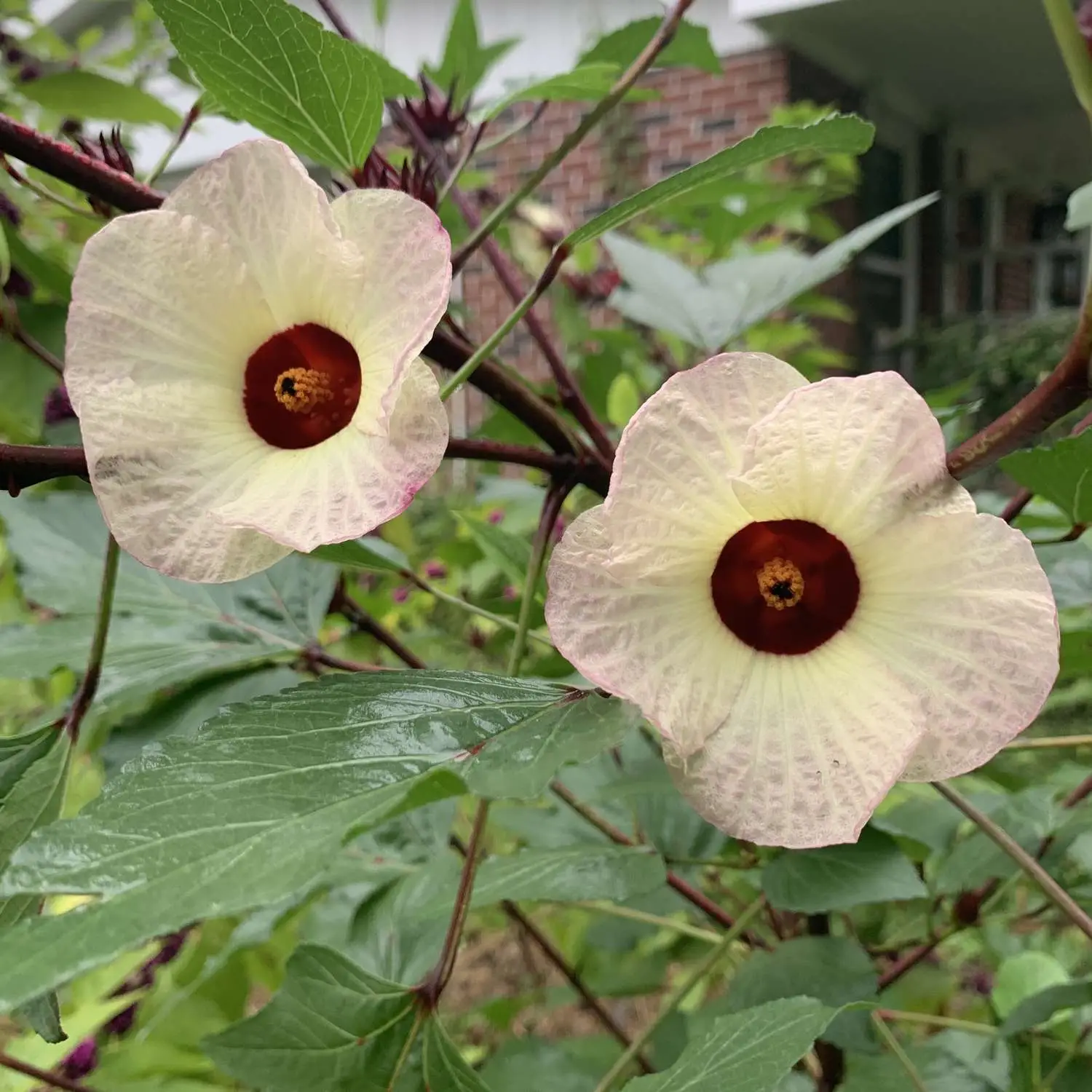
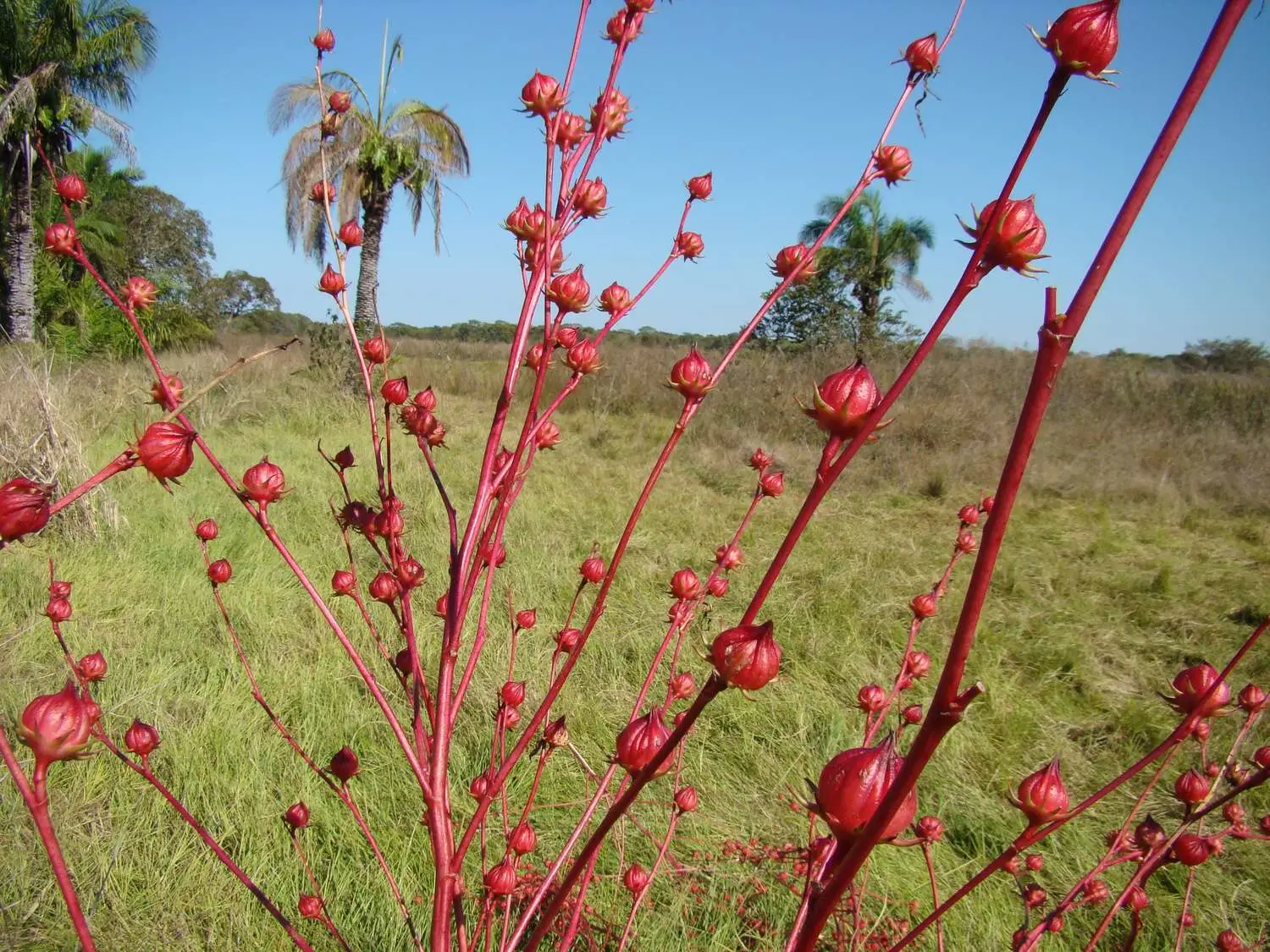
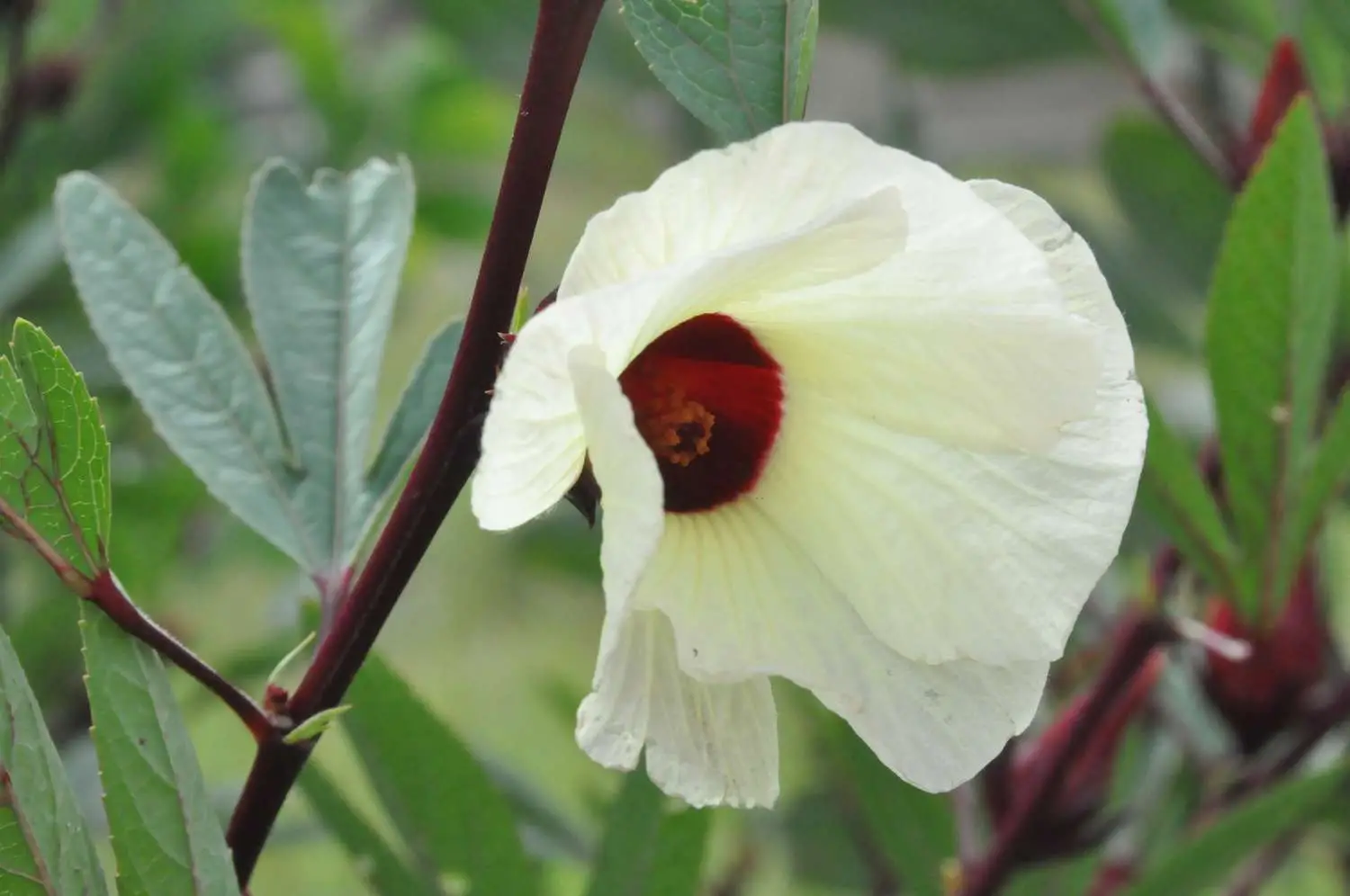
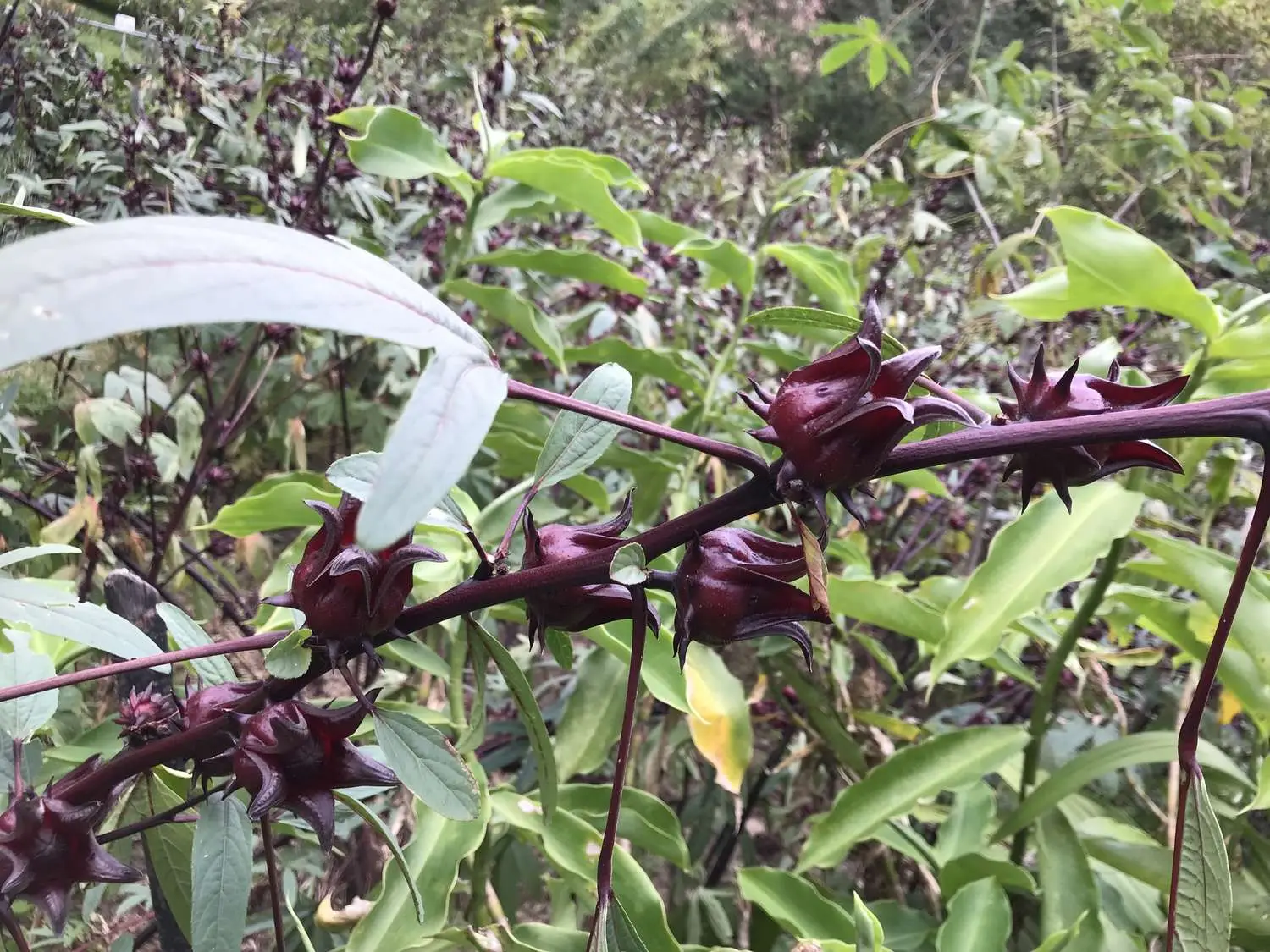
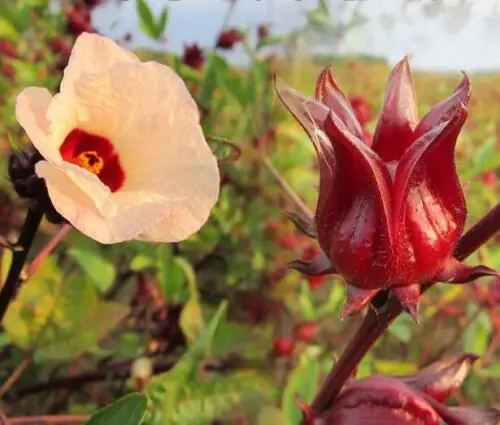
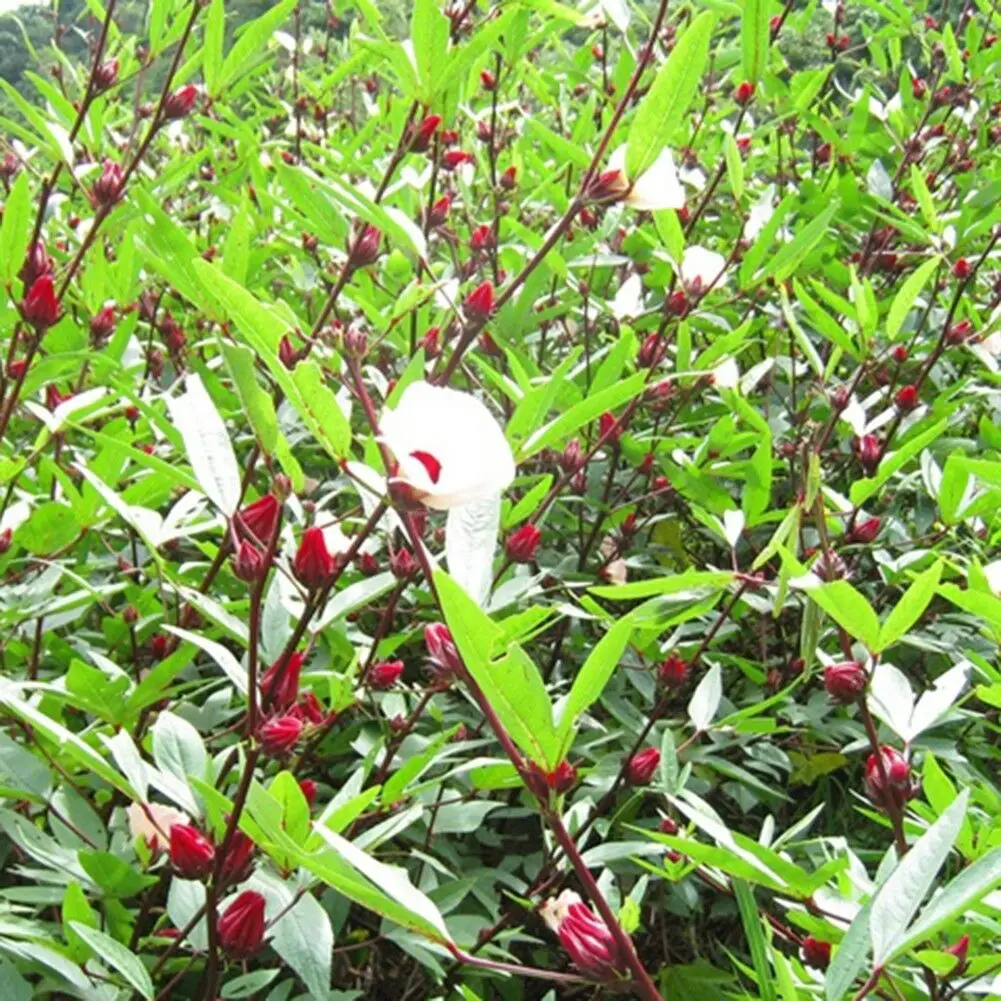
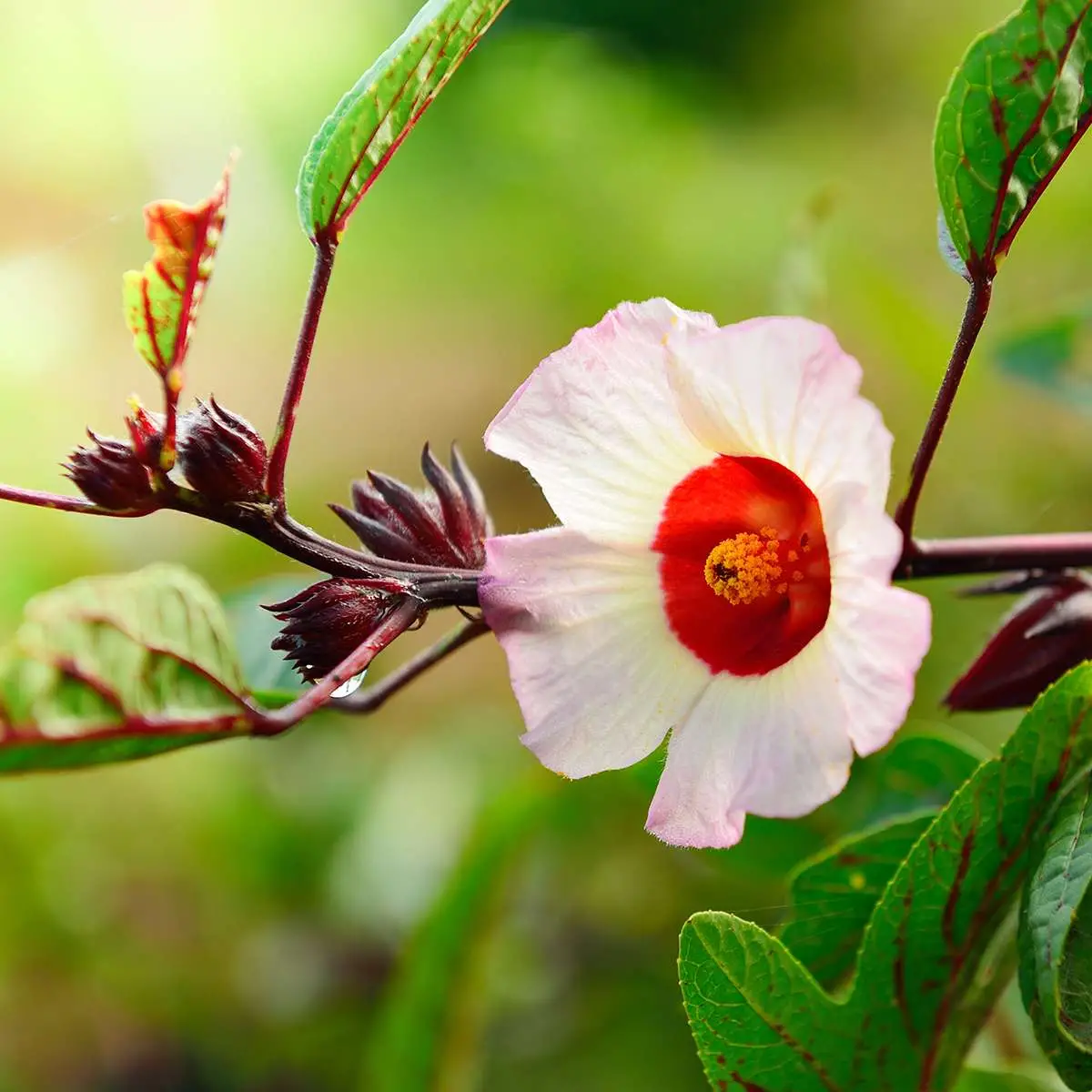
Growing roselle is a joy for warm-climate gardeners and surprisingly rewarding for those willing to start seeds indoors in cooler zones. Plant it in full sun (at least 6-8 hours daily; shade will stunt it), rich, well-draining soil, and consistent moisture without waterlogging. It’s a short-day plant—needs 12+ hours of darkness to flower abundantly, so autumn brings your heaviest harvest. In USDA zones 8-11, grow it as a perennial; elsewhere, treat it as a fast-growing annual that reaches 3-7 feet of lush, lobed foliage topped by pale pink or cream flowers with deep red eyes. Germination is rapid from seed; plants are self-fertile and beloved by pollinators. It tolerates various soil types and is notably drought-tolerant once established. Even in containers, roselle thrives—perfect for patios or moves indoors when frost threatens.
Grow roselle from seed and you’re not just cultivating a plant—you’re growing a ritual, a tradition, a living pharmacy. By autumn, your garden will be dotted with jeweled calyces, each one waiting to steep into that legendary, luminous tea. Start now. Your future self, warm cup in hand, will thank you.
Only logged in customers who have purchased this product may leave a review.

Reviews
There are no reviews yet.