
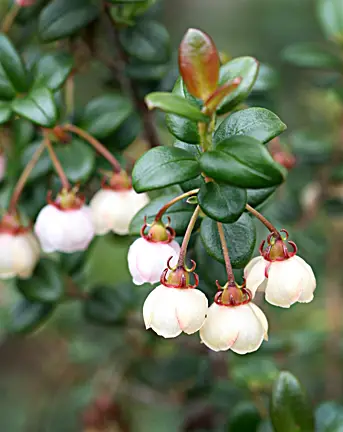
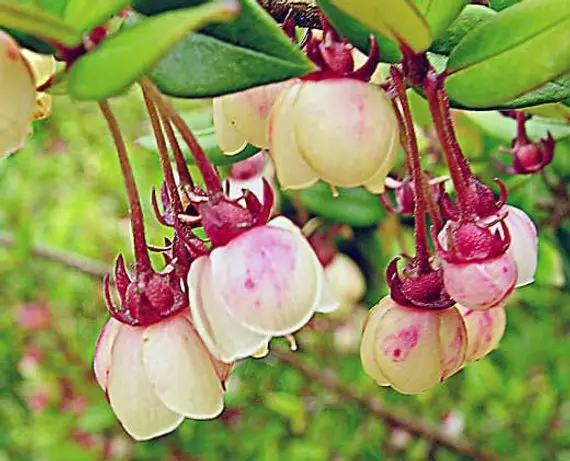
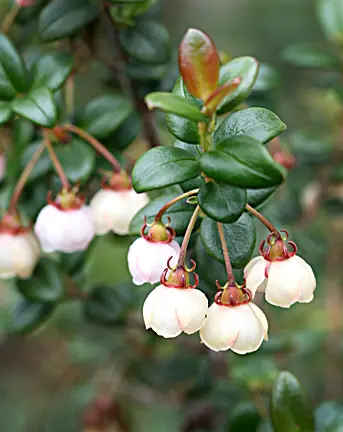
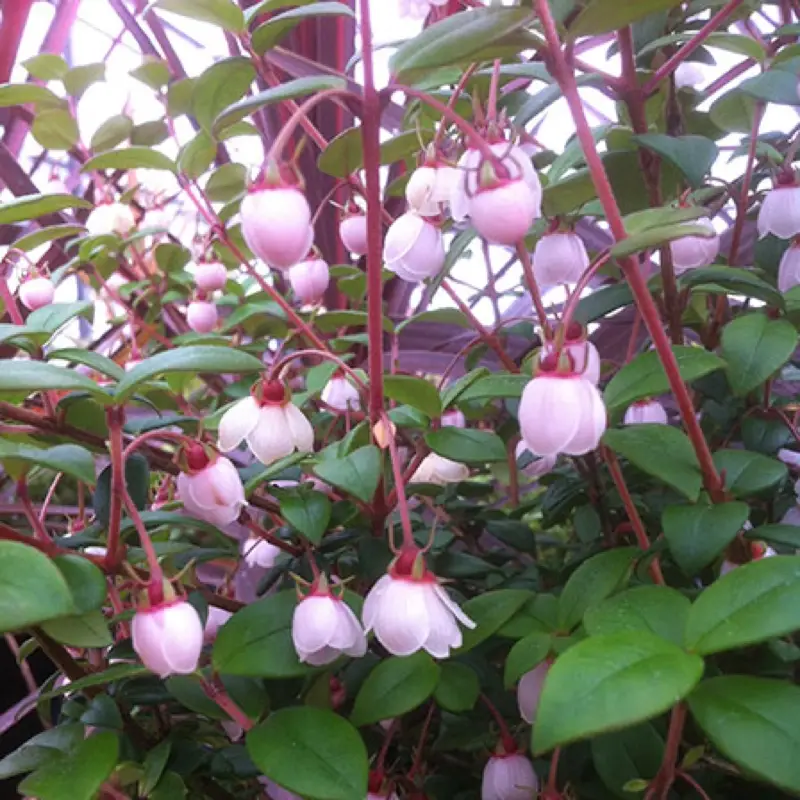
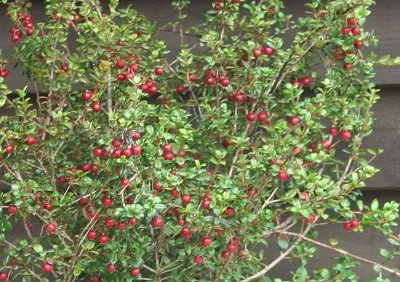
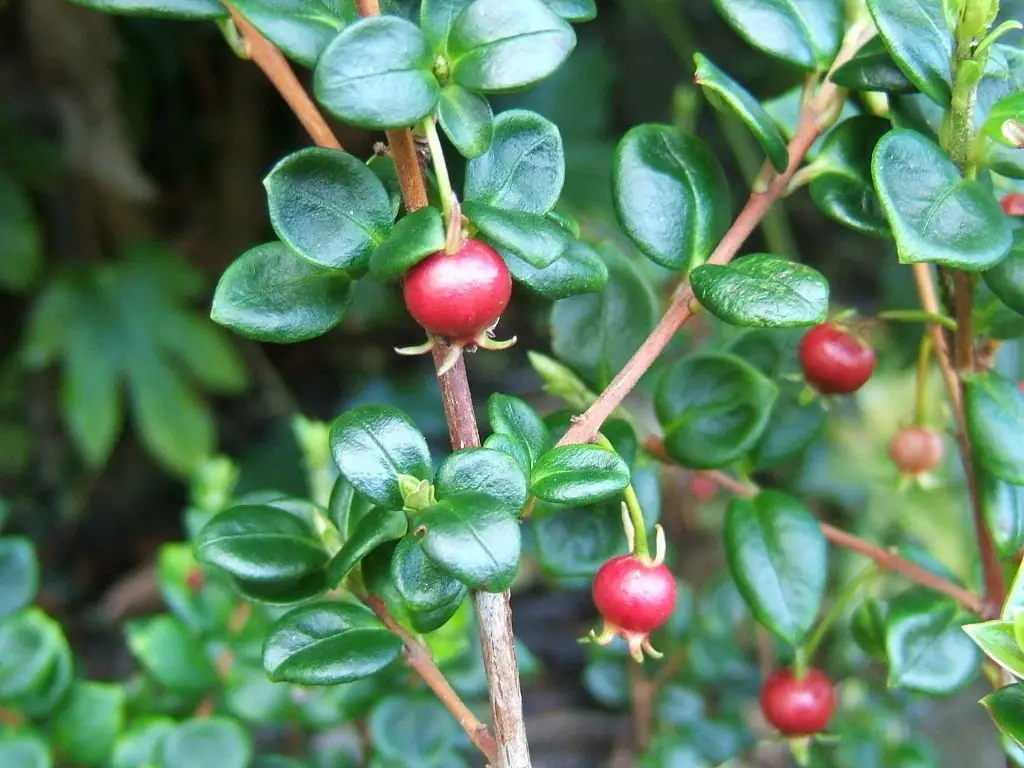
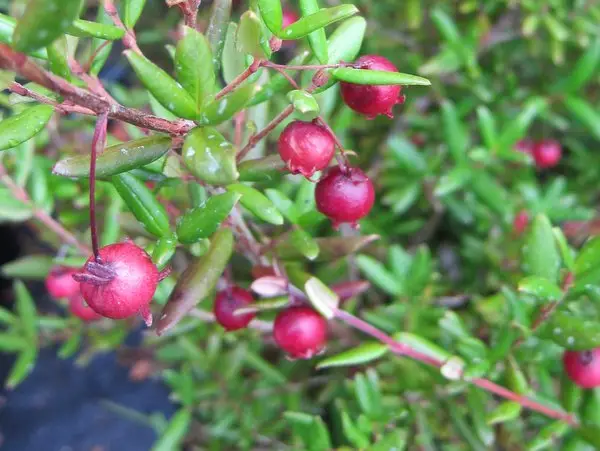
Grow the gourmet berry that captivated Queen Victoria: impossibly aromatic dark red berries tasting of wild strawberry, guava, and spice. Fresh from the shrub, in jams, or infused into traditional Chilean liqueur—pure sensory magic. Compact, frost-tolerant, and surprisingly easy. Bring rare elegance to your garden from seed.
€1.92
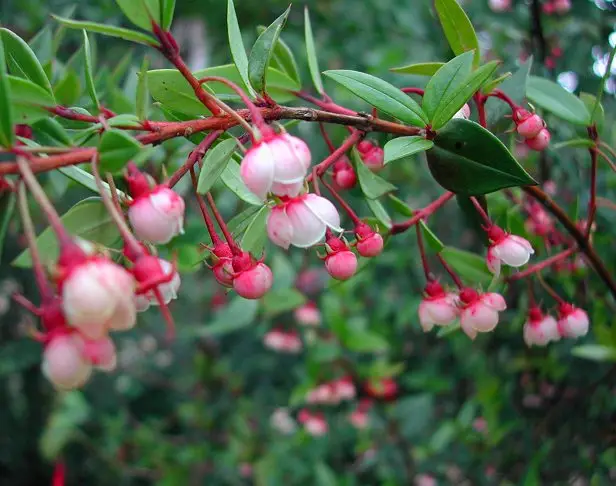
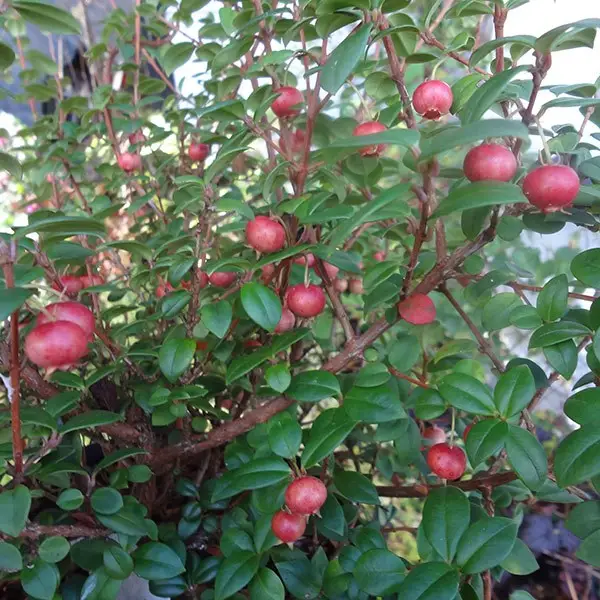
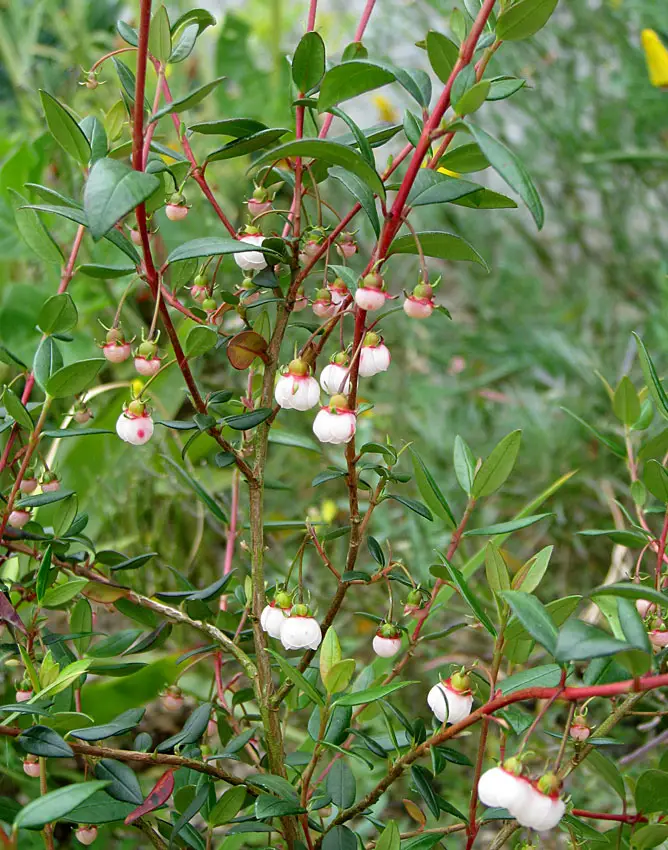
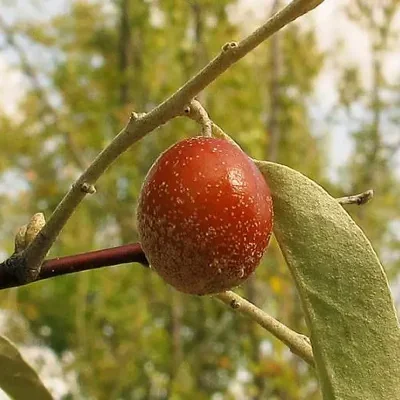
Picture this: pale pink bell-shaped flowers swaying in spring, releasing an intoxicating fragrance that fills your garden. By autumn, jewel-like dark crimson berries—marble-sized, glossy, impossibly aromatic—hang heavy even on young plants. This is Ugni molinae, the legendary Chilean Guava that stopped Queen Victoria in her tracks in 1844 and has bewitched fruit lovers ever since.
Native to the temperate rainforests of southern Chile and Argentina, Ugni molinae is heritage incarnate. For centuries, the indigenous Mapuche people called it “uñi,” using the berries and leaves as food and medicine. When Spanish explorers arrived, they encountered it thriving in wild mountain forests. Yet somehow, outside South America and a handful of niche gardeners in cool climates, this treasure has been nearly forgotten. You’re about to change that.
Here is where Ugni molinae becomes irresistible: the fruit. Each berry—just 1 to 1.5 centimeters across—packs a flavor complexity that belies its size. The taste is pure seduction: sweet yet bright with tartness, evoking wild strawberries, guava, passionfruit, and hints of caramelized sugar. Crush one between your fingers and the aroma intensifies—fresh strawberries, citrus zest, floral notes, vanilla whispers, tropical depth. Some say it tastes like cotton candy or sherbet; others detect a ghost of spice. The truth? Every bite is its own conversation.
But here’s what makes growing Ugni molinae from seed truly special: you’re not just cultivating a plant. You’re creating a culinary gateway. In southern Chile, the berries are treasured for jam, the traditional dessert “murta con membrillo” (guava and quince paste), and Kuchen cake. The leaves brew into a fragrant tea. Roast the seeds and you have a coffee substitute with character. And the pièce de résistance: the traditional liqueur “Murtado”—aguardiente and sugar infused by steeping these aromatic berries, a drink that glows like jeweled fire. Imagine bottling your own harvest. Imagine inviting guests to taste something they’ve never encountered. This is the power of Ugni molinae.
Growing it is a gift to yourself. Ugni molinae thrives in cool, temperate climates with mild winters and moderate summers—zones 8-10, though frost-hardy to around -10°C (-14°F) once established. It adores full sun to partial shade (in hot regions, afternoon shade prevents leaf scorch) and well-drained, slightly acidic soil, though it’s adaptable and forgiving. Water consistently during the growing season, especially when flowering and fruiting—the plant appreciates moisture but never waterlogged conditions. It’s naturally pest-resistant, disease-resistant, and responds beautifully to light pruning in late winter to maintain a compact, bushy form. From seed, it grows at a moderate pace, reaching 1 to 2 meters tall (3 to 6 feet) and producing its first fruit within 1 to 2 years. Even small plants fruit prolifically—a true gift for container gardeners and those with limited space. The plant is self-fertile, needs no special pollination, and produces fruit year after year with minimal fussing.
Every gardener dreams of growing something rare, something with history, something that will make people stop and ask, “What is that incredible smell?” From seed, you’re planting not just a shrub but a gateway to sensory pleasure, to culinary adventure, to a piece of Victorian romance and Patagonian heritage. This is Ugni molinae—the berry Queen Victoria couldn’t stop eating. Now it’s your turn.
Only logged in customers who have purchased this product may leave a review.
Reviews
There are no reviews yet.