Description
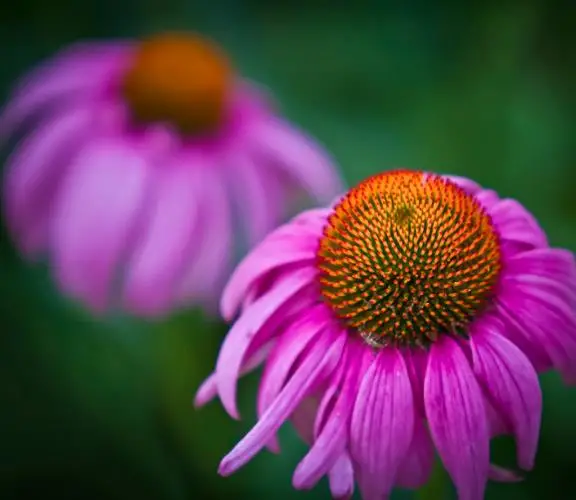
Echinacea purpurea isn’t just a pretty flower—it’s a living pharmacy in your garden, waiting to transform your health and your landscape at once.
Native to the prairies and meadows of eastern North America, purple coneflower holds a sacred place in the healing traditions of countless Indigenous nations. Indigenous peoples of the Great Plains and eastern woodlands used Echinacea species — particularly E. angustifolia and E. purpurea — as one of their most important medicinal plants. For over a thousand years, its roots and flowers have been a sanctuary remedy. Today, it’s become one of the world’s most celebrated herbal medicines, and you can grow it yourself from seed.
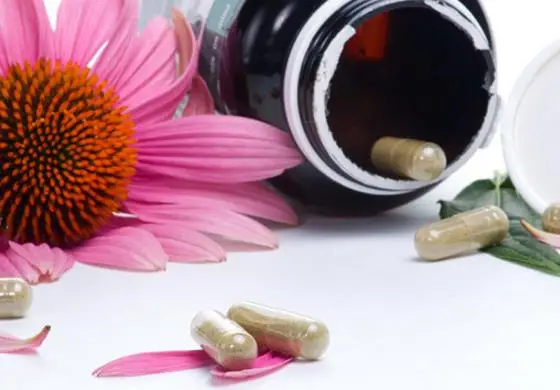
Here’s why echinacea deserves a place in your home: This plant has a reputation for its immunomodulatory and anti-inflammatory properties. E. purpurea is beneficial against upper respiratory tract infections, urinary tract infections, and slow-healing wounds. The flowers of Echinacea species are used to make an extremely popular herbal tea, purported to help strengthen the immune system; an extract is also available in tablet or liquid form in pharmacies and health food stores. Instead of buying expensive bottles, you can harvest fresh blooms and roots from your own thriving plants—potent, authentic, personal. Like many plants, it is most potent when fresh, which is another great reason to grow your own supply. When cold season arrives or immunity needs a boost, you’ll have living medicine at your fingertips.
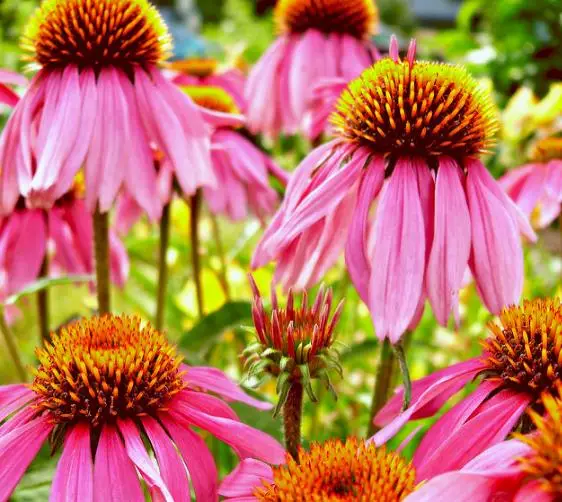
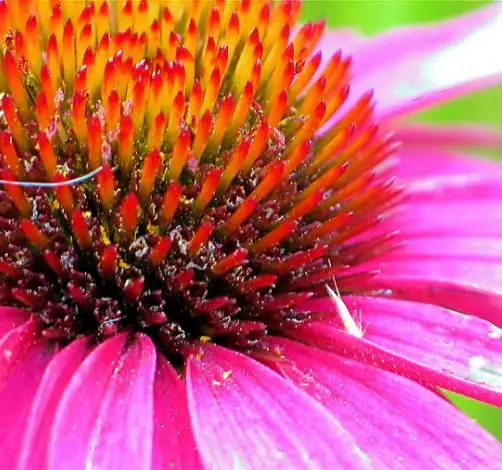
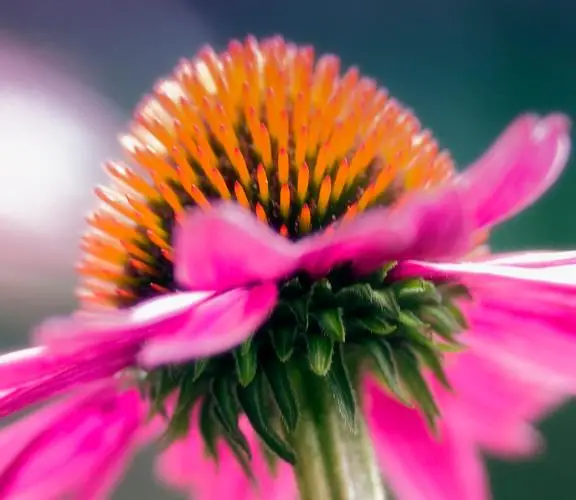
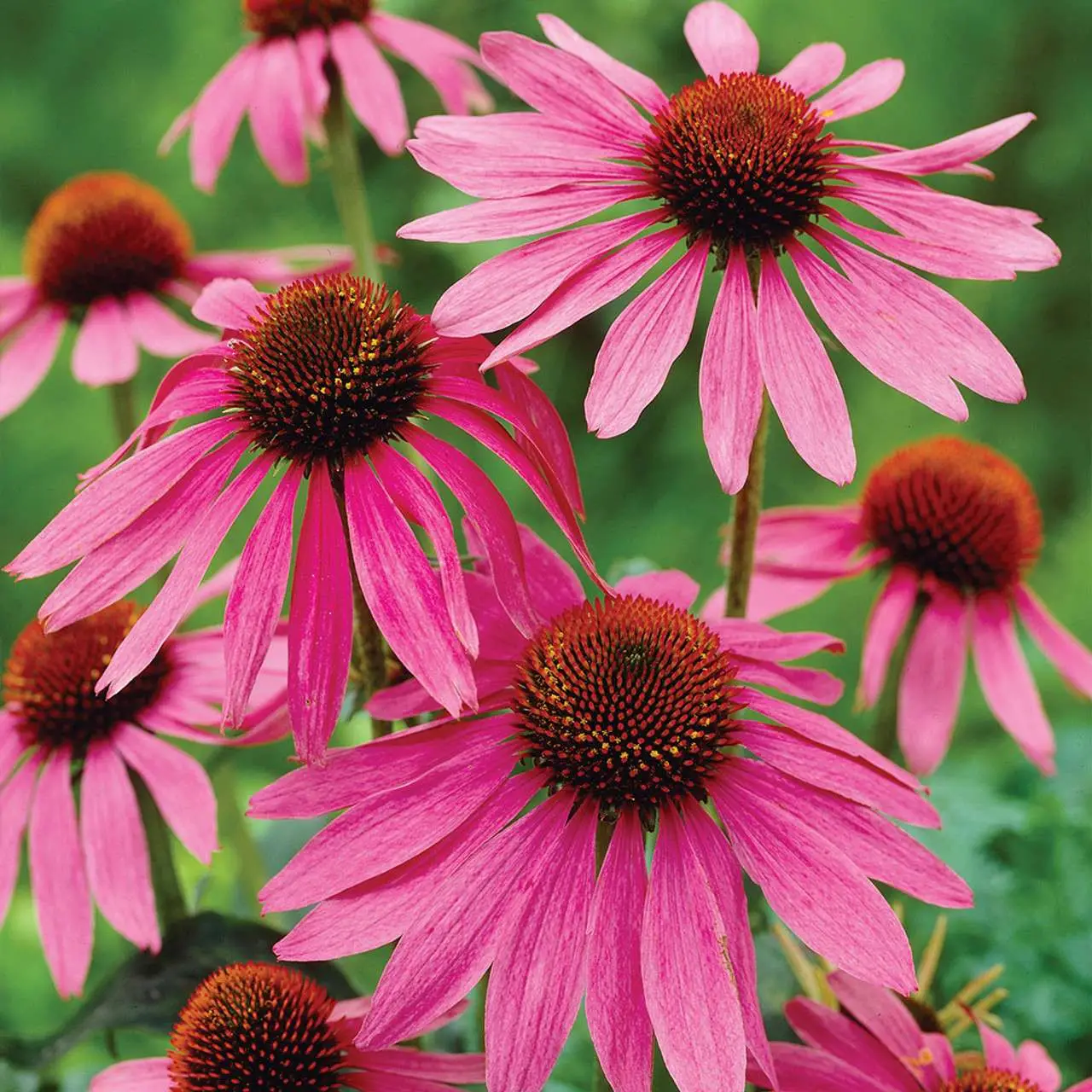
But echinacea is more than medicine—it’s a garden superstar. This sun loving prairie perennial sends up sturdy stems topped with big daisy like flowers in glowing shades of rose pink to purple, each centered on a bold orange brown cone that hummingbirds, bees, butterflies, and birds cannot resist. Native Echinacea species support over 150 species of pollinators, with the classic purple coneflower (Echinacea purpurea) attracting the greatest diversity. Unlike many ornamental plants, Echinacea serves as both a nectar source and host plant for butterfly larvae, creating a complete habitat cycle. The seed heads of Echinacea provide critical winter food for birds, extending their ecological benefits well beyond the growing season. Bloom from June through September, and watch your garden come alive with pollinators.
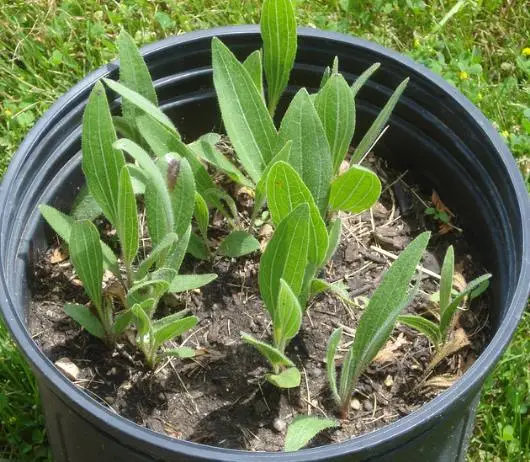
Growing echinacea is beautifully simple—this is a plant that asks for very little and gives generously. Echinacea is one of the easiest perennials to grow from seed. Seeds will typically germinate in 2-3 weeks. Easily grown in average, dry to medium, well-drained soil in full sun to part shade. An adaptable plant that is tolerant of drought, heat, humidity and poor soil. Plant in full sun for best blooms and medicinal potency; it tolerates partial shade but will flower more abundantly with direct light. Full sun is ideal. Coneflowers grow best in well-drained soil. Add some compost and/or mulch around the base (not touching the plant) to suppress weeds and condition the soil. Water regularly until well established. Once rooted, it shrugs off drought and neglect. Echinacea is rarely troubled by pests or diseases, none serious enough to warrant control measures. Echinacea is easy to grow from nursery stock, seed, or division. Sow seeds indoors in late winter or directly into the garden in spring; flowers often appear the first year if you sow early. Echinacea are tough perennials in the daisy family (Asteraceae) and hardy in Zones 3 to 9.
Imagine stepping into your garden on a cool morning and harvesting fresh purple coneflower blooms—
Germination Guide
🌍 Central and eastern United States, particularly Ohio to Michigan to Iowa south to Louisiana and Georgia, including the Mississippi Valley and Ohio Valley
Easy
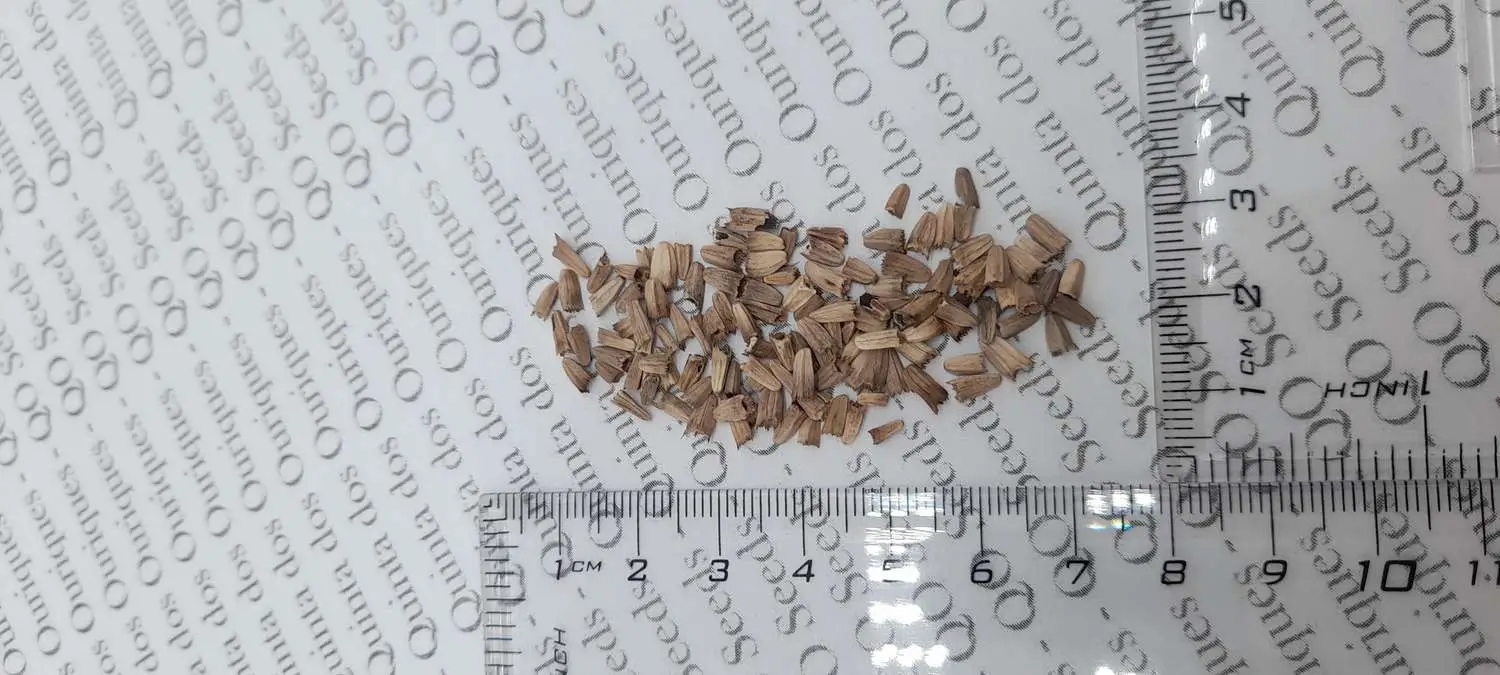
Echinacea purpurea, commonly known as purple coneflower, is a hardy herbaceous perennial native to the central and eastern United States. This striking wildflower features distinctive daisy-like blooms with purple-pink petals surrounding a cone-shaped central disk, and has been traditionally used by Native Americans for medicinal purposes. Seeds have relatively high germination rates (80-90% without treatment, up to 98% with cold stratification) and are best started indoors 8-10 weeks before the last frost or direct sown in fall for natural stratification.
Germination
Germination time
Expect germination in
7 – 20 days
Temperature
Min 18°C
Ideal 21°C
Max 24°C
Substrate moisture
💧 Medium
Sowing depth
Lightly covered
Seed Pre-treatment
-
❄️
Cold stratification — 28 days at 4°C
-
📋
Additional notes
Cold stratification is optional but recommended for higher germination rates and faster germination. Without stratification, germination rate is 80-90%; with 4 weeks stratification, rates reach 98%.
Substrate & Container
Recommended substrate
Seed starting mix or sterile potting soil, light and well-draining
Recommended container
Cell trays, pots, or flats; seed starting containers with drainage
Growing Tips
Sow seeds 1/8 inch deep and lightly tamp soil; keep substrate moist but not waterlogged. Cold stratification for 4 weeks at 4°C (40°F) in moist sand or paper towel significantly improves germination speed and uniformity. Can be spring or fall sown without stratification, though germination may be slower. Remove seeds from cold stratification 48 hours after treatment begins; they typically germinate within 7-20 days at 65-75°F. Prevent damping-off by ensuring good airflow and avoiding excessive moisture. Once seedlings appear, provide bright light for 16+ hours daily.
Only logged in customers who have purchased this product may leave a review.

Reviews
There are no reviews yet.