
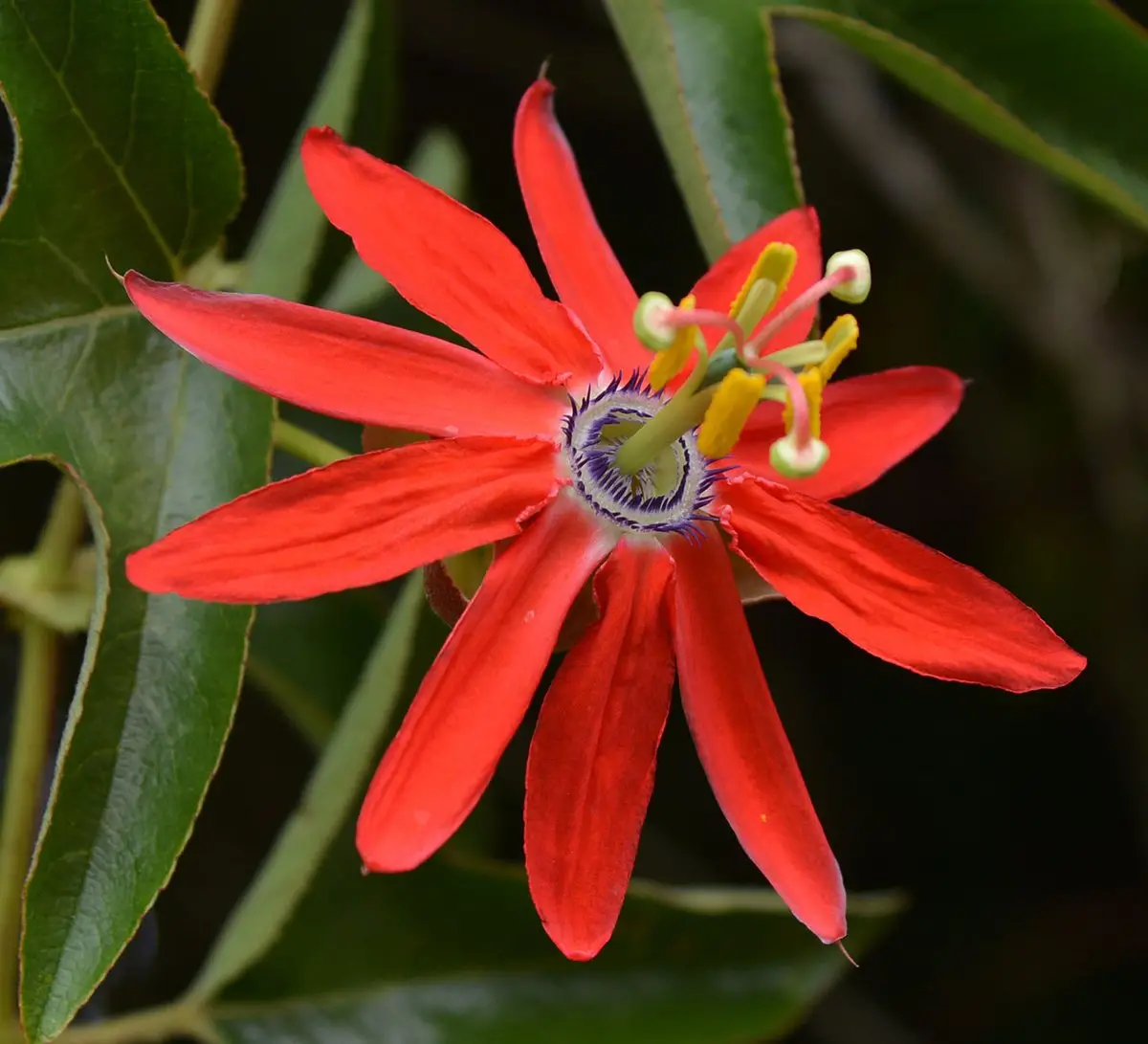

Stunning scarlet flowers that arrest the eye, blooming ceaselessly through seasons. But here’s the treasure: rich, fragrant edible fruits loaded with vitamin C, iron, and antioxidants—straight from Ecuador’s cloud forests. This vigorous vine explodes into leaf and bloom with moderate water and sun. Start from seed now. Watch butterflies arrive by the dozen.
€1.92
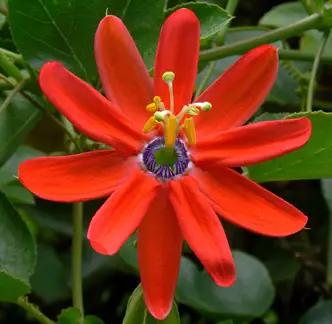
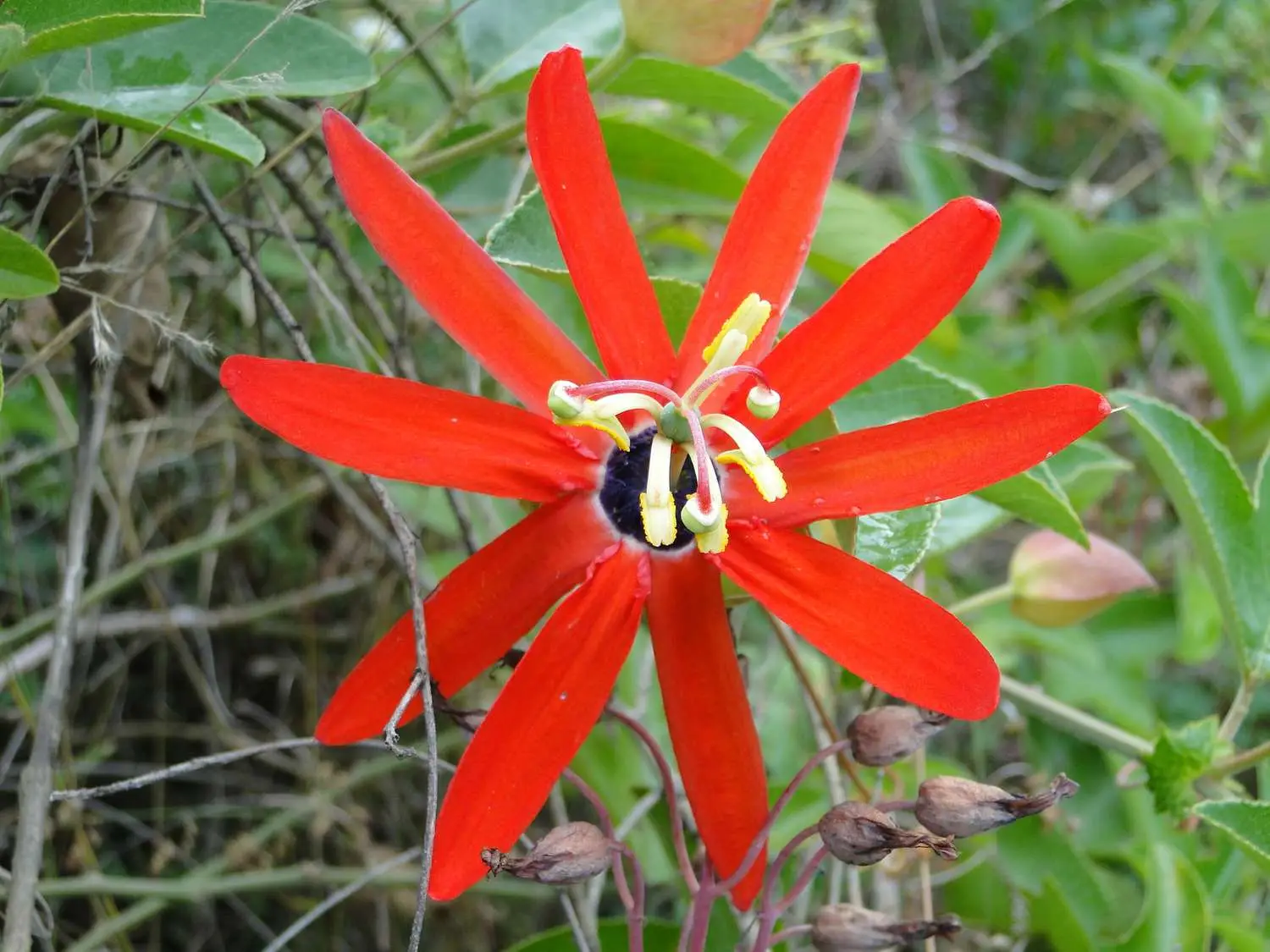
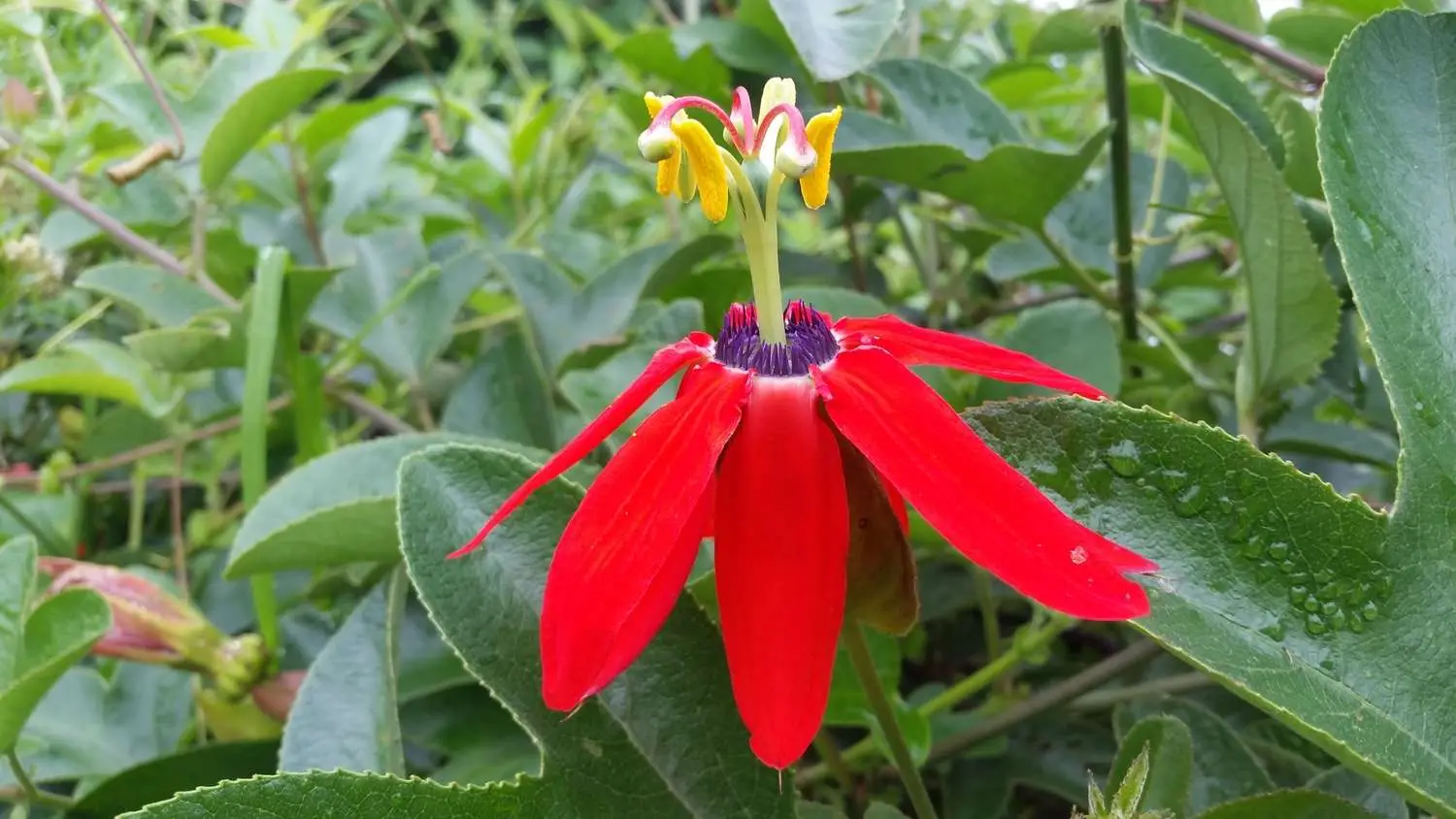
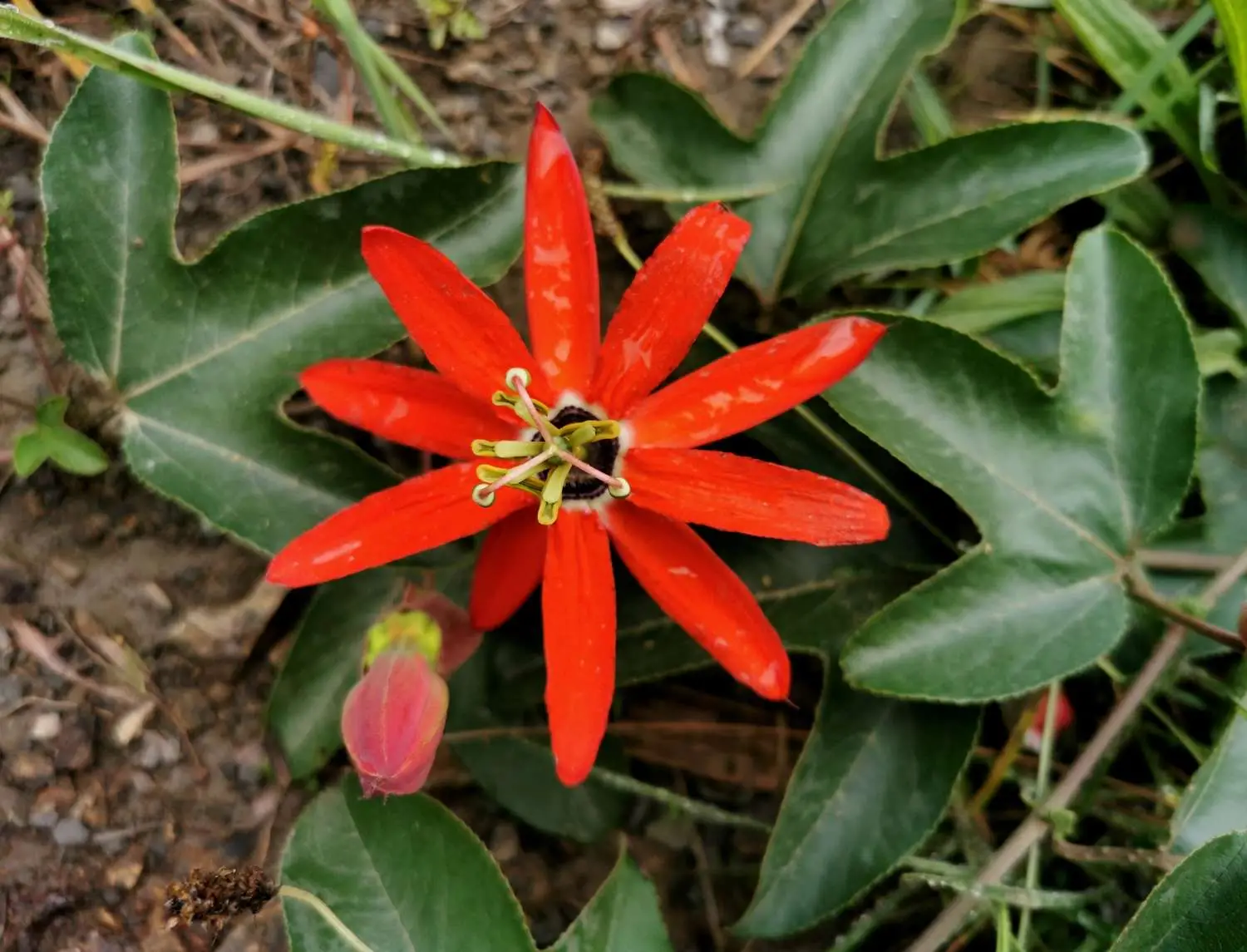
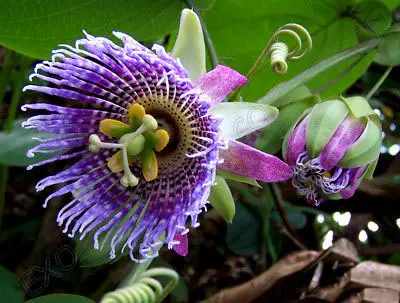
Imagine a vine so shamelessly beautiful it stops you mid-stride—scarlet blooms the size of a fist, white-centered with shocking blue coronas, hanging from deep green three-lobed foliage like precious ornaments.
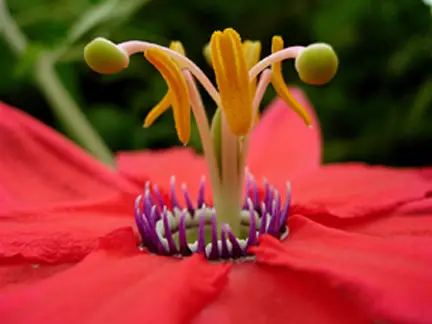
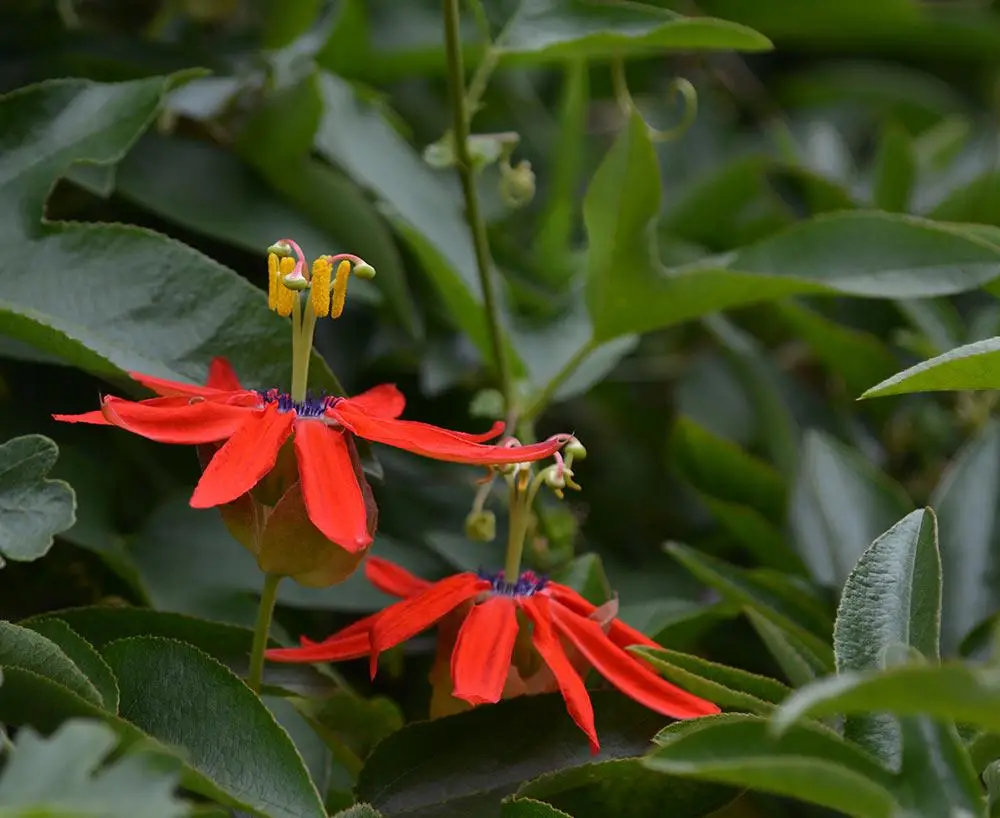
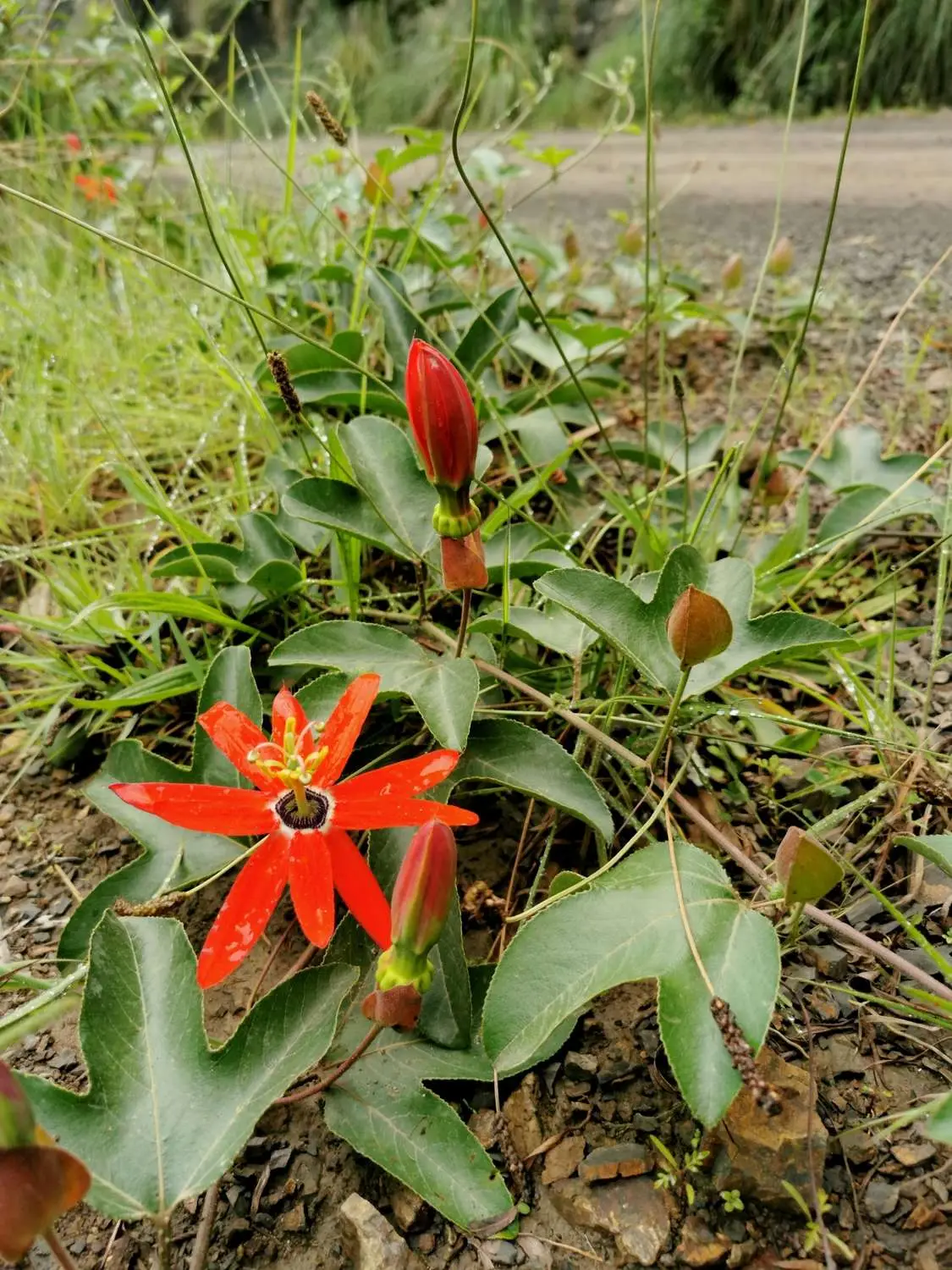
Passiflora manicata is a species from Colombia and Ecuador, native to the misty interandean valleys where altitude sharpens beauty. This is a plant of higher elevations in the tropics, found at 1,500–2,500 metres, which is why it thrives in cooler climates better than most passionflowers. From Colombia and Ecuador comes this rare and seemingly newly-discovered, profusely-flowering Passiflora, which opens saucer-shaped, strawberry-red flowers, white at the bases, with short blue and white coronas, and prominent yellow anthers. The combination of colour is genuinely unique in the passionflower world.
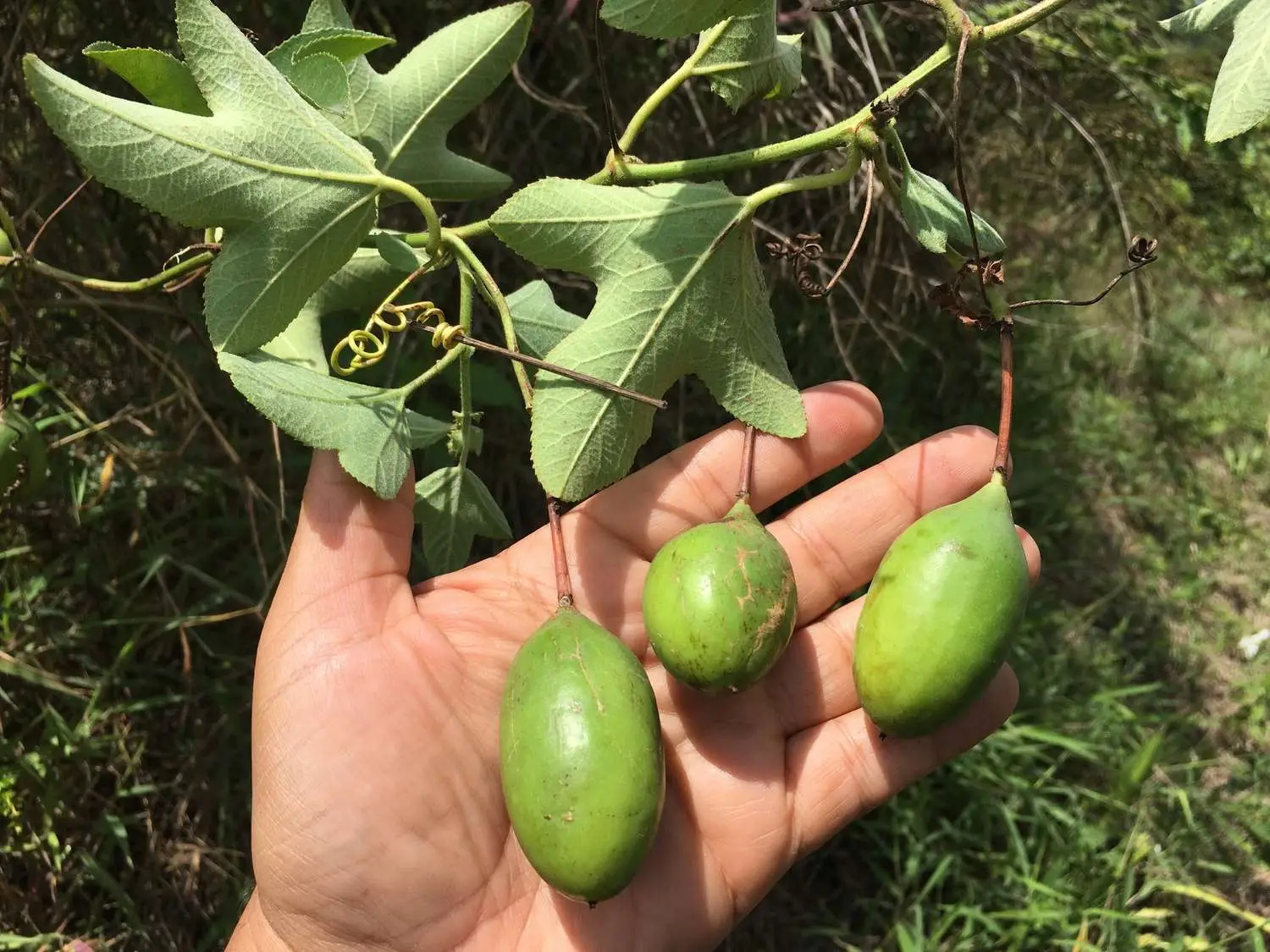
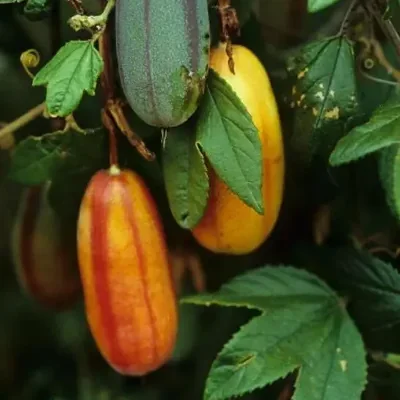
But the real magic lies in what follows the flowers. The plant yields an egg-shaped edible fruit which can be used in different recipes and offers many health benefits. A single plant can provide several fruits at the same time, and depending on the variety, several crops per year. The sweet passionfruit is rich in dietary fibers, iron and magnesium, and an excellent source of vitamin C. Unlike some passionfruits that are merely pleasant, this one’s fruit has personality: the fruit is fragrant, smelling like a cross between the purple passion fruit and banana passion fruit. Ripe when golden-green, it’s a delicate citrus-like taste with subtle complexity—ideal fresh, in juices, or in culinary experiments. Drinking juice squeezed from this fruit has many health properties, such as relieving insomnia, dyspepsia, hypertension, and digestive problems. This is passive health, growing on your fence.
Now, the bonus gift every grower discovers: wildlife. The gorgeous flowers will attract butterflies, bees, and other pollinating insects, as well as hummingbirds in warmer climes, because the flowers produce copious amounts of nectar. This hardy climber is a favourite food of caterpillars and fritillary butterfly. Watch your garden transform into a living ecosystem.
**Growing from seed is straightforward.** The vine is fast and vigorous and tolerant of light frosts. Blooming all year around with a grand explosion of bloom in late Summer and Fall, the 3″ to 4″, vivid, scarlet flowers are a perfect contrast against the large, rich, green, almost leathery foliage. It prefers full sun or semi-shade and should be given regular water to flower. Most species flower and fruit more heavily if soil fertility is low. They often develop deep roots and can be moderately tolerant of dry spells. Plant it in well-draining, neutral to slightly alkaline soil—it’s unfussy. Scarify the seeds lightly with sandpaper, soak 24 hours in warm water, and sow in warm (75–85°F), humid conditions. Patience pays: germination takes weeks to months, but the reward is a plant that transforms instantly from seed to fruitful abundance.
This is not a show-plant. This is a *living thing* that feeds you, intoxicates butterflies with nectar, and fills your seasons with impossible red. Grow Passiflora manicata from seed and taste mountain passion on your own soil.
Only logged in customers who have purchased this product may leave a review.
Reviews
There are no reviews yet.