Description
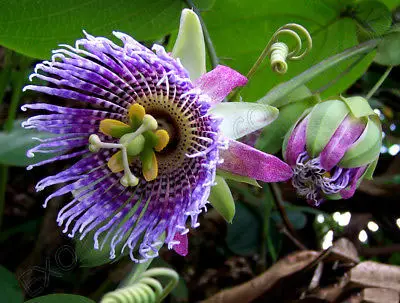
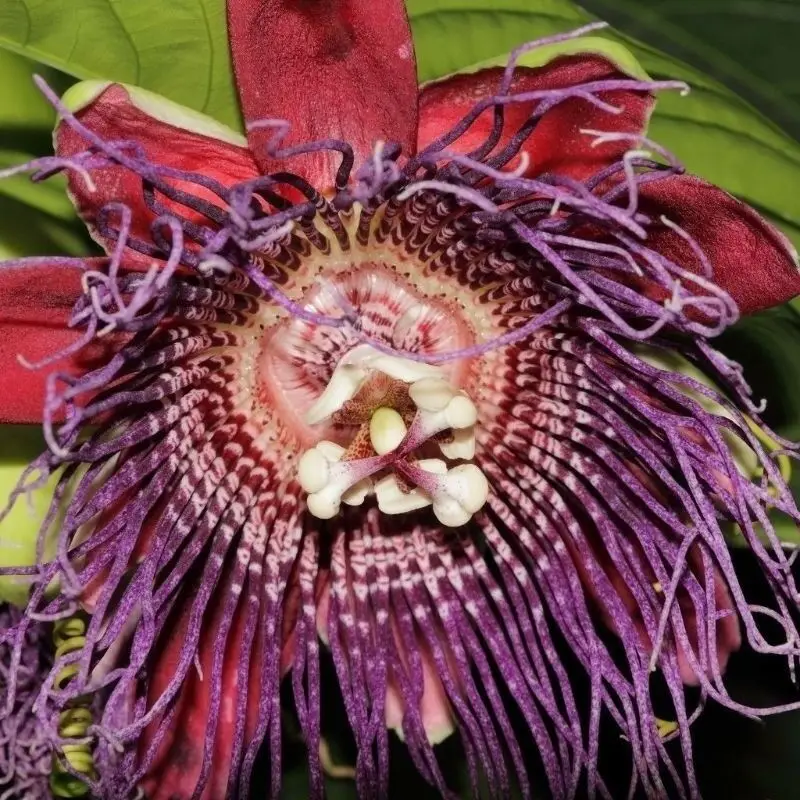
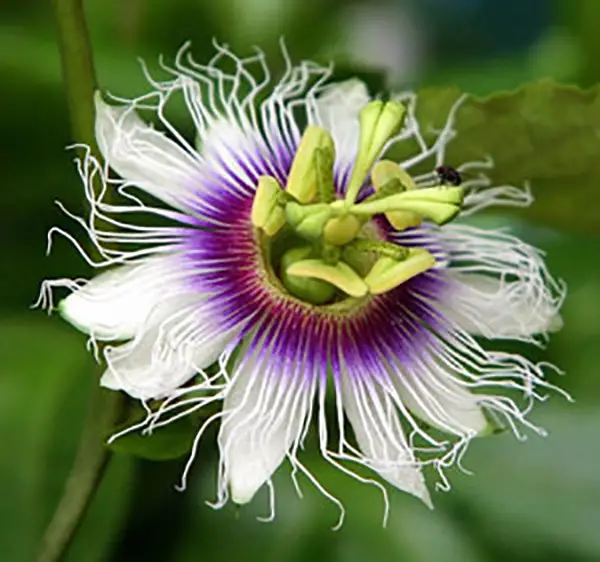
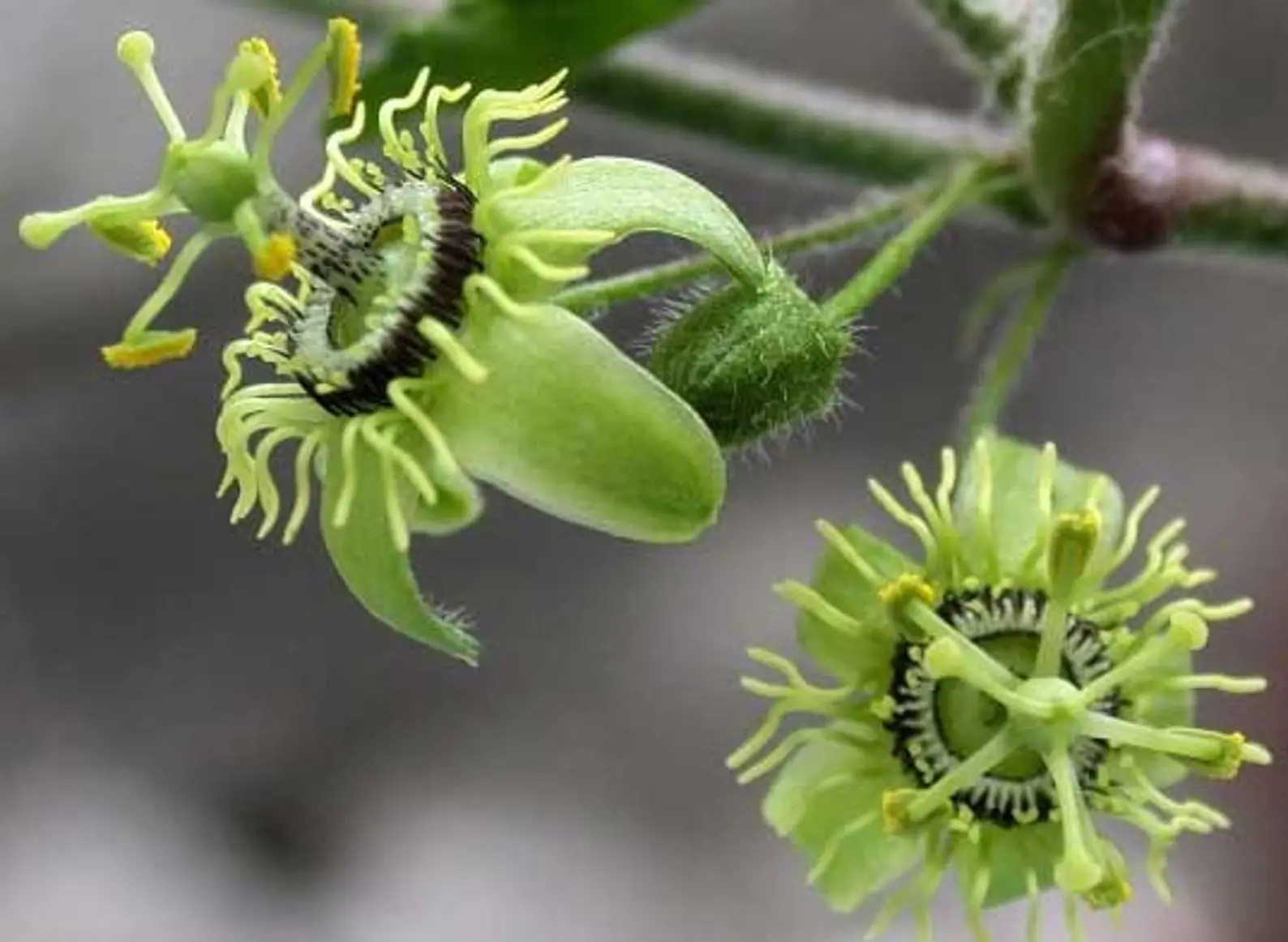
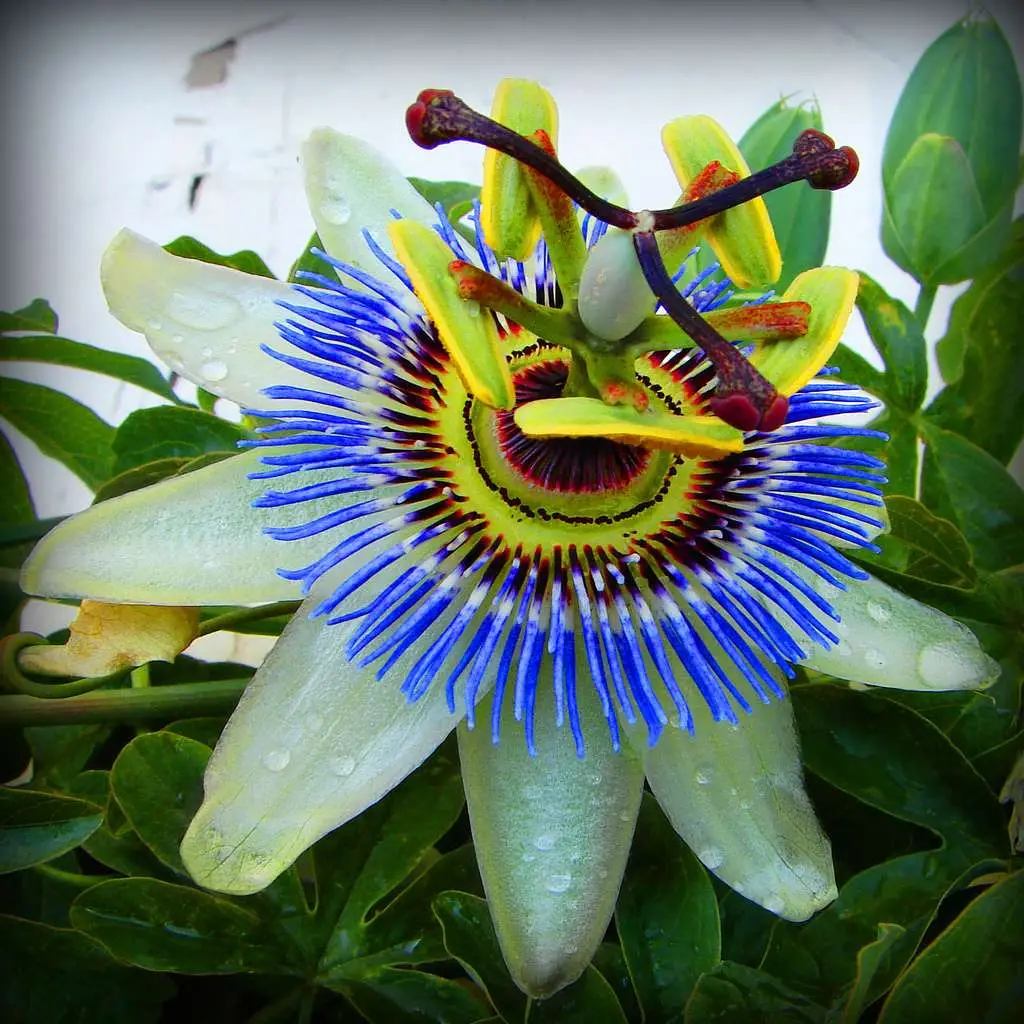
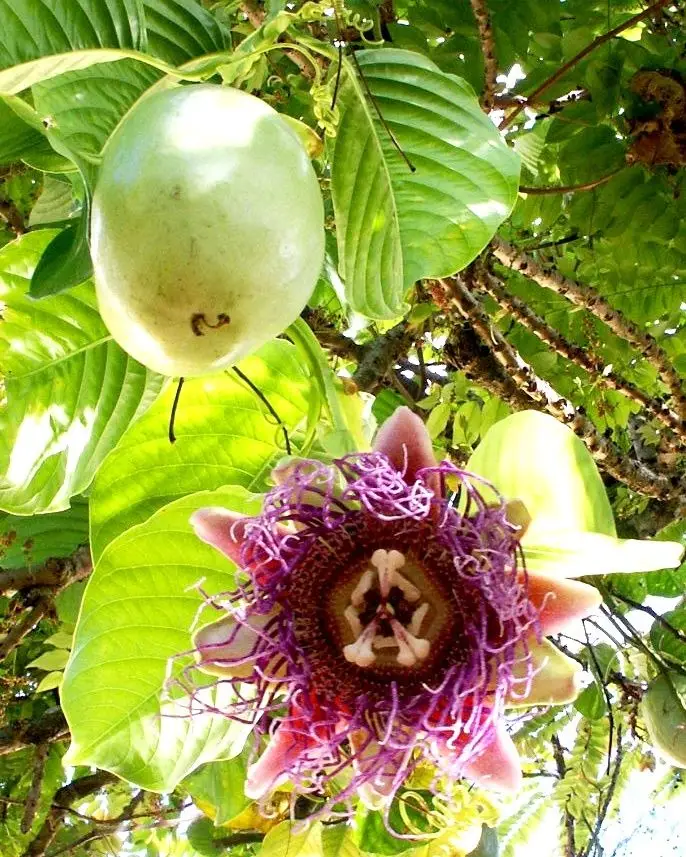
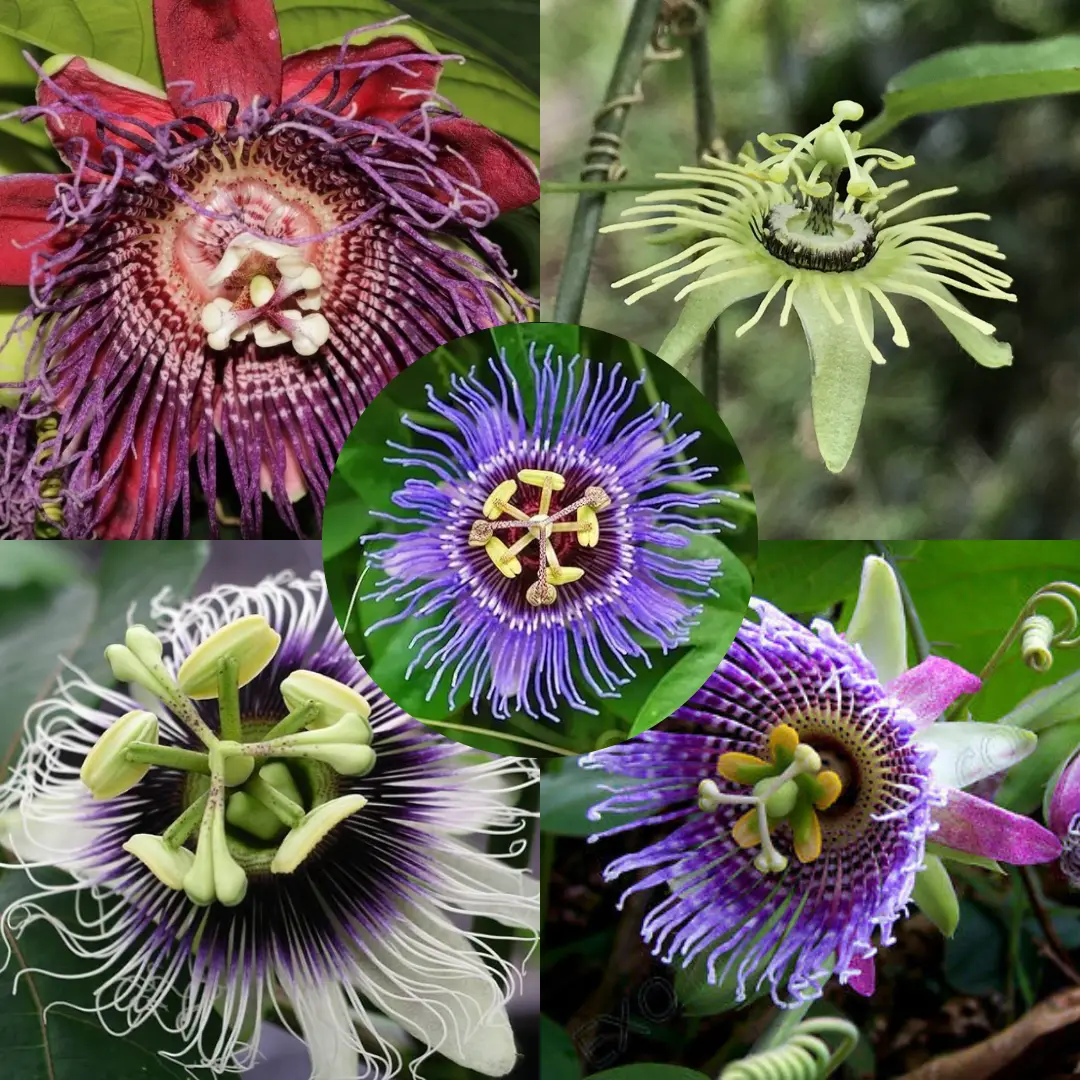
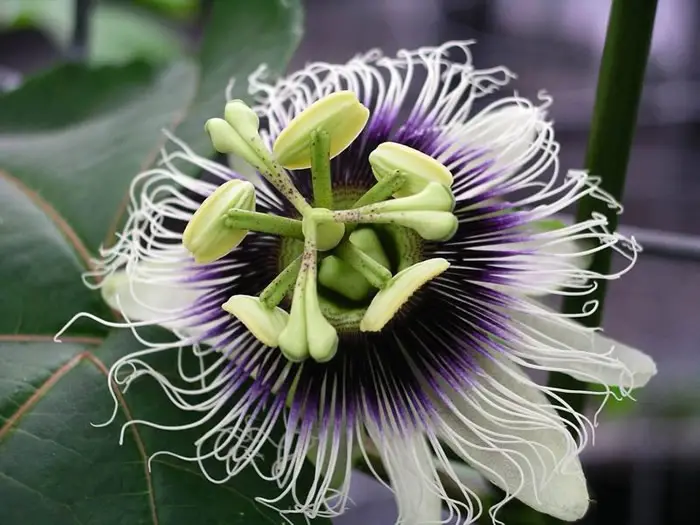
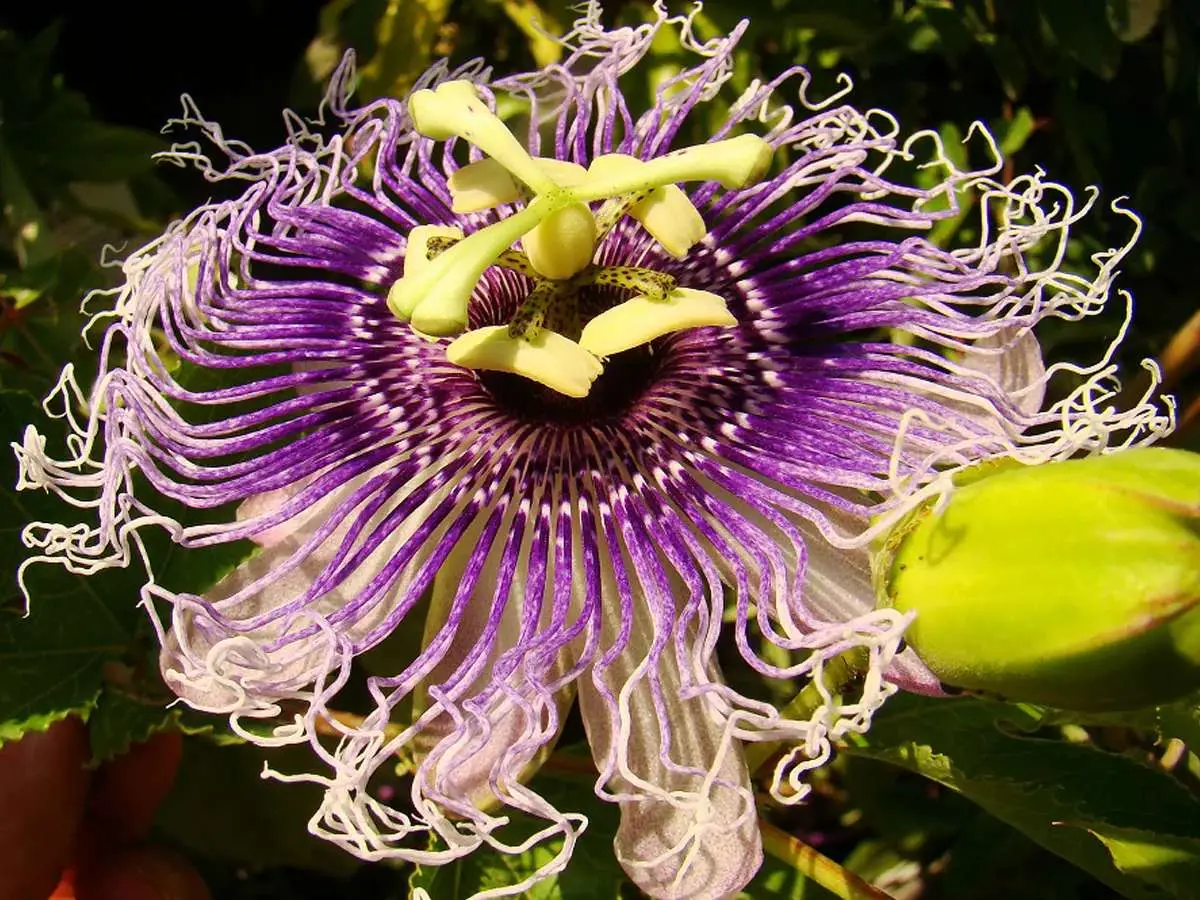
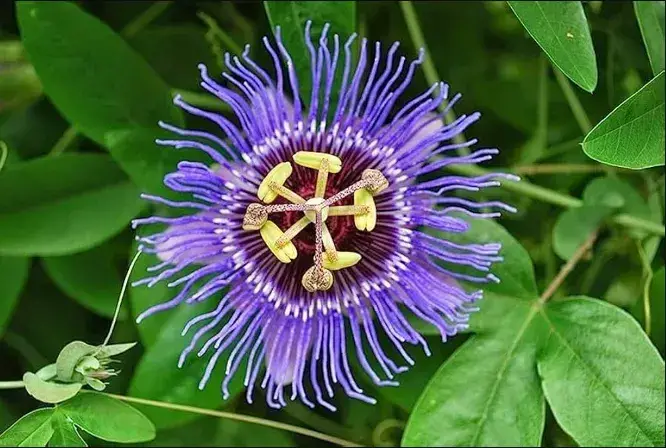
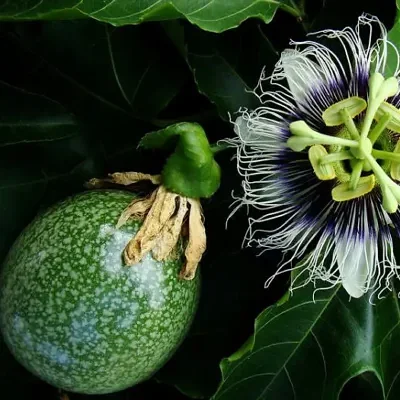
Passiflora, known also as the passion flowers or passion vines, is a genus of about 550 species of flowering plants, the type genus of the family Passifloraceae.
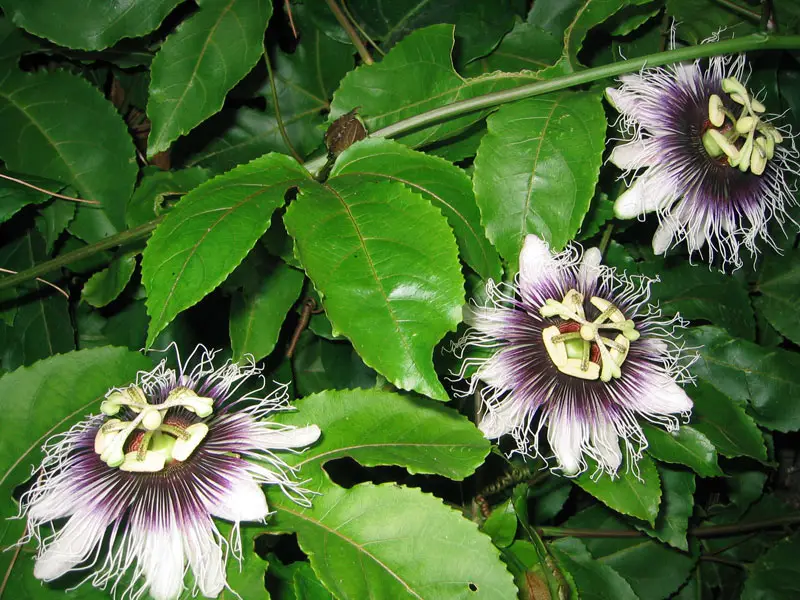
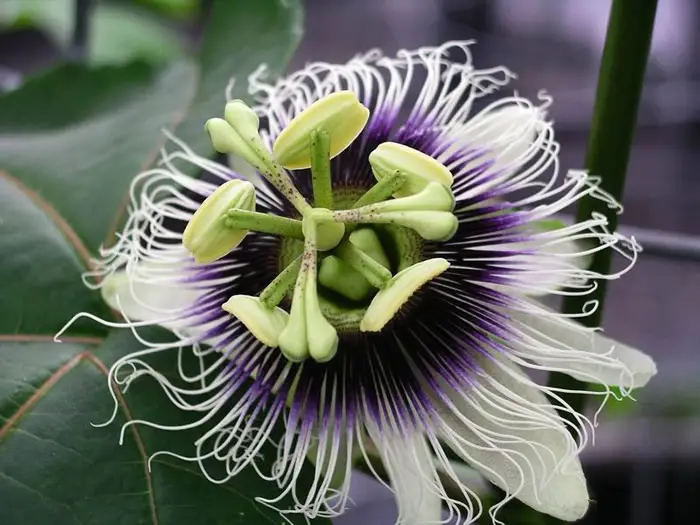
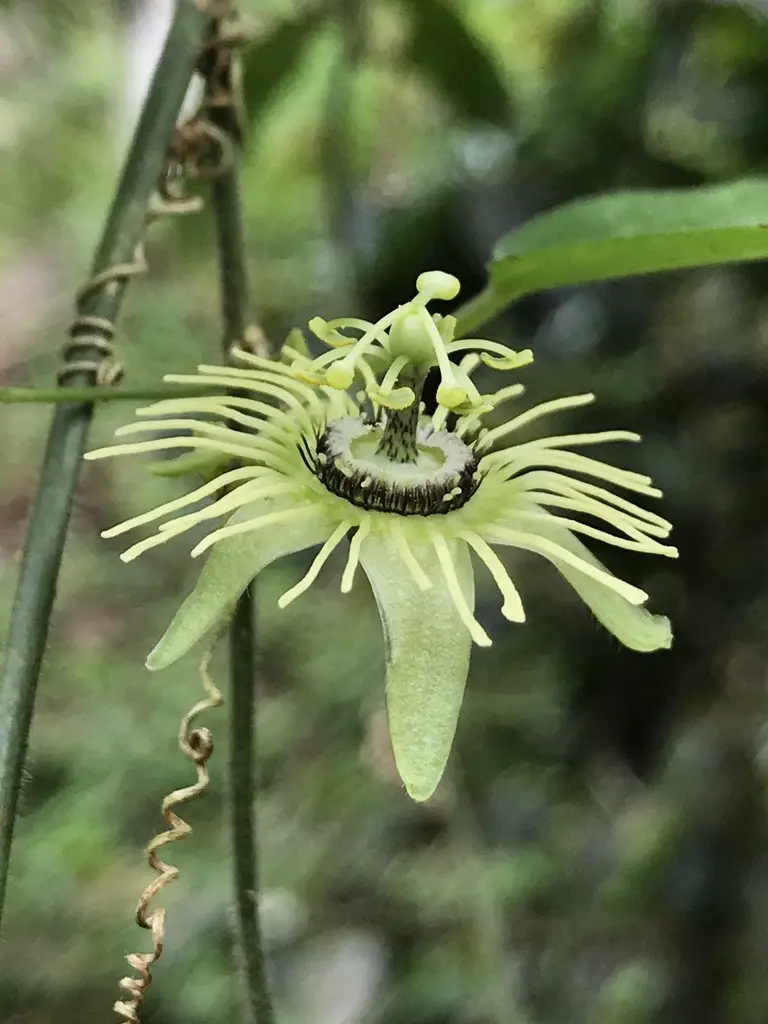
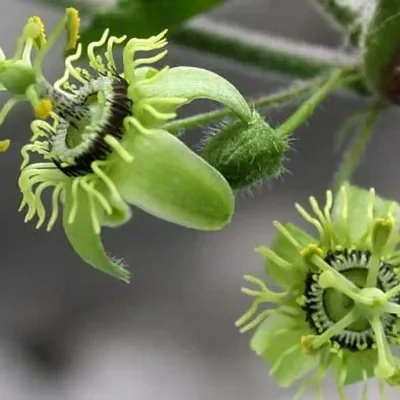
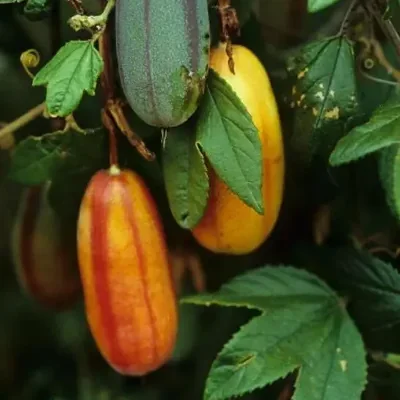
They are mostly tendril-bearing vines, with some being shrubs or trees. They can be woody or herbaceous. Passion flowers produce regular and usually showy flowers with a distinctive corona. The flower is pentamerous and ripens into an indehiscent fruit with numerous seeds.
Passiflora has a largely neotropic distribution, unlike its family Passifloraceae, which includes more Old World species (such as the genus Adenia). The vast majority of Passiflora are found in Mexico, Central America, the United States and South America, although there are additional representatives in Southeast Asia and Oceania.
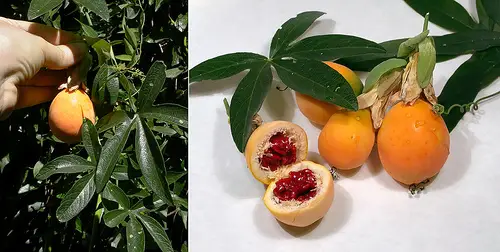
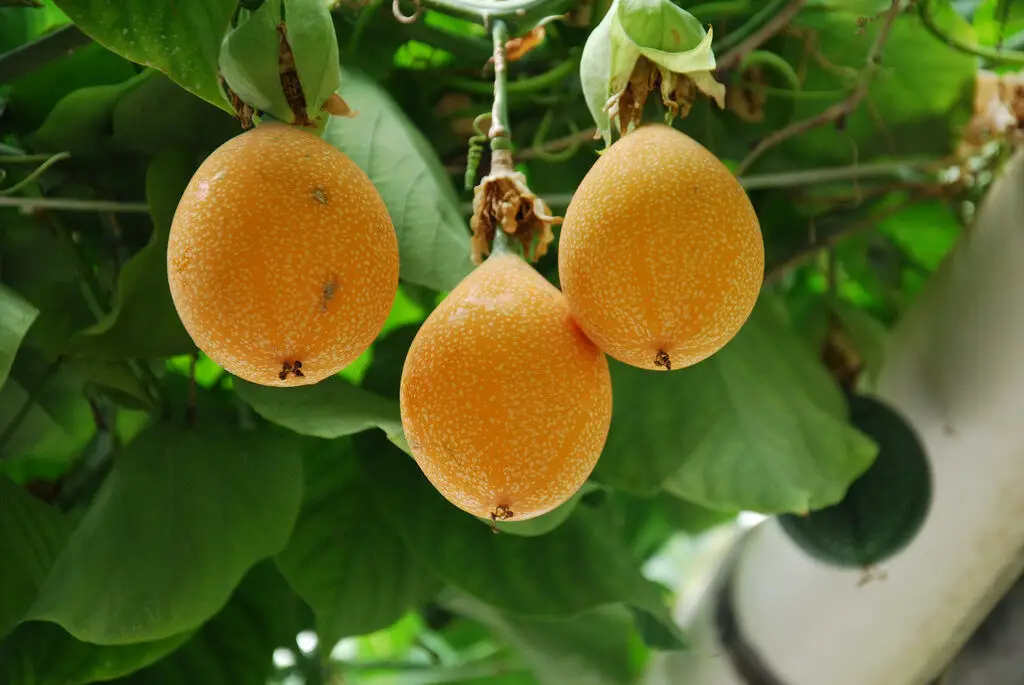
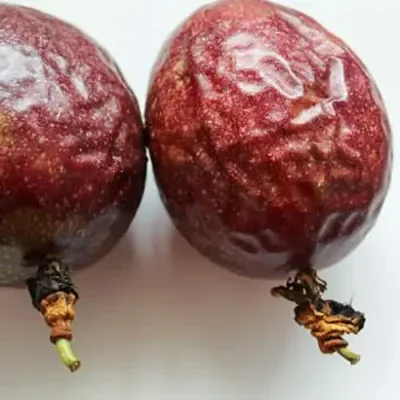
Some species of Passiflora have been naturalized beyond their native ranges. For example, the blue passion flower (P. caerulea) now grows wild in Spain. The purple passionfruit (P. edulis) and its yellow relative flavicarpa have been introduced in many tropical regions as commercial crops.
Germination Guide
🌍 Central and South America; Passiflora incarnata is native to Southeastern United States from Texas to Pennsylvania
Moderate
Passionflower (Passiflora species) is a genus of tropical and subtropical vines native to Central and South America, with some hardy species native to the southeastern United States. Seeds are known for slow and variable germination due to germination inhibitors in the seed coat; this dormancy has evolved as a natural survival strategy. Proper pretreatment methods including soaking, scarification, or stratification can significantly improve germination rates from 25% to approaching 100%.
Germination
Germination time
Expect germination in
7 – 84 days
Temperature
Min 24°C
Ideal 26°C
Max 28°C
🌡️ Temperature alternation recommended
— Some species benefit from temperature alternation (20-30°C), though constant warm temperatures work well for most Passiflora species
Light
🌑 Darkness required
Substrate moisture
💧💧 High
Sowing depth
Lightly covered
Seed Pre-treatment
-
💧
Soaking — 24 hours
Soak seeds in warm water for 24-48 hours before planting to improve germination. Can also soak in passion fruit pulp or orange juice for acidity benefits. Fresh seeds may germinate without soaking but older or dried seeds benefit significantly from this treatment.
-
🔨
Mechanical scarification
Light scarification with sandpaper can improve germination, though seeds cleaned from fruit may not require this treatment
-
❄️
Cold stratification — 30 days at 4°C
-
📋
Additional notes
Pretreatment is essential due to hard seed coat and germination inhibitors. Soaking in warm water, scarification, or cold stratification all improve germination rates. For Passiflora incarnata specifically, no pretreatment is technically required, but it significantly improves success rates.
Substrate & Container
Recommended substrate
Peat-perlite mix, light and porous substrate free of pathogens
Recommended container
Plastic pots with transparent lids or seed trays with humidity domes
Growing Tips
Keep seeds in complete darkness during germination as light inhibits sprouting. Maintain constant soil temperature at 26°C with bottom heat for optimal results. Use individual pots to avoid disturbing ungerminated seeds—germination is often erratic, with some seeds sprouting within 2 weeks and others taking 3 months. Keep soil consistently moist but not waterlogged. Once seedlings emerge, gradually introduce light and maintain warmth until transplanting. Fresh seeds germinate much more easily than dried seeds. If using commercial seeds, presoak and scarification significantly boost success rates.
Only logged in customers who have purchased this product may leave a review.

Reviews
There are no reviews yet.