Description
Salvadora persica or the toothbrush tree is a small evergreen tree native to the Middle east, Africa and India. Its sticks are traditionally used as a natural toothbrush called miswak and are mentioned by the World Health Organization for oral hygiene use.
Other names include arak, jhak, p?lu, and mustard tree.
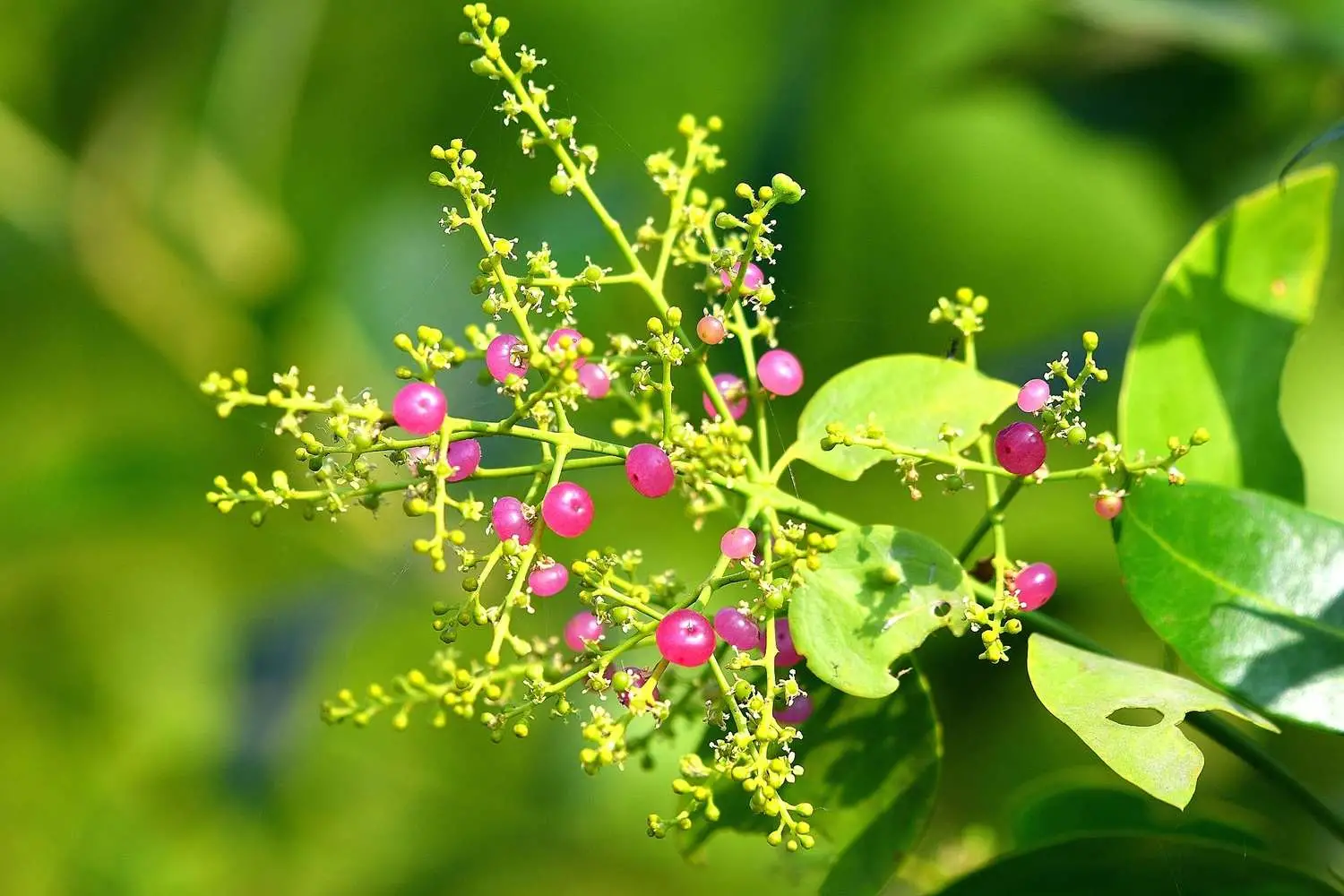
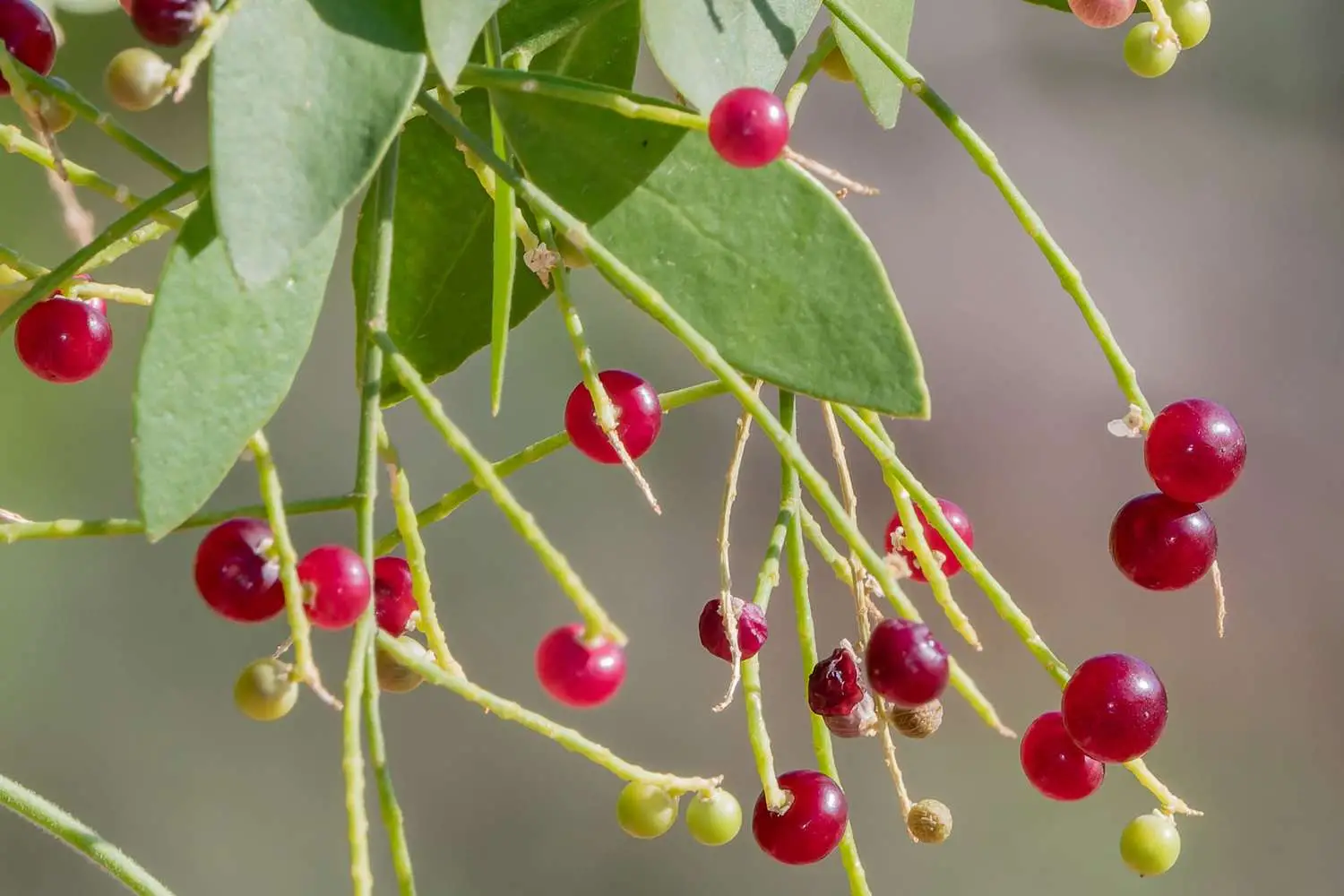
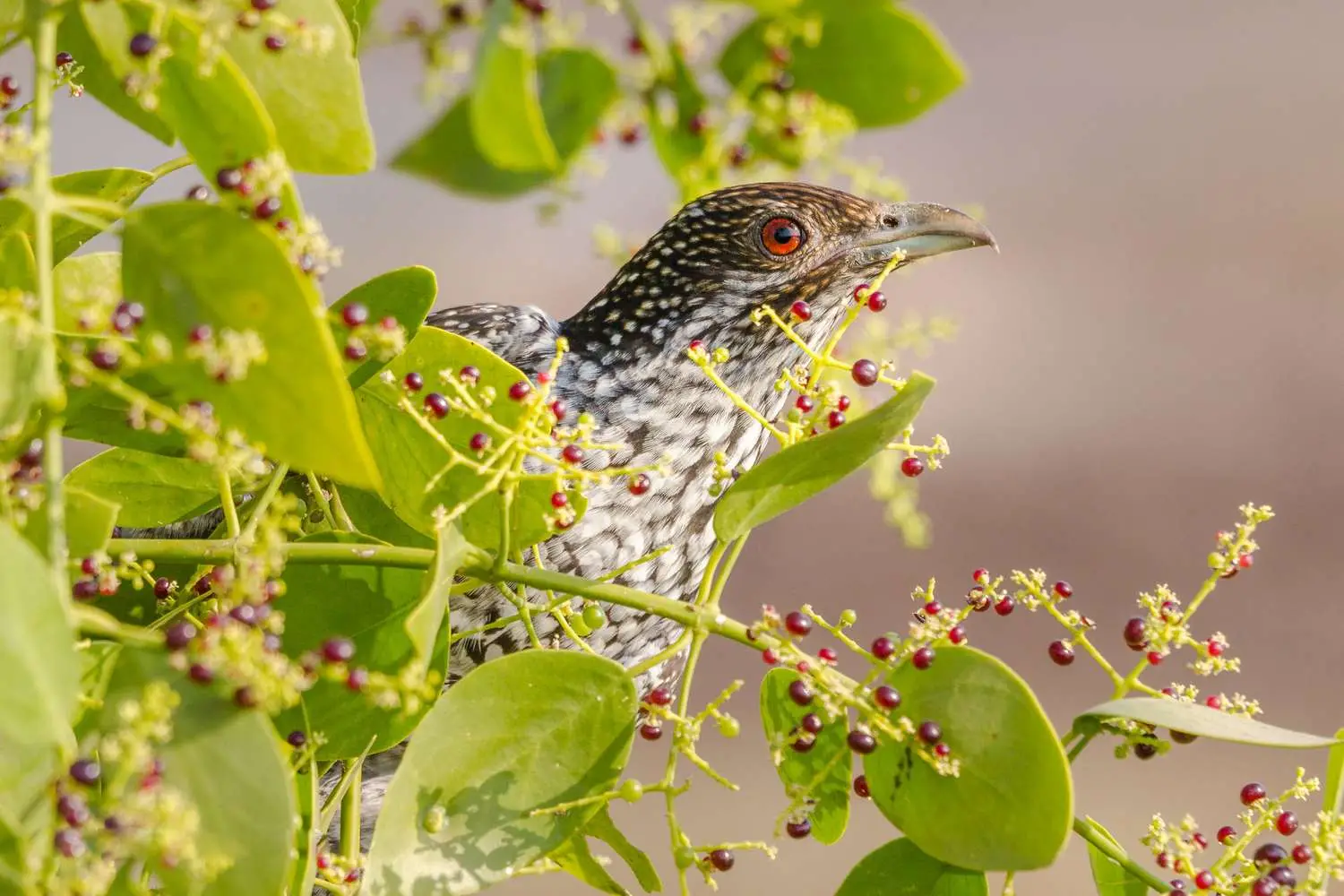
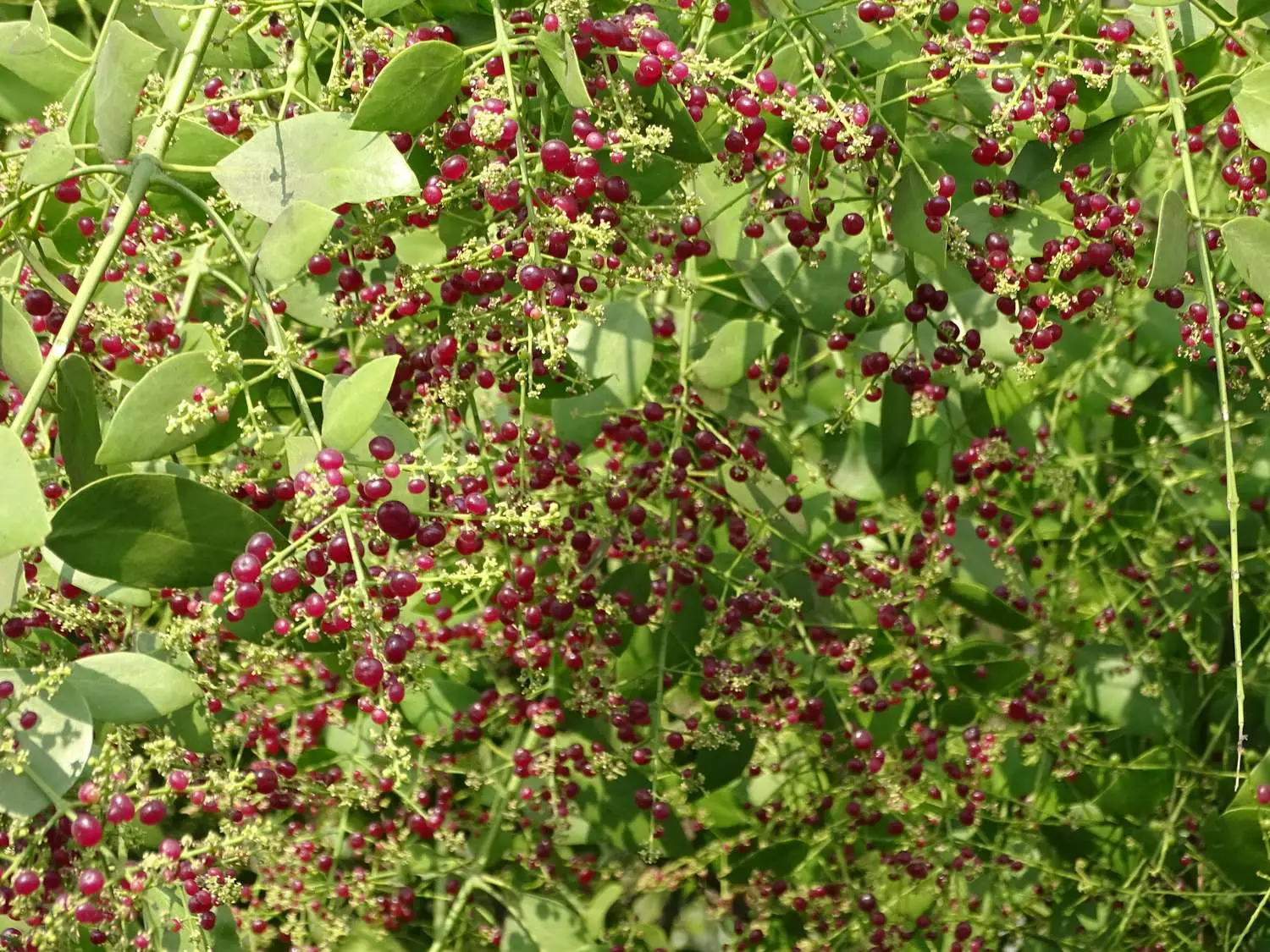
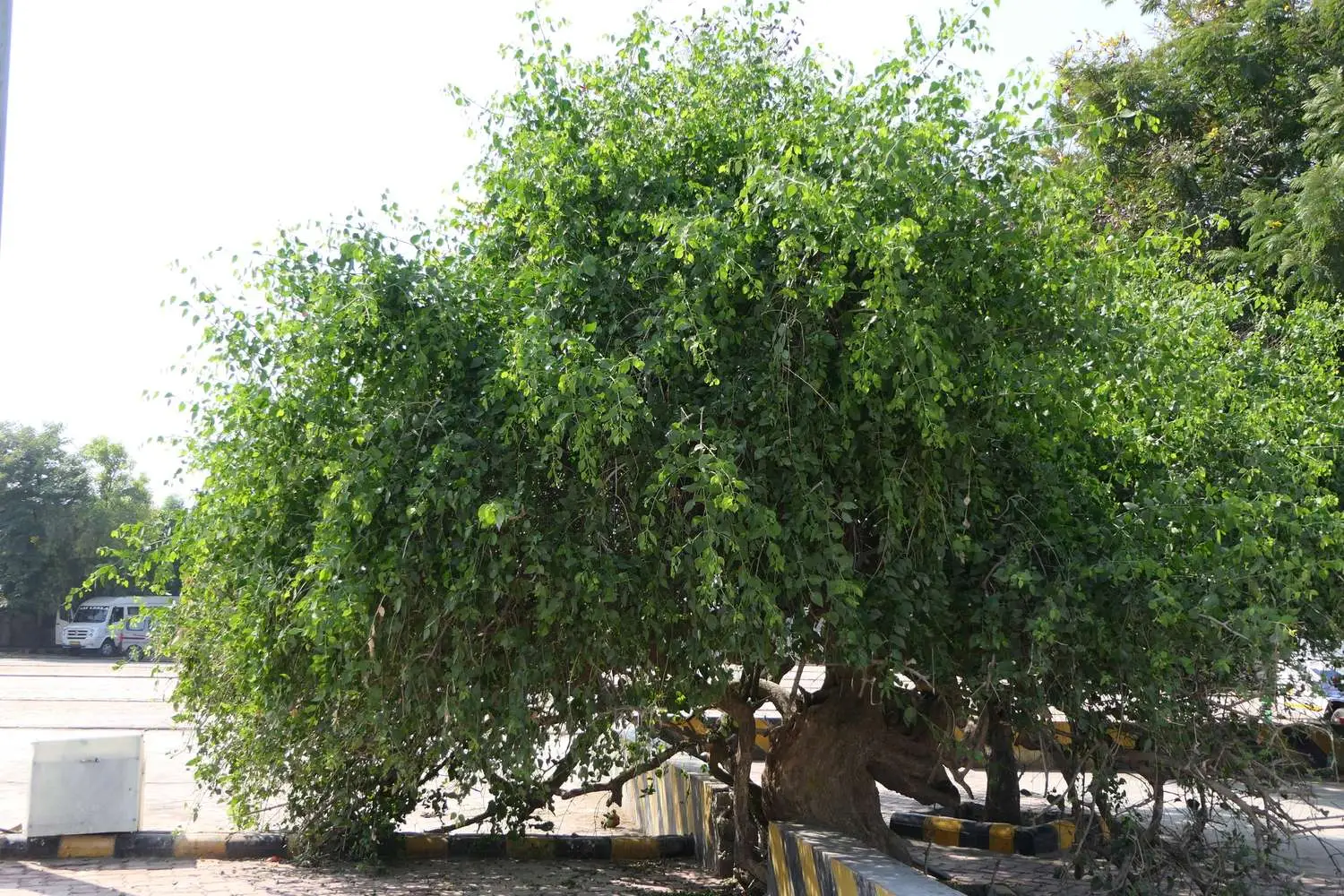
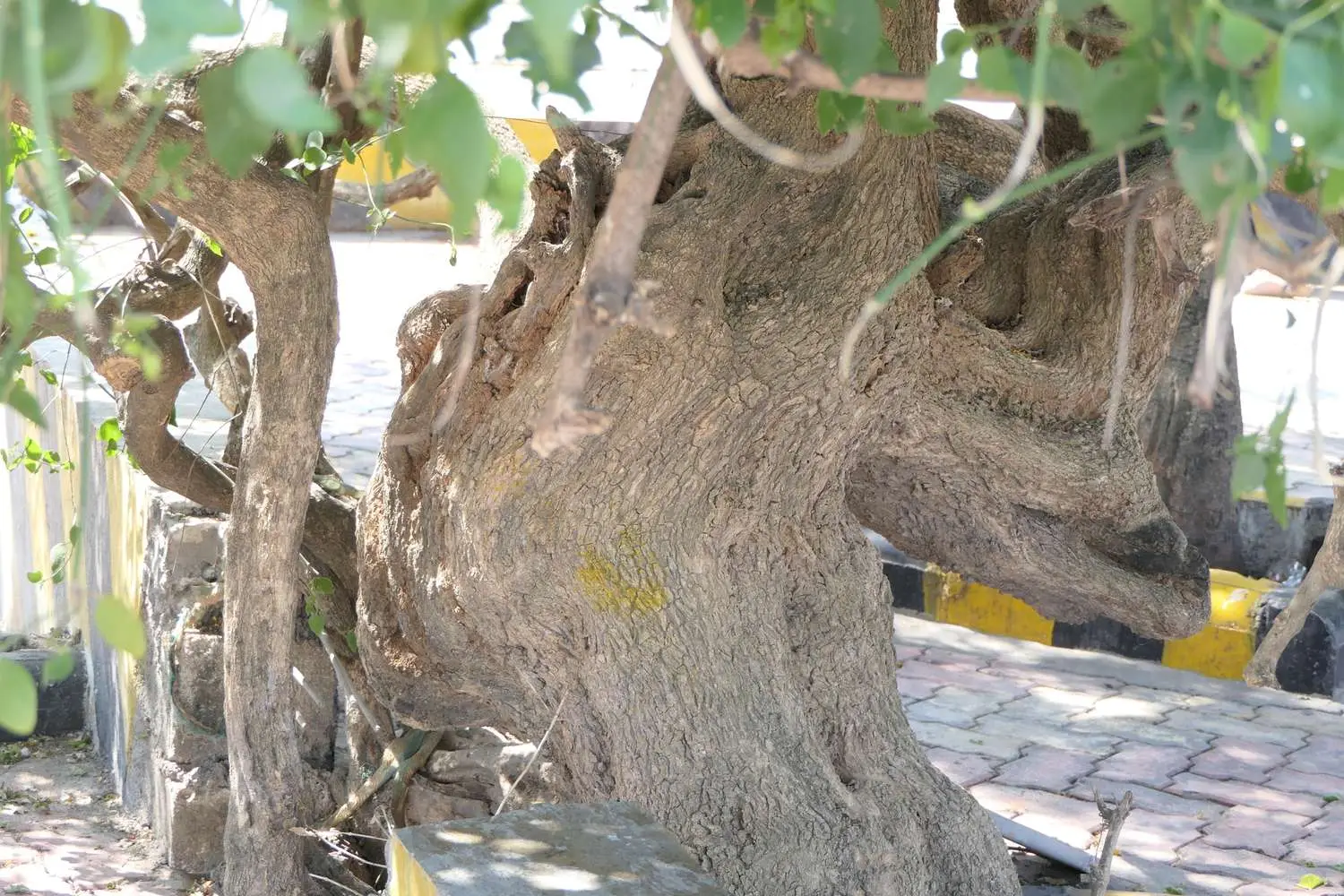
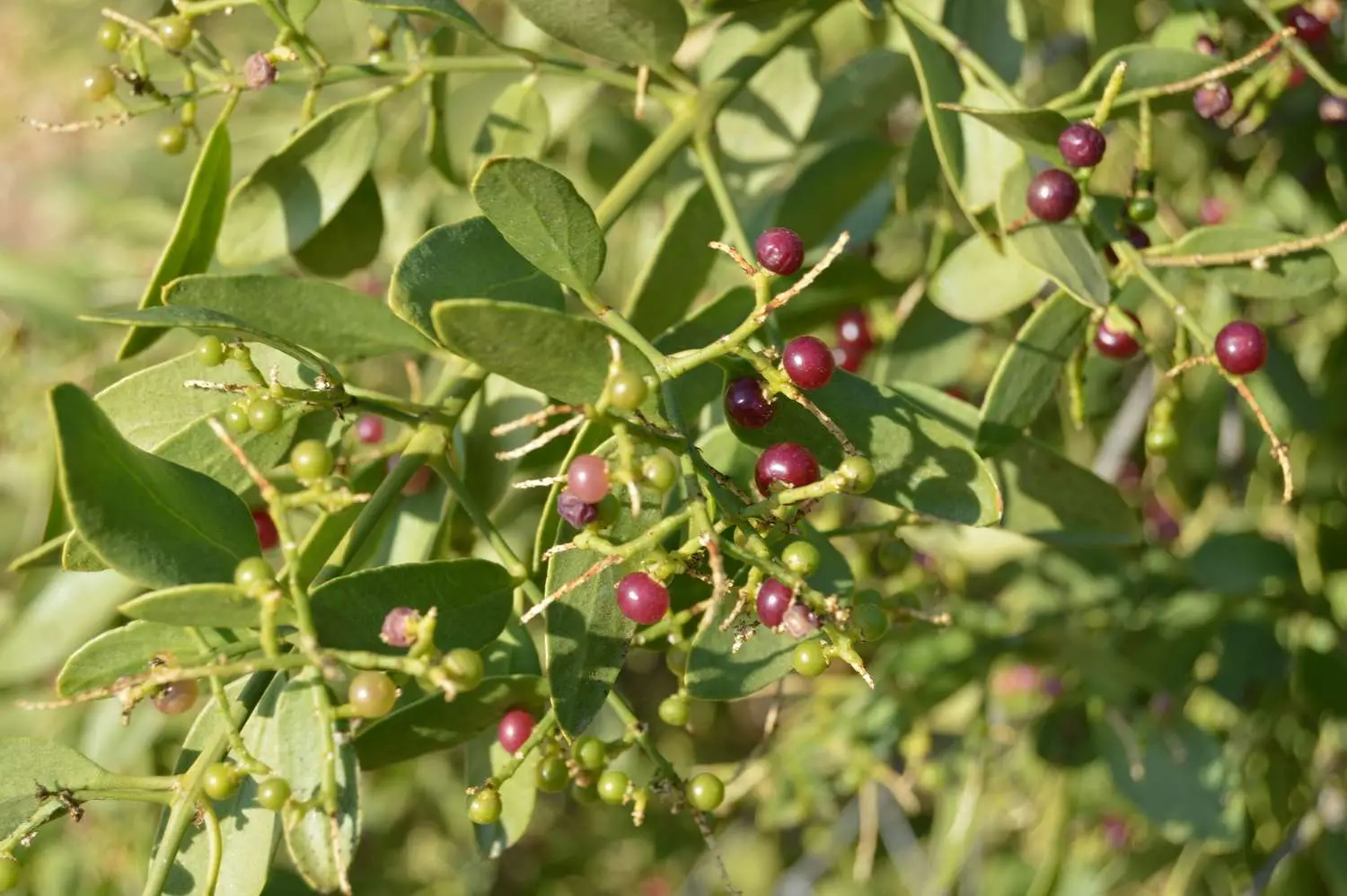
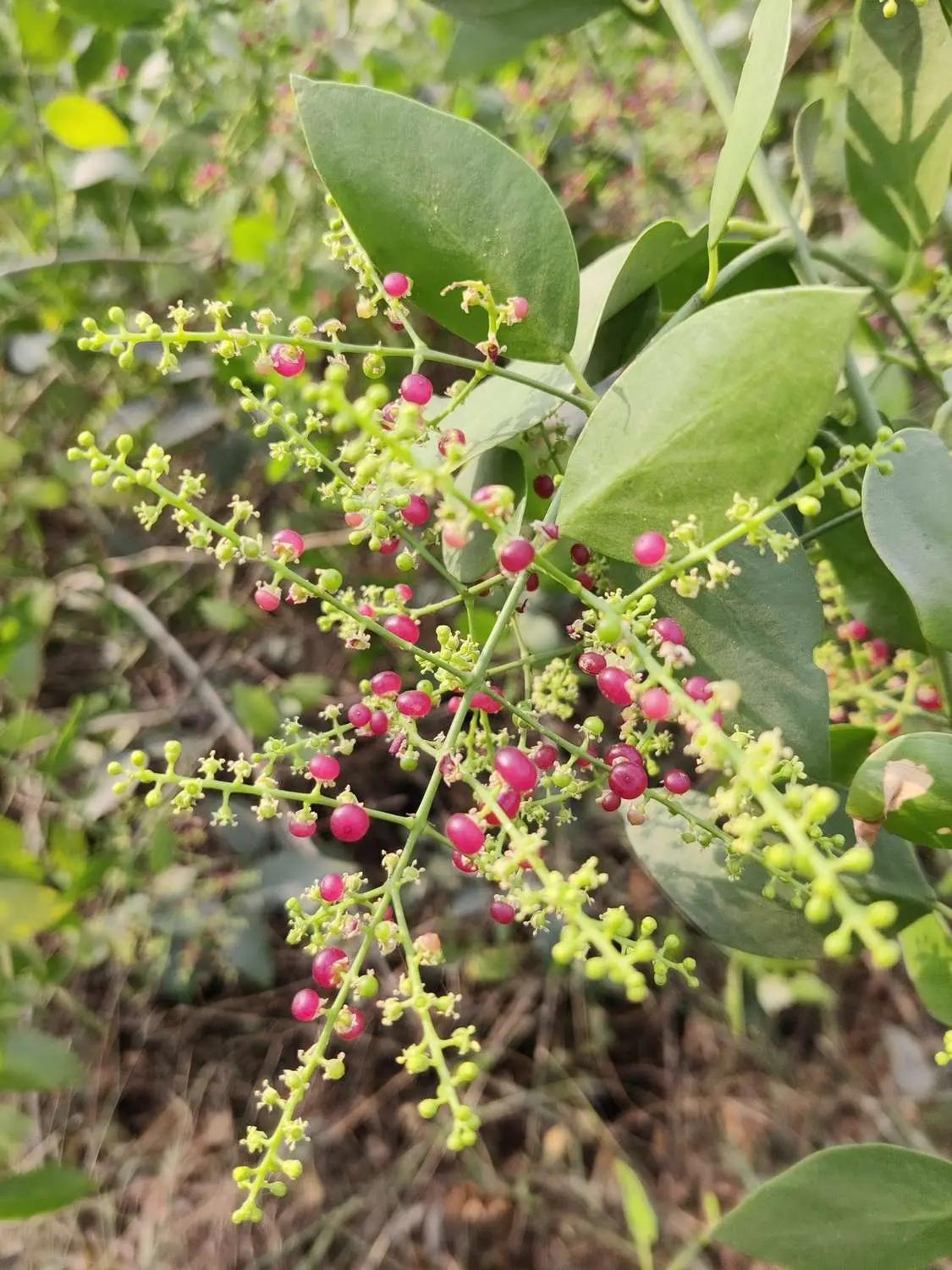
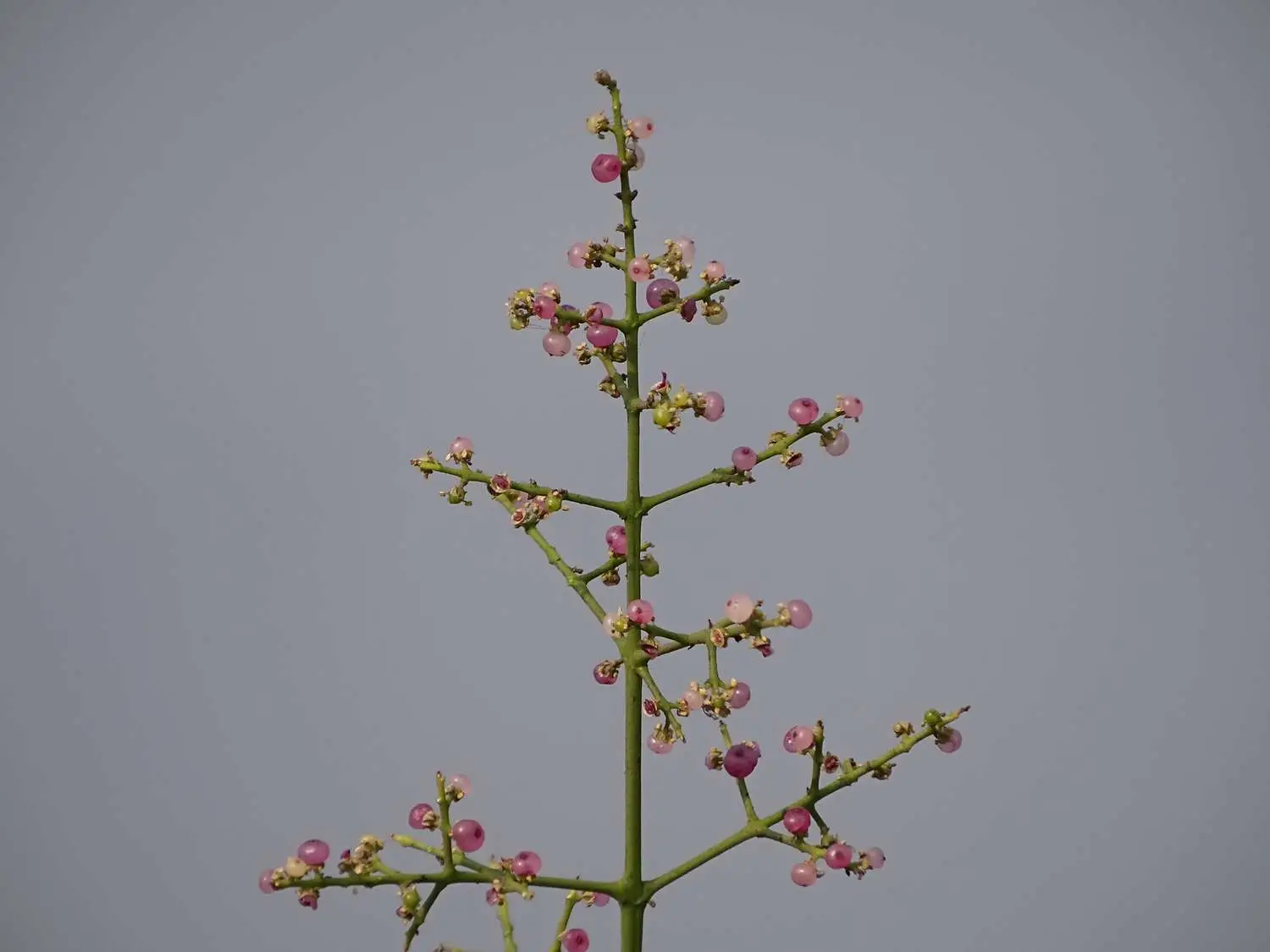
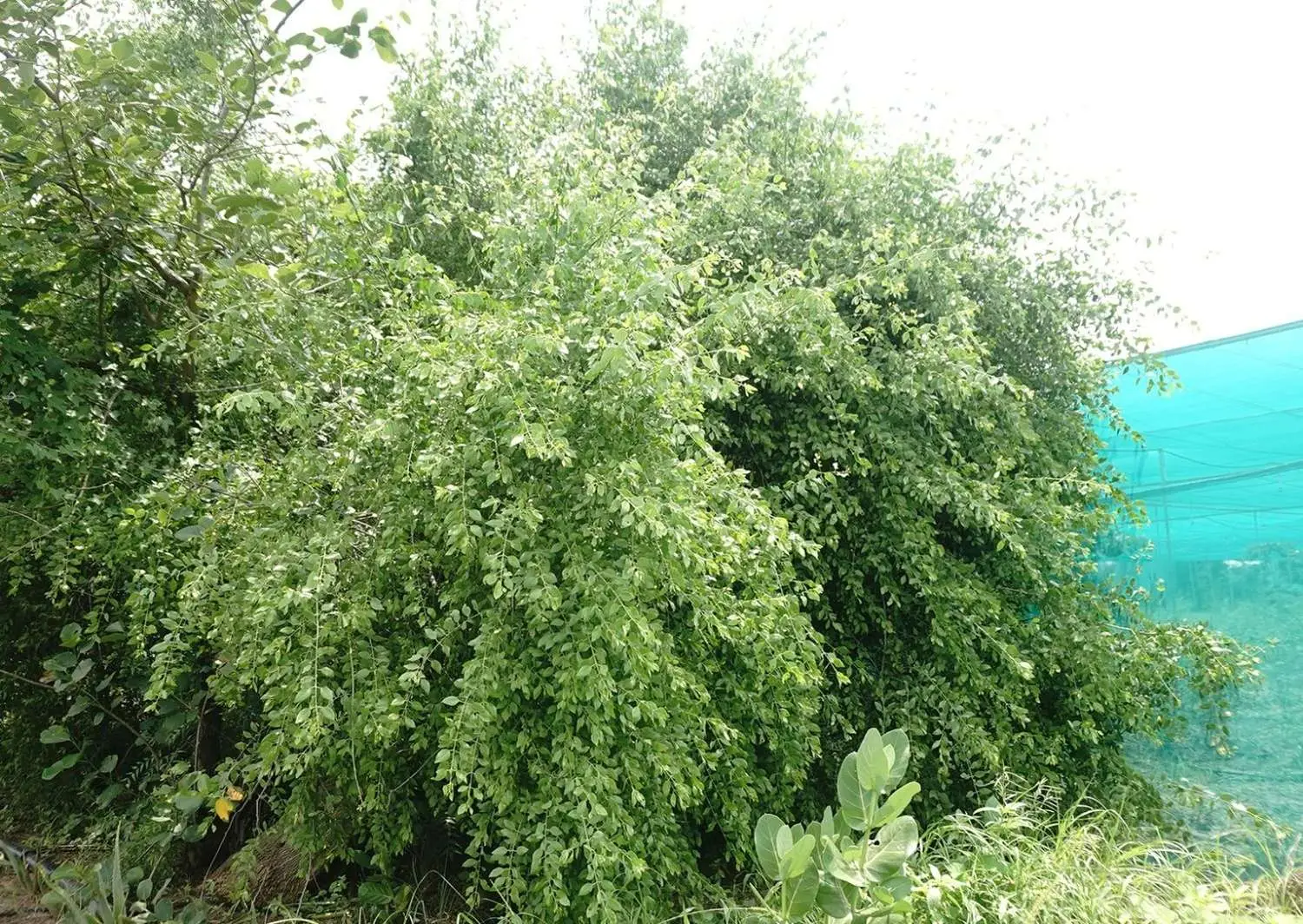
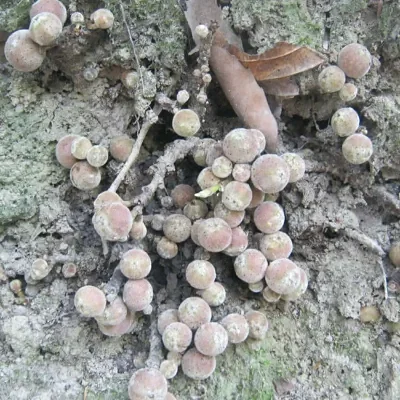
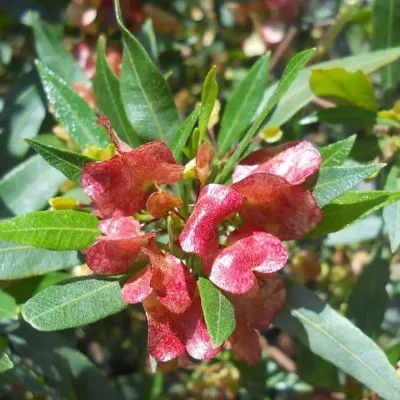
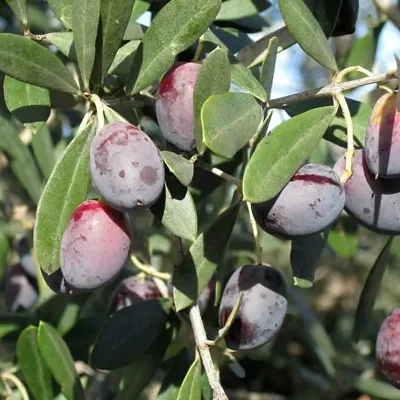
Salvadora persica is a small tree or shrub with a crooked trunk, typically 6–7 metres (20–23 ft) in height. Its bark is scabrous and cracked, whitish with pendulous extremities. The root bark of the tree is similar in colour to sand, and the inner surfaces are an even lighter shade of brown. It has a pleasant fragrance, of cress or mustard, as well as a warm and pungent taste. The leaves break with a fine crisp crackle when trodden on. The tree produces small red edible fruits, juicy but pungent, in clusters.
The plant is native to the Middle East and Africa, and is found on desert floodplains, riverbanks, and grassy savannahs. It has high tolerance for salty soils and can tolerate as little as 200 millimetres (7.9 in) or less of mean annual rainfall, but it prefers ready access to groundwater.
Salvadora persica stick, known as miswak, is popular for teeth cleaning throughout the Arabian Peninsula, Iranian Plateau, as well as the wider Muslim world.
Toothbrushes made from roots and small branches of about 3-5 mm diameter have been used for over 1000 years, especially by Islamic populations in India, Arabia and Africa. Several agents occurring in the bark and wood have been suggested as aids in prevention of dental caries, such as antimicrobial agents that suppress bacterial growth and the formation of plaque.
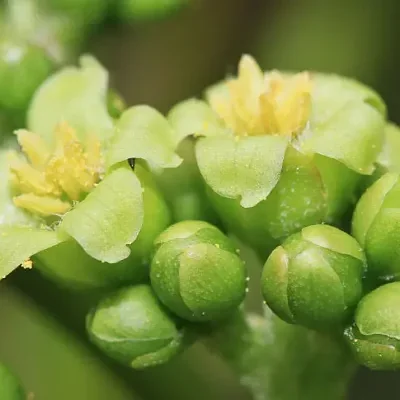
The fresh leaves can be eaten as part of a salad. The flowers are small and fragrant. The berries are small and barely noticeable; they are eaten both fresh and dried. The wood of the Salvadora persica can be used for charcoal and firewood. In Namibia, the mustard bush is used as drought-resistant fodder for cattle. The seeds can be used to extract a detergent oil.
Germination Guide
🌍 Middle East, North Africa, and India
Moderate
Salvadora persica (toothbrush tree) is an evergreen shrub/small tree native to arid regions of Middle East, North Africa, and India. Seeds have physical dormancy requiring scarification and warm imbibition for successful germination. Optimal seedling growth occurs at 15/25°C with fresh seeds showing best results.
Germination
Germination time
Expect germination in
10 – 25 days
Temperature
Min 10°C
Ideal 25°C
Max 35°C
Substrate moisture
💧 Medium
Seed Pre-treatment
-
💧
Soaking — 48 hours
Imbibition in water at 30-35°C for 24-72 hours; warm water soaking 24-48 hours recommended after scarification
-
🔨
Chemical scarification
Scarification with concentrated sulfuric acid required to break physical dormancy; achieves ~100% germination after acid treatment.
-
📋
Additional notes
Remove fruit pulp before sowing to eliminate germination inhibitors; seeds should be fresh and not dry-stored
Substrate & Container
Recommended substrate
Sandy loam or well-drained soil with sand mixture
Recommended container
Seed trays or small pots (9-12 cm) with drainage holes
Growing Tips
Fresh seeds germinate better than stored seeds; seeds stored dry for 12+ months show reduced germination; avoid salinity in growing medium; seeds in 12h photoperiod germinate better than darkness; maintain moist but not waterlogged conditions; seedlings ready for transplanting after 4-6 months of growth
Only logged in customers who have purchased this product may leave a review.

Reviews
There are no reviews yet.