Description
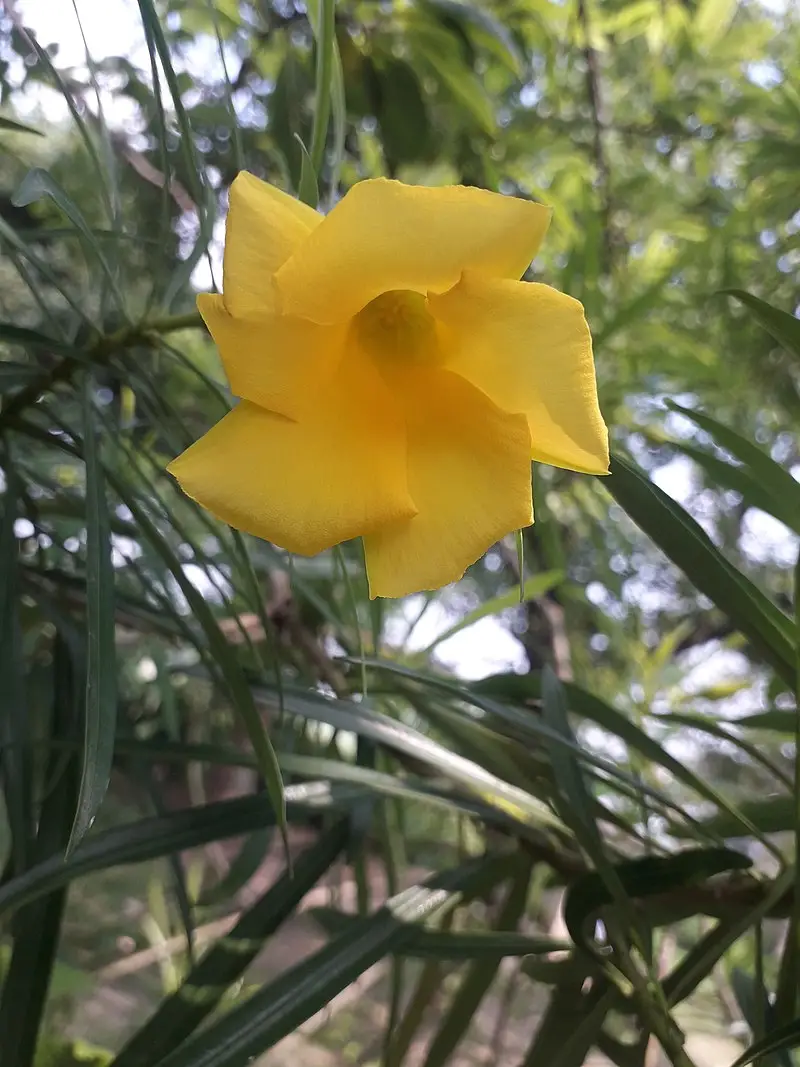
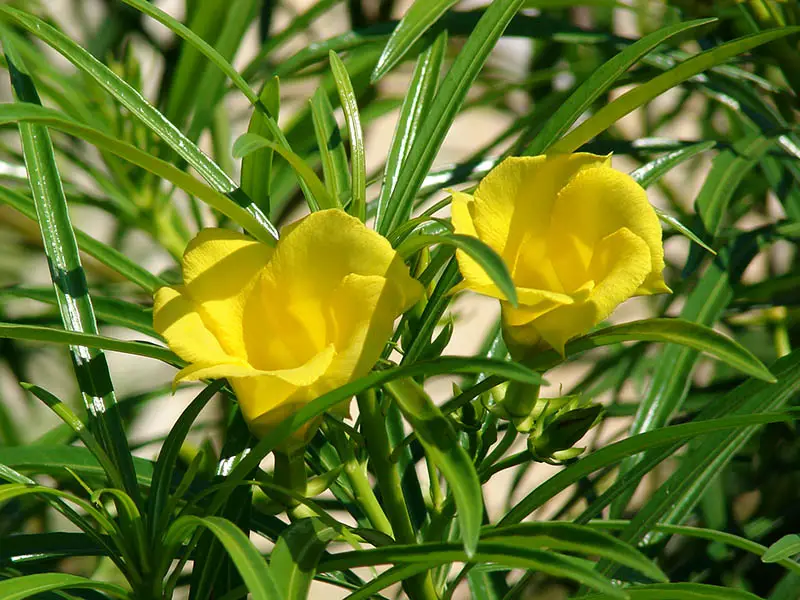
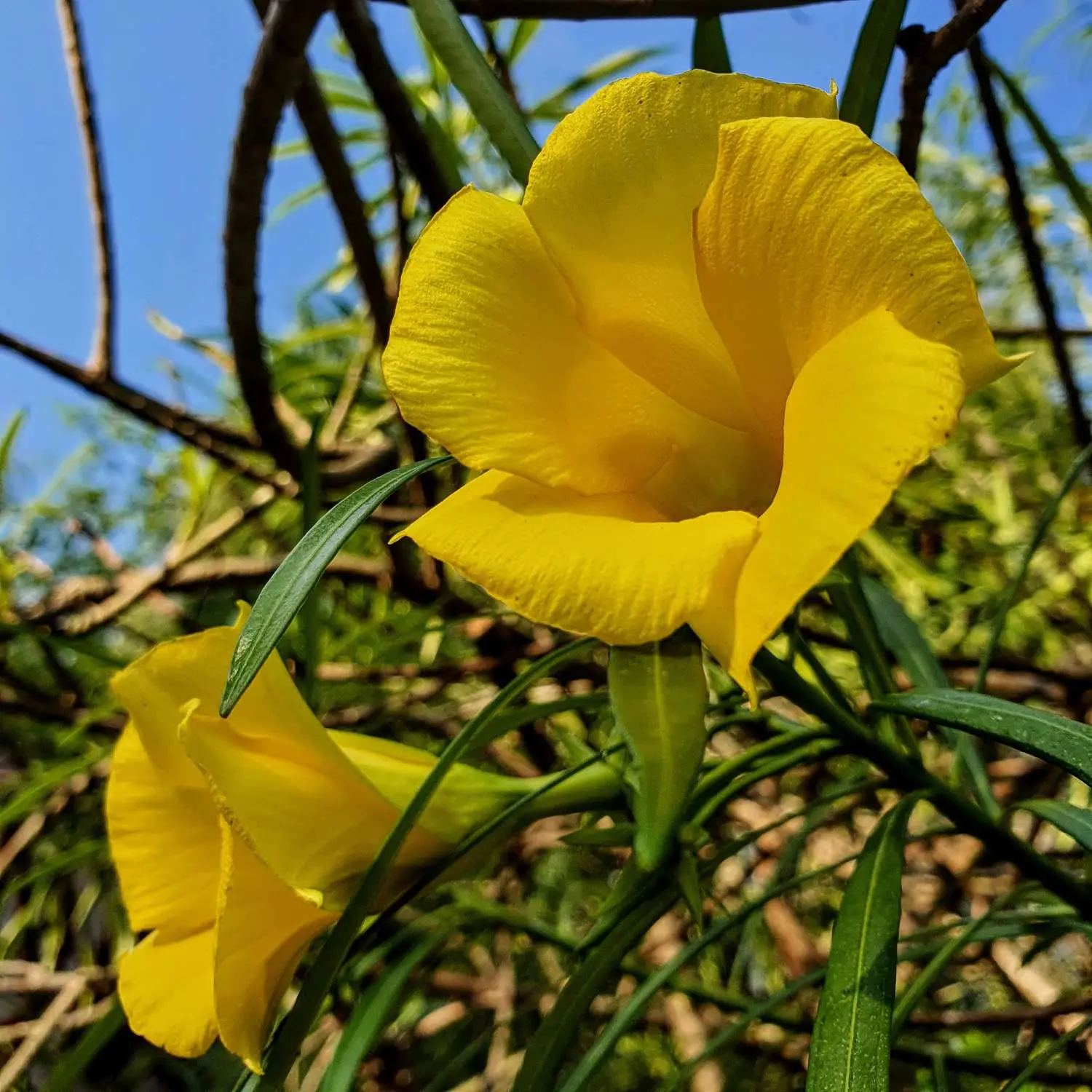
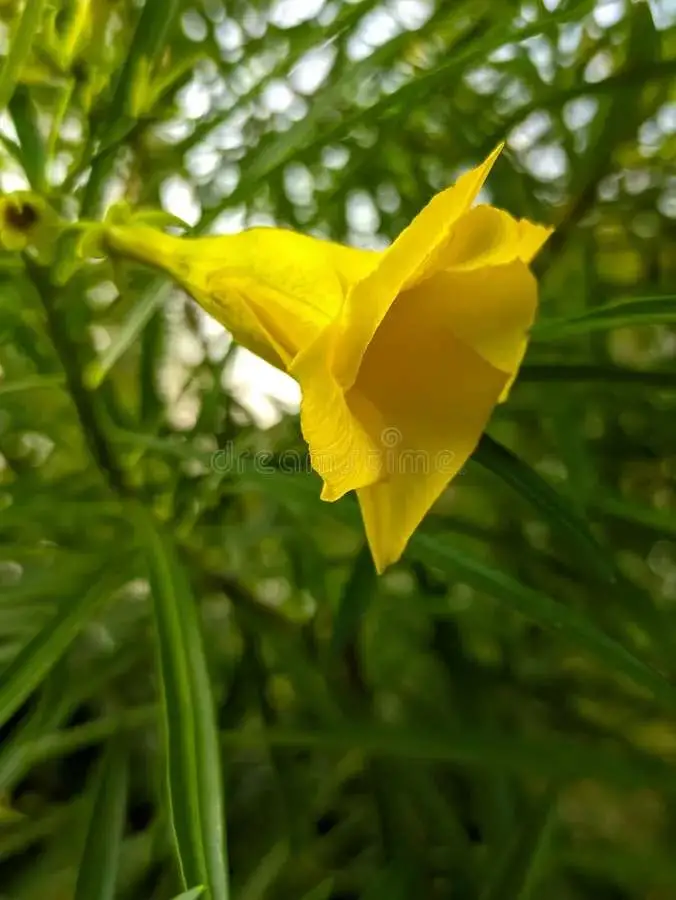
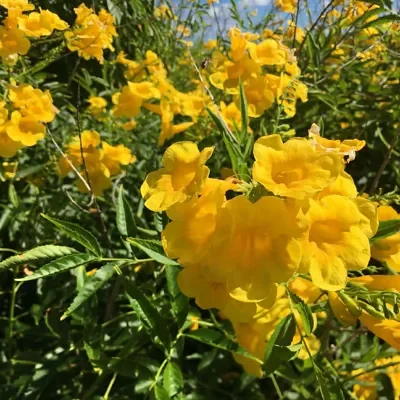
Cascabela thevetia is an evergreen tropical shrub or small tree. Its leaves are willow-like, linear-lanceolate, and glossy green in color. They are covered in waxy coating to reduce water loss (typical of oleanders). Its stem is green turning silver/gray as it ages. Flowers bloom from summer to fall. The long funnel-shaped sometimes-fragrant yellow (less commonly apricot, sometimes white) flowers are in few-flowered terminal clusters. Its fruit is deep red-black in color encasing a large seed that bears some resemblance to a ‘Chinese lucky nut.
Its bright yellow flowers are used for religious purposes in India. The tree is native to Mexico and thus direct references to Hindu culture are new.
Germination Guide
🌍 Mexico, Central America, West Indies
Easy
Cascabela thevetia, commonly known as yellow oleander, is native to Mexico, Central America and the West Indies. It is an evergreen tropical shrub or small tree with funnel-shaped yellow flowers. All parts of the plant are toxic and contain cardiac glycosides.
Germination
Germination time
Expect germination in
14 – 21 days
Temperature
Min 16°C
Ideal 25°C
Max 47°C
🌡️ Temperature alternation recommended
— Germinates across wide range of alternating day/night temperatures from 16/12°C to 47/37°C
Light
🌑 Darkness required
Substrate moisture
💧 Medium
Sowing depth
Lightly covered
Seed Pre-treatment
-
💧
Soaking — 24 hours
Soaking seeds in water for 24 hours before sowing aids germination
-
📋
Additional notes
Water soaking treatment recommended; seeds have hard coat but soaking appears to be primary pre-treatment
Substrate & Container
Recommended substrate
seed-starting mix; well-drained soil
Recommended container
seed-starting containers; pots
Growing Tips
Plant seeds promptly after collection. Seeds are large with hard coats. Germination greater and faster under shade conditions than under natural light. Seed banks are short-lived with longevity of approximately 2 years. Seeds can germinate across wide temperature ranges, making this species adaptable to various climates.
Only logged in customers who have purchased this product may leave a review.

Reviews
There are no reviews yet.