Description
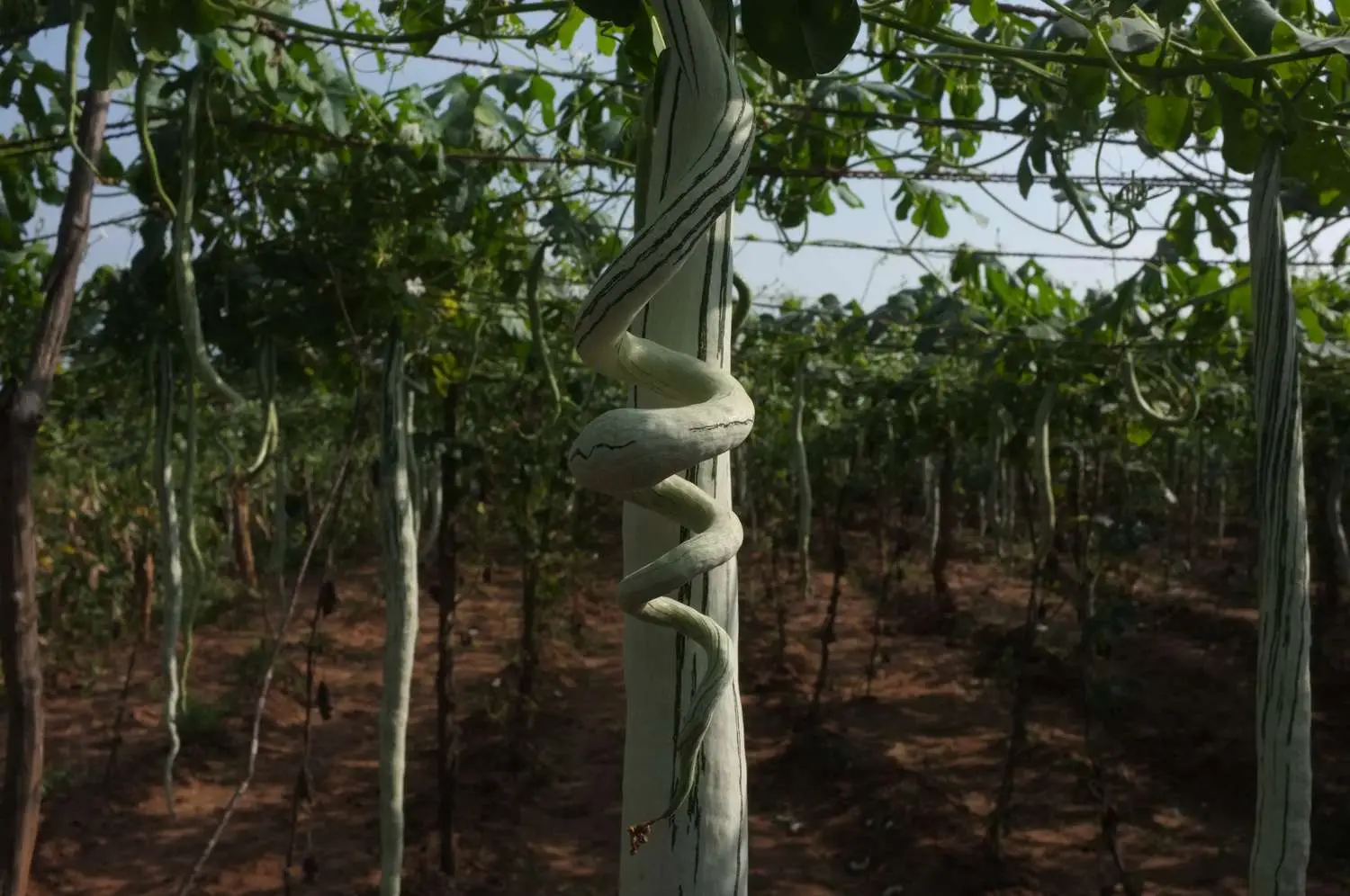
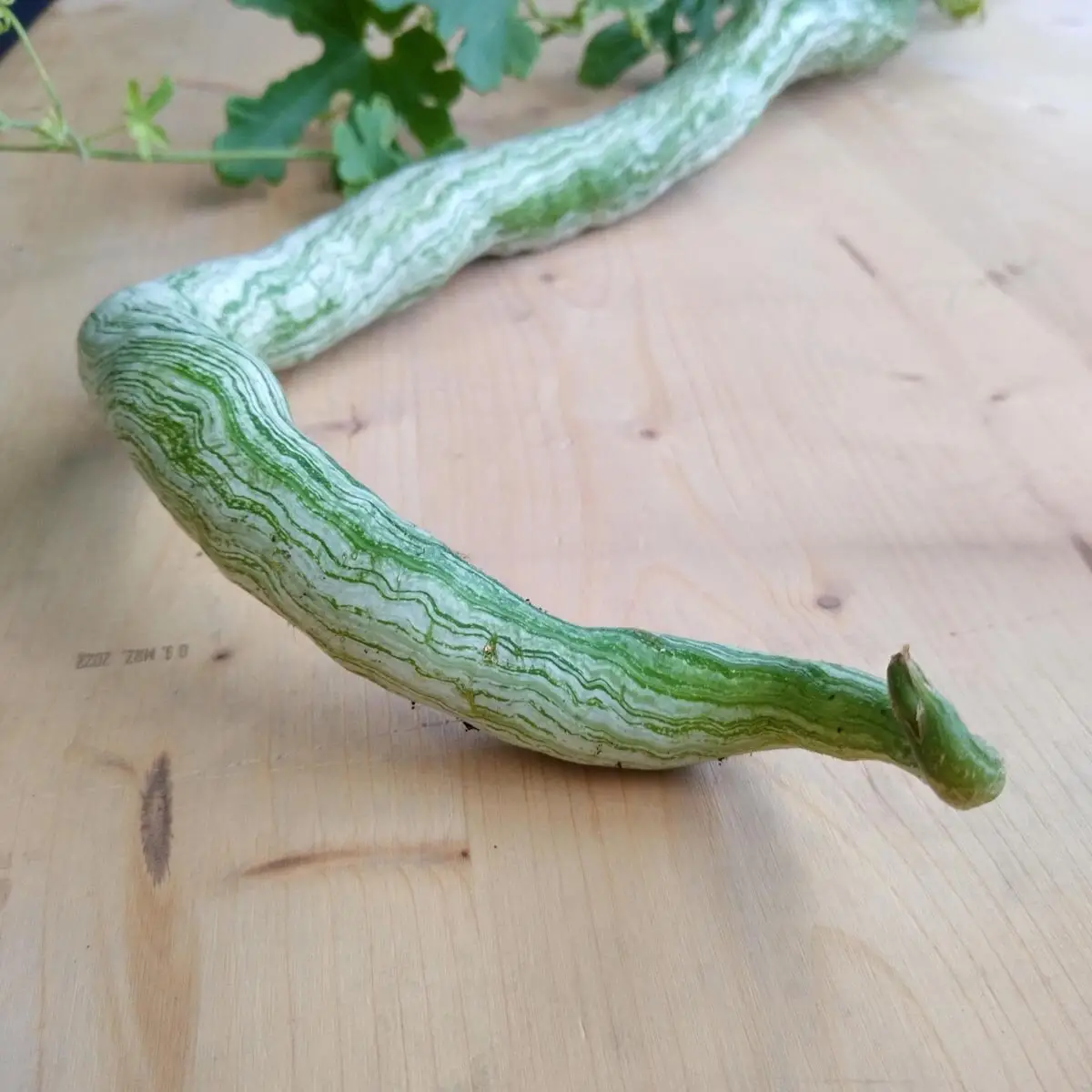
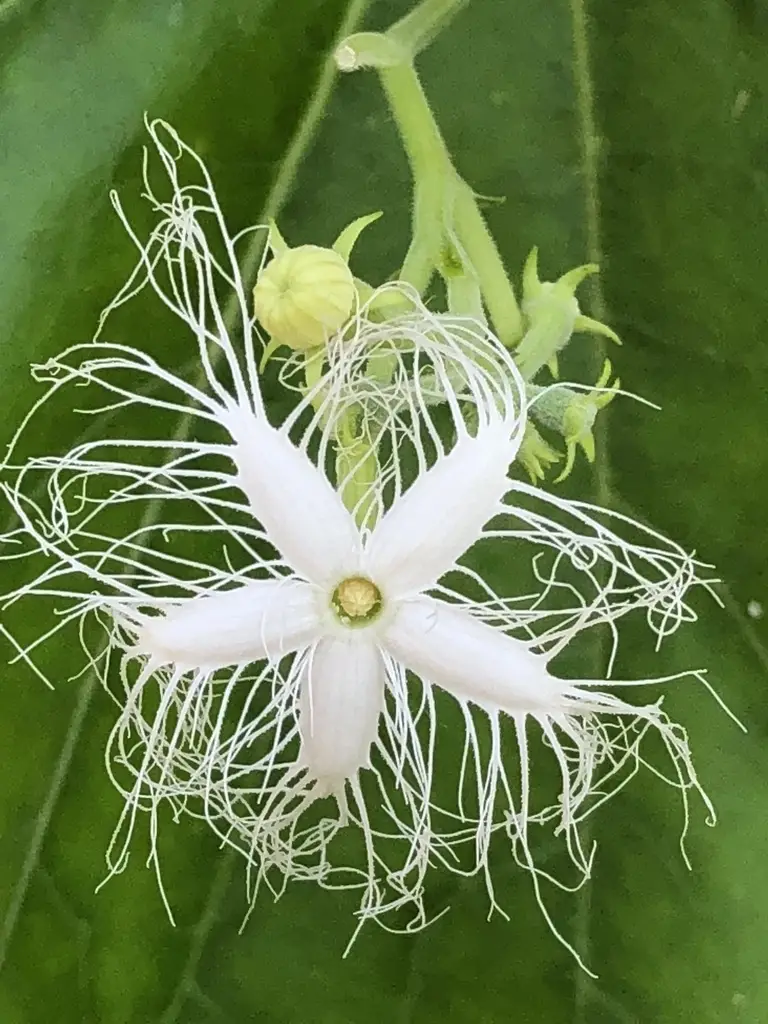
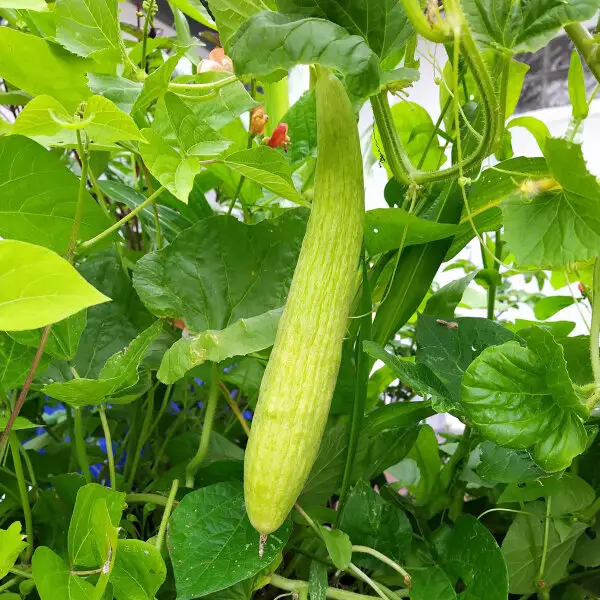
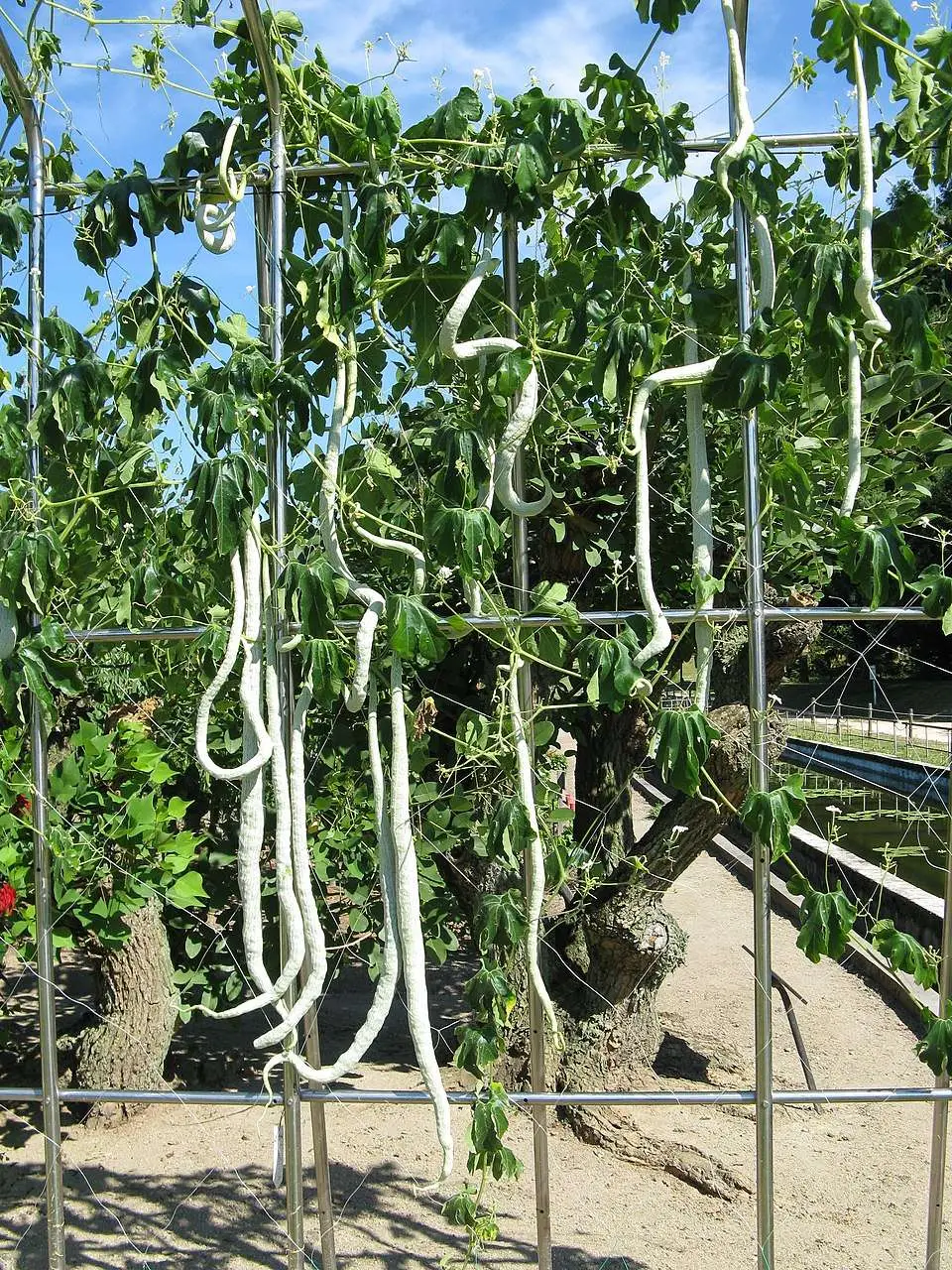
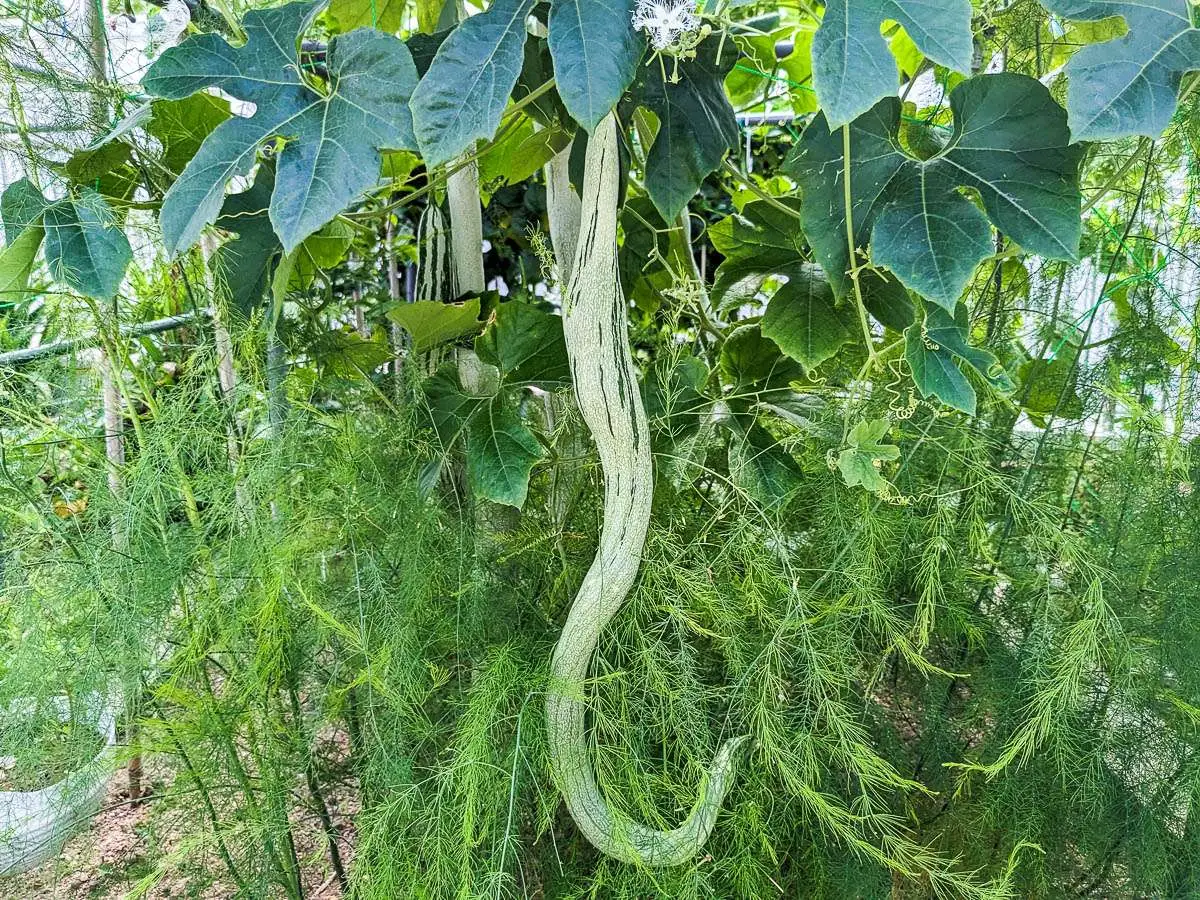
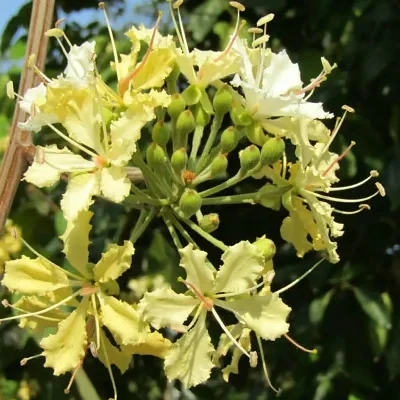
Trichosanthes cucumerina var. anguina, commonly known as snake gourd, is a cultivated annual vine in the gourd family. It is native to tropical and subtropical regions of Asia. The name “snake gourd” refers to its most distinctive feature: a long, slender, and often twisted or coiled fruit that can grow up to 1.5 meters in length. The plant is a vigorous climber, using tendrils to ascend trellises and other structures. Its leaves are palmately lobed, and it produces striking, white, night-blooming flowers with delicate, lace-like fringes on the petals.
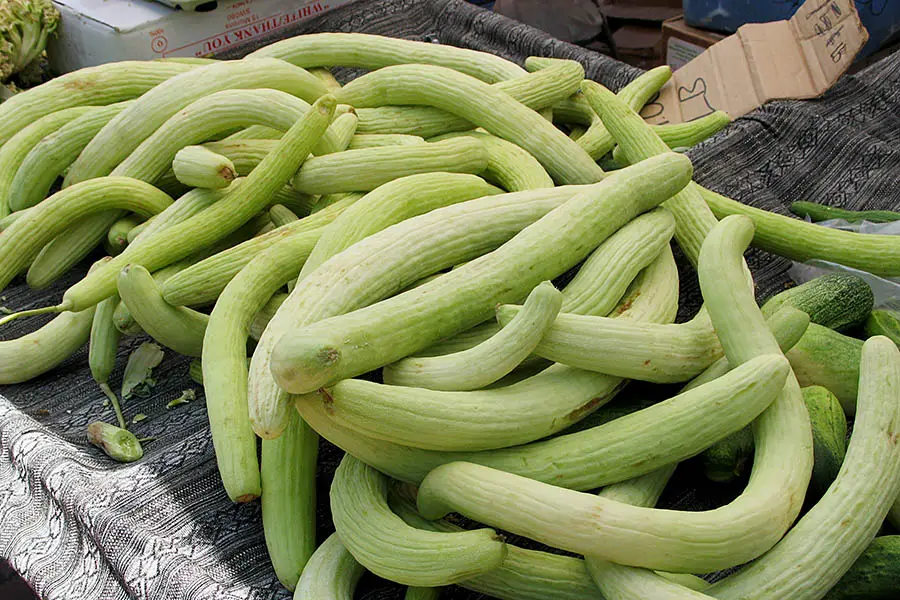
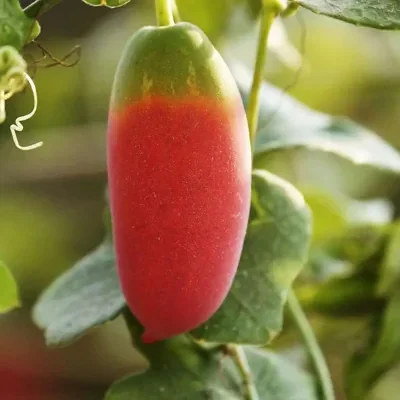
The fruit is a popular vegetable in South and Southeast Asian cuisine, where it is harvested while young and immature. When mature, the skin hardens and the flesh becomes fibrous and bitter, but the reddish pulp around the seeds can be used as a substitute for tomato.
Germination Guide
🌍 South and Southeast Asia, India
Moderate
Trichosanthes cucumerina var. anguina is an annual climbing vine native to Asia, valued for its elongated snake-like fruits and ornamental night-blooming flowers with delicate lacy petals.
Germination
Germination time
Expect germination in
7 – 10 days
Temperature
Min 21°C
Ideal 30°C
Max 35°C
Substrate moisture
💧💧 High
Seed Pre-treatment
-
💧
Soaking — 24 hours
Soak seeds overnight in warm water to enhance germination
-
🔨
Mechanical scarification
Lightly crack seed hulls using pliers on ruffled edges only, not the flat belly
-
📋
Additional notes
Soaking and mechanical scarification recommended for improved germination
Substrate & Container
Recommended substrate
Rich well-drained fertile soil, loamy or sandy-loam
Recommended container
Deep 4-6 inch pots or seed trays
Growing Tips
Keep seeds warm (85°F/29°C) and moist with bright light. Seeds are notoriously difficult with inherently low germination rates. Sow indoors at least 6 weeks before outdoor planting. Press seeds firmly into moist soil. Cover with plastic to maintain moisture and warmth.
Only logged in customers who have purchased this product may leave a review.

Reviews
There are no reviews yet.