Description
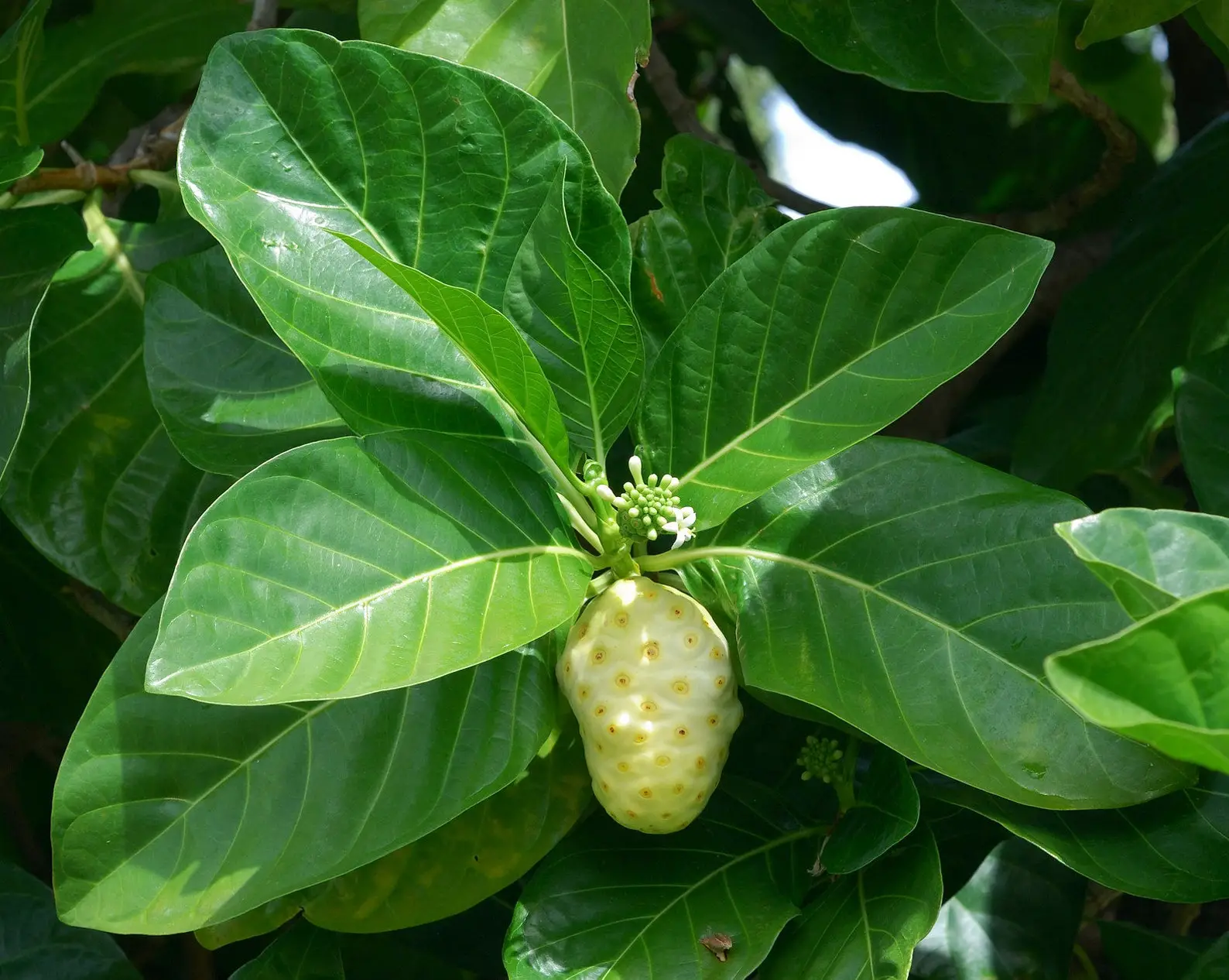
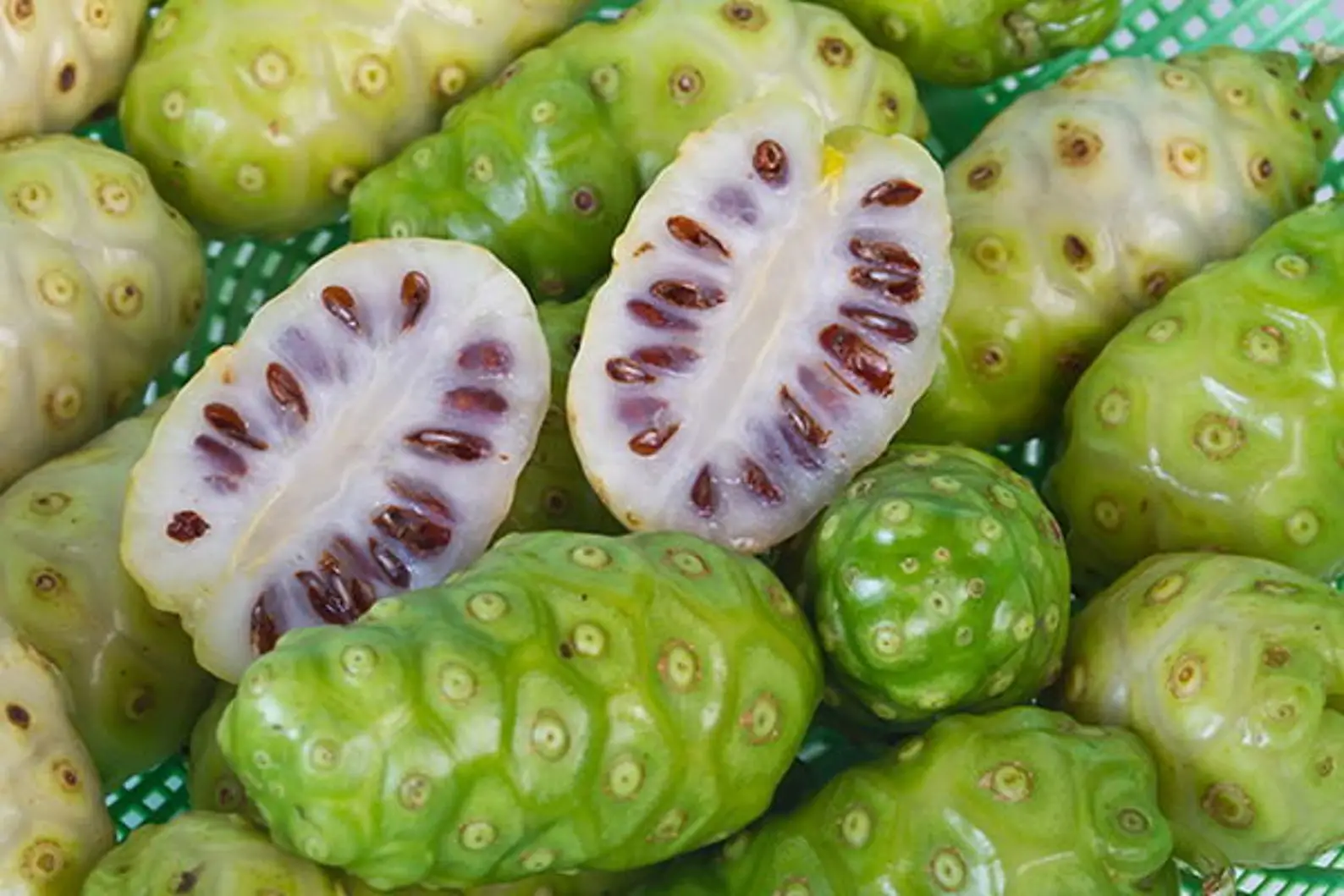
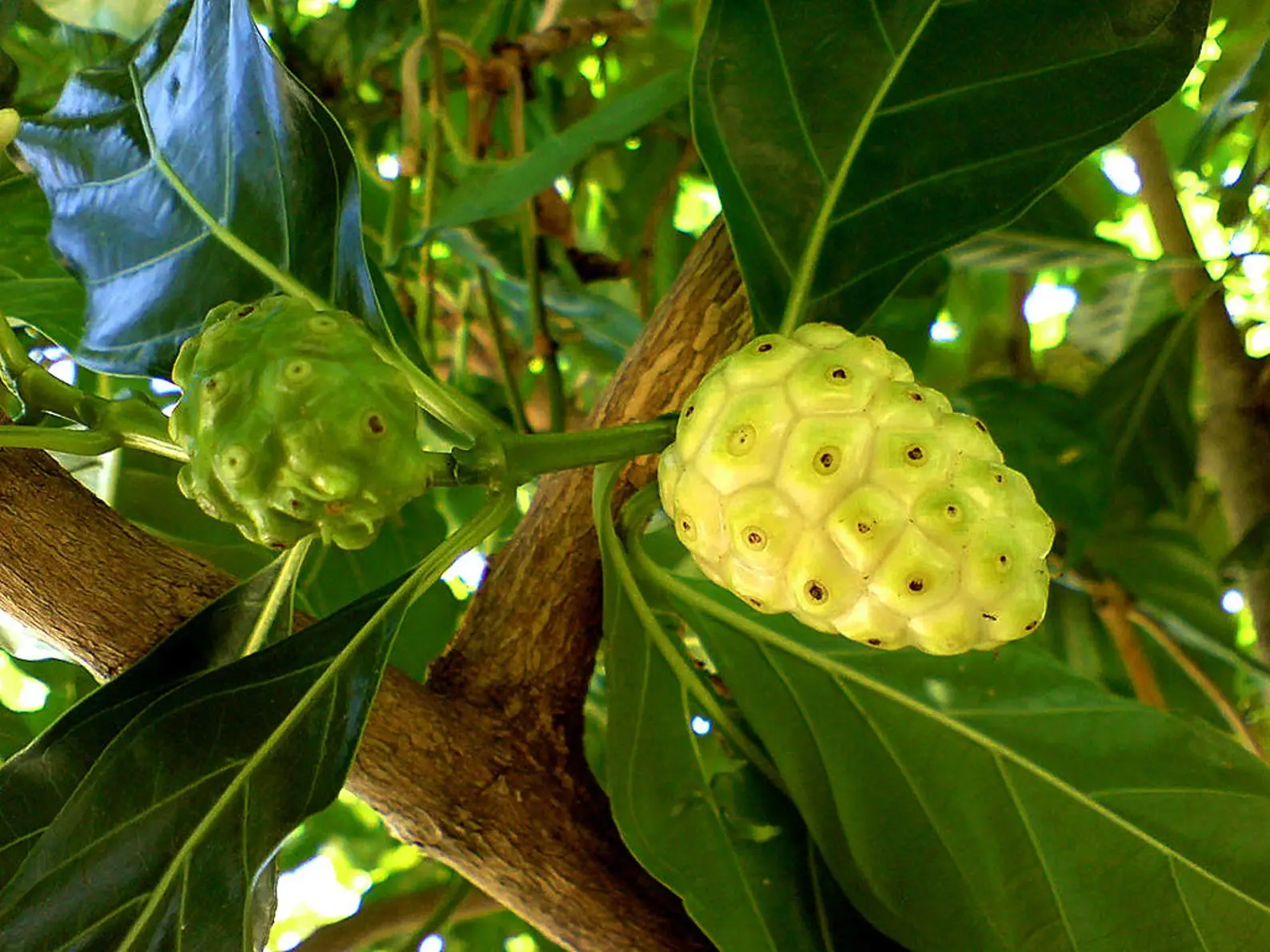
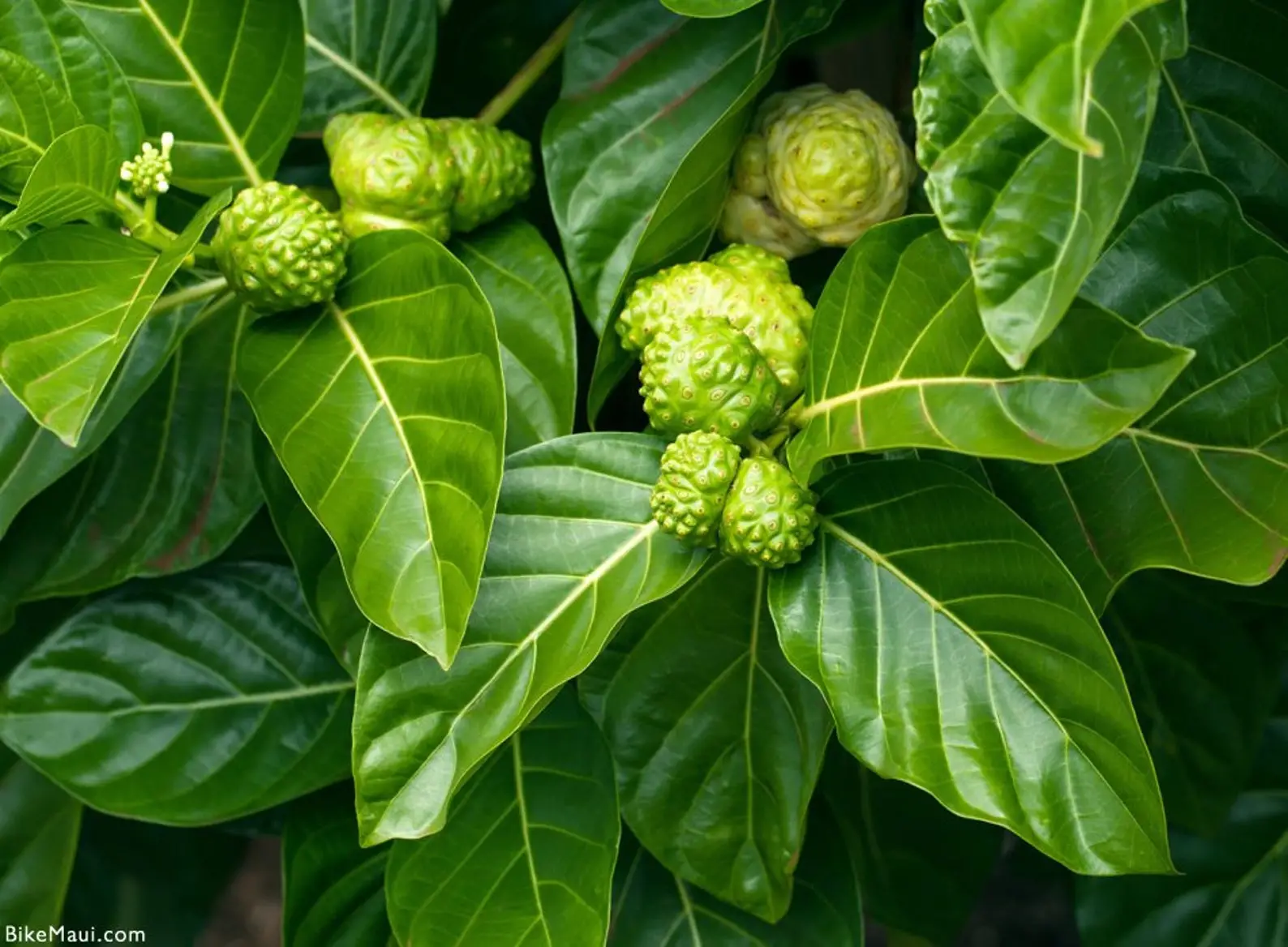
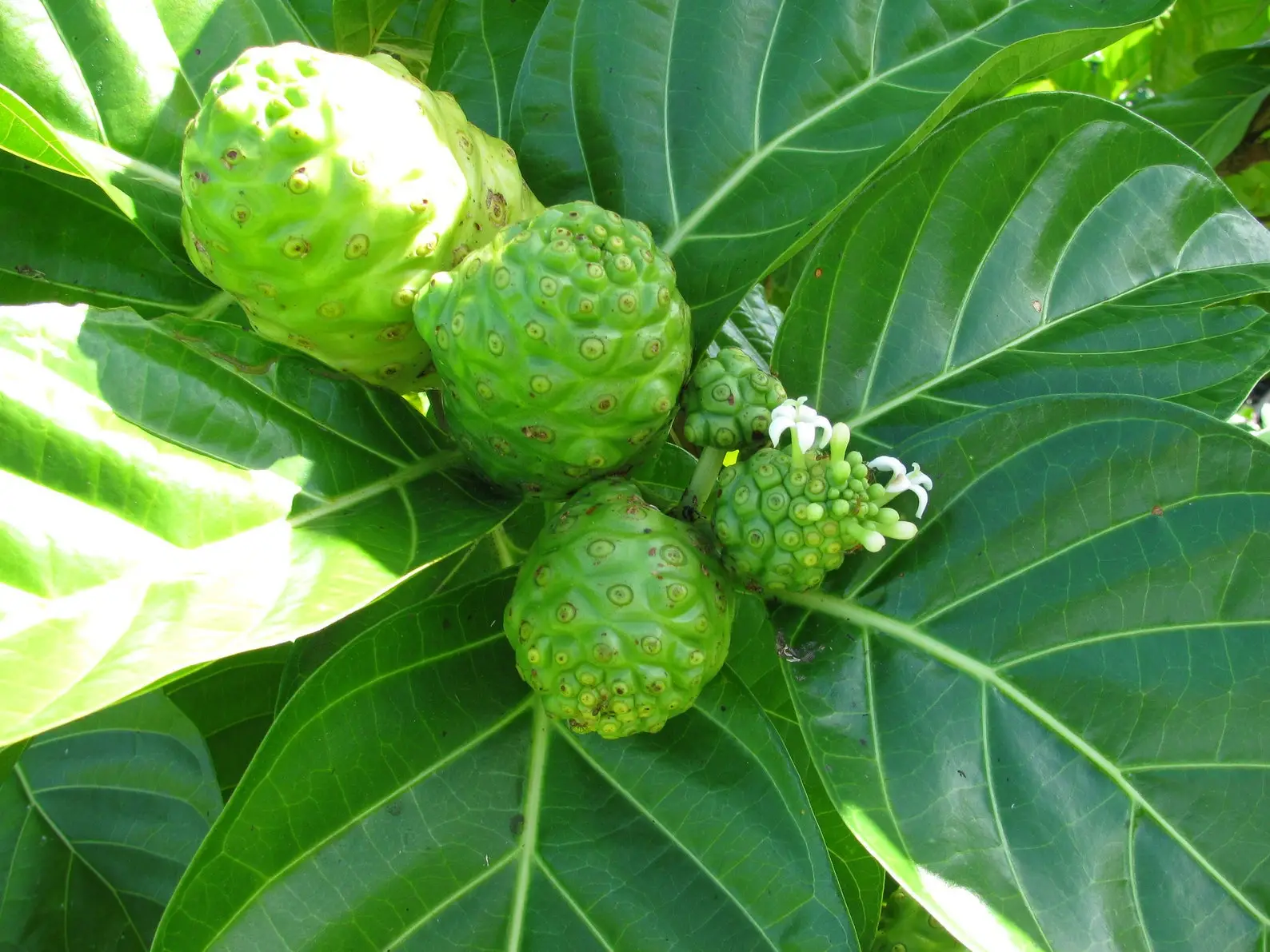
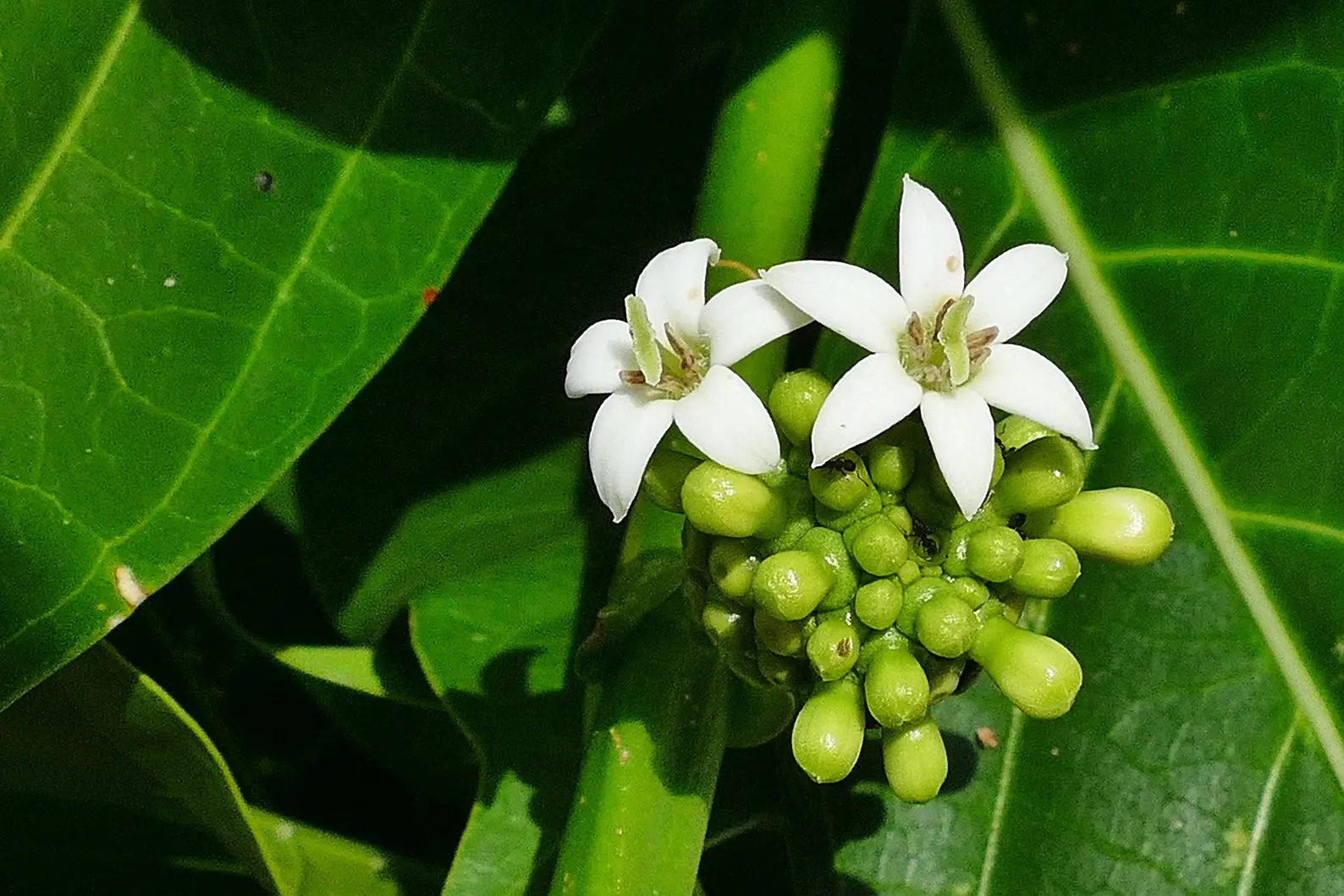
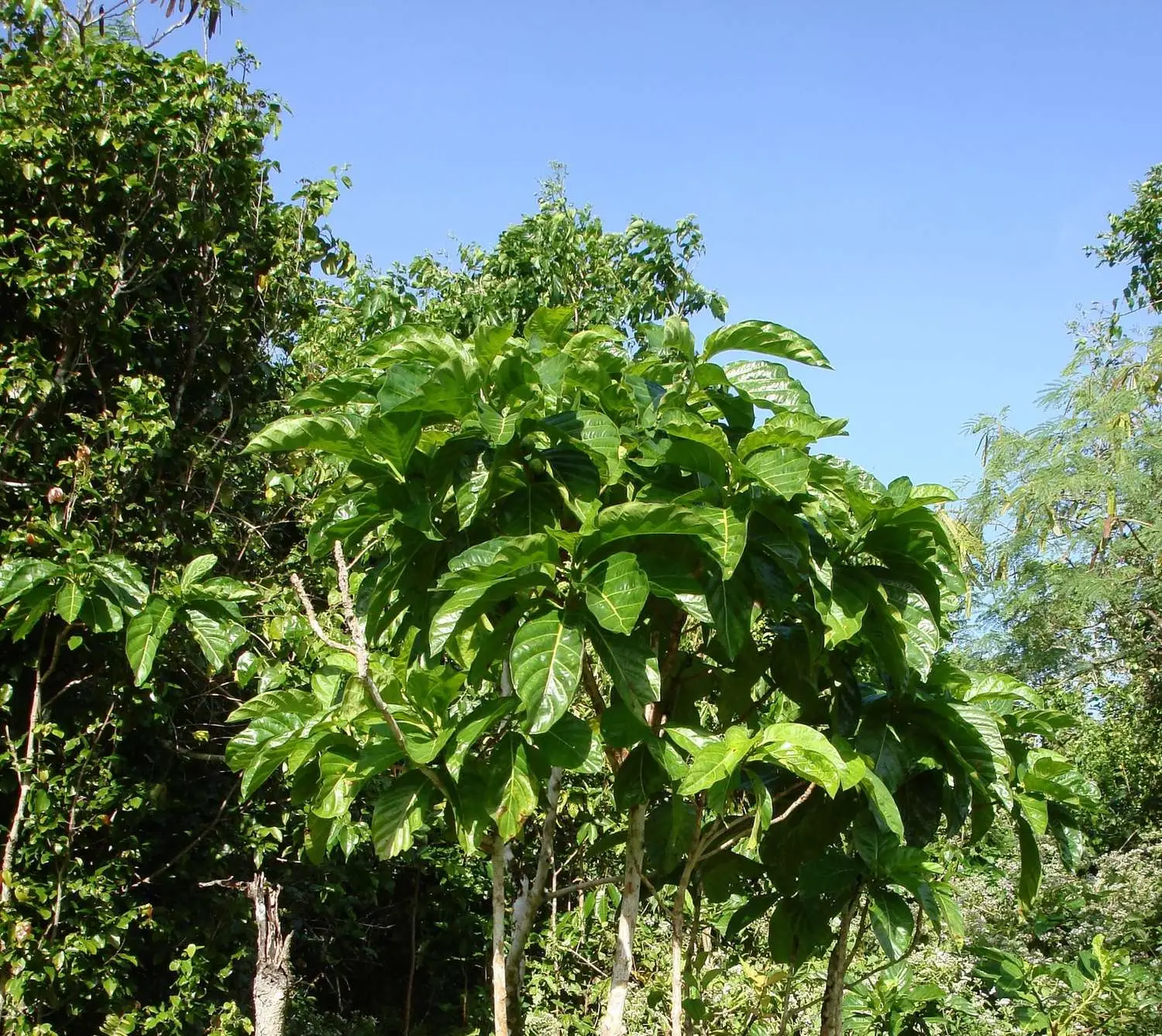
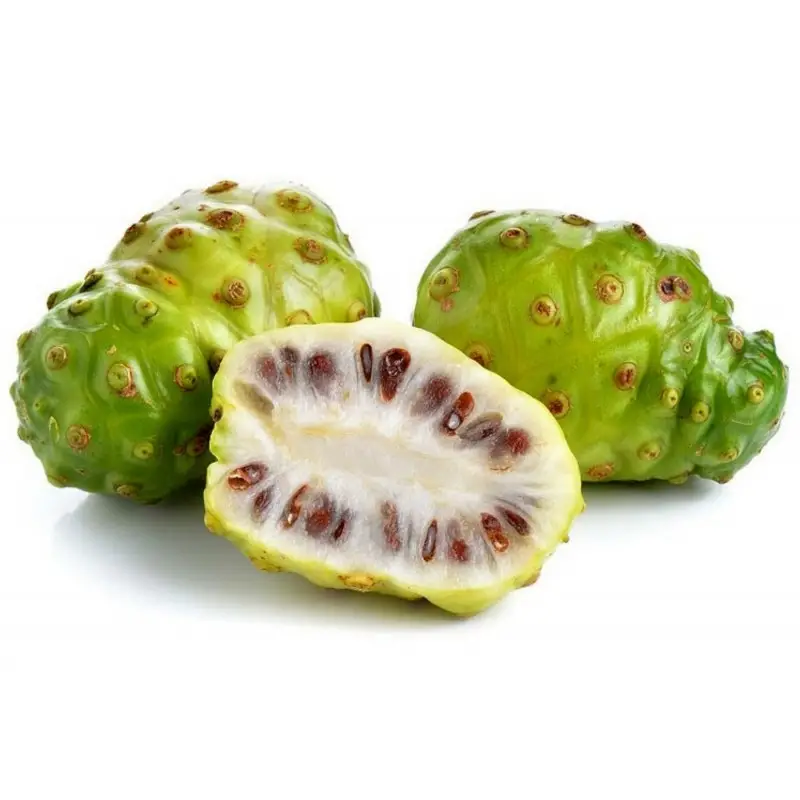
Originally native to Southeast Asia and Australia, the noni tree is now widely cultivated in tropical regions. The odd-shaped and rather strong tasting fruit have received some attention for their anti-cancer potential. Morinda citrifolia is a fast growing pioneer tree and adapts well to a wide range of conditions. Its attractive, evergreen foliage also makes it a nice ornamental tree. Seeds will germinate much quicker and more uniform if scarified with sandpaper or the like.
Germination Guide
🌍 Southeast Asia and Australasia
Moderate
Morinda citrifolia, commonly known as noni or Indian mulberry, is a tropical evergreen tree native to Southeast Asia and Australasia, traditionally valued in Pacific and Asian cultures for its medicinal properties. Seed germination is slow and variable, typically requiring 3-9 weeks with proper pre-treatment, and succeeding best in consistently warm, moist conditions with soil temperatures maintained above 24°C.
Germination
Germination time
Expect germination in
21 – 63 days
Temperature
Min 24°C
Ideal 30°C
Max 38°C
Substrate moisture
💧💧 High
Sowing depth
Lightly covered
Seed Pre-treatment
-
💧
Soaking — 36 hours
Soak in lukewarm water (28-35°C) for 24-48 hours to soften hard seed coat and improve germination
-
🔨
Mechanical scarification
Mechanical scarification can accelerate germination to 6-12 weeks instead of several months
-
📋
Additional notes
Seed coat softening through water soaking or mechanical scarification. Fresh seeds show germination rates over 90%.
Substrate & Container
Recommended substrate
Coconut coir and perlite (1:1 ratio) or sandy loam with compost, well-draining soil
Recommended container
Nursery beds or seedling trays, spacing 5 cm apart
Growing Tips
Use fresh seeds whenever possible for optimal germination rates (often exceeding 90%). Pre-treat seeds by soaking in warm water for 24-48 hours or mechanically scarifying to reduce germination time. Maintain warm soil temperatures between 28-35°C and avoid cooling below 24°C at night. Cover seedlings with transparent lid or plastic wrap to retain humidity, ventilate daily to prevent mold. Once seedlings develop 2-4 true leaves (approximately 10-15 cm tall), transplant into individual pots with compost + sand + garden soil (1:1:1 ratio). Gradually acclimate seedlings to direct sunlight over 1-2 weeks before moving to permanent location. Keep soil consistently moist but well-drained; avoid waterlogging.
Only logged in customers who have purchased this product may leave a review.

Reviews
There are no reviews yet.