Description
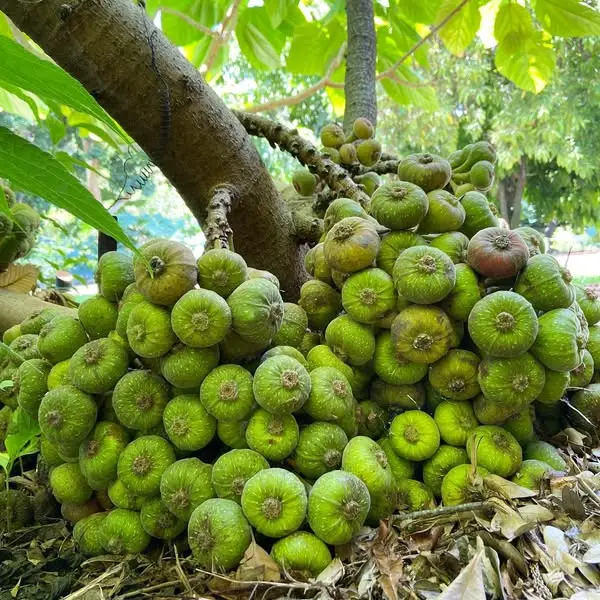
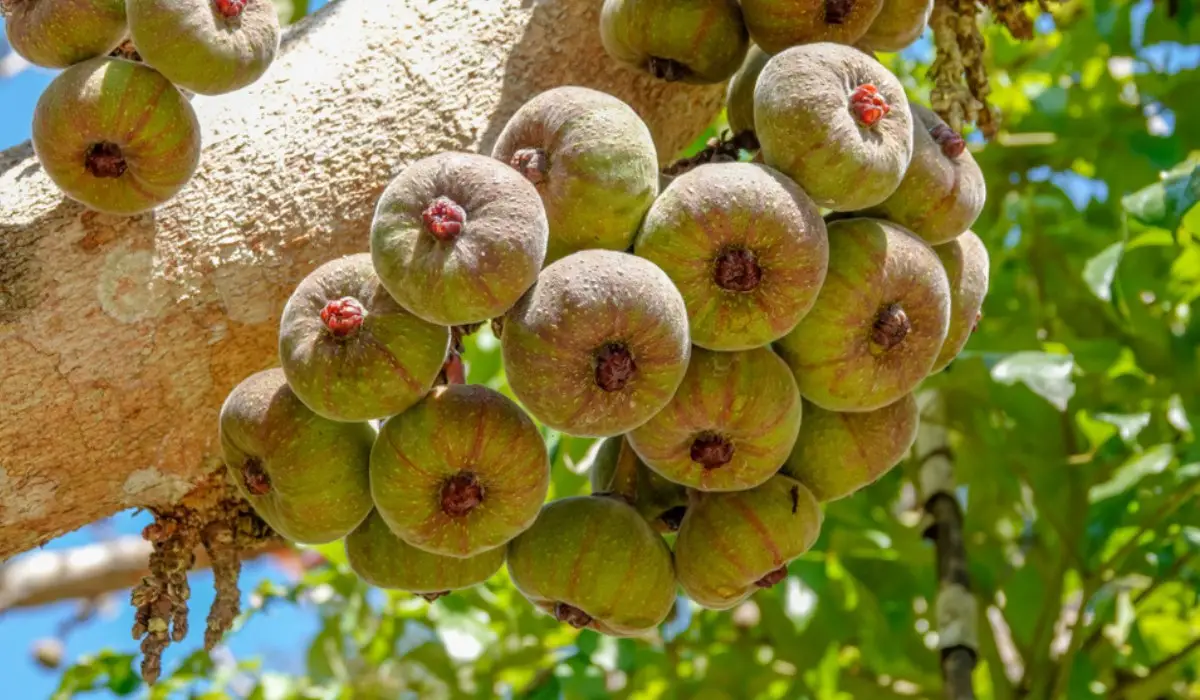
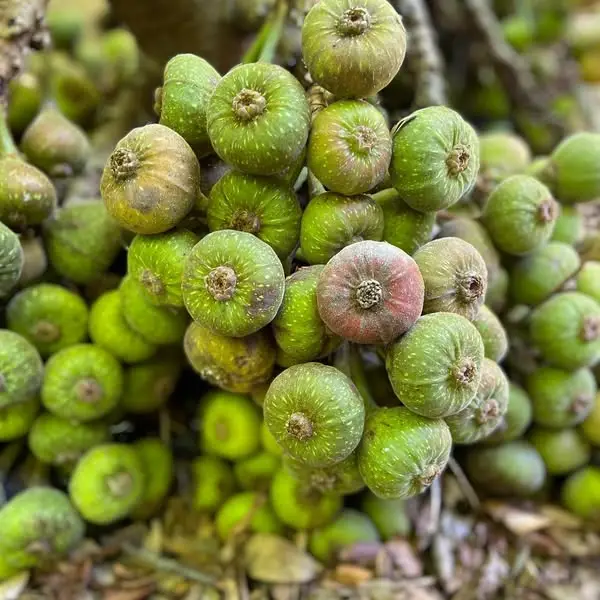
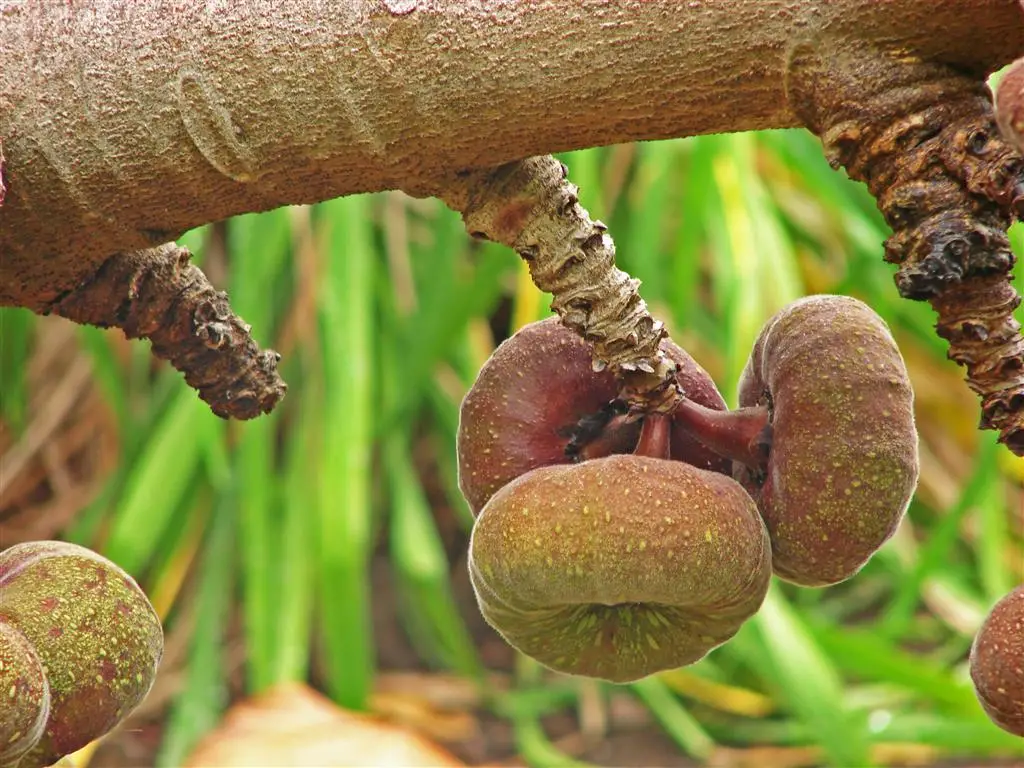
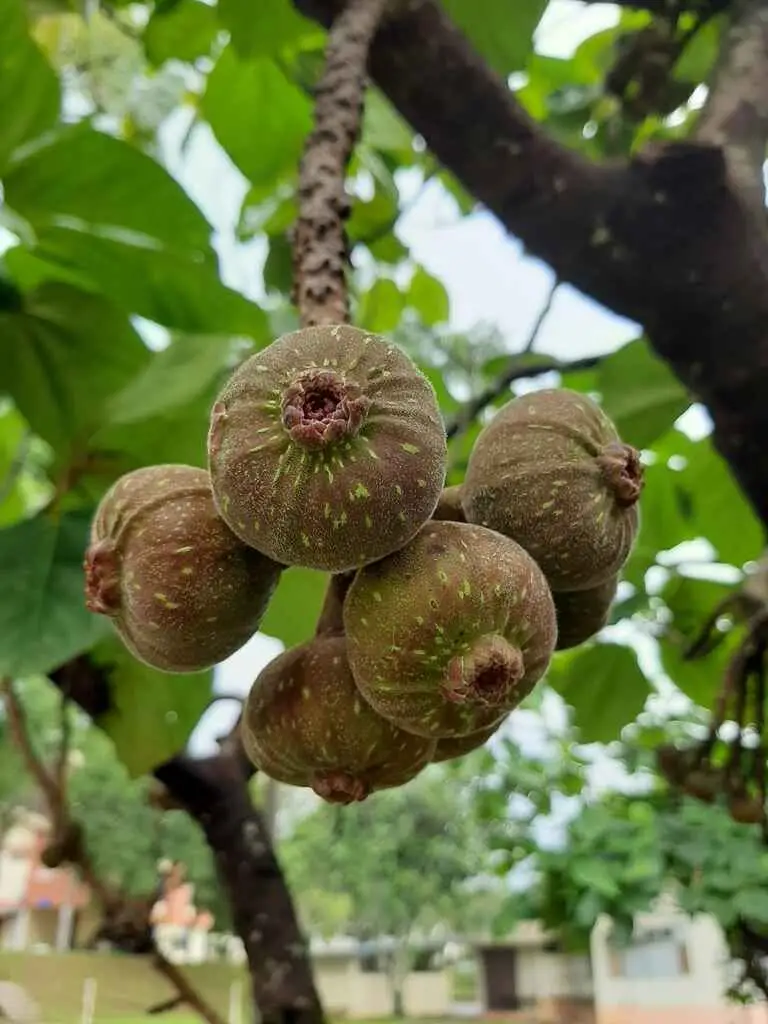
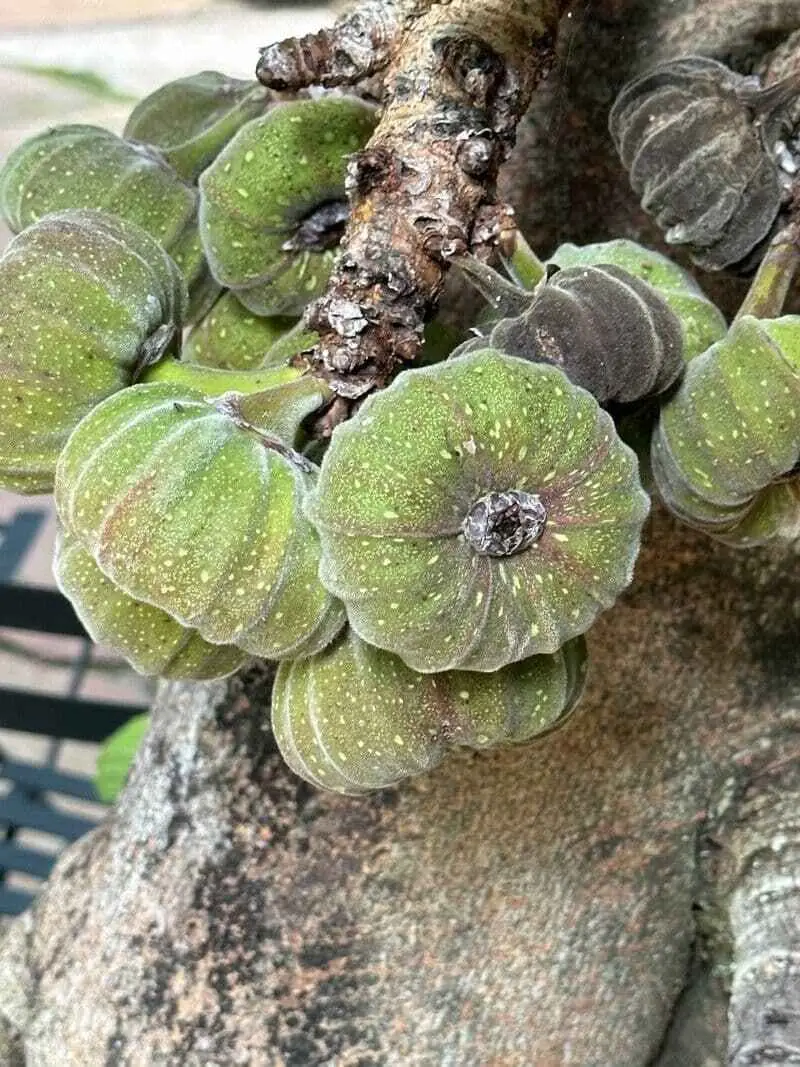
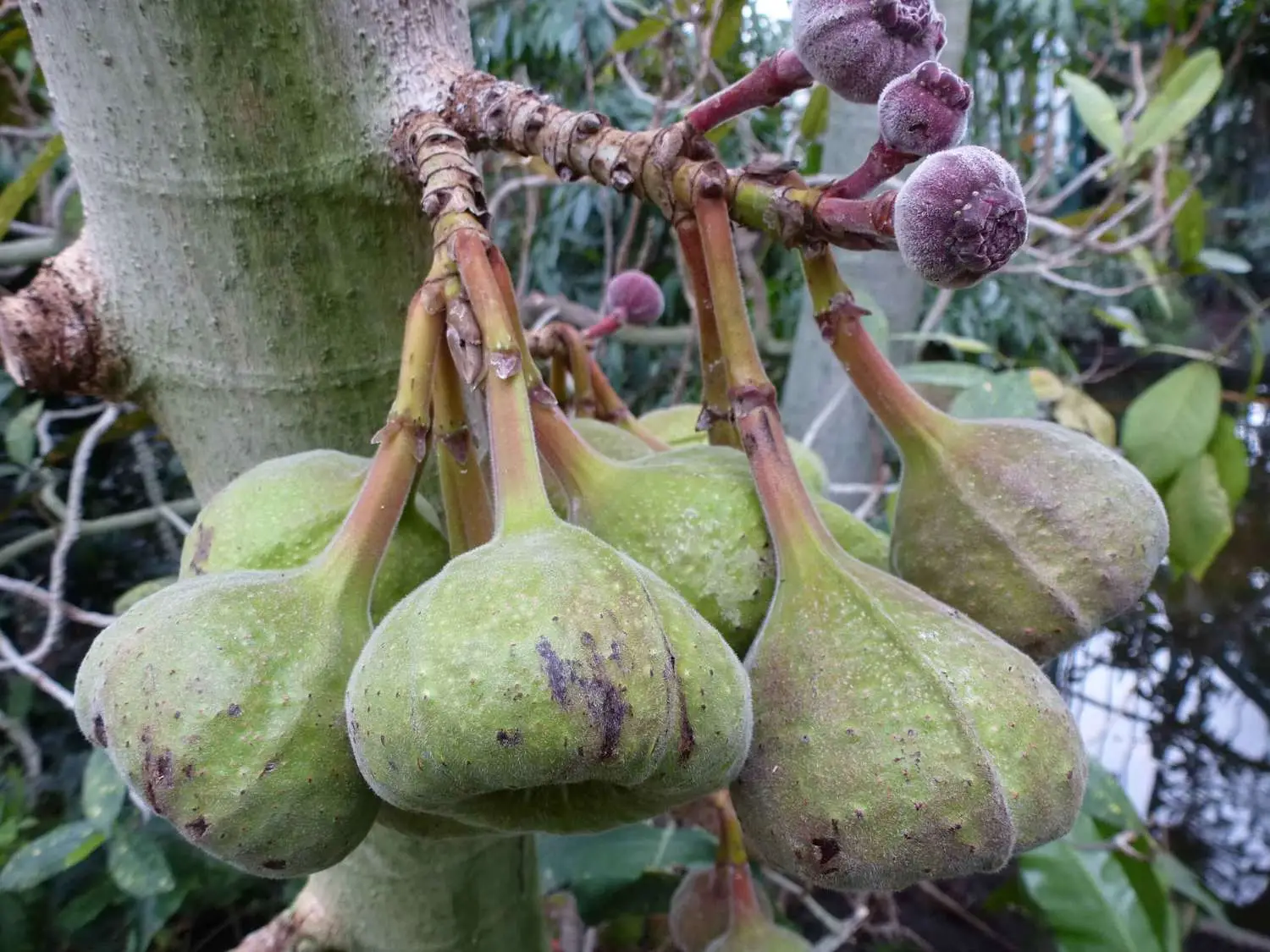
Ficus auriculata, commonly known as the Roxburgh fig or elephant ear fig, is a fast-growing, tropical tree native to Southeast Asia. It is known for its large, round leaves resembling elephant ears and its edible, reddish-purple figs that grow directly on the trunk and branches (a trait called cauliflory). The tree is often grown for its fruit, ornamental value.
Ficus auriculata thrives in warm, humid climates and prefers well-drained soil with plenty of organic matter. It can grow up to 8 to 15 meters tall and is often found in forested or hilly areas. The fruit is sweet and juicy when ripe, commonly eaten fresh or used in jams and traditional recipes. Its striking foliage and unique fruiting habit make it a popular choice for agroforestry and ornamental planting.
Germination Guide
🌍 Subtropical and tropical Asia, including Assam, Bangladesh, Cambodia, southern China, East and West Himalaya, India, Laos, Malaysia, Myanmar, Nepal, Pakistan, Thailand, Tibet, and Vietnam
Moderate
Ficus auriculata, also known as the Elephant Ear Fig or Roxburgh Fig, is a tropical evergreen tree native to subtropical regions of Asia, characterized by its enormous heart-shaped leaves that can reach up to 50 cm in length. Seeds require careful attention during germination, needing high humidity, warm temperatures between 20-26°C, and consistently moist soil to achieve successful germination typically within 2-6 weeks. This fig tree produces edible fruits that grow in clusters directly on the trunk and branches, making it valued for both ornamental and fruit production purposes.
Germination
Germination time
Expect germination in
14 – 42 days
Temperature
Min 20°C
Ideal 22°C
Max 26°C
Substrate moisture
💧💧 High
Sowing depth
Lightly covered
Seed Pre-treatment
-
💧
Soaking — 24 hours
Soak seeds in clean water or warm water for 24 hours to soften seed coat and encourage germination
-
🔨
Mechanical scarification
Gently scarify the tough seed coat with sandpaper or a small knife to facilitate water absorption
-
📋
Additional notes
Clean seeds thoroughly to remove any fruit residue before scarification and soaking
Substrate & Container
Recommended substrate
Well-draining sandy compost, seed raising mix, or mixture of garden soil, compost, and sand
Recommended container
Greenhouse or small plastic box to maintain high humidity; seed trays or small pots with drainage holes
Growing Tips
Use light fog or misting to maintain consistent humidity during germination; seeds are very tiny, so handle with care. Plant in a greenhouse or covered container to maintain high moisture and warmth. Transplant seedlings after they develop 5-7 true leaves, spacing at 5x5 cm minimum. Provide bright indirect light after germination to prevent seedling stretch. Store dry seeds in a dark location until planting. Success rates improve when seeds are fresh; germination may be slow and irregular, so patience is essential. Maintain soil moisture but avoid waterlogging, which can cause rot.
Only logged in customers who have purchased this product may leave a review.



Reviews
There are no reviews yet.