
Botanical name: Crataegus songarica / Crataegus fischeri / Crataegus darvasica
Common name:
Kingdom: Plantae
Clade: Tracheophytes
Clade: Angiosperms
Clade: Eudicots
Clade: Rosids
Order: Rosales
Family: Rosaceae
Genus: Crataegus
Section: Crataegus sect. Crataegus
Series: Crataegus ser. Crataegus
Species: C. songarica
€5.63
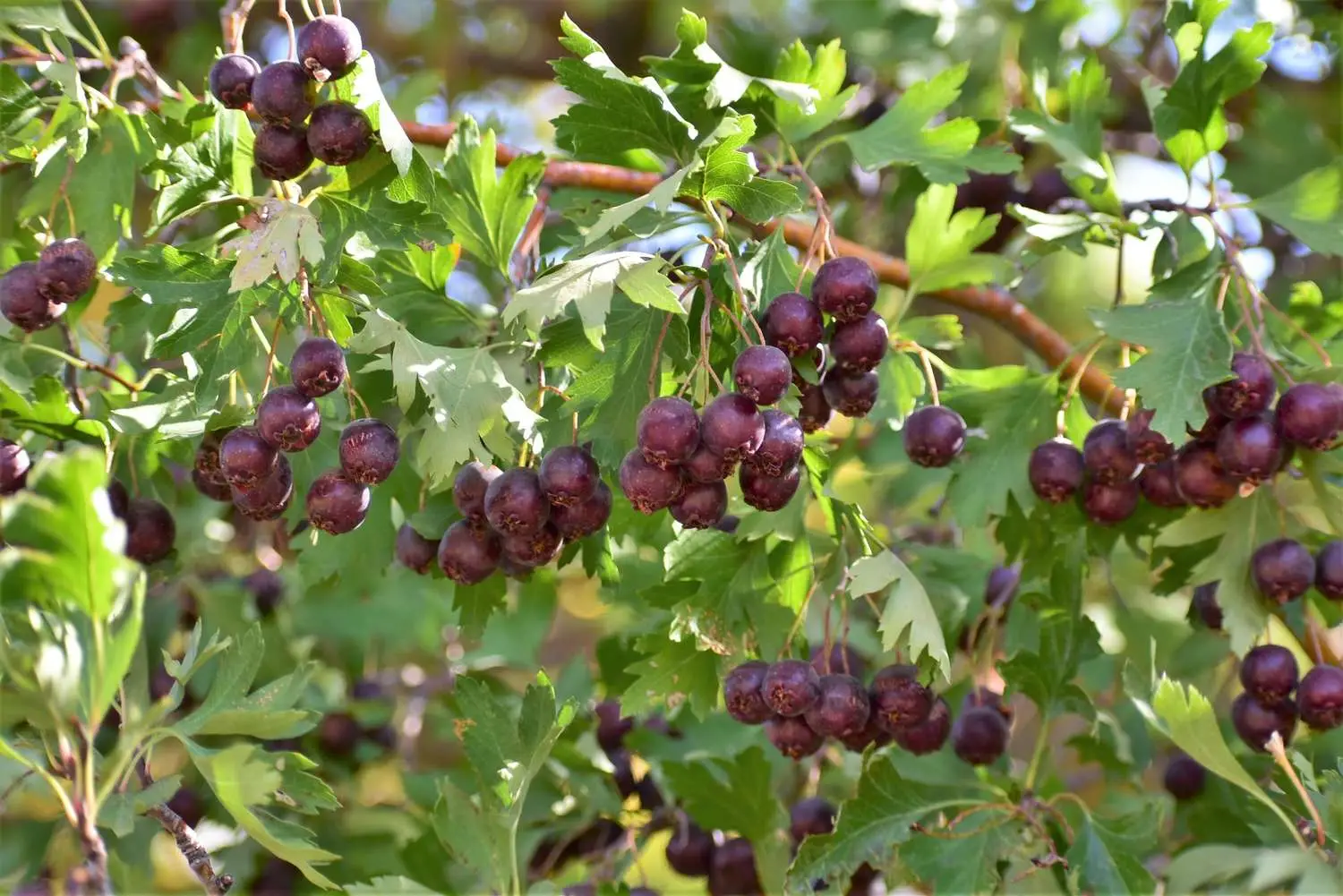
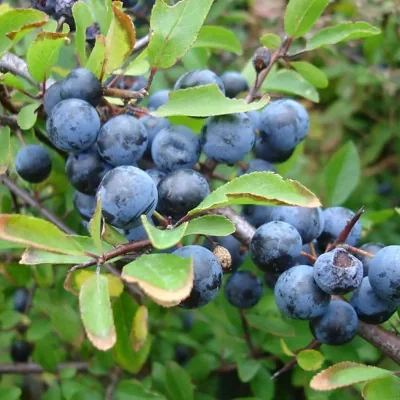
Crataegus songarica is an Asian species of hawthorn with black fruit that is sometimes used medicinally. It is closely related to Crataegus ambigua, a species that has red fruit.
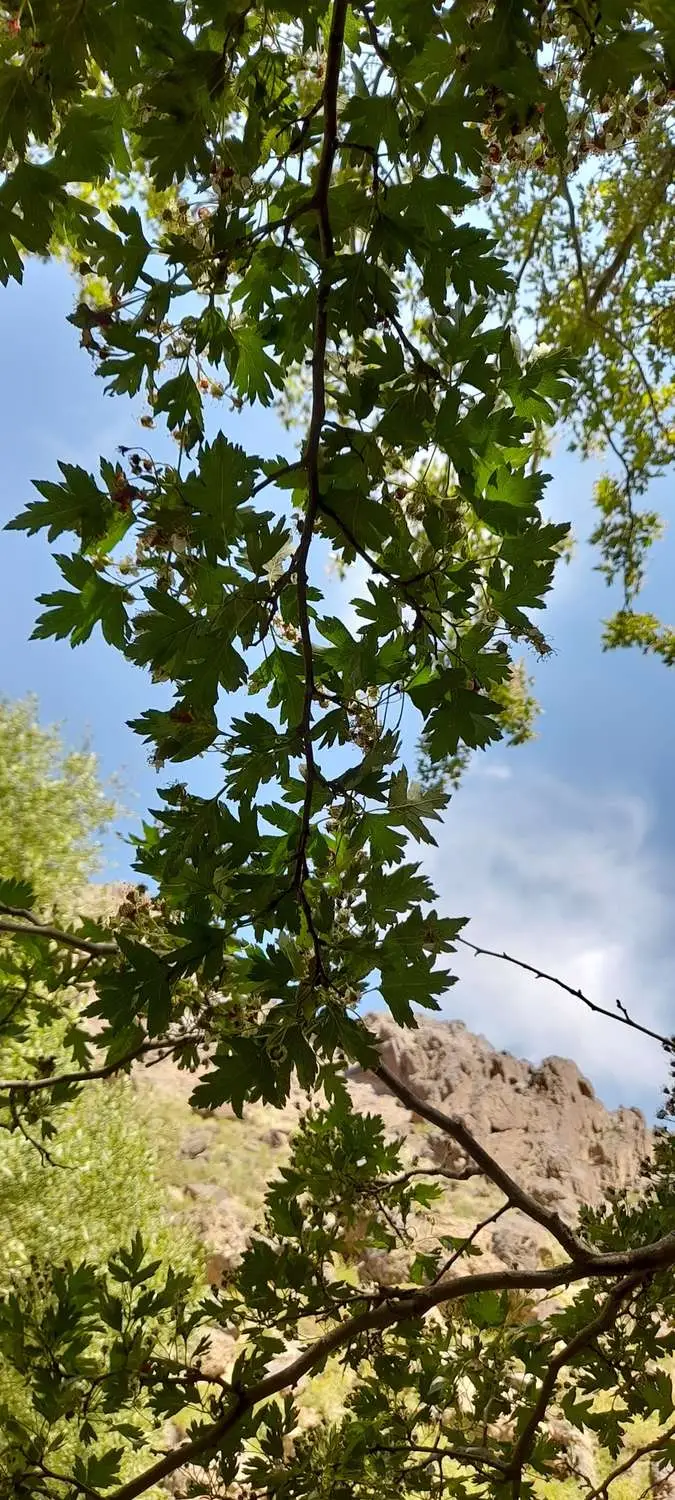
The native range of the species covers much of Central Asia and Xinjiang. It grows on limestone or granite, at elevations of 800–2700 m.
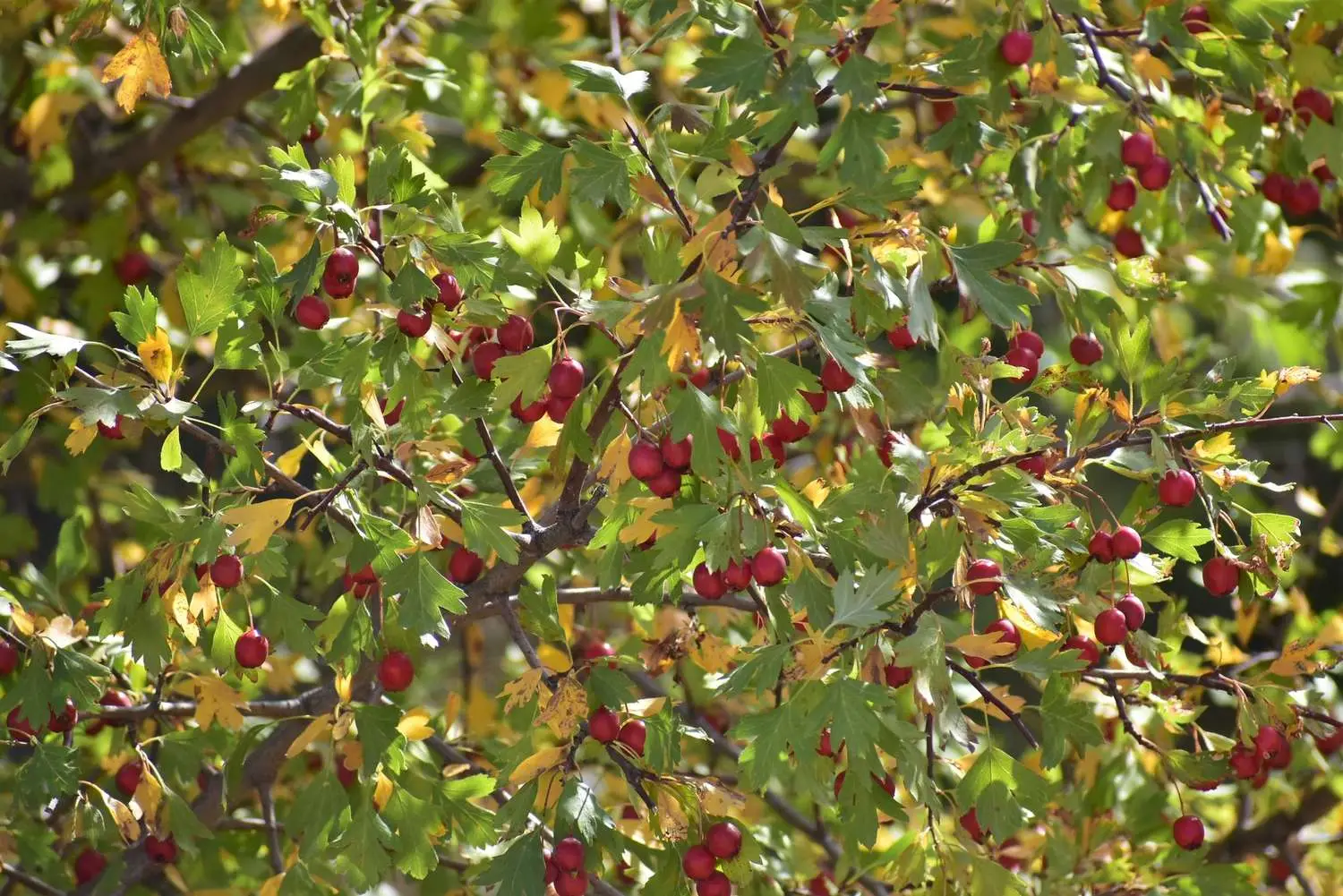
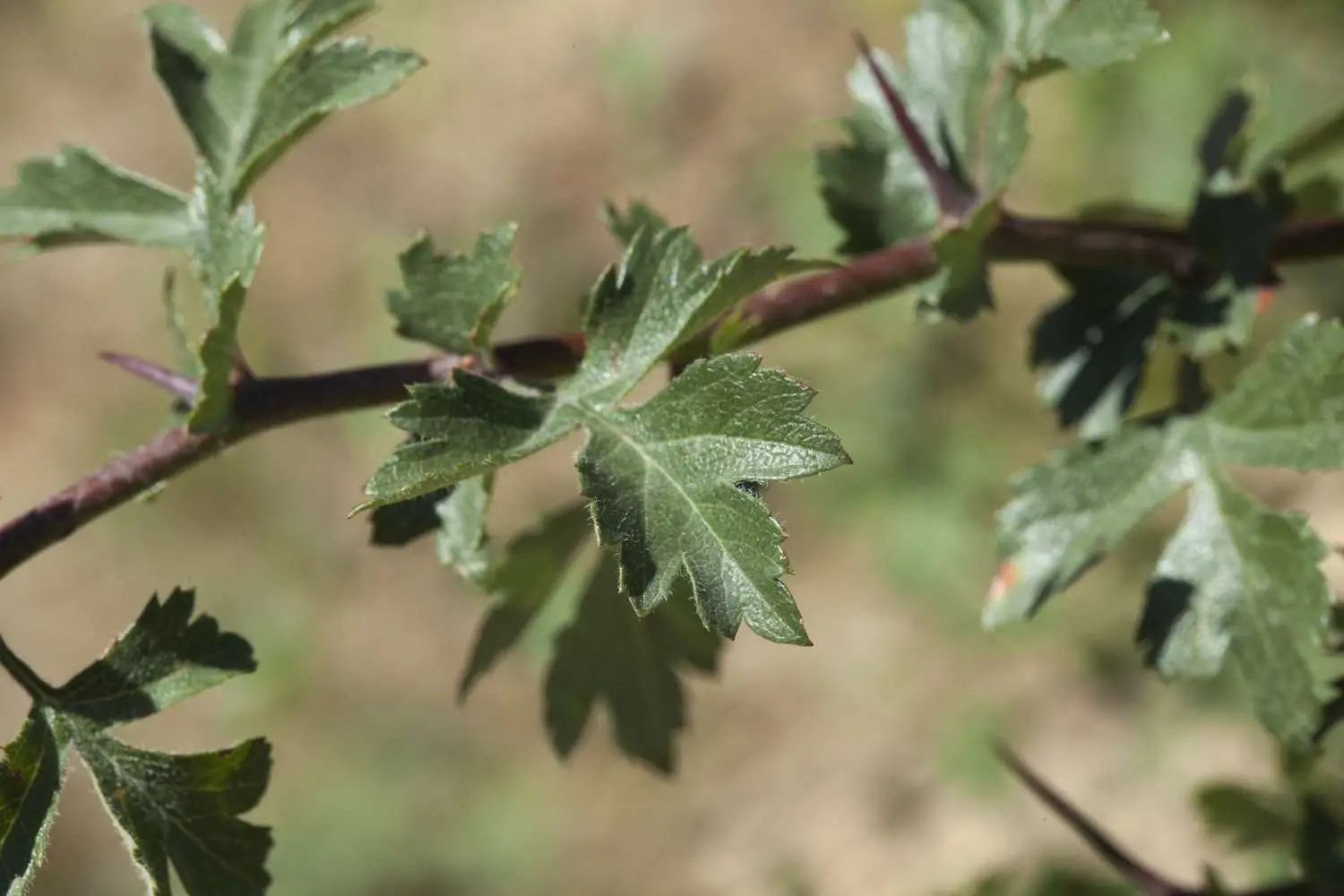
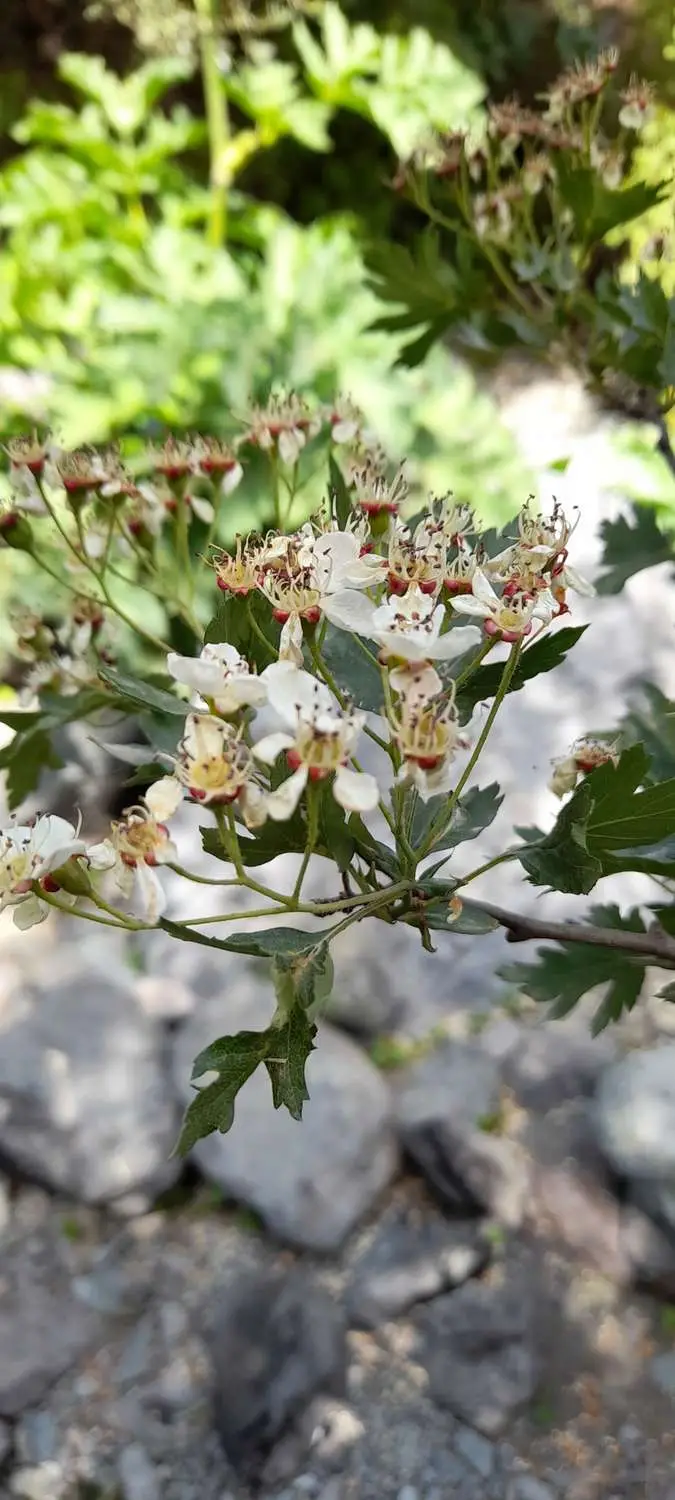
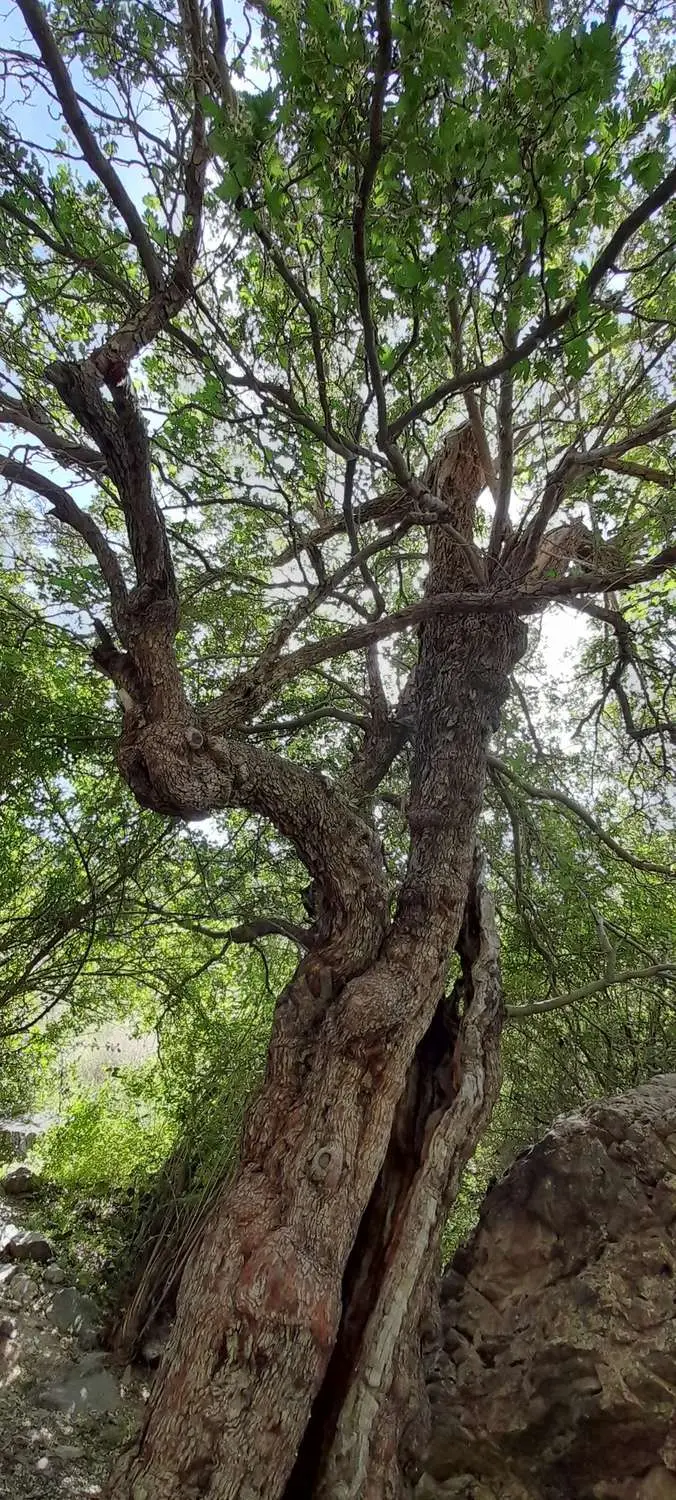
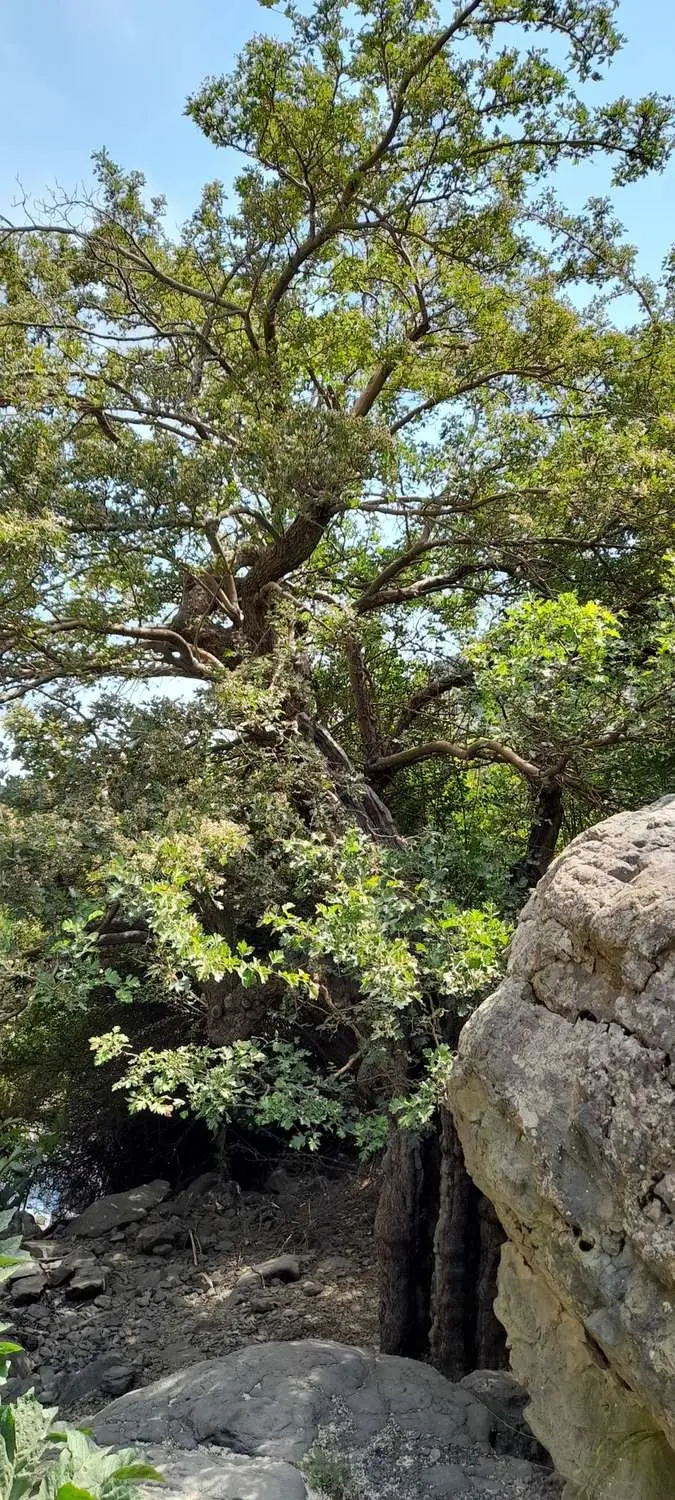
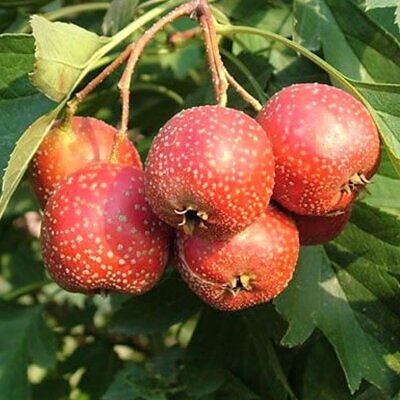
The plant is a tree or small shrub with thorns up to 15 mm in length. The white flowers have 18-20 stamens with purple anthers, and occur in groups of 10–20. The fruit is 6–14 mm in diameter, slightly longer than wide, purplish-black with 1–3 stones (usually 2).
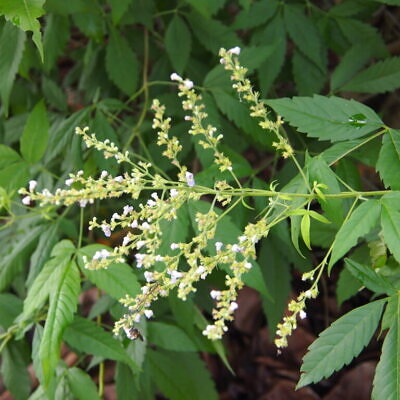
Asian Hawthorn is a shrub or small tree, 4-5 m tall, armed or unarmed; thorny 0.8-1.5 cm, stout. The white flowers have 18-20 stamens with purple anthers, and occur in groups of 10-20. Flower-stalks are 0.5-1.5 cm, slightly velvet-hairy when young. Sepal cup is bell-shaped, initially velvet-hairy, soon hairless. Sepals are triangular-ovate or broadly lanceshaped, about 3 mm, below initially velvet-hairy, becoming hairless. Petals are absent. Branchlets are purplish brown when young, grayish brown when old, initially sparsely velvet-hairy, soon hairless, round; buds reddish brown, ovoid, hairless. Stipules are sickle shaped or lanceshaped, about 8 mm, herbaceous. Leaf-stalks are 2-2.5 cm, hairless or nearly hairless; leaf blade rhomboidal-ovate to broadly ovate, 3.5-6.5 x 2.5-5.5 cm, both surfaces velvet-hairy when young, becoming hairless, base wedge-shaped, rarely broadly wedge-shaped, margin remotely sawtoothed and with 2 or 3 pairs of deep lobes, or shallowly lobed at the tip, lobes oblong, tip pointed. Fruit is reddish black with yellow pulp, sparsely dotted, spherical, rarely ellipsoid, 1.2-1.6 cm in diameter, hairless; sepals persistent, reflexed. Asian Hawthorn is found in Iran to NW China and W Himalaya, at altitudes of 500-2000 m. Flowering: May-June.
Medicinal uses: The extract or juice of of the plant, locally known as Ghingaaru, is used as a tonic in heart diseases in Chambaa, Kaanaataal, Ghanshmal, Bhilanganaa valley, Jamunaa valley, Taunt areas of NW Himalayas. In Kashmir region, it is also used locally in heart diseases. According to the Wealth of India, the fruits are used as & cardiac tonic. They are used as a marmalade. A beverage, similar to tea, is also prepared from the rind and pip.
Only logged in customers who have purchased this product may leave a review.
Reviews
There are no reviews yet.