FREE SHIPPING OVER €30 FREE SHIPPING OVER €30

Potentilla indica — Mock Strawberry | Medicinal Herb & Edible Fruit in One Stunning Plant

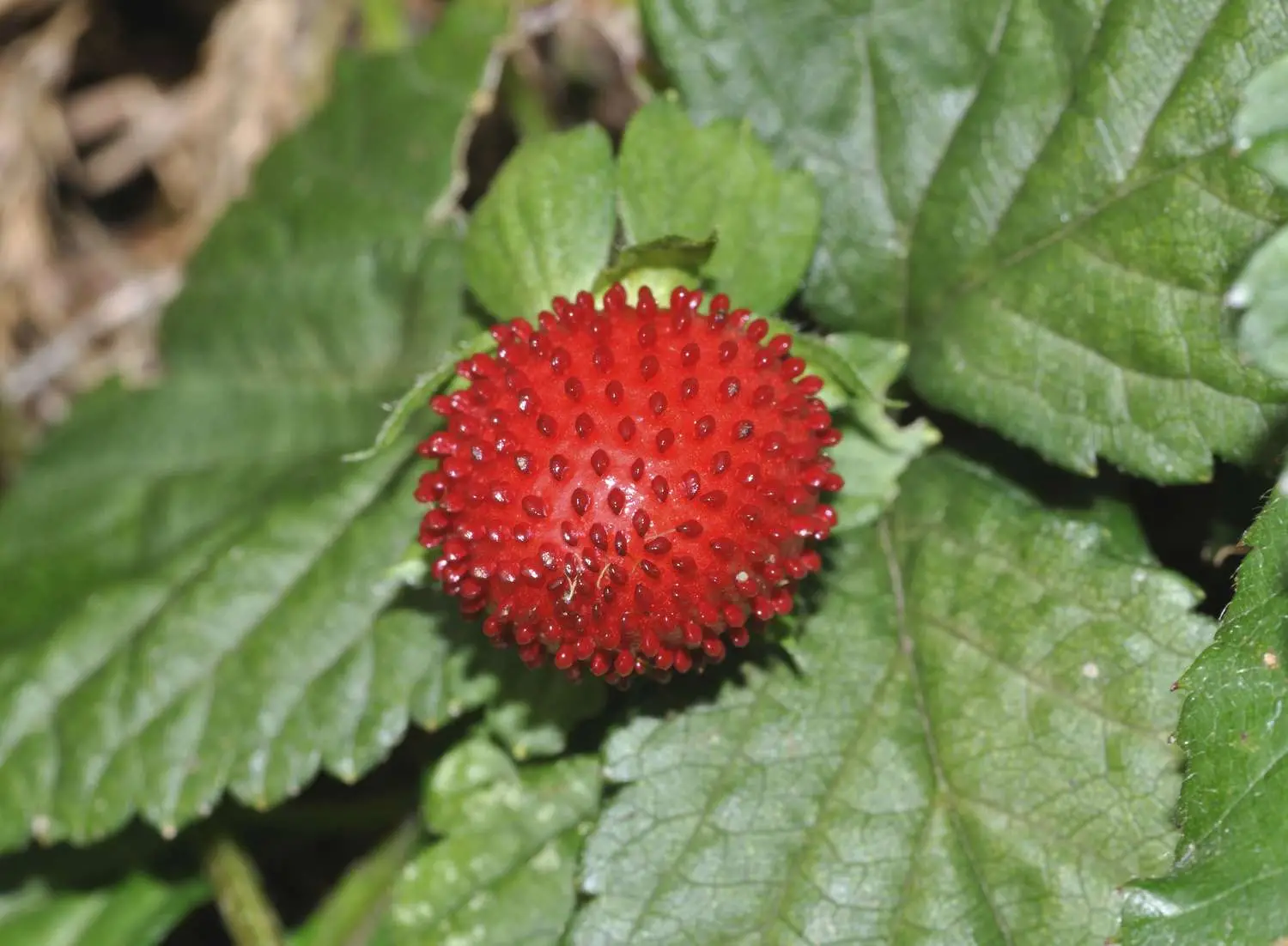
Discover the hidden treasure of Asia’s gardens: a plant that deceives with strawberry-like red fruits yet reveals itself as a potent medicinal herb. The leaves brew into a delicate tea—cucumber and sage notes—available nearly year-round. Packed with anti-inflammatory and antiseptic power, mock strawberry has been treasured in traditional medicine for generations. Unfussy and adaptable, t

6.49

SKU: P-2286 Categories: , , Tags: , , ,

You May Also Like

Description

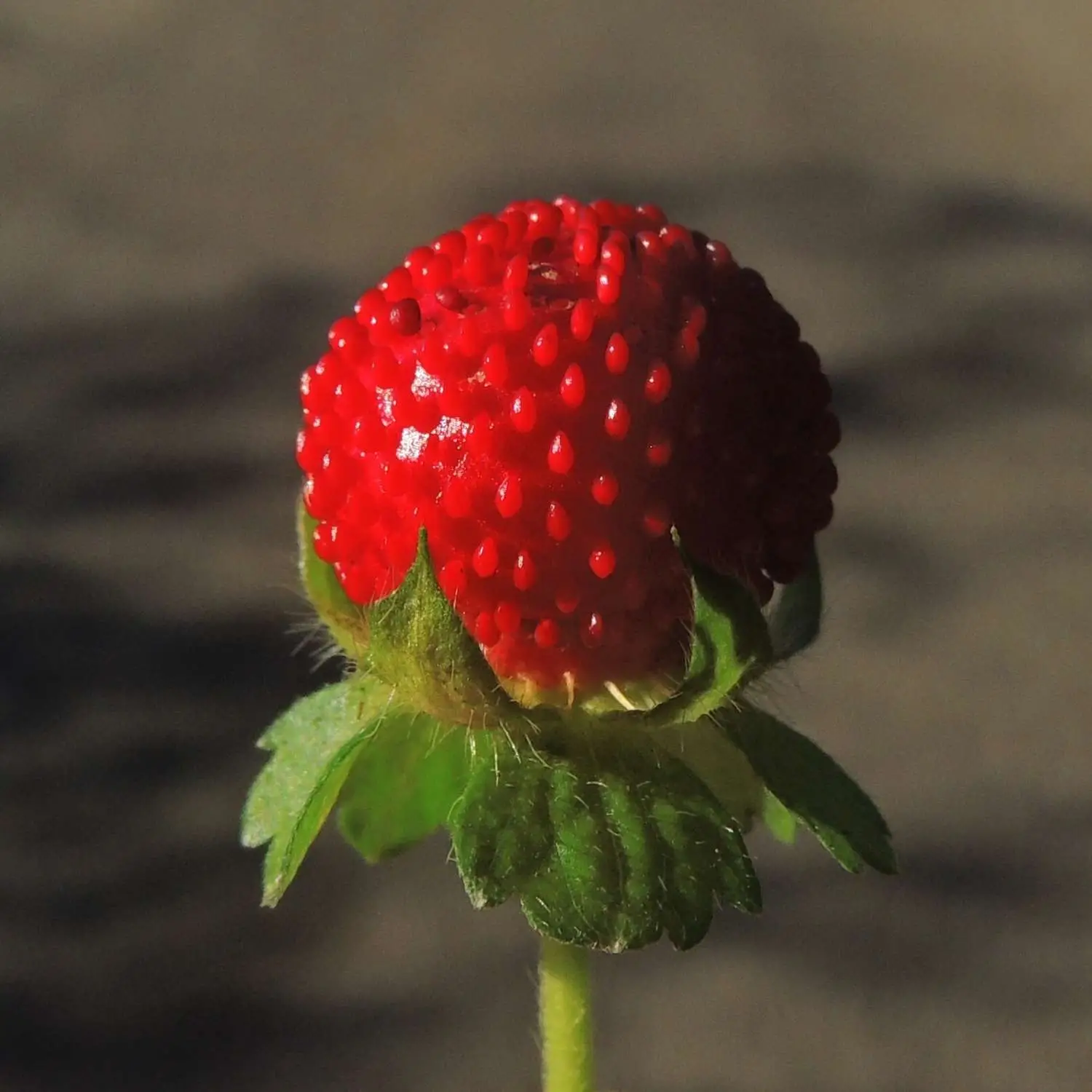
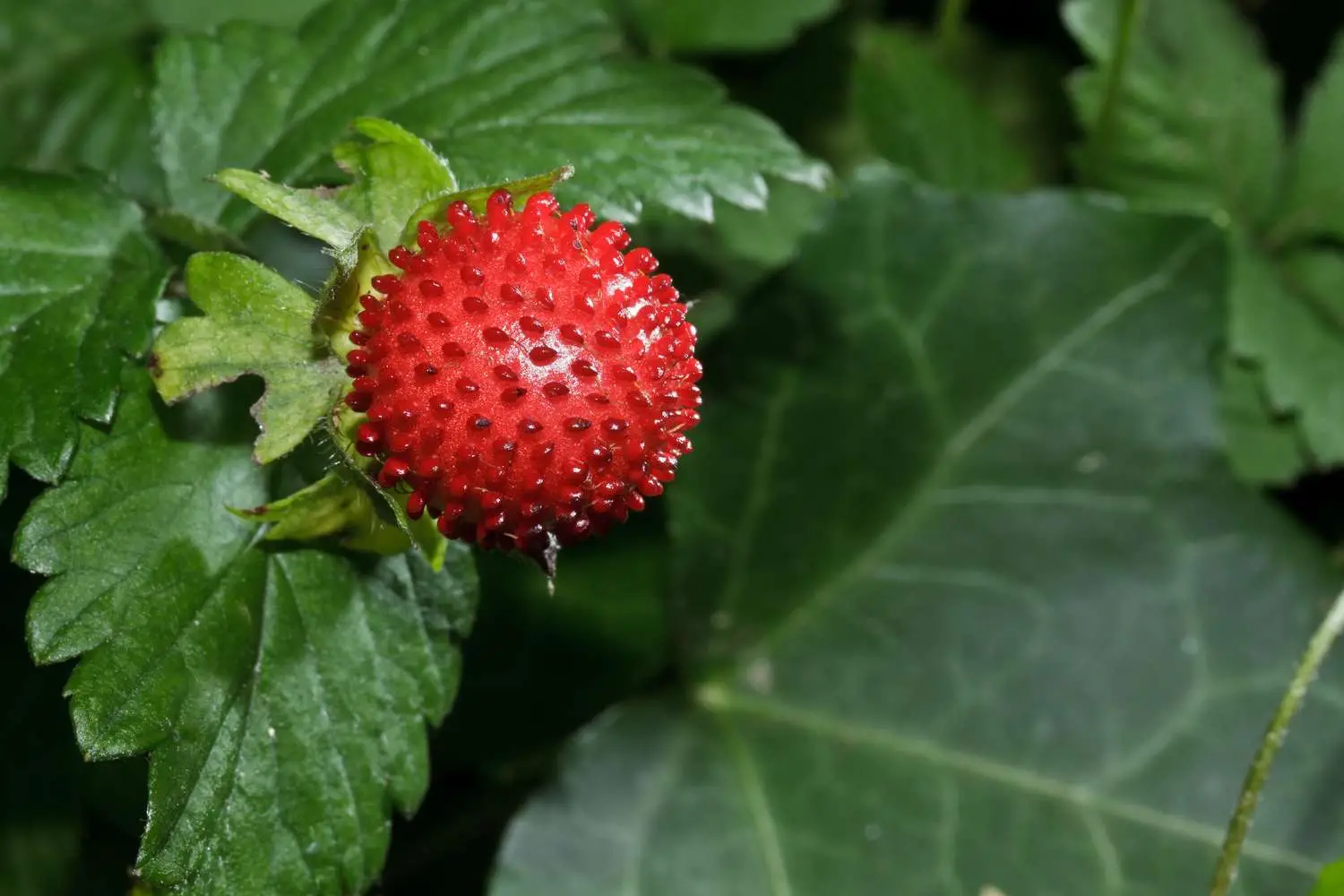
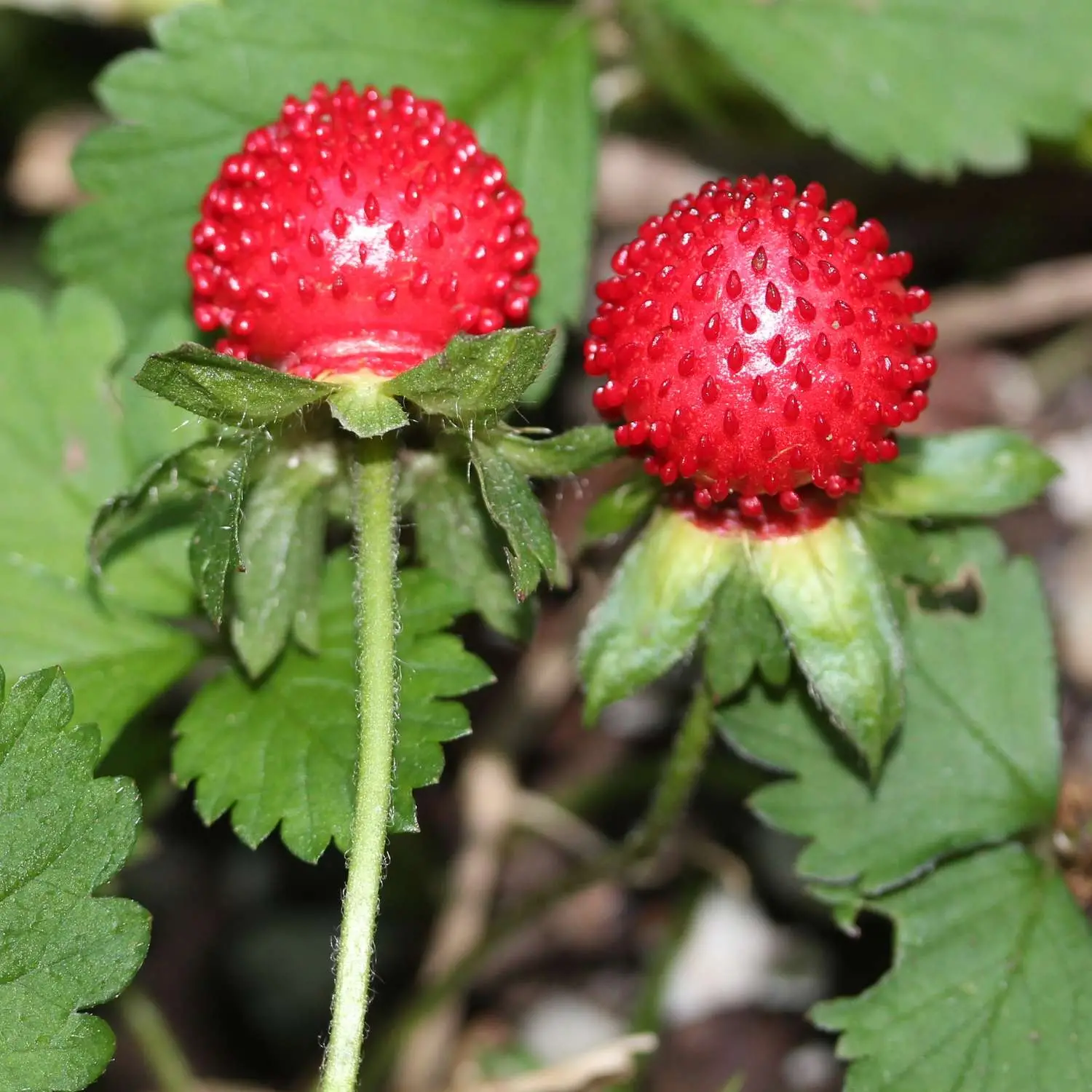
Potentilla indica, commonly called Indian strawberry, is a ground-hugging plant native to Asia that has been criminally overlooked in Western gardens. While dismissed by many as merely ornamental, this Rosaceae jewel is actually a multi-purpose medicinal powerhouse wrapped in deceit—beautiful enough to trick you into thinking you’ve found true strawberries, yet profound enough to deliver genuine health benefits.

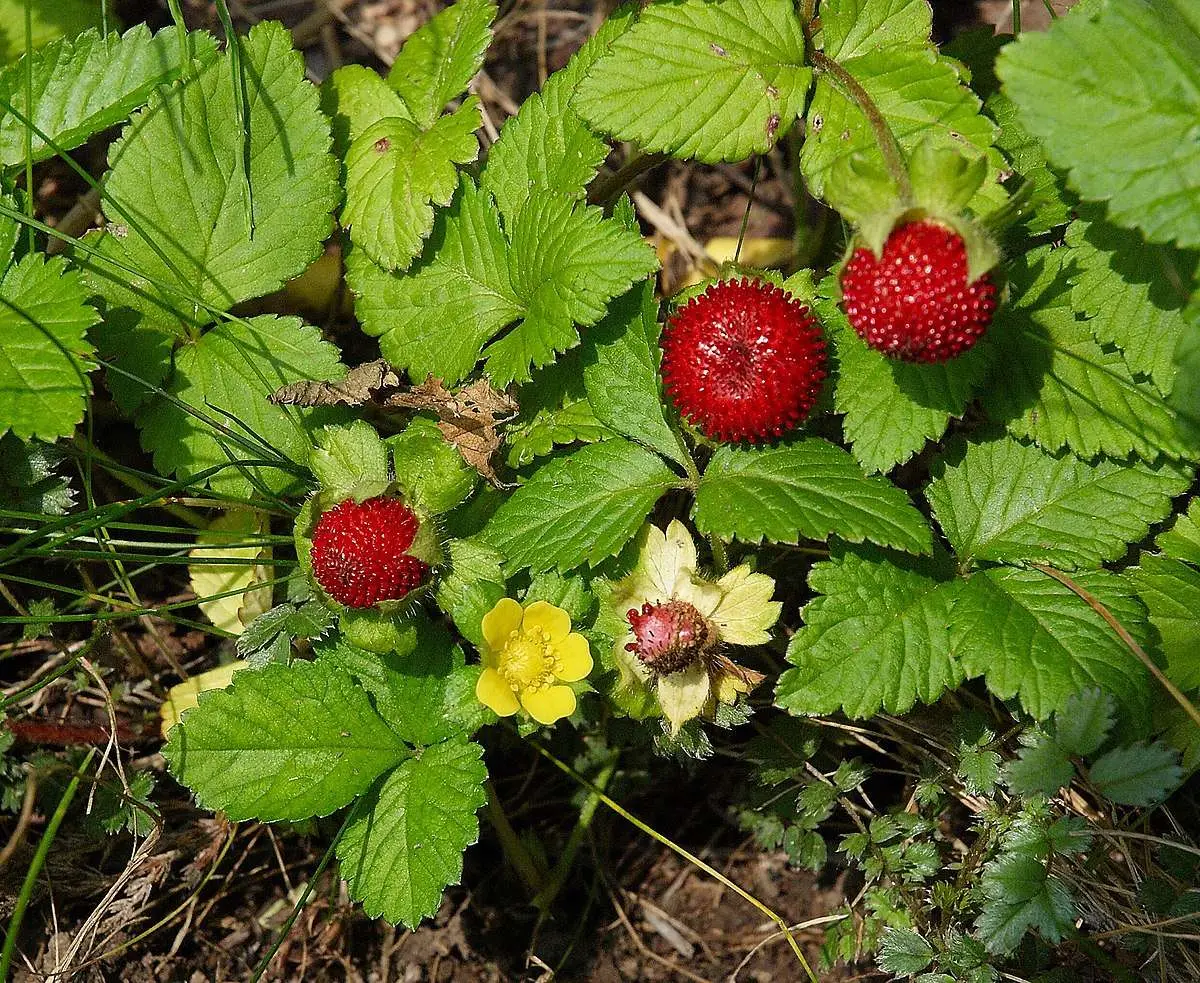
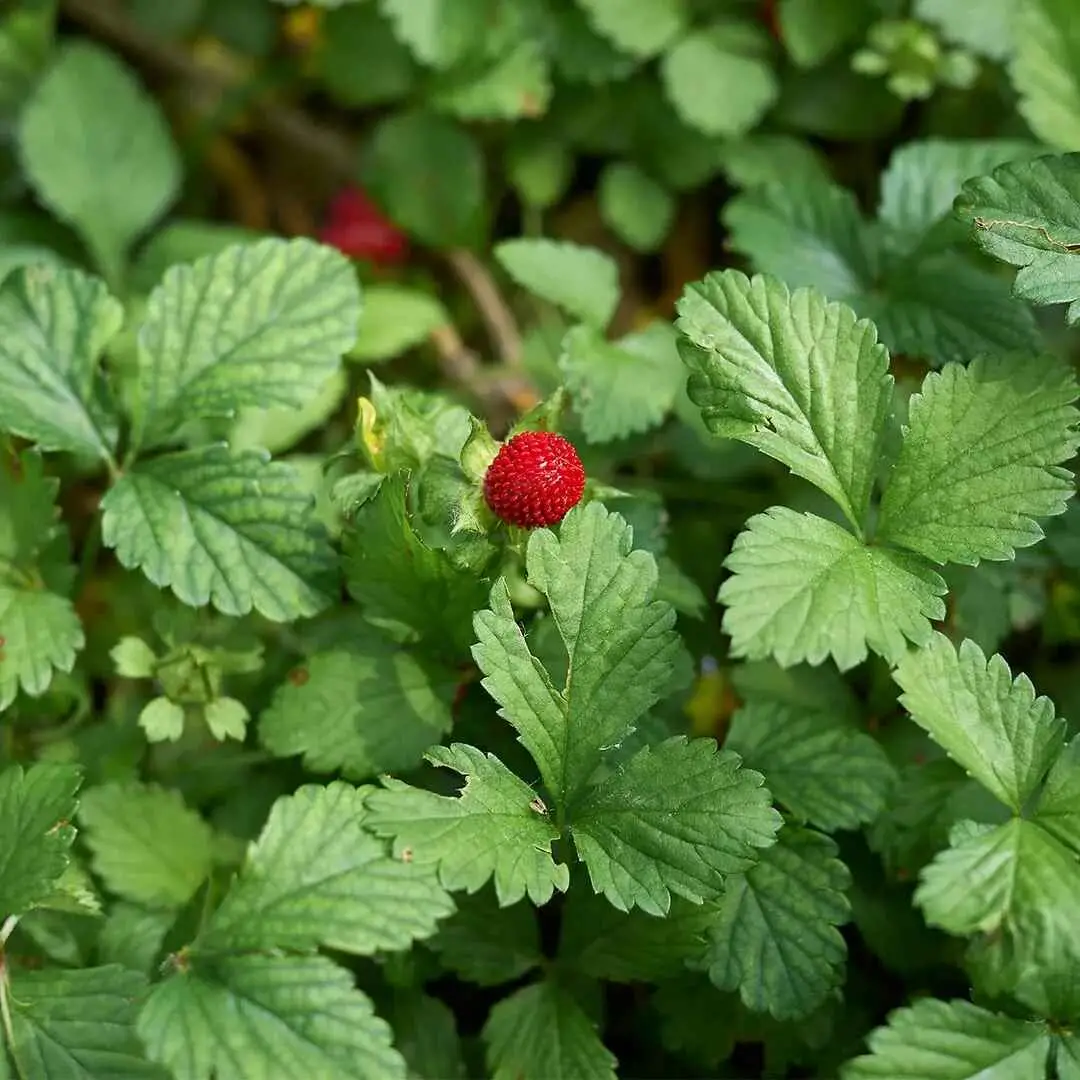
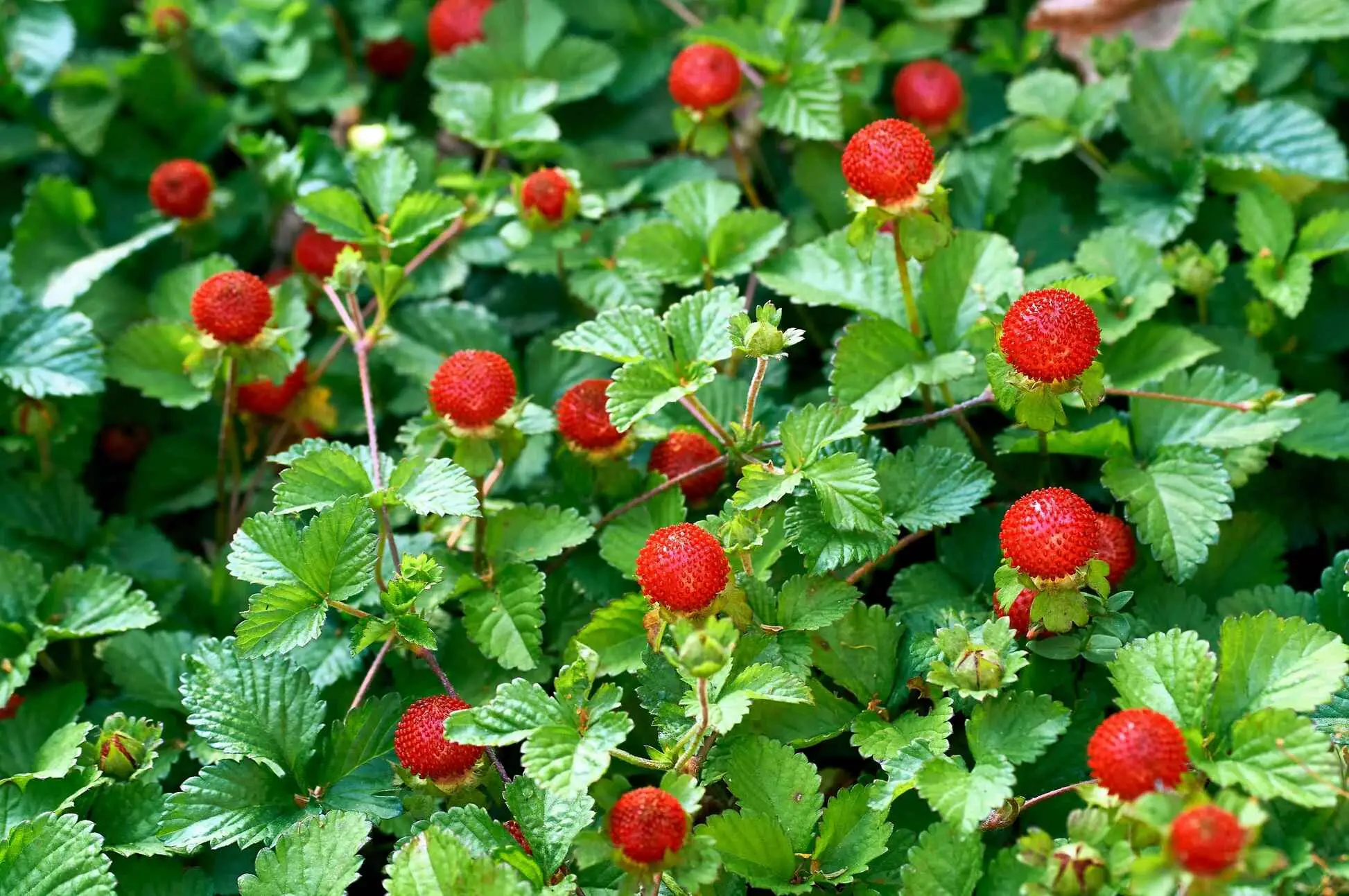
Native to West Asia to India, East Asia, and Southeast Asia, it has naturalized in many regions worldwide. Readily distinguished by its yellow flowers, as opposed to the flowers of true strawberries which are white or slightly pink, this plant speaks a different botanical language. The leaves are trifoliate, roughly veined beneath, dark green, and often persisting through the winter, arising from short crowns; the plant spreads along creeping stolons, rooting and producing crowns at each node. It is a plant that knows how to *thrive*.

But here is where it becomes essential to your herb garden: mock strawberry’s medicinal and culinary identity. The leaves are an excellent food and tea, tasting faintly of cucumber with a hint of sage and widely available for almost the entire year. Imagine harvesting this subtle, sophisticated brew from your own garden from spring through the depths of winter—a living apothecary at your fingertips. The plant has anti-inflammatory, antitumor, and antiseptic effects, and the fruits are used in cases of malfunctioning of the digestive system, for the treatment of the liver and pancreas. A decoction of the leaves is called out for the treatment of edema, or swelling and a poultice made from the leaves can be used as a vulnerary in the treatment of wounds, boils, burns and abscesses. In China, the juice of the berries is used for stomatitis, and a decoction of the plant’s leaves is used to treat puncture and other wounds, as well as burns. The plant contains protein, iron, vitamin C and other healthy elements. This is not ornamental theater—this is a fully integrated medicinal ally that has earned its place in Asian herbalism for centuries. And yes, it produces red fruit from July – Oct that looks like strawberries and are edible, offering a delightful bonus for the curious palate.

Growing mock strawberry is a gift to the lazy gardener and the attentive cultivator alike. It prefers a moist but well-drained soil in a sunny position but plants are at their best in semi-shade, though they are not too fussy and can succeed in quite dense shade. It is an evergreen perennial growing to 0.1 m by 1 m at a fast rate, meaning once established, it will work for you, not the other way around. Plants are hardy to about -20°c, making this a reliable perennial across most temperate zones. Plants are more or less evergreen, though they can be browned by severe frosts, and sometimes self-sow in British gardens. Whether you tuck seeds into pots indoors or direct-sow outdoors, germination is straightforward—mock strawberry wants to live.

This is your chance to possess what Asia has known for generations: a single, understated plant that gives you both tea and medicine, beauty and utility, surprise and satisfaction. Grow Potentilla indica from seed and become the keeper of an ancient garden secret.

Germination Guide

🌍 Southern Mexico, Central America, Caribbean, and western South America
Easy

Muntingia calabura, commonly known as Jamaica cherry, is a fast-growing tropical tree native to Central and South America, producing small edible sweet berries. Seeds require high temperature and light conditions for germination, reflecting its ecological role as a pioneer species that colonizes forest gaps. Germination is relatively easy and rapid when provided with proper warmth, bright light, and clean seeds free of gelatinous pulp.

Germination
Germination time
Expect germination in

7 – 42 days

Temperature

Min 15°C
Ideal 35°C
Max 35°C

Light
☀️ Light required

Substrate moisture
💧 Medium

Sowing depth
Lightly covered

Germination rate
70 %


Seed Pre-treatment
  • 📋

    Additional notes
    Remove gelatinous fruit pulp by washing repeatedly in water. Hot water treatment (boiling 30 seconds followed by cold water soak 12 hours) may enhance germination.

Substrate & Container
Recommended substrate
peat and perlite, sand and clay, well-draining potting mix

Recommended container
container with good drainage, seed trays, polyethylene bags


Growing Tips
Clean seeds thoroughly by washing to remove all gelatinous fruit pulp before sowing. Sow on surface and barely cover with soil; seeds are extremely tiny. Provide consistent warmth (25-35°C), bright light (6+ hours daily), and maintain moist but not waterlogged substrate. Germination is accelerated at 35°C under direct illumination. Do not place under shade; seedlings require full light. After emergence, seedlings grow slowly for 1-2 months, then accelerate dramatically. Transplant only when 2-3 cm tall. Acclimate for 4+ weeks before final planting. Plant transplants during warm periods with night temperatures consistently above 20°C.

Reviews

There are no reviews yet.

Only logged in customers who have purchased this product may leave a review.

Related Products