
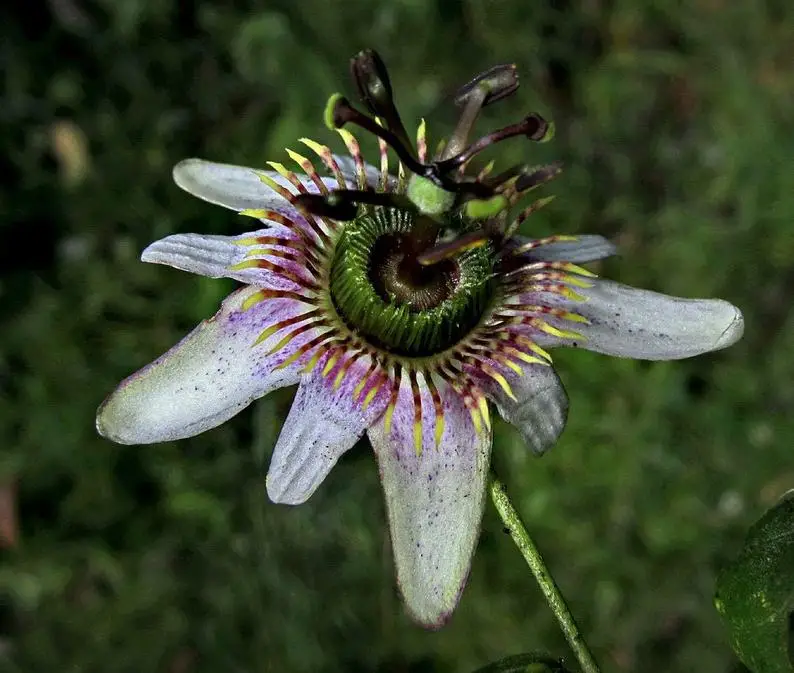
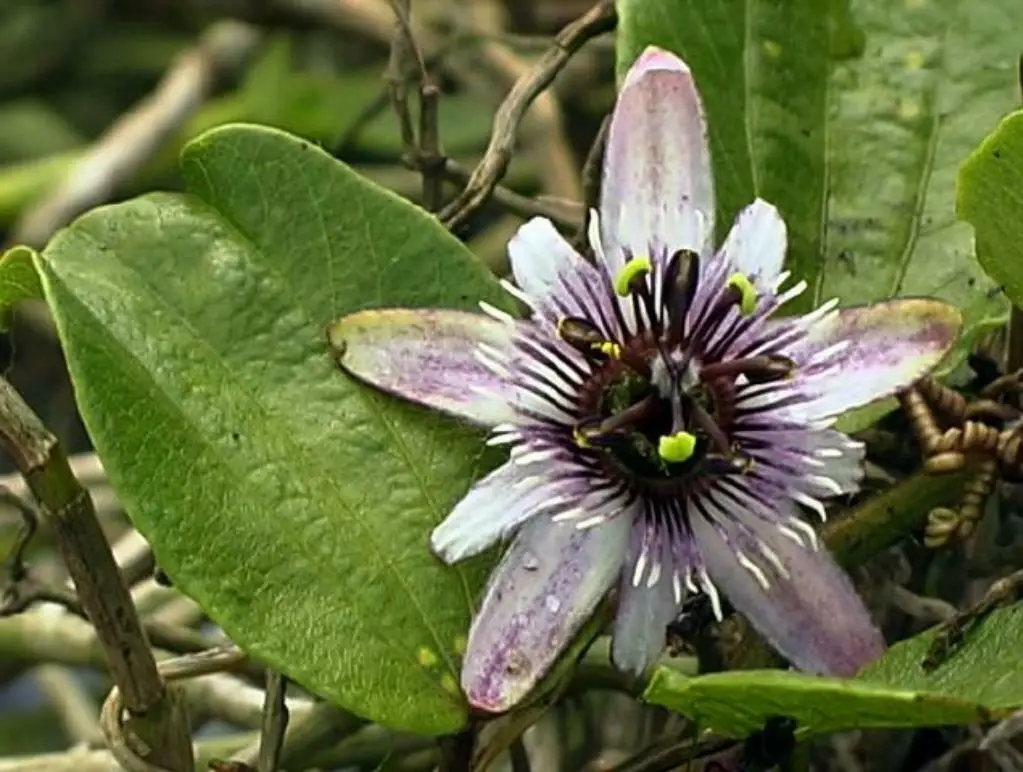
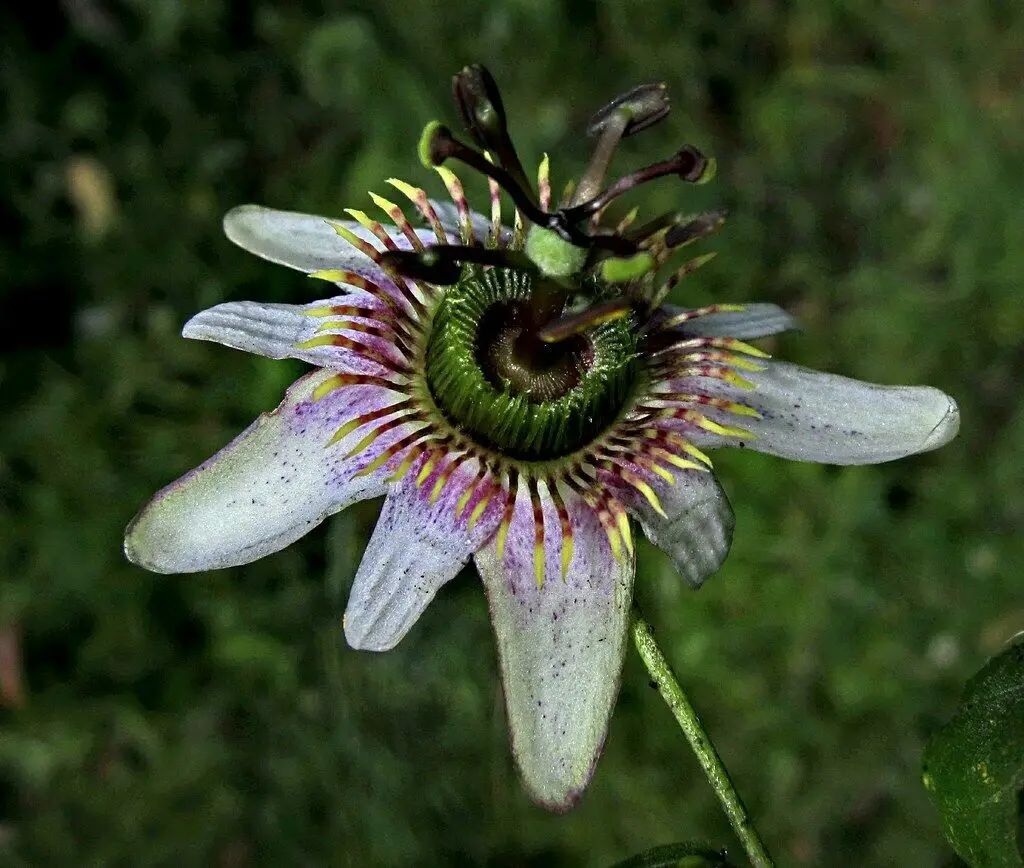
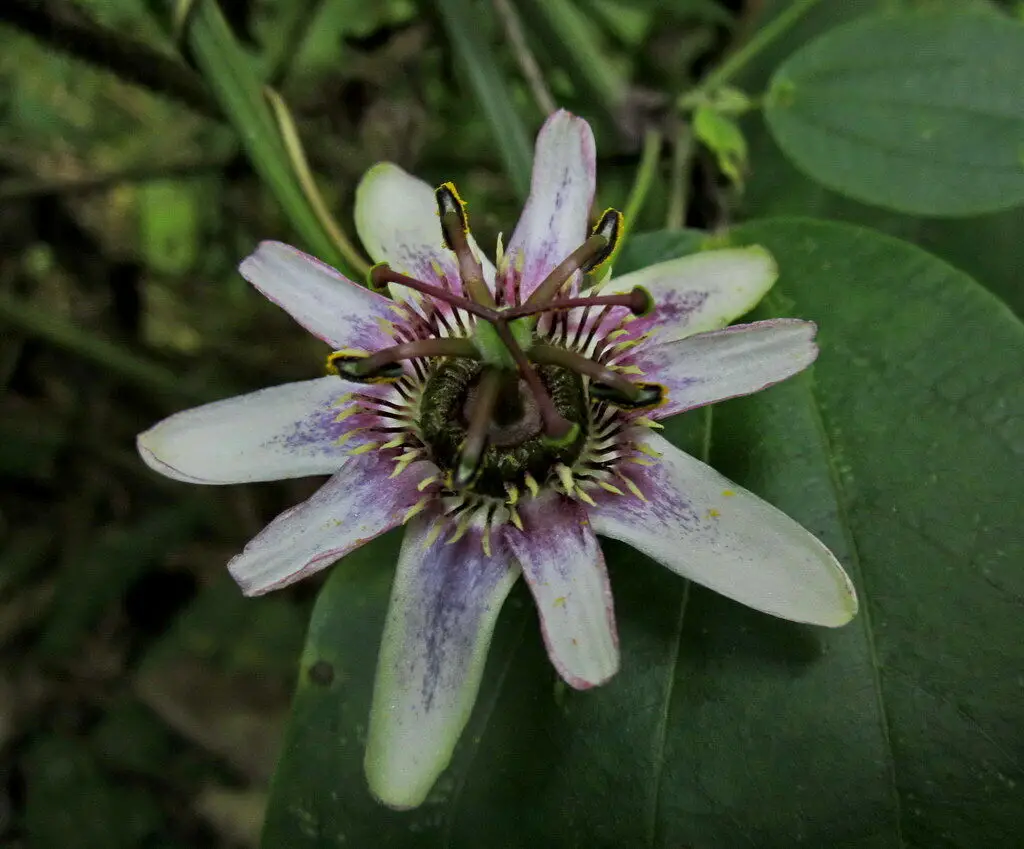
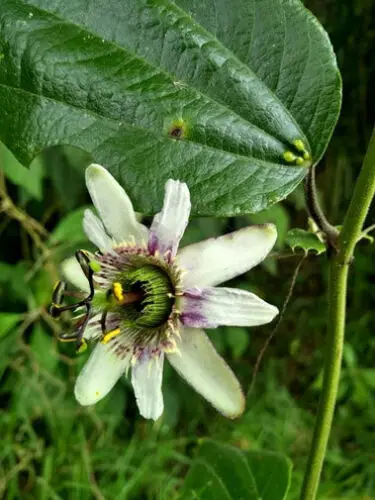
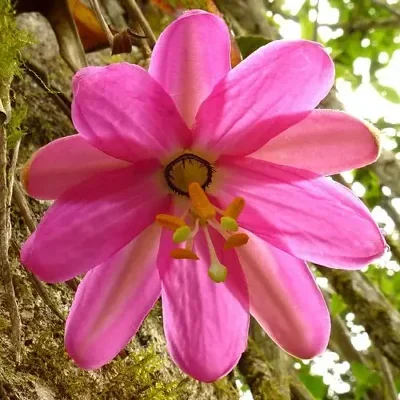
Transform your garden into a pollinator paradise. This rare Andean climber produces clouds of sweetly-scented white-purple flowers that irresistibly attract butterflies, bees, and hummingbirds from spring through summer. Grow effortlessly from seed in warm, sunny spots—within months you’ll have a stunning vertical tapestry that supports an entire ecosystem. A living sculpture with purpose.
€2.07
This is the passionflower you’ve been waiting for if you want living drama with ecological soul.
Wild mountain forests of Colombia and Ecuador are where Passiflora alnifolia has thrived for millennia, climbing through cool cloud forests between 1700 and 3200 meters elevation. Now you can bring this rare Andean treasure into your own garden. Unlike its better-known cousins, alnifolia remains a collector’s plant—uncommon, beautiful, and deeply valuable to the creatures that visit it.
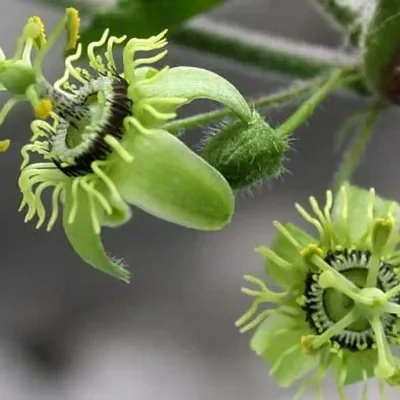
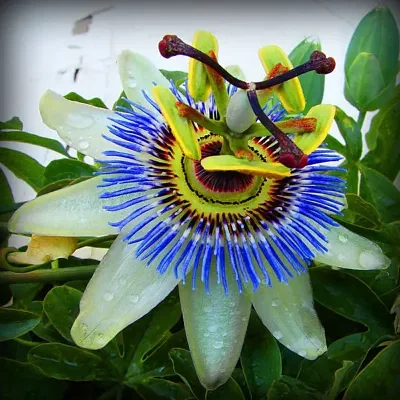
The flowers are the pure protagonist here. Sweetly-scented white, purple, and lavender blooms emerge in succession, each one a landing pad for butterflies, bumblebees, carpenter bees, and the smaller pollinators that keep wild gardens alive. This is a host plant—a sanctuary species. Heliconid butterflies specifically seek it out as a nursery for their larvae. When you grow Passiflora alnifolia, you’re not just growing a pretty vine; you’re creating an insect magnet that transforms your space into a functioning ecosystem. Watch as monarchs and swallowtails visit repeatedly, as bees dance across the flowers all day, as your garden becomes the place where butterflies want to lay their eggs. This matters. More than ornament—it’s ecological medicine.
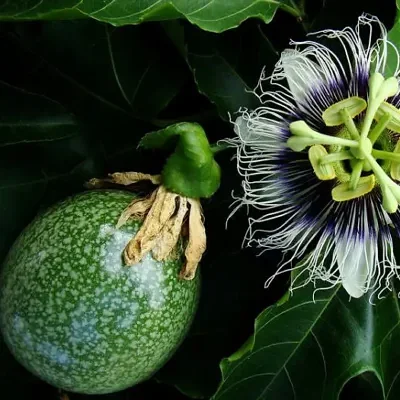
The vine grows as a slender, tendriled climber with distinctive three-lobed leaves that resemble alder trees (hence the name). After flowering comes a bonus: small, round fruits. While their edibility remains mysterious, the plant also carries traditional medicinal properties—in its native range and beyond, Passiflora species have long been valued for helping ease anxiety and support nervous system calm. You’re growing beauty that soothes both the garden and the soul.
Growing Passiflora alnifolia is genuinely easy. It thrives in warm, sunny positions with well-drained soil—clay, sandy, it adapts. It tolerates partial shade but truly celebrates full sun. The vine will reach 2–4 meters with climbing support (trellis, strings, a fence), and pruning encourages denser flowering. Coming from high mountain forests, it prefers mild, frost-free zones; protect from hard freezes by overwintering indoors or in a greenhouse if necessary. Sow seeds in spring at 15–20°C, and within weeks you’ll see vigorous seedlings. This is a plant that rewards your attention with prolific growth.
When you hold these small seeds in your palm, you’re holding a portal to the cloud forests—a living invitation to butterflies, a green bridge between your garden and the wild. Grow it from seed and watch as one vine becomes ten thousand flowers, and every flower becomes a reason for a butterfly to stay. This is the rarest kind of gardening: making something beautiful that serves something larger than itself.
Only logged in customers who have purchased this product may leave a review.
Reviews
There are no reviews yet.