Description
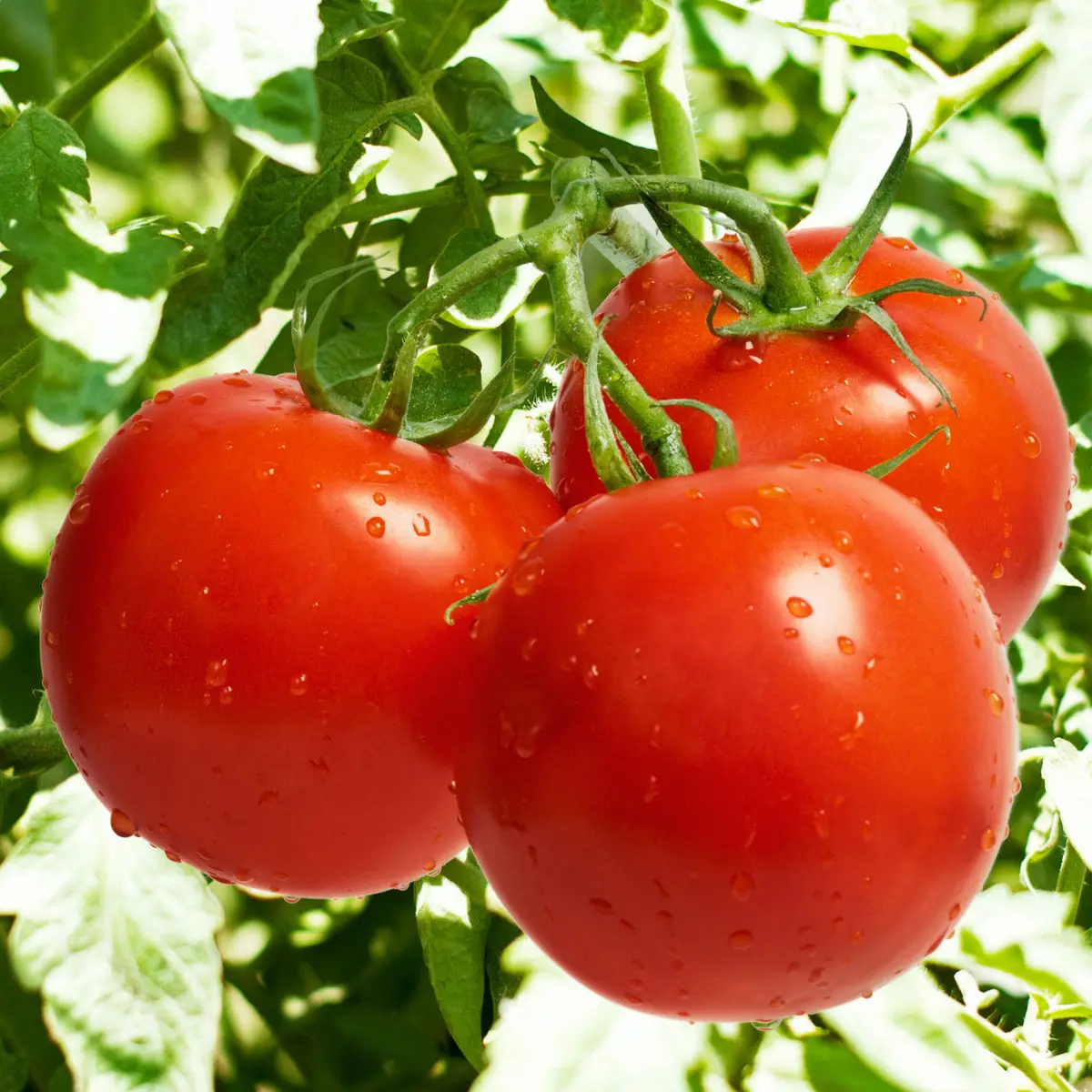
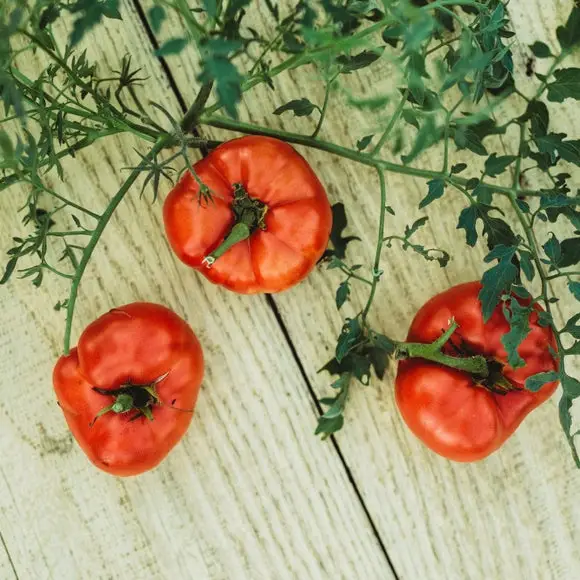
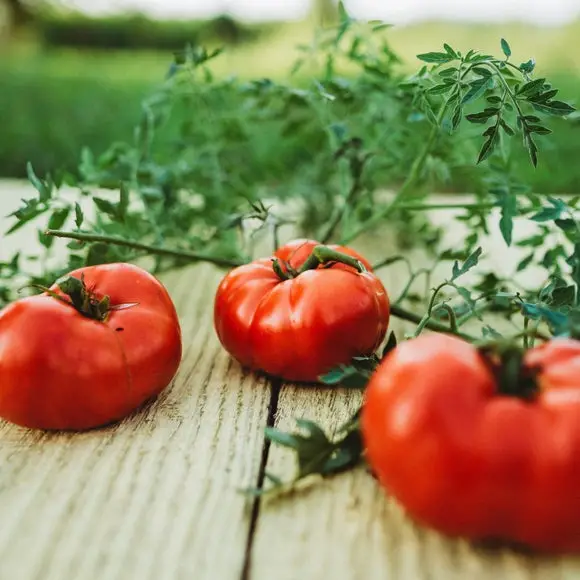
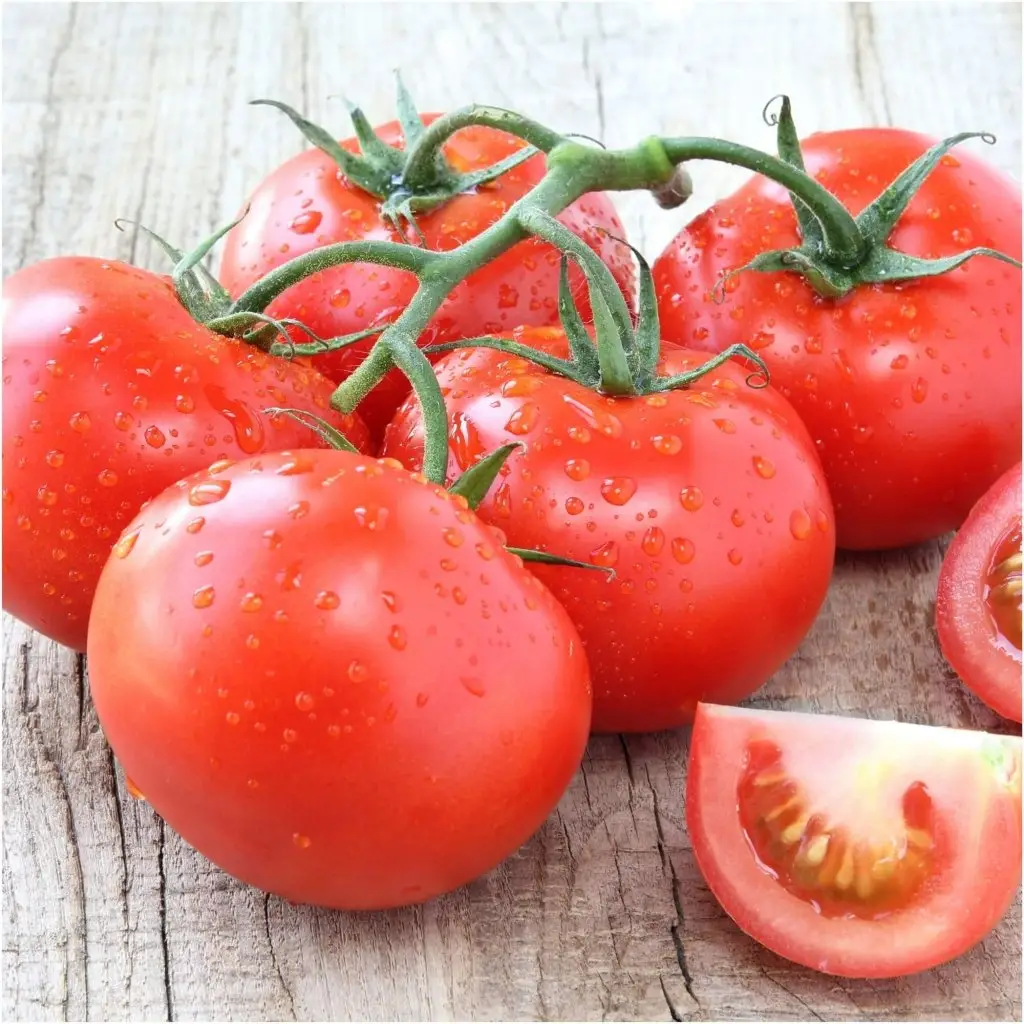
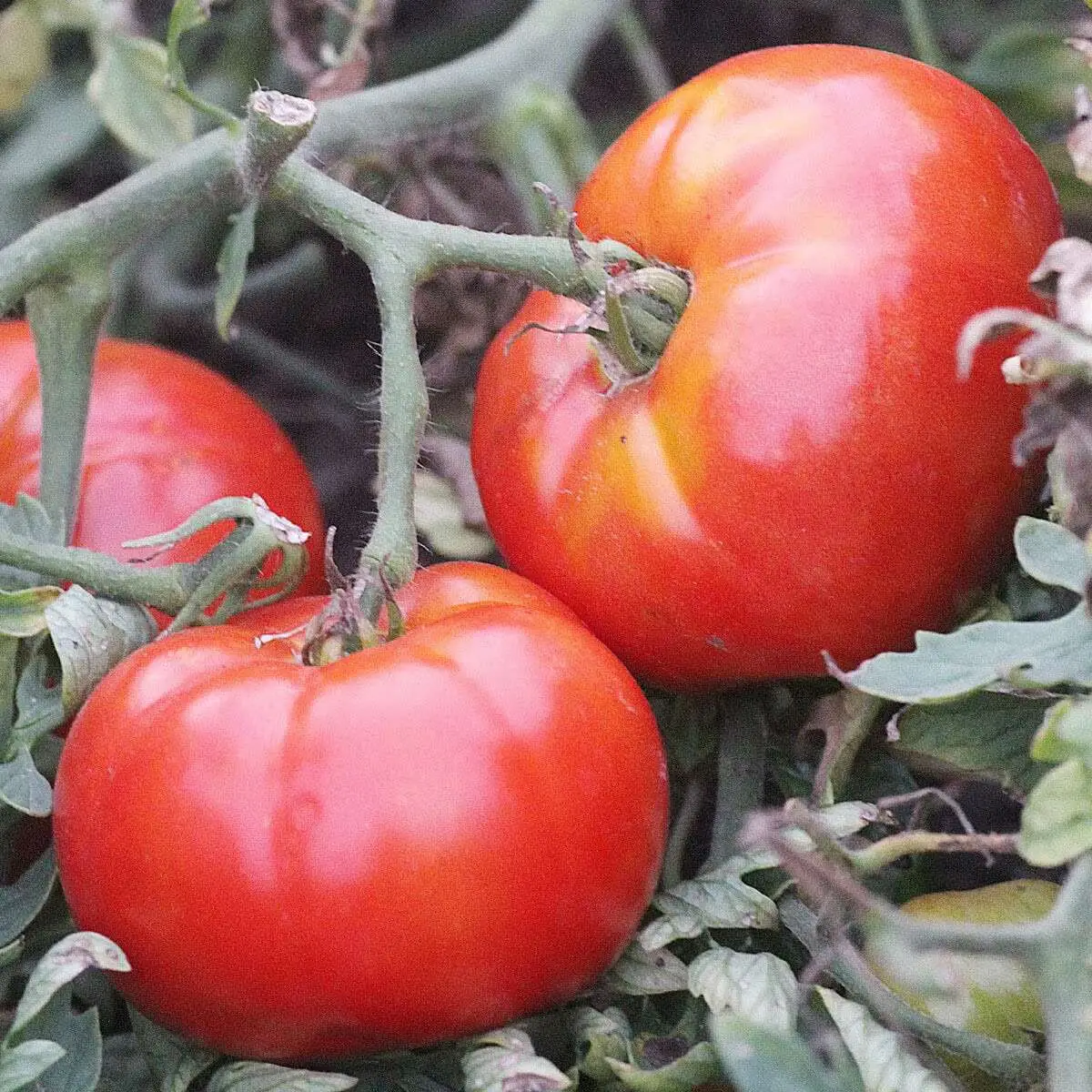
Solanum lycopersicum ‘Silvery Fir Tree’ is a distinctive heirloom tomato variety recognized for its finely cut, silvery-green foliage that gives the plant an ornamental, fern-like appearance. The plants are determinate and compact, typically reaching 60 to 90 cm in height, making them well suited for containers and small garden spaces. Fruits are medium-sized, round to slightly flattened, bright red, and offer a mild, well-balanced tomato flavor suitable for fresh eating, salads, and light cooking.
This variety prefers full sun and fertile, well-drained soil with regular watering. Its compact growth habit, early maturity, and attractive foliage make it popular among gardeners seeking both productivity and visual interest.
Sow seeds indoors 6 to 8 weeks before the last expected frost date. Transplant outdoors after all risk of frost has passed and soil temperatures reach at least 15°C to 16°C. In regions with short growing seasons, late spring planting ensures optimal development and reliable harvests.
Germination Guide
🌍 Russia (South American via Russian breeding)
Easy
Silvery Fir Tree is an early-maturing Russian heirloom tomato cultivar renowned for its striking carrot-like, silvery-tinged fern-like foliage and compact determinate growth habit, reaching only 18-24 inches tall. The variety produces abundant, flavorful red fruits weighing 2-4 ounces and is remarkably easy to germinate, requiring warm soil conditions (70-85°F), consistent moisture, and darkness—with no special pretreatment necessary. This variety is ideal for container gardening and northern gardens with short growing seasons.
Germination
Germination time
Expect germination in
6 – 14 days
Temperature
Min 65°C
Ideal 80°C
Max 85°C
Light
🌑 Darkness required
Substrate moisture
💧 Medium
Sowing depth
Lightly covered
Substrate & Container
Recommended substrate
Sterile seed-starting mix or well-draining potting mix (peat and perlite blend preferred)
Recommended container
Seed trays, peat pots, or small containers with drainage holes; minimum 2 inches deep
Growing Tips
Use bottom heat (heat mat) to maintain soil temperature at 75-85°F for optimal germination within 6-10 days. Sow seeds 1/4 inch deep in sterile seed-starting mix. Keep seed-starting mix moist but not waterlogged—test by squeezing a fistful; only a few drops should emerge. Cover seeds lightly and gently press down for good soil contact. Darkness aids germination; cover seed trays with a dome or plastic until sprouting occurs. Once germinated, remove covering and immediately place under bright grow lights (14-16 hours daily) at 65-70°F to prevent leggy seedlings. Avoid watering overhead; use bottom watering or mist with spray bottle to maintain moisture and prevent fungal diseases like damping off. Remove the dome once most seedlings have sprouted (typically 4-10 days) to reduce humidity and discourage fungal growth. Fertilize seedlings with half-strength soluble fertilizer every two weeks once true leaves develop. Transplant to 3-4 inch pots when the first true leaves appear (approximately 3 weeks after sowing), burying stems to encourage strong root development. Harden off seedlings for 1-2 weeks in full sun before transplanting to the garden after last frost date.
Only logged in customers who have purchased this product may leave a review.

Reviews
There are no reviews yet.