FREE SHIPPING OVER €30 FREE SHIPPING OVER €30

Raphanus sativus var. longipinnatus — Daikon | The Kitchen’s White Gold & Earth’s Healer

Daikon’s flavor is milder than other radish varieties and slightly sweet yet slightly spicy, making it the darling of Asian cuisine. With a crispy texture and large carrot-like form, it transforms raw into salads, pickles, stir-fries, soups—every dish sings. Winter radishes are slower growing, sown mid to late summer and harvested in cooler weather, but the wait rewards you with

1.92

SKU: P-2122 Category: Tags: , ,

You May Also Like

Description

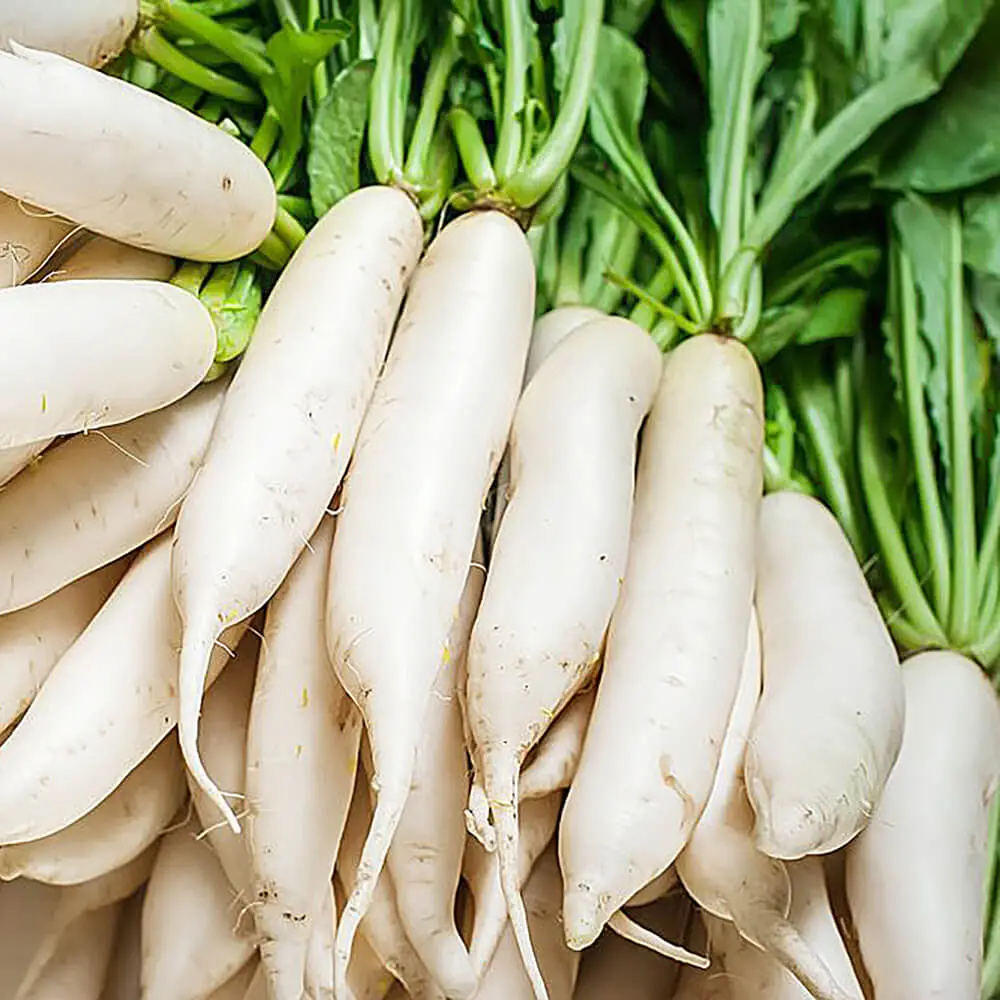
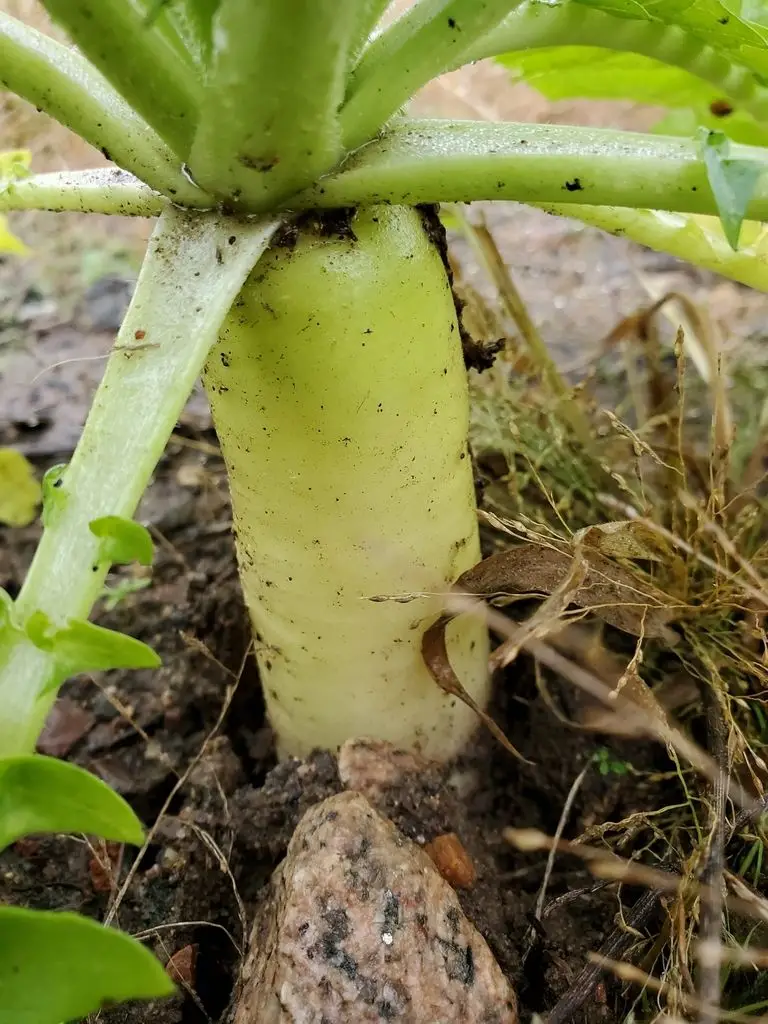
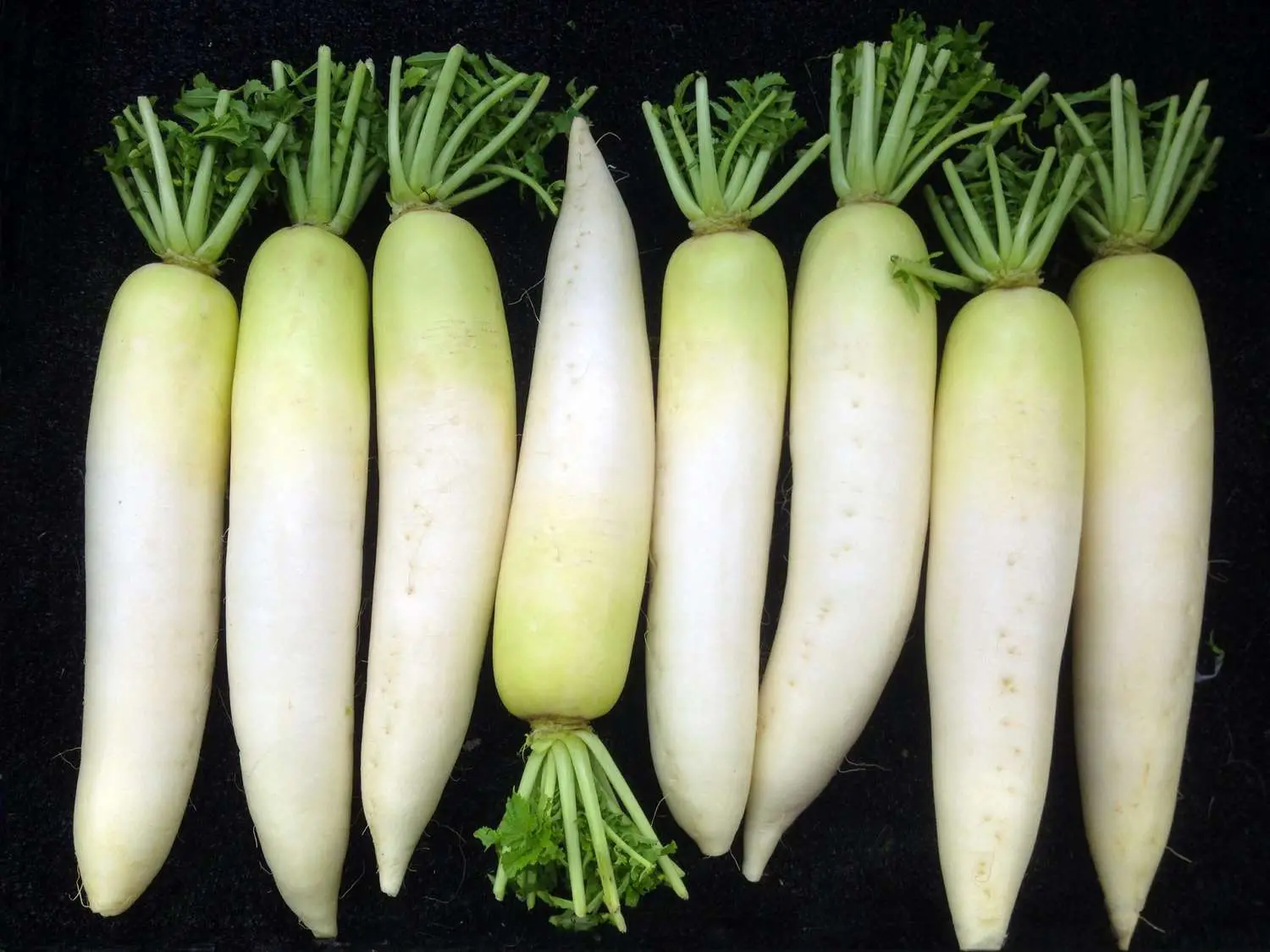
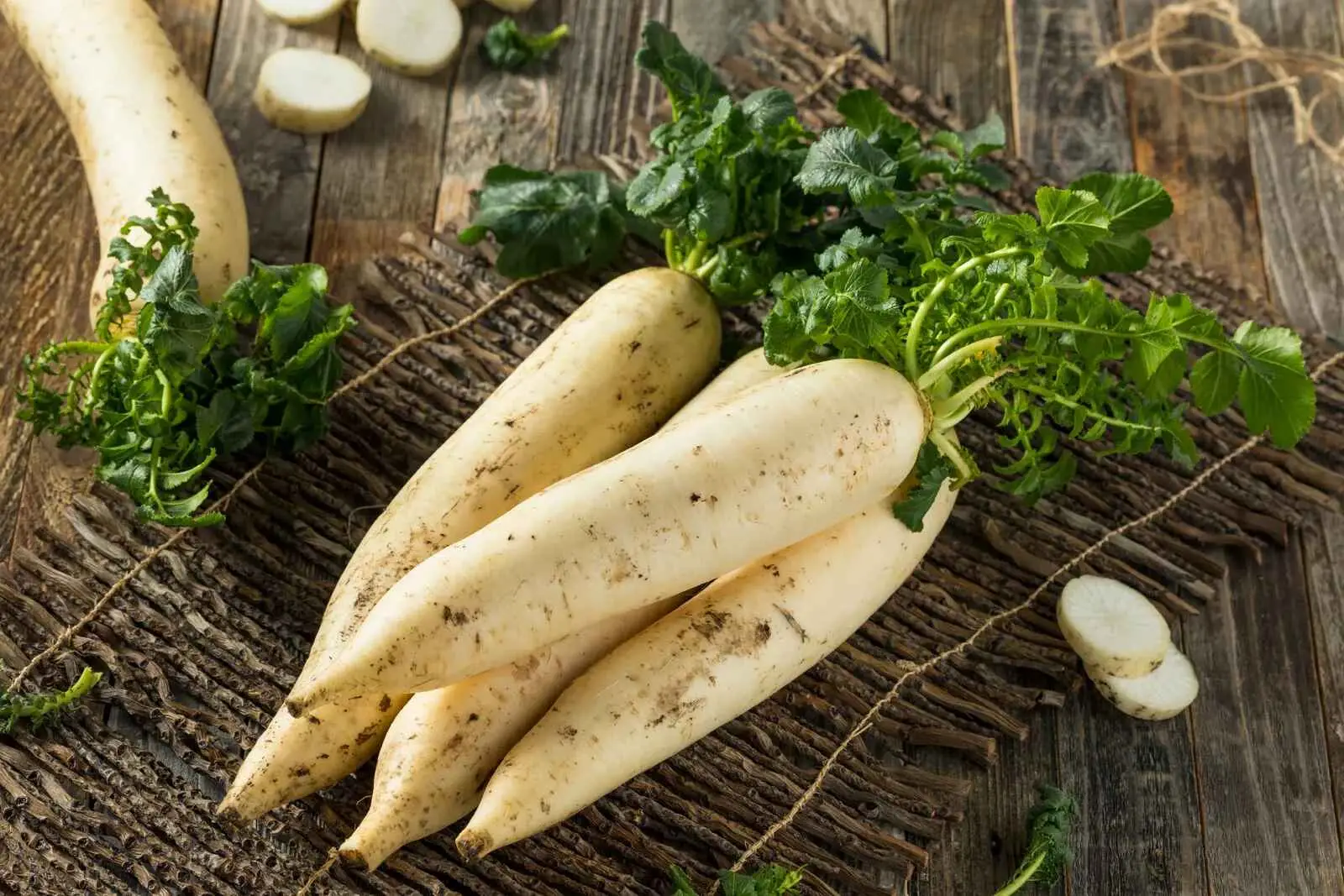
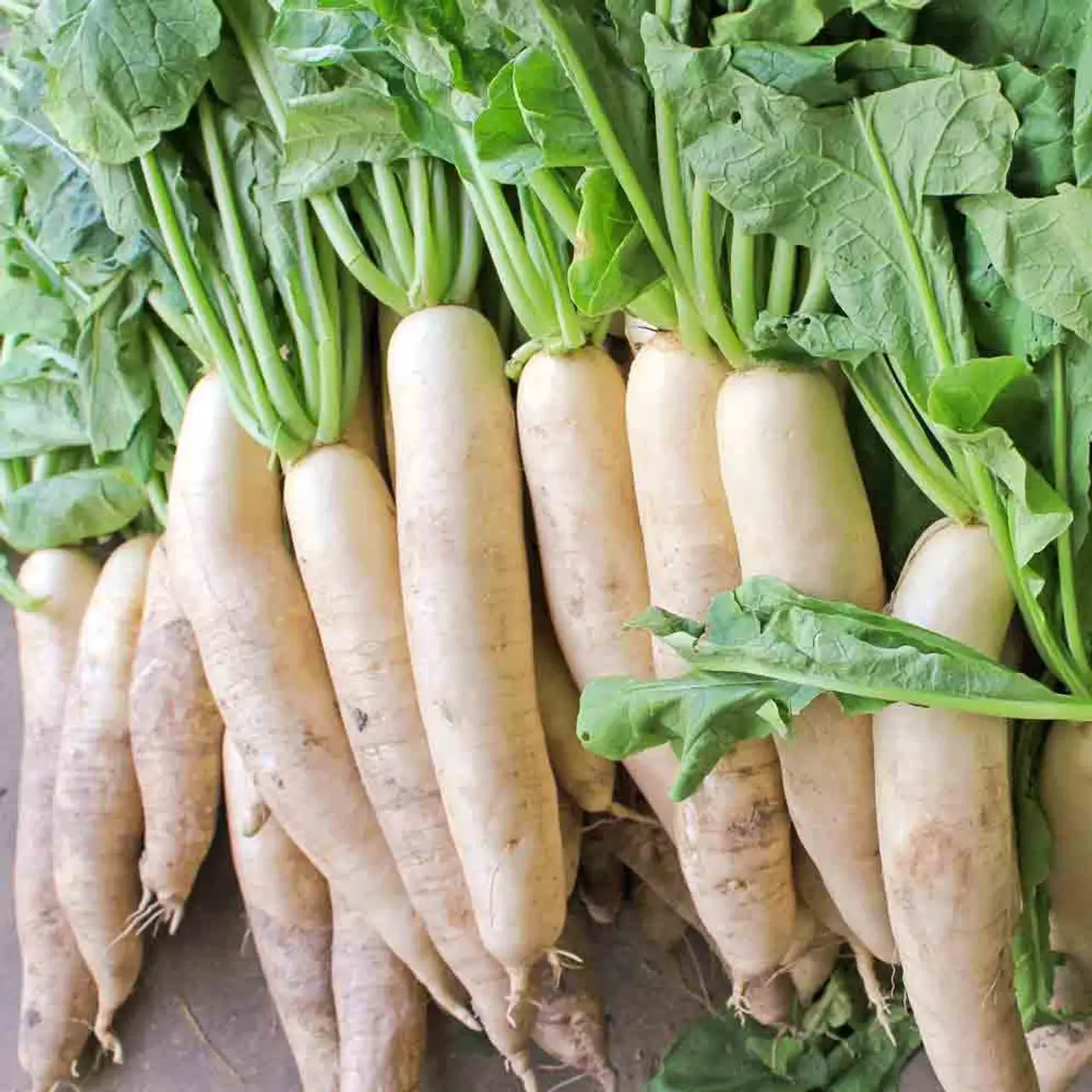
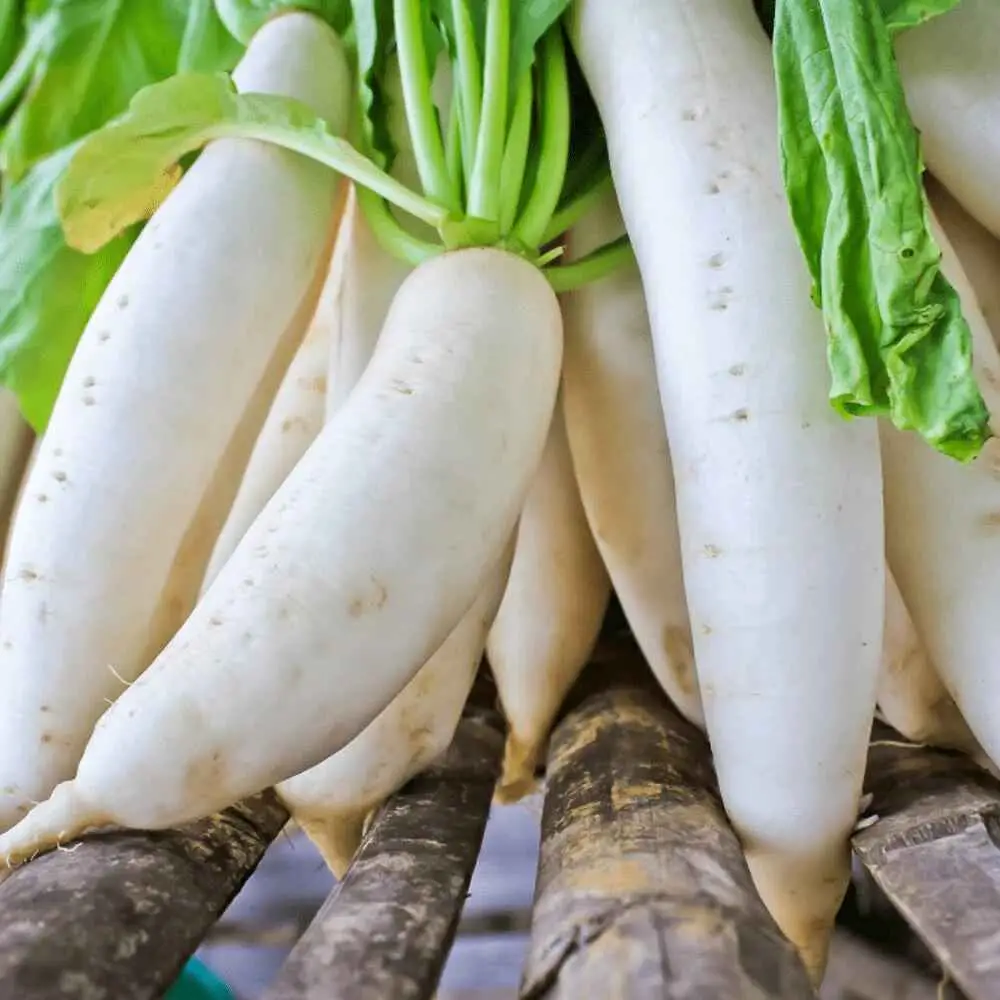
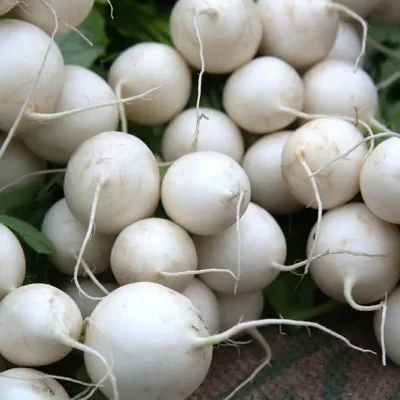
Daikon is a large, mild-flavored root vegetable with a long, white, cylindrical taproot measuring 10 to 20 inches, weighing 1 to 2 pounds, though giant varieties can reach 10 to 20 pounds. The moment you harvest your first radish, you’ll understand why this plant has been treasured in Asian kitchens for centuries.

Native to China and Japan, also known as winter, white, and icicle radish, daikon arrived in Asia around 500 BC and became woven into the daily cuisines of Japan, Korea, India, and China. The name daikon means ‘big root’ in Japanese, and during the Edo period in Japan it was valued as a storage vegetable for periods of famine. Today it’s a global treasure—but nothing compares to growing your own.

**THE CULINARY MAGIC:** This is where daikon truly shines. It features crisp texture and subtle sweetness with less pungency than smaller radish varieties, making it versatile for culinary applications ranging from fresh salads to pickled condiments and simmered dishes. In Japan, takuan and bettarazuke (pickles) are made with daikon roots, which can be served raw in salads or as tsuma (accompaniment) prepared by meticulous peeling. In Bangladesh, fresh grated daikon is mixed with chili, coriander, fish, lime and salt to make mulo bhorta, a light refreshing preparation served alongside meals. In Chinese cuisine, turnip cake and chai tow kway are made with daikon, while in North India it’s used to make sabzi, stuffed paranthas, pakodas, salads, and pickles, and the leaves are used to make dal and kadhi. In modern Western kitchens, daikons are oven-roasted with other root vegetables, spiral-cut for pasta substitutes, baked or fried into potato chip alternatives, and the seeds are sprouted for microgreens. Every culture elevates it differently. Imagine controlling the entire spectrum: sowing seed, nurturing growth, harvesting at peak crispness, and delivering that unmatchable home-grown bite to your table.

Beyond the plate: daikon is rich in vitamin C, potassium, fiber, and antioxidants, supporting digestion, liver health, and immunity. Daikon contains digestive enzyme amylase along with relatively high amounts of vitamin C and potassium. Both root and leaves have detoxifying properties, with leaves particularly rich in vitamin C, vitamin B6, magnesium, phosphorus, iron, and calcium for bone health.

**BONUS: THE SOIL HEALER** — When you’re done harvesting, plant daikon as a cover crop. Certain varieties grow a huge, penetrating root that performs deep cultivation, bringing nutrients from lower soil profiles into higher reaches and acting as nutrient scavengers; if harsh winters kill the root, it decomposes in soil, releasing early nitrogen stores in spring. Daikon’s deep roots help mitigate soil compaction through dense soil penetration; when roots decompose, channels are left behind, allowing improved water percolation. Farmers and gardeners worldwide now plant daikon specifically for this dual-benefit: nourish yourself, then heal your earth.

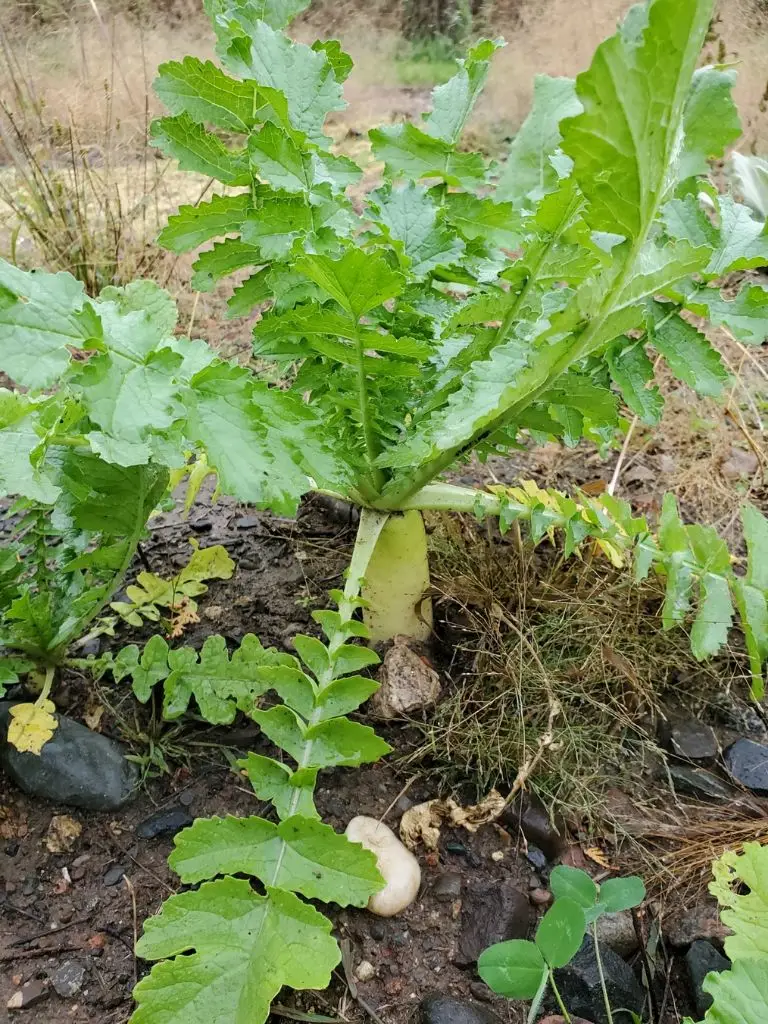
**GROWING FROM SEED IS REMARKABLY EASY.** Sprouting daikon is simple because it is an easygoing plant; wait until late summer or early fall to sow seed directly into lightly amended soil. Place seeds 1/2 inch deep and one inch apart in loose, moist soil; once seedlings sprout, thin them to about 6 inches apart. Grow daikon in full sun to partial shade in loose, well-drained soil rich in organic matter with a pH of 6.5-7. Daikon radishes like

Germination Guide

🌍 Eastern Mediterranean / Southeast Asia
Easy

Raphanus raphanistrum subsp. sativus (cultivated radish) germinates rapidly within 3-10 days under optimal conditions, earning its genus name from Greek 'ra' (quickly) and 'phainomai' (to appear)

Germination
Germination time
Expect germination in

3 – 10 days

Temperature

Min 18°C
Ideal 21°C
Max 29°C
🌡️ Temperature alternation recommended
— Alternating temperatures (7.5/22.5°C or 12.5/27.5°C) increase germination by 1.2-1.5x compared to constant temperatures

Light
☁️ Indifferent

Substrate moisture
💧💧 High

Sowing depth
0.5 cm

Germination rate
85 %


Seed Pre-treatment
  • 💧

    Soaking — 24 hours
    Soaking for 24 hours with priming agents (e.g., ascorbic acid, KNO3) can improve germination
  • 📋

    Additional notes
    Seed priming with ascorbic acid (0.01%) or KNO3 (1%) improves initial germination stages

Substrate & Container
Recommended substrate
Sandy loam or perlite with good drainage; light, loose, fertile soil rich in organic matter

Recommended container
Petri dishes, short glass jars, or rectangular plastic pots


Growing Tips
Keep soil consistently moist but not waterlogged; excess moisture causes rot. Best growth at 10-18°C for root quality. Direct sowing preferred over transplanting. Do not allow soil to dry completely. High temperatures (>29°C) inhibit root development and cause bitterness

Reviews

There are no reviews yet.

Only logged in customers who have purchased this product may leave a review.

Related Products