Description
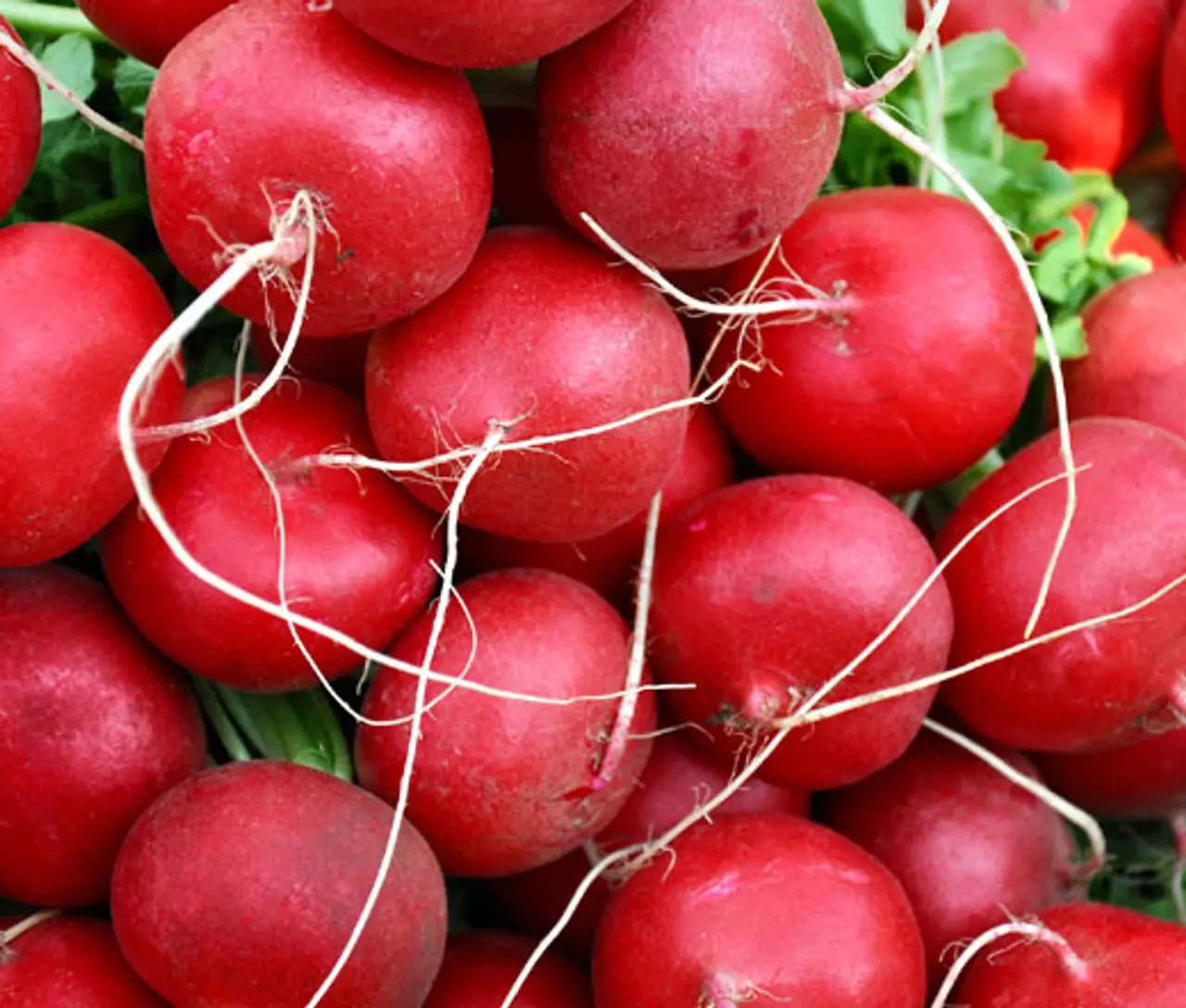
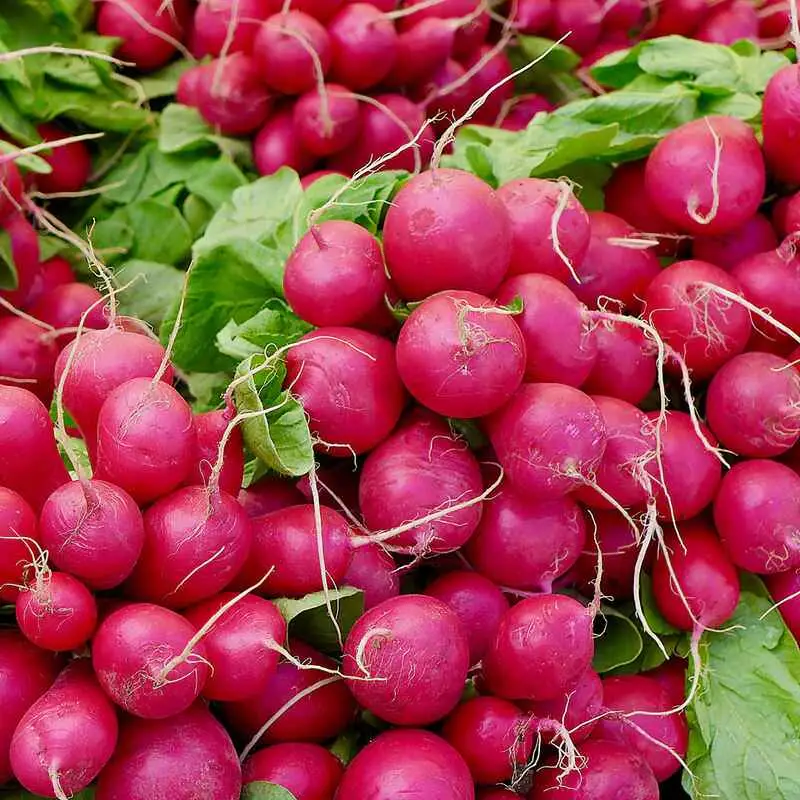
Here’s what stops people mid-bite: the sudden, electric snap of a fresh red radish.
The ancient Greeks prized radishes so much they made small replicas of them in gold. They were right to obsess. Originating in China and spreading through the Mediterranean to Rome, radish has been cultivated for thousands of years—each civilization fell in love with its simple, audacious flavor. Used in ancient Greek, Roman and Chinese medicine traditions, the red radish is not a newcomer; it’s a time-tested treasure.
**The Two-Path Magic: Root Vegetable + Microgreen Powerhouse**
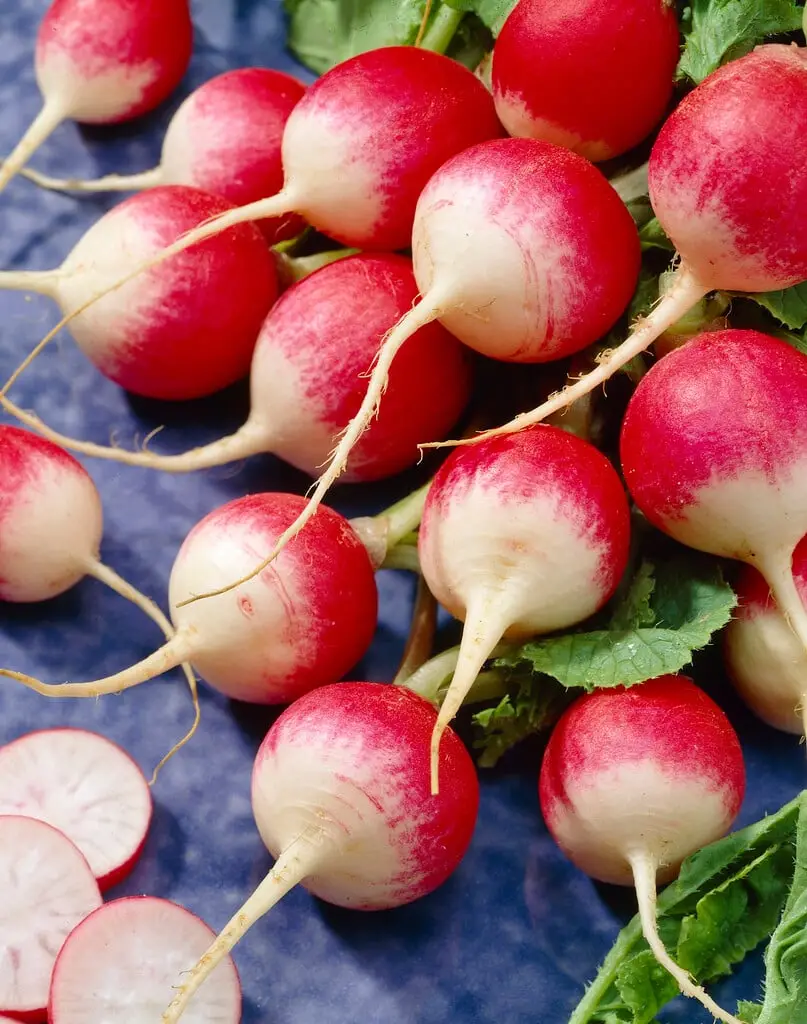
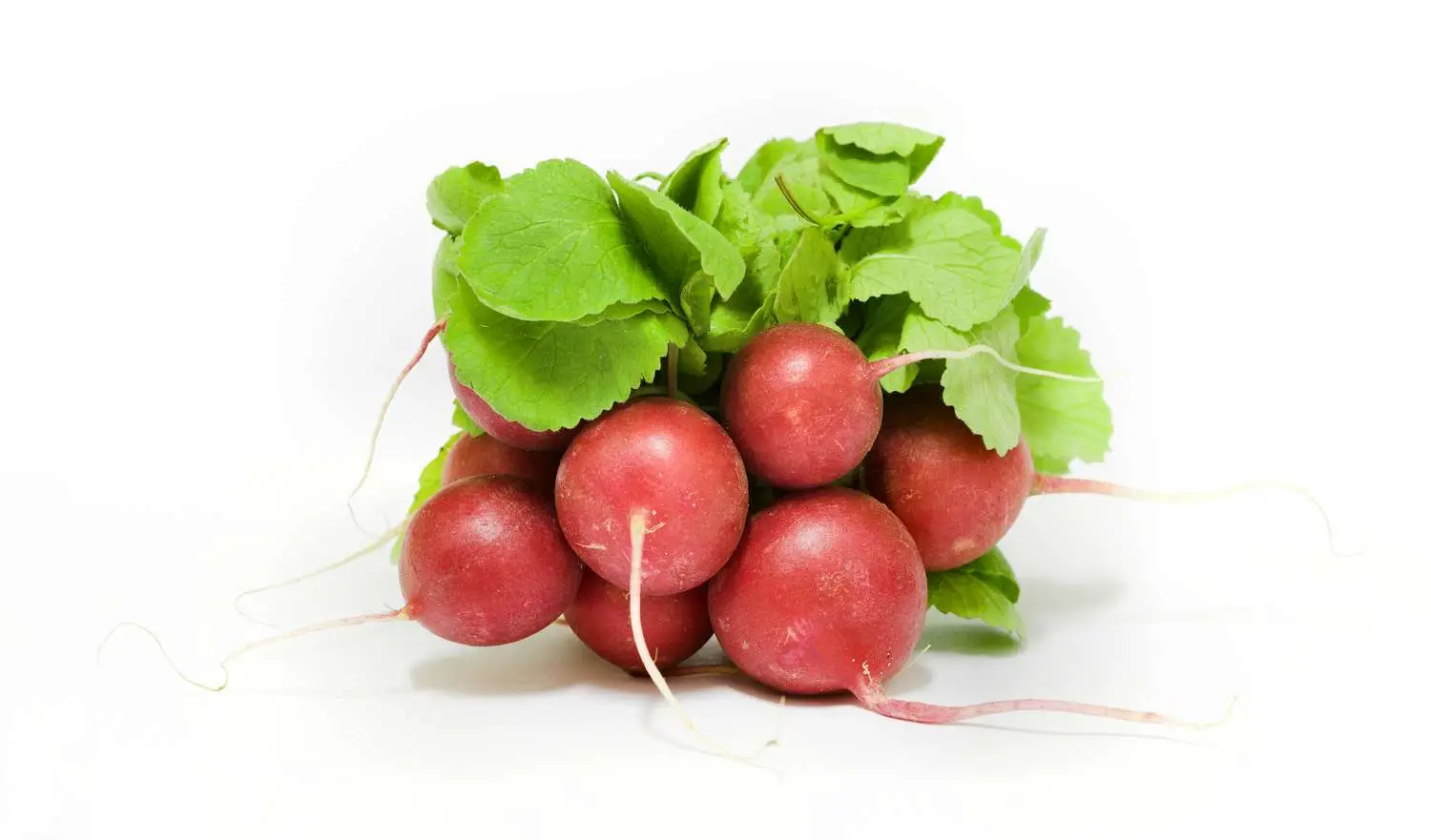
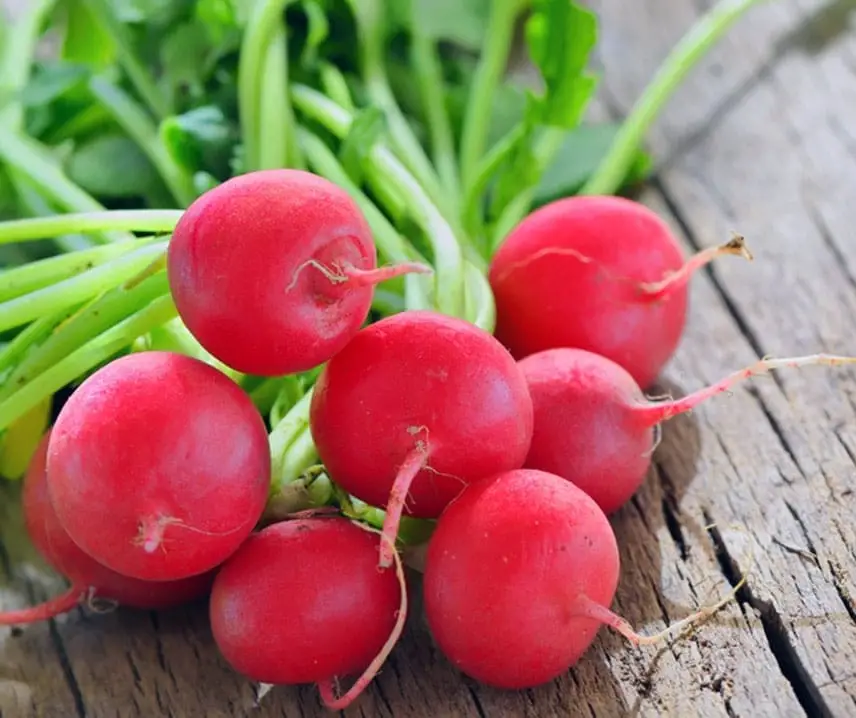
This is where Raphanus sativus becomes irresistible. You’re not just buying a radish seed—you’re buying culinary versatility and nutritional density in one packet. Red radishes are known for their crisp texture, peppery and slightly spicy flavor. They’re often used raw as a crunchy salad vegetable with a pungent, slightly spicy flavor, varying in intensity depending on its growing environment. Slice them paper-thin for a salad that sings. Pickle them for sharp, vinegary bites. Roast them and they become something entirely different—sweet, tender, almost buttery. The entire plant is edible: the entire plant is edible and its leaves are sometimes used as a leaf vegetable.
But there’s more—and this is the secret that changed everything: **harvest them as microgreens**. Radish microgreens are harvested just after the first leaves have sprouted, usually 7 to 10 days after planting—all leafy tops with a big burst of flavor. At this stage, something extraordinary happens. Ascorbic acid (vitamin C) content in radish microgreens ranges from 48.24 to 82.58 mg per 100 g of fresh weight, exceeding levels found in mature red radishes. On average, most microgreens contain five times more vitamins and carotenoids than their mature counterparts. Radish microgreens are packed with bioactive compounds—anthocyanins, chlorophyll, phenols, glucosinolates, isothiocyanates, and sulforaphane—compounds particularly recognized for their potential cancer-preventive properties. Studies have shown they may help lower blood pressure, improve digestion, boost the immune system, combat allergies, and improve mental focus. You’re growing medicine in your kitchen, in seven days.
**How to Grow This Wonder**
Red radish is kindness itself to cultivate. They germinate quickly and grow rapidly, with smaller varieties ready for consumption within a month, and are relatively easy to grow and quick to harvest—often planted by novice gardeners. Direct sow seeds into rich, well-draining soil in full sun. They prefer cool soil (spring and fall), though summer varieties thrive in warmth too. Water consistently but not waterlogged—they want moisture, not bog. Thin seedlings to 2 inches apart. In 3-4 weeks, you’ll have crisp, glossy red orbs ready to harvest. For microgreens, densely seed a shallow tray, keep moist and dark for 3-4 days, then move to light. Harvest when the first true leaves appear—a handful per tray, repeated endlessly. They’re forgiving, fast, and fantastically productive in small spaces. Pot or garden bed—they’ll reward you either way.
**The Pull: From Seed to Transformation**
There’s magic in growing something so alive, so quickly. Plant a radish seed and you’re participating in one of nature’s ancient promises—the promise that life moves fast, that good things come to those who show up, that flavor and nutrition are sometimes the same thing. Radishes have been cultivated for thousands of years and were used in ancient Greek, Roman and Chinese medicine traditions. Now they’re yours to grow, to eat, to feel alive with. Whether you’re crunching


Reviews
There are no reviews yet.