Description
This is the plant that held dynasties together in the kitchen—Galium verum subsp. verum, the original cheese maker’s herb, waiting for you to reclaim its lost magic.
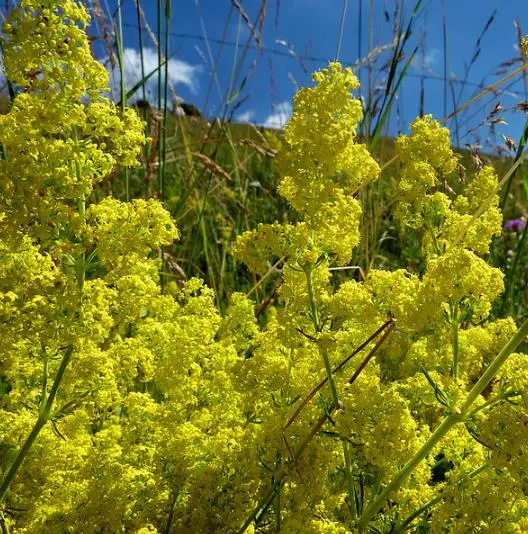
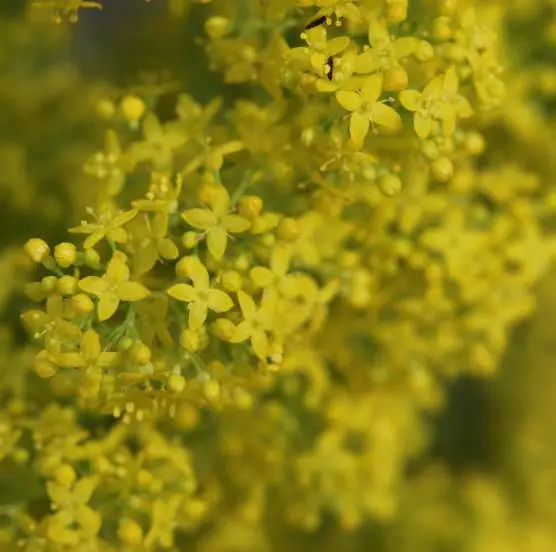
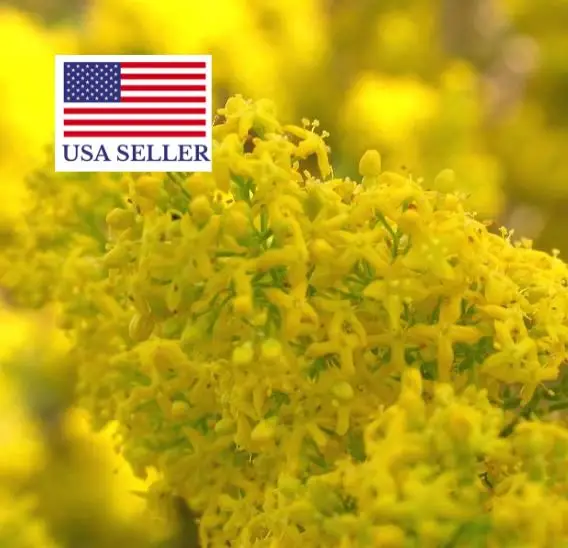
Native to the grasslands of Europe and temperate Asia, Lady’s Bedstraw earned its botanical name straight from ancient wisdom: *Galium* comes from the Greek *gala*, meaning milk. For centuries it was THE choice of European cheesemakers, from English Cheddar to Double Gloucester, before industrial culture erased it from memory. The flowers smell of honey in full bloom and new-mown hay when dried—a scent so distinctive it was strewn across medieval floors to perfume chambers and repel fleas.
Here’s what makes it irreplaceable: The flowers and leaves contain natural milk-clotting enzymes. You can brew them into a traditional curds-and-whey experience, use them to color fresh cheese a deep golden-yellow, and—according to Tuscan cheesemakers—impart a distinctly sweeter, more pleasant flavor that no industrial rennet can replicate. This isn’t a romantic myth; it’s documented in Alpine and Mediterranean dairy traditions still practiced today. If you make cheese, milk-based desserts, or want to explore ancestral food craft, this is the plant that will ground you in 2,000 years of culinary heritage.
But cheese is only the beginning. Lady’s Bedstraw is a powerhouse herbal ally, traditionally used to support lymphatic health, urinary wellness, and skin vitality. The entire plant—leaves, stems, flowering tops—is rich in flavonoids, asperuloside, coumarins, and antioxidants. A simple tea (harvest when flowers bloom and dry for winter use) becomes a gentle daily tonic, or an external wash for slow-healing wounds and irritated skin. Modern research confirms what herbalists have always known: it supports detoxification, reduces inflammation, and may help with water retention and circulatory function. Historically it was used to ease childbirth preparation, support kidney function, and calm nervous tension.
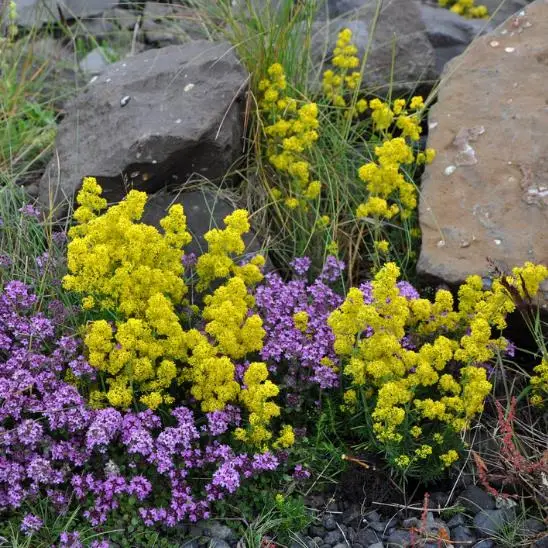
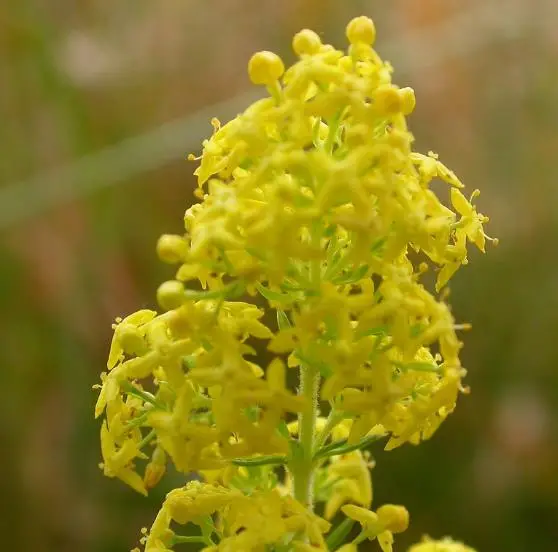
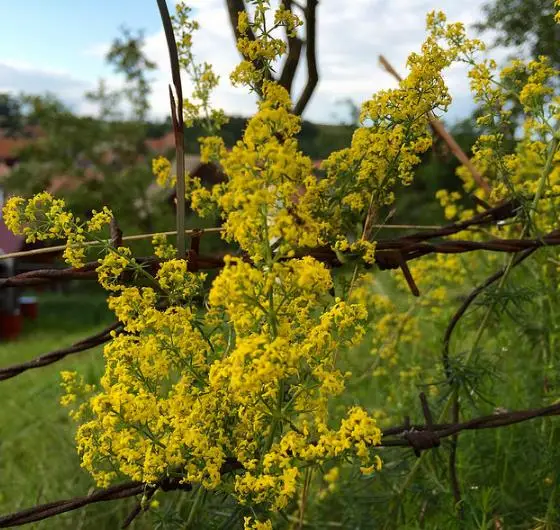
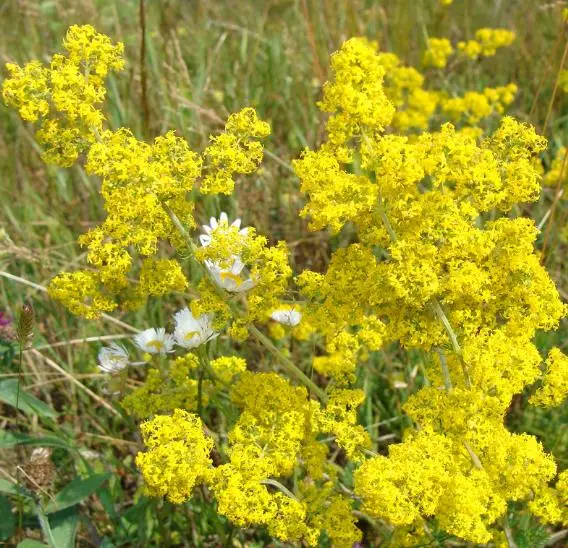
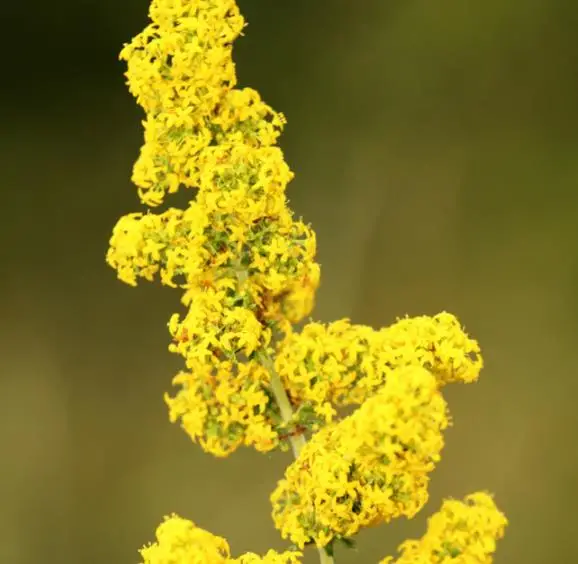
Growing it is refreshingly straightforward. Galium verum subsp. verum is a hardy herbaceous perennial that prefers full sun to partial shade and thrives in well-draining, sandy or gravelly soil—exactly the conditions where it naturalizes across Europe. It reaches 30–60 cm, making it ideal for garden edges, rock gardens, or containers. Sow seeds indoors in early spring or direct sow in autumn; germination is reliable when stratified with winter cold. Once established, it’s self-sufficient, spreading modestly through shallow root systems and requiring little water beyond rainfall. The flowers arrive from May through September—a frothy yellow cloud that attracts beneficial insects. Harvest flowers and leaves just as it comes into bloom, dry them whole, and store in paper for tea or culinary use. You can even harvest roots in autumn for dye-work: they yield a rich madder-like red.
This is a plant for people who want to *make* things—cheese, remedies, dyes—and for those who hunger for connection to agricultural memory. Growing Galium verum subsp. verum from seed is growing a bridge between your hands and the hands of every cheesemaker, healer, and dyer who came before. Start your own patch this spring and step back into the tradition.
Germination Guide
🌍 Temperate Eurasia, Northwestern Africa
Easy
Galium verum subsp. verum (Lady's Bedstraw, Yellow Bedstraw) is a temperate Eurasian perennial in the Rubiaceae family producing honey-scented yellow flowers in July-August. Easily grown from seed with minimal pre-treatment requirements.
Germination
Germination time
Expect germination in
7 – 21 days
Substrate moisture
💧 Medium
Substrate & Container
Recommended substrate
Seed starting mix, compost, peat-free compost
Recommended container
Trays, pots
Growing Tips
Sow seed onto surface of well-lit area; keep moist; best sown immediately when ripe in late summer or in spring; dried seed germinates poorly; no stratification needed (ND = no dormancy); seeds are tiny (less than 0.5mm); light is beneficial for germination
Only logged in customers who have purchased this product may leave a review.


Reviews
There are no reviews yet.