



Grow the plant that captivated gardeners for centuries. Glossy arrow leaves spotted with deep purple, strange sculptural flowers, and brilliant red berries—all thriving in shade where nothing else dares. A living relic of medieval herbalism and folk magic. Easy from seed; poisonous parts add intrigue (handle with gloves). The conversation starter every shade garden needs.
€1.92
This is not your grandmother’s perennial—it’s the one that whispered through her garden’s shadows for four centuries, earning a hundred different names and a reputation for pure botanical theatricality.
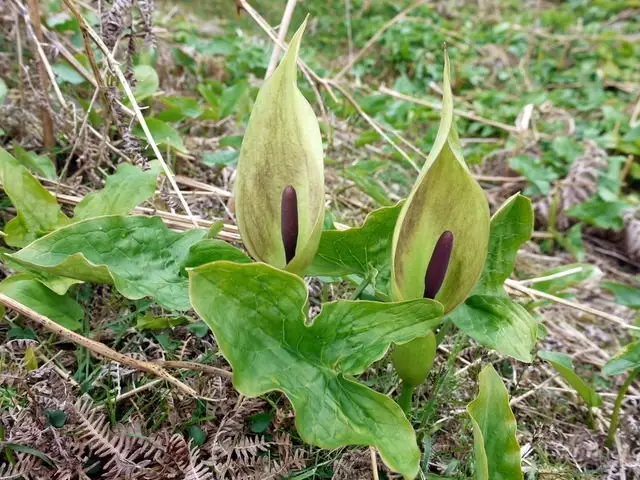
Arum maculatum belongs to the ancient woodlands of Europe and the Mediterranean, where it thrives in the dappled shade beneath oak and beech. Known to herbalists since medieval times as “Cuckoo Pint” (traced to Turner in 1551), “Starch Root,” and dozens of other monikers—many far too cheeky for polite company—this perennial earned its scandalous nicknames through a very suggestive flower structure: a pale green, purple-rimmed spathe cloaking a poker-like spadix. The flower’s architecture alone makes it unforgettable. But there’s more.
What separates Arum maculatum from mere ornamentals is its extraordinary history as a utility plant. For centuries, the starchy tuber was baked and ground to make Portland Sago, a nutritious porridge that sustained households and institutions. Even more compelling: herbalists valued the fresh root, bruised and infused in cow’s milk, as a powerful cosmetic remedy for blemishes, freckles, and wrinkles—an early forerunner of skincare alchemy. During the Elizabethan era, starch extracted from the root stiffened the enormous ruffs that defined court fashion. Medieval nuns at Syon Abbey used it to launder sacred altar linens. This is a plant woven into the very fabric of European domestic life, yet it remains rare in modern gardens. Growing it connects you to that lineage.
Cultivation is straightforward. Arum maculatum is a shade-loving herbaceous perennial that craves precisely what most gardeners struggle to fill: cool, moist, well-drained soil beneath deciduous trees or in north-facing borders. It reaches just 45 cm tall—modest in stature but enormous in presence. The arrow-shaped leaves, glossy and spotted with deep purple-black markings, emerge in spring (April–May). They’re followed by the flowers: a green-white spathe with a purple rim and streaks, surrounding a spadix that shifts from yellow-green to brown. By autumn, the foliage dissolves to reveal clusters of brilliant red berries—beloved by birds and absolutely mesmerizing. Seed germination requires light; surface sow and keep continuously moist at 20–22°C. Seeds sprout within 20–60 days, though patience pays—some germinate as late as 90 days. The plant will settle into its shade nook and reward you for years with virtually no fussing. It’s a low-maintenance specialist for problem zones.
One thing binds every gardener who grows Arum maculatum: the romance of touching something wild, strange, and rooted in history. Yes, all parts of the plant contain calcium oxalate crystals and are mildly toxic (a reason to wear gloves, never to avoid the plant). That very toxicity adds an edge—a reminder that not everything in nature is domesticated, that some plants command respect and caution. In folklore, that danger only deepened the mystique. Grow Arum maculatum from seed and you’re not simply filling a shady corner; you’re cultivating centuries of human story, botanical oddity, and quiet woodland magic. A single plant, properly placed, becomes a meditation on beauty that doesn’t need to shout.
Only logged in customers who have purchased this product may leave a review.


Reviews
There are no reviews yet.