Description
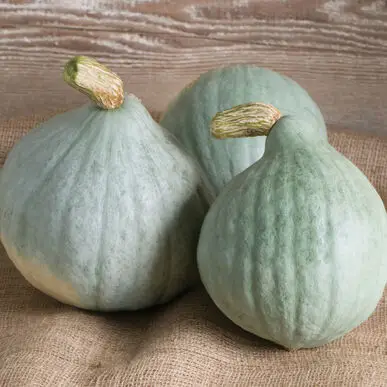
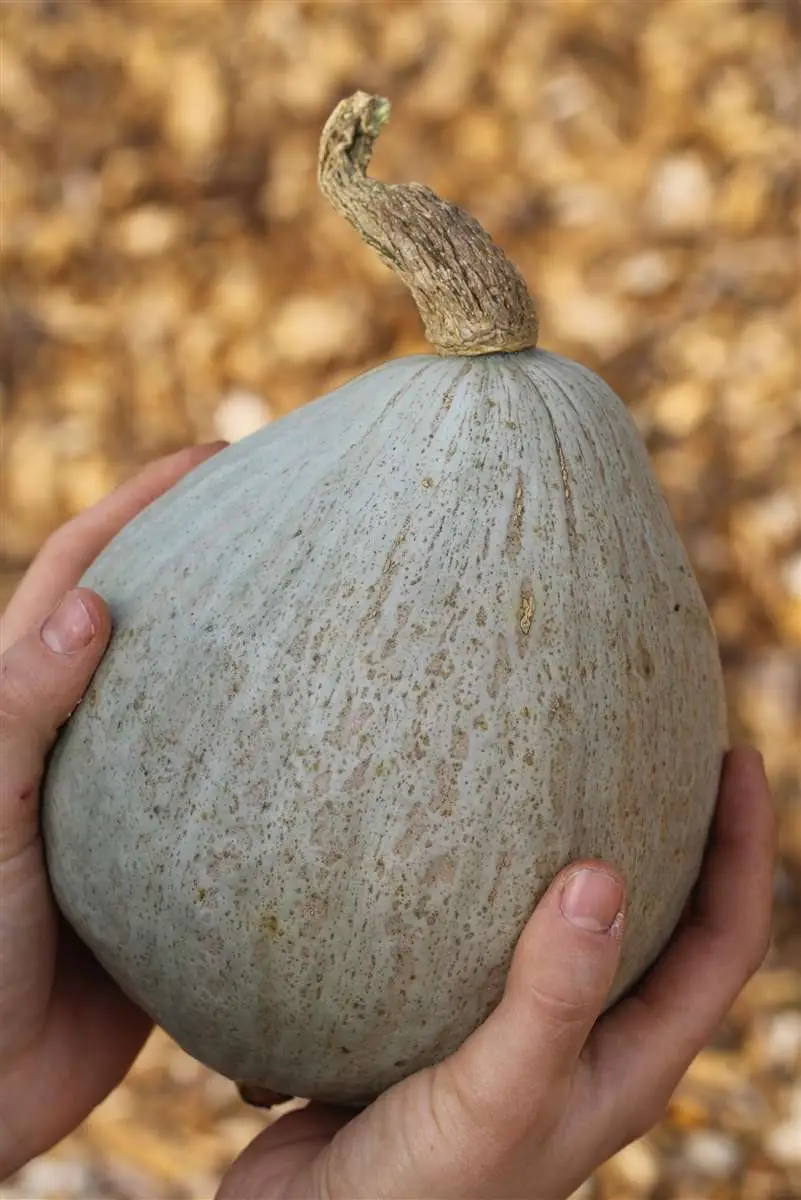
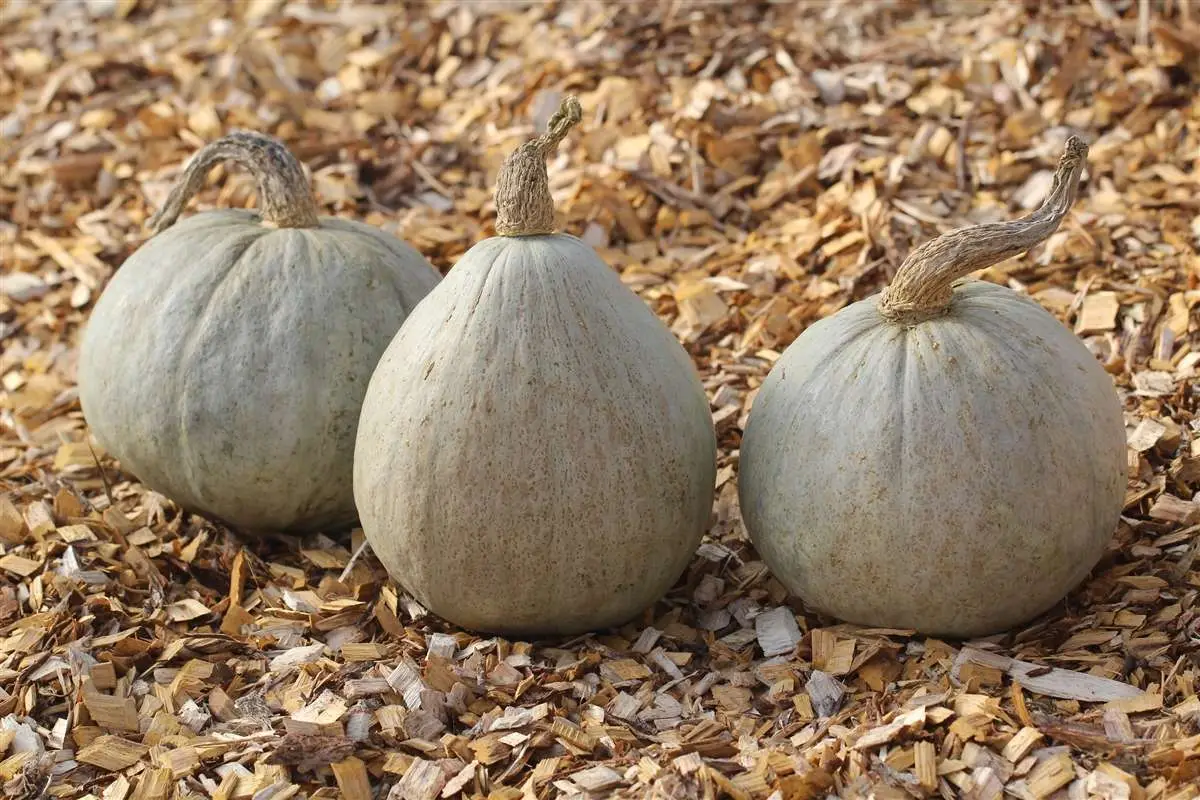
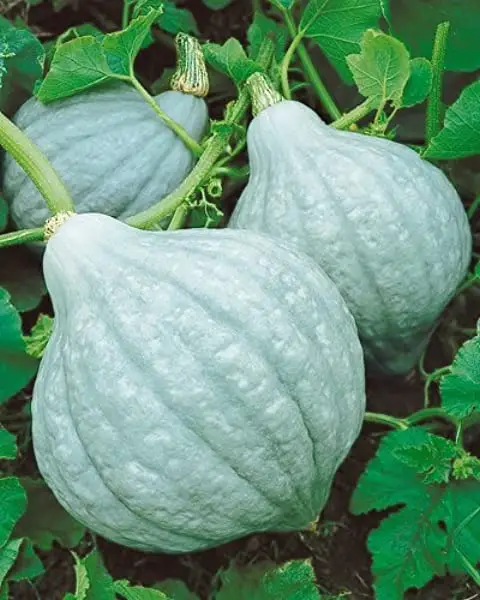
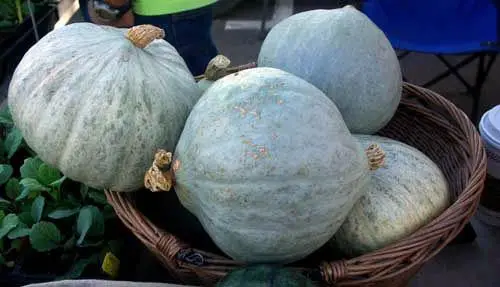
For home gardeners with space limitations, a scaled-down version of Blue Hubbard developed at the University of New Hampshire from a 1953 cross between Blue Hubbard and Bush Buttercup. Baby Blue s vines are much more compact and its fruits much smaller (about 4–5 lb), but their flavor at maturity doesnt match up to those traditional large hubbards and their yield is lower, too.
A lovely little squash that was developed in 1953 by the University of New Hampshire; small, Hubbard-shaped fruit weighs around 6 lbs and has fine-grained, yellow-gold flesh that is sweet and of excellent quality. A great variety for marketing or small households. Semi-bush vines are easy to handle.
Germination Guide
🌍 Subtropical areas of South America, Argentina-Bolivia-Uruguay
Easy
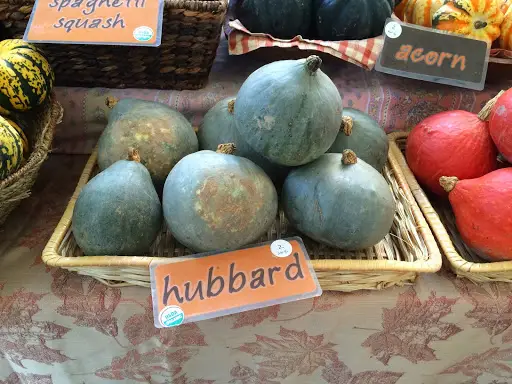
Cucurbita maxima is a warm-season annual vine native to subtropical South America, cultivated worldwide for its diverse winter squash varieties including Hubbard, butternut, acorn, and turban types. Seeds germinate readily without special pre-treatment, requiring warm soil temperatures and consistent moisture to achieve rapid and uniform emergence within 7-14 days. This species is highly valued for both culinary and ornamental purposes, producing fruits that can range from small specialty varieties to giants exceeding 100 pounds.
Germination
Germination time
Expect germination in
7 – 14 days
Temperature
Min 20°C
Ideal 25°C
Max 30°C
Light
🌑 Darkness required
Substrate moisture
💧 Medium
Seed Pre-treatment
-
💧
Soaking — 10 hours
Soak seeds in room-temperature water for 8 to 12 hours to speed up germination. Avoid soaking for too long, as this may lead to seed rot.
-
📋
Additional notes
Cucurbita maxima seeds generally germinate readily and do not require special pre-treatment.
Substrate & Container
Recommended substrate
Peat moss or coco coir mixed with perlite (60/40 ratio), or general-purpose seed-starting mix
Recommended container
Individual pots or seed trays, preferably biodegradable pots to minimize root disturbance
Growing Tips
Ensure soil temperature reaches at least 70°F (21°C) for reliable germination; optimal range is 70-85°F (21-29°C). Place seeds on their side and cover with substrate, gently firming the surface. A propagation cover is optional but helpful for moisture retention; open every 2-3 days to check moisture and prevent fungal issues. Keep soil consistently moist but never waterlogged. Once seedlings emerge, provide strong light immediately to prevent legginess, reduce humidity gradually, and ensure good air circulation. Avoid disturbing roots during transplanting—cucurbits are sensitive to root disturbance. For indoor starting, sow 3-4 weeks before last frost date. Harden off seedlings gradually before transplanting outdoors after all frost danger has passed.
Only logged in customers who have purchased this product may leave a review.

Reviews
There are no reviews yet.