Description
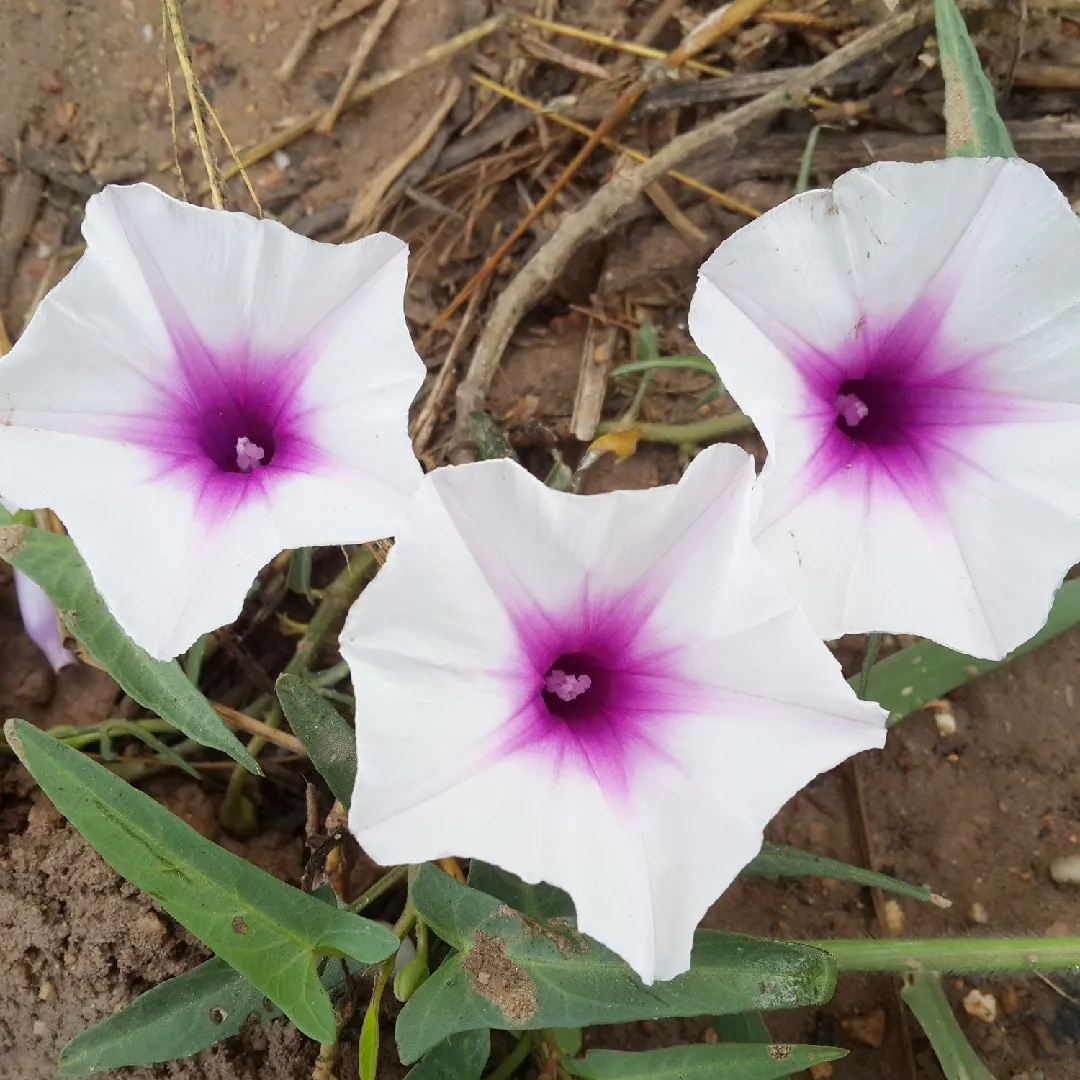
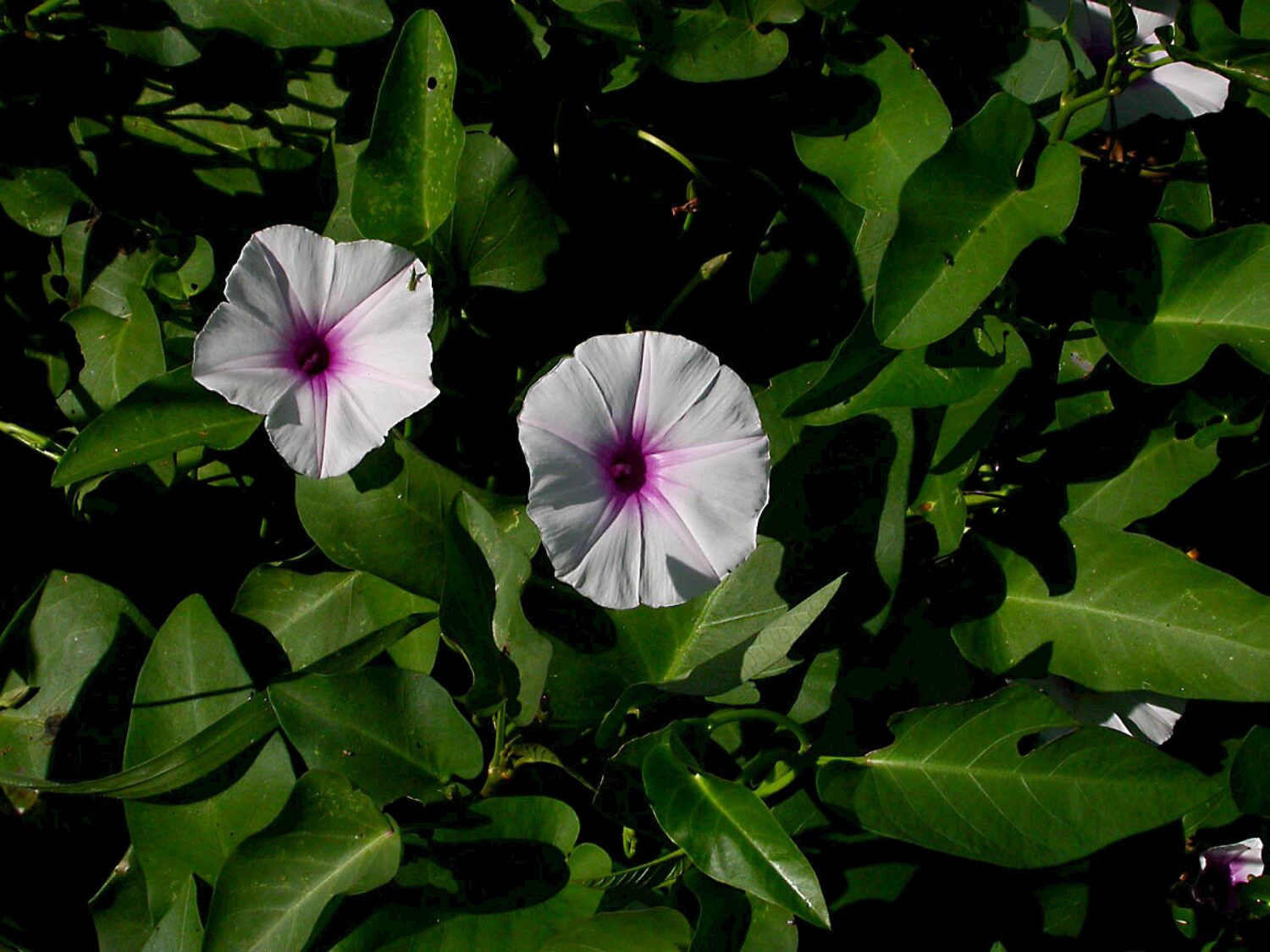
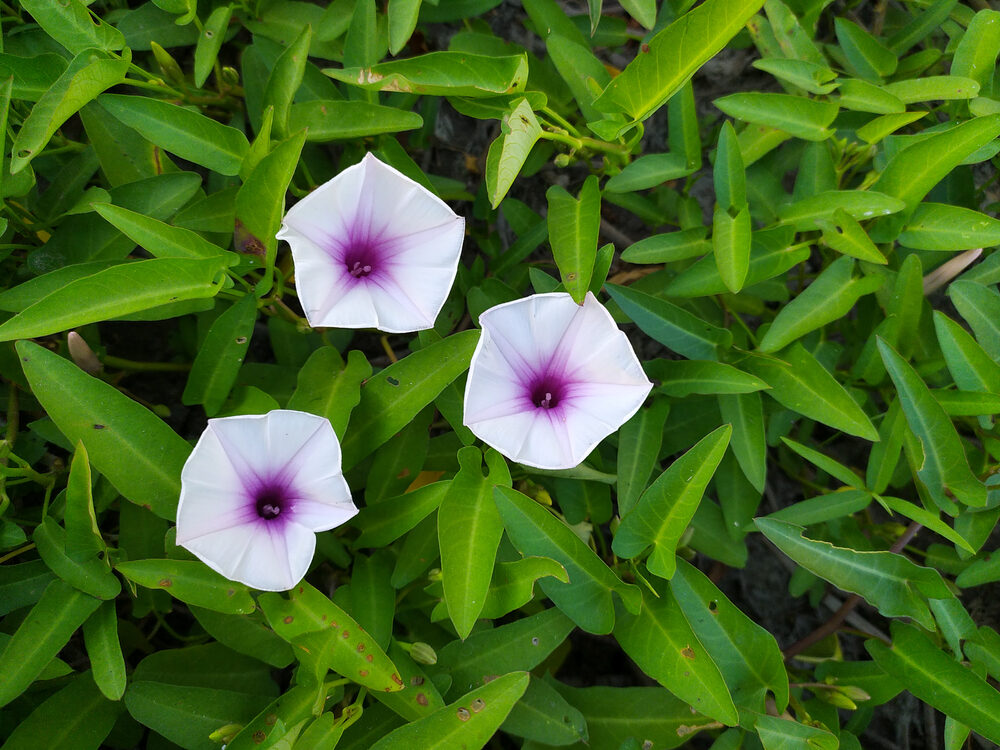
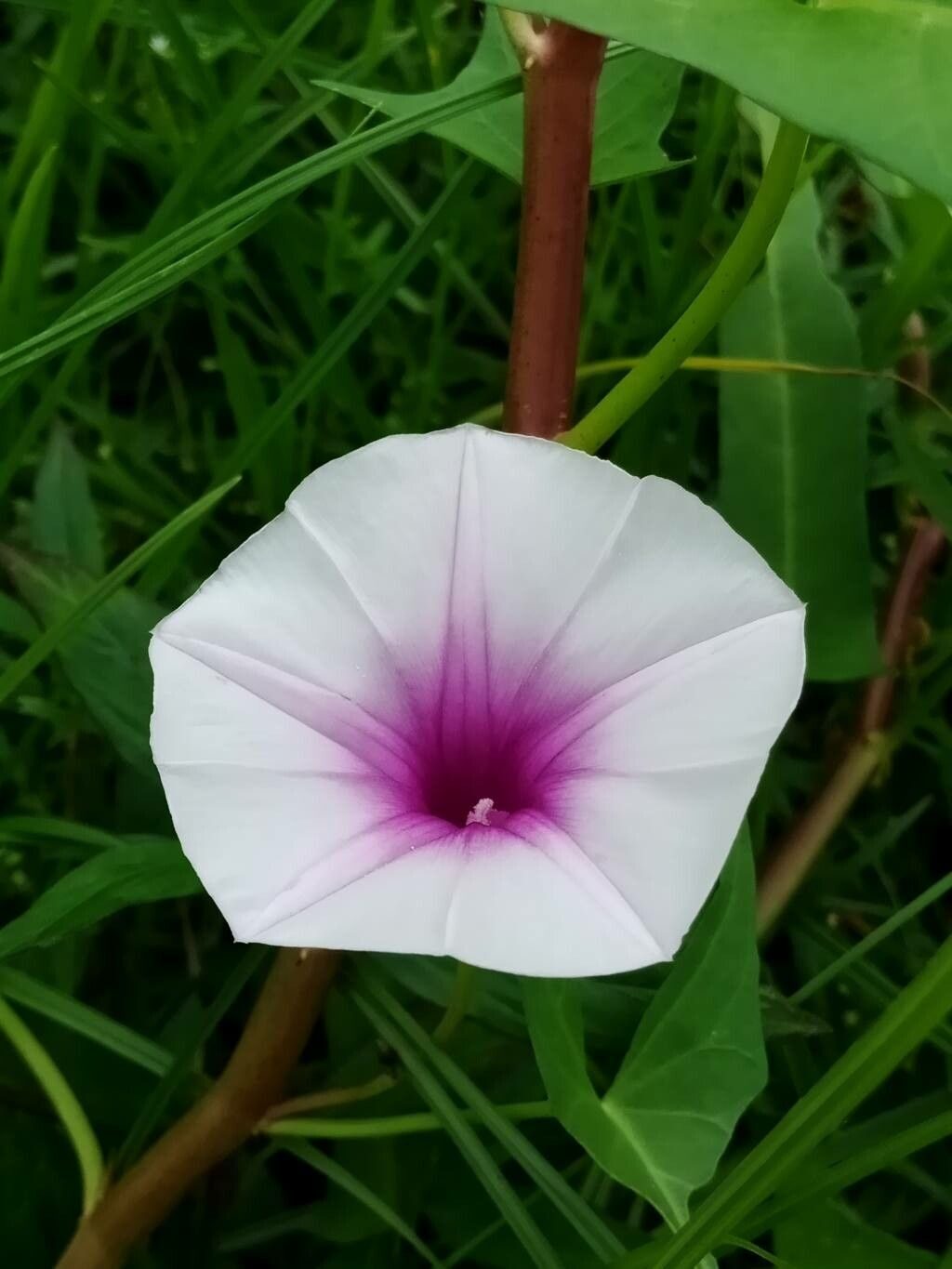
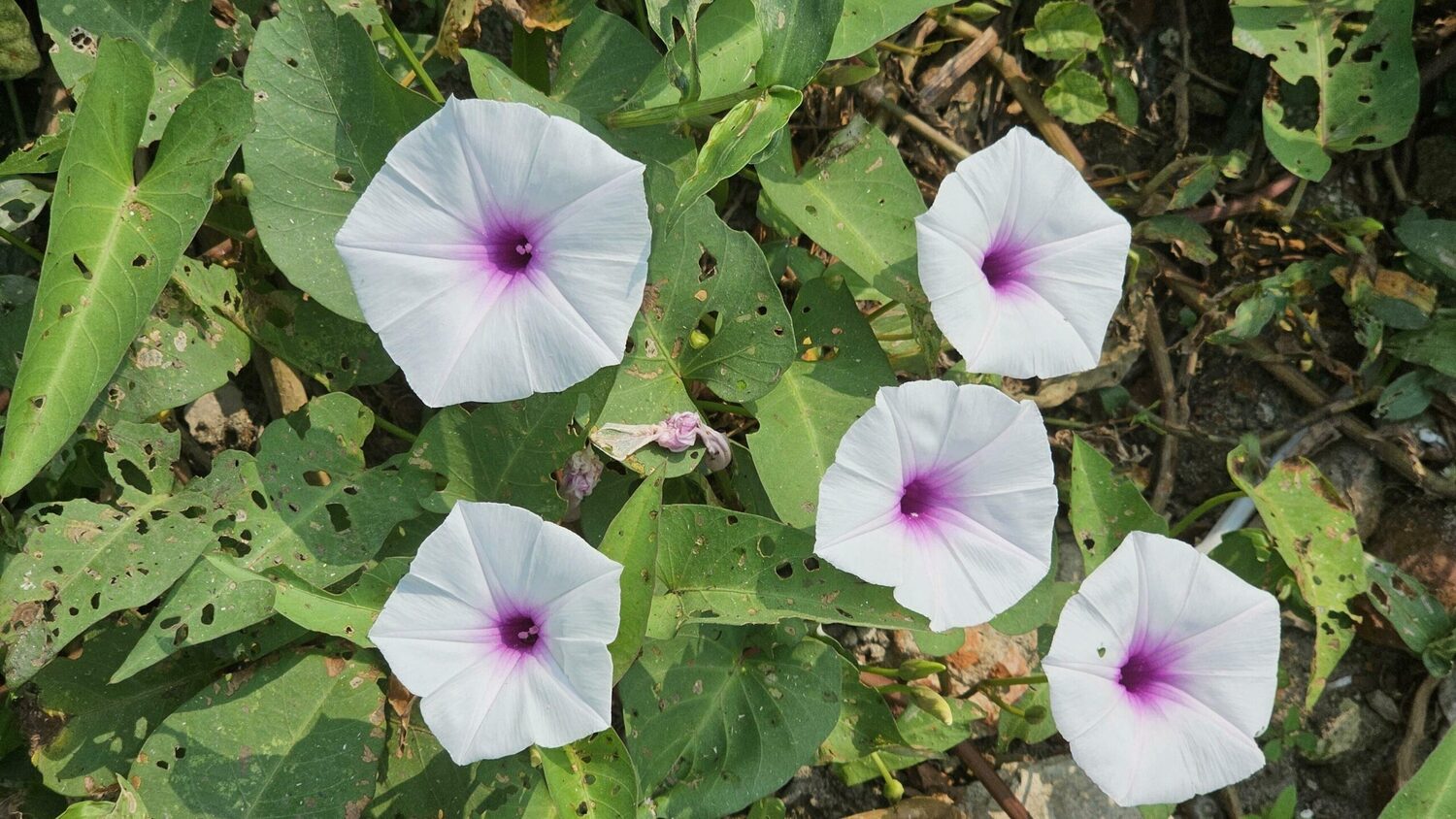
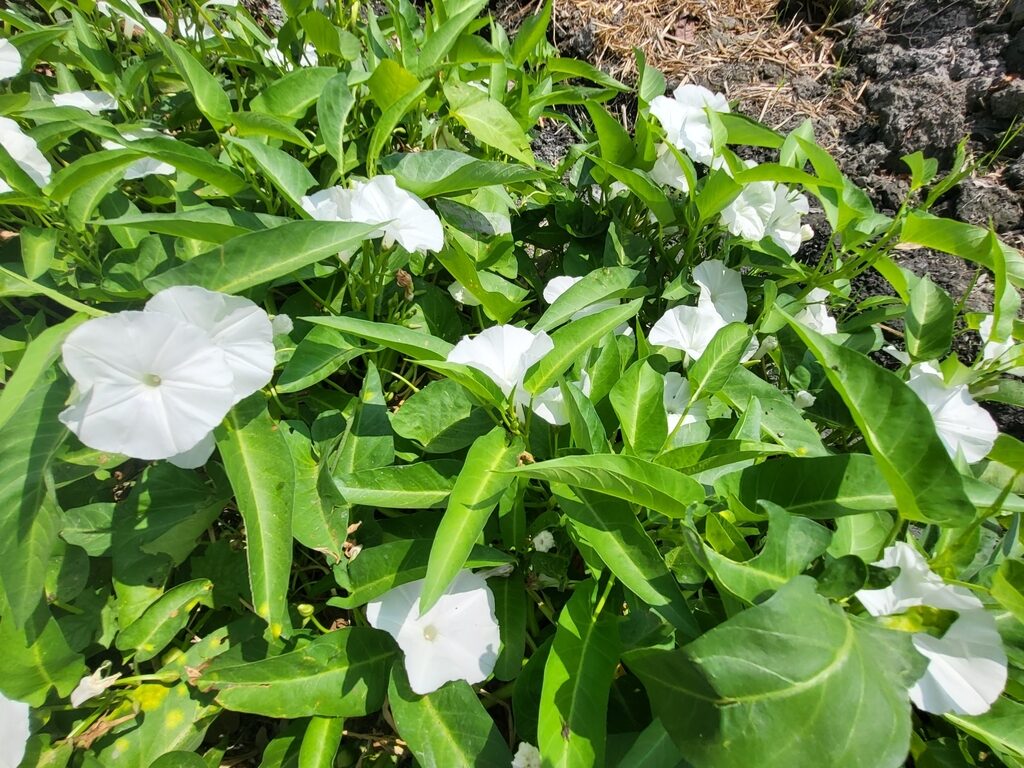
Ipomoea aquatica, commonly known as water spinach, kangkong, or water morning glory, is a semi-aquatic, fast-growing perennial plant in the morning glory family. It is widely cultivated throughout tropical and subtropical Asia for its tender shoots and leaves, which are a popular leafy vegetable. The plant has long, hollow, buoyant stems that can grow in water or on moist soil, rooting at the nodes. Its leaves are variable in shape, ranging from arrowhead-shaped to lanceolate. The flowers are trumpet-shaped and can be white, pink, or pale lilac.
Due to its rapid growth and ability to form dense, tangled mats, Ipomoea aquatica is considered an invasive weed in some parts of the world, where it can obstruct waterways and outcompete native aquatic vegetation.
Germination Guide
🌍 Southeast Asia, tropical and subtropical regions
Easy
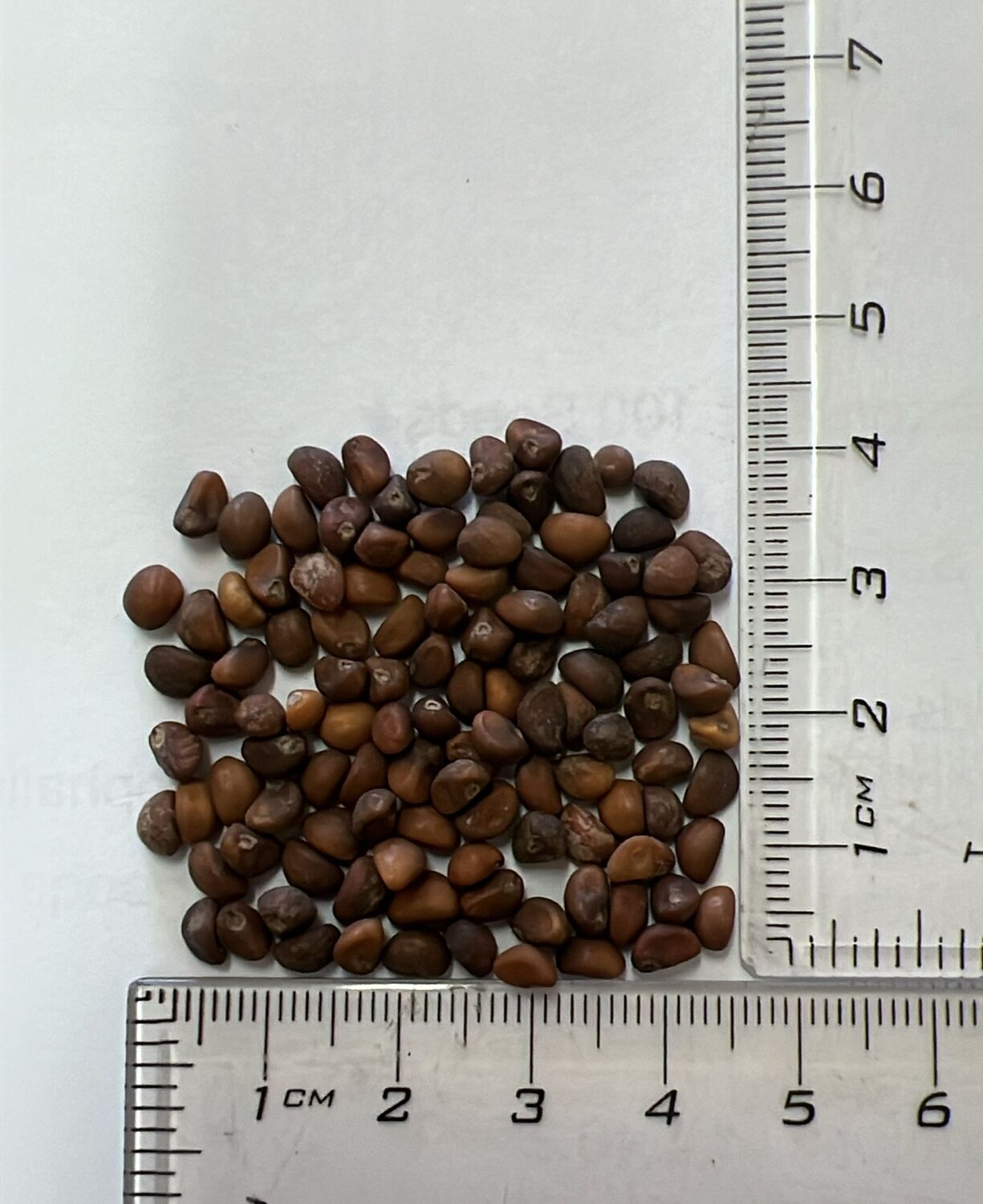
Water spinach (Ipomoea aquatica), commonly known as kangkong, is a fast-growing semi-aquatic tropical vegetable with edible tender shoots and leaves. Seeds require pre-treatment through scarification and soaking for optimal germination rates exceeding 80%. Germination occurs within 3-14 days at warm temperatures of 25-30°C, making it an easy species to propagate from seed.
Germination
Germination time
Expect germination in
3 – 14 days
Temperature
Min 25°C
Ideal 25°C
Max 30°C
Substrate moisture
💧💧 High
Sowing depth
Lightly covered
Seed Pre-treatment
-
💧
Soaking — 24 hours
Soak seeds in water for 12-24 hours prior to sowing. Overnight soaking is essential to soften seed coat and speed up germination.
-
🔨
Mechanical scarification
Partial removal of seed coat using fine sandpaper or knife to enhance water absorption. Scarification followed by soaking consistently results in high germination rates exceeding 80%.
-
📋
Additional notes
Mechanical scarification combined with 24-hour water soaking is most effective. This treatment accelerates germination rate and increases germination percentage above 80%.
Substrate & Container
Recommended substrate
Moist potting soil or wet seed starting mix, well-drained but consistently moist
Recommended container
Seed tray or seedling flat with plastic covering for humidity retention
Growing Tips
Scarify seeds mechanically before soaking for 24 hours to enhance germination. Maintain consistently moist but not waterlogged substrate at 25-30°C with high humidity. Germination begins around day 3-4, with most seeds sprouting by day 7-8. Ensure good air circulation to prevent fungal issues. Light requirement is indifferent, though some red light promotes faster germination. Once germinated, seedlings need consistent moisture and can be hardened off in full sun to partial shade after 2-3 weeks. Transfer to permanent location only on cloudy days and shade for first week. Rich, nutrient-dense growing medium promotes vigorous seedling development.
Only logged in customers who have purchased this product may leave a review.

Reviews
There are no reviews yet.