Description
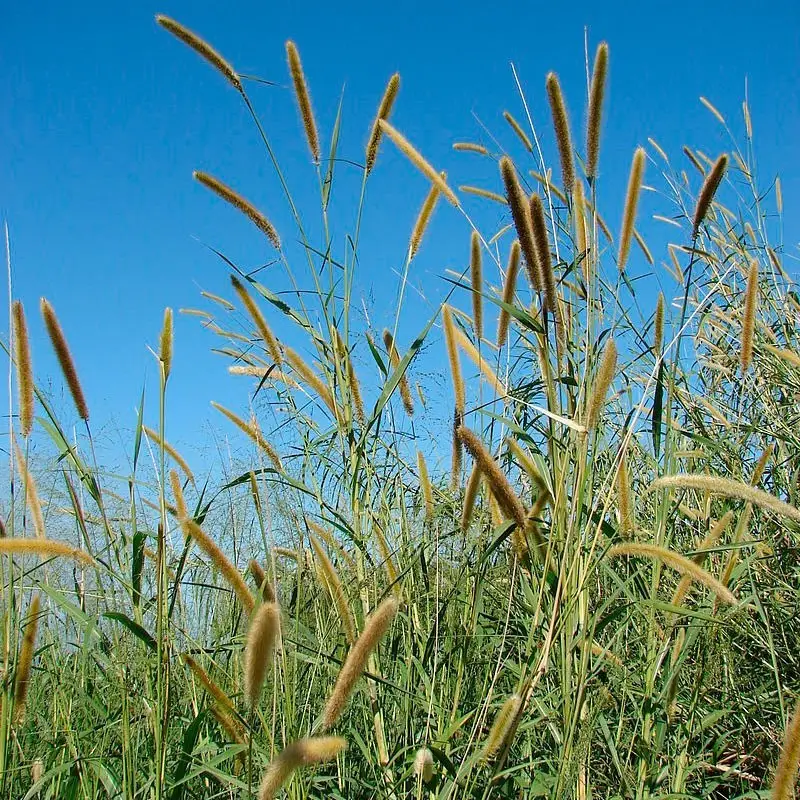
It is native to tropical Africa, having been introduced to the Americas, Asia, Australia and Madeira. In Brazil, it was implemented around 1920. Grass cultivation is highly efficient in fixing atmospheric CO2 (carbon dioxide) during the photosynthesis process for the production of plant biomass, presenting a high potential for use as an alternative source of energy. It is also used as food for livestock and wild animals.
Germination Guide
🌍 African grasslands, tropical and sub-Saharan Africa
Easy
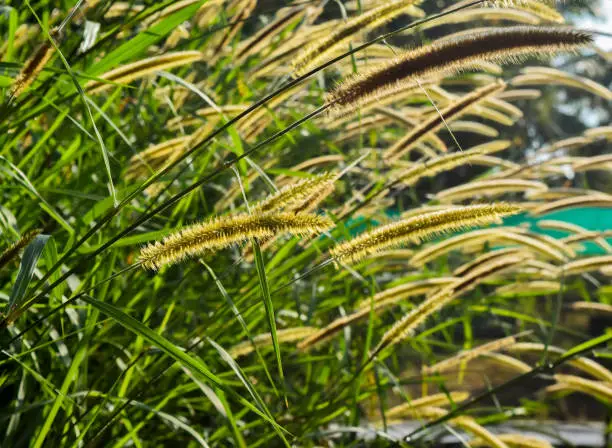
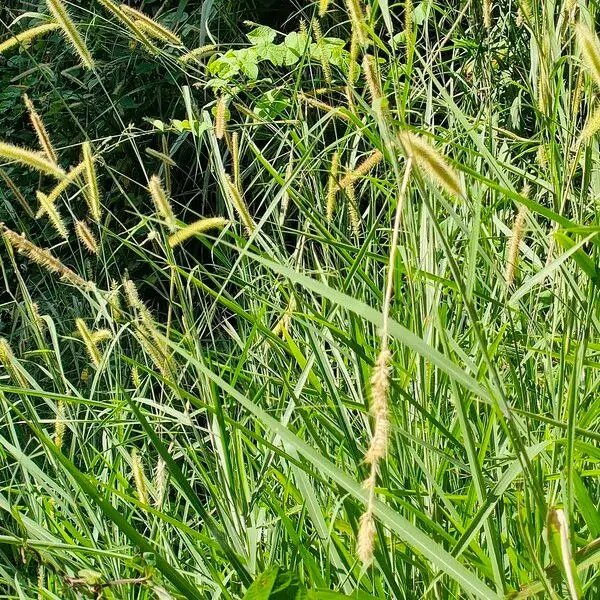
Pennisetum purpureum, commonly known as Napiergrass or Elephant grass, is a perennial tropical grass native to African grasslands. It is a robust C4 grass used primarily for forage, biomass production, and as an ornamental. Fresh seed germinates quickly when provided with proper conditions.
Germination
Germination time
Expect germination in
7 – 30 days
Temperature
Min 20°C
Ideal 25°C
Max 30°C
Substrate moisture
💧💧 High
Seed Pre-treatment
-
💧
Soaking
Seeds require consistent moisture to support germination; scarification assists in breaking seed dormancy
-
🔨
Mechanical scarification
Mechanical or chemical treatment of seed coat to enhance water absorption and break dormancy
-
📋
Additional notes
Scarification treatment recommended for enhanced germination rates
Substrate & Container
Recommended substrate
well-drained loam soil
Recommended container
seedling trays or containers with drainage
Growing Tips
Seeds are epigeous and can be stored for 7 months. Scarification breaks dormancy and enables quicker germination. Avoid waterlogging during germination as excessive moisture can hinder the process. Light is beneficial for germination. The plant naturally reproduces vegetatively through stolons, making seed production inconsistent in nature.
Only logged in customers who have purchased this product may leave a review.


Reviews
There are no reviews yet.