
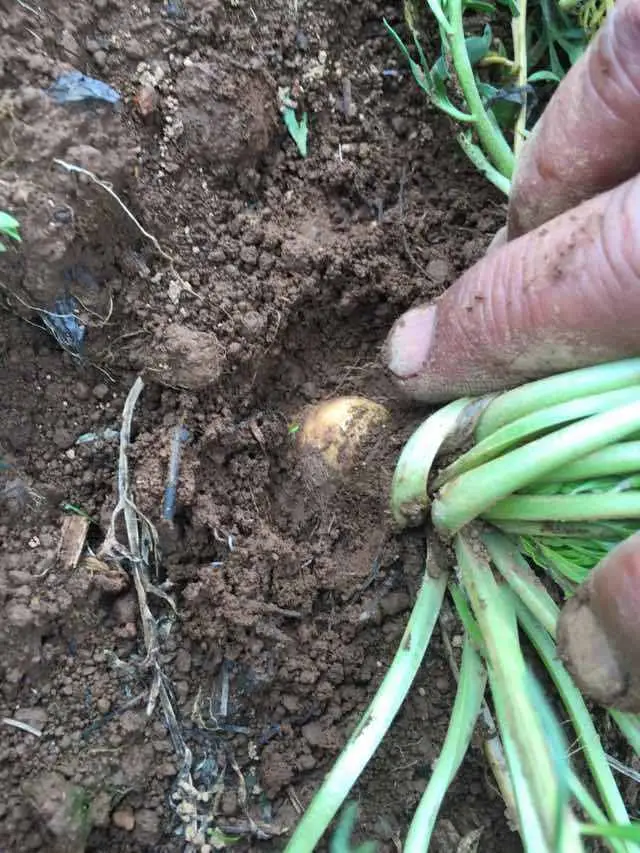
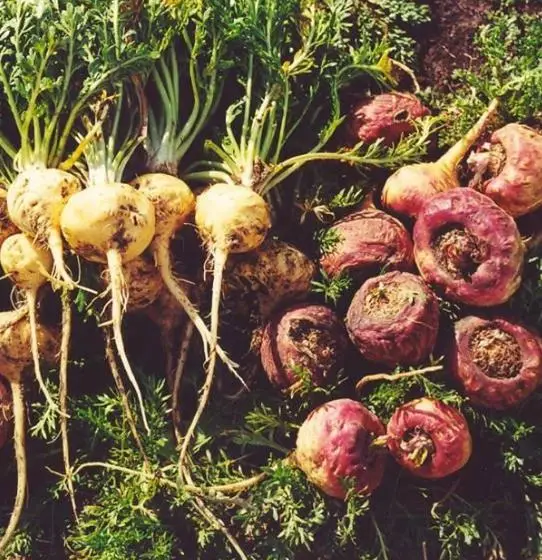
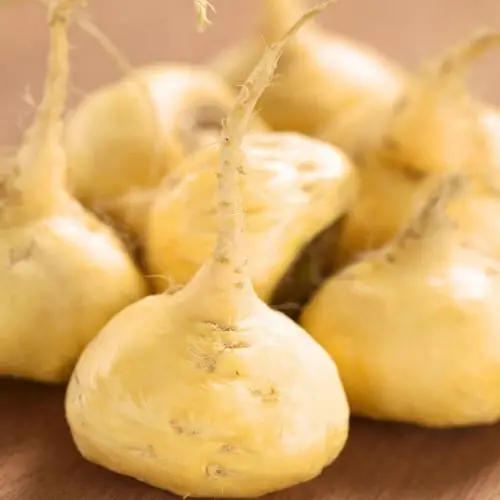
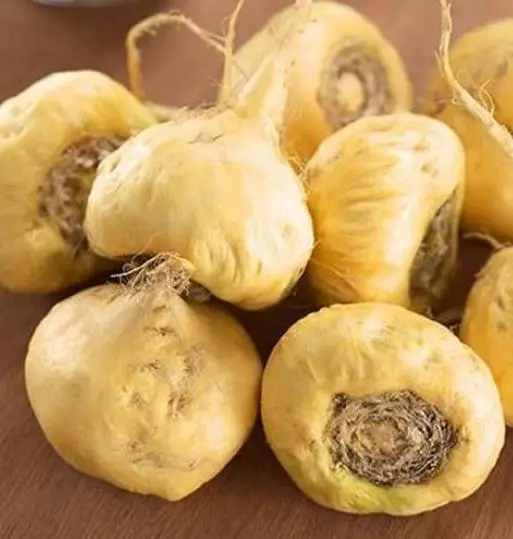
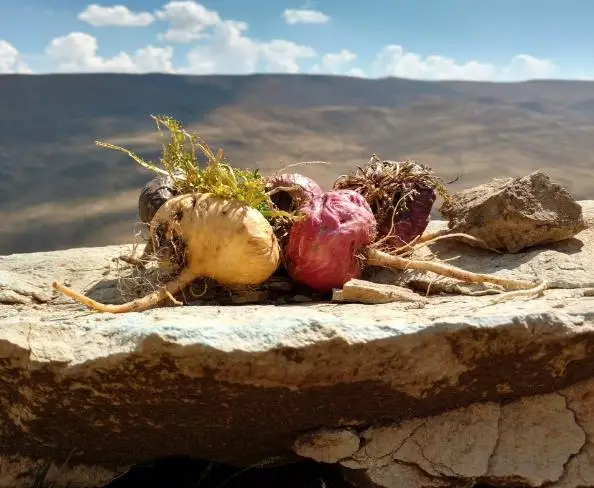
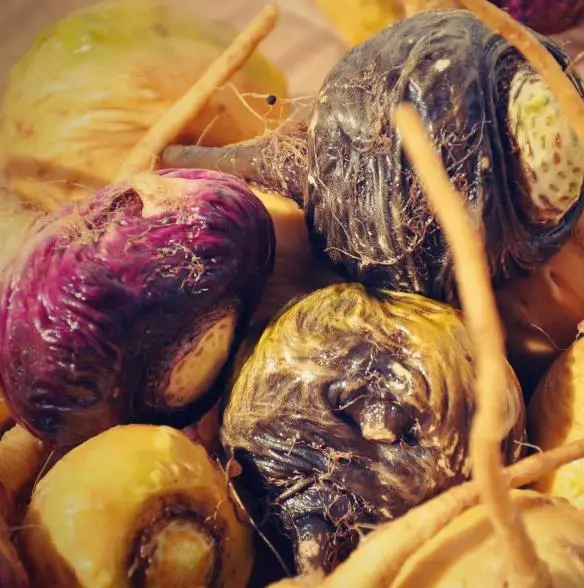
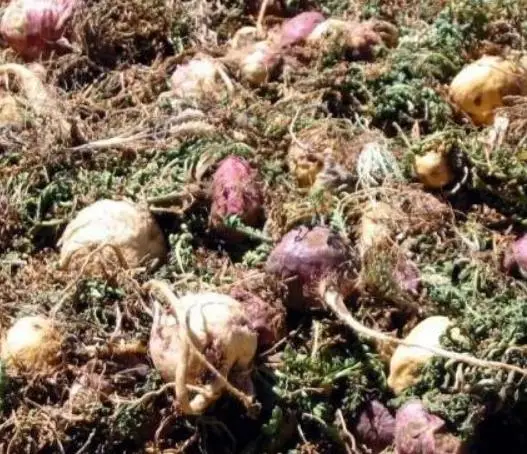
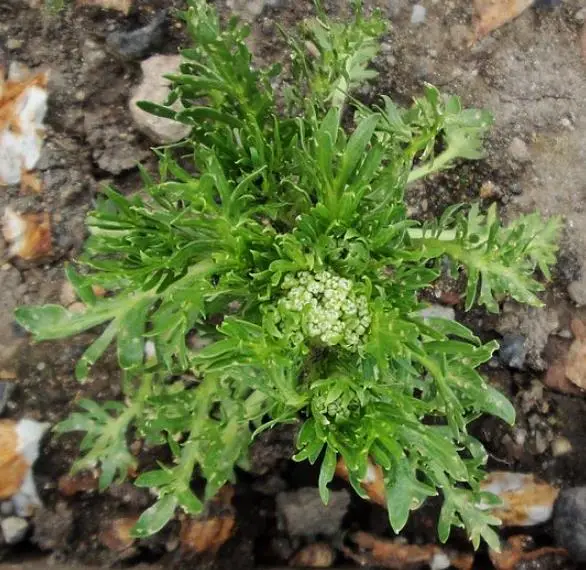
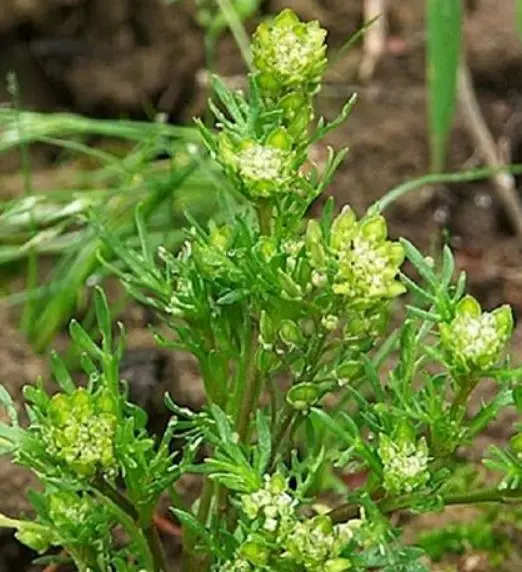
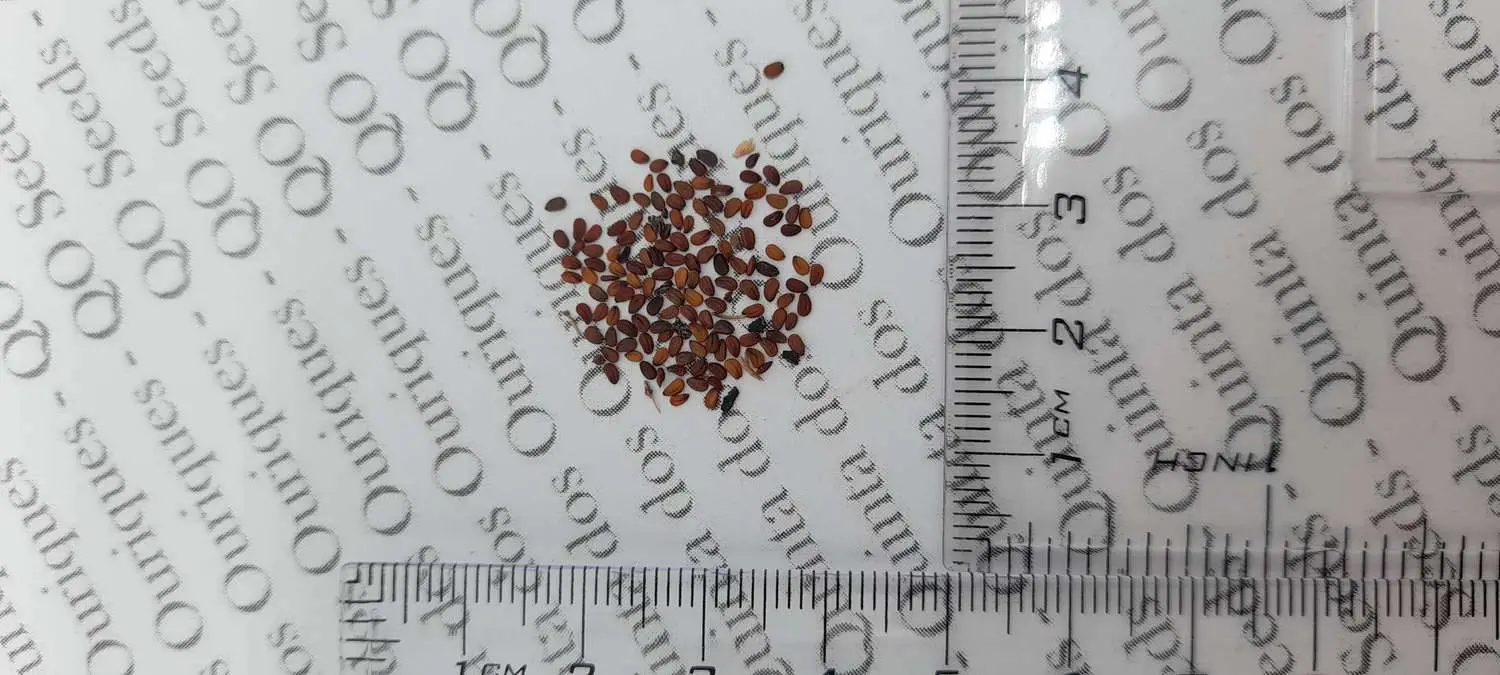
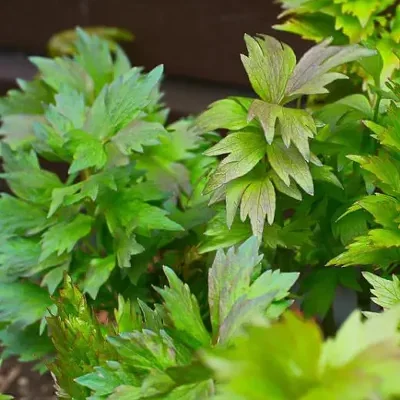
Grow the legendary root that powered Inca warriors into battle. Maca’s fleshy, turnip-like hypocotyls develop rich nutrients—natural fertility enhancer, energy amplifier, sexual health supporter. This hardy Brassica thrives in cool sun from seed with minimal fuss. In 7–9 months, harvest roots in cream-yellow, purple, or black that taste subtly sweet and peppery. Dry them, powder them, brew them—wellness in your own garden.
€3.37
Maca (Lepidium meyenii), a biennial herbaceous plant indigenous to the Andes Mountains, has a rich history of traditional use for its purported health benefits. This is not a decorative curio—it is food medicine with 2,000+ years of proof.
Lepidium meyenii (maca) is a Peruvian plant of the Brassicaceae family cultivated for more than 2000 years, which grows exclusively in the central Andes between 4000 and 4500 m altitude. The powerful ancient Inca civilization, who lived in the Andes mountains of Peru, revered maca as a sacred root and believed it to have potent aphrodisiac, libido-enhancing and fertility-enhancing benefits. To the Incas, maca was considered so valuable that its use was restricted to the royal court, though to enhance their stamina and strength, Inca warriors would consume large quantities of the root before going into battle. Maca root was also used to boost energy, improve stamina, and enhance mental clarity. The Incan soldiers were even said to carry maca root with them into battles to build their strength and stamina, especially during long marches. This is not legend—it is documented history.
Why maca commands devotion: Experimental scientific evidence showed that maca has nutritional, energizer, and fertility-enhancer properties, and it acts on sexual dysfunctions, osteoporosis, benign prostatic hyperplasia, memory and learning, and protects skin against ultraviolet radiation. Modern research backs what the ancients knew. Clinical studies, primarily focused on sexual health, indicate improved sexual desire, erectile function, and subjective wellbeing in men. Maca also shows promise in alleviating menopausal symptoms in women and enhancing physical performance. Maca is rich in fiber, a large number of essential amino acids, fatty acids, and other nutrients, including vitamin C, copper, iron, and calcium. The root is a nutritional powerhouse—not a trend, but a time-tested superfood. Maca is generally safe, with rare adverse effects, supported by preclinical studies revealing low toxicity and good human tolerance. Preclinical investigations highlight the benefits attributed to Maca compounds, including neuroprotection, anti-inflammatory properties, immunoregulation, and antioxidant effects.
Growing this legendary root is surprisingly forgiving. The maca plant is one of the hardiest vegetable plants around. In its native habitat, it is subjected to strong UV exposure, high winds and extreme temperature fluctuations. As a result, it usually grows without any problems in our climate, as long as the temperature does not stay too high for too long. Maca grows best in sunny to semi-shady spots with moist, humus and nutrient-rich soil, although it can thrive in poor soil. Wind-exposed, cooler locations are best. It can be grown in a balcony box, a raised bed or in the vegetable patch. Maca plants require full sun exposure, ideally receiving 6-8 hours of direct sunlight daily. This sunlight is crucial for healthy growth and optimal root development. Maca prefers well-drained, fertile, and slightly acidic soil. It thrives in soils that are rich in organic matter, as the high-altitude environment of the Andes provides the right balance of nutrients. Like its relative garden cress, maca seeds are very easy to care for and germinate quickly. Maca is usually harvested six or seven months after the seeds are sown but can take up to nine months to reach a harvestable size. You sow, you wait through the cool season, you harvest roots traditionally, native growers have acknowle
Only logged in customers who have purchased this product may leave a review.

Reviews
There are no reviews yet.