Description
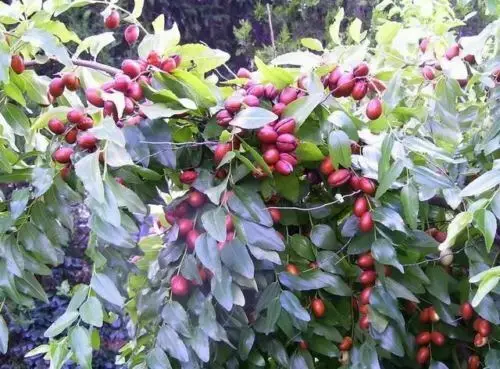
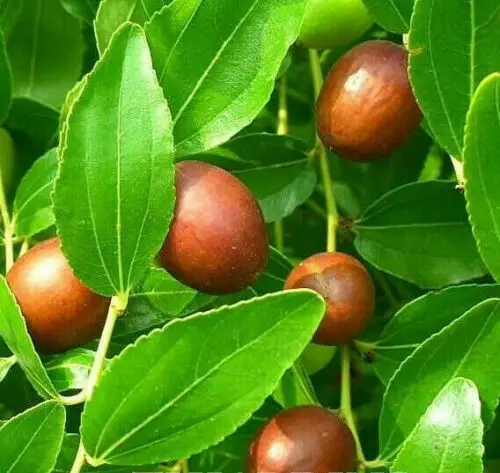
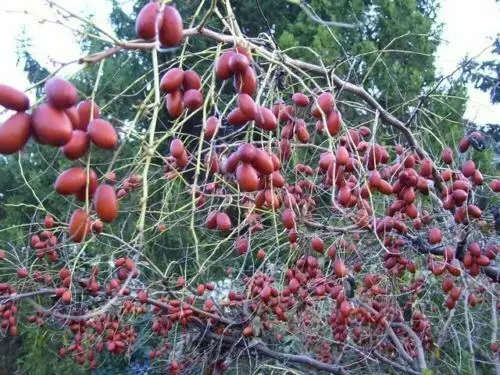
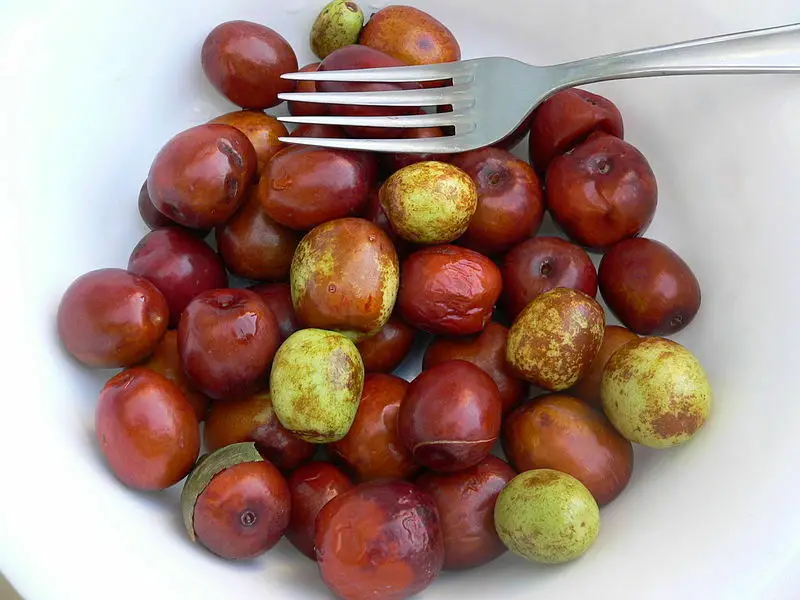
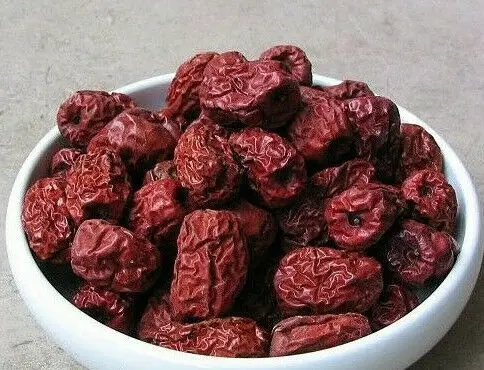
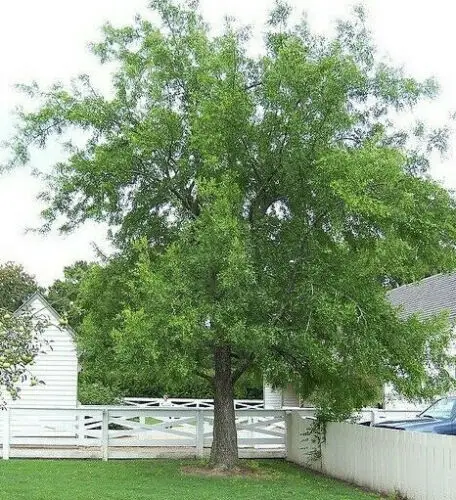
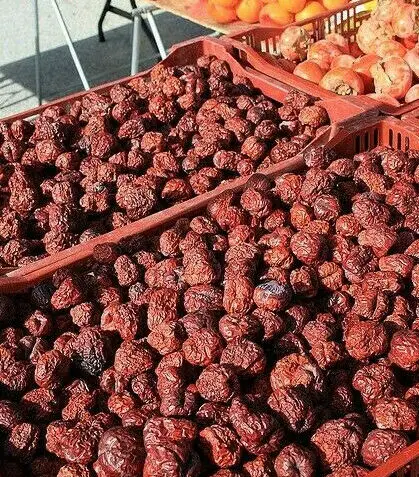
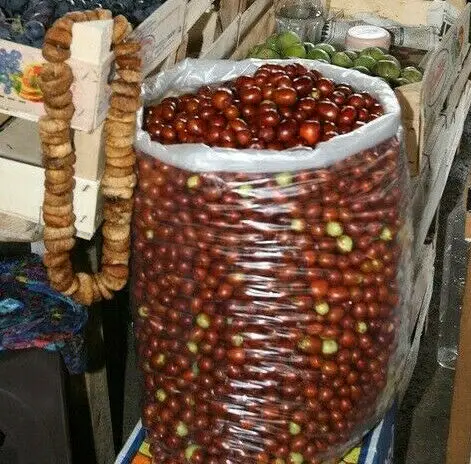
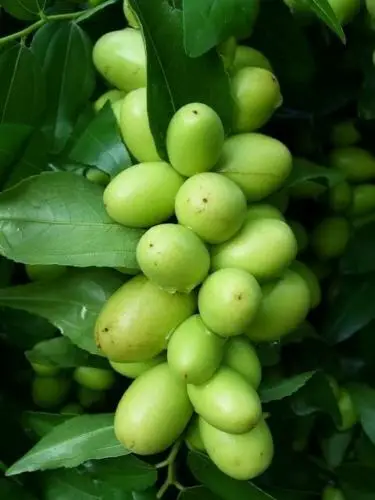
A small tree or shrub that produces delicious fruits for tasting in natura and are also used in the preparation of jams, jellies, dried fruits such as raisins and others.
Its natural distribution is important, due to its extensive cultivation in South Asia, between regions such as Lebanon, Iran, Pakistan, India, Bangladesh, Nepal, the Korean peninsula and central China, and also introduced to Southeastern Europe.
Its use in cooking has served an extensive commercial market. Its fruits are sweet and quite similar to the flavor of the dates; being of coloration torture, scarpie, mother, mother and yellow flesh.
The range tolerates a wide range of calories, now requires summers and enough water for a good harvest. This is tolerable to inverstytes are such as (-15 ° c), and so we are not that event in deserts, from that have been access to subterranean water, rain or rain. May increase in mountainous areas or at sea level.
The use of wood is common for musical instruments, such as wind instruments and violin parts.
In Chinese wedding ceremonial marriage, a sweet of milk is offered as offer in the room as a good luck and fertility charm. In the but rather the dried dried ones are cleaned like a potpourri, to leave like the houses with fresh and clean and dry aromas for undesirable insects. In madagascar, wood is used as an excellent source of charcoal and a second important source of heat for cooking.
Species of very easy cultivation and the huge commercial expectations in Brazil.
A beautiful edition for small spaces, can be grown in pots or small gardens.
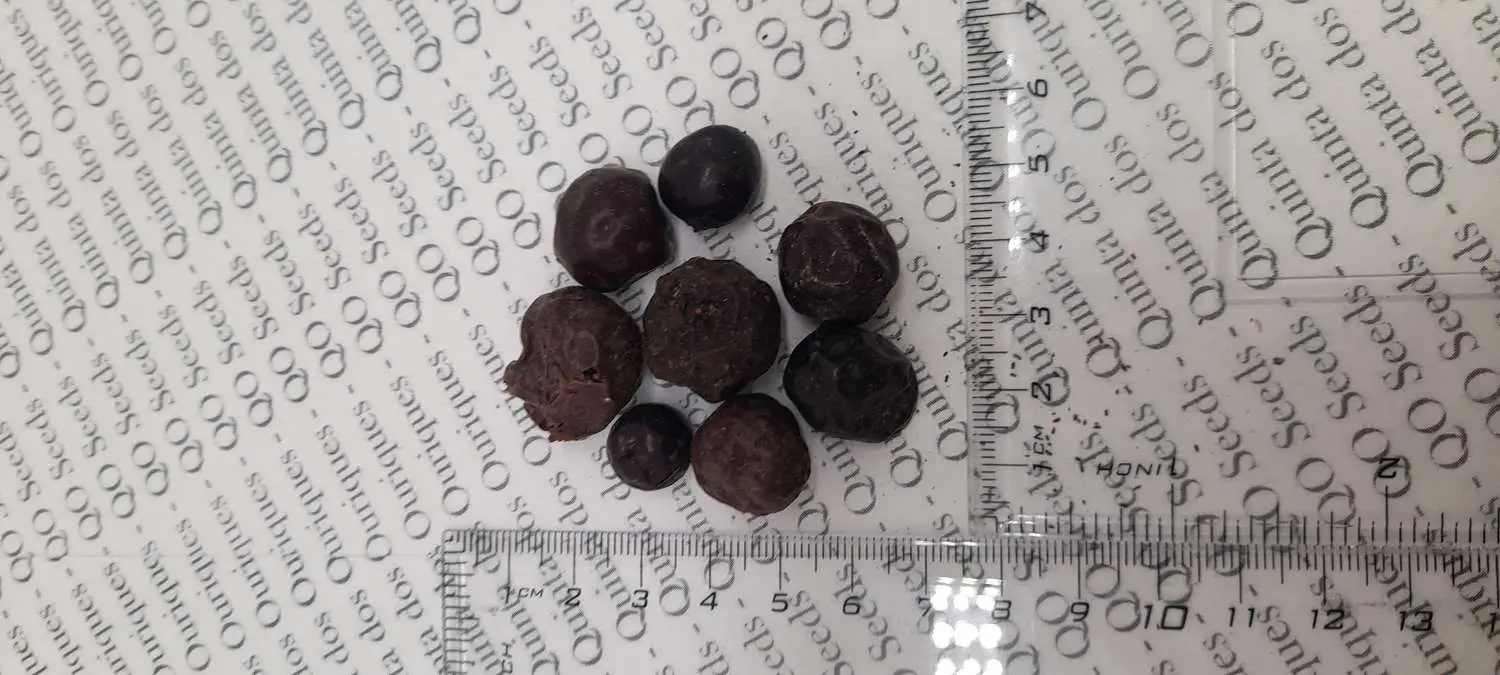
Very fresh seeds.
Germination Guide
🌍 Southeast Europe to China, primarily China North-Central and Southeast, Inner Mongolia, Korea, Manchuria, Xinjiang
Difficult
Ziziphus jujuba, commonly known as jujube or Chinese date, is an ancient deciduous fruit tree native to temperate Asia and cultivated for over 4000 years, primarily in China. The species has hard, dormant seeds with thick woody endocarp that require pre-treatment including scarification and cold stratification to achieve reliable germination. When successfully germinated and grown, the tree produces small oval fruits that taste crisp and apple-like when fresh, developing a date-like texture and sweetness as they dry.
Germination
Germination time
Expect germination in
14 – 60 days
Temperature
Min 20°C
Ideal 25°C
Max 30°C
Substrate moisture
💧 Medium
Sowing depth
Lightly covered
Seed Pre-treatment
-
💧
Soaking — 24 hours
Soak in room temperature water for 24 hours to soften seed coat and improve water absorption before cold stratification
-
🔨
Hot water scarification
Soak in hot water at 45-60°C for 24-48 hours, or scarify mechanically by gently rubbing with sandpaper or nicking the seed coat; dehulled seeds show highest germination rates (63.33%)
-
❄️
Cold stratification — 60 days at 4°C
-
📋
Additional notes
Seeds have hard, thick woody endocarp that requires pre-treatment to break dormancy; scarification combined with cold stratification drastically improves germination rates and reduces sprouting time from months to weeks
Substrate & Container
Recommended substrate
Well-draining mixture of peat moss, perlite, and vermiculite (70:15:15), or sandy loam with compost and perlite
Recommended container
Small pots or seed trays with good drainage
Growing Tips
Remove seed hulls carefully to expose inner seed; combine hot water soaking (24-48 hours) with cold stratification (60 days at 4°C) for best results. After stratification, sow seeds ¼-½ inch deep in well-draining soil and maintain warm temperatures (70-85°F/21-29°C) with consistent moisture. Dehulled or scarified seeds germinate much faster than untreated seeds, achieving 50-63% germination rates compared to only 3% for controls. Be patient as germination can take 2-8 weeks; avoid overwatering to prevent damping-off fungus. Note that seeds may require warm stratification after cold stratification, potentially delaying germination by up to one year in some cases.
Only logged in customers who have purchased this product may leave a review.



Reviews
There are no reviews yet.