





In Latin ‘edulis’ means ‘edible’, and refers to its edible shoots. Bamboo shoots are highly valued in various cuisines for their crunchy texture and subtle flavor. Grow the world’s greatest temperate bamboo—a species reported to grow up to 120 centimeters in one day—and harvest fresh, tender shoots each spring. Young bamboo shoots can be consumed raw or cooked, ma
€8.68
The largest and perhaps the most ornamentally attractive of the temperate bamboos—this is Phyllostachys edulis, the legendary Moso bamboo that feeds millions and captivates gardens worldwide.
Phyllostachys edulis, commonly known as Moso Bamboo, is a temperate species of giant timber bamboo native to China and Taiwan, and is the largest temperate bamboo on earth and the most economically important bamboo in China. It is native to deciduous woodlands in China, but has been introduced elsewhere around the globe including Japan where it has become an important symbol of prosperity in Japanese culture. Phyllostachys edulis originates from deciduous woodlands in China and Taiwan, and was introduced into Japan in 1736, Europe in 1880 and the United States in about 1890. For nearly three centuries, gardeners and farmers have treasured this giant for its extraordinary productivity and unmistakable elegance.
But here’s what makes Moso truly irresistible: It is considered a central species in the bamboo shoot business, where the edible shoots of the bamboo plant are harvested and utilized for various culinary purposes. Phyllostachys edulis is particularly popular in Asian cuisine and is known for having excellent edible shoots. The tender shoots are often harvested for culinary purposes, used in dishes ranging from stir-fries to soups. Moso Bamboo has edible young shoots harvested in spring and is widely used in Asian cuisine, where the shoots are boiled or cooked in various dishes. In traditional medicine, bamboo shoots are also celebrated for their health benefits. Every spring, your Moso grove awakens with tender shoots pushing from the soil—a seasonal harvest that transforms your garden into a living pantry. Imagine harvesting your own fresh bamboo shoots, that delicate, versatile ingredient that commands premium prices at markets. This is not a distant dream; it is perfectly achievable from seed.
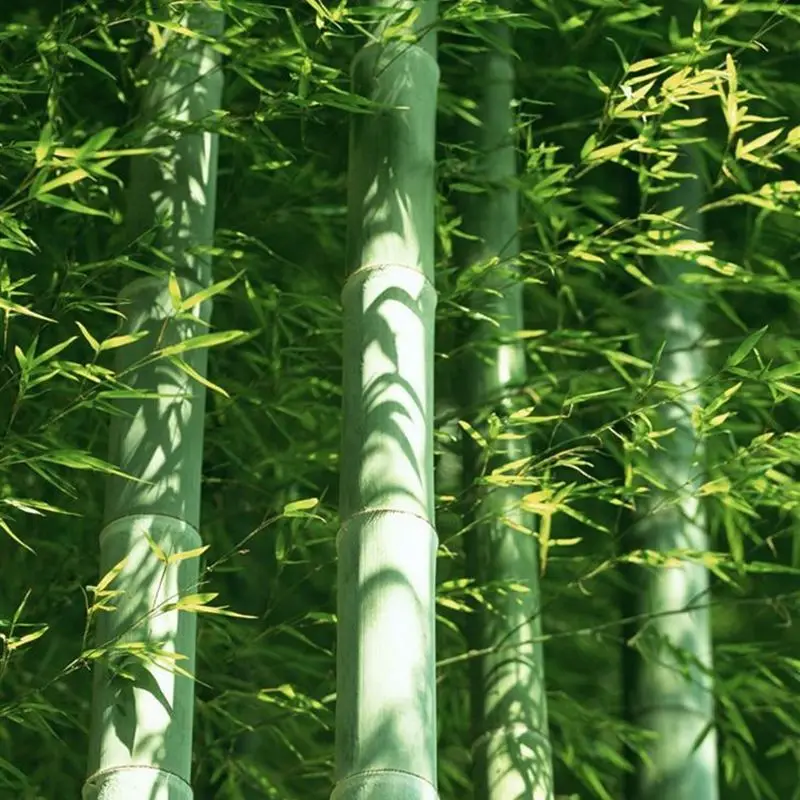
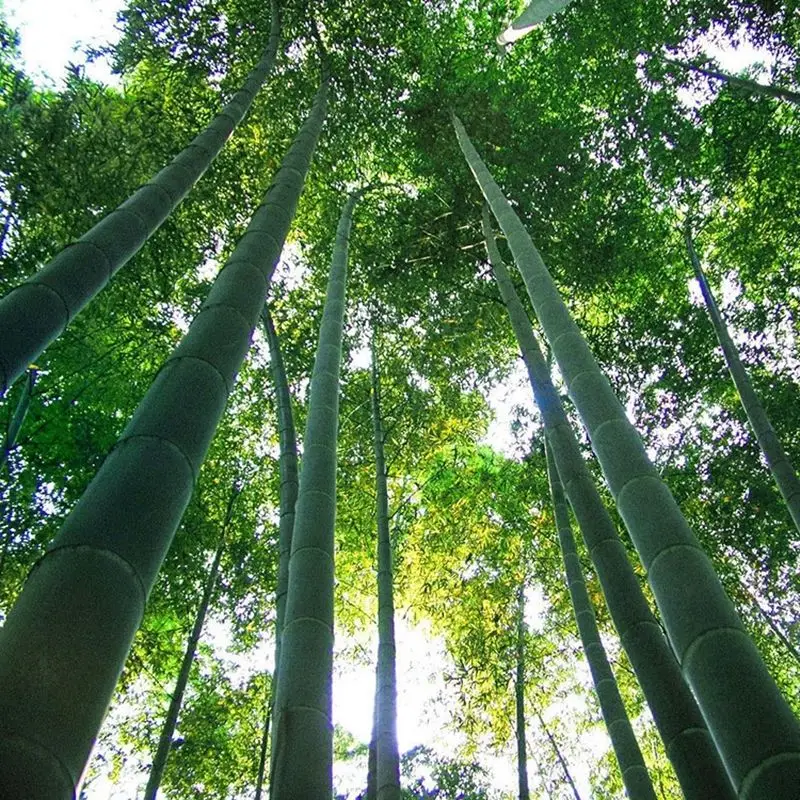
Beyond the kitchen, Moso delivers unparalleled visual drama. Phyllostachys edulis is noted for its incredible beauty and elegance, with huge, upright, very thick, gray-green canes surmounted by plumes of small, pale green leaves. Its smooth, light green culms and delicate, feathery foliage give it a graceful form despite its size. Moso bamboo will grow in favorable conditions to 25–60 feet tall, but less frequently to as much as 90 feet tall. If you seek the tortoise-shell cultivar, the bamboo takes on a rough, sculpture-like appearance reminiscent of a tortoise’s protective shell as the culms grow compressed, irregularly shaped nodes, and the ornamental value of mature plants is increased by the prominence of these nodes. Every specimen becomes a living sculpture, a focal point that commands attention.
Cultivation requires patience but rewards devotion. Young plants can be difficult to establish, new plantings only grow slowly at first and often fail completely if soil and water conditions are less than the best. However, once rooted, Moso’s transformation is astounding. Moso bamboo grows as much as 119 centimeters in twenty-four hours. It typically reaches full height in about 3 to 5 years. A grove can be formed after about 5 years, but it will take about 10 years to establish a grove with 10 to 12 cm culm diameter from a planted seedling. Provide fertile, humus-rich, moist but well-drained soil, in full sun or partial shade. They require regular watering during the growing season but can tolerate periods of drought; they are hardy to
Only logged in customers who have purchased this product may leave a review.

Reviews
There are no reviews yet.