
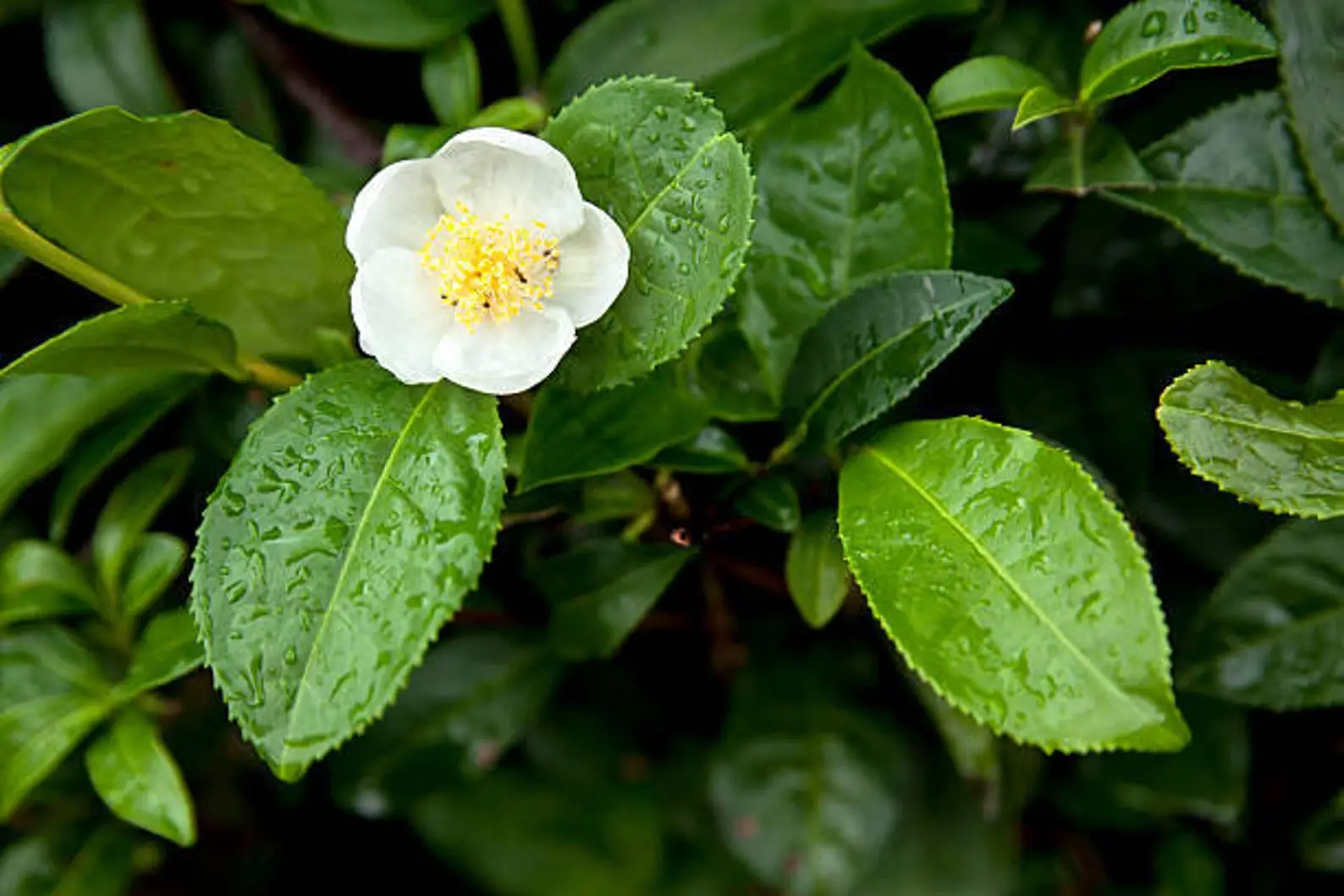
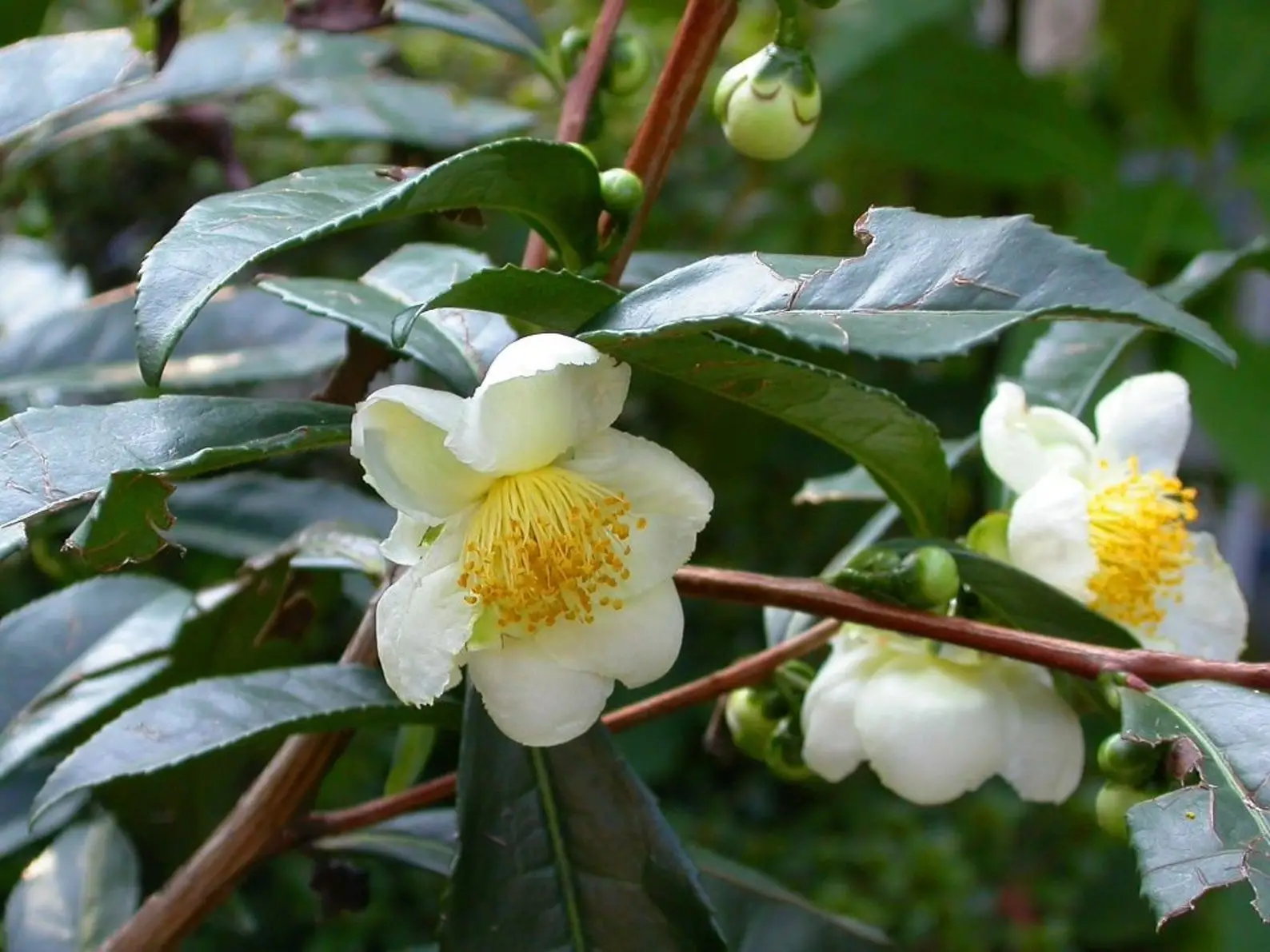
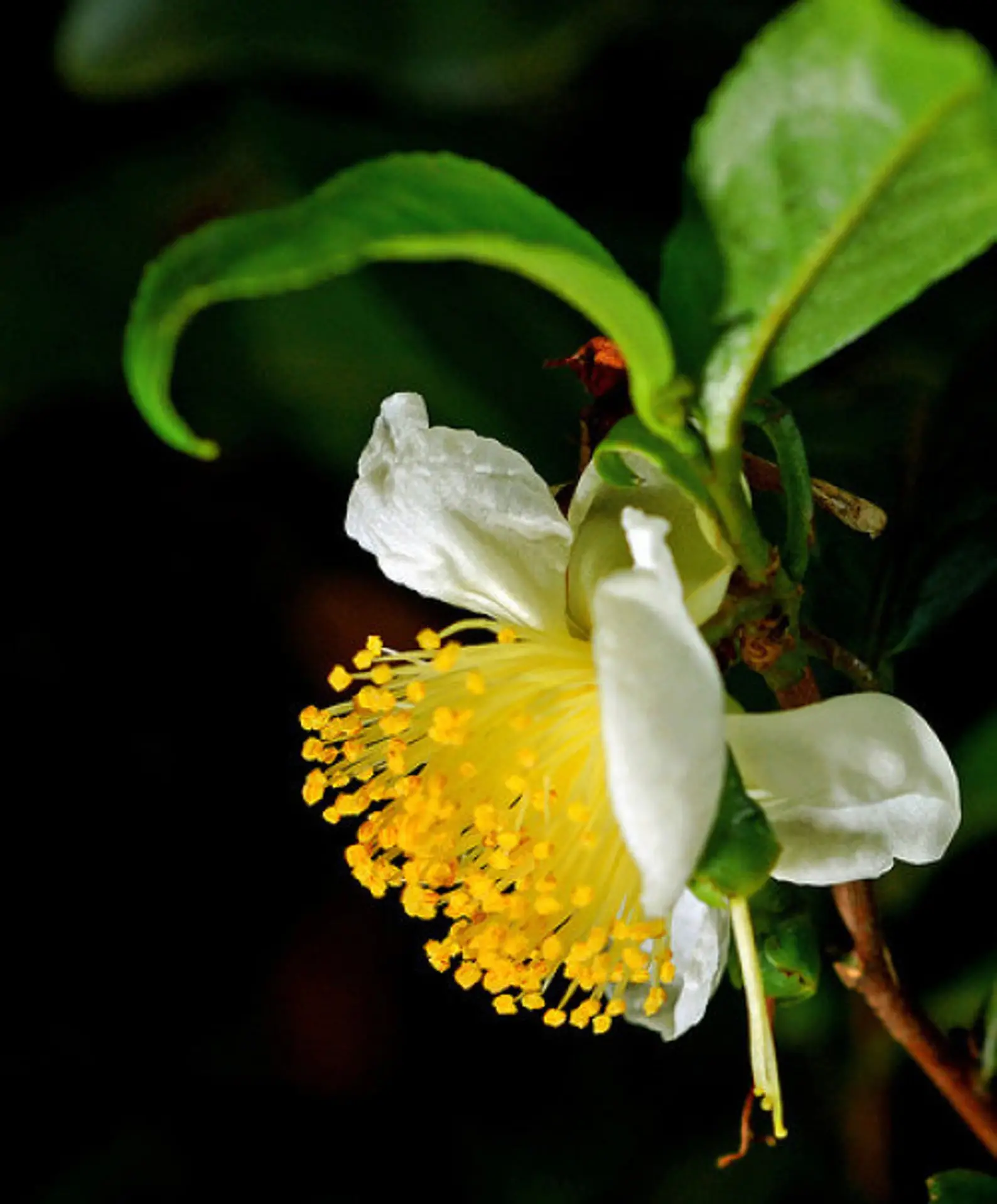
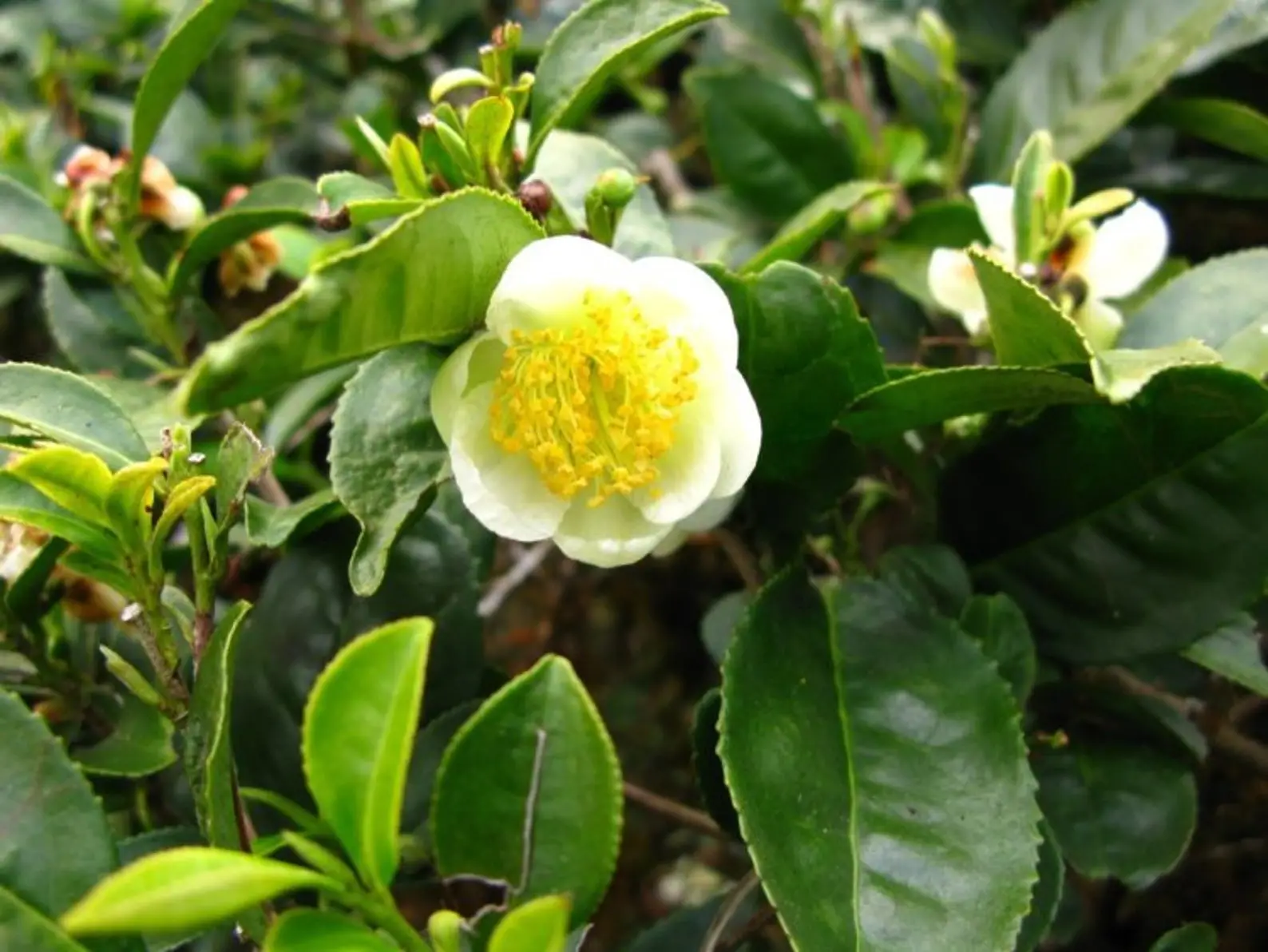
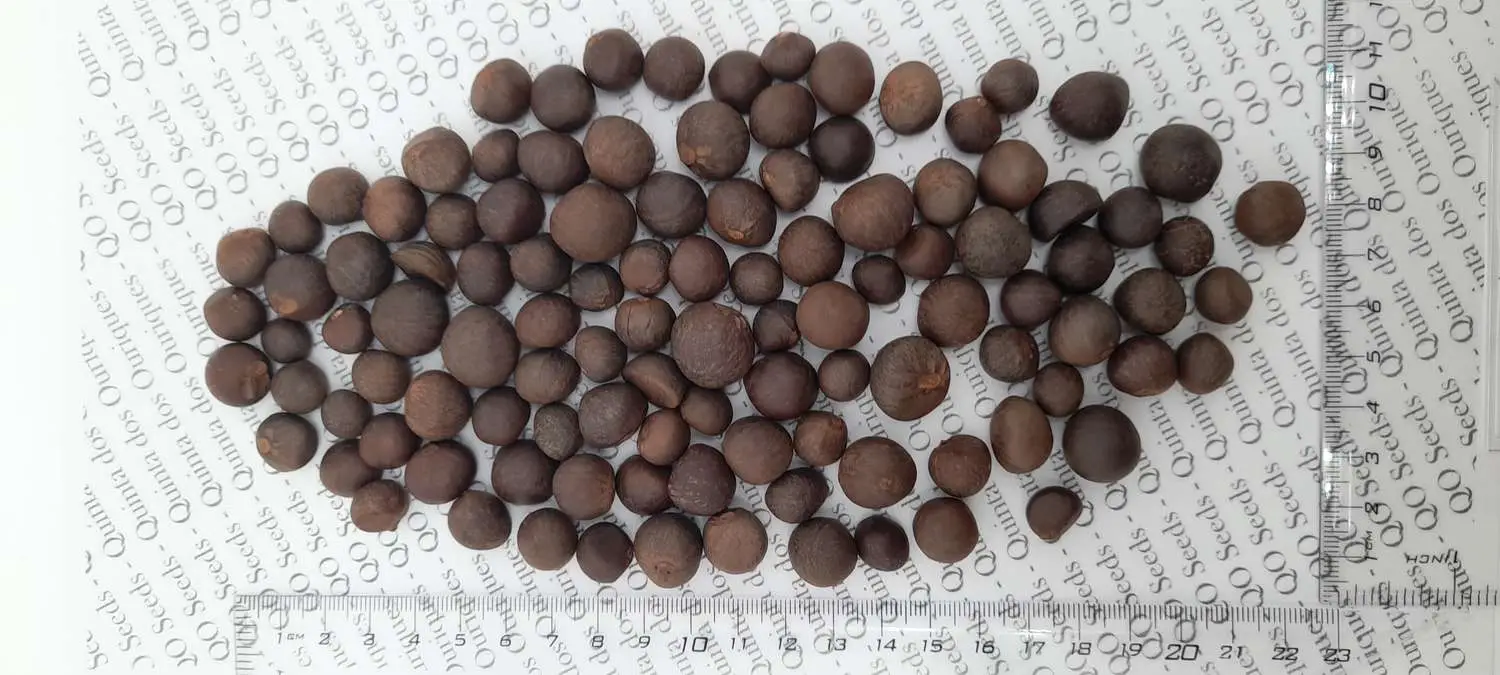
Own the source of world-famous Darjeeling—the tea empire calls it “Champagne of Teas” for its delicate muscatel flavor and haunting floral complexity. This hardy evergreen shrub produces the young leaves and buds that fetch hundreds of dollars per pound at auction. Glossy dark foliage + fragrant white flowers = stunning ornamental bonus. Medium cultivation; stratification pays dividends. Begin your leaf-to-cup journey from seed.
€2.39
Imagine holding a leaf that has sparked empires, shaped cultures, and commanded the devotion of tea connoisseurs across centuries.
Camellia sinensis ‘Darjeeling’ is not merely a plant—it’s a living bridge to the misty Himalayan slopes where colonial dreamers first planted Chinese genetics into Indian soil, creating something entirely unprecedented. In those high gardens where cool winds slow growth and coax out extraordinary complexity, a legend was born.
This is the exclusive source of Darjeeling tea, known globally as the “Champagne of Teas”—a designation earned through centuries of refinement. When you grow this cultivar, you’re cultivating the very leaves that connoisseurs describe with rapture: delicate muscatel notes weaving through floral undertones of jasmine and rose, hints of stone fruit and peach, a whisper of honey. Each flush (spring, summer, autumn) produces leaves with distinct character. The first flush—those tender shoots after winter dormancy—yields a light, ethereal infusion with a pale golden hue that captures the essence of spring itself. These first-flush leaves sell for eye-watering prices on the wholesale market, sometimes exceeding hundreds of dollars per pound. You’ll pluck the top two leaves and a bud, dry them with care, and taste the result of millenia of tea craft converging in a single cup brewed in your own home.
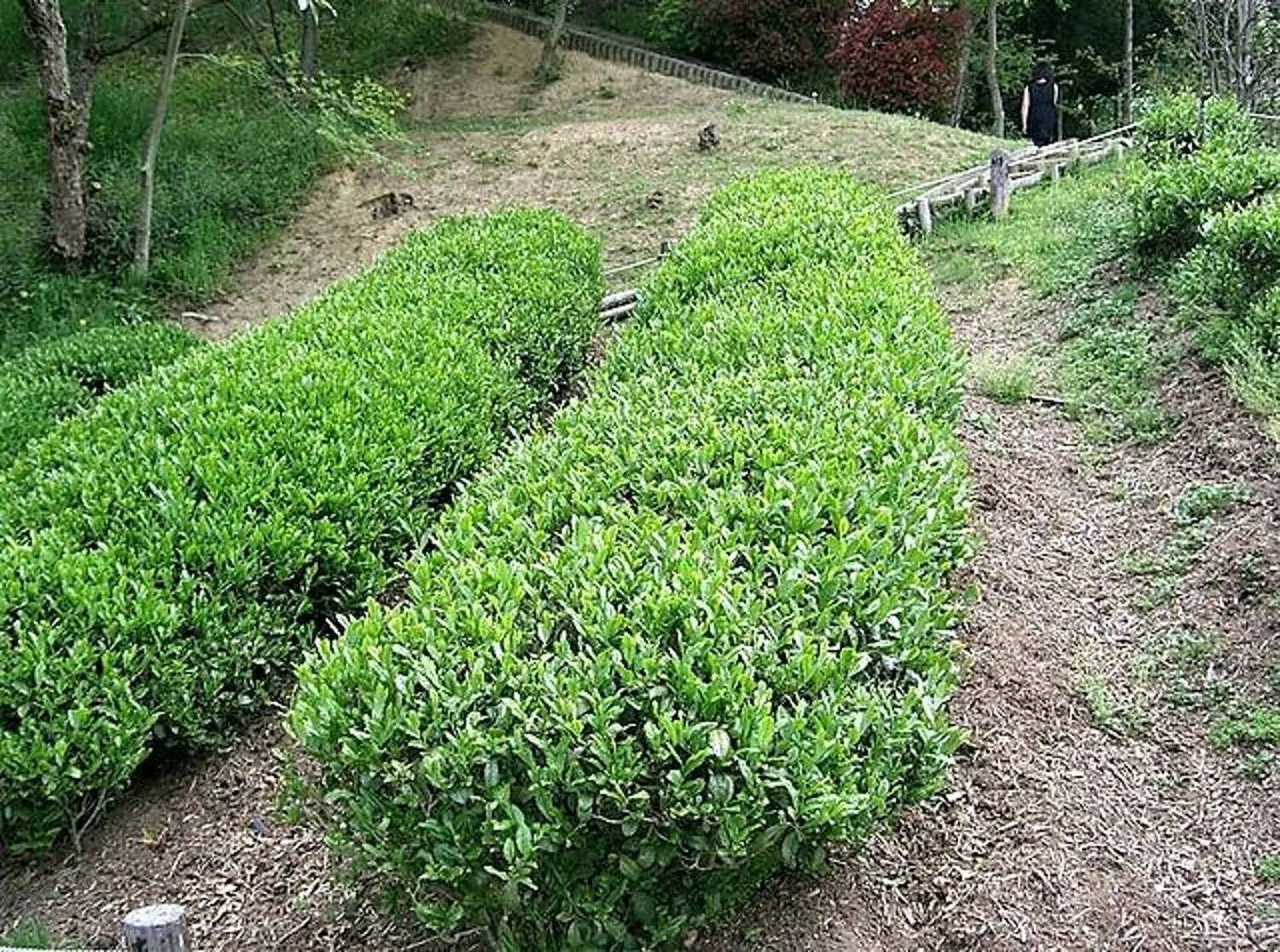
Beyond the ceremonial art of tea-making lies the plant’s remarkable versatility. The young leaves and buds deliver not just flavor but a treasury of bioactive compounds—polyphenols, catechins (particularly EGCG), and L-theanine—compounds linked to cardiovascular health, antioxidant protection, improved focus, and stress relief. A single cup becomes a small act of wellness. But there’s more: this evergreen shrub is genuinely beautiful. It bears delicate, pure white flowers with prominent golden stamens that bloom in the cooler months, drawing pollinators and offering unexpected ornamental grace to subtropical gardens. The glossy, dark green serrated leaves maintain year-round visual richness. Prune it into a dense, formal hedge or let it grow into a graceful shrub—it responds beautifully either way, and regular pruning only encourages denser leaf production for harvest.
Cultivation requires patience and intention, but it rewards the dedicated grower. This cultivar thrives in humid subtropical to mild temperate climates (USDA Zones 8–11) with partial shade, well-drained acidic soil, and consistent moisture—conditions that echo its Himalayan heritage. Sow seeds in late winter to spring when temperatures hover between 18–25°C. Germination is slow and variable (30–60 days), and seed viability is modest, but cold stratification dramatically improves your odds. Soak seeds for 24–48 hours, then stratify in moist peat or sand at 4°C for 60–120 days. Keep them moist but never waterlogged. Once seedlings emerge, grow them under bright, indirect light. The plant is not demanding—it simply asks for the conditions it knows: cool, humid, slightly shaded, with soil that drains well yet stays consistently moist. Within 2–3 years, your young plant will be ready for its first small harvest. By year 4–5, you’ll be plucking leaves with real purpose.
This is gardening as pilgrimage. You’re not just growing a shrub; you’re stewarding a living fragment of tea history, a cultivar born from the collision of Chinese finesse and Indian terroir, refined across 180+ years into something singular and precious. Every leaf you harvest connects you to Himalayan mists, to the hands of tea pickers in Darjeeling’s estates, to the quiet ritual of steeping and sipping. Grow Camellia sinensis ‘Darjeeling’ from seed and become part of that story. Your garden will never taste the same again.
Only logged in customers who have purchased this product may leave a review.

Reviews
There are no reviews yet.