
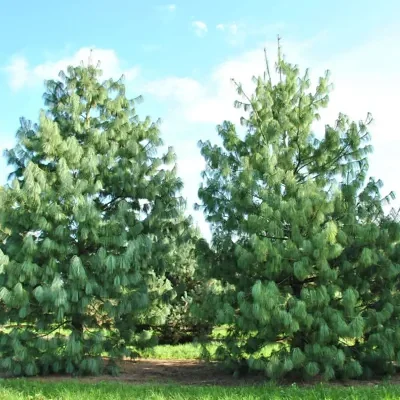
Grow your own Himalayan legend. Abies pindrow is a majestic slow-growing conifer with glossy dark-green needles and an exquisitely narrow conical form that transforms gardens into alpine escapes. An outstanding ornamental that commands respect for its mountain heritage. Hardy to Zone 8, adaptable to varied soils. Start this rare beauty from seed—patience rewards the discerning grower.
€1.92
There are trees that simply stop you in your tracks, and the West Himalayan Fir is one of them.
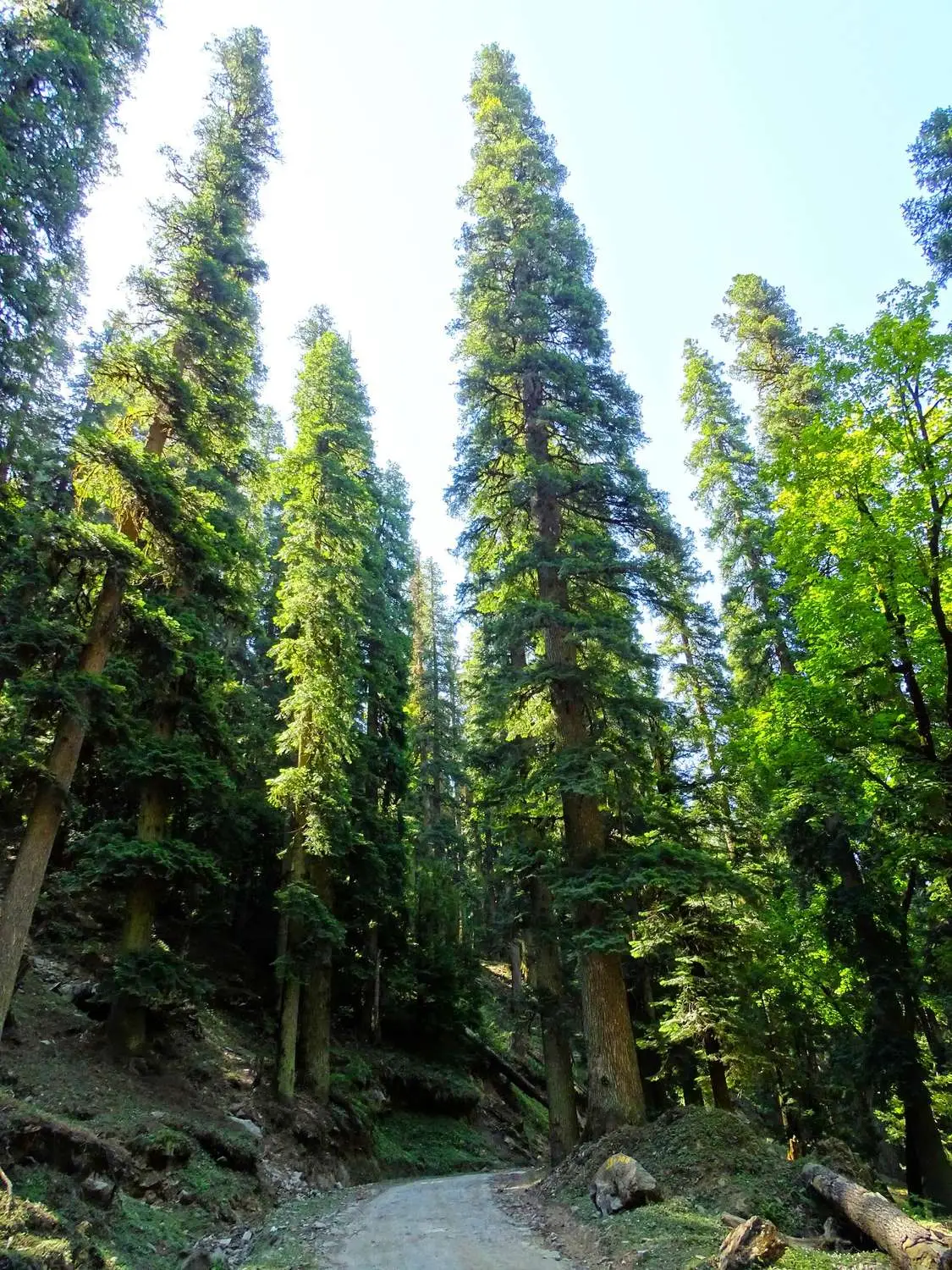
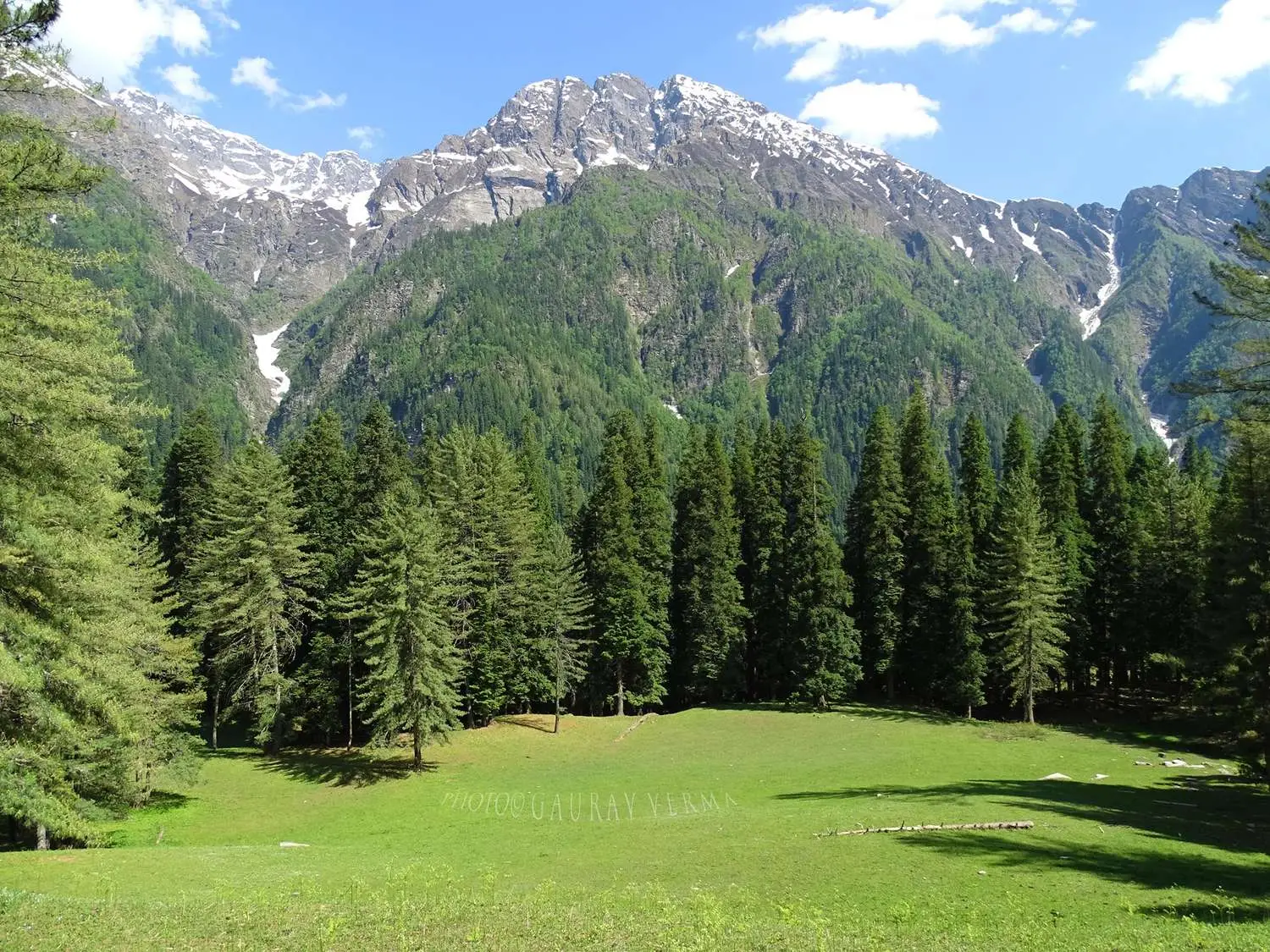
Abies pindrow is a fir native to the western Himalaya and adjacent mountains, from northeast Afghanistan east through northern Pakistan and India to central Nepal. This is not a tree plucked from your neighbor’s yard—it carries the lineage of ancient Himalayan forests, where it grows at altitudes of 2,400–3,700 metres typically occupying cooler, moister north-facing slopes.
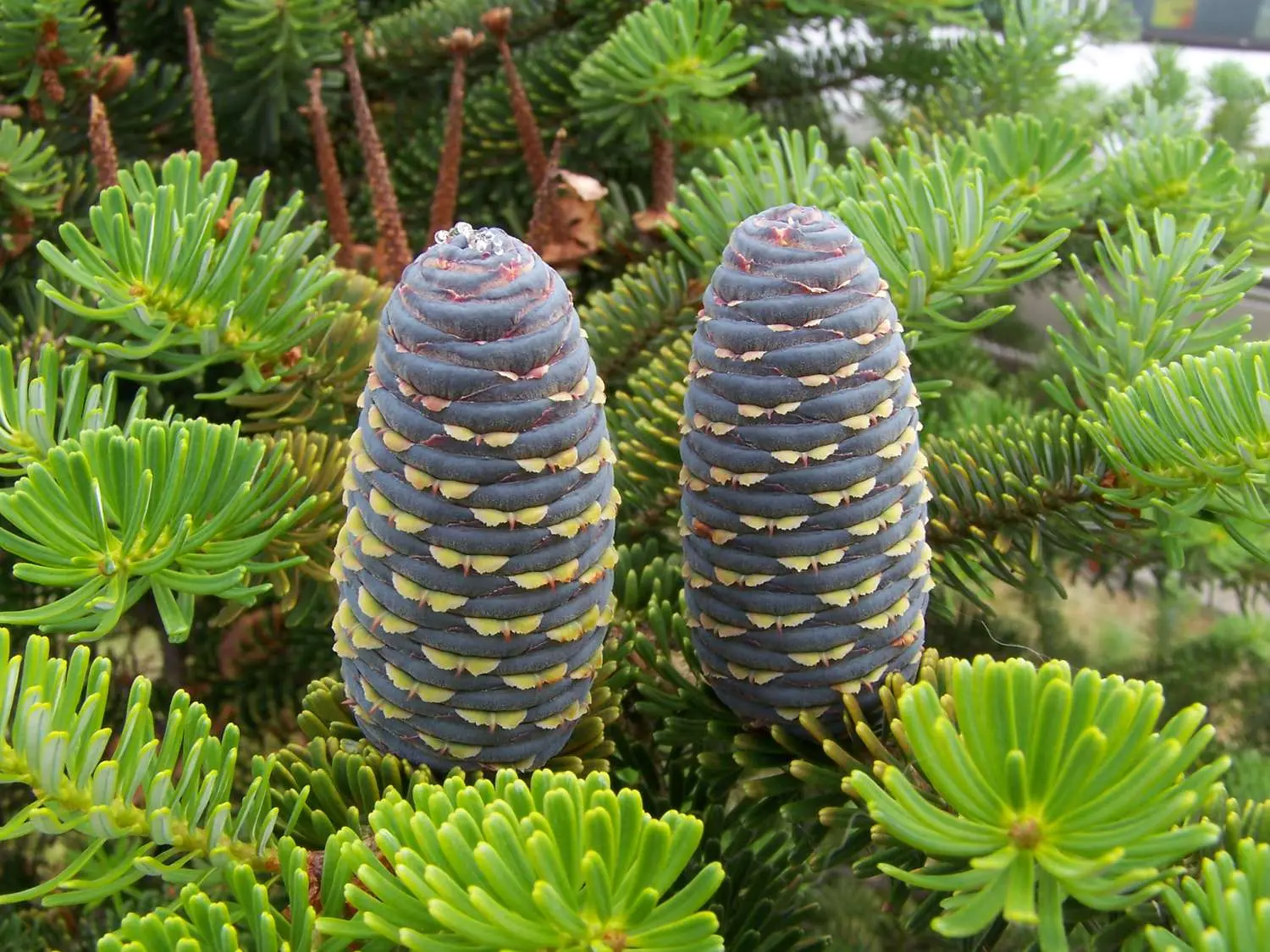
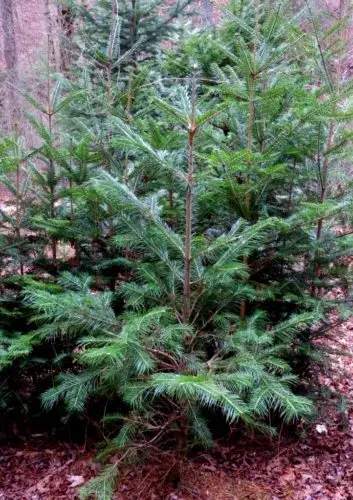
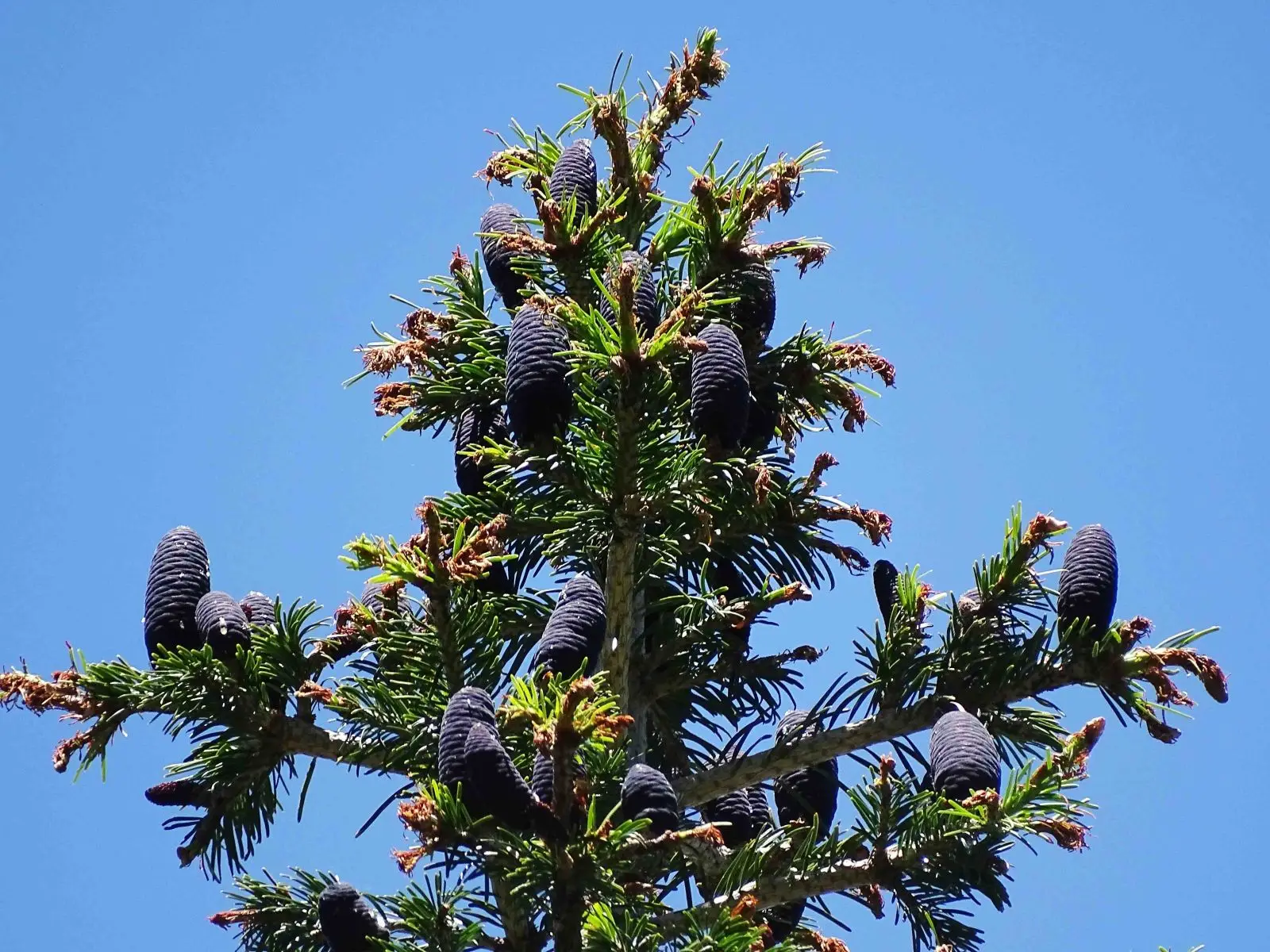
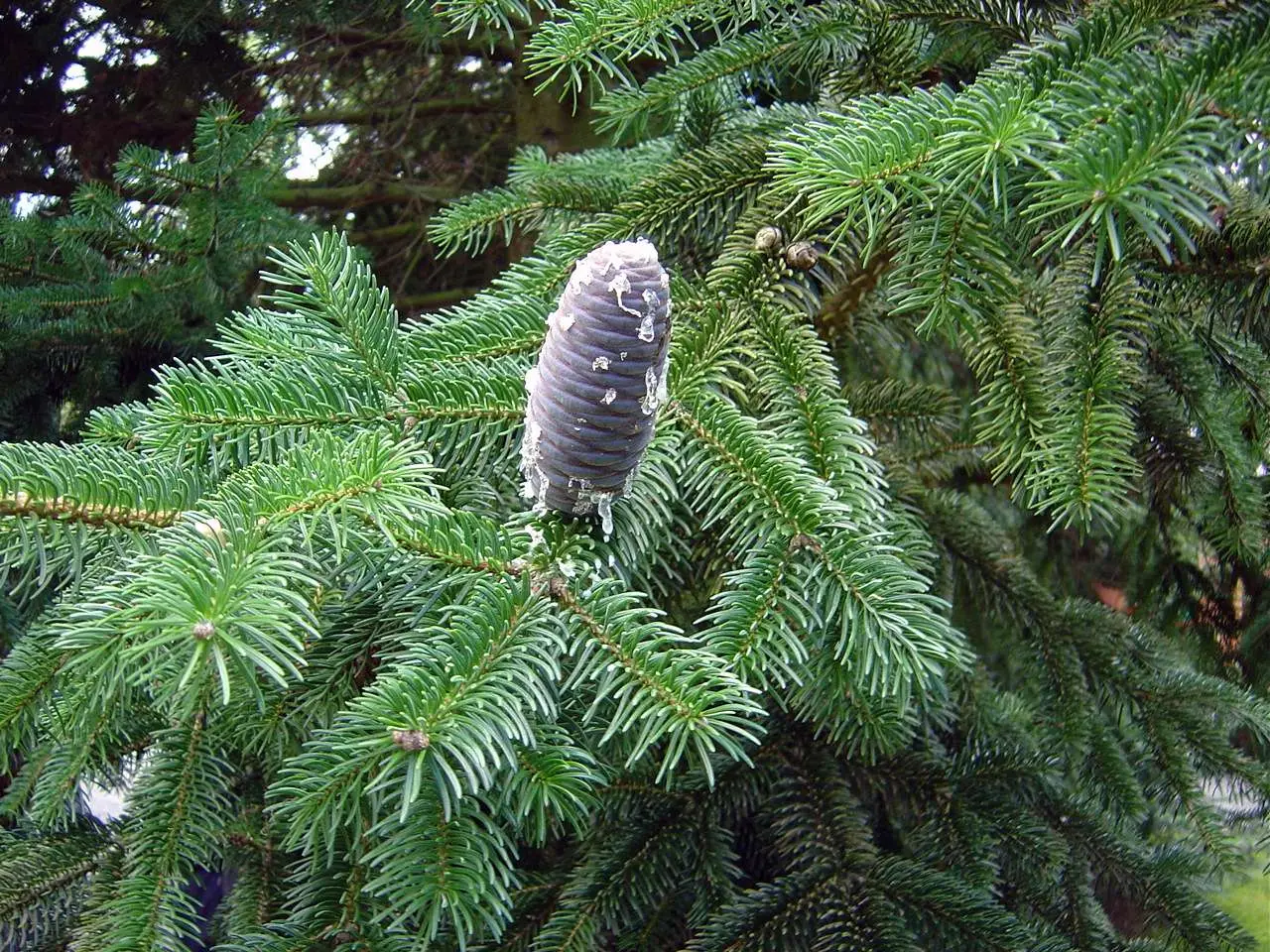
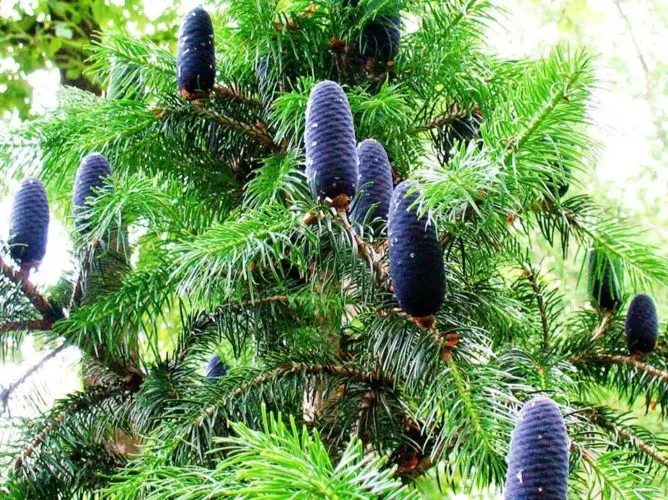
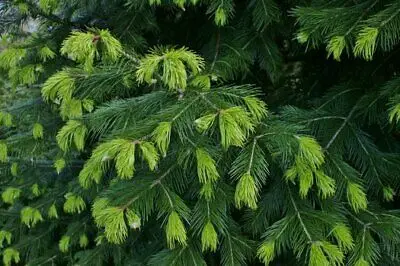
The visual presence of Abies pindrow is its crowning glory. It is a large evergreen tree growing to 40–60 metres tall with a conical crown with level branches. The needles are narrow, linear, 3-6 cm long and 1.5-2 mm wide, bright green above and gray-green below, creating an almost luminous quality when light catches them. The cones are cylindrical, erect, 12-17 cm long and dark purple, ripening brown—architectural perfection from root to crown. The shoots are greyish-pink to buff-brown, smooth and glabrous, adding subtle warmth to winter gardens. When mature, the bark becomes longitudinally fissured and breaks into irregular plates in older trees, deepening its character with age.
As an ornamental and conservation champion, Abies pindrow stands apart. In cultivation it is an outstanding ornamental and suitable to temperate climates from USDA plant hardiness Zones 8 to 9, making it achievable for serious gardeners in milder regions. But here is where passion meets purpose: A. pindrow forests exhibit significant levels of species richness, providing a habitat for a large number of associated plant species. By cultivating this tree from seed, you’re not merely planting a specimen—you’re participating in the restoration of ecosystems. The World Wildlife Fund supports habitat restoration in the Hindu Kush-Himalaya region to combat deforestation and enhance forest cover in vulnerable temperate zones. Growing Abies pindrow in your region extends this mission into private spaces, creating a microrefugium of alpine dignity.
Growing Abies pindrow rewards patience and respect. It grows at a slow rate—a blessing, not a curse, for those seeking longevity and structure. It is suitable for light (sandy), medium (loamy) and heavy (clay) soils and prefers mildly acid and neutral soils. It can grow in full shade, semi-shade, or no shade, and prefers moist soil. This flexibility makes it far easier to place than its alpine heritage might suggest. Seeds benefit from cold stratification for about a month after sowing, mimicking the winter dormancy of its native mountains. Seeds ripen from October to November, and when sown properly, germination is forthcoming—a small miracle of mountain botany in your own garden.
Grow Abies pindrow and you join the lineage of gardeners who understand that true luxury is watching a rare tree unfold its destiny over decades. This is not a transaction; it is a covenant with living history. Your seed today becomes tomorrow’s sheltering giant.
Only logged in customers who have purchased this product may leave a review.


Reviews
There are no reviews yet.