
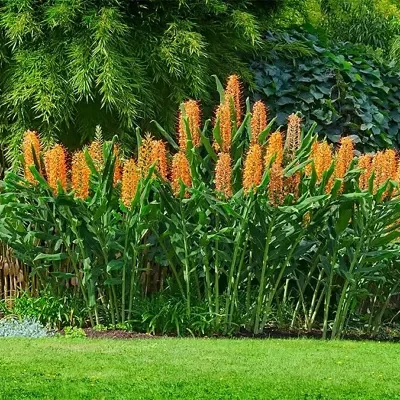
Grow a living nectar tower that feeds hungry birds and pollinators like nothing else. This Australian rainforest gem produces massive red flower spikes—pure octopus tentacles dripping with sweet nectar—when given sun and warmth. Each inflorescence becomes a wildlife magnet. Easy to grow indoors or outdoors in warm zones; impressively low-maintenance. Raise from seed and watch your space transform into a sanctuary. The medicinal bonus: Aboriginal cultures h
Imagine walking into your home or garden and finding it transformed into a thriving nectar paradise—wild birds arriving in noisy flocks, the air alive with the sound of nature’s most delicious feast. That’s what Schefflera actinophylla gives you: a genuine magnet for pollinators, honeyeaters, and hummingbirds that rivals any native wildflower. This is the plant that wildlife dreams about.
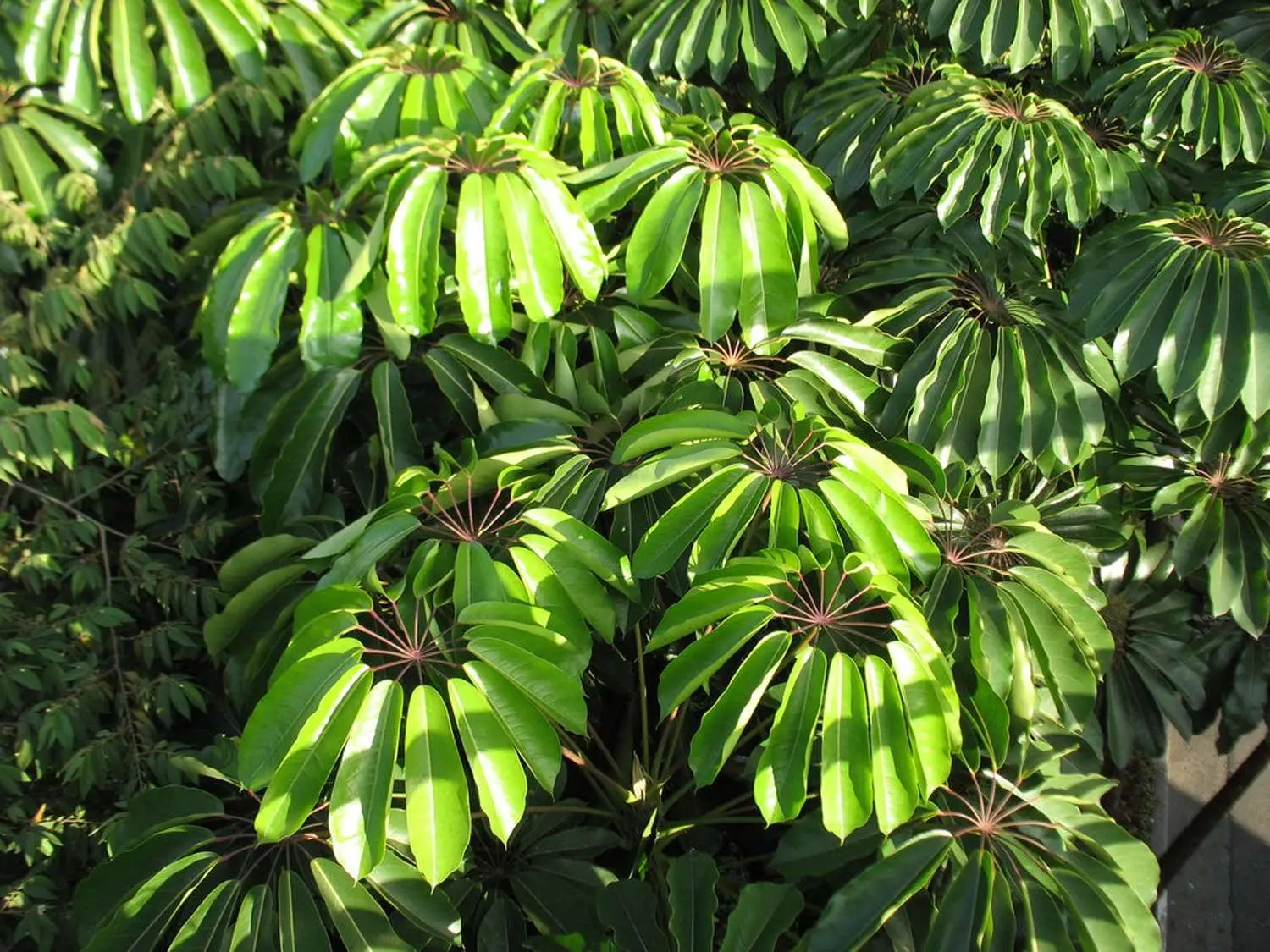
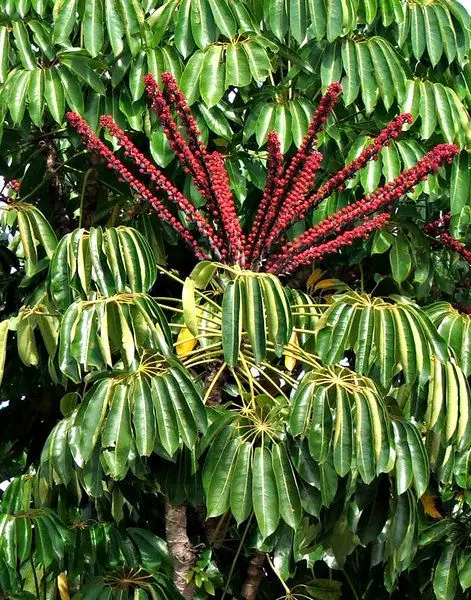
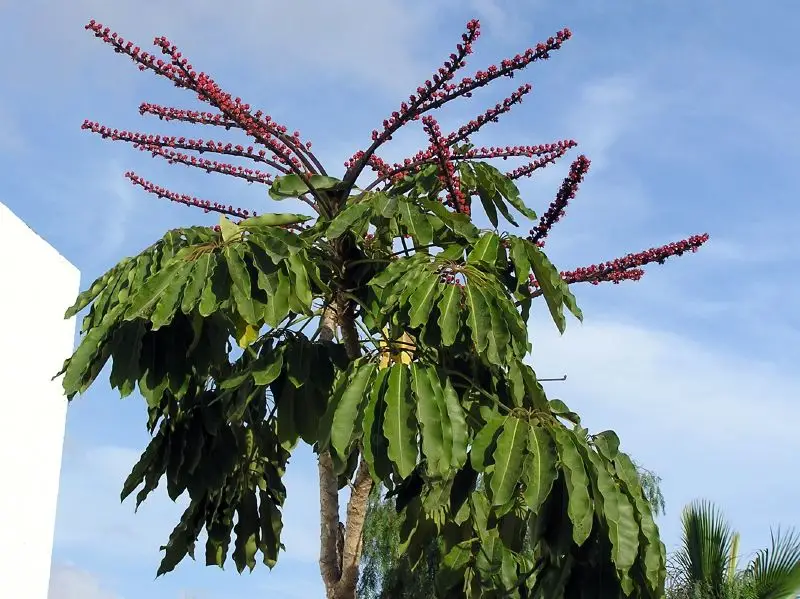
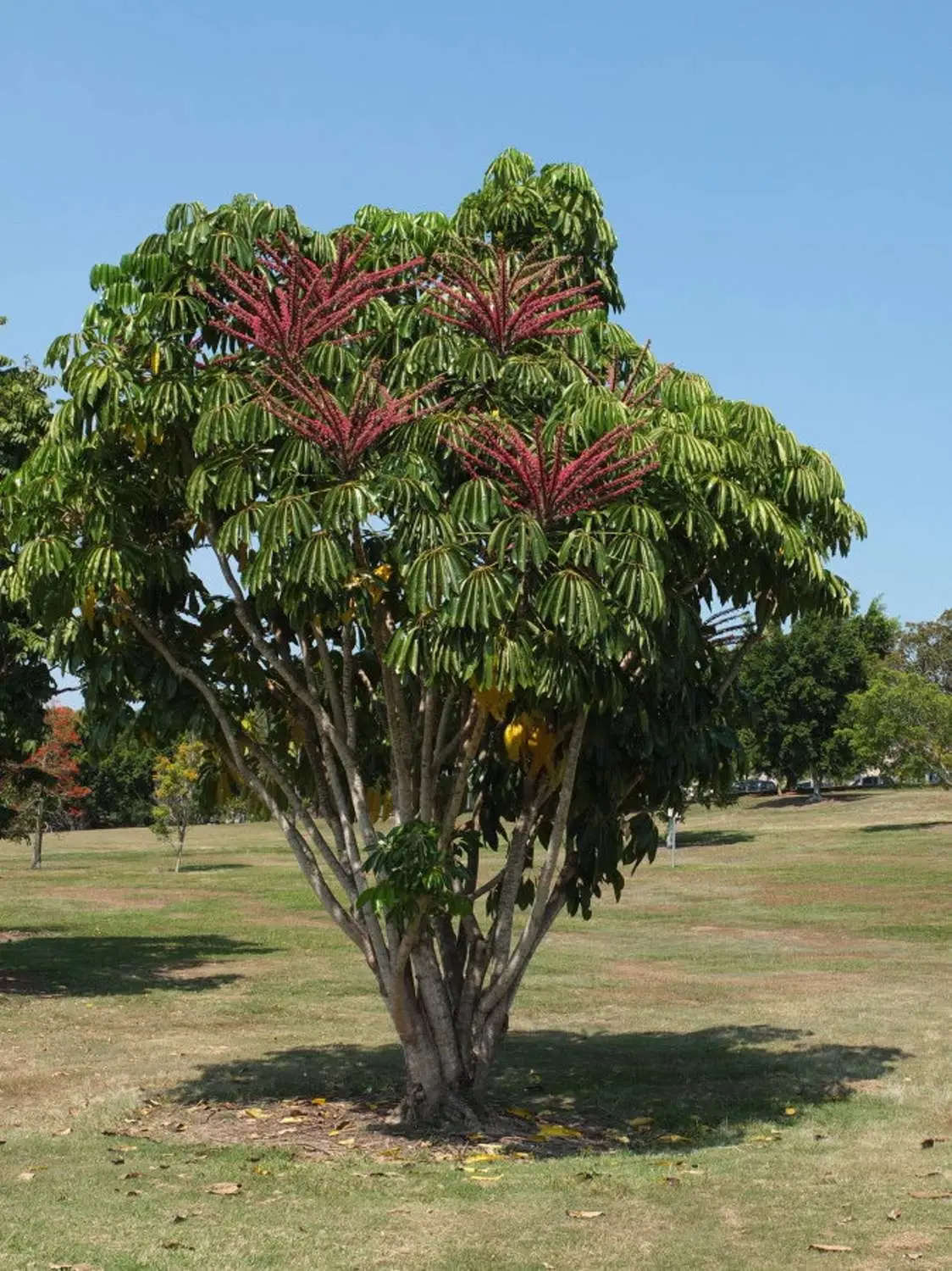
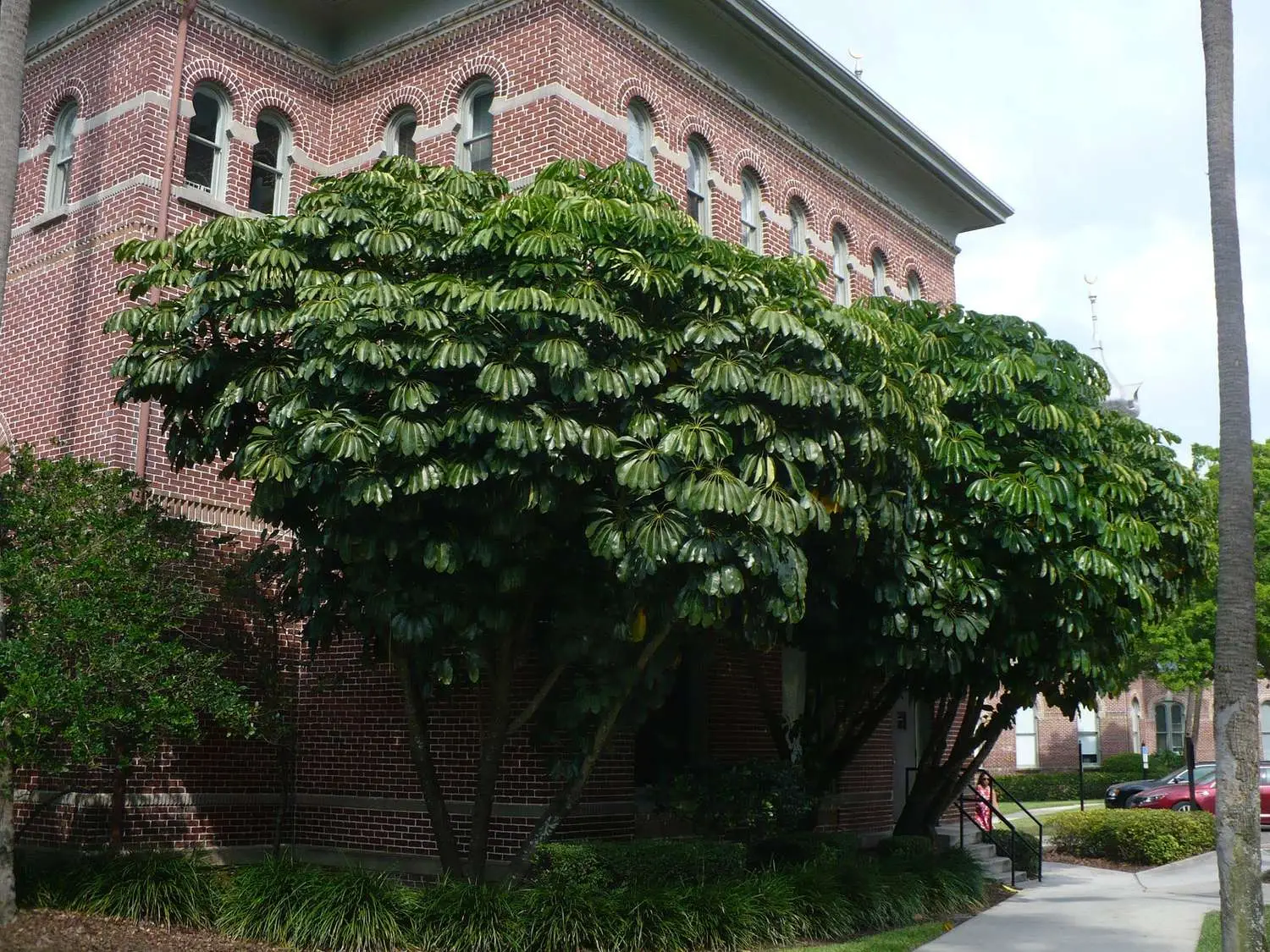
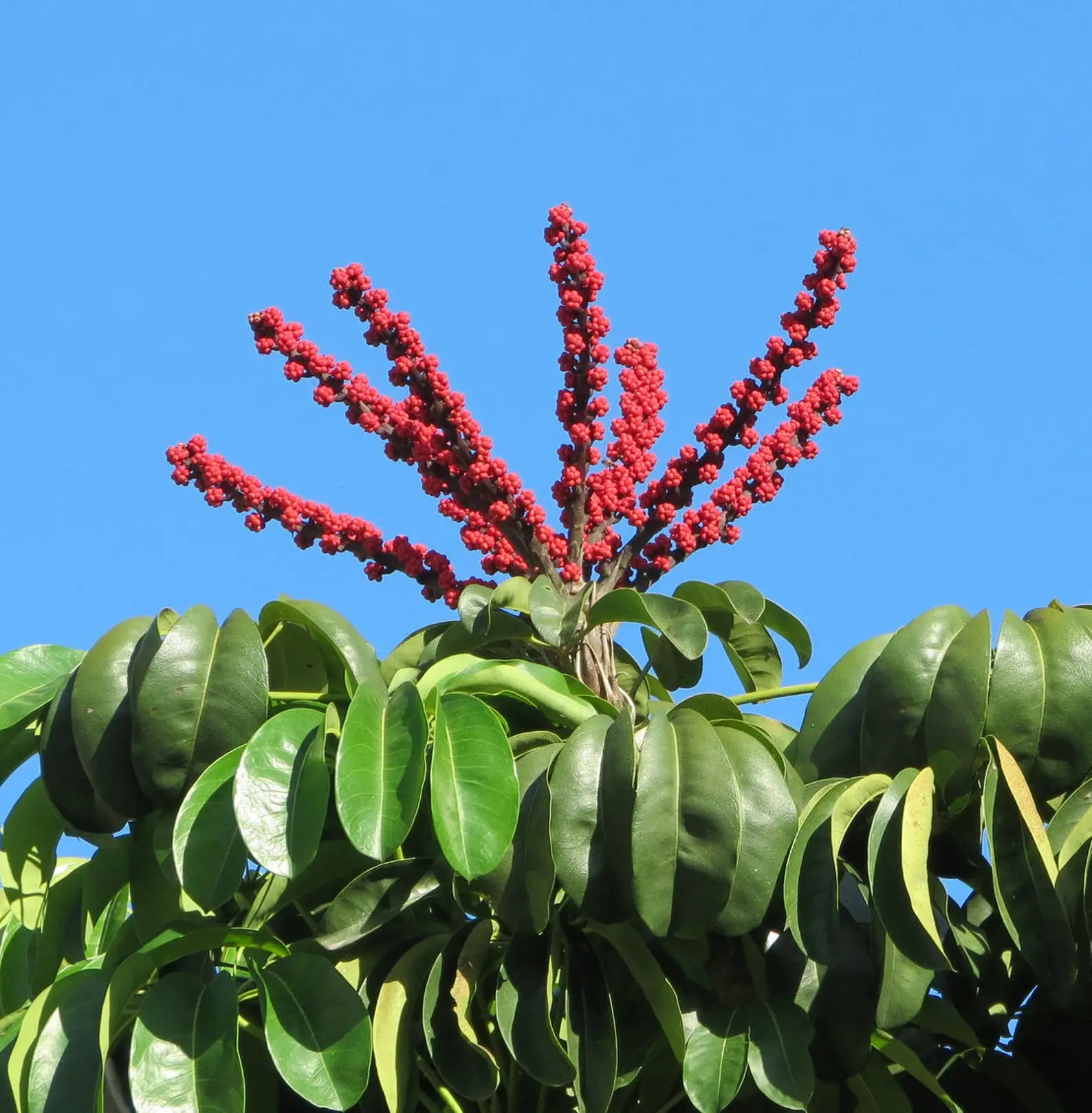
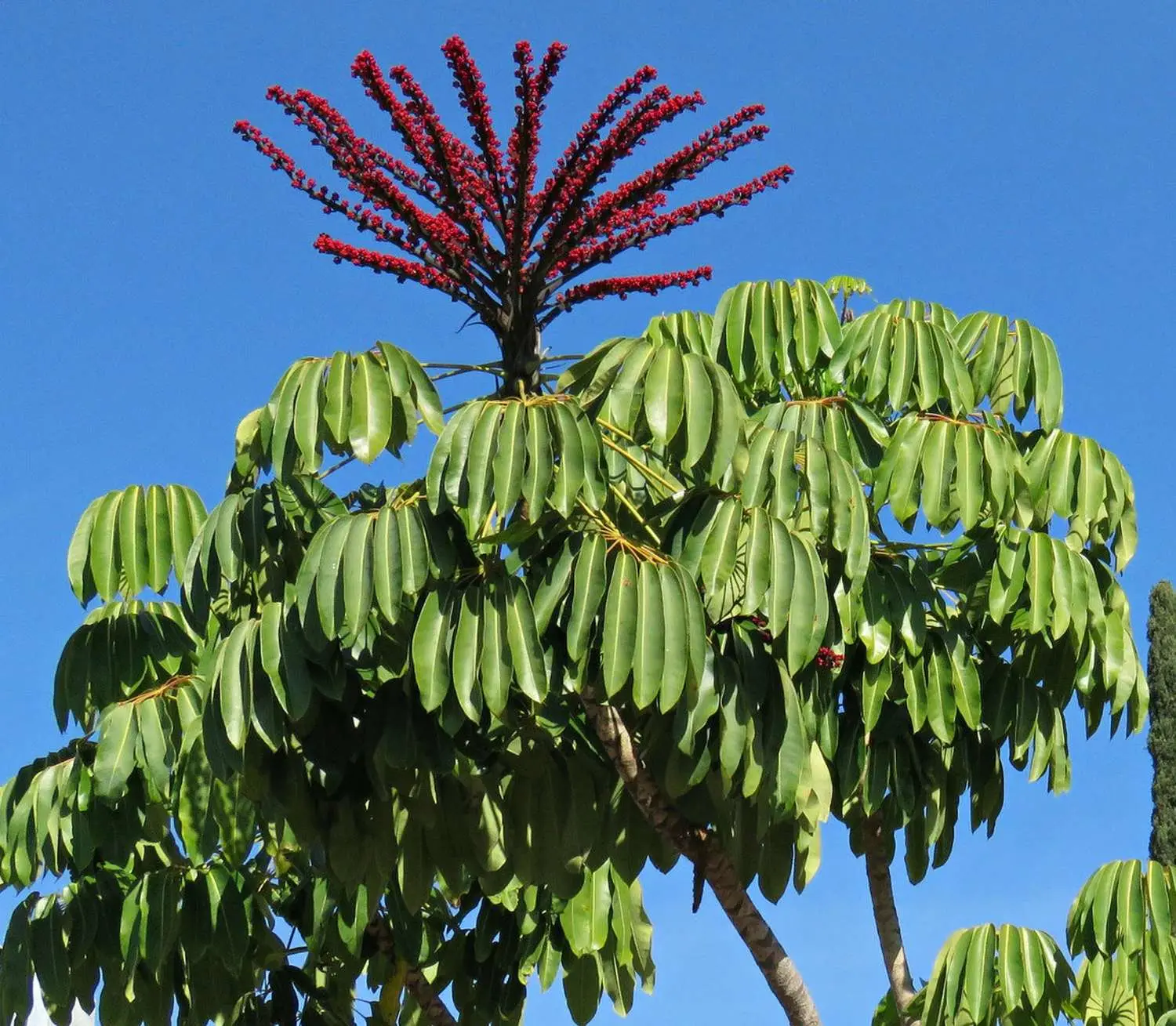
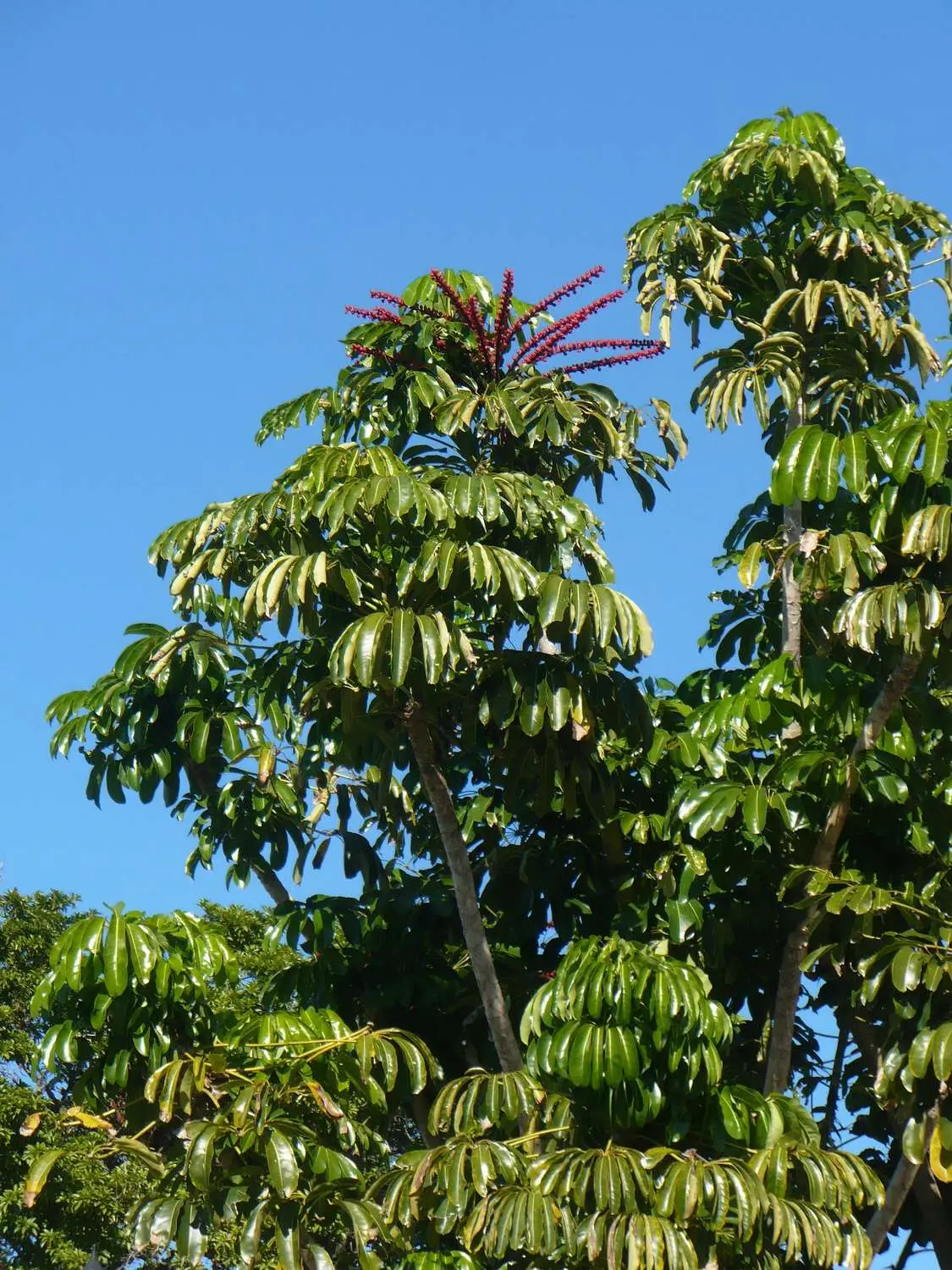
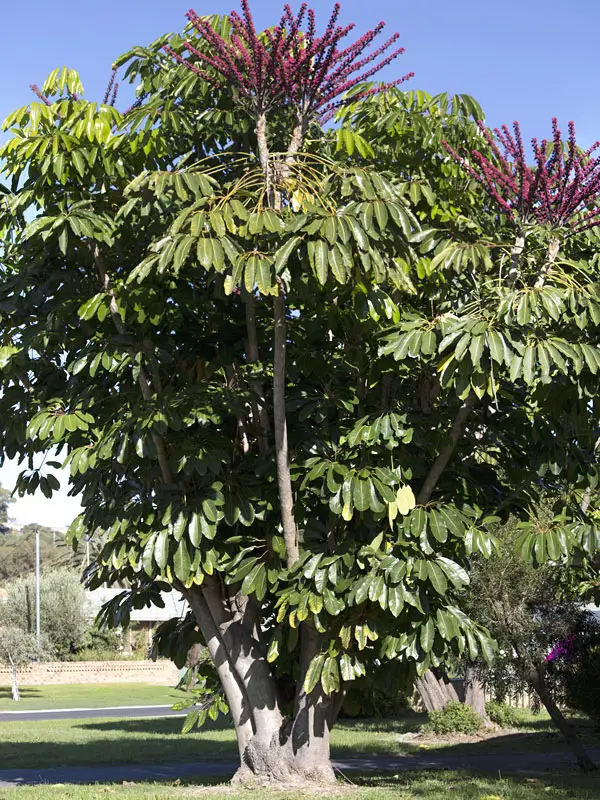
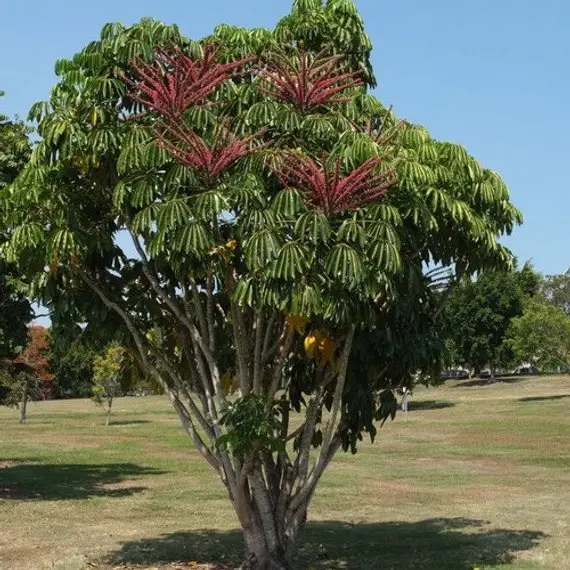
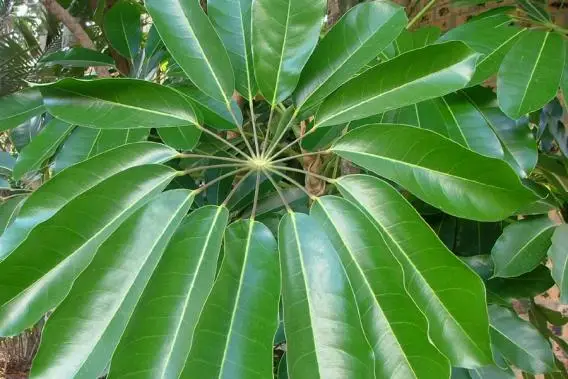
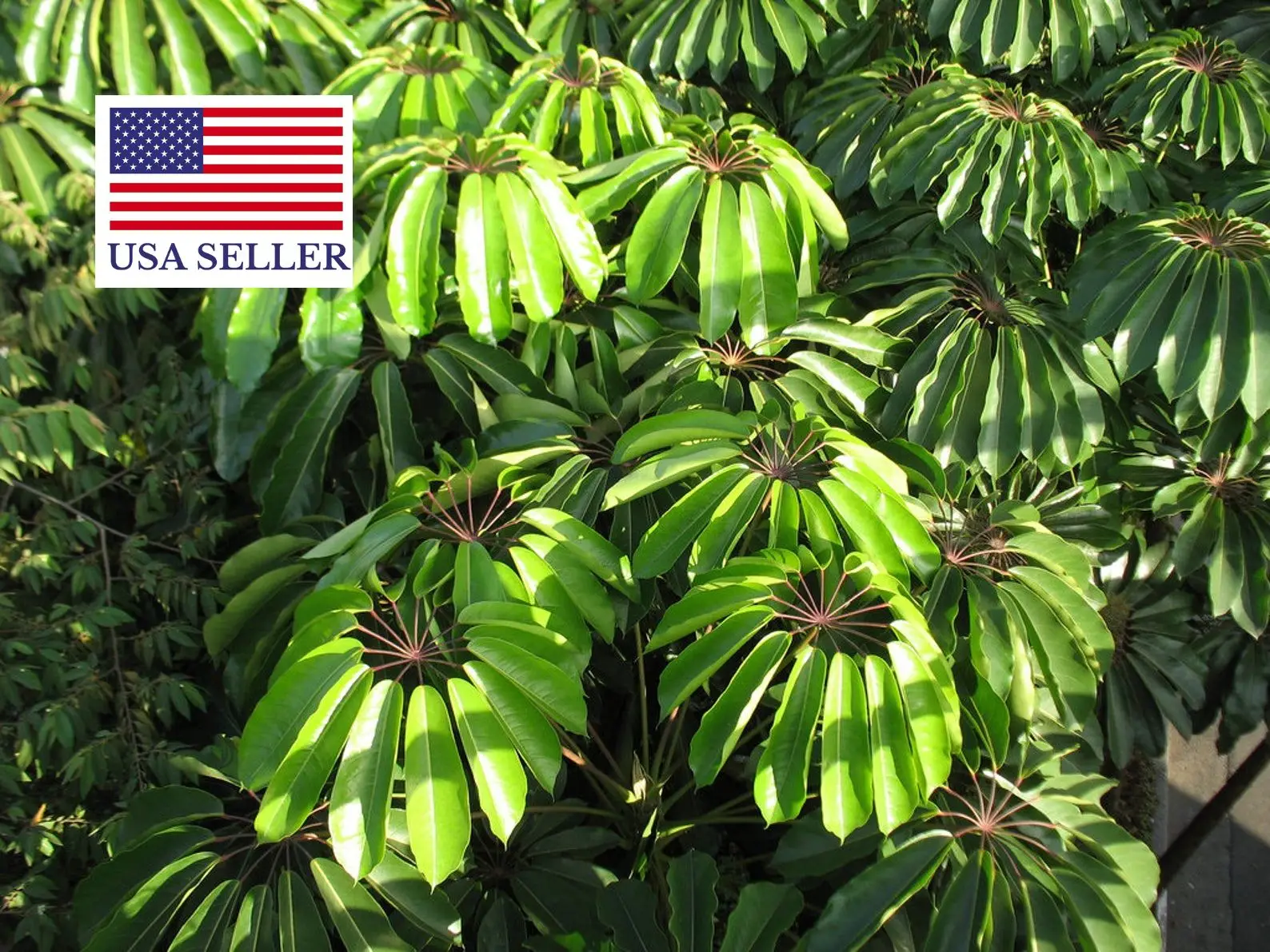
Native to the tropical rainforests of Australia and New Guinea, Schefflera actinophylla earned its names honestly. The common “Umbrella Tree” comes from its compound leaves—typically 7 to 16 glossy, leathery leaflets that fan out from a central point like the ribs of an open parasol. In full sun, it becomes the “Octopus Tree,” producing extraordinary deep-red flower spikes that rise above the foliage like tentacles reaching for the sky. The genus itself was named in honor of 18th-century German botanist Johann Peter Ernst von Scheffler, cementing its botanical pedigree.
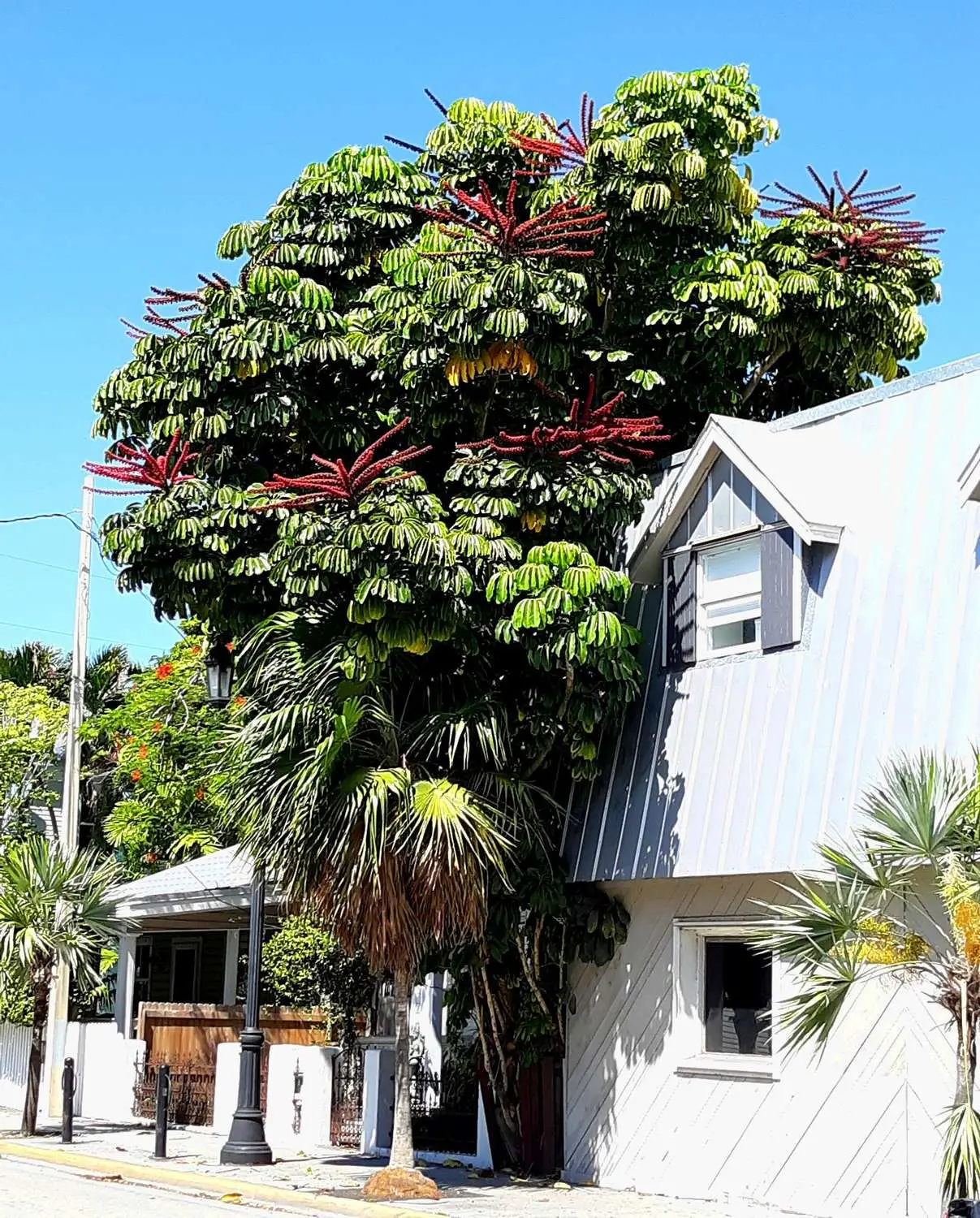
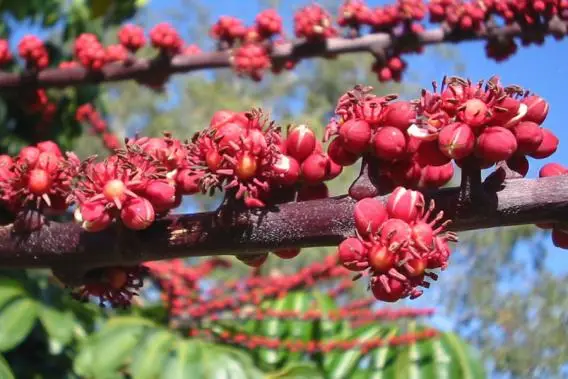
Here’s where it becomes truly extraordinary: those red octopus tentacles aren’t decorative—they’re nature’s most generous nectar bar. In its native Australian rainforests, Schefflera actinophylla produces such massive amounts of nectar that it serves as a primary food source for honeyeaters, lorikeets, and even tree-kangaroos. A single mature tree can develop 20 or more of these enormous inflorescences, each one radiating like spokes of a wheel and packed with concentrated sweetness. If you’ve ever dreamed of creating a pollinator paradise from seed, this is your answer. Bees will worship you. Birds will flock to your garden. And yes—honeybees produce genuine honey from this nectar. Beyond the pollinator magic, the Umbrella Tree carries traditional medicinal significance: Aboriginal cultures have called it “Dulmbil” and used it for centuries to ease pain and discomfort. Modern science has validated these uses, identifying potent anti-inflammatory and analgesic compounds in the plant’s tissues. The leaves also quietly purify your indoor air, absorbing toxins while releasing oxygen—a silent guardian alongside its showier qualities.
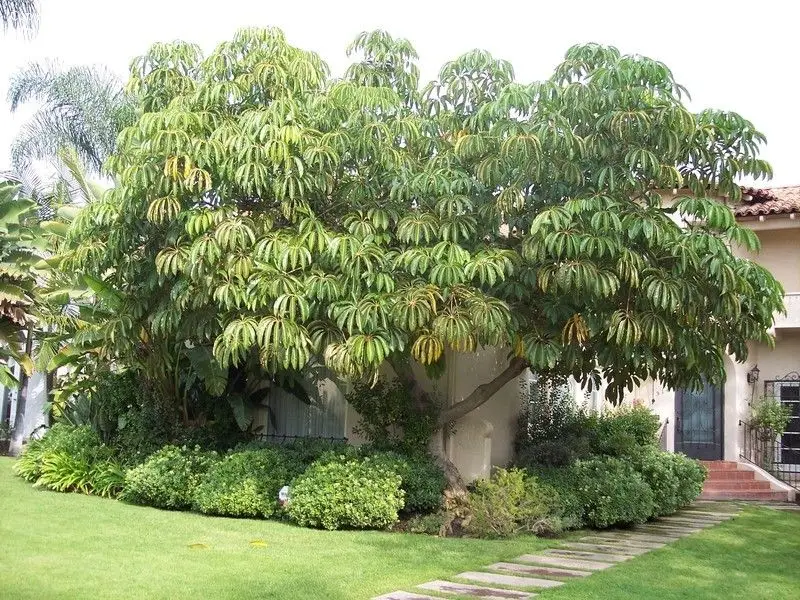
Cultivation is refreshingly straightforward, which means you can focus on watching nature arrive at your door rather than fussing over finicky care. Schefflera thrives in bright, indirect light (full sun if you want flowers), preferring rich, well-drained soil and moderate watering—only when the top inch of soil feels dry. It tolerates the temperature range of 60–75°F (15–24°C) with ease, making it suitable for temperate interiors and tropical gardens alike. Indoors, expect graceful growth to 8–15 feet; outdoors in USDA zones 10–11, it becomes a genuine small tree reaching 30–40 feet. Even young specimens in modest pots develop personality—the architectural bare trunks and umbrella-crowned foliage create that exotic rainforest drama from day one. Growth is vigorous and rapid; pruning is optional but simple if you want to shape it into a multi-tiered statement piece. Heavy ceramic or sturdy containers work best for stability as your tree matures.
Now: imagine opening a packet of Schefflera seeds in spring, sowing them in light compost at around 68°F (20°C), and watching them germinate into tiny embryonic treasures. Within months, you’ll have seedlings radiating that unmistakable palm-like energy. Plant one in a generous pot and step back as it transforms from tabletop specimen to architectural centerpiece. In a few years—sooner if you’re in a warm climate—the first flower spikes will emerge, and the real magic begins: honeyeaters appearing, nectar flowing, life converging on your creation. This is the plant that turns a home into a living ecosystem, a garden into a sanctuary, and a seed packet into a story you’ll tell for decades. Grow it from seed and become the person who fed the birds, attracted the bees, and created something genuinely extraordinary.
Only logged in customers who have purchased this product may leave a review.

Reviews
There are no reviews yet.