
Grow the world’s most coveted fragrance—from seed. Cananga odorata blooms nearly year-round with intensely fragrant flowers that yield the legendary ylang-ylang essential oil prized in luxury perfumery, aromatherapy, and skincare. Fast-growing tropical beauty with glossy foliage and drooping, star-shaped blooms. Medium cultivation difficulty; rewards patience with flowers beginning in 2–3 years and continuous bloom thereafter.
€1.92
Imagine a tree so fragrant that its flowers have scented palaces, inspired classical perfumes, and launched a thousand rituals of romance across Southeast Asia—and now it can grow in your home, from seed.
Cananga odorata is native to the tropical rainforests of the Philippines, Indonesia, and Malaysia, where local peoples have treasured it for centuries. The name itself—”ylang-ylang,” meaning “flower of flowers”—speaks to its status as perhaps the most celebrated flowering tree in the fragrance world. In the 19th century, when French explorers introduced it to Europe, perfumers were immediately captivated. Today, its essential oil remains one of the most luxurious and widely used fragrance ingredients in the world, famously featuring in the legendary Chanel No. 5—a scent that defined elegance for generations.
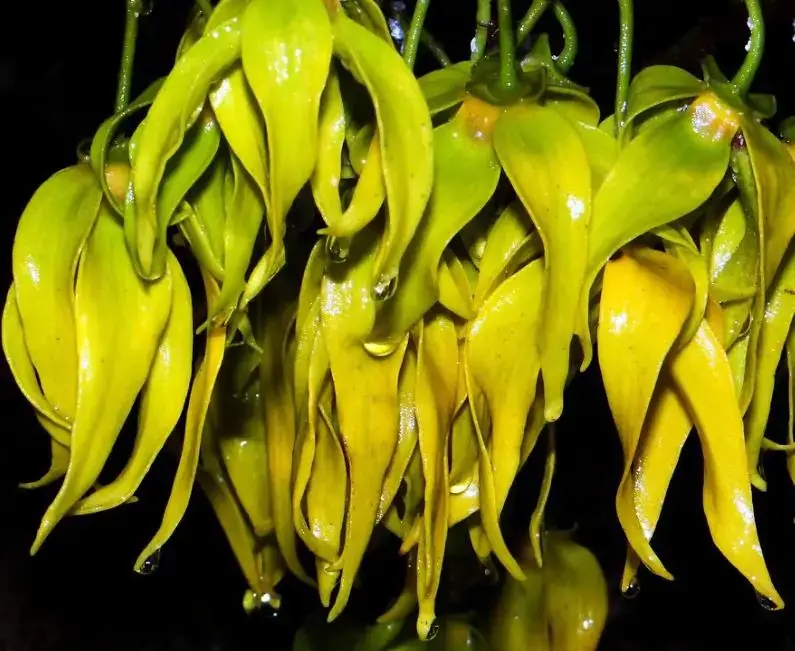
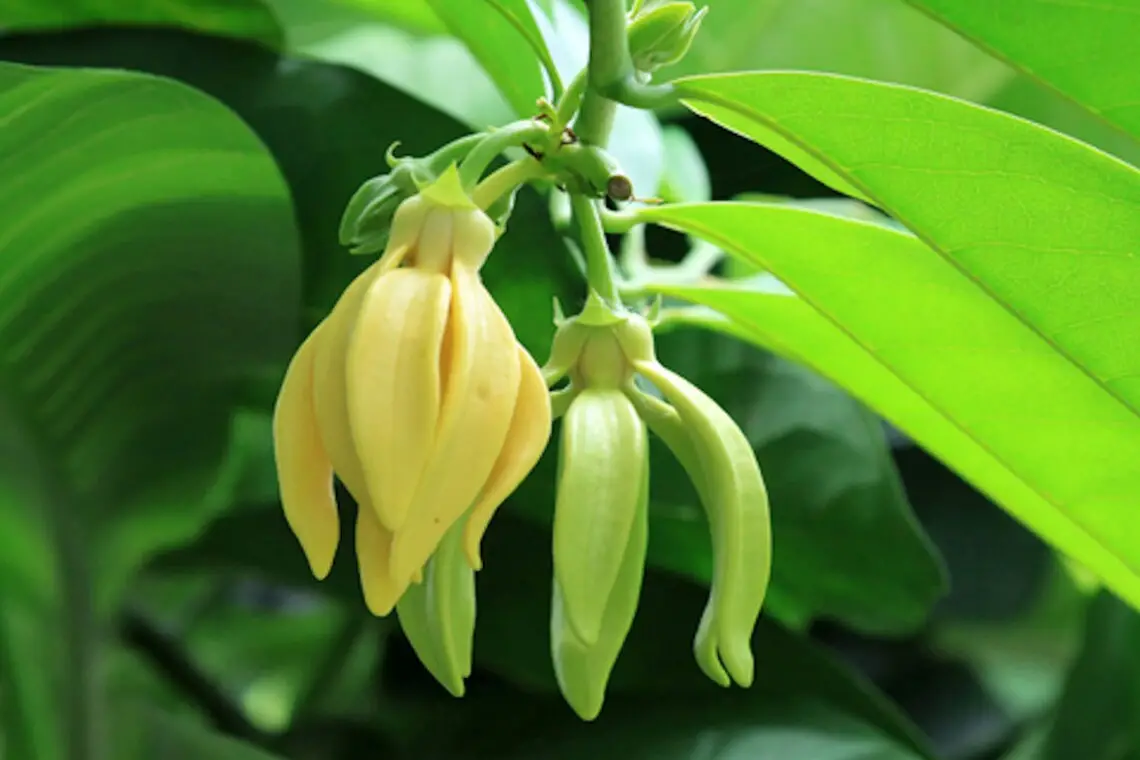
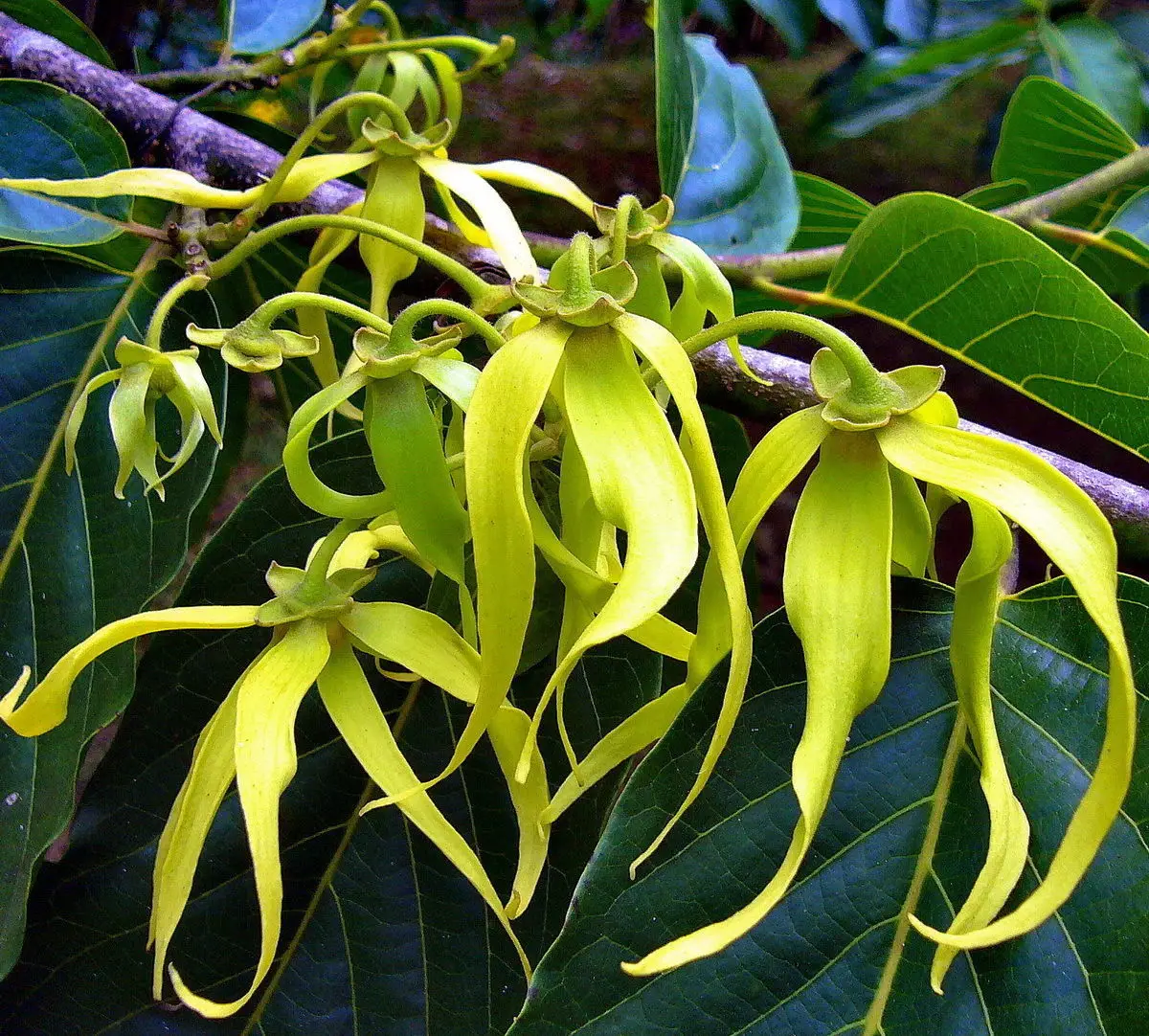
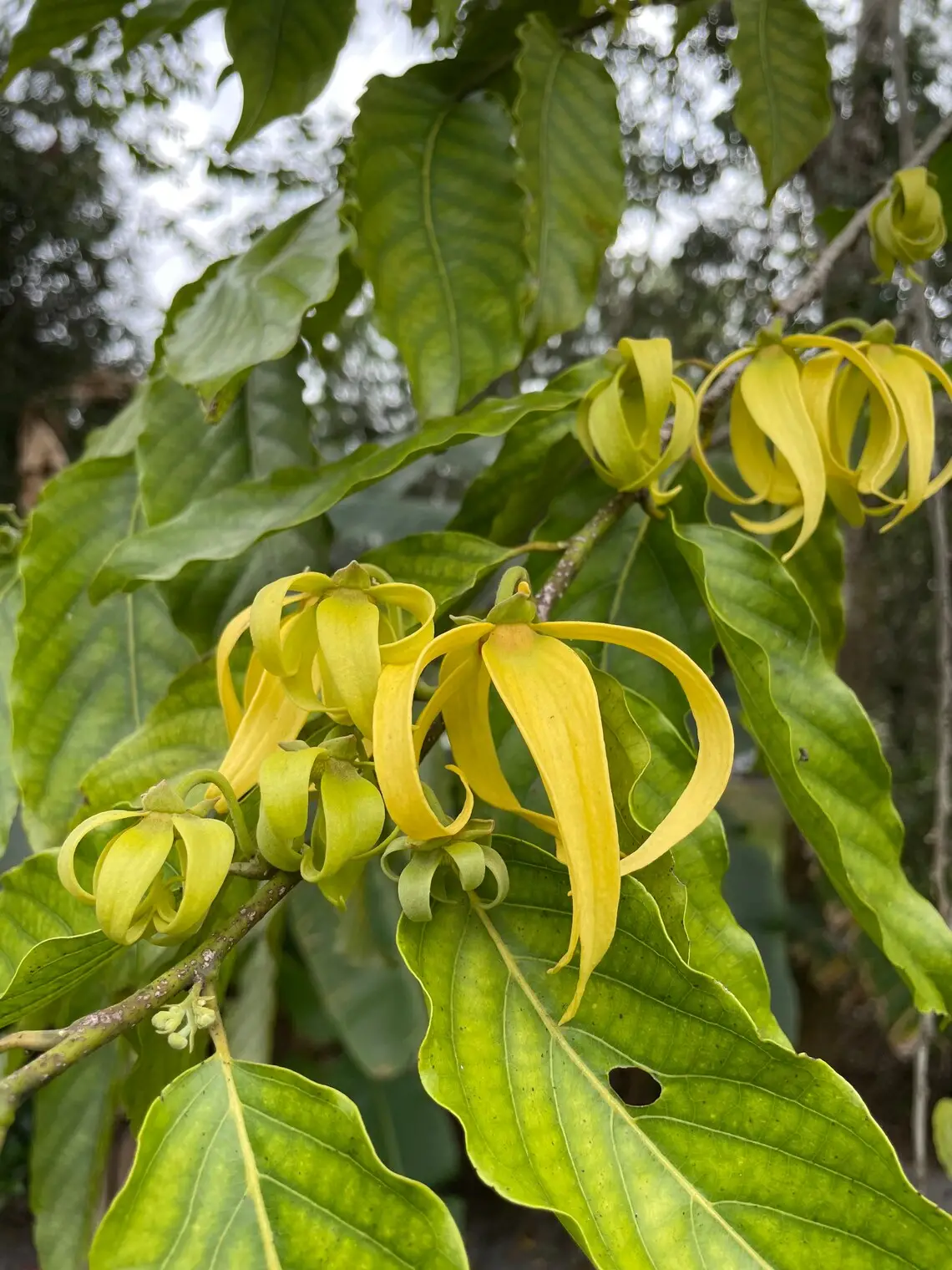
The magic lies in the flowers themselves. Each bloom undergoes a stunning metamorphosis, beginning pale green with delicate, hairy petals, then gradually transforming over 15–20 days into vibrant golden-yellow flowers that dangle in drooping clusters. The transformation marks the peak of fragrance: an intoxicating, complex aroma described as sweet, floral, balsamic, with undertones of jasmine, neroli, and subtle spice. This is no mere ornament—it is liquid luxury in botanical form. For perfumers and essential oil producers, these flowers are the holy grail. A single mature tree can yield up to 120 kilos of blooms annually, producing approximately 350 grams of precious essential oil via steam distillation. But fragrance is only the beginning of its gifts. Ylang-ylang essential oil has been cherished in traditional medicine across Southeast Asia and Polynesia for centuries, valued for its calming, uplifting, and deeply soothing properties. In aromatherapy, it is recognized for easing anxiety, supporting emotional balance, and promoting restful sleep. The oil’s rich chemical profile—featuring linalool, benzyl acetate, and other complex compounds—lends itself to skincare formulations, haircare products, and wellness blends. Historically, it was one of the earliest recorded hairstyling oils in ancient Indonesia, prized for adding shine and vitality to hair. Today, it remains a cornerstone ingredient in high-end cosmetics, body care, and natural perfumery. Whether you aspire to distill your own essential oil, create natural perfumes and skincare blends, or simply fill your garden with one of the most coveted fragrances on earth, Cananga odorata delivers incomparable sensory wealth.
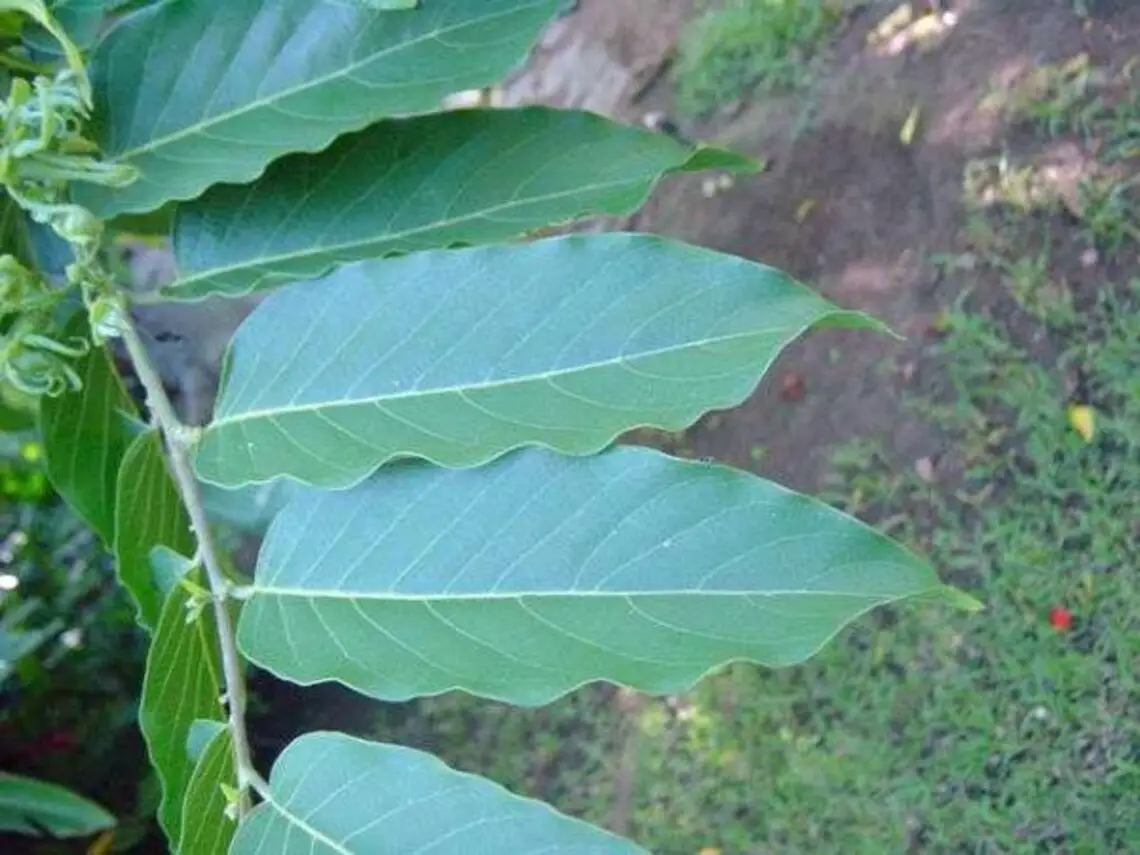
Cultivation requires warmth, humidity, bright light, and well-draining soil rich in organic matter—conditions easily replicated in tropical climates (USDA zones 9–11 outdoors, or in a bright, warm conservatory in temperate regions). The tree is fast-growing and rewarding: glossy, dark green leaves create a lush, tropical canopy, while the graceful, drooping branch structure gives it natural elegance even before flowering begins. Patience is required—expect first blooms 2–3 years after planting from seed—but the wait is brief in botanical terms, and once established, the tree flowers almost continuously, delivering flowers (and fragrance) year-round in true tropical conditions. Soil should be well-draining with a pH between 5.5 and 7.0, water consistently but allow soil to dry slightly between waterings, provide full sun to partial shade, and fertilize with a balanced blend during the growing season. The tree responds well to pruning, which encourages bushier growth and easier flower harvesting if you decide to pursue essential oil extraction.
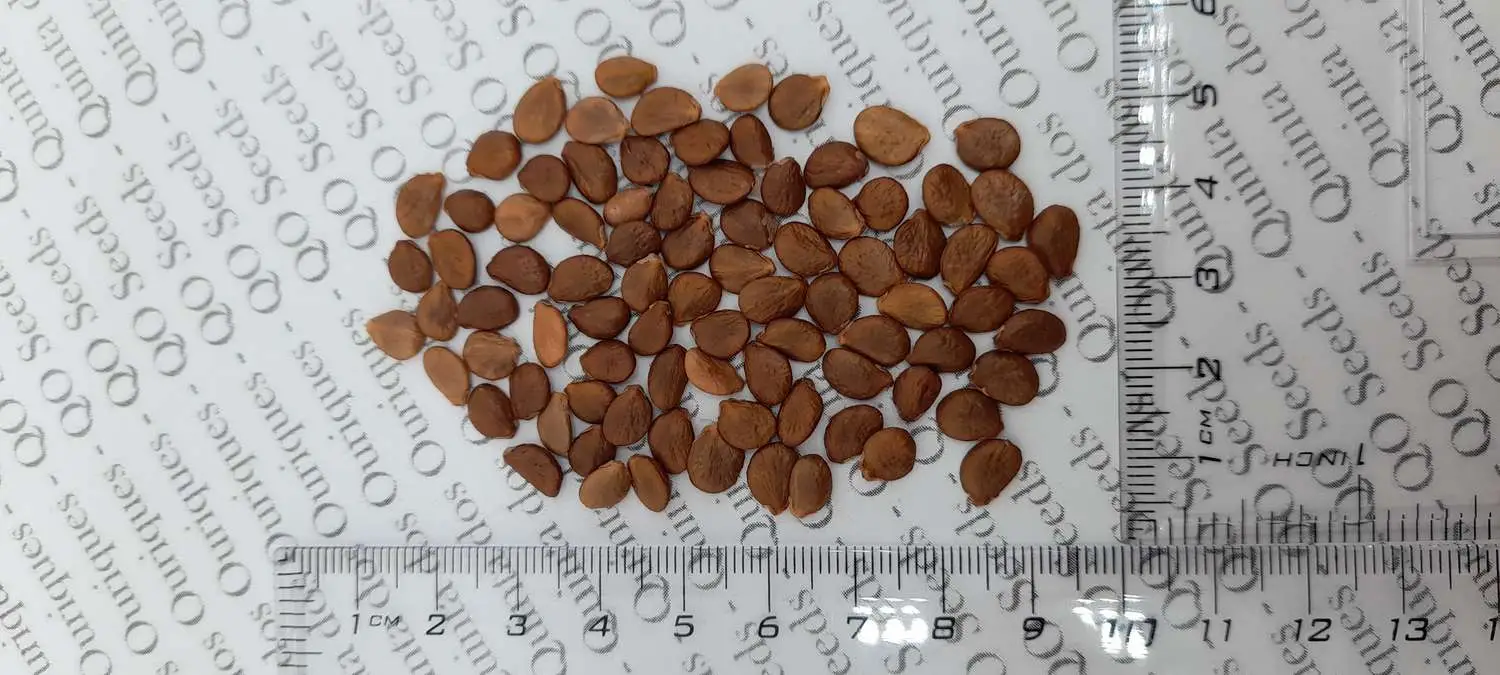
To hold a seed of Cananga odorata in your hand is to hold a promise of transformation: within it lies a tree that will fill your world with the most exquisite fragrance known to perfumery, heal your spirit through aroma, and connect you to centuries of tropical wisdom and sensory luxury. This is not merely a plant—it is an investment in beauty, wellness, and the profound joy of growing something truly extrao
Only logged in customers who have purchased this product may leave a review.
Reviews
There are no reviews yet.