Description
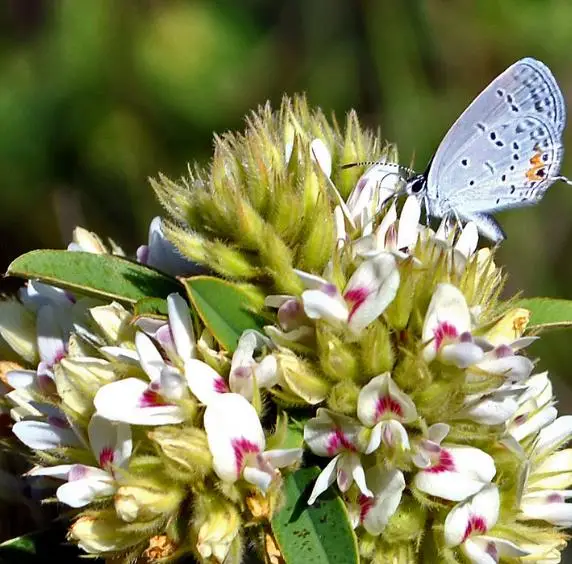
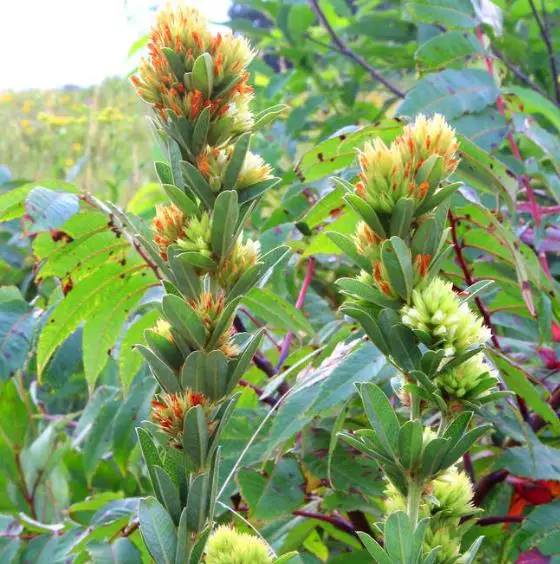
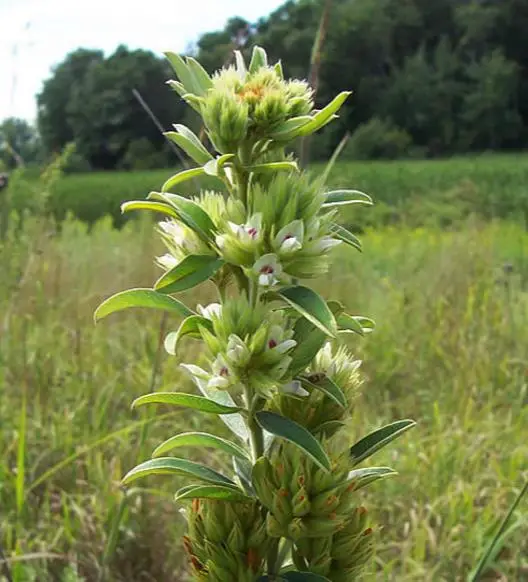
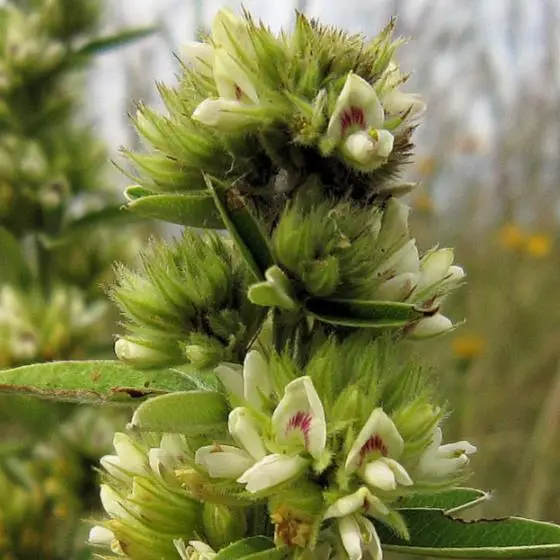
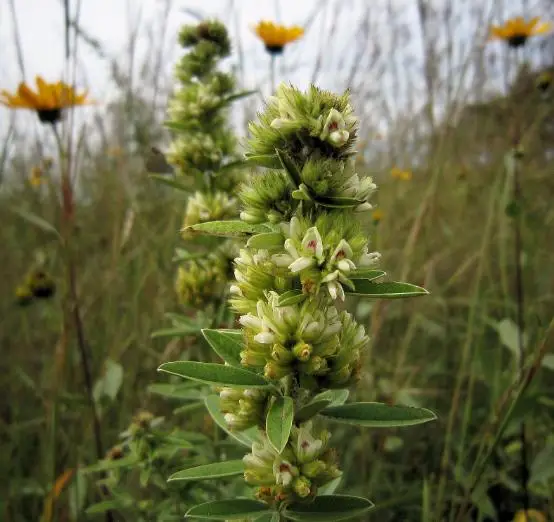
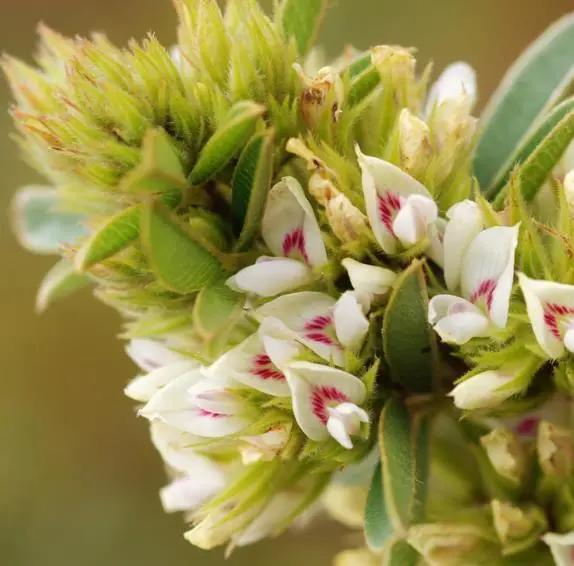
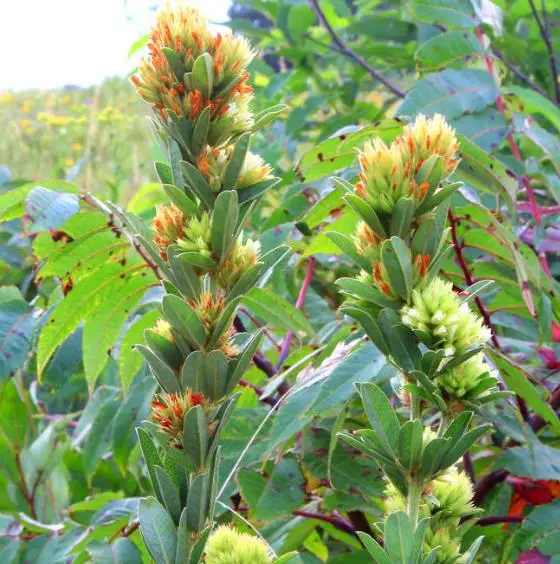
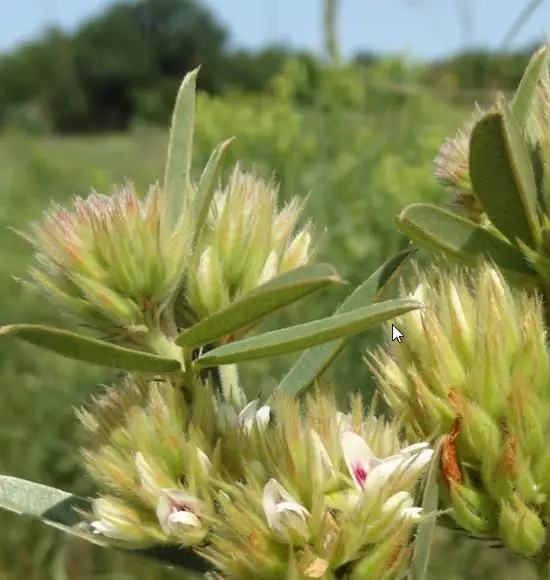
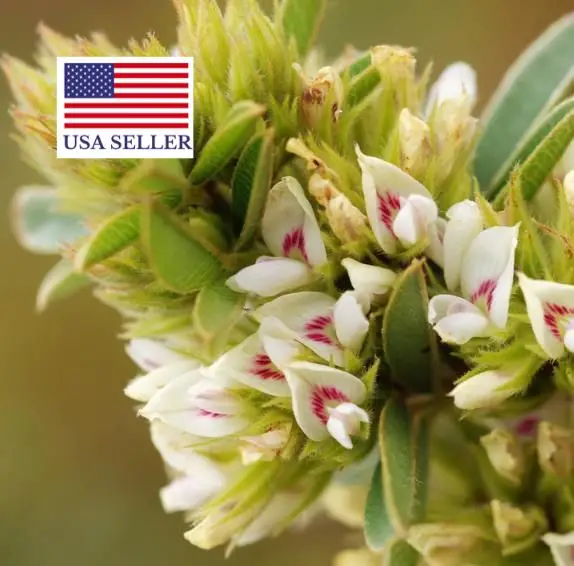
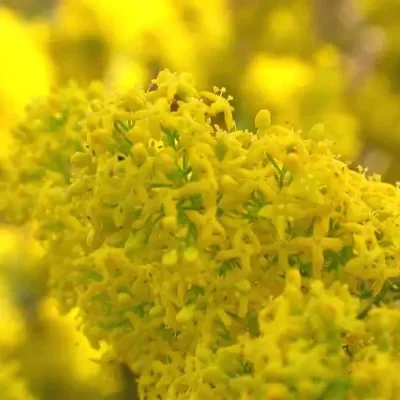
Lespedeza is a perennial herbaceous plant in the family pea fabaceae (the same as pea), native to the east of north america, including eastern Canada and the eastern half of the United States, central and eastern United States. Although found in the lowlands, it tends to be more common in highlands.
The species is widely cultivated as an ornamental plant, exploited both in natural floral arrangements and in dry floral arrangements and mainly for its medicinal properties.
The part used is the stem, the leaves and roots. The active principles: flavonoids and tannins.
In nature, lespedeza grows in forested areas, in dry meadows, sandy prairies, gravel prairies, hills meadows, limestone clearings, sandy savannas, and in disturbed habitats such as roadsides. It is very drought tolerant.
This species is adaptable to different soil types that contain significant amounts of marl, clay, sand or rock material. It adds nitrogen to the soil and is easy to grow.
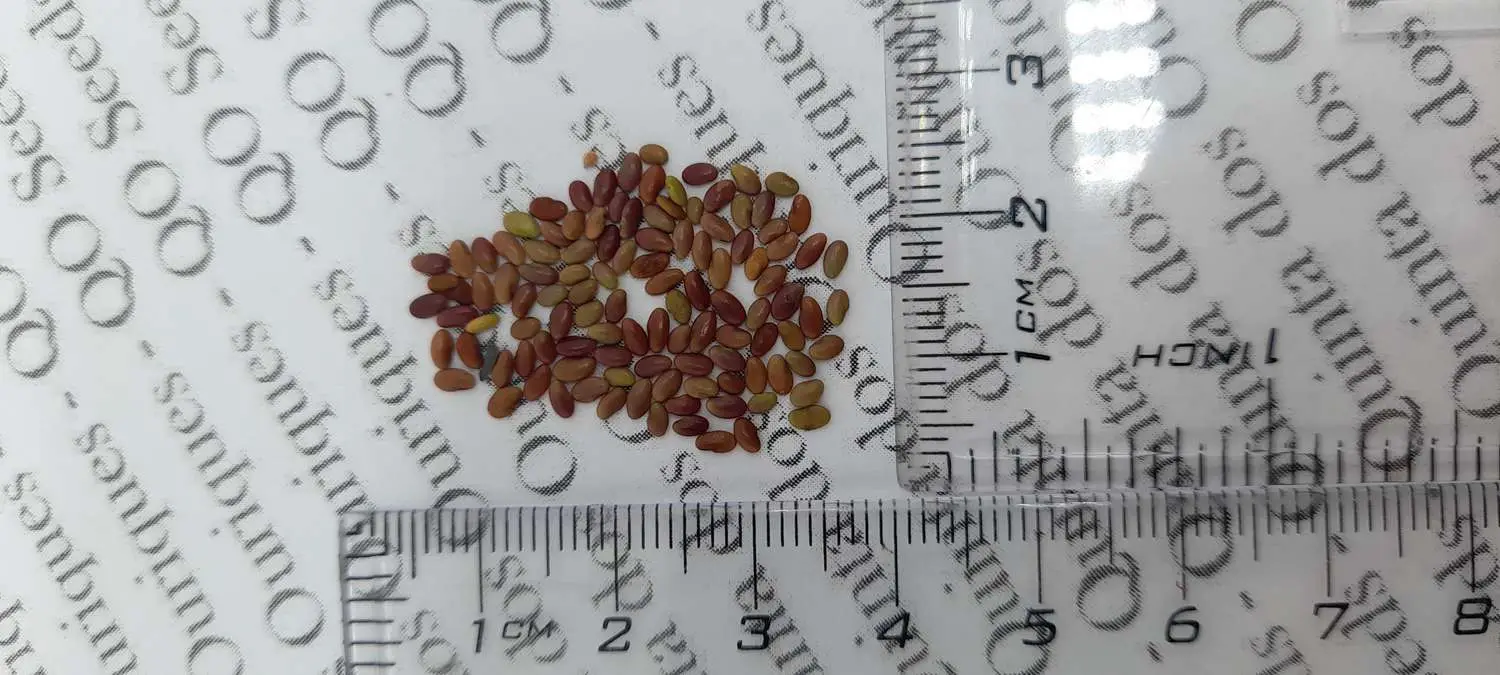
Roundhead lespedeza does not propagate aggressively through rhizomes and is not a prolific producer of seeds.
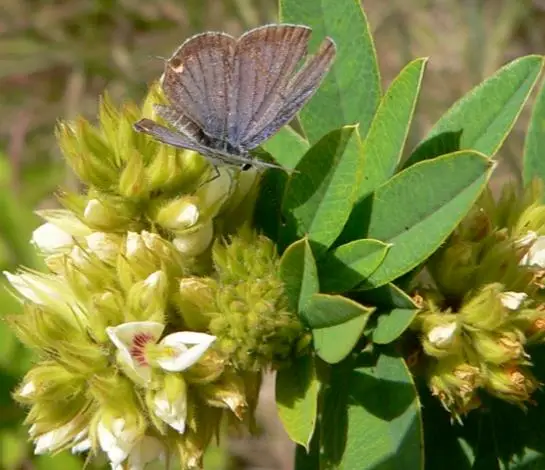
The flowers are mainly visited by bees. Robust, beneficial and particularly showy plant.
Lespedeza is also widely explored as a component for blending into pasture vegetation. It is an excellent addition to cattle forage because it is palatable and very nutritious, rich in proteins. It is readily grazed by all classes of cattle and the seeds are a valuable part of the diet of quail, birds and game birds.
Germination Guide
🌍 Eastern North America, from Maine to Texas, including the eastern United States and eastern Canada
Moderate
Lespedeza capitata, commonly known as round-headed bush clover, is a native North American perennial legume in the Fabaceae family. Seeds require scarification and cold stratification to break dormancy, and require light for germination. This nitrogen-fixing plant is highly valued for prairie restoration, wildlife habitat, and pollinator support.
Germination
Germination time
Expect germination in
10 – 21 days
Temperature
Min 15°C
Ideal 21°C
Max 24°C
Substrate moisture
💧 Medium
Seed Pre-treatment
-
💧
Soaking — 12 hours
Soak seeds in warm water or mix with moist sand, or presoak overnight before planting
-
🔨
Mechanical scarification
Scarify mechanically by rubbing seeds between medium grit sandpaper to aerate the seed surface without crushing the seed hull
-
❄️
Cold stratification — 30 days at 5°C
-
📋
Additional notes
For spring planting: scarify seeds, then soak in warm water overnight or mix with moist sand and refrigerate for 3-4 weeks before sowing. For fall planting: direct sow scarified seeds in late fall when soil temperature drops below 50°F (seeds undergo natural cold stratification). If seeds germinate in refrigerator, transfer to individual pots immediately.
Substrate & Container
Recommended substrate
Peat moss, vermiculite or similar - light, porous, well-drained and pathogen-free substrate; seeds need light contact with soil surface
Recommended container
Transparent plastic container with lid or flat tray
Growing Tips
Seeds require both mechanical scarification and cold stratification for optimal germination. Press seeds into soil surface as they require light to germinate. Maintain constant humidity with container lid but ensure good air circulation. Germination may be slow and inconsistent - seeds can take 10-21 days at 65°F. Provide bright light after germination without direct sun exposure. Inoculate with Rhizobium leguminosarum at transplanting to enhance nitrogen fixation. Harden off seedlings gradually before field planting. Plant preferably in fall for natural stratification.
Only logged in customers who have purchased this product may leave a review.

Reviews
There are no reviews yet.