
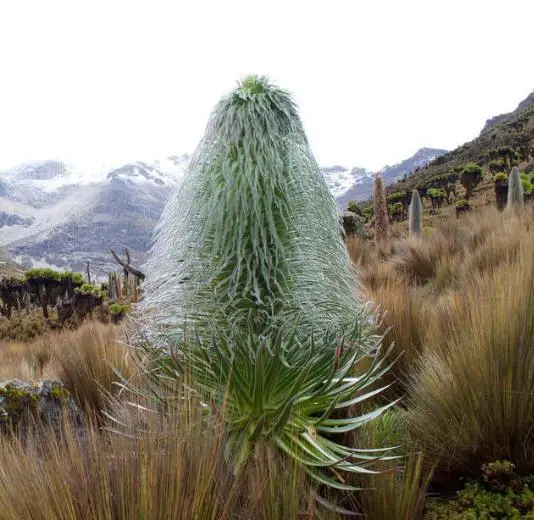
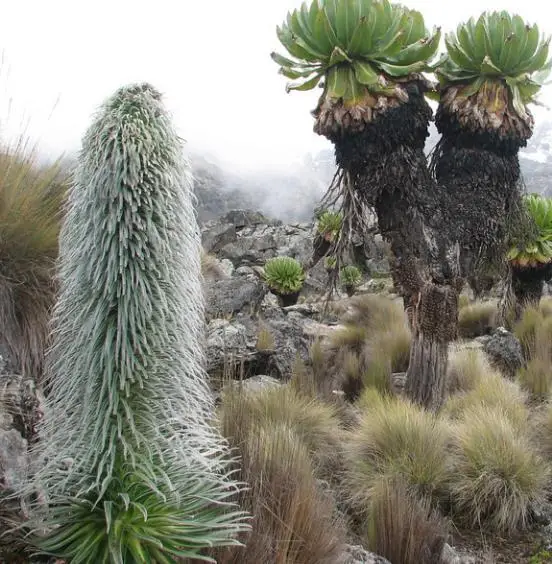
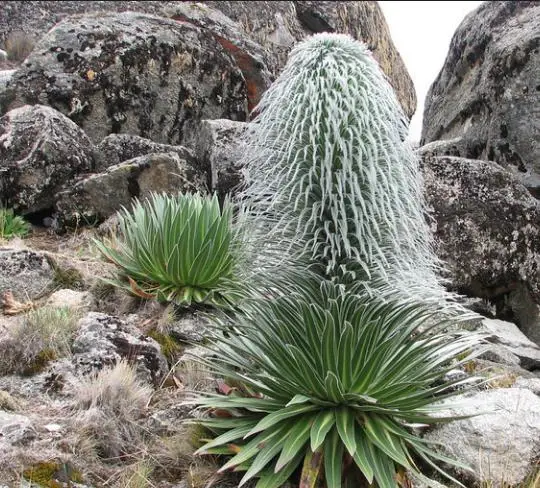
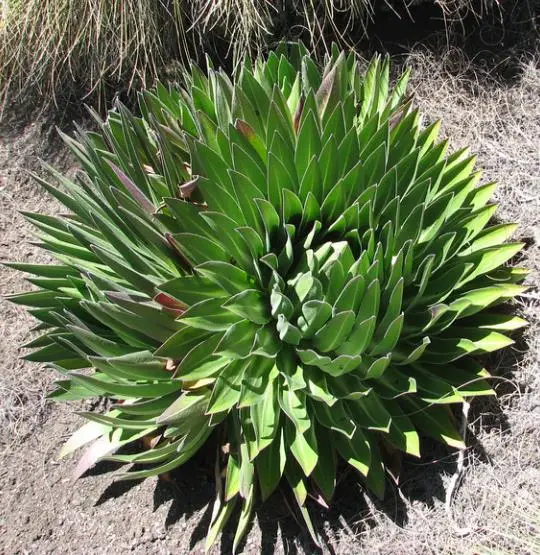
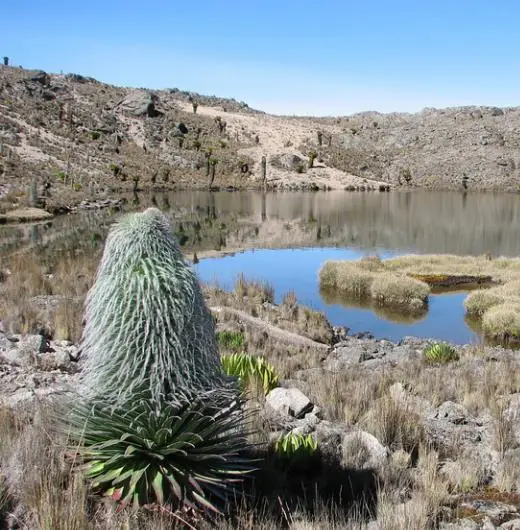
Imagine a rosette of silvery-hairy leaves exploding into a 3-meter flowering spire—purple blooms nestled between towering silver bracts, alive with mountain birds. This is the Mt. Kenya Giant Lobelia: one of Africa’s rarest alpine treasures, blooming just once in a lifetime after decades of mesmerizing patience. Grow it from seed and cultivate something truly extraordinary. For collectors. For dreamers. For those who garden with vision.
€1.92
A mountain giant is asking for space in your garden—and the privilege of growing it from tiny seed.
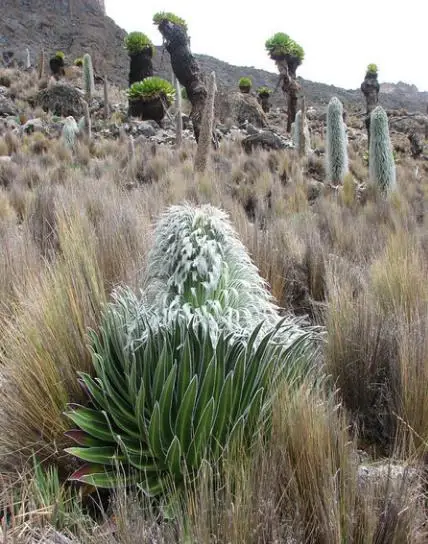
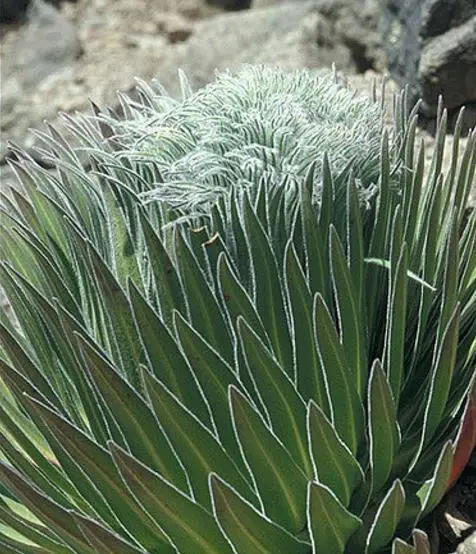
From the windswept slopes of Mount Kenya and the Aberdare Range, where altitudes soar beyond 5,000 meters and daytime temperatures plunge below freezing, emerges one of Earth’s most extraordinary plants. Lobelia telekii is an extraordinary perennial plant endemic to the high-altitude regions of Mount Kenya in East Africa. This article was called the homage to Hungarian explorer Count Smarte Telekii, who led the first expedition to Mount Kenya. For decades it remains hidden—a humble rosette of large, silvery-green leaves that can reach lengths of up to 3 feet (1 meter), then, in a moment of botanical drama, it commits entirely to one sacred flowering event.
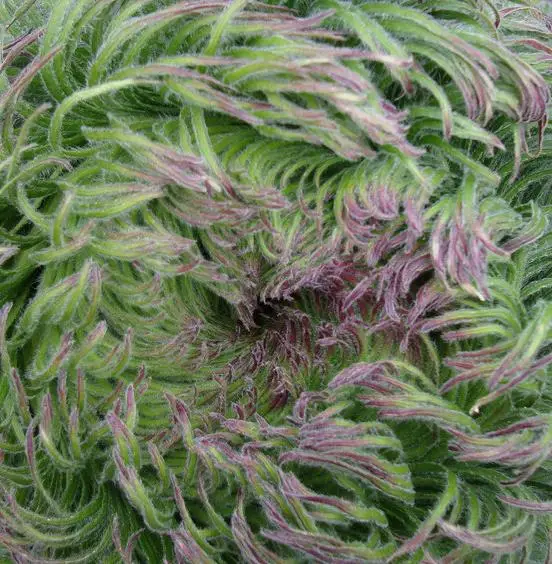
What makes Lobelia telekii truly special is its architectural beauty and the role it plays as a living magnet for alpine birds. It forms a large rosette of narrow, hairy leaves that eventually produces a giant inflorescence to 3 m tall, protected by masses of long, silvery hairy bracts and pollinated by birds. The leaves and bracts are blue-green, and the flowers purple. Lobelia telekii is pollinated mainly by birds, especially the scarlet-tufted malachite sunbird (Nectarinia johnstoni) which visits the inflorescence for nectar. As a collector’s ornamental and botanical wonder, there is no equal—this is the plant for those who wish to grow something beyond conventional gardens, something that bridges art, science, and nature. Whether displayed as a towering focal point in a container garden or planted in well-drained alpine beds, its sculptural form commands attention and respect.
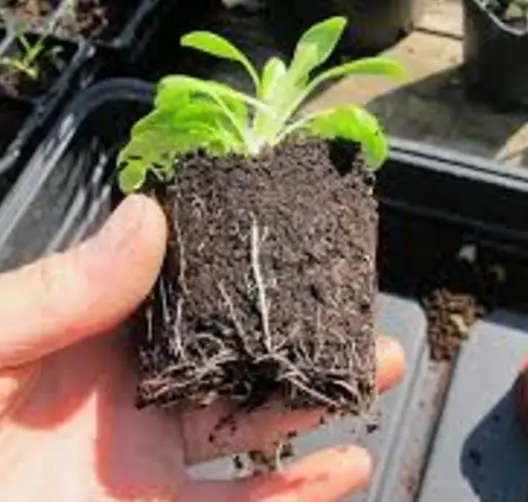
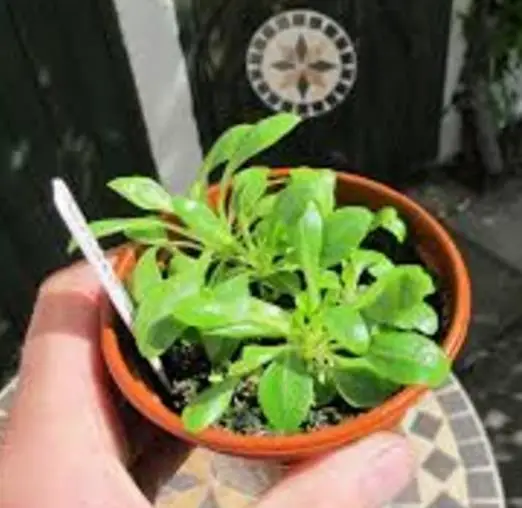
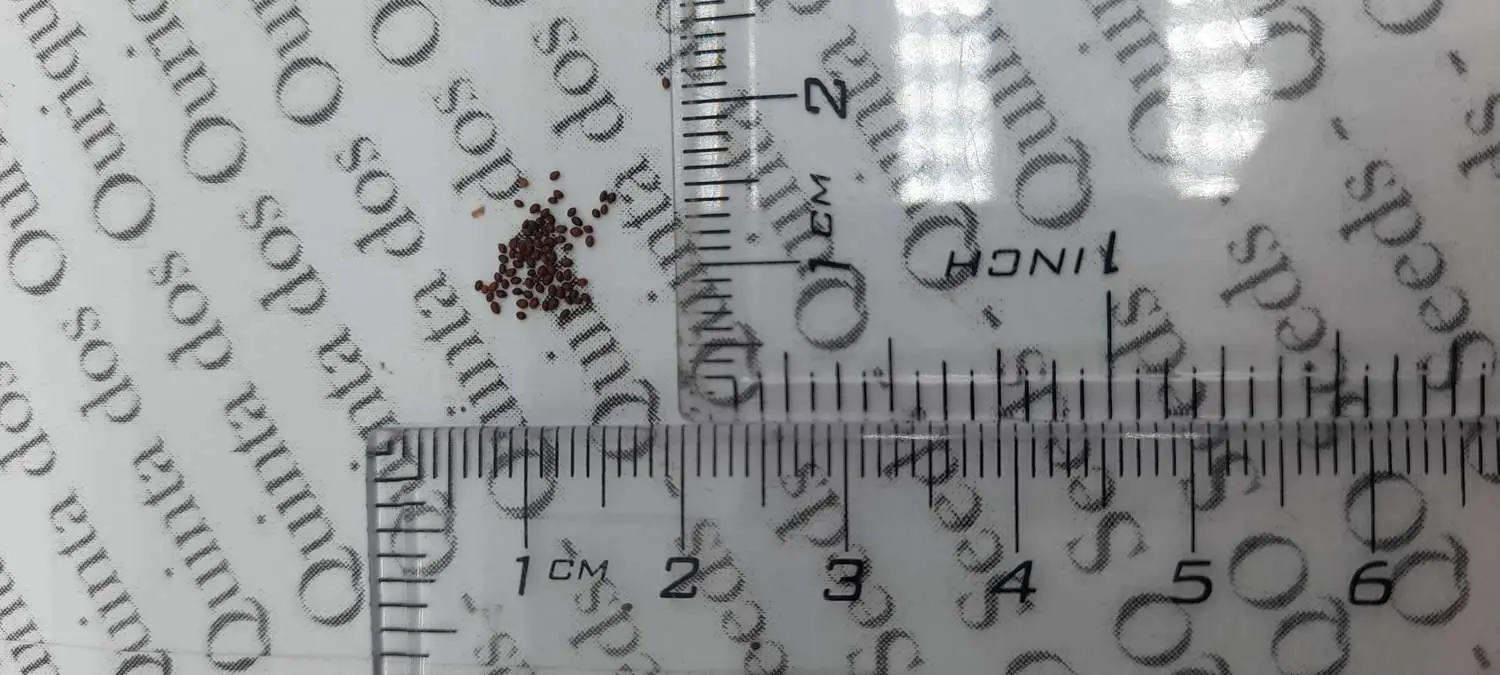
Despite its alpine origins and air of exclusivity, growing Lobelia telekii from seed is more rewarding than intimidating. Since this plant is adapted to high-altitude conditions, it’s important to mimic its natural environment. Sow the seeds in a well-draining seed-starting mix in a tray or small pots, ensuring they are not buried but rather placed on the surface as they require light for germination. Keep the soil consistently moist but not waterlogged. In cultivation, the giant Lobelia are rare and best suited to high mountain or highly oceanic climates without extremes of heat or cold. The magic lies in patience: while in habitat Lobelia telekii is said to take up to 70 years to reach maturity, in cultivation this is likely to be much shorter. Watch year after year as your rosette deepens, strengthens, and prepares for its singular act of creation. It is a semelparous species, growing vegetatively for about 40 years and putting all its reproductive effort into producing single large inflorescence up to 3 metres (10 ft) tall before dying.
To grow Lobelia telekii from seed is to commit to something rare and beautiful—a plant that teaches patience, rewards attention, and transforms any garden into a sanctuary of wonder. This is not merely ornamental; it is a living sculpture, a conversation starter, a piece of Mount Kenya’s alpine mystery transplanted to your own soil. Start seeds today. In time, when that tower blooms, you will have created something few gardeners ever witness. This is the joy of rare plants. This is why we grow them.
Only logged in customers who have purchased this product may leave a review.
Reviews
There are no reviews yet.