

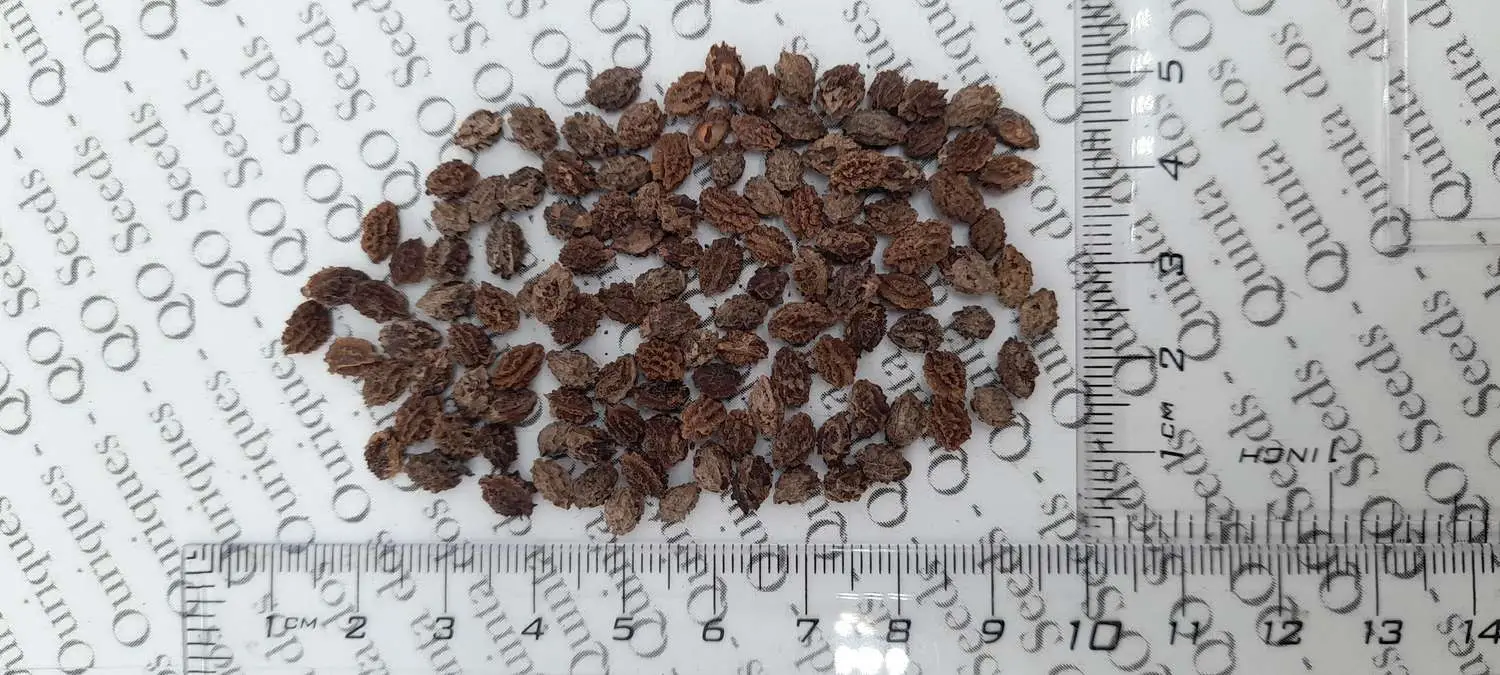
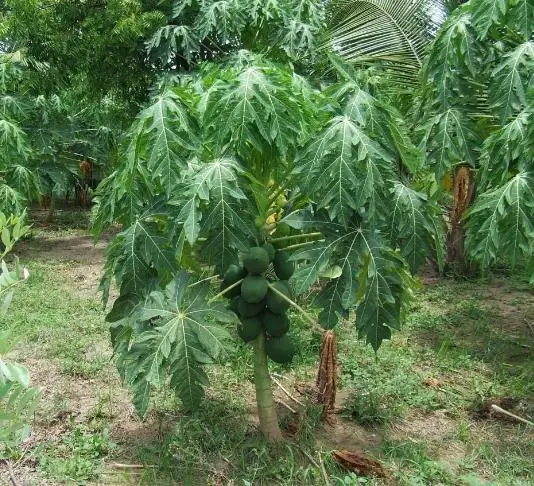
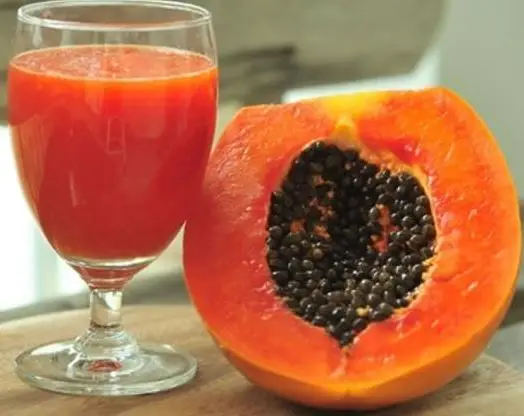
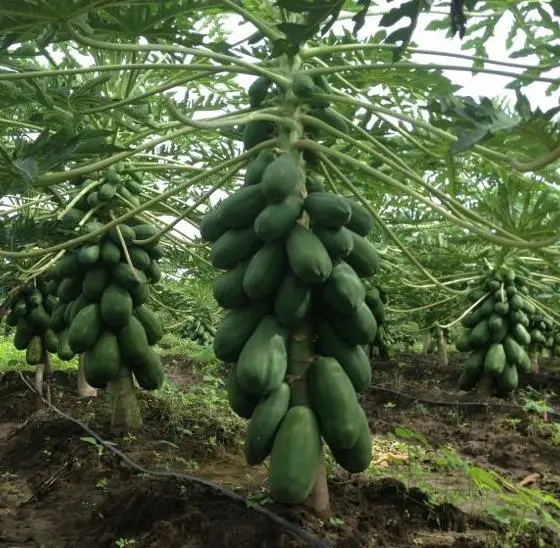
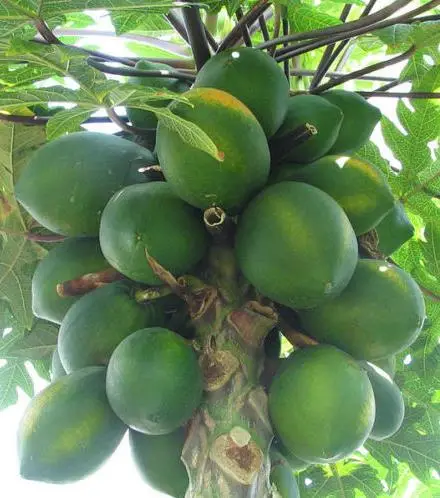
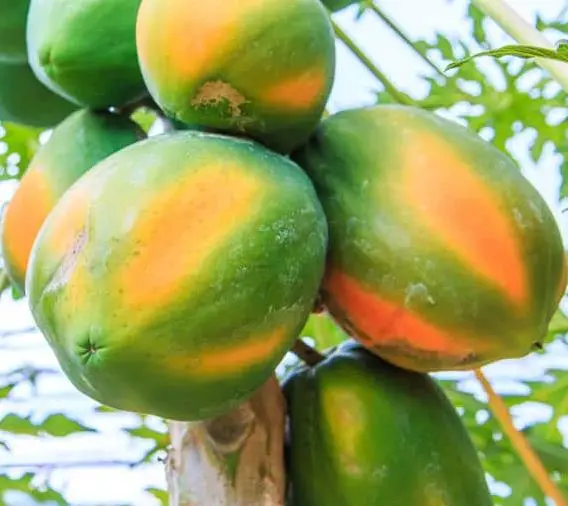
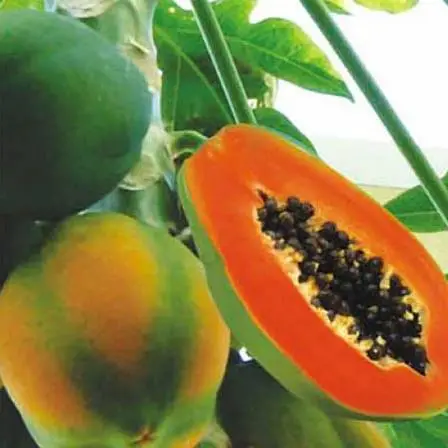
Reddish-orange pulp of excellent quality, refreshing, sweet and very tasty — this is the Coorg Honeydew, one of the most popular cultivars in India. Medium to large fruits averaging 1.5 to 2.0 kilograms, highly productive, and fruiting begins between 8 and 10 months after planting. Grow it from seed in a warm climate with good drainage—a semi-dwarf that rewa
€1.92
Christopher Columbus called papaya the “fruit of the angels” due to its deliciously sweet with musky undertones and soft, butter-like consistency—and when you taste a perfectly ripe Coorg Honeydew, you’ll understand why.
Papaya originated in Central America, where indigenous people ate papayas and used them for medicinal purposes, and in the 1500s-1600s Spanish and Portuguese colonizers brought the seeds to other tropical areas including the Philippines and India. The Coorg Honeydew is a selection from the Honey Dew cultivar, popularly called Madhu Bindu, refined in India’s climate to become a star variety. Semi-dwarf and highly productive, with medium to large fruits averaging 1.5 to 2.0 kilograms, this cultivar is built for abundance. It has reddish-orange pulp of excellent quality—refreshing, sweet and very tasty. The flavor is a creamy texture and sweet, tropical taste reminiscent of cantaloupe.
But this isn’t just fruit. Inside every Coorg Honeydew papaya lies something extraordinary: papain, an enzyme that helps digest proteins and is used to tenderize meat. Unripe papaya is a source of papain, an endolytic plant cysteine protease that has been used in meat tenderizing for thousands of years. Beyond the kitchen, papain has wide-ranging commercial applications in the leather, cosmetic, textiles, detergents, food and pharmaceutical industries. Nearly 80% of American beer is treated with papain, which clarifies it. In cosmetic applications, papain can be used to remove dead skin cells and improve skin texture, creating smoother and more radiant skin. Growers harvest the unripe fruit for the latex-rich, papain-producing stage—a valuable secondary yield from the same plant. Cultivation of Coorg Honey Dew papaya has resulted in 25-30% increased yield of fruits and papain compared to standard varieties. This means your tree works for you twice: fresh fruit and enzyme production.
Growing Coorg Honeydew is straightforward for warm-climate gardeners. It performs best in warm, well-drained soil with ample sunlight and thrives in areas with moderate rainfall. Papaya grows quickly, often reaching fruiting size within a year in ideal tropical conditions. Seedlings should be transplanted to final location when they are between 15 and 20 centimeters high, usually 30 days after germination. To grow in pots, use a container at least 18 inches deep with proper drainage. The leaves are large, deeply lobed, and palmate—each leaf can reach up to 3 feet across, arranged in a spiral at the top forming a wide, umbrella-like canopy. The plant brings instant tropicality to your garden. The variety can be kept pure, growing in isolation, so you won’t need multiple plants for cross-pollination if you choose the right sex type.
Imagine walking into your garden and cutting a perfect papaya, reddish-orange and sweet, ready to slice and eat at the height of ripeness. Or harvesting unripe fruit for its precious papain. This is the Coorg Honeydew experience—a tree that gives generously, tastes divinely, and works harder than it looks. Start your seeds now and taste paradise in less than a year.
Only logged in customers who have purchased this product may leave a review.

Reviews
There are no reviews yet.