
Grow the world’s most intensely lemony leaf—higher citral content than lemongrass, lemon verbena, even lemon itself. Exceptionally high levels of citral give a clean, vibrant citrus scent described as sweeter, richer, and more complex than fresh lemon. Use fresh tangy leaves in teas, syrups, glazes, cakes, biscuits, dressings, sauces, ice creams, and meat dishes. Elegant glos
€2.99
Lemon myrtle is one of the well known bushfood flavours and is sometimes referred to as the “Queen of the lemon herbs”. This is not hyperbole—it’s chemistry. The oil has the highest citral purity; typically higher than lemongrass. When you grow Backhousia citriodora from seed, you’re cultivating a living spice rack that will outlast any bottled lemon extract, any dried herb jar, any citrus alternative you’ve ever tried.
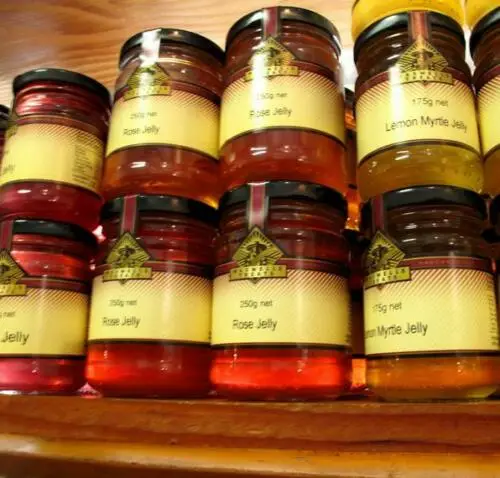
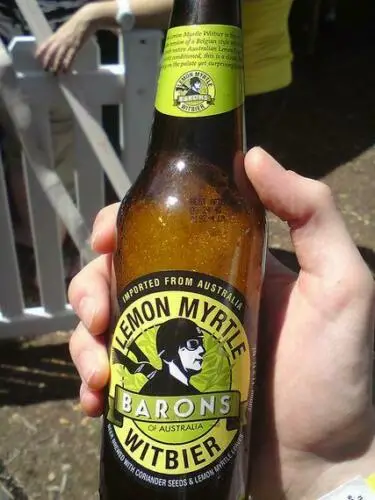
Native to the subtropical rainforests of central and south-eastern Queensland, Australia, this rainforest tree has been treasured for millennia. Aboriginal Australians have long used lemon myrtle, both in cuisine and as a healing plant. What began as indigenous wisdom transformed into a global ingredient: during World War II the leaves were used by the soft drink company Tarax to flavour lemonade. Today, commercial plantations of lemon myrtle are found in Queensland and throughout the North coast of New South Wales where the oil and leaves are harvested for flavouring foods, teas and syrups, as well as soaps, shampoos, toothpastes and medicinal products. But why buy harvested leaves when you can grow your own?
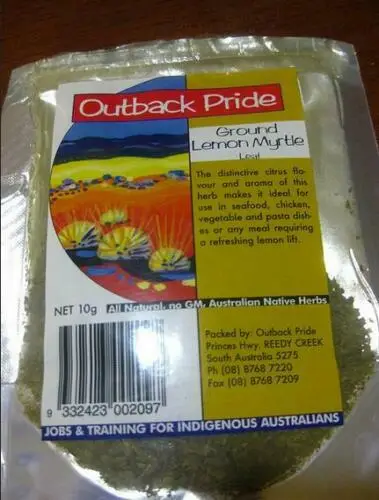
This is where Backhousia citriodora becomes indispensable. Fresh tangy leaves may be used in teas, syrups, glazes, cakes, biscuits, dressings, sauces, ice creams, dips and meat dishes. It can also be used as a lemon flavour replacement in milk-based foods, such as cheesecake, lemon flavoured ice-cream and sorbet without the curdling problem associated with lemon fruit acidity. No pucker. No bitterness. Pure, concentrated lemon essence. The taste/smell is similar to lemon but ‘crisp’ and rich, and not acidic—often described as “more lemon than lemon”. A single plant yields thousands of harvestable leaves across its lifespan; a handful can transform a dish. Just pluck fresh leaves as needed, removing no more than one-third of the plant at a time. The act of harvesting doubles as pruning, encouraging bushier growth and more leaves for the kitchen.
Beyond the kitchen, essential oil distilled from the leaves has a refreshing lemony scent, and has been found to have antifungal and antibacterial properties. Citral is a powerful anti-fungal and anti-microbial element sometimes used to treat warts, cold sores and acne. The leaves also contain calcium, antioxidants, vitamin A, vitamin E, folate, zinc and magnesium. This is the bonus: a culinary herb that nourishes you three ways—through flavor, through medicine, through ornamental beauty.
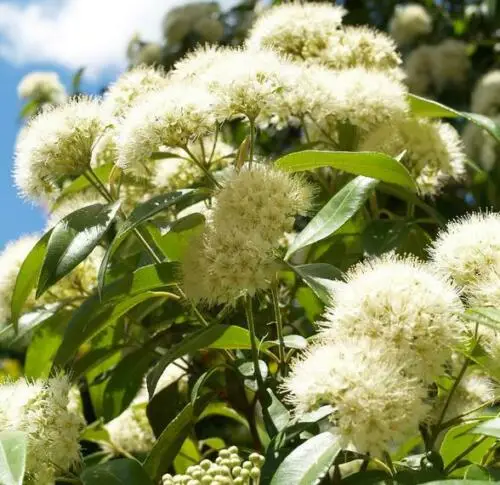
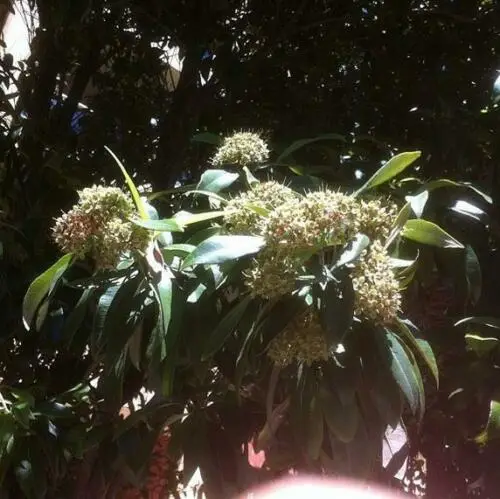
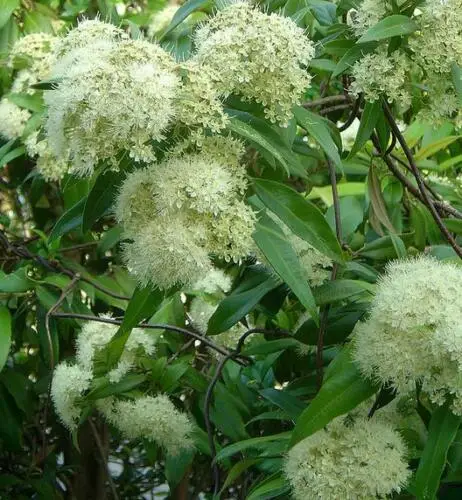
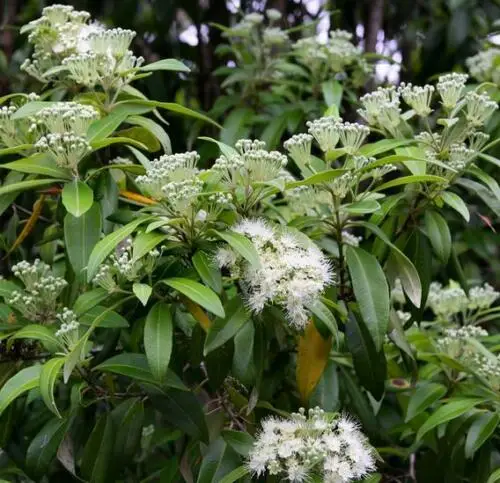
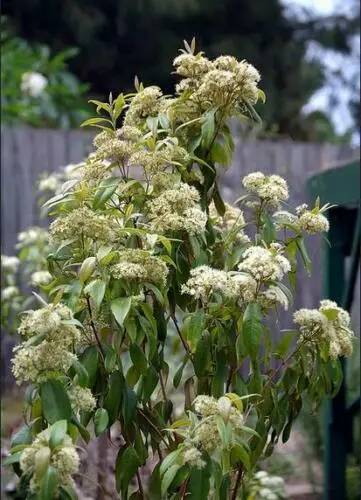
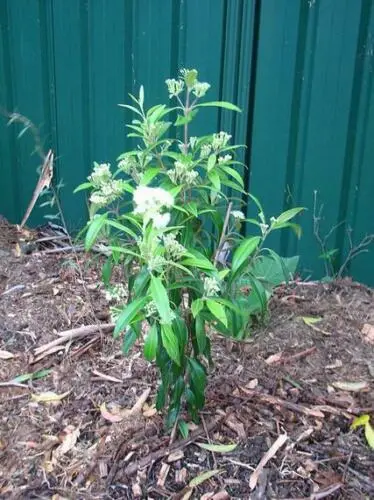
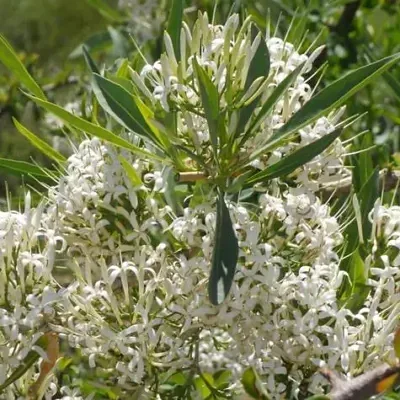
The leaves are evergreen, opposite, lanceolate, glossy green, and the flowers are creamy-white, produced in clusters at the ends of the branches from summer through to autumn. Pretty white flowers are displayed in large clusters at the end of each stem, with intricate design and many long arching filaments fanning out from the starry arrangement of white petals and sepals. These flowers are lightly scented and attract pollinators such as bees and butterflies, adding to the ecological value of the plant. Your garden becomes a nectar bar while you harvest dinner.
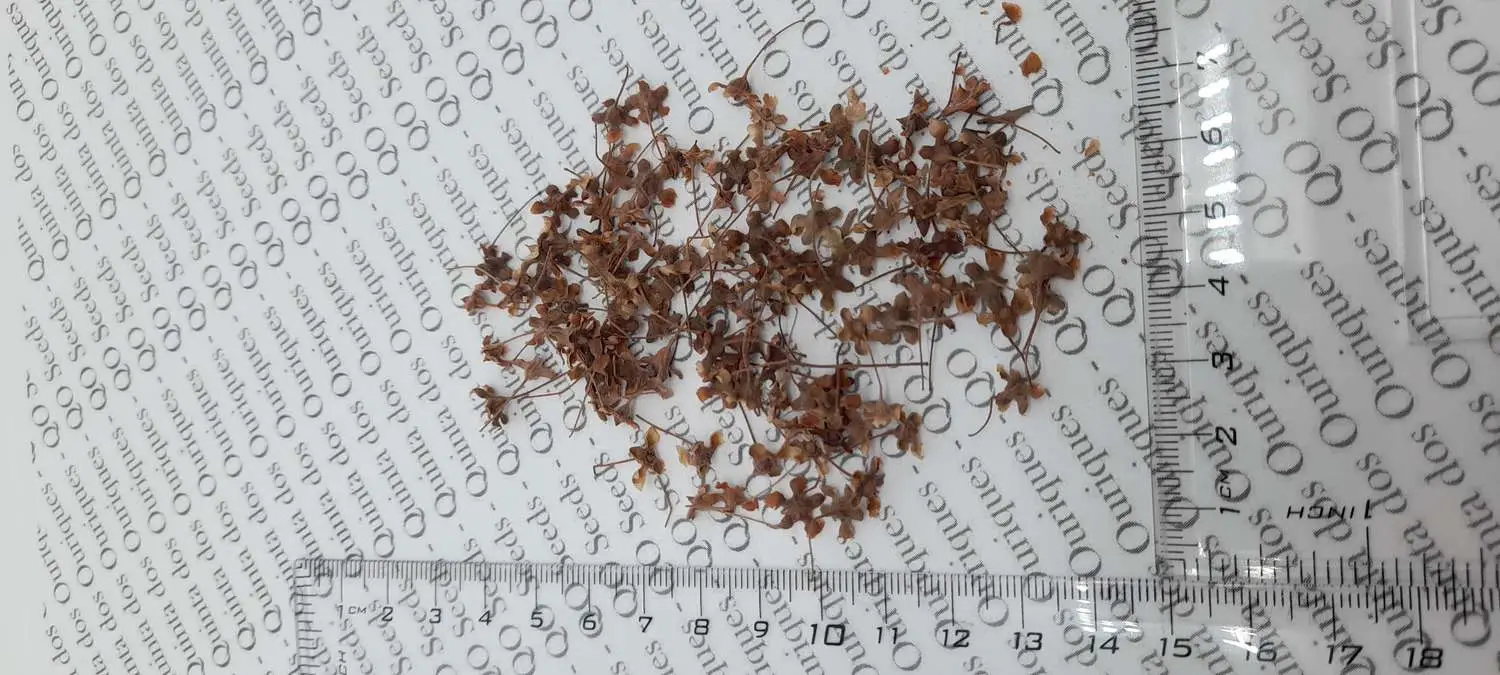
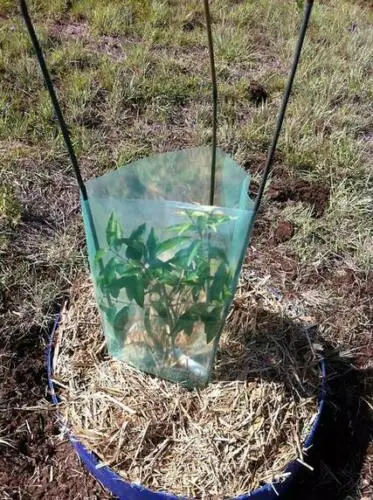
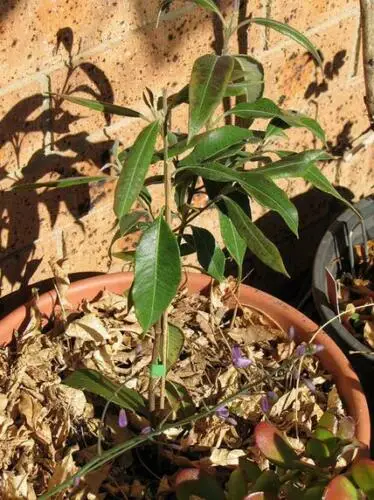
Growing from seed is refreshingly straightforward for a culinary treasure of this caliber. Seed propagation is reliable when fresh seeds are surface-sown on well-draining medium and kept moist; germination occurs in 2-4 weeks under warm conditions. It can be slow growing but responds well to slow-release fertilisers. Seedling lemon myrtle go through a shrubby, slow juvenile growth stage, before developing a dominant trunk. In other
Only logged in customers who have purchased this product may leave a review.

Reviews
There are no reviews yet.