
Discover the Parijat—a revered Ayurvedic plant whose leaves and flowers have healed for centuries. Anti-inflammatory, fever-reducing, and deeply therapeutic. Grows easily in sun to part shade with minimal fuss. Your own medicinal garden awaits. Grow from seed.
€1.94
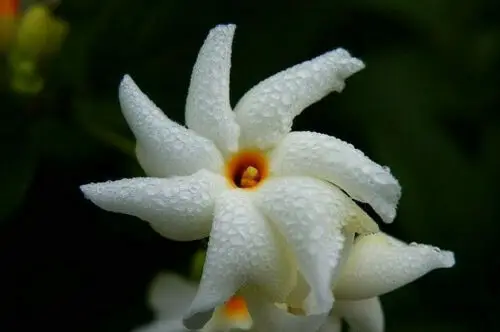
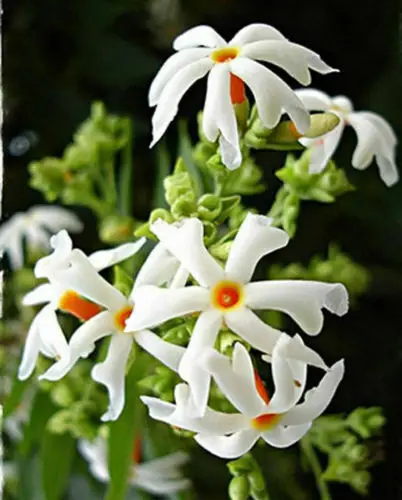
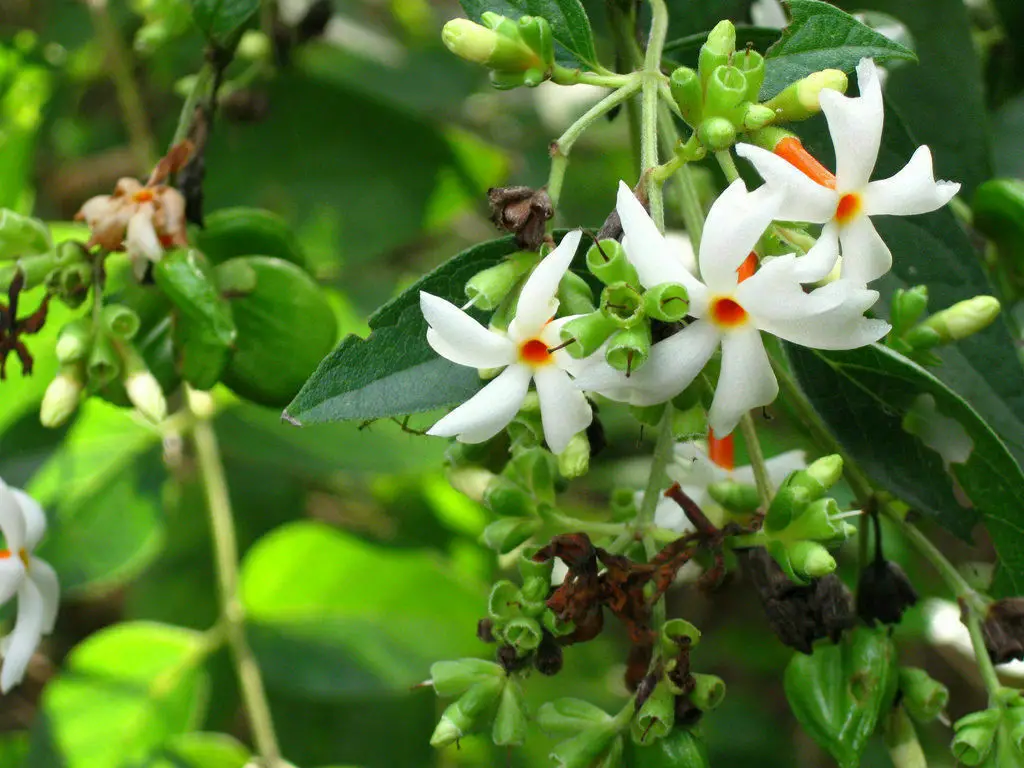
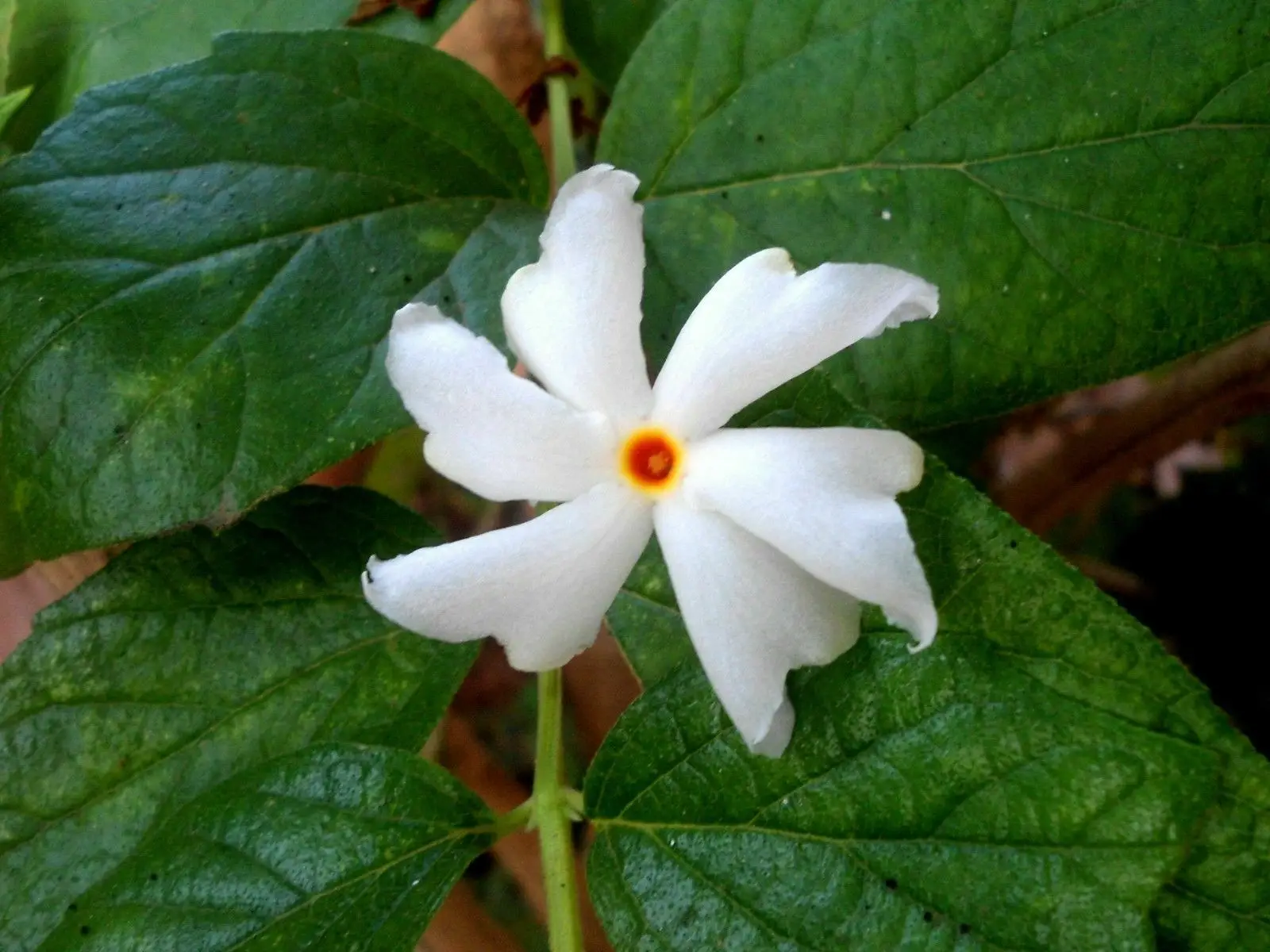
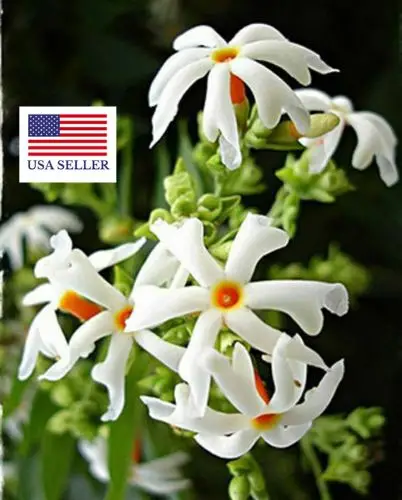
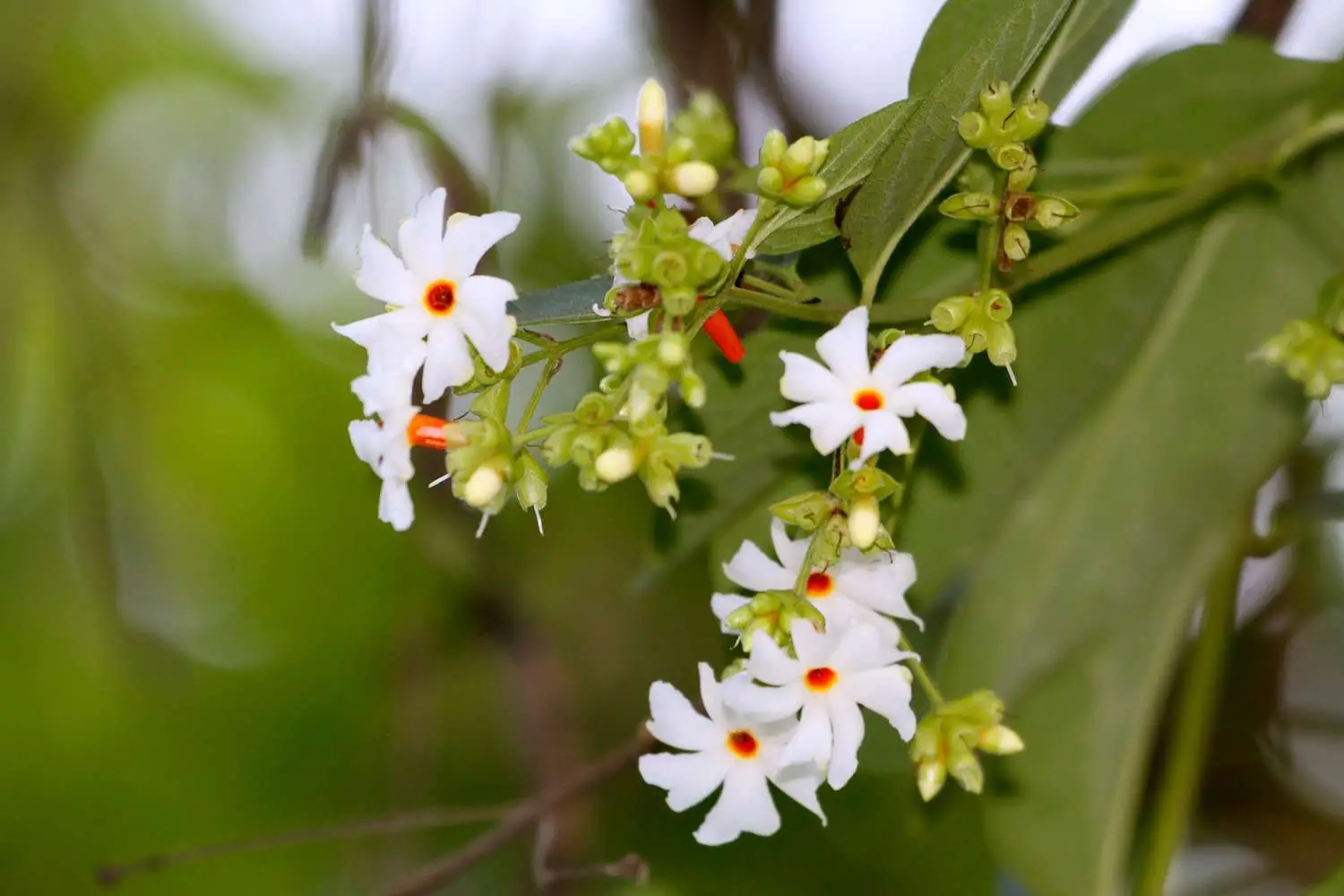
Every night, magic unfolds beneath your stars: pure white flowers with blazing orange hearts open at dusk, flood the air with intoxicating fragrance, then gently fall at dawn like tears. This is the Parijat—Nyctanthes arbor-tristis—the legendary Tree of Sorrow, a plant that has captured human hearts and healed human bodies for thousands of years.
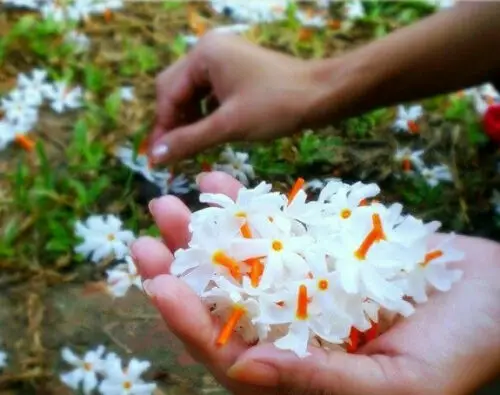
Native to the Indian subcontinent and cherished across South and Southeast Asia, the Parijat is woven into the spiritual fabric of Hindu culture. Legend tells of a heartbroken princess who loved the Sun God Surya; when she perished, the gods granted her rebirth as this tree, whose flowers bloom only in darkness yet carry the sun’s warmth in their orange centers. In ancient texts—the Mahabharata, the Bhagavata Purana—the Parijat emerges as one of five celestial trees, a wish-granting gift from the churning of the heavens. Even today, its flowers are sacred offerings in temples, woven into garlands for Durga Puja, collected from the ground with reverence because once they touch the earth, they are deemed pure for prayer.
But beyond mythology lies real, documented healing power. For millennia, Ayurvedic practitioners have turned to every part of this tree—leaves, bark, roots, flowers, seeds—to address what modern medicine struggles with. The leaves, rich in iridoid glycosides, flavonoids, and essential phytochemicals, have been prepared as infusions and powders to treat sciatica pain, arthritis, persistent fevers, and inflammatory conditions. Fresh leaf juice addresses constipation, intestinal parasites, and liver congestion. The flowers themselves are used in traditional fever remedies and to support healthy blood sugar. Modern pharmacological research now validates what Ayurveda has known for centuries: this plant contains compounds with profound anti-inflammatory, antioxidant, analgesic, hepatoprotective, and immunomodulatory properties. Studies document its capacity to reduce fever, calm pain, protect liver tissue, fight bacterial and fungal infection, and support the body’s own healing intelligence. Whether you approach this tree from the lens of tradition or science, the evidence converges: the Parijat is a functional medicine cabinet in botanical form.
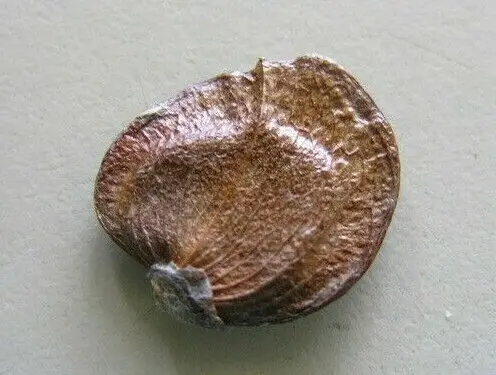
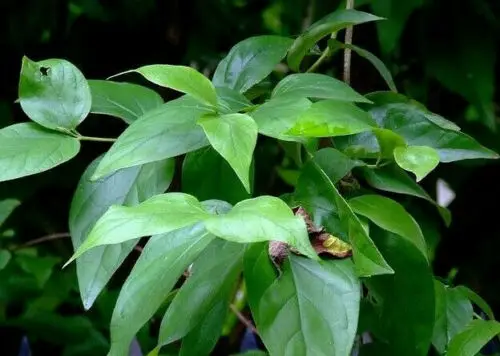
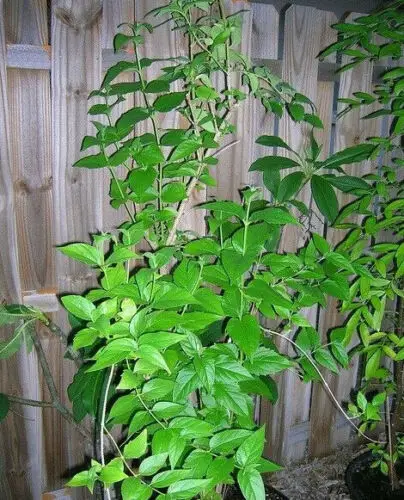
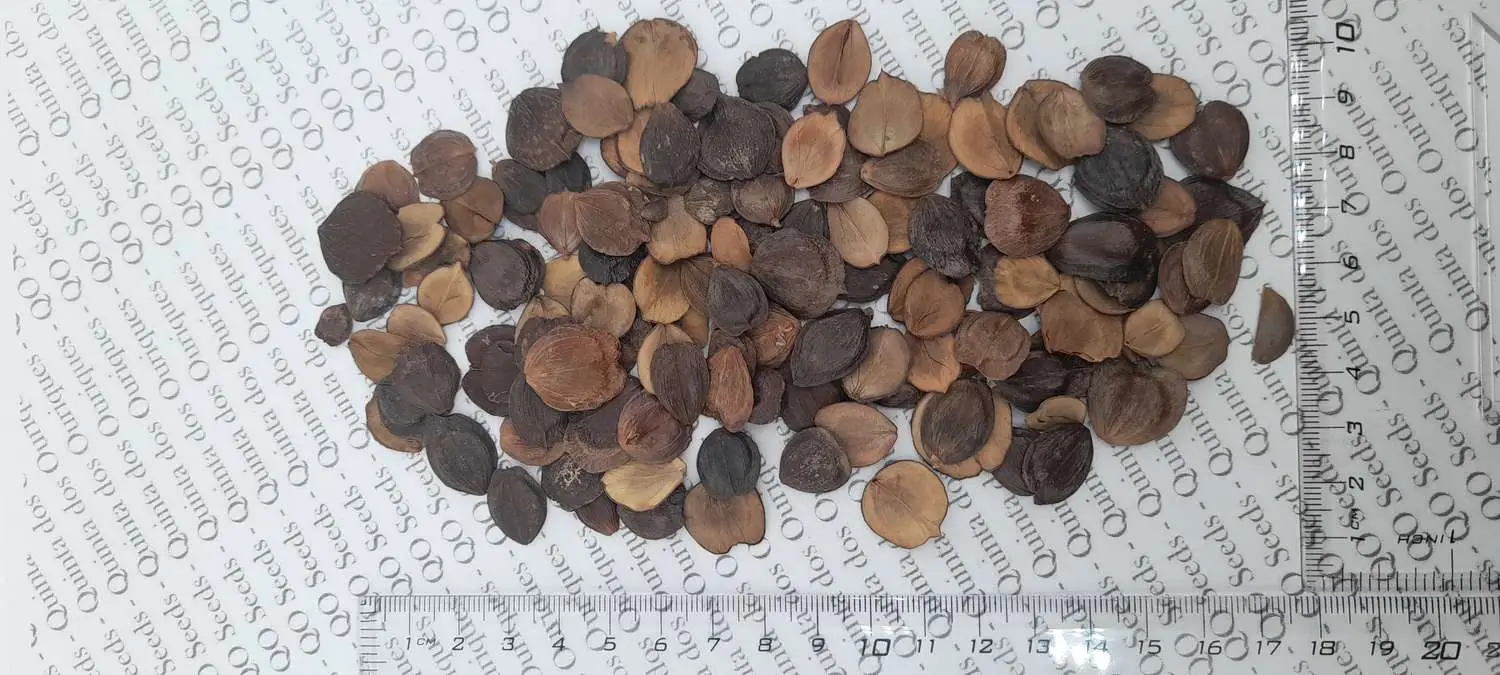
Growing this treasure is refreshingly straightforward. The Parijat is not fussy—it accepts full sun to partial shade and asks only for well-draining soil. Once established, it is remarkably drought-tolerant, thriving even in challenging conditions that would defeat softer plants. In tropical and warm temperate climates (USDA Zones 10–11), it flourishes outdoors; in cooler regions, it thrives as a container plant brought indoors through winter. Seeds germinate readily within 2–3 weeks when soaked for 24 hours and sown in warm, moist conditions. Seedlings develop true leaves swiftly. The plant grows as a graceful shrub or small tree reaching 10–33 feet, with rough, hairy foliage that creates rustic charm and flaky grey bark that ages beautifully. Flowering typically begins 2–3 years from seed, with peak blooms arriving in late summer through autumn—precisely when your garden most needs their medicine and their magic.
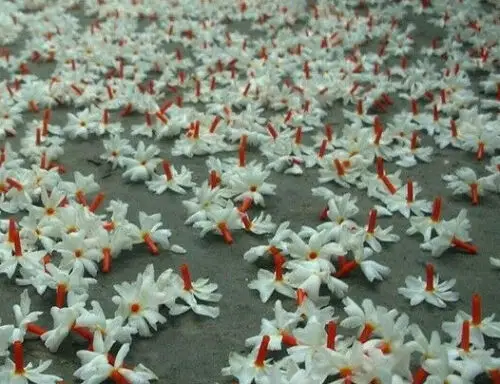
Imagine standing in your garden on a warm August evening, watching clusters of flower buds prepare their nightly opening. As dusk falls, they unfurl: pristine white petals, vivid orange throats, perfume so sweet and penetrating it seems to come from another realm. All night, these flowers sing in the darkness, attracting moths and night-feeding insects with their fragrance and nectar. By dawn, the petals carpet the ground beneath the tree—a poetic carpet of white and red, a reminder that beauty is most potent in its transience. Collect these fallen flowers in the morning, dry them in shade, and brew them into a restorative tea, or infuse them into traditional remedies. The leaves can be harvested year-round for poultices and infusions. This is not just a beautiful ornamental; this is a living apothecary, a spiritual a
Only logged in customers who have purchased this product may leave a review.
Reviews
There are no reviews yet.