
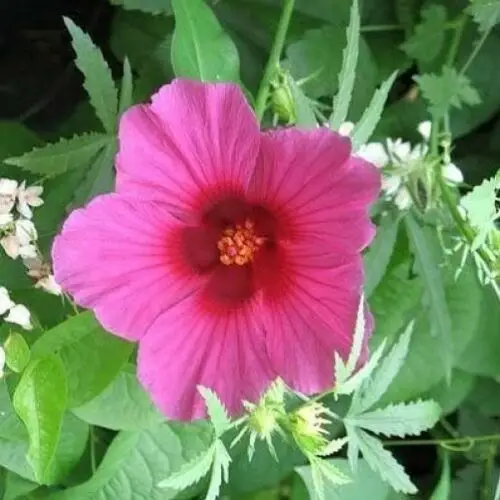
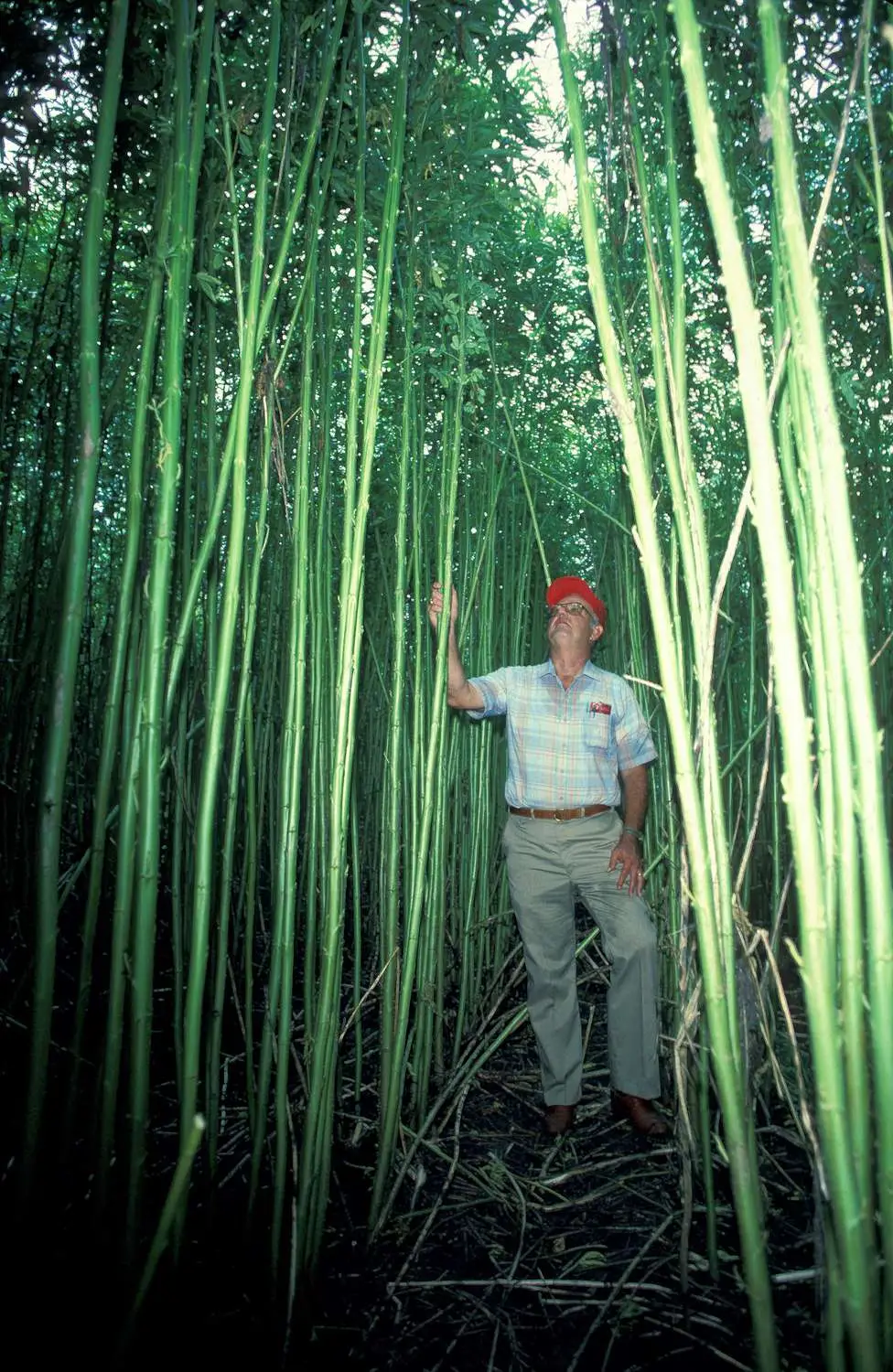
Grow your own sustainable fiber source. Kenaf explodes upward in a single season, reaching 3–4 meters with stunning pale yellow blooms punctuated by deep purple centers. Beyond its breathtaking flowers, this is the fiber crop that’s rewriting industrial textiles—rope, paper, composites, even car door panels. Easy to germinate, thrives in warm sun. From seed to harvest-ready stalks in just 120 days. A plant that actually produces value.
€4.02
If you’ve ever wanted to grow a plant that works as hard as you do, Hibiscus cannabinus is it—a towering fiber powerhouse that doubles as one of the most striking herbaceous specimens you can start from seed.
Kenaf arrived in Egypt over 3,000 years ago, where it became woven into the fabric of both human and animal life. Fiber from its stems built boats; its tender leaves fed families. Today, this ancient crop is experiencing a renaissance: traditionally valued for paper production, kenaf has evolved into a multipurpose crop with diverse industrial applications over the past two decades. The principal farming areas are China and India, though kenaf is also grown in countries including the US, Mexico, and Senegal. It’s the crop governments, engineers, and sustainable agriculture advocates are betting on.
Here’s what makes kenaf irresistible: The primary use of Hibiscus cannabinus is for fiber, with bark containing strong, durable fibers used in textiles, ropes, and composite materials. The fibers are known for their tensile strength and are often considered a sustainable alternative to jute and sisal. But the uses don’t stop there. Uses of the fiber range from paper, grass mats, fiberglass substitutes, animal bedding, oil-absorbent materials, chicken and cat litter, animal forage, particle board, and potting soil. Kenaf seed oil is also used for cosmetics, as industrial lubricants and for biofuel production. Kenaf fruits have significant medicinal properties, very high in vitamin-C, antioxidants and phytochemicals. This single plant is simultaneously a fiber crop, an energy source, a cosmetic ingredient, a medicinal plant, and a culinary green. The more tender upper leaves and shoots are sometimes eaten either raw or cooked. If self-sufficiency is your goal, kenaf makes serious sense.
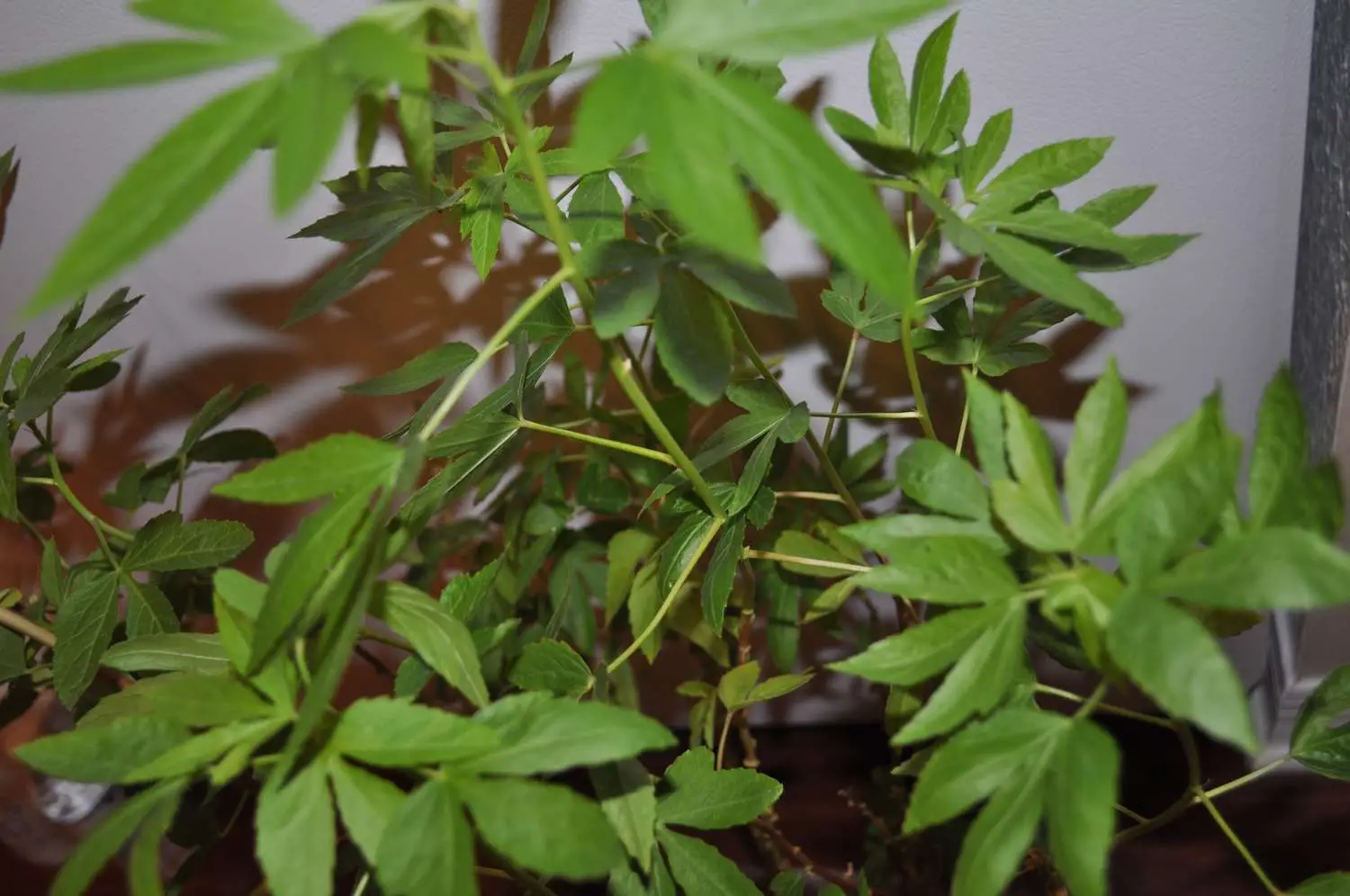
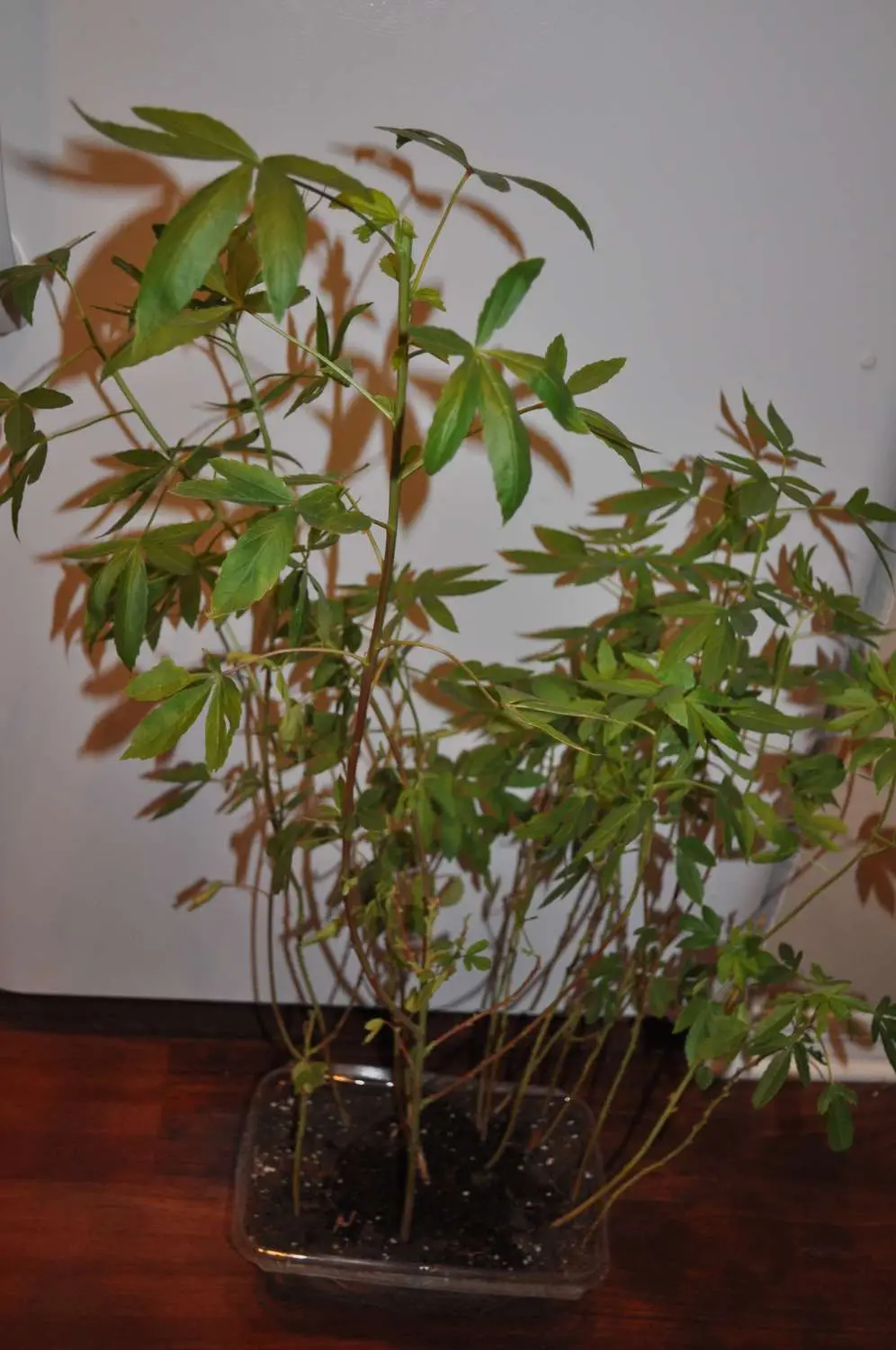
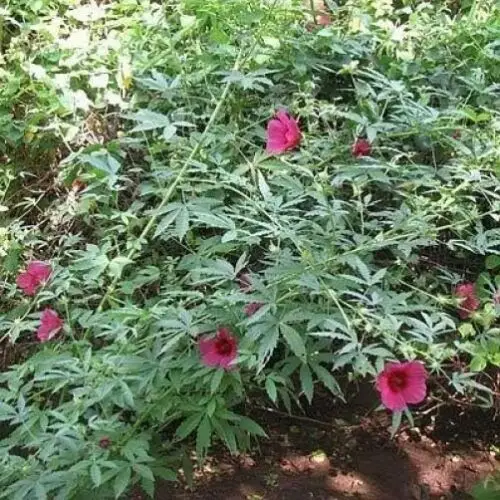
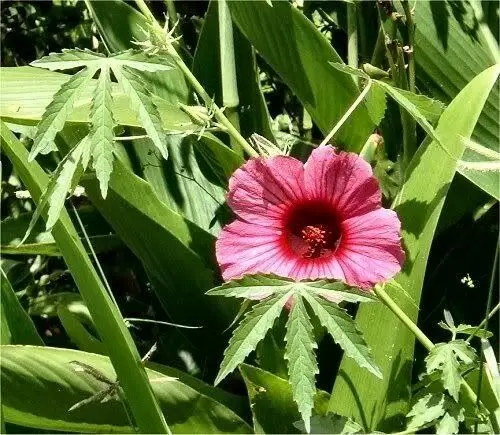
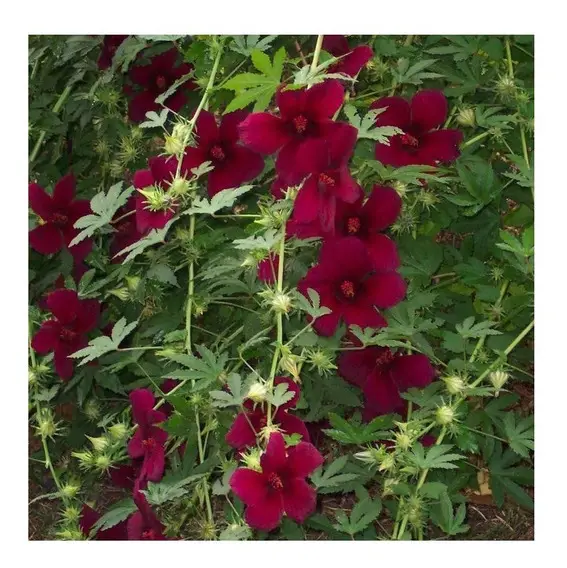
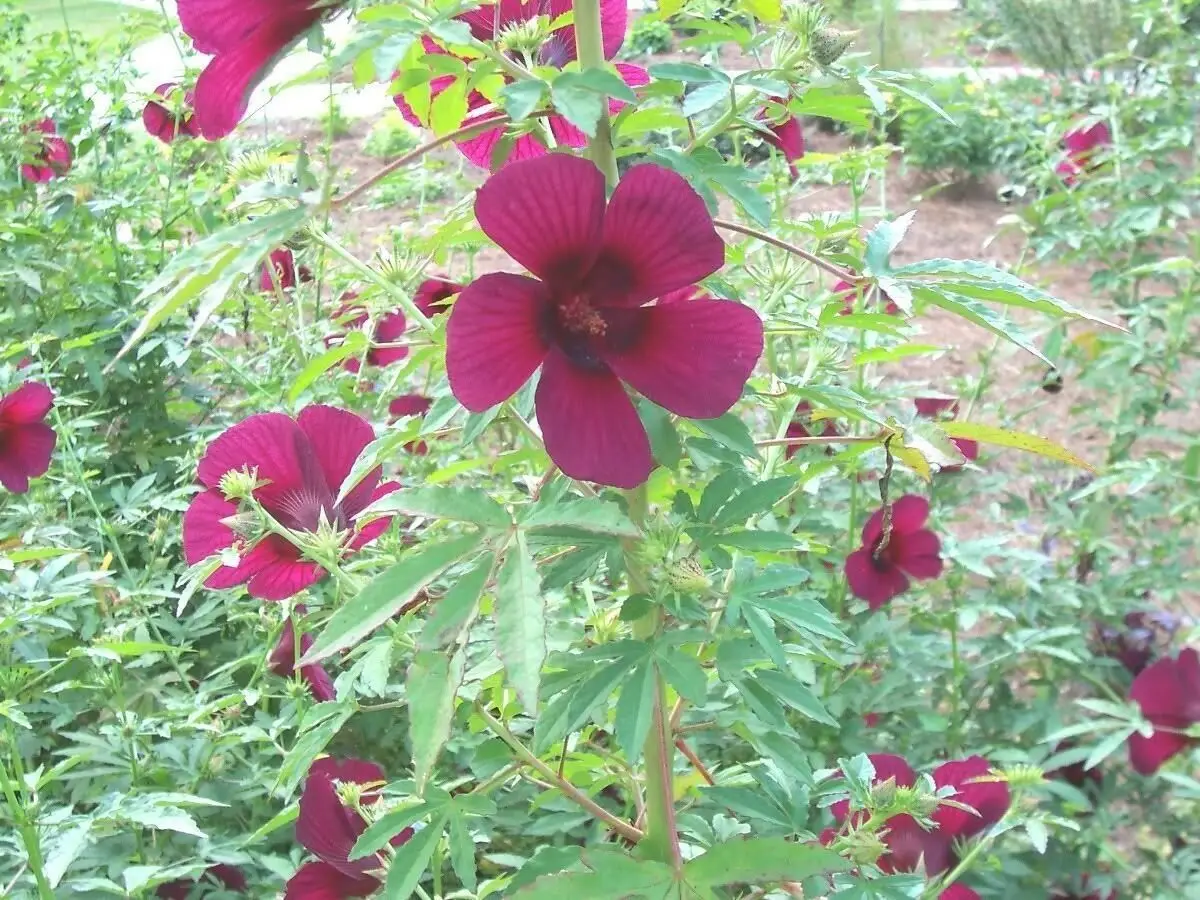
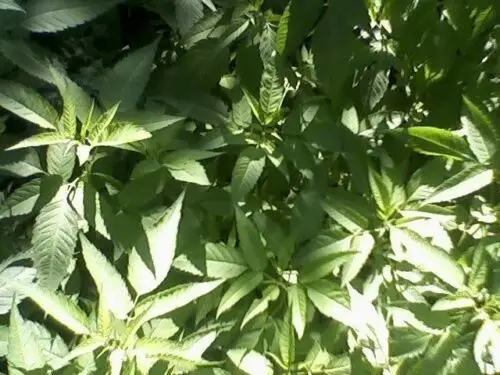
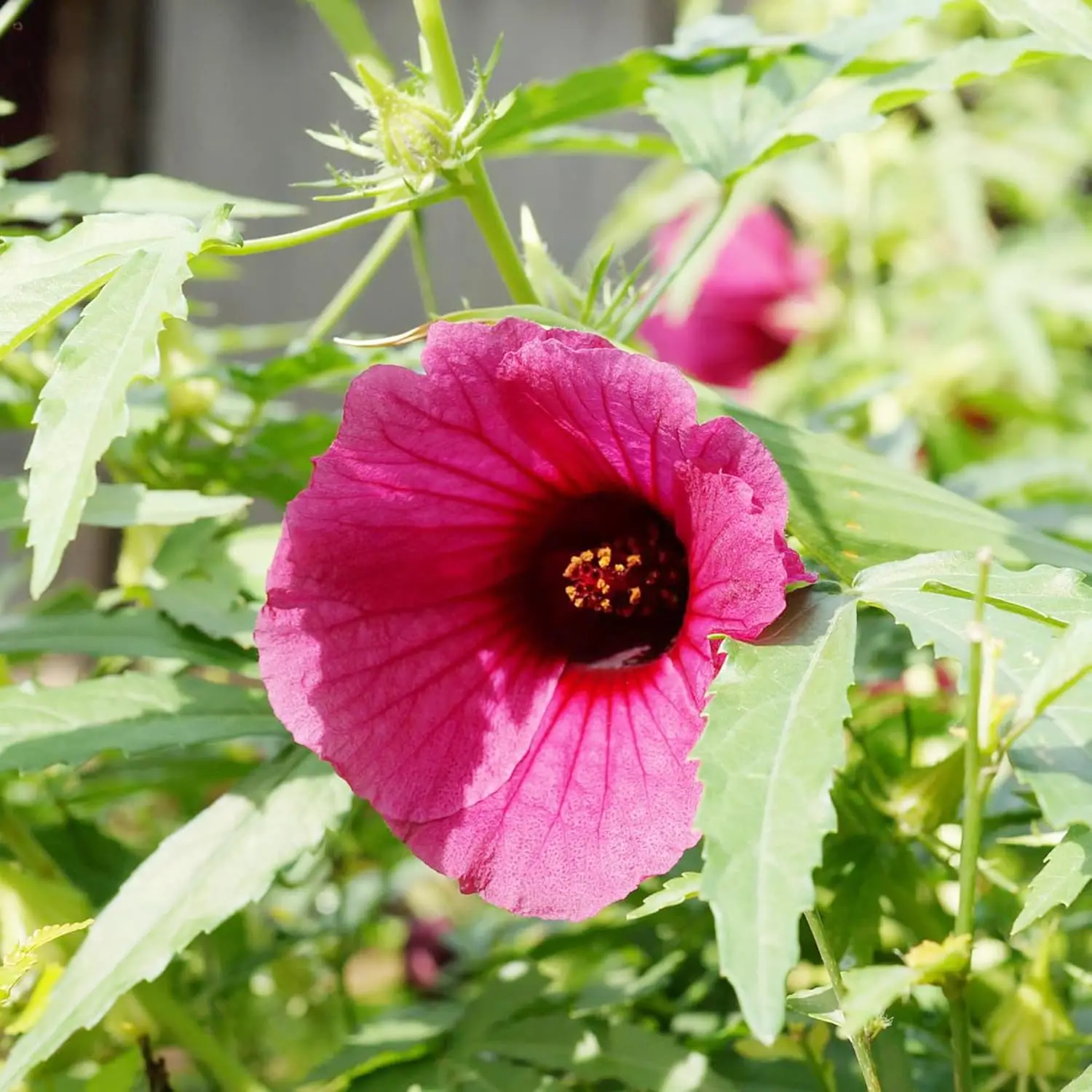
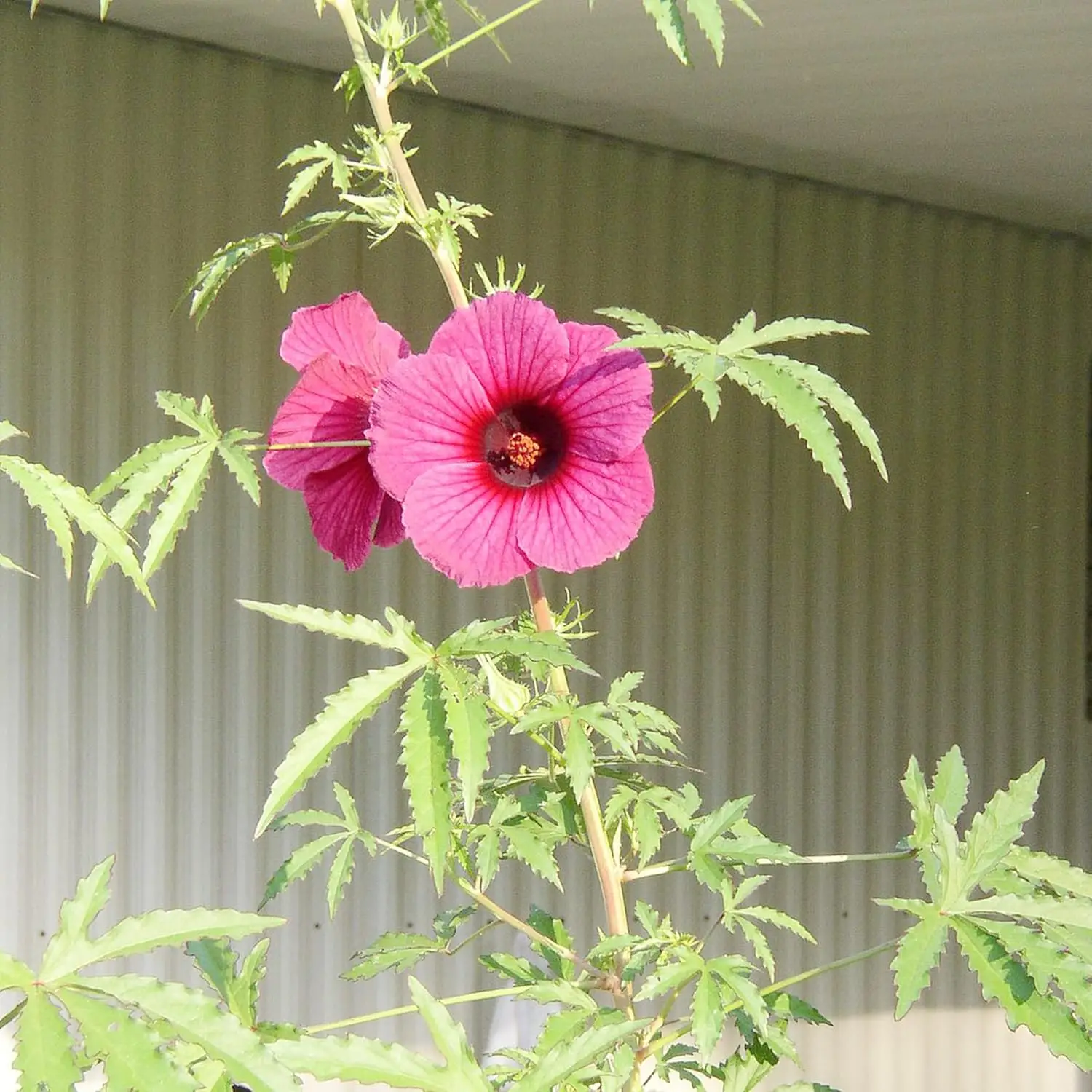
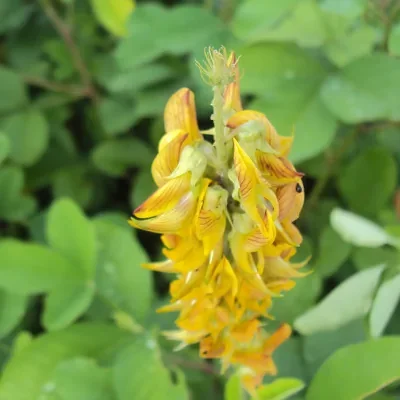
Hibiscus cannabinus produces attractive, yellow or cream-colored flowers with red centers, blooming in solitary axillary positions and striking various pollinators. The flowers are 8–15 cm in diameter, with the flower base color being white, yellow, or purple, and white and yellow flowers are dark purple in the center. This agronomic crop has the potential to reach a height of 3 m and a width of over 5 cm within just three months from seed sowing—vertical speed that will astonish you. The leaves are palmate with lobed margins, typically arranged alternately, dark green in color, ranging from 10 to 20 cm in length. The entire plant is architectural and alive with purpose.
Cultivation is genuinely straightforward. Easy to germinate and grow, the stalks of this species are predominantly used to create ropes, but can also make twine, cloth, and paper. Kenaf demonstrates remarkable adaptability, having been successfully cultivated in diverse environments worldwide, including China, Russia, and India, with minimal to no input required. It is normally cultivated in the tropics and subtropics where temperatures are greater than 20°C. Sow seeds directly into warm soil after frost, keep the location in full sun, and let the plant do what it’s been doing for millennia: explode upward with purpose. Kenaf matures in 100 to 200 days, making a single season feel like a complete growing story—from seed to fiber-ready stalks.
Grow kenaf because you believe in utility meeting beauty. Grow it because a single plant can feed you, clothe you, house you, and heal you. Grow it because watching something launch toward the sky while producing genuine material wealth is nothing short of thrilling. This is not ornament for ornament’s sake. This is a p
Only logged in customers who have purchased this product may leave a review.

Reviews
There are no reviews yet.