FREE SHIPPING OVER €30 FREE SHIPPING OVER €30

Passiflora tripartita var. azuayensis – Passionflower Maracuja Banana, Passion Fruit, Banana Passionfruit, Passionfruit Mango, Mango Passionfruit, Banana Poka, Bananadilla

Botanical nomenclature: Passiflora tripartita var. azuayensis
Common name: Passionflower Maracuja Banana, Passion Fruit, Banana Passionfruit, Passionfruit Mango, Mango Passionfruit, Banana Poka, Bananadilla
Family: passifloraceae
Origin: andes, from center of ecuador to north peru
Height: 6 – 12 meters
Luminosity: full sun, partial shading
Climate: see description below

1.92

You May Also Like

Description

Tripartite passiflora var. Azuayensis of new zealand.

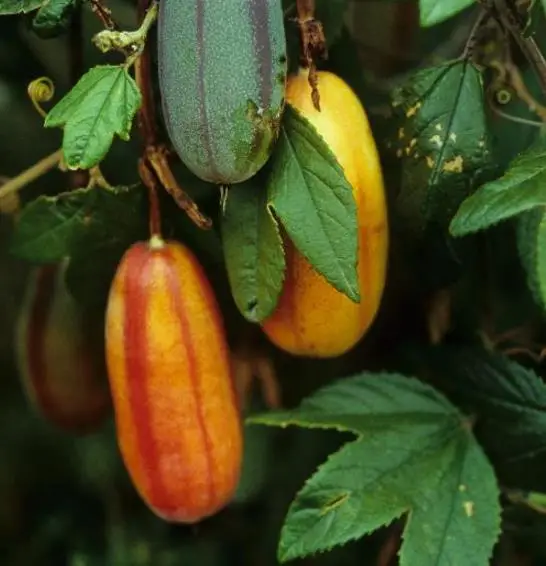
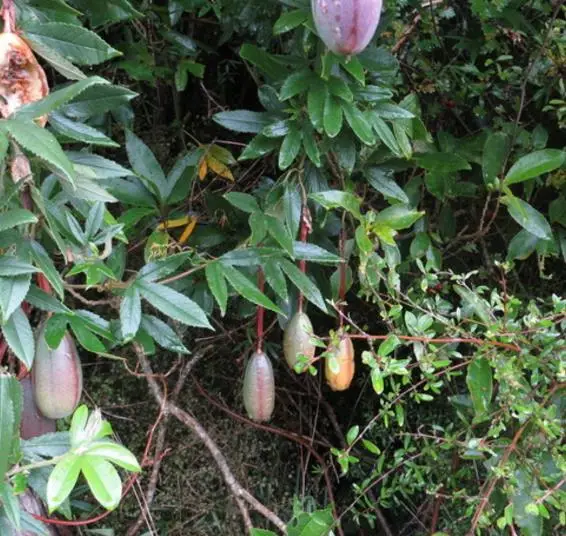
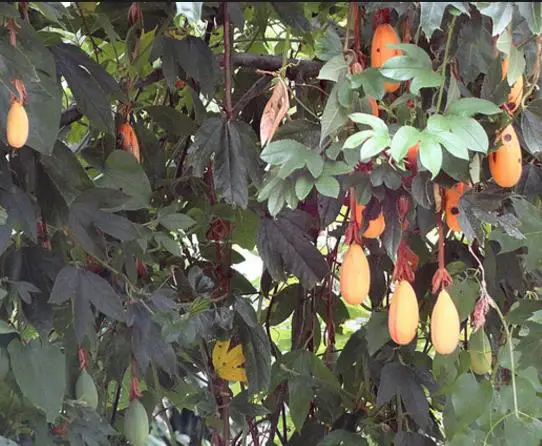
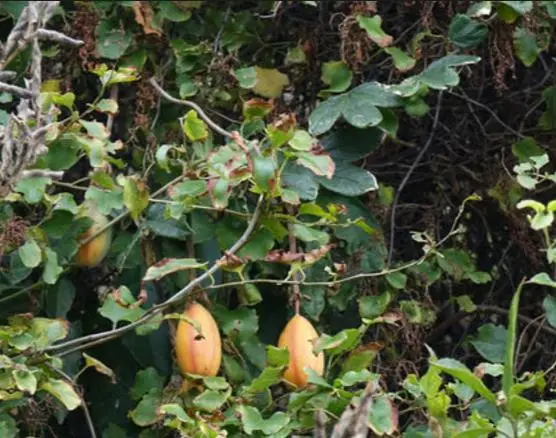
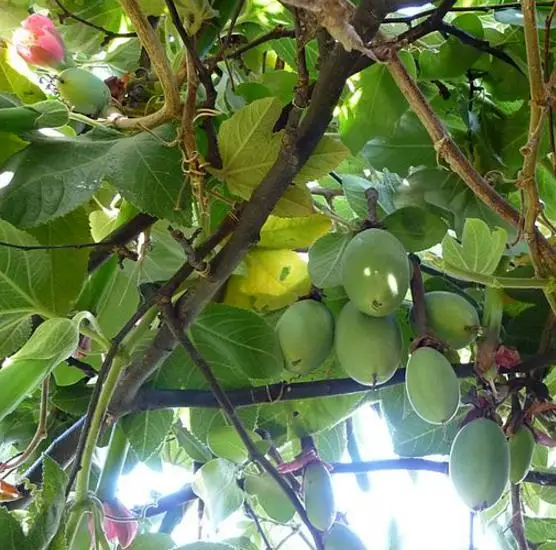
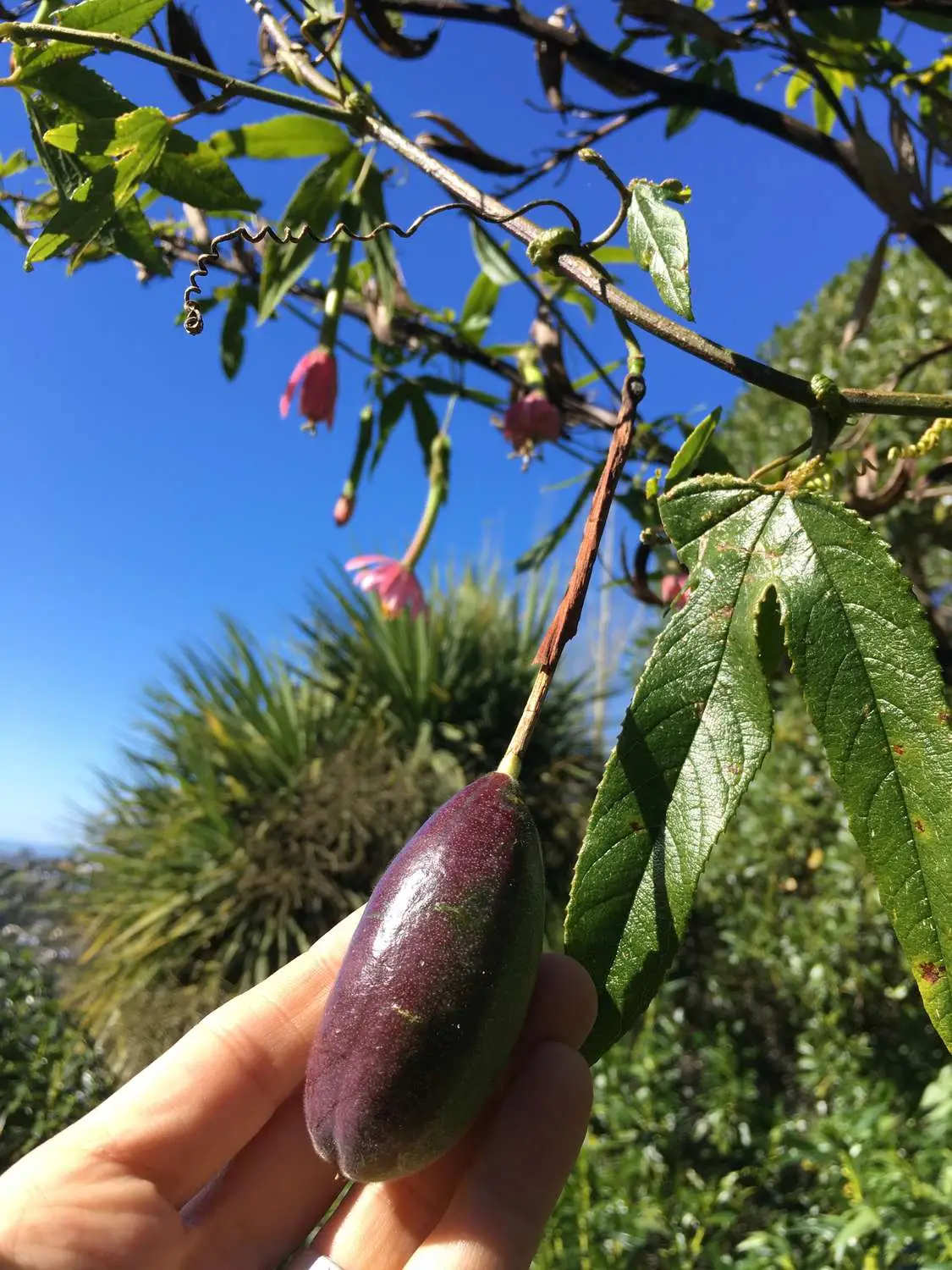
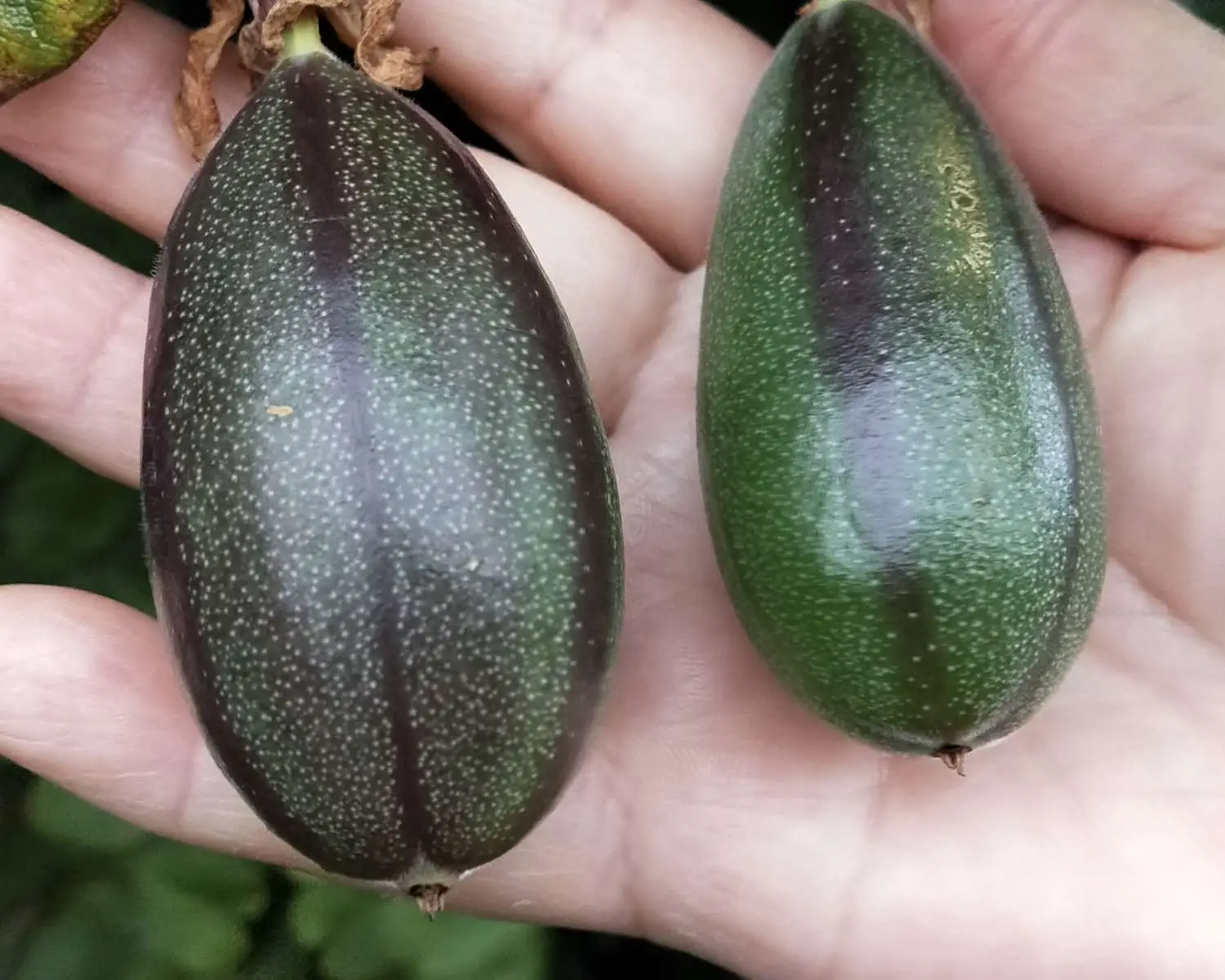
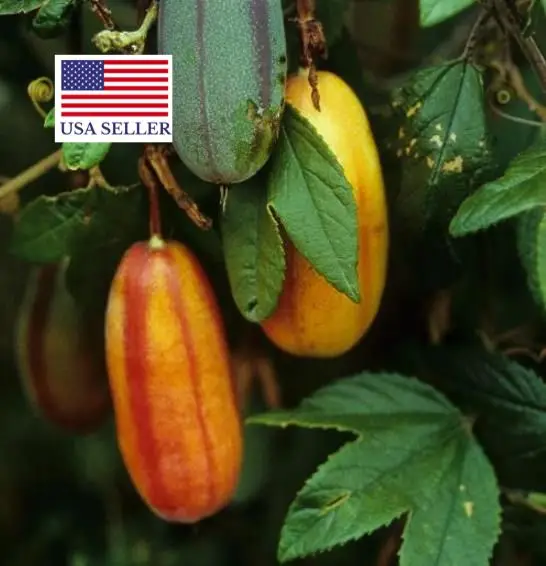
Vigorous passifloraceae family vine grape (very productive) yellow green fruit with darkly dark red linears becoming orange at maturity. Very sweet and taste pulp in natura.

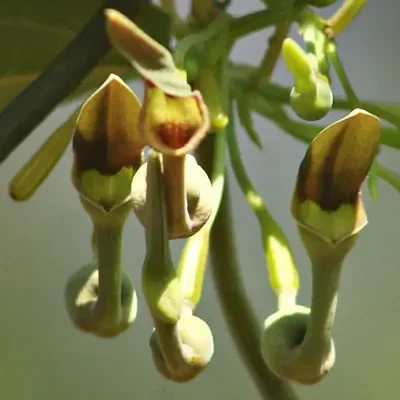
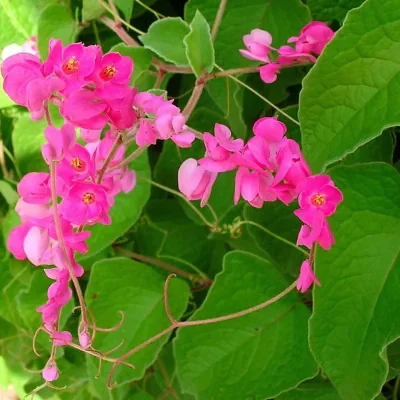
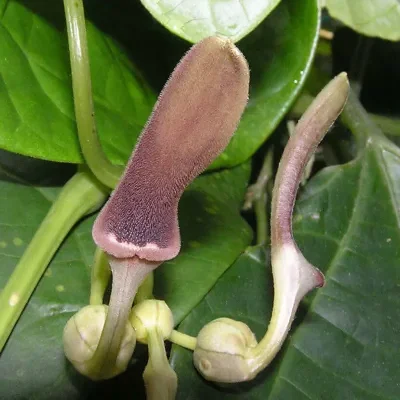
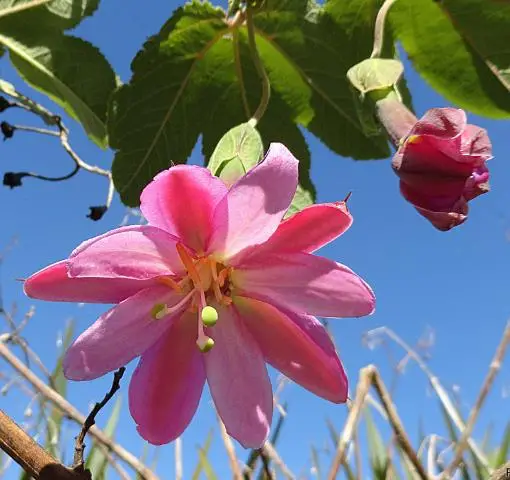
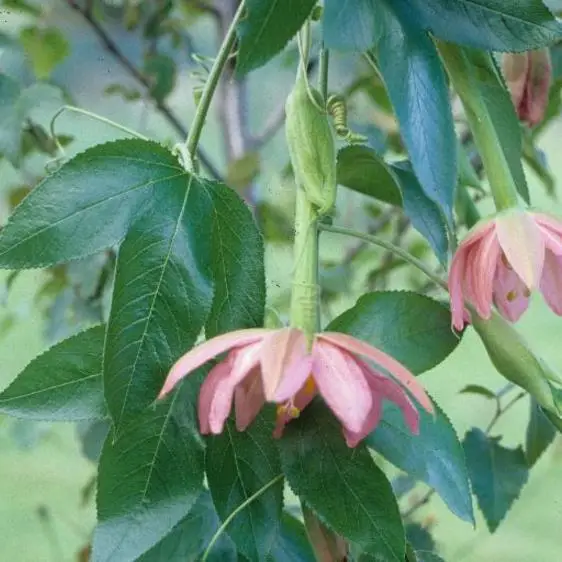
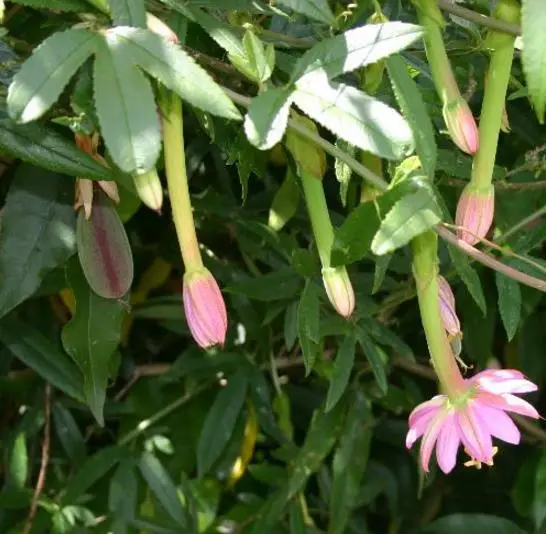
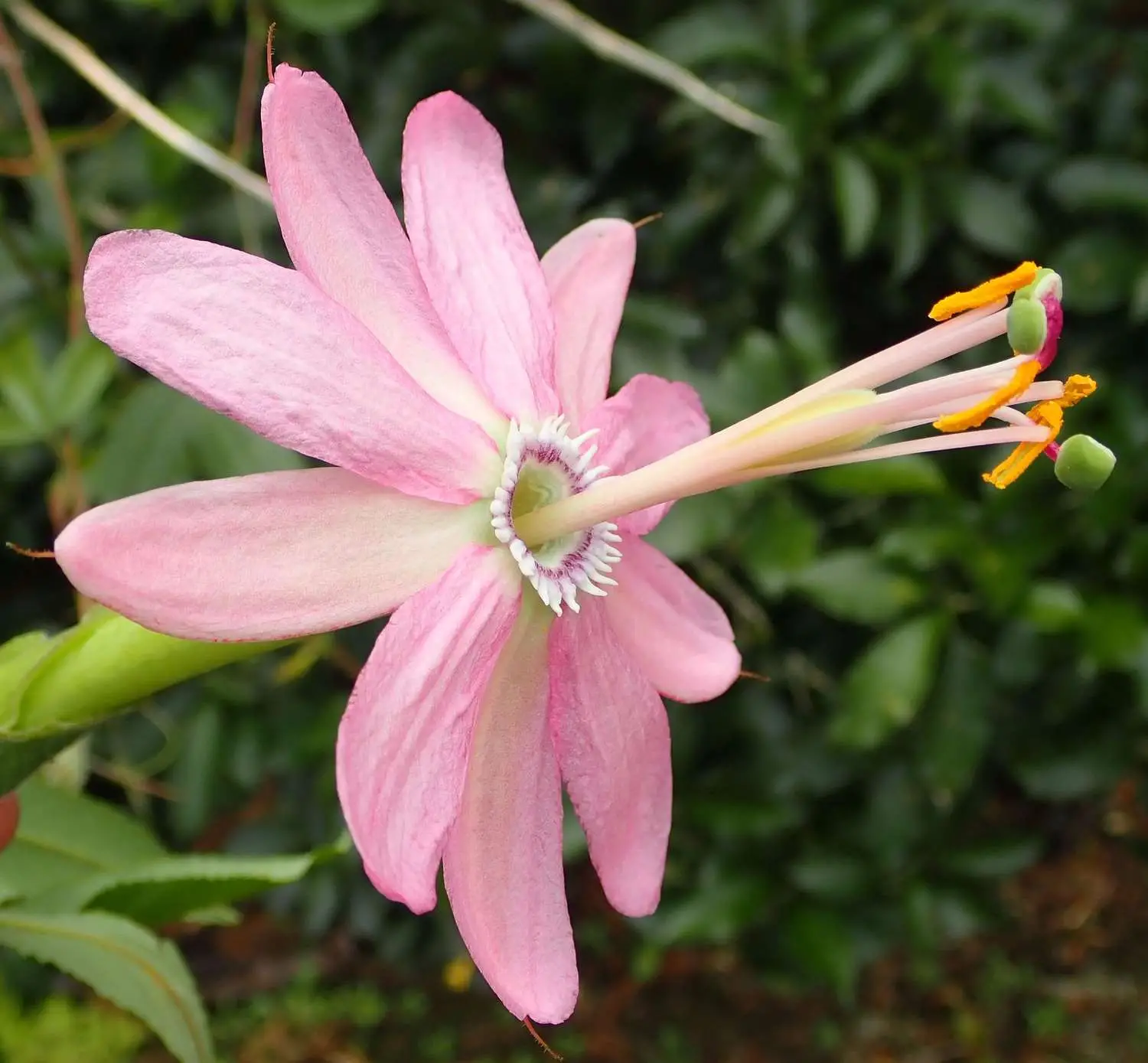
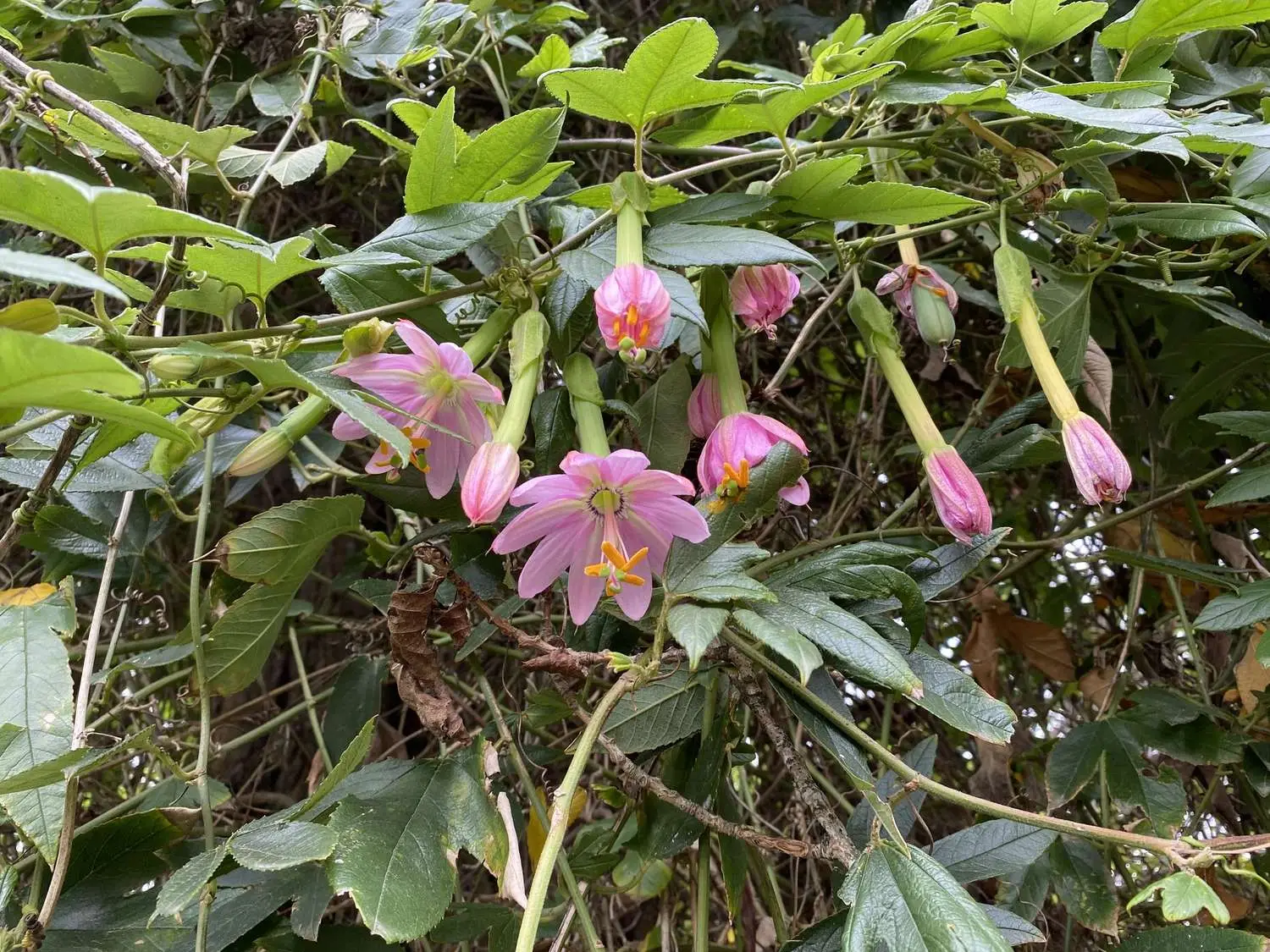
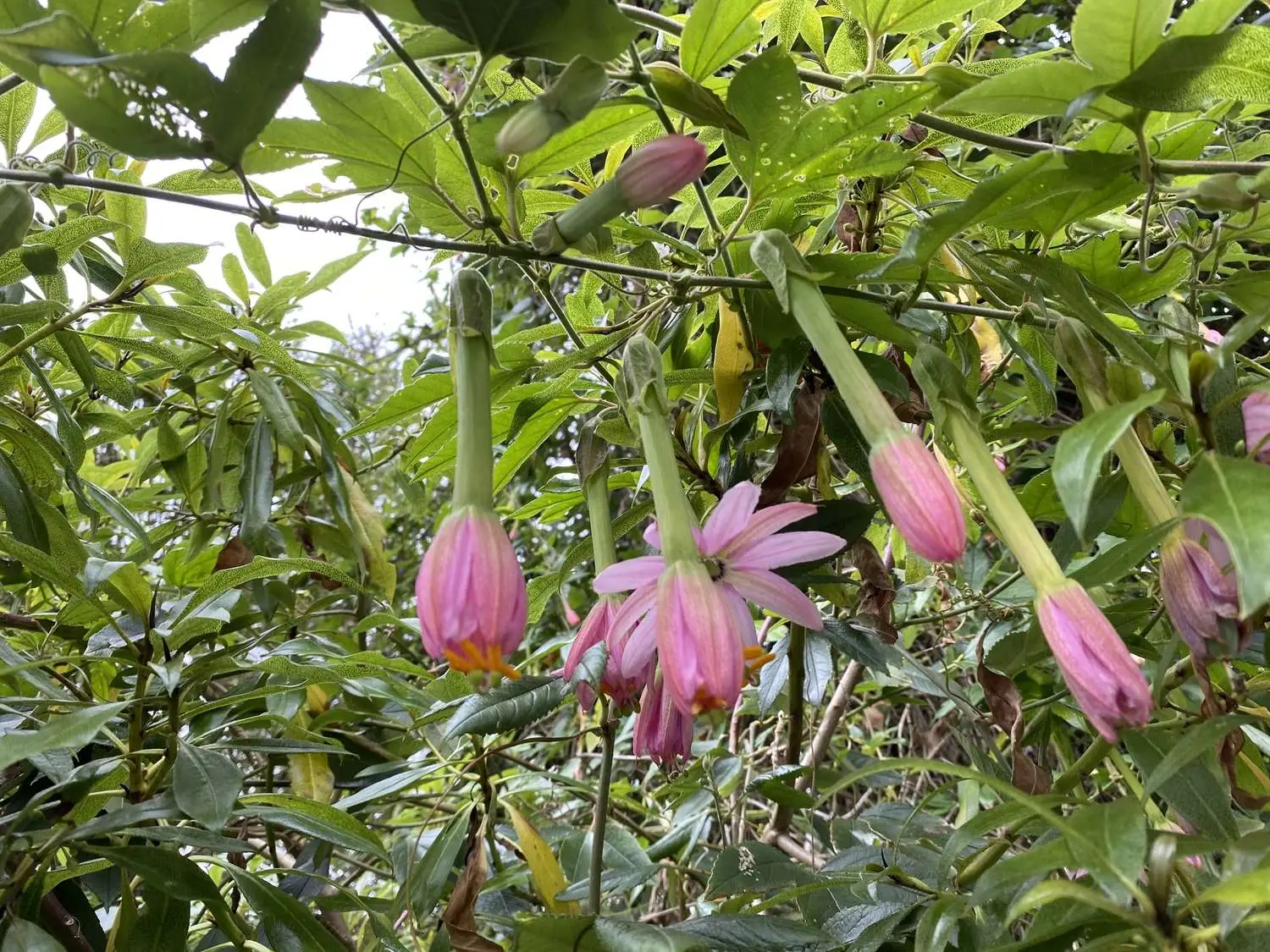
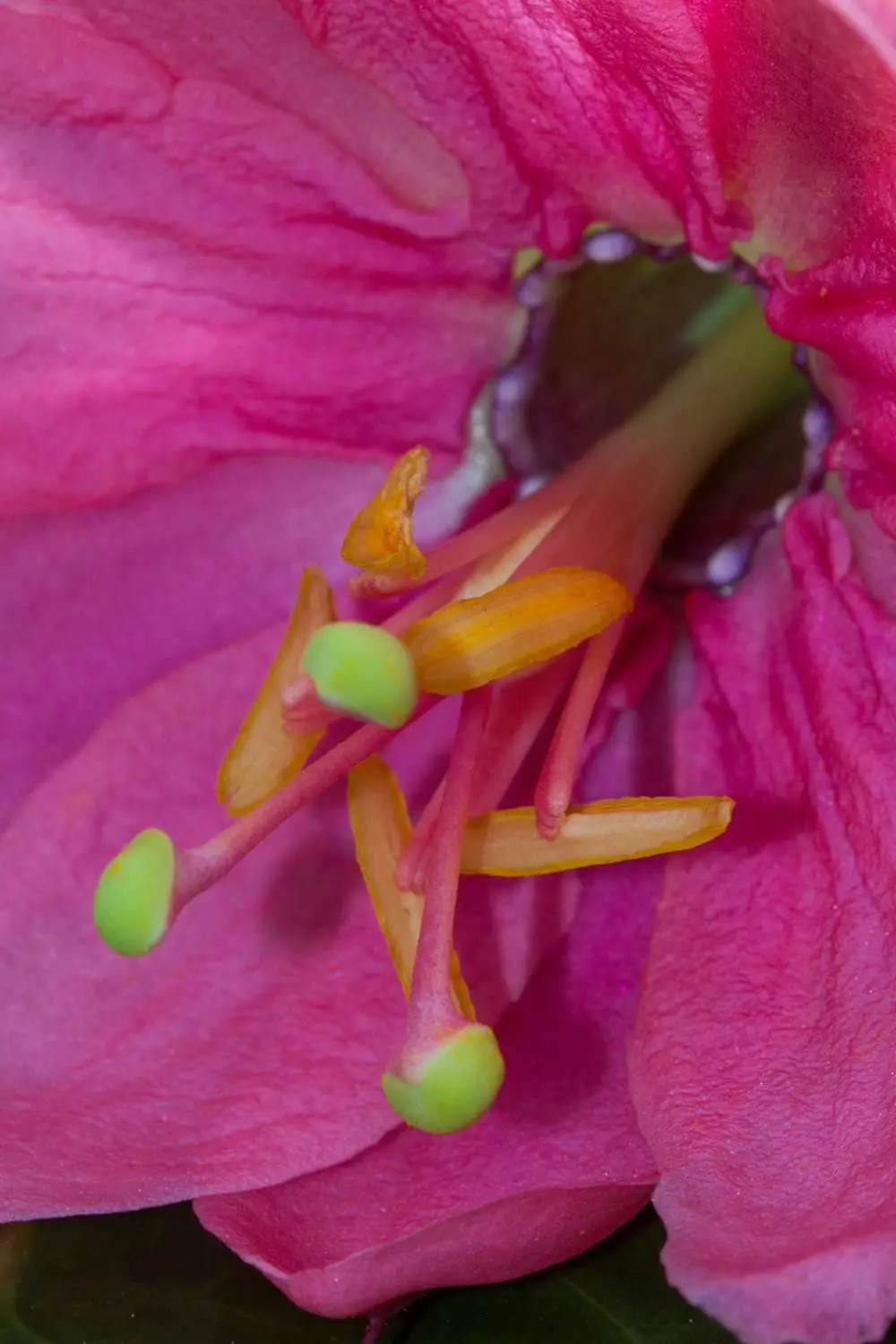
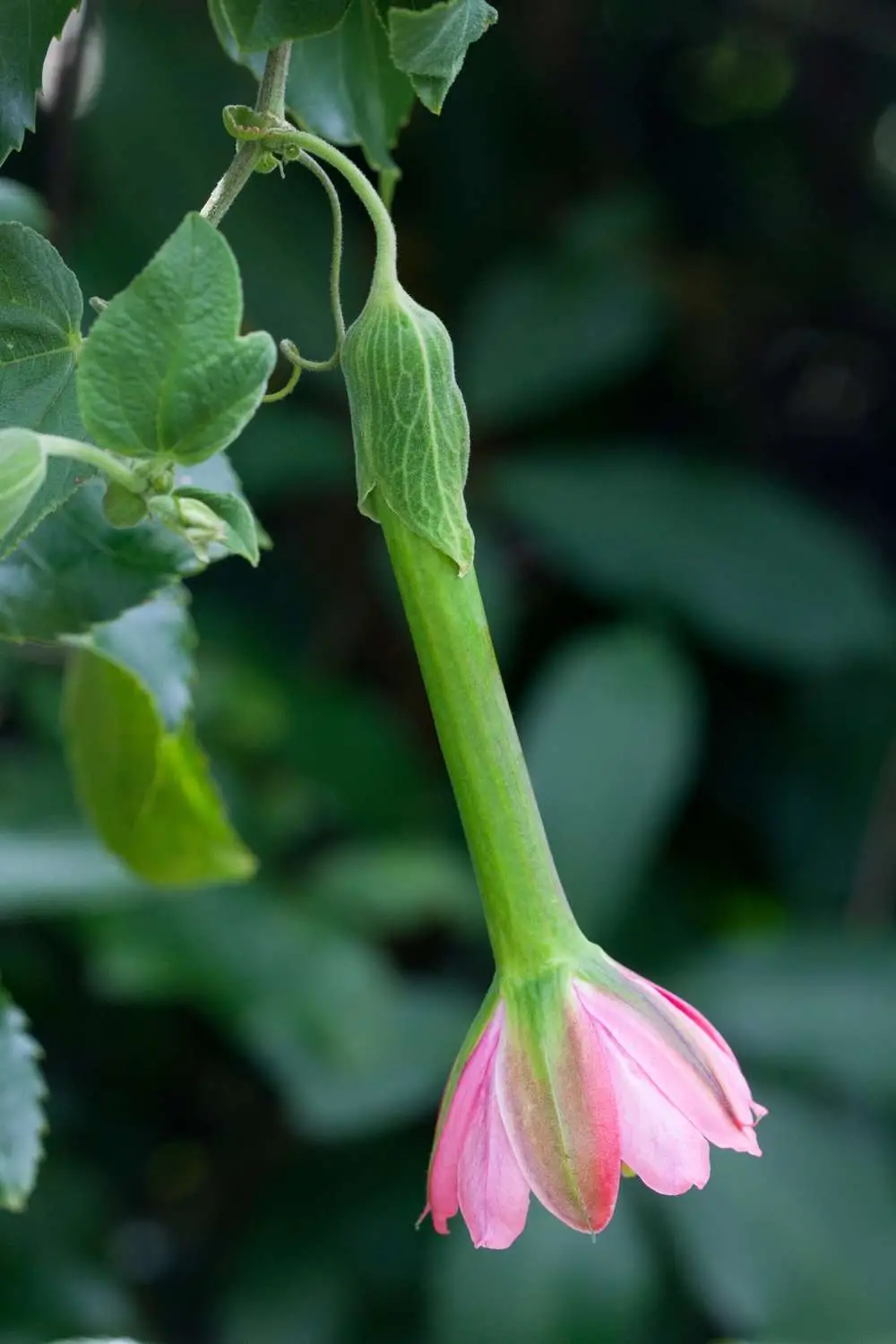
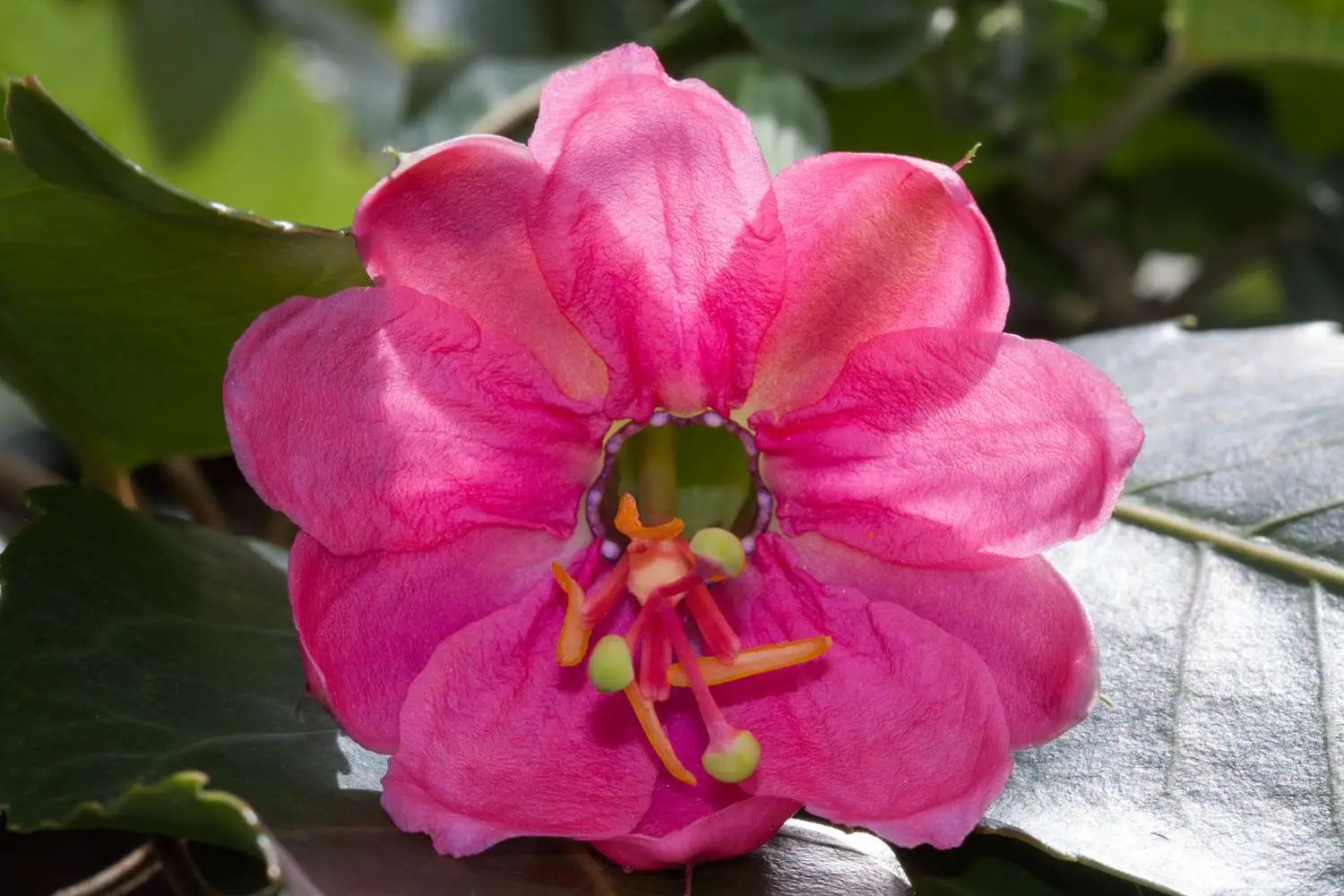
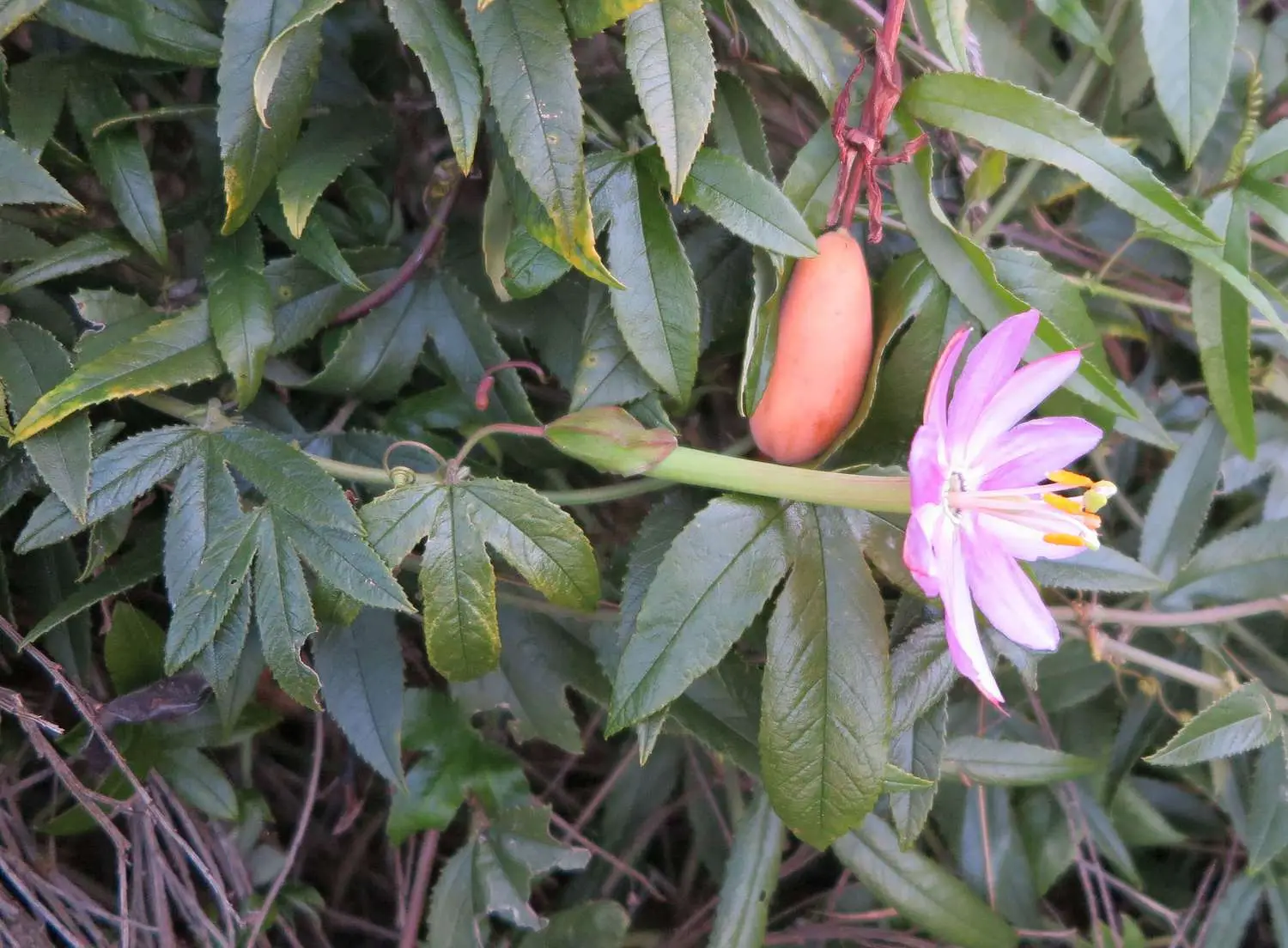
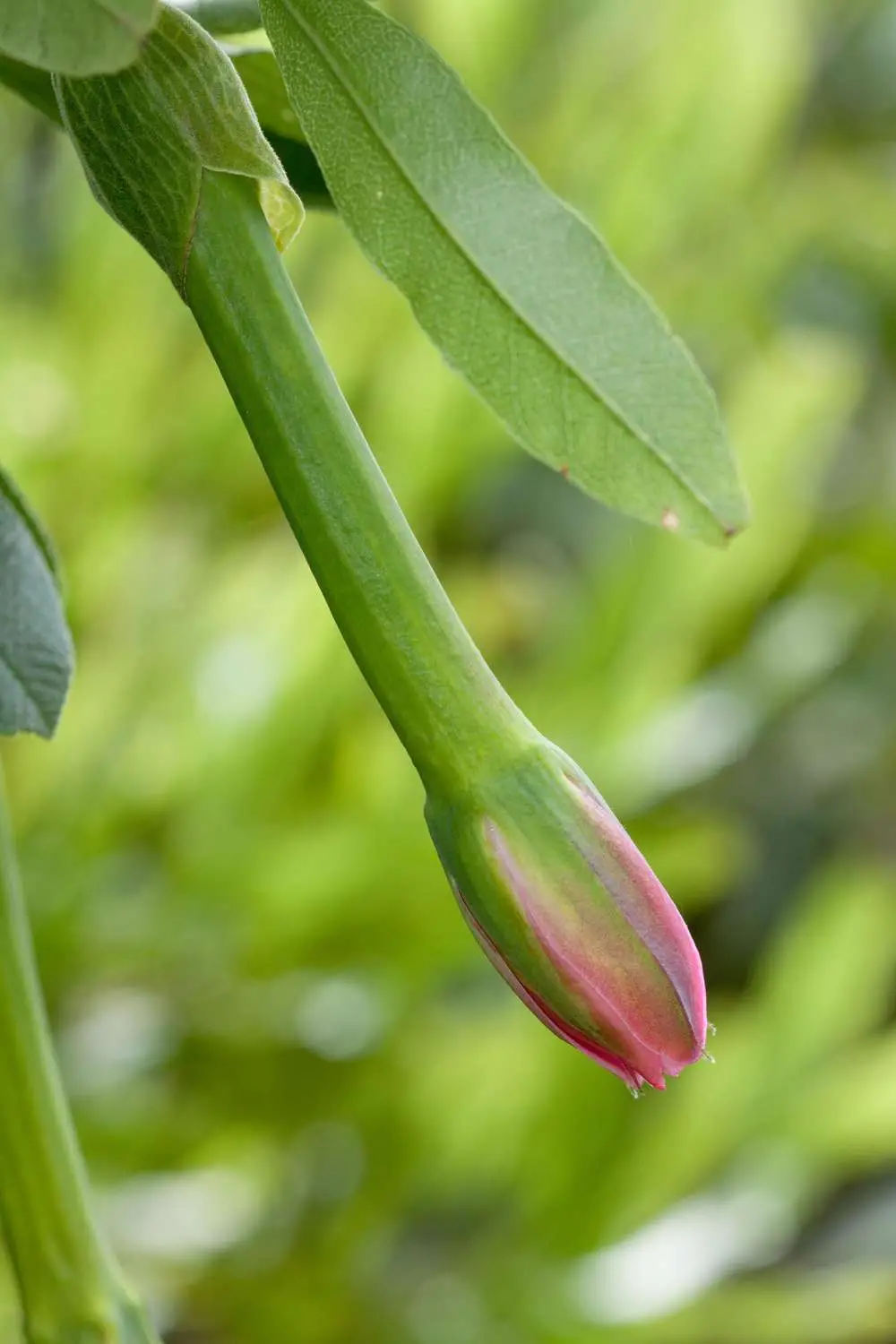
Their great pale pink flowers (about 6 – 8 cm diameter) have a 8 – 10 cm length tube and hang down.

Slightly extended ova fruits (10 – 15 cm) turn yellow – orange when ripe.

Rare and very unknown species that have the habitat of origin of altitude forests of colombia, ecuador and peru.

The species is currently grown in private gardens in new zealand and australia and is known by the common name in that area of passion fruit banana or mango passion fruit.

History and folklore:
The passion flower symbolizes spirituality. 16th century missionaries visiting south america believed their flowering symbolized the death of christ, the petals and sepals represented the disciples, the double queue, and the hold them.

Seeds should be immersed in morn water for a minimum of 24 hours, shall be followed and nextly covered; passionflower seeds need a lot of light to germinate, light and porous substrate is essential for species germination. Keeping constant moisture during all germinative phase is crucial. Direct solar lighting is not recommended, just clarity.

Vigorous threader that can be planted from sea level to over 2,500 meters altitude.

The species are very rare in culture, their flowers attract kisses and are very aromatic, tasteful fruits and can be tasted in natura or in preparation of juices, ice creams and james.

Germination Guide

🌍 Colombia and Ecuador (interandean valleys, 1700-3000 meters elevation)
Moderate

Passiflora manicata, commonly known as the Red Passion Flower, is a vigorous tropical vine native to the Andean montane forests of Colombia and Ecuador. It is celebrated for its large, striking scarlet flowers with intricate corona structures and produces edible green fruits. Seeds require warm temperatures and soaking pretreatment for reliable germination, typically germinating within 2-6 weeks under optimal conditions.

Germination
Germination time
Expect germination in

14 – 84 days

Temperature

Min 21°C
Ideal 25°C
Max 29°C

Light
☀️ Light required

Substrate moisture
💧💧 High

Sowing depth
Lightly covered


Seed Pre-treatment
  • 💧

    Soaking — 24 hours
    Soak seeds in warm water (70-80°F/21-27°C) for 12-24 hours before planting to soften the seed coat and reduce germination time. Alternatively, soak in orange juice for acidity benefits to aid germination.
  • 📋

    Additional notes
    Soaking is essential due to the hard seed coat. Warm water, passion fruit pulp, or orange juice all facilitate faster germination.

Substrate & Container
Recommended substrate
Perlite peat or light, porous substrate free of pathogens; well-draining loamy soil mix recommended

Recommended container
Plastic pot with transparent lid or humid propagation chamber


Growing Tips
Provide bottom heat (70-80°F/21-27°C) for faster and more uniform germination (2-4 weeks). Maintain high humidity using a propagation mat or humid chamber. Place seeds just below soil surface with transparent lid for light exposure. Use orange juice to moisten soil for acidity benefits. Keep substrate consistently moist but not waterlogged. Once seedlings sprout, provide bright light and gradually acclimate to full sun. The plant is sensitive to cold when young; protect from temperatures below 32°F (0°C). Use slow-release fertilizers with low nitrogen to promote flowering over excessive foliage.

Reviews

There are no reviews yet.

Only logged in customers who have purchased this product may leave a review.
Related Products