
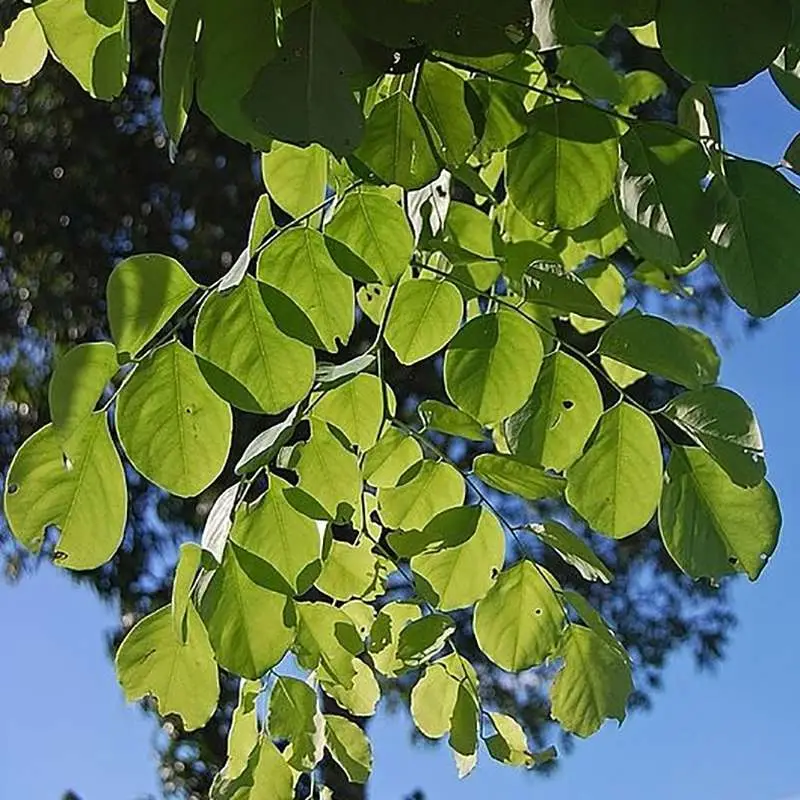
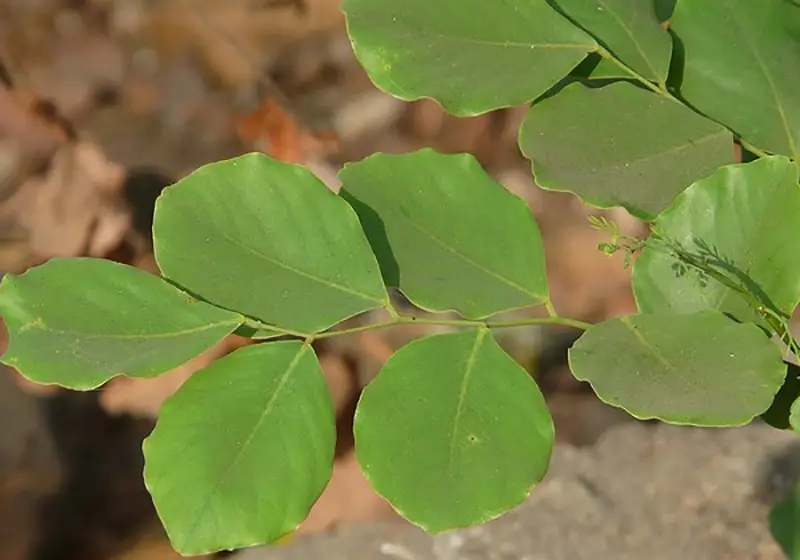
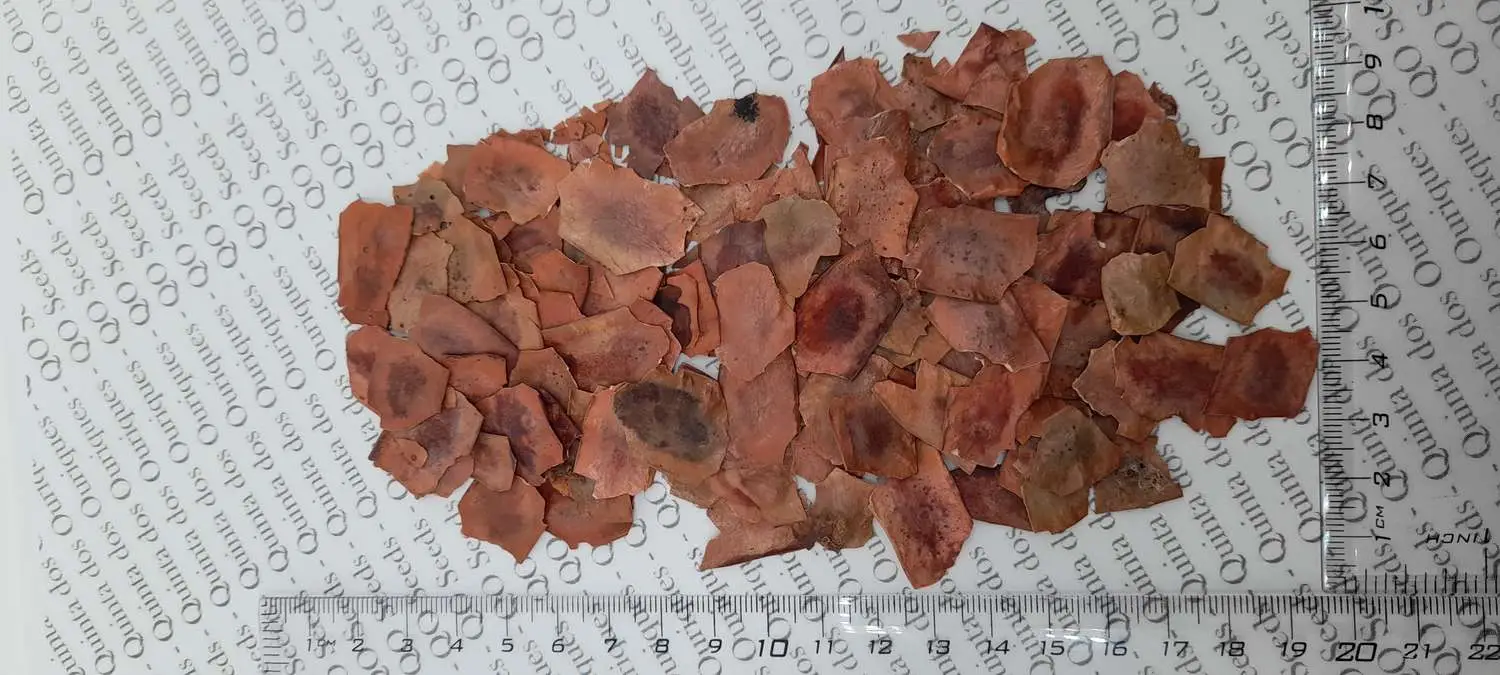
Witness the birth of legend. Dalbergia latifolia—the timber that sings in concert guitars and graces the world’s finest furniture—can grow in your hands from seed. This Indian rosewood produces heartwood of extraordinary beauty: deep purples bleeding into rich browns with striking black striations that reveal themselves only to those patient enough to cultivate them. Every seed carries centuries of tropical forest mystery. Plant it. Watch it thrive in full
€3.52
You’re holding the seeds of legend—the tree that master luthiers and furniture makers have coveted for over a century, the one that refuses to be replicated, the one that costs thousands per board-foot and still can’t meet global demand.
Dalbergia latifolia, the Indian rosewood, is native to the tropical monsoon forests of southeast India—a tree born in one of Earth’s most biodiverse crucibles. It grows wild from the sub-Himalayan regions down through Kerala and the Western Ghats, thriving in the humid deciduous forests where monsoon rains sustain an ancient equilibrium. For centuries, local communities have revered this species not just for its wood, but for its medicinal bark, its nitrogen-fixing roots, and its role as a shade provider in agroforestry systems. Today, it stands as a CITES Appendix II species—a testament to both its desirability and its rarity. When you grow this tree from seed, you’re participating in something profound: legitimate, sustainable cultivation of a timber so exceptional that the world cannot stop wanting it.
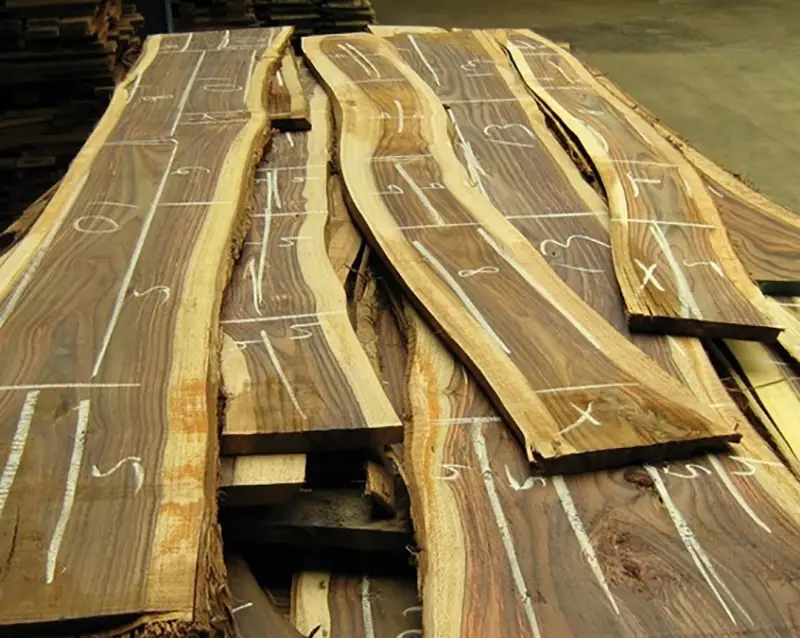
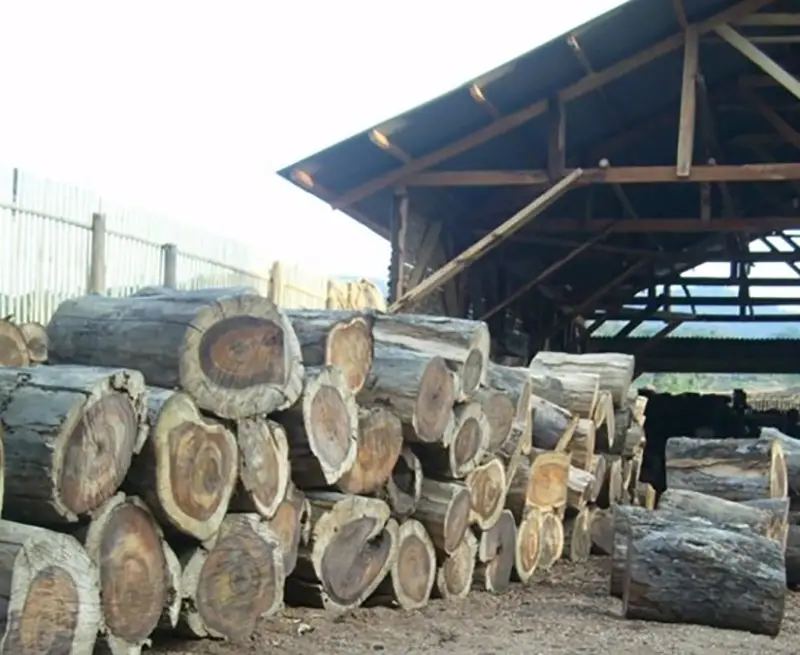
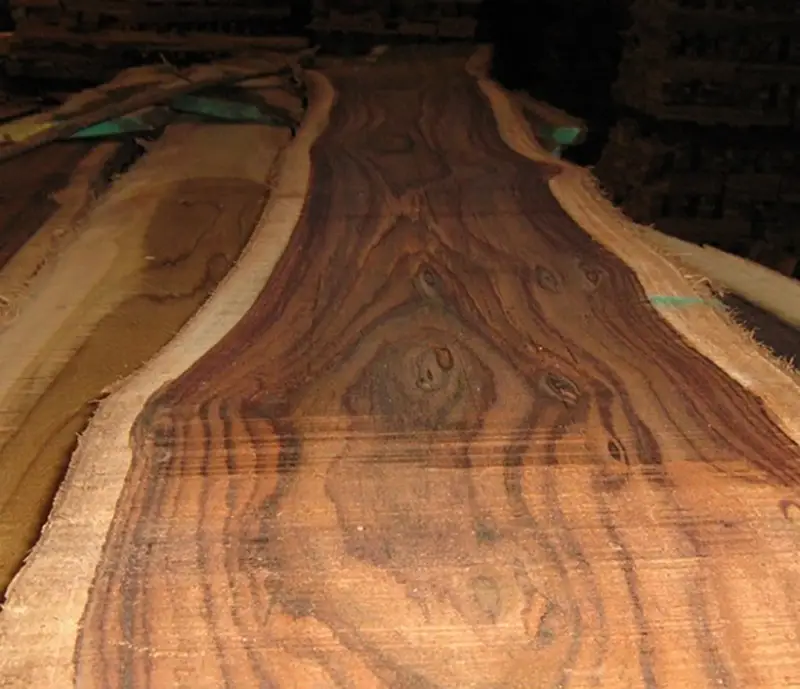
The wood itself is the protagonist of this story. Imagine heartwood that shifts from golden-rose to deep purplish-brown, threaded with dramatic black or red streaks that create an interlocking grain pattern—nature’s abstract art rendered permanent. The sapwood is pale yellowish-white, creating a sharp, beautiful contrast that craftspeople have prized since the 19th century. This is the wood that forms the backs and sides of concert-grade acoustic guitars, producing warm, projecting tones with exceptional sustain. This is the wood that elevates furniture from functional to heirloom. The heartwood is so dense and durable—naturally resistant to termites, decay fungi, and rot—that it retains its shape flawlessly through centuries. It darkens with age, becoming more luminous, more valuable. The wood itself is fragrant, emitting a rose-like scent when freshly cut. When properly polished, it takes on a lustrous, glassy finish that no stain or artificial treatment can replicate. This is why it commands prices that make other hardwoods blush.
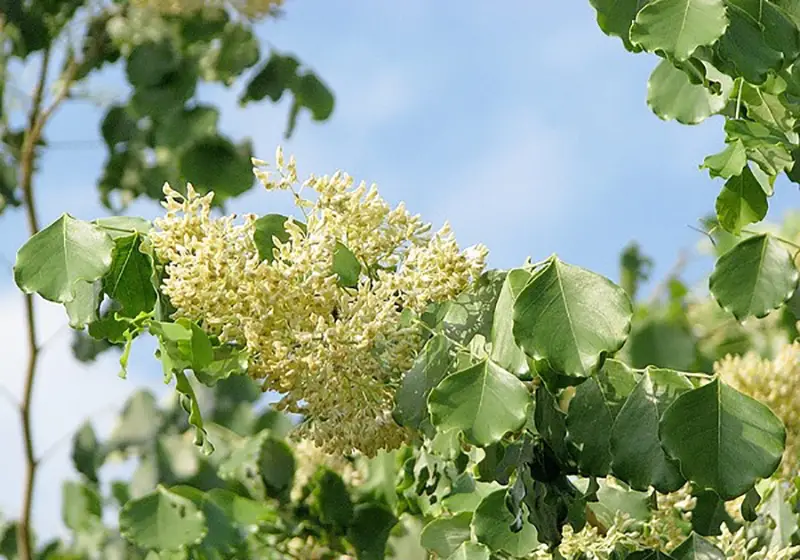
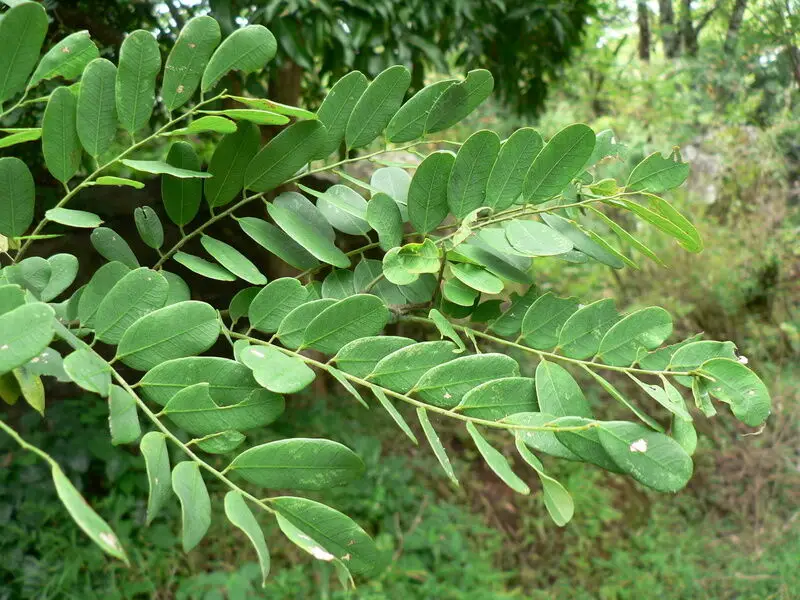
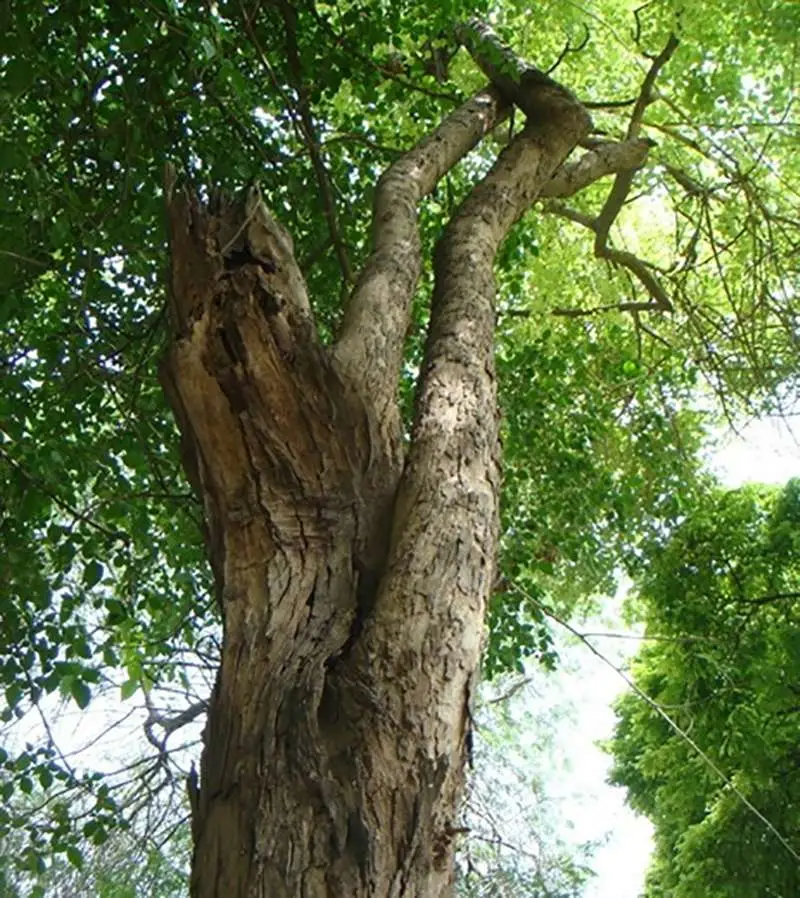
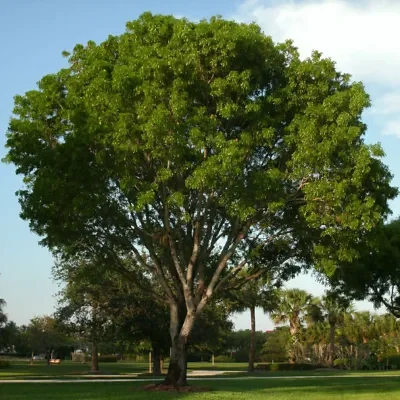
But there’s more. If you’re drawn to traditional medicine, the bark holds compounds that cultures have used for millennia—tannins that address digestive complaints, anti-inflammatory properties validated by recent research, and compounds showing promise against resistant pathogens. The flowers are small, white, delicate—beloved by bees that produce dark amber honey with a distinctive, strong flavor. The tree itself is a nitrogen-fixer, enriching soil and making it invaluable in agroforestry and reforestation projects. In dry regions, it becomes semi-deciduous; in moist climates, it remains evergreen. It grows to 30–40 meters with a straight bole, a commanding presence.
Cultivating Dalbergia latifolia is surprisingly accessible. This is a full-sun lover—it cannot thrive in shade—but once established, it is remarkably tough. It tolerates a wide range of soils: sandy, loamy, clay, even highly alkaline or saline conditions. It prefers well-drained, deep, moist soil, but older trees become extremely drought-resistant. It thrives in tropical and subtropical climates with rainfall from 750–5,000 mm annually, and can tolerate dry seasons of up to six months. Temperature-wise, it endures minimums as low as 0–6°C. Starting from seed is straightforward: soak seeds in cool water for 12–24 hours to hasten germination. Direct sow under moist conditions with good weed control, or raise seedlings in a nursery for 6–12 months before transplanting. Once established, this tree is a grower’s dream—medium growth rate, adaptable, resilient. In agroforestry systems, spacing is typically 3×1 to 6×2 meters. Trees reach harvest maturity for premium timber in 30–60 years, though this is a tree that rewards patience with exponential value. You can start small—a potted specimen in a sunny location, well-drained soil, seasonal moisture—and watch it develop the architecture and character o
Only logged in customers who have purchased this product may leave a review.

Reviews
There are no reviews yet.