Description
Passiflora edulis f. flavicarpa, commonly known as Yellow Passion Fruit, is a vigorous, evergreen climbing vine belonging to the Passifloraceae family. Native to South America, it is widely cultivated in tropical and subtropical regions for its aromatic and tangy fruits.
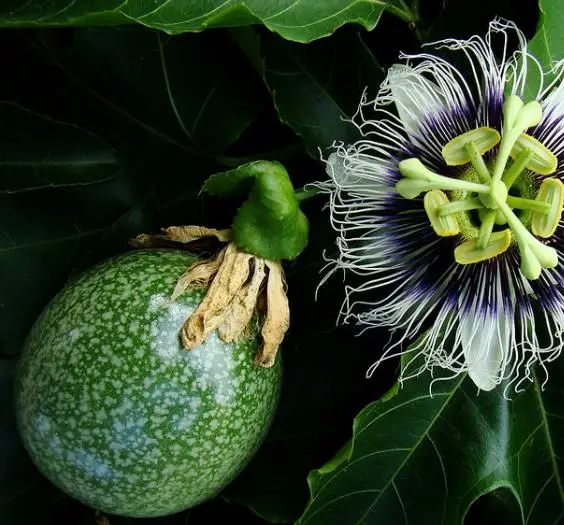
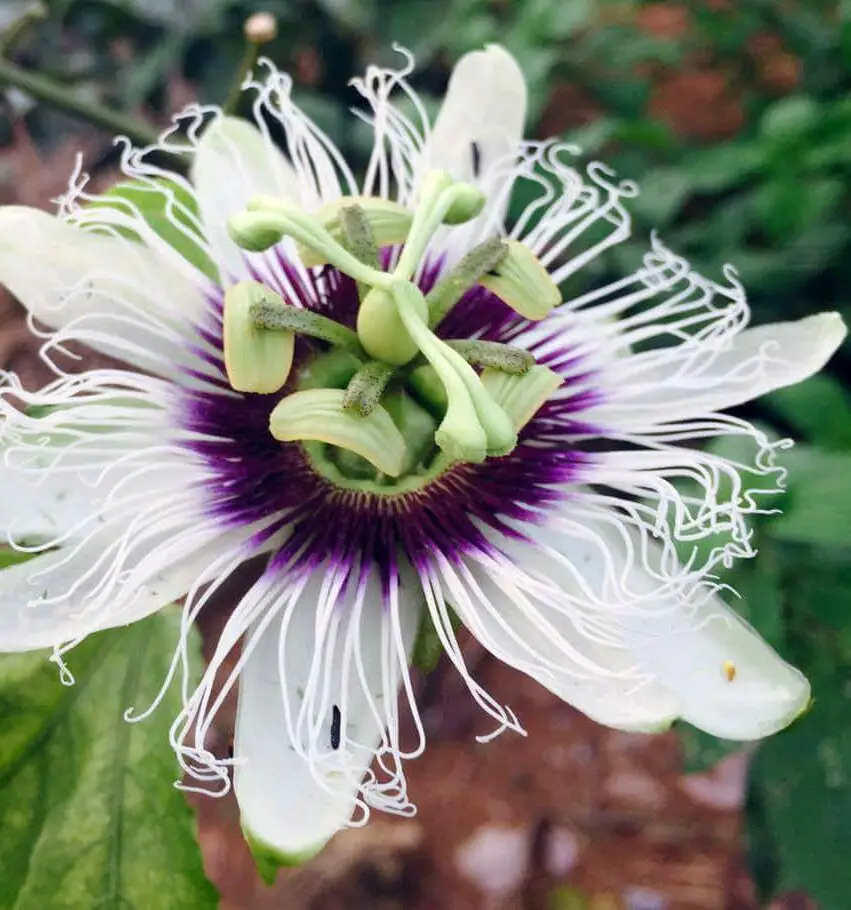
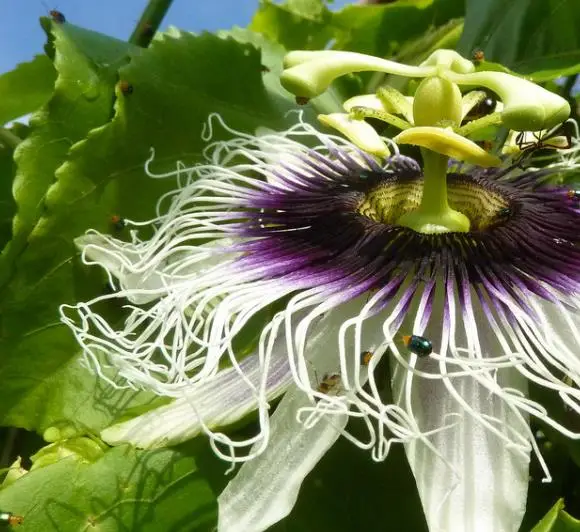
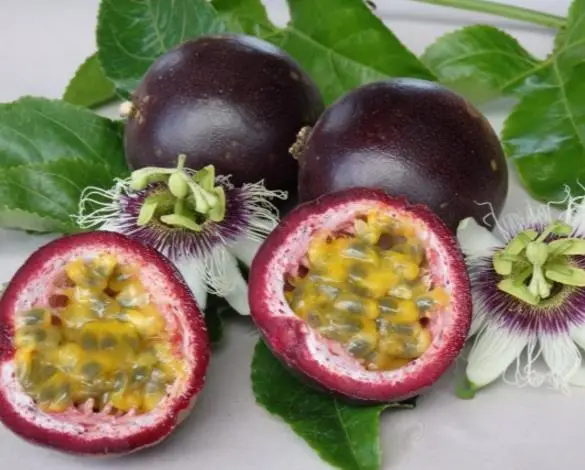
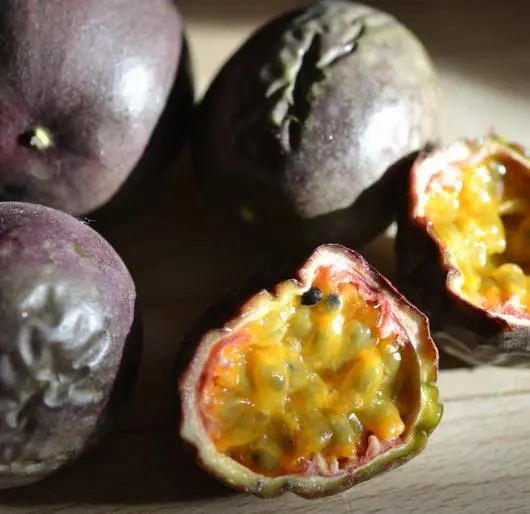
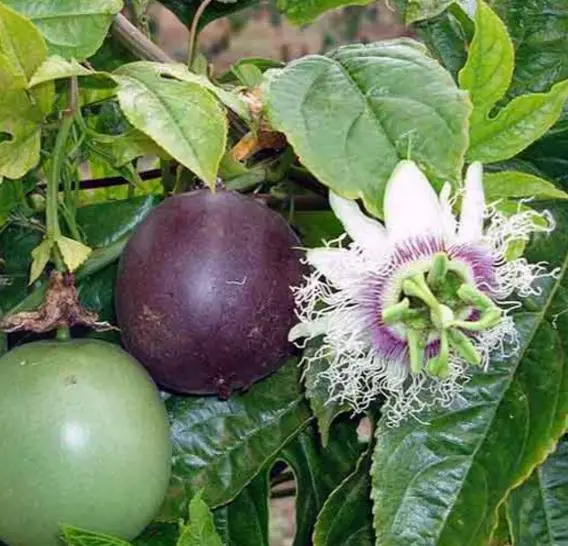
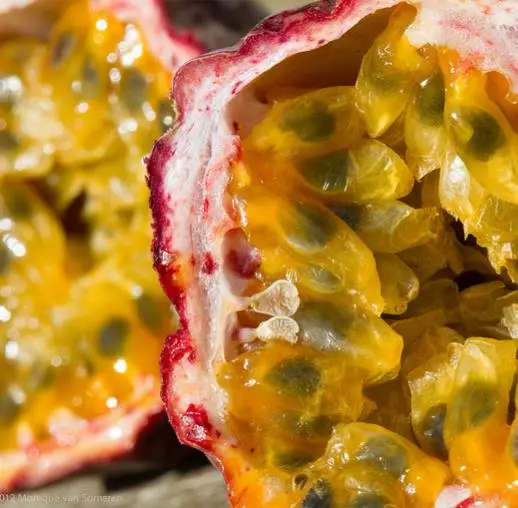
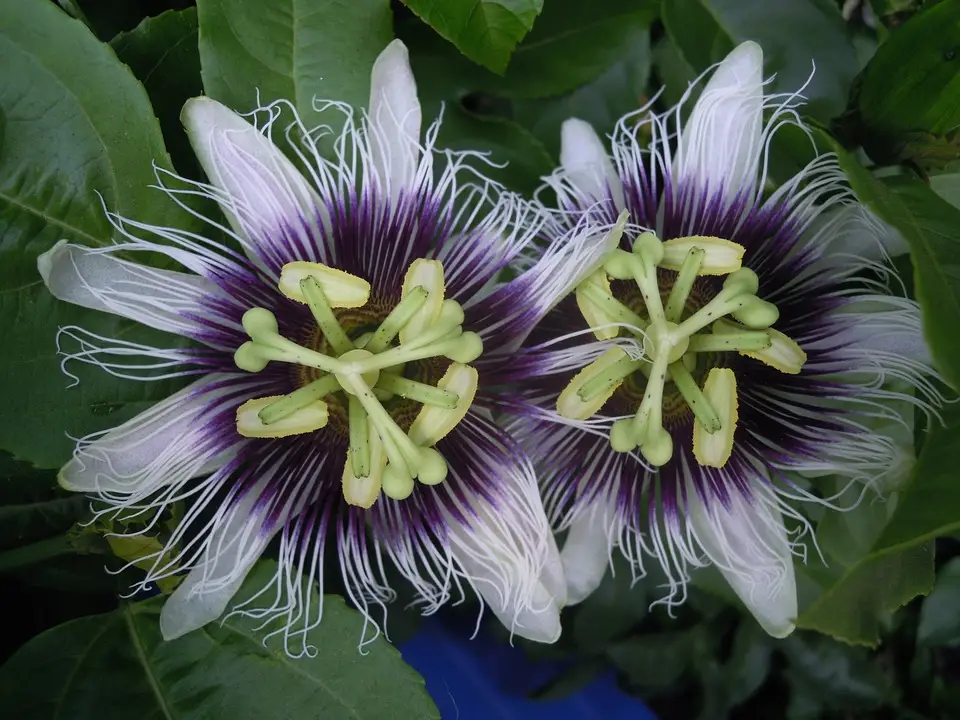
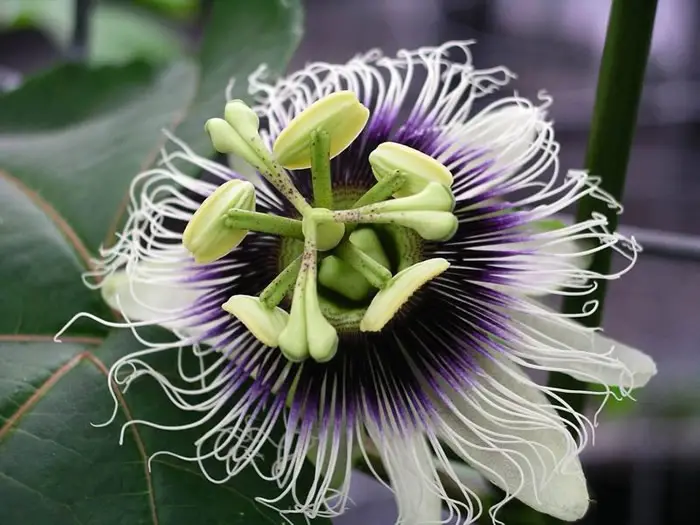
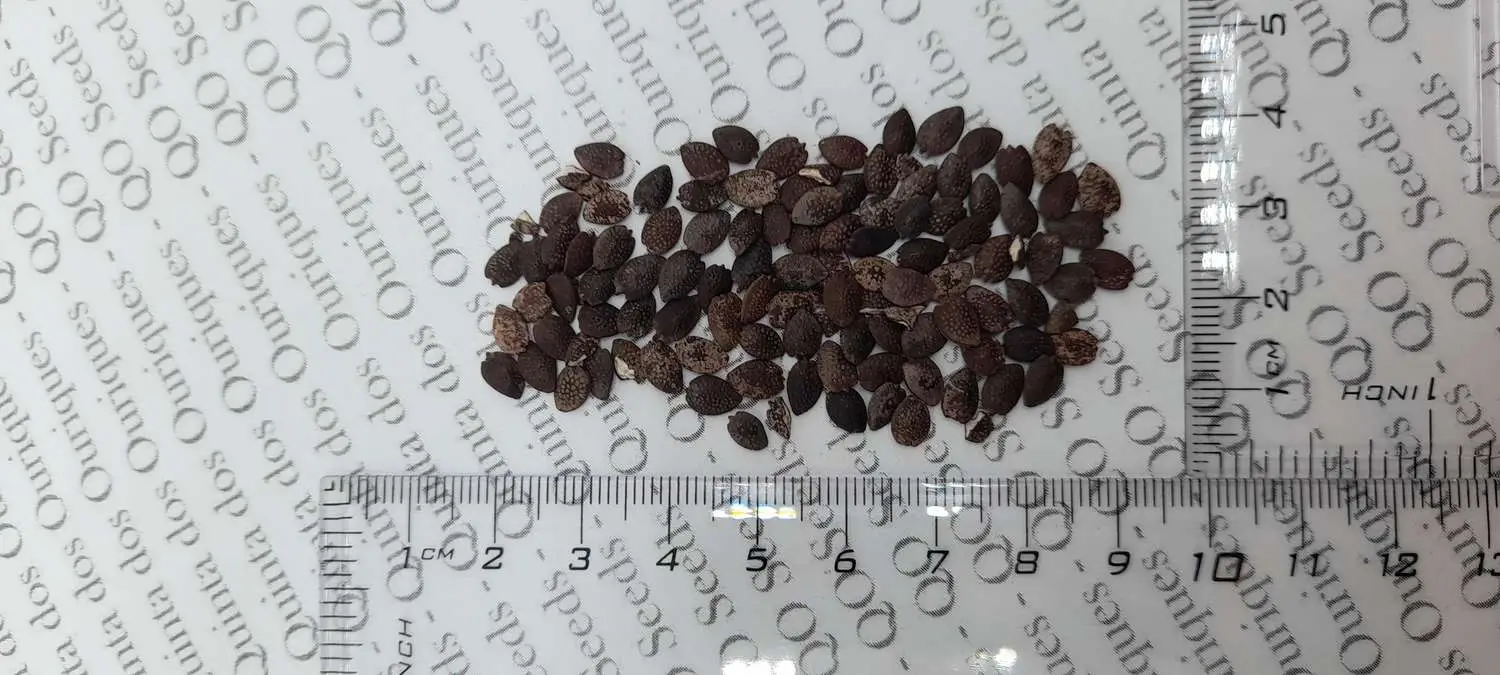
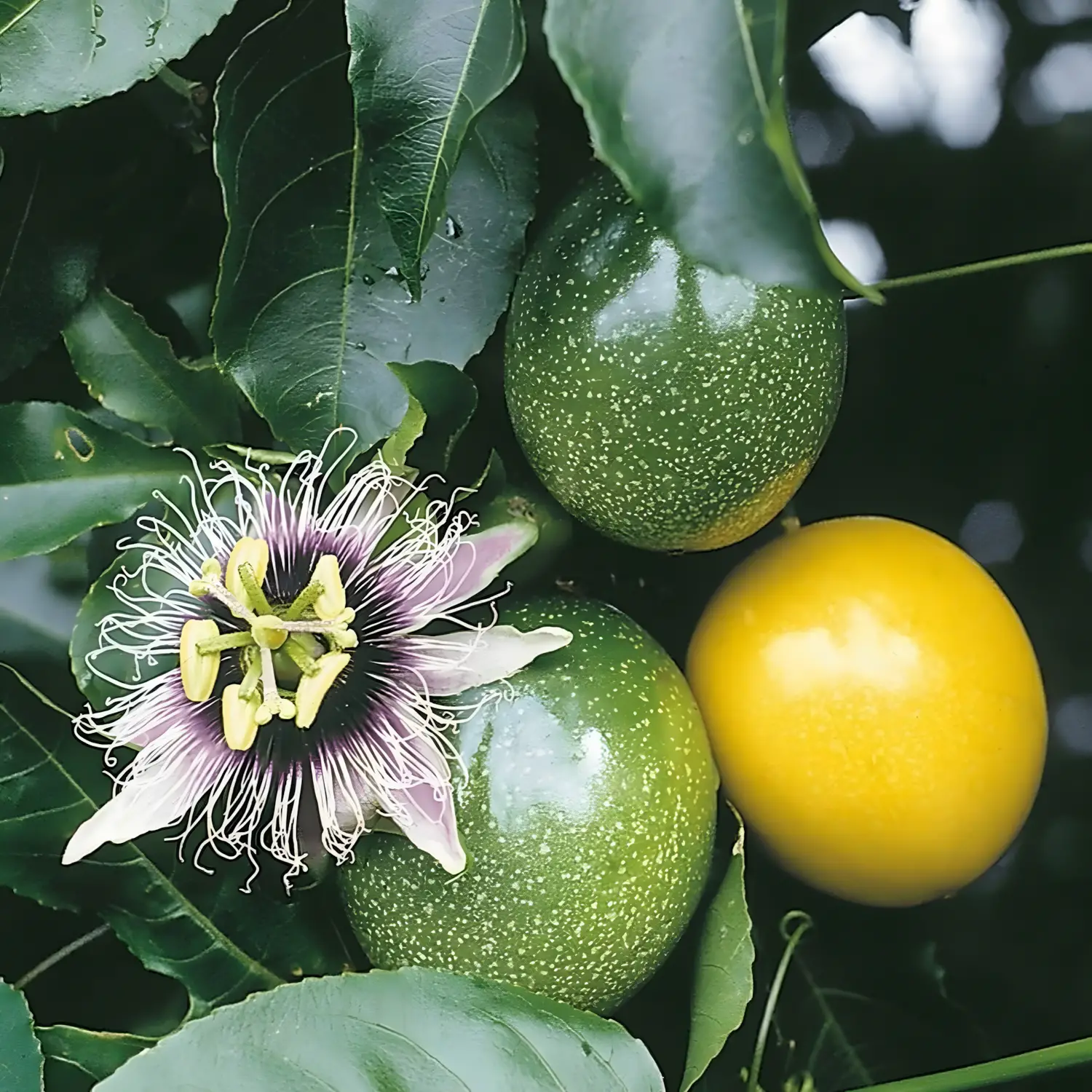
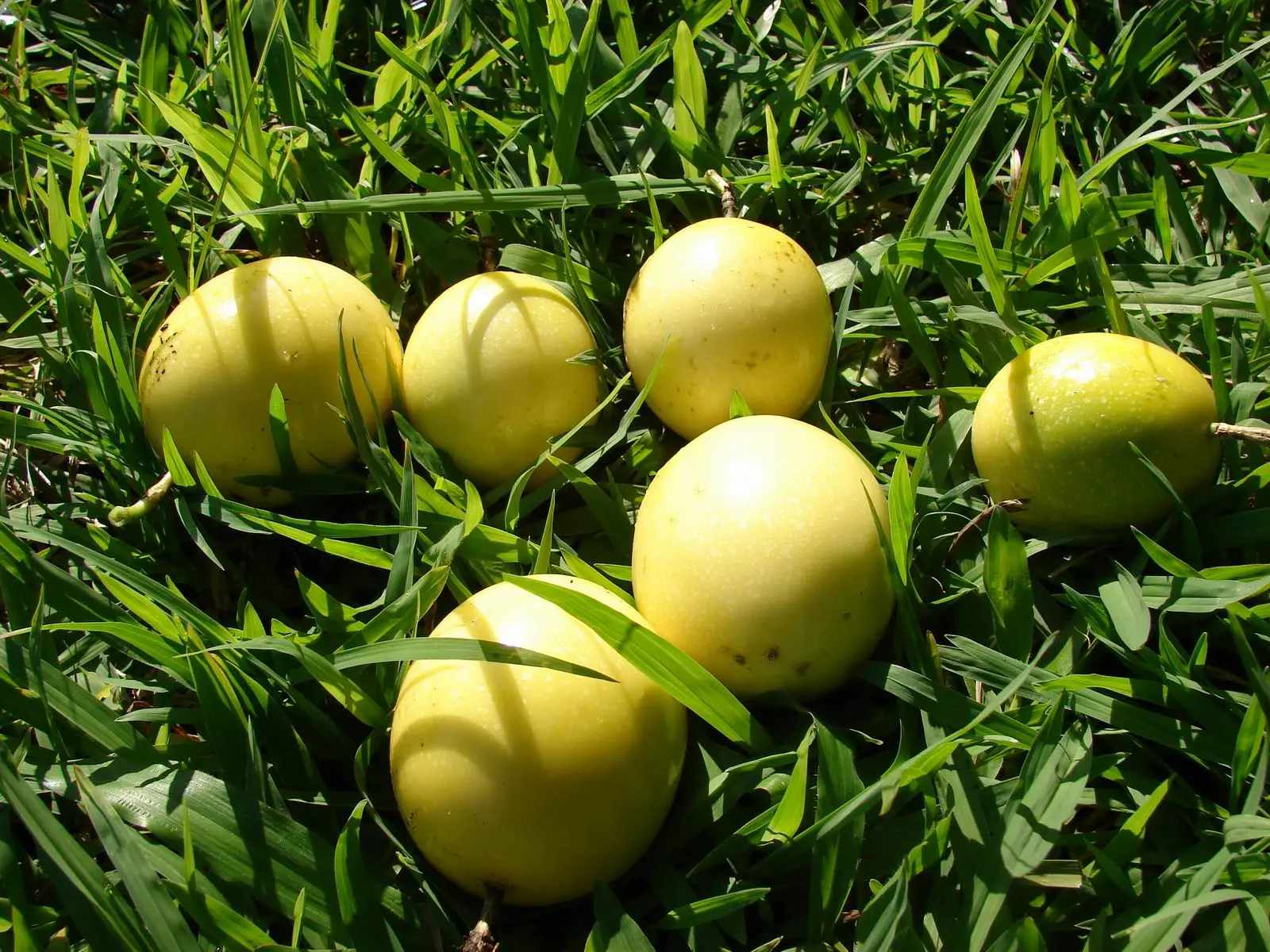
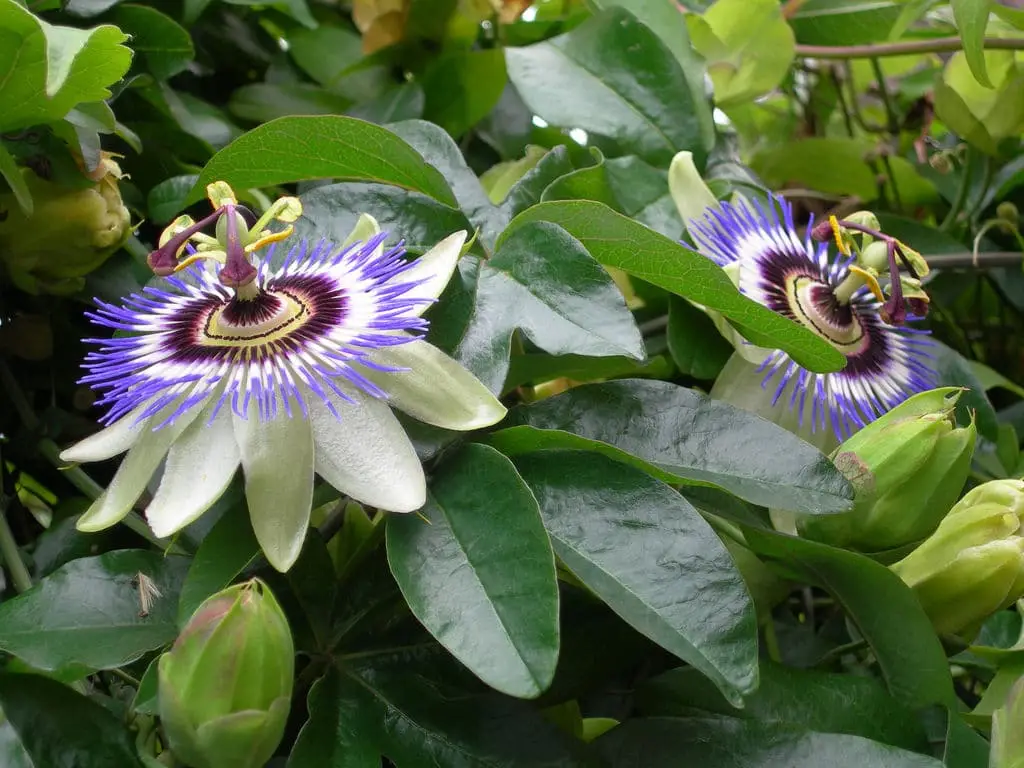
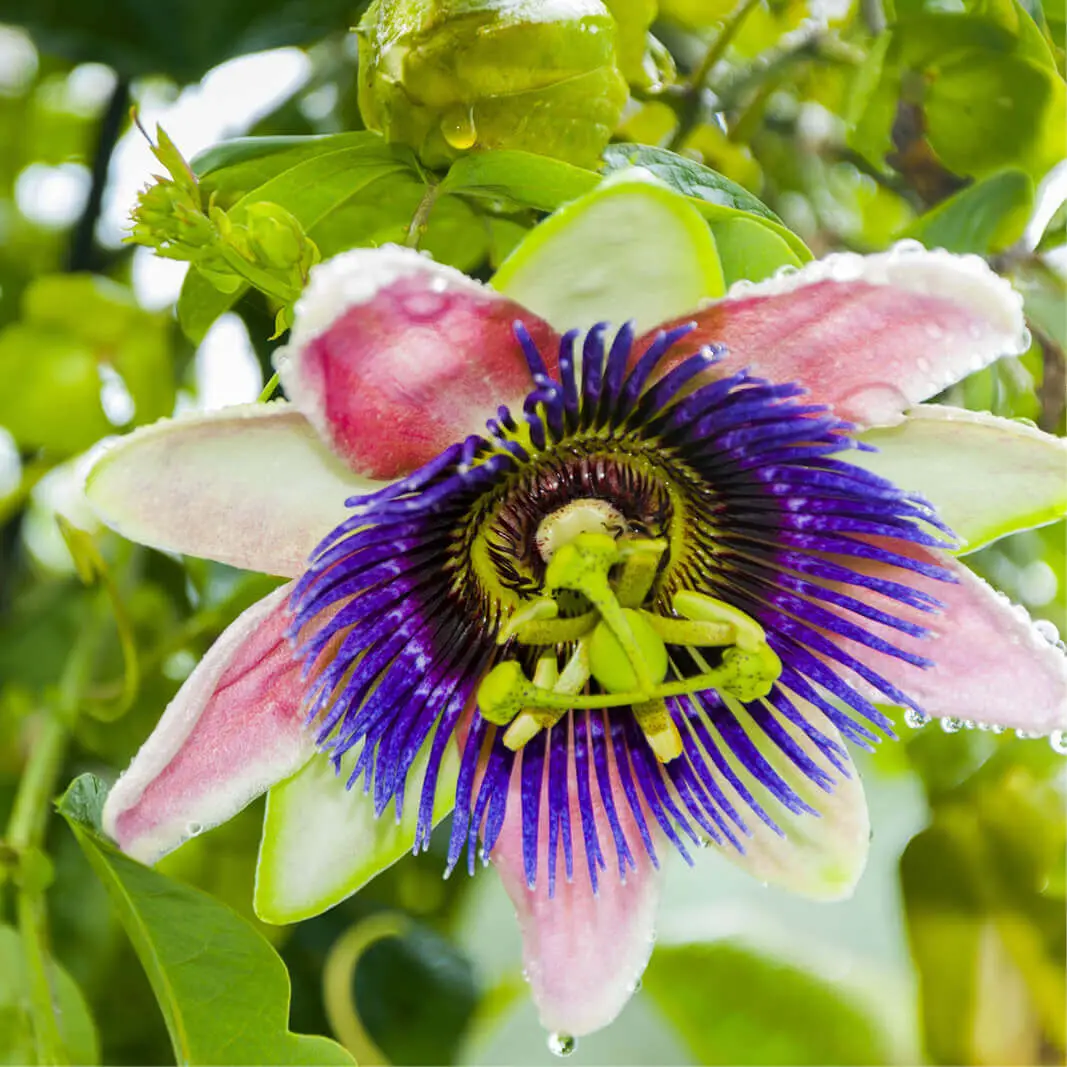
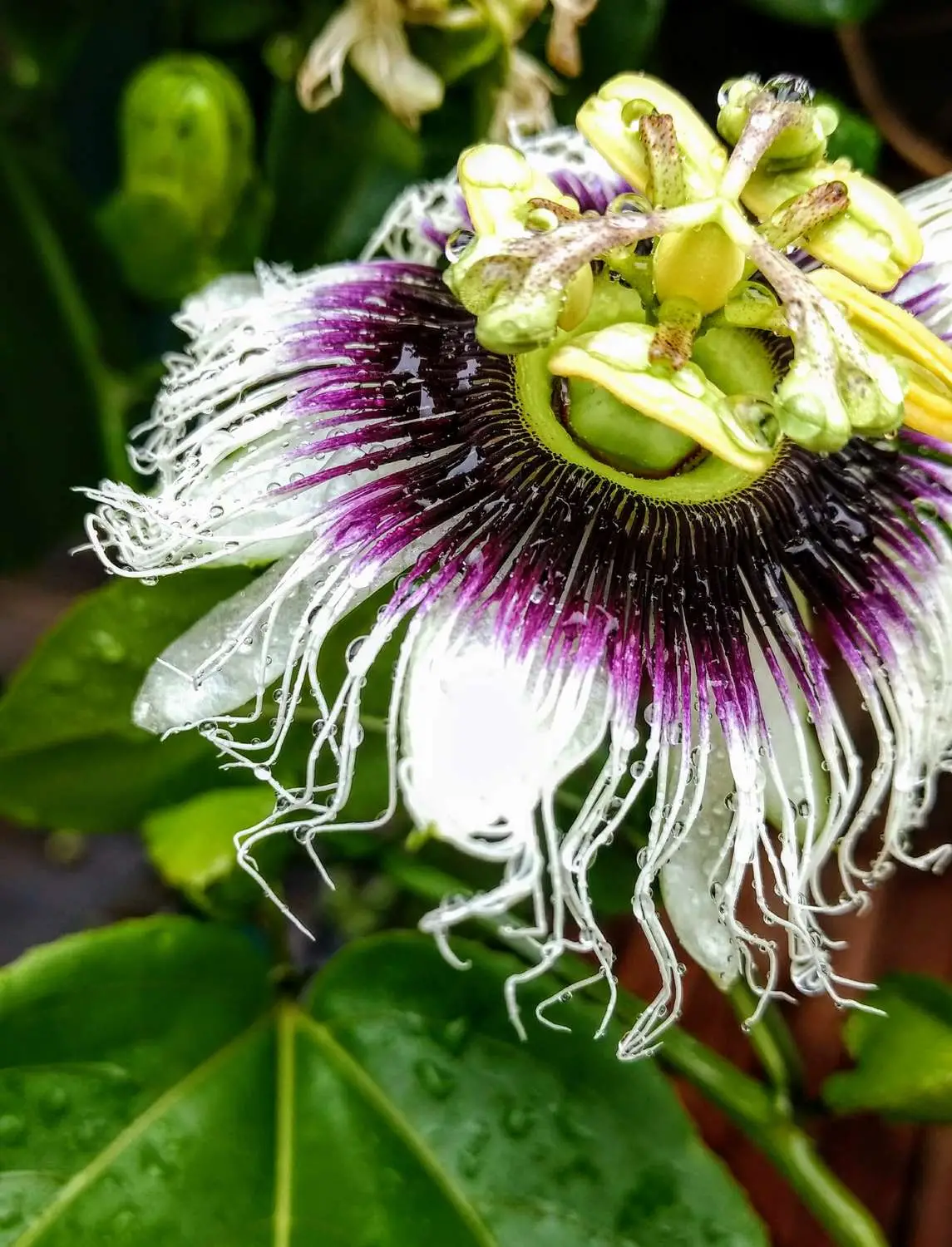
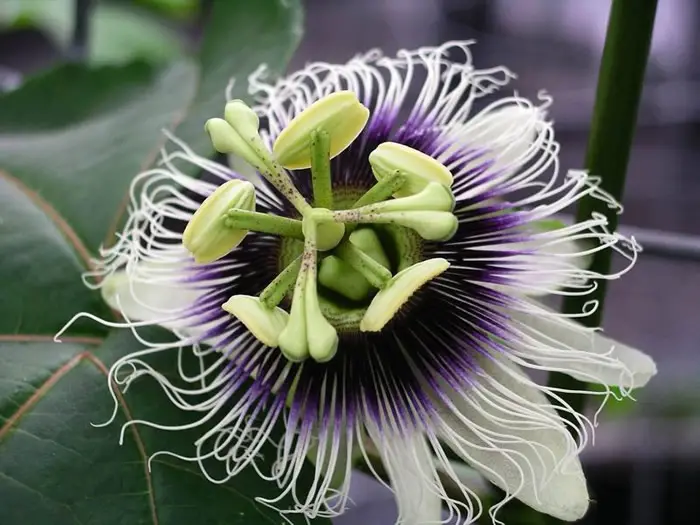
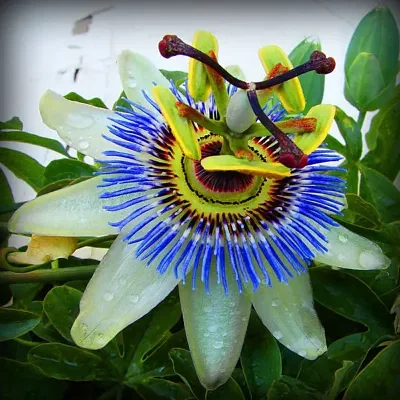
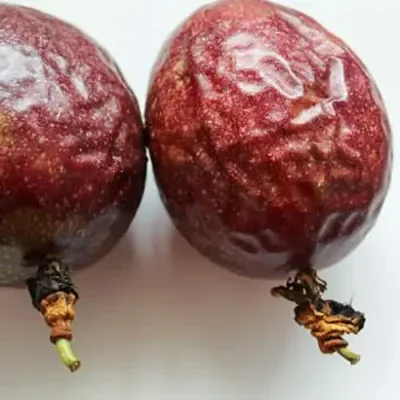
The vine produces striking, fragrant flowers with white petals and a crown of purple and white filaments. These are followed by round to oval yellow fruits with a tough rind and a juicy, aromatic pulp filled with edible seeds. The flavor is refreshingly tart and sweet, making it popular for juices, desserts, and sauces.
This passion fruit variety thrives in warm climates with full sun and well-drained soil. It grows best on trellises or fences where its tendrils can climb freely. With proper care and support, Passiflora edulis f. flavicarpa rewards growers with abundant, delicious fruit and beautiful ornamental value.
Germination Guide
🌍 South America, Brazil (origin uncertain - possibly natural hybrid or mutation)
Moderate
Passiflora edulis f. flavicarpa, commonly known as yellow passion fruit or lilikoi, is a vigorous tropical vine native to South America that produces larger golden fruits compared to the purple variety. Seeds require warm conditions and pre-treatment to overcome dormancy, with germination typically occurring within 2-8 weeks under optimal conditions. This forma represents 95% of commercial passion fruit production worldwide.
Germination
Germination time
Expect germination in
14 – 84 days
Temperature
Min 21°C
Ideal 25°C
Max 29°C
🌡️ Temperature alternation recommended
— Alternating temperatures 20-30°C improve germination rates; bottom heat at 70-85°F (21-29°C) accelerates germination from 6-12 weeks to 1-2 weeks
Substrate moisture
💧💧 High
Seed Pre-treatment
-
💧
Soaking — 24 hours
Soak seeds in warm water (24-48 hours) before planting to reduce germination time. Fresh seeds germinate fastest; seed viability is critical
-
🔨
Mechanical scarification
Light mechanical scarification with fine sandpaper is optional but can improve water absorption and speed germination
-
📋
Additional notes
Pre-treatment is essential. Soak seeds 24-48 hours in warm water. Light mechanical scarification optional. Gibberellic acid treatment can improve germination rates
Substrate & Container
Recommended substrate
Well-draining, sterile potting mix or perlite-peat blend; avoid waterlogging
Recommended container
Plastic pot with transparent lid or propagator to maintain humidity
Growing Tips
Use fresh seeds for best results; seed freshness is more important than any treatment method. Maintain warm soil temperature (70-85°F) using bottom heat if necessary. Keep soil consistently moist but not waterlogged. Provide bright indirect light; direct sunlight can stress seedlings. Cover pots with clear plastic to maintain humidity until germination. Be patient—do not disturb soil to check for sprouts. Remove cover once seedlings emerge and provide more light. Fertilize seedlings with diluted balanced fertilizer once they develop true leaves. Transplant when seedlings reach 10-16 inches (25-40 cm) tall.
Only logged in customers who have purchased this product may leave a review.


Reviews
There are no reviews yet.