Description
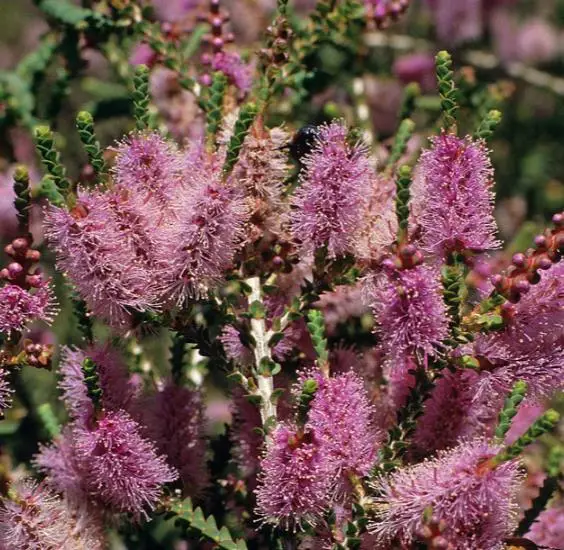
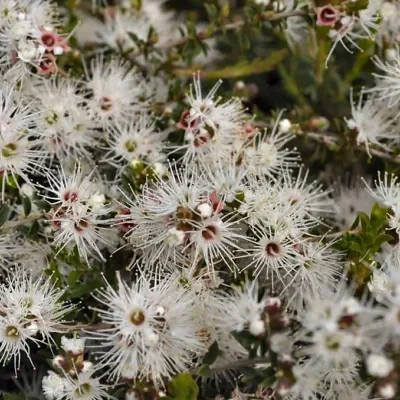
Dense, bushy shrub with slender, arching branches and mauve flower spikes—but the real story is what’s inside those blooms.
Native to the southern coasts of Australia and Tasmania, Melaleuca gibbosa grows naturally in swampy heathlands and windswept areas, making it one of the toughest, most adaptable honey plants you can cultivate. First formally described in 1806 by the French biologist Jacques Labillardière, this species has been celebrated for nearly two centuries for a single, irresistible quality: abundant nectar production.
Here is where Melaleuca gibbosa becomes indispensable: The slightly fragrant, honey-bearing and nectar-bearing flowers are very melliferous. This isn’t decorative—this is serious beekeeping. Flowers in mauve to pink fade to white, and profuse blooms are carried in spring and summer. The nectar flows reliably, copiously, for extended periods. For beekeepers, this is a game-changer. The plant adapts to the climate and soil it encounters, flowering at different times of the year, extending your honey season beyond what most plants offer. Beyond apiary production, Melaleuca foliage is edible and used to ease breathing blockages as an infusion or rub; crushing and rubbing the leaves can ease skin irritation as it is both cooling and antibacterial—additional uses that add quiet value to every plant you grow.
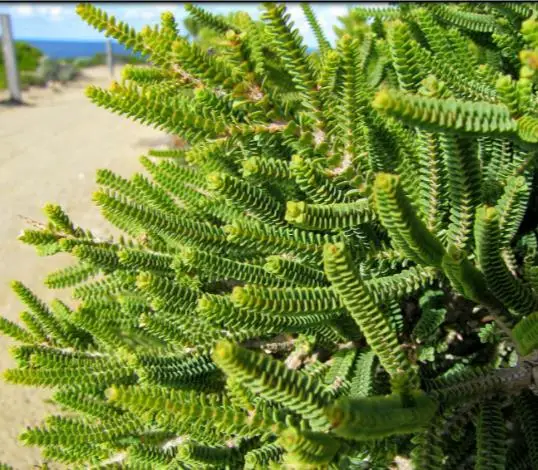
In cultivation, M. gibbosa is very hardy, suited to most soils and aspects, drought hardy, frost tolerant and tolerates waterlogging. Plant in full sun to light shade for best results. It’s one of the best options for cooler climates and is native to southern Australia, so generally quite easy to grow. A medium-sized shrub about 2m tall and wide with egg-shaped leaves arranged in crowded, opposite pairs along the stem. It can be propagated easily from seed collected from capsules one or two years old. Germination is straightforward; expect seedlings to emerge within weeks. No fuss, no failures—just reliable, vigorous growth that rewards your patience with years of nectar abundance.
Grow Melaleuca gibbosa from seed and you’re not just growing a shrub—you’re cultivating a partnership with nature’s pollinators. You’re creating an ecosystem where bees thrive, where honeycombs fill, and where every spring brings the hum of ten thousand wings drawn to your garden. Start from seed today. Let it become the foundation of your apiary’s success.
Germination Guide
🌍 South Australia, Victoria, Tasmania, Kangaroo Island, and Flinders Island
Easy
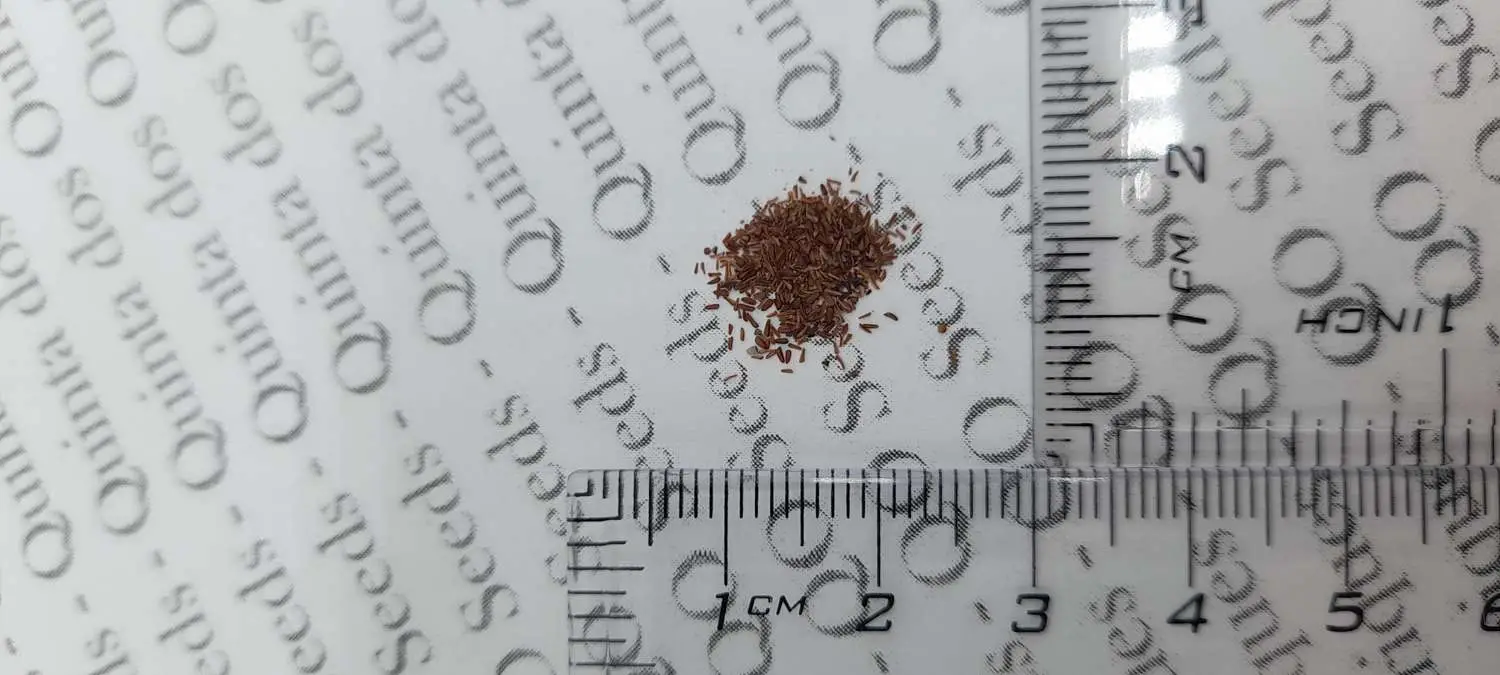
Melaleuca gibbosa, commonly called Slender Honey-Myrtle, is an endemic Australian shrub from the myrtle family that produces attractive mauve flowers in spring. Seeds are very small and dust-like, requiring light and consistent moisture for successful germination. This hardy species germinates readily in 2-4 weeks under warm conditions without any pre-treatment.
Germination
Germination time
Expect germination in
7 – 28 days
Temperature
Min 18°C
Ideal 20°C
Max 22°C
Substrate moisture
💧💧 High
Substrate & Container
Recommended substrate
Peat, peat with vermiculite, peat with perlite, or seed-starting mix
Recommended container
Transparent plastic container with lid to maintain moisture
Growing Tips
Scatter tiny seeds directly on moist substrate surface without burying, as they require light to germinate. Keep substrate consistently moist but not waterlogged. Use fluorescent or LED lighting if natural light is insufficient. Maintain temperature between 18-22°C for optimal results. A clear plastic lid helps maintain high humidity and prevents surface drying. The bog/swamp propagation method is also effective for this species. Allow seedlings to acclimate to lower humidity gradually before transplanting. Mist seedlings regularly until they are established.
Only logged in customers who have purchased this product may leave a review.



Reviews
There are no reviews yet.