FREE SHIPPING OVER €30 FREE SHIPPING OVER €30

Aerva javanica — Desert Cotton | Ancient healing herb for kidney wellness

Grow your own kidney-healing treasure. Long revered in Ayurvedic medicine for urinary wellness, this desert warrior has held esteem in traditional healing—referenced in Sanskrit texts for its auspicious nature. Silvery-haired leaves, wiry stems, grayish-green elegance. Seeds germinate readily with little dormancy. Sow now and harvest medicine within months.

1.92

SKU: P-2207 Categories: , Tags: , , , ,

You May Also Like

Description

Aerva javanica is a perennial, woolly shrub native to tropical and subtropical regions of Africa and Asia—a plant born of extremes, perfected by hardship. While the world chases exotic superfoods, this desert gem has quietly healed communities across the Sahara, the Arabian Peninsula, and the ancient healing traditions of India for centuries.

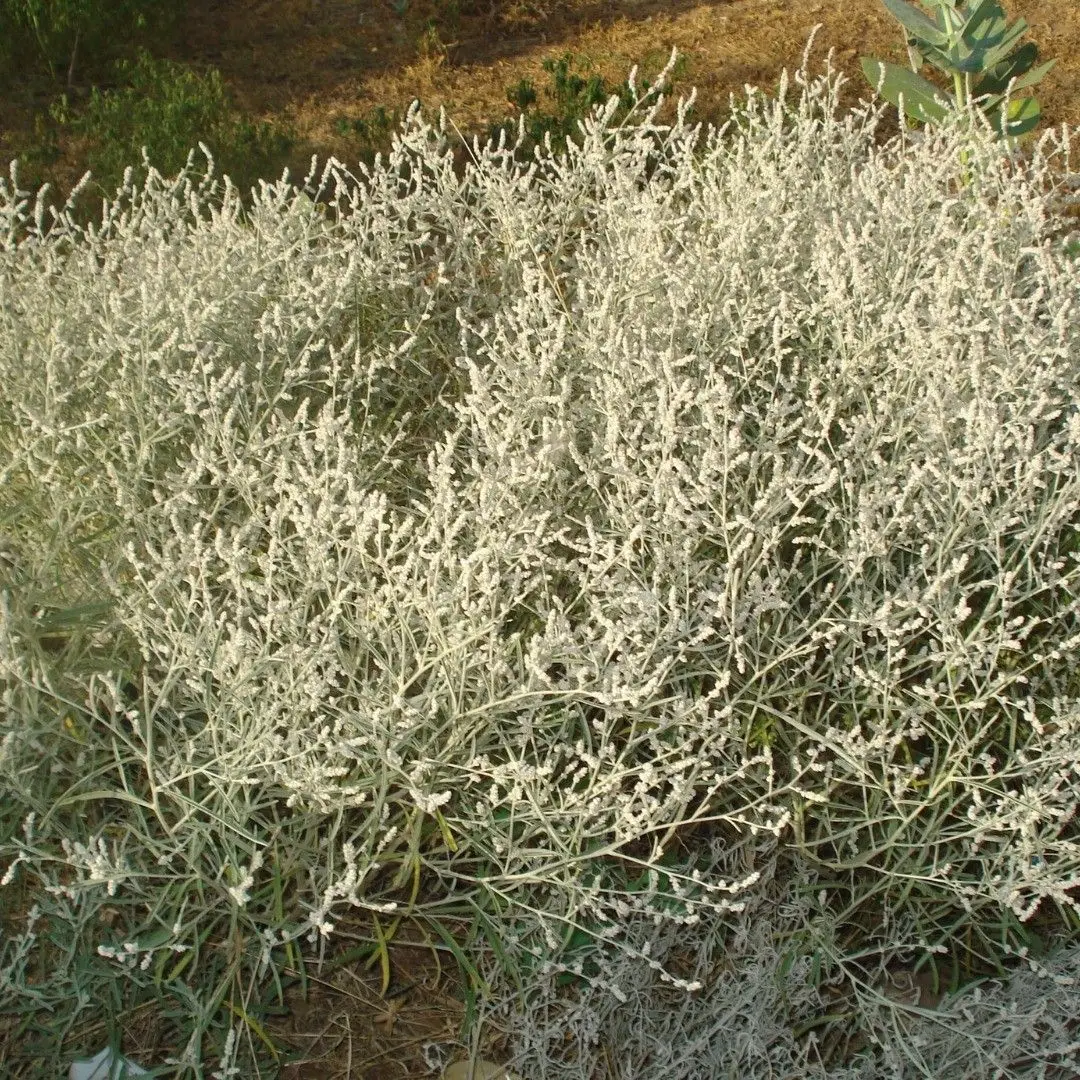
Though not as globally glamorized as turmeric or neem, Aerva javanica has long held deep esteem in indigenous and Ayurvedic medicine—referenced in the Bhavaprakasha Nighantu under its Sanskrit name Bhadra, associated with auspicious and healing nature. Tribal healers from Rajasthan and Gujarat used it in wound dressings, and soldiers and travelers packed the leaves in cloth to treat injuries during long treks. It grows in clumps with intertwined shrubs, covered in thin hairs to protect against sandstorms—a warrior plant that knows how to survive.

Here is where Aerva javanica becomes truly precious: Its use in urinary complaints—such as burning micturition and gravel (kidney stones)—was common in Siddha and folk remedies, where a decoction of the flowers was administered. Flowers and roots of Aerva javanica possess medicinal properties against kidney problems and rheumatism. In traditional medicine, this herb is used as diabetic, diuretic and demulcent; decoctions are used to remove swelling and powder of this plant is applied externally to ulcers in domestic animals. It is widely utilized in traditional medicine, particularly for treating snake and scorpion bites, and is among the most frequently used medicinal plants in arid regions. Modern ethnopharmacology studies support these uses: a 2014 study published in Bangladesh Journal of Pharmacology found that aqueous extracts of Aerva javanica produced significant diuretic activity in albino rats, supporting traditional urinary use. Beyond the kidney, researchers noted notable wound healing in rat models with topical application of leaf paste, validating centuries of herbalist wisdom. Aerva javanica contains secondary metabolites (flavonoids, alkaloids, tannins, sterols, etc.) that have been investigated in veterinary medicine—chemistry explaining the healing power.

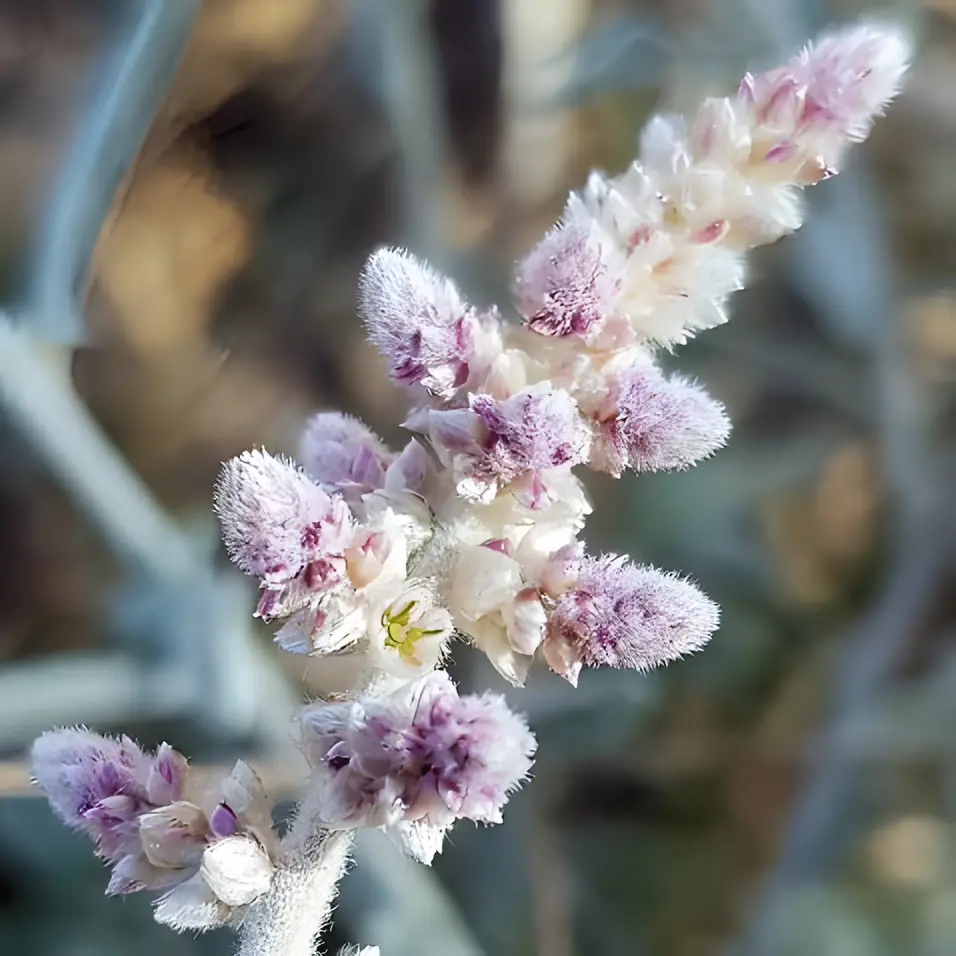
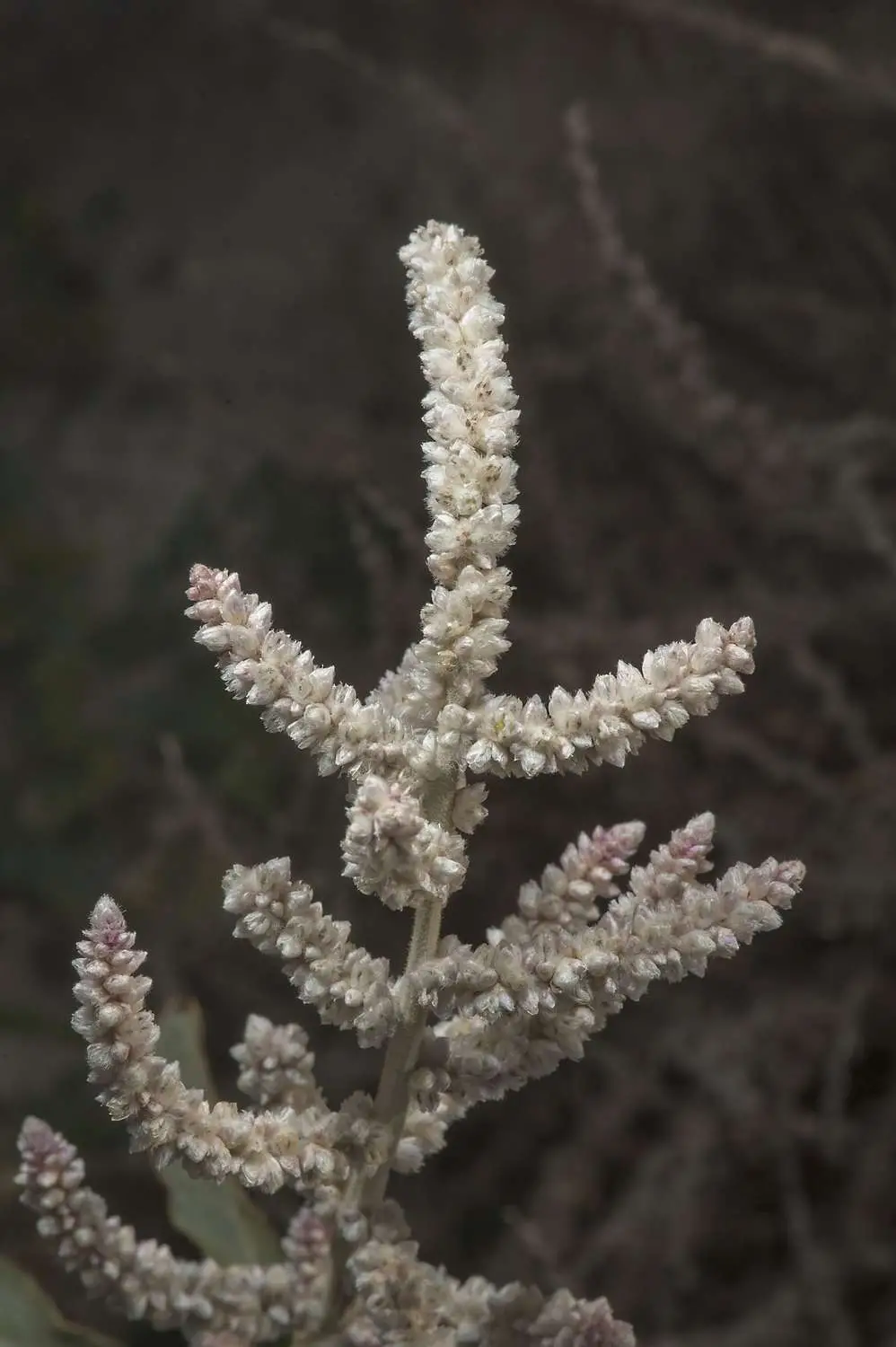
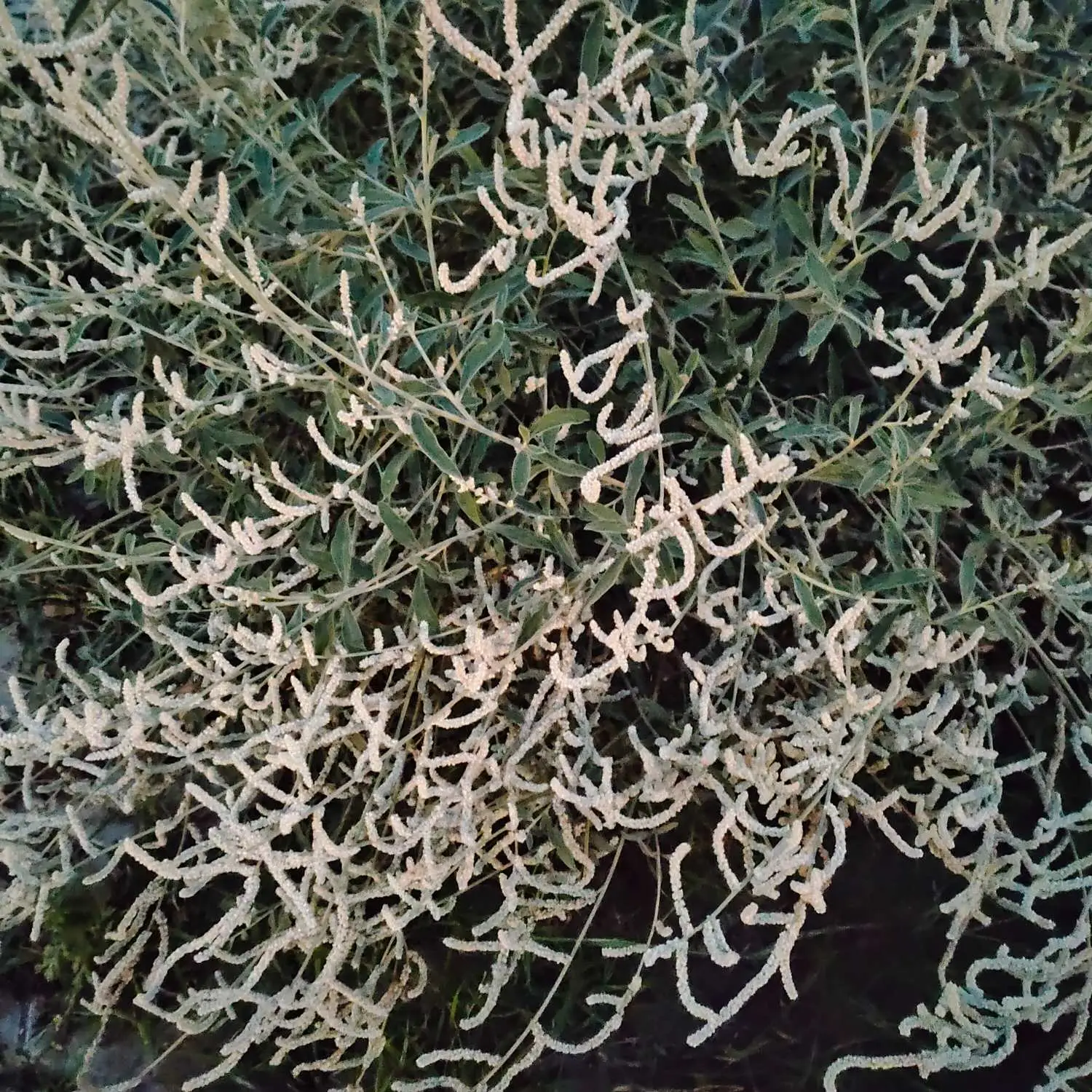
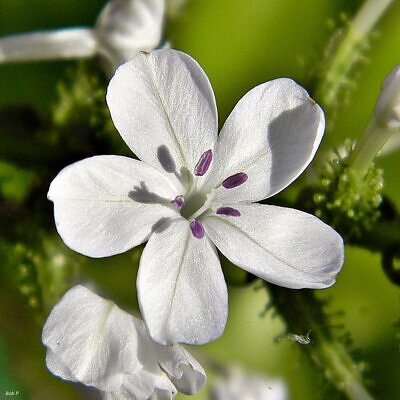
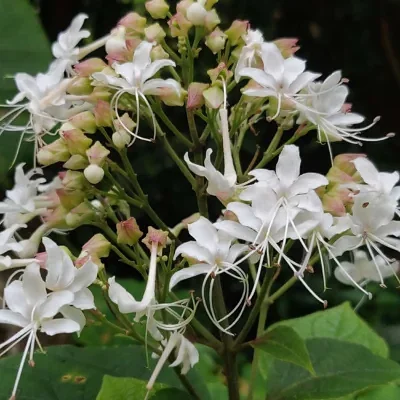
Growing Aerva javanica is refreshingly easy. Seeds germinate well under laboratory and nursery conditions, with maximum germination (81%) achieved under darkness at low temperature—meaning you don’t need a botanist’s skill to succeed. This hardy plant is known for its tolerance to drought and heat, thriving where others fail. It is mostly found growing on sandy or calcareous soils, so a well-draining pot or garden bed suits it perfectly. The plant is characterized by its wiry stems and small, lance-shaped leaves that are coated with fine, silvery hairs, giving the plant a distinctive grayish-green appearance. The flowers are small and whitish and arranged in dense, woolly terminal panicles, creating an ethereal, silvery beauty as the plant matures. In warm climates, it flowers between January and October, offering prolonged harvesting seasons. Once established, this deep-rooted herb is used as soil binder in desert reclamation—a plant that not only heals you but also heals the earth it grows in.

This is your chance to cultivate medicine with history, beauty, and purpose. Sow these seeds and in weeks you’ll have a thriving plant that yields kidney-supporting leaves and flowers for decoctions. Like the tribal healers of Rajasthan, you too can grow your own

Germination Guide

🌍 Africa (including Madagascar), southwest and south Asia
Easy

Aerva javanica (kapok bush/desert cotton) is a xerophytic perennial herb in Amaranthaceae family with little seed dormancy. Seeds germinate well under laboratory and nursery conditions.

Germination
Germination time
Expect germination in

7 – 14 days

Temperature

Min 15°C
Ideal 21°C
Max 35°C
🌡️ Temperature alternation recommended
— Best germination at lower alternating temperature (15/25°C); higher at 25/35°C but lower overall than lower temperature regime

Light
🌑 Darkness required

Substrate moisture
💧 Medium

Sowing depth
0.5 cm

Germination rate
81 %


Seed Pre-treatment
  • 💧

    Soaking — 24 hours
    Soak seeds in room temperature water after scarification to further soften seed coat
  • 🔨

    Mechanical scarification
    Gently nick seed coat with knife or rub with sandpaper to enhance water absorption
  • 📋

    Additional notes
    Seeds have little dormancy and germinate well under favorable conditions

Substrate & Container
Recommended substrate
well-draining seed starting mix (peat moss and perlite blend)

Recommended container
any container with drainage holes


Growing Tips
Germination significantly higher in darkness vs light at lower temperatures (15/25°C with 81% germination vs 60% in light). Plant prefers dry conditions and sandy/calcareous soils. Requires sunny position. Keep soil moist but not waterlogged during germination.

Reviews

There are no reviews yet.

Only logged in customers who have purchased this product may leave a review.

Related Products