


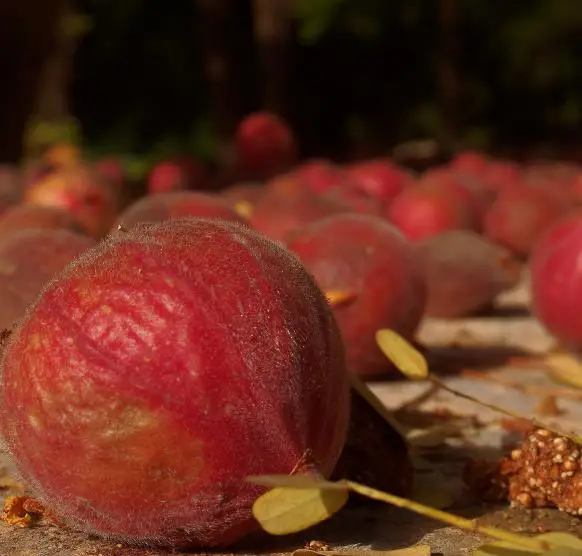


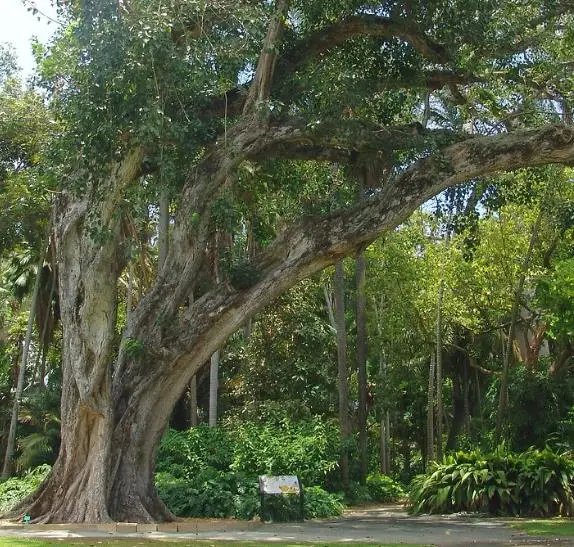


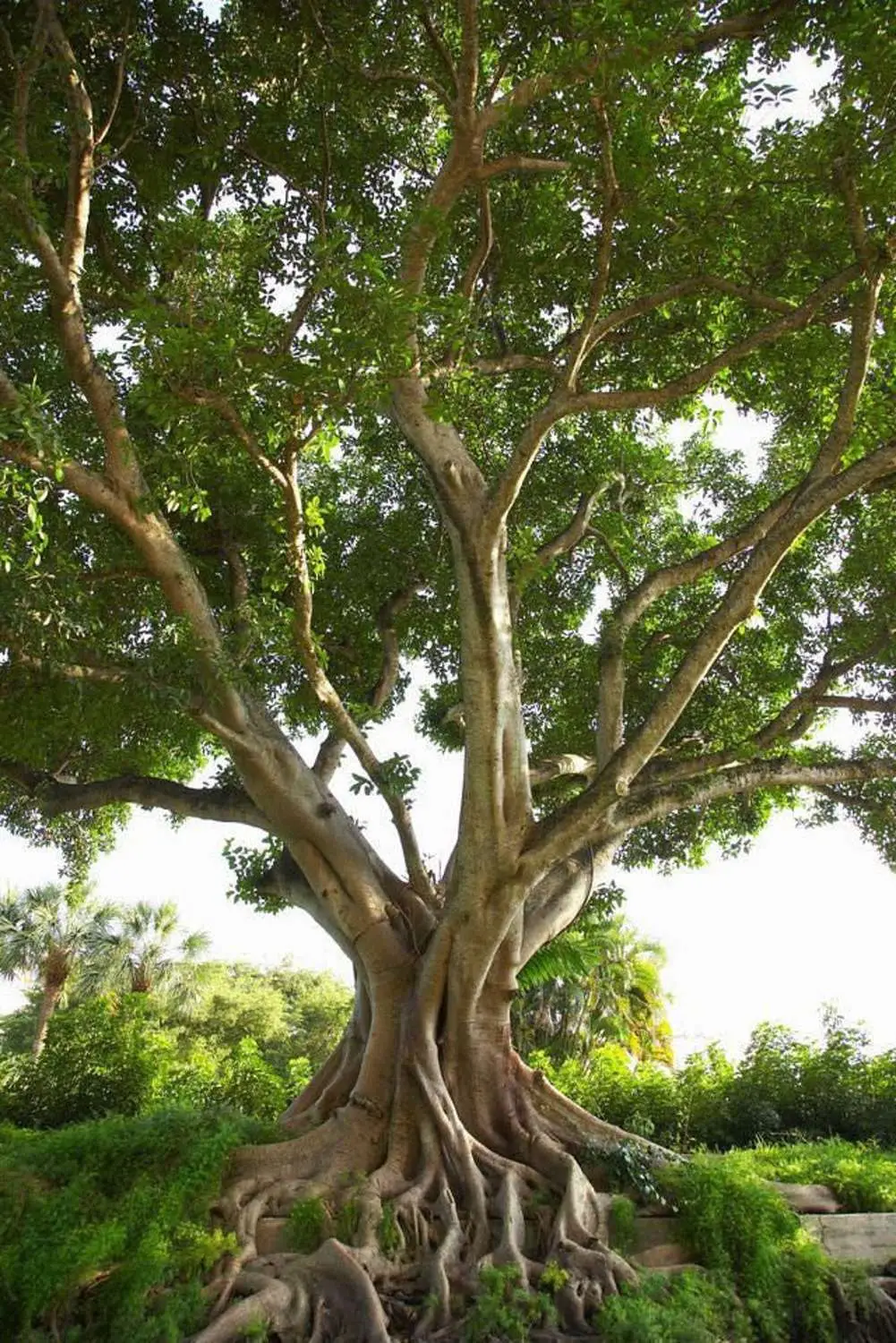


Heart-shaped leaves with tail-like tips, pale gray bark, and purple figs when ripe—this is the Bodhi Tree, where Gautama Buddha attained enlightenment. Perfect for bonsai training, it’s low-maintenance and ideal for new plant parents. Grow your own living link to 2,500 years of spiritual history. Start fro
€1.92
The tree under which Gautama Buddha attained enlightenment—Ficus religiosa is no ordinary houseplant. It is a living bridge to one of humanity’s most profound spiritual moments.
Native to the Indian subcontinent and Indochina, this fig belongs to four major religions that originated in the Indian subcontinent: Hinduism, Buddhism, Sikhism and Jainism. It is the state tree of the Indian states of Odisha, Bihar and Haryana. In temples and meditation spaces across Asia, it has been sacred for millennia. The Jaya Sri Maha Bodhi in Sri Lanka is estimated to be over 2,250 years old and is regarded as the “Oldest historical tree in the world with religious importance”—proof that this species endures and deepens with age.
What makes Ficus religiosa extraordinary for home cultivation is its perfection as a bonsai specimen. Like many Ficus trees, it is well suited for bonsai training. The tree produces bright red to green colored foliage with adorable heart-shaped leaves, and bonsai enthusiasts love to grow this tree because it can produce exciting stem patterns and aerial roots. The bo tree develops an attractive pale gray bark, adding maturity and character as your miniature tree ages. Most crucially: the bodhi tree bonsai is a low-maintenance plant that is ideal for new plant parents. These ficus religiosa plants can withstand extended periods of drought, and only need water when the soil is completely dry. It is relatively easy to keep this tree in good health, and it can be a good bonsai for beginners since the plant can survive short dry spells. You won’t kill it by forgetting to water—it’s that forgiving.
Beyond aesthetics and ease, Ficus religiosa carries medicine within its tissues. Ficus religiosa is used in traditional medicine for about fifty types of disorders including asthma, diabetes, diarrhea, epilepsy, gastric problems, inflammatory disorders, infectious and sexual disorders. Its antimicrobial, anti-diabetic, anticonvulsant, wound healing, anti-inflammatory and analgesic properties have made it a popular herbal tree and its parts are placed as important ingredient in modern pharmacological industry. As a fig species, it produces small fruits known as syconia, which feed birds, bats, monkeys, squirrels, insects, and pollinators throughout the year, with research showing that fig trees support over 1,200 animal species globally. Growing one from seed connects you not only to ancient spiritual practice but to living medicine and a gift to wildlife.
Cultivation is straightforward. Peepal trees prefer full sunlight and can grow in all soil types, though loam is the best. This tree thrives in bright, indirect light, positioned near a window where it can receive plenty of sunlight but not direct harsh rays that could scorch its leaves. As a tropical tree, it prefers high humidity, so consider using a humidifier or placing a water tray with pebbles under the pot. Keep the tree in a warm environment, ideally between 60-85°F (16-29°C). Use a well-draining bonsai soil mix, ideally composed of akadama, pumice, and lava rock, which promotes root health by preventing waterlogging. Bodhi trees can live for several hundred years (between 900 and 1,500 years) in ideal conditions, making them a symbol of longevity and endurance.
This is your chance to grow something that will outlive you, to cultivate enlightenment in miniature, to hold medicine and spirituality in a p
Only logged in customers who have purchased this product may leave a review.


Reviews
There are no reviews yet.