
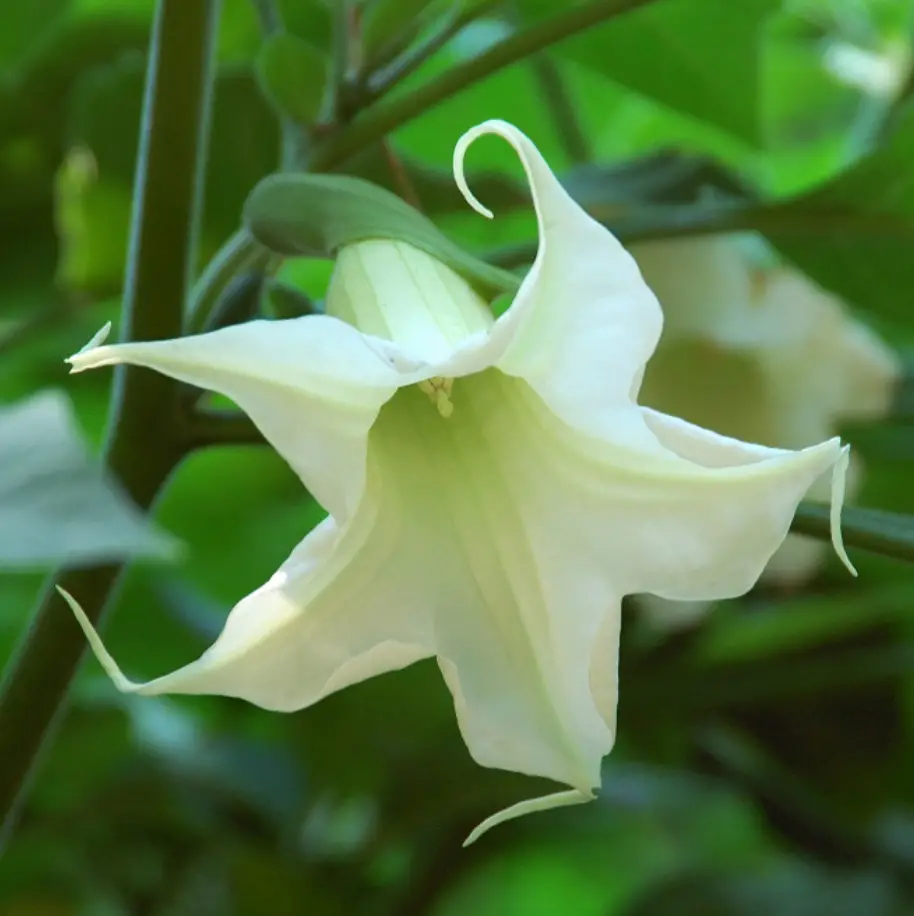
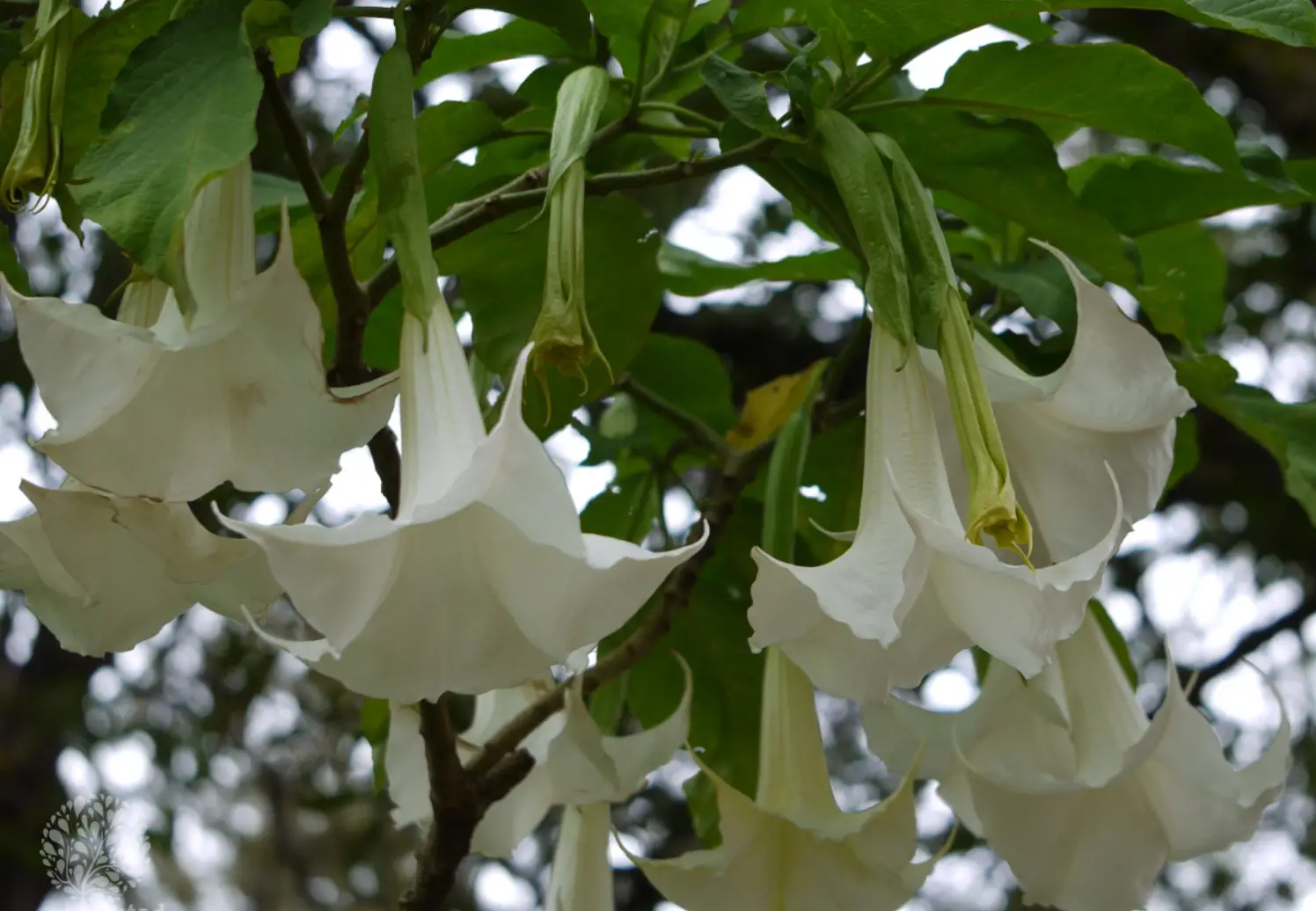
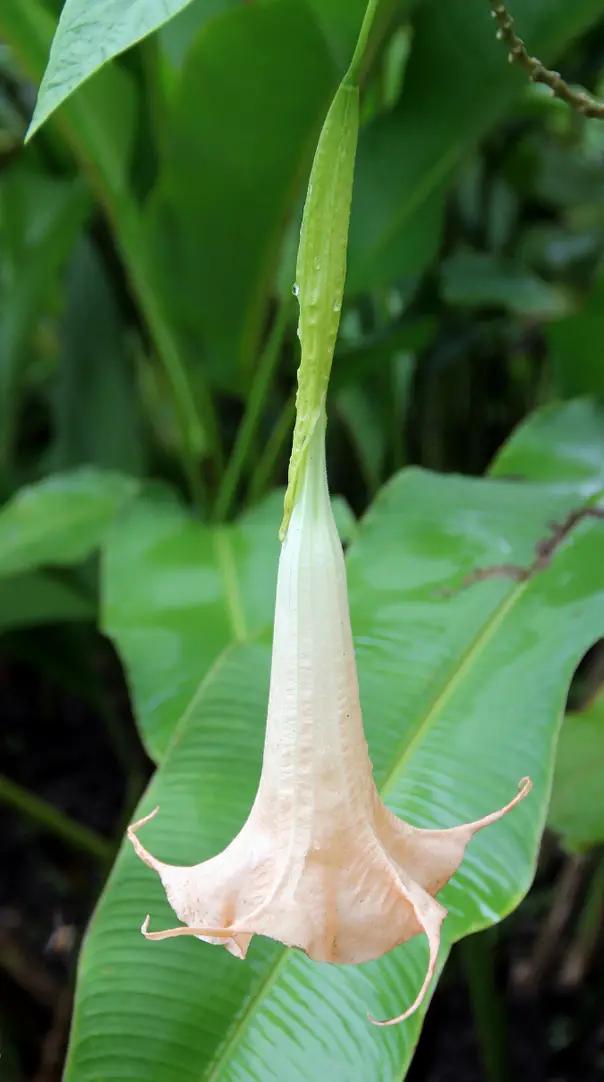
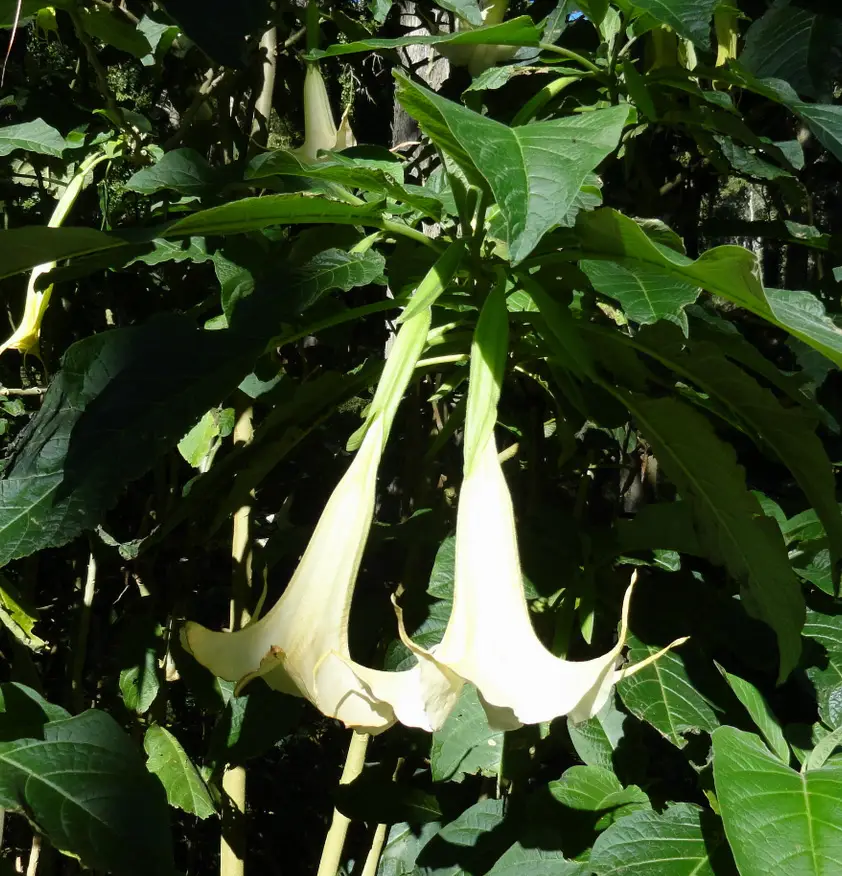
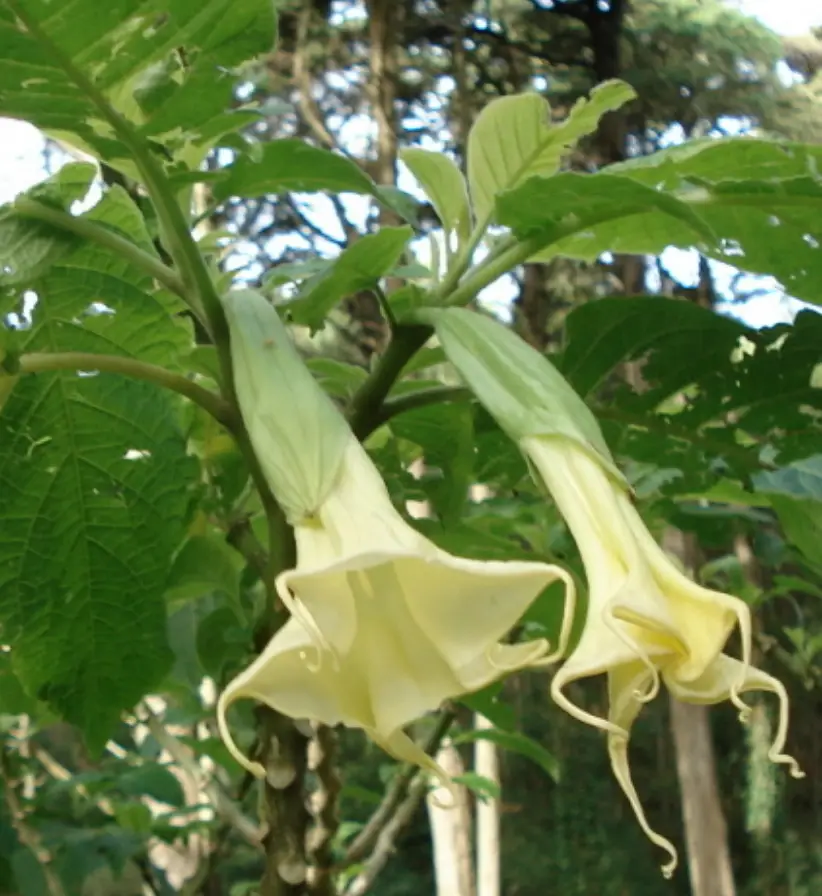
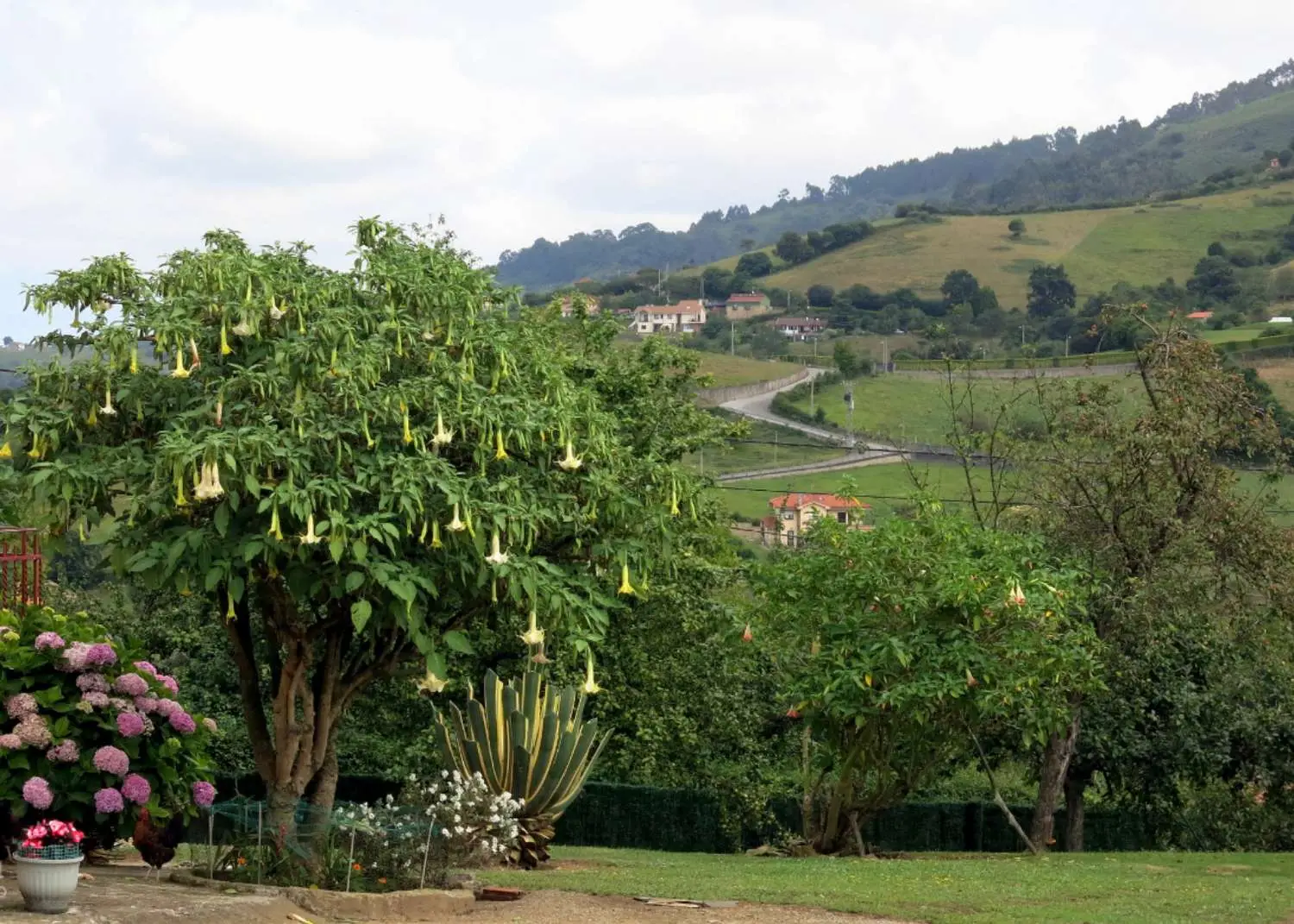
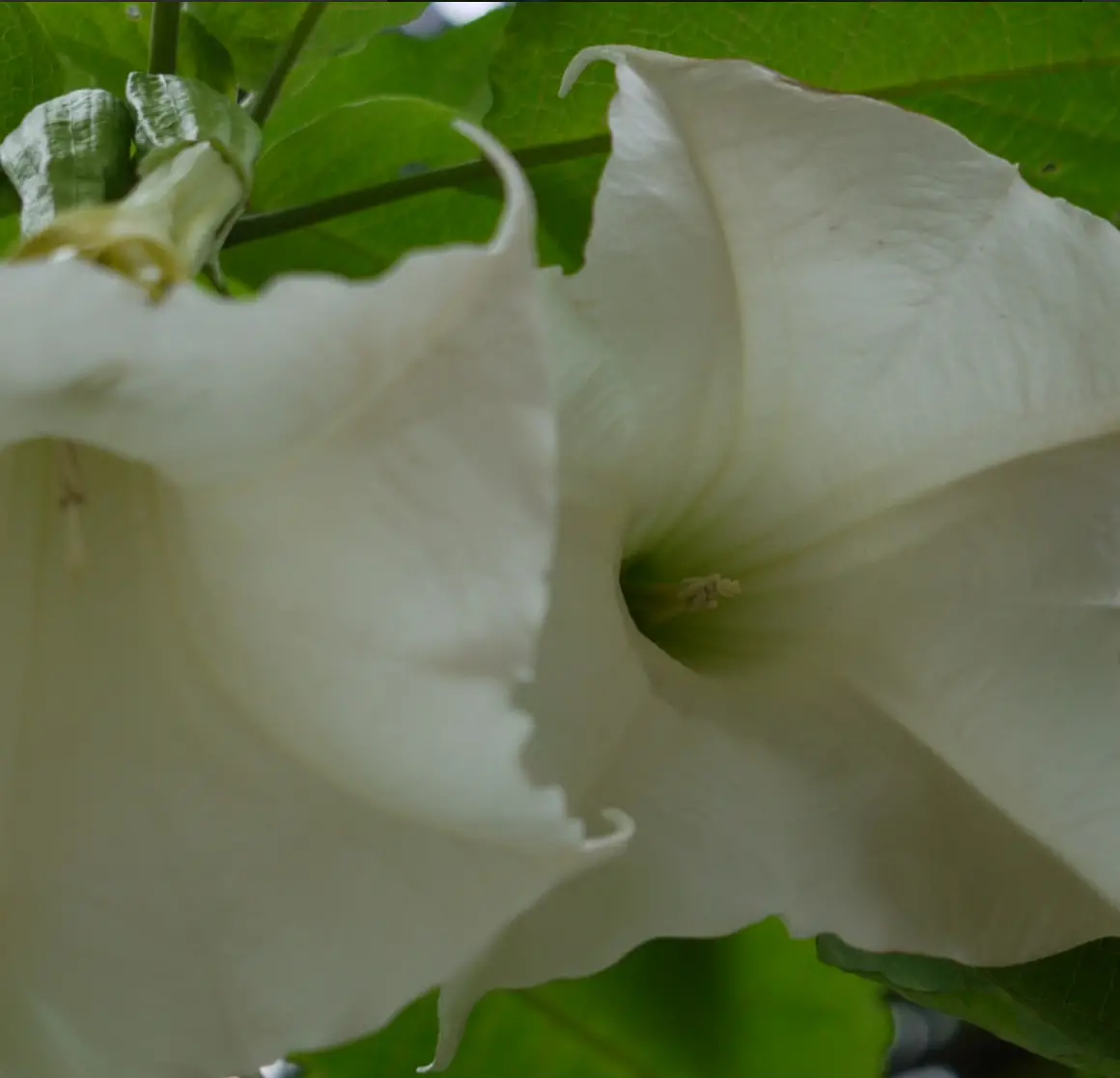
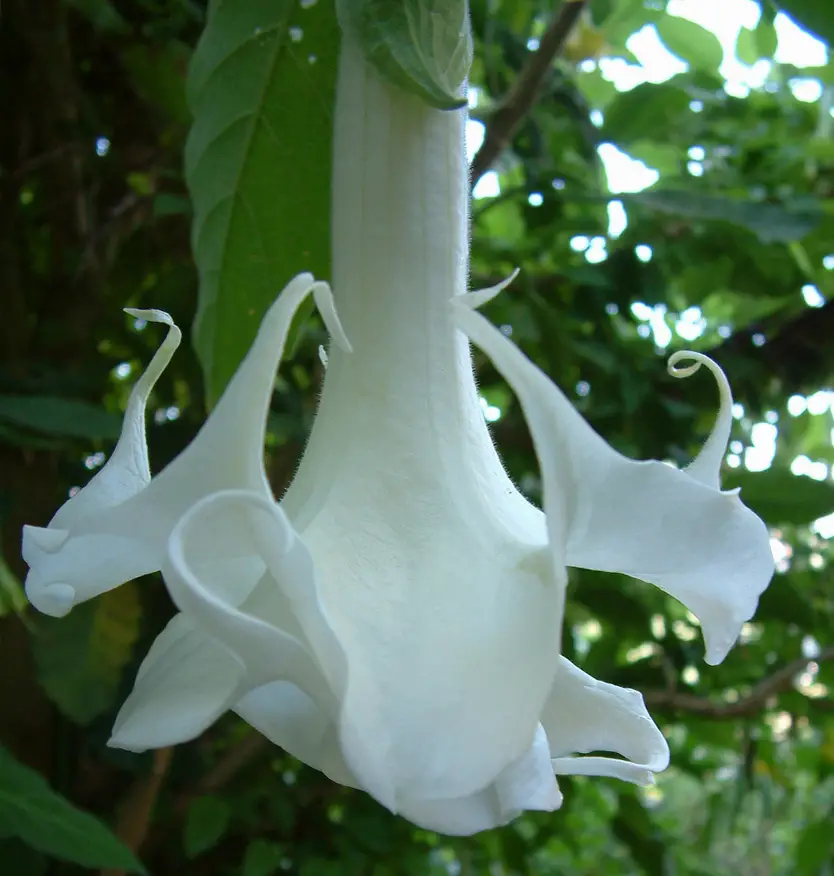
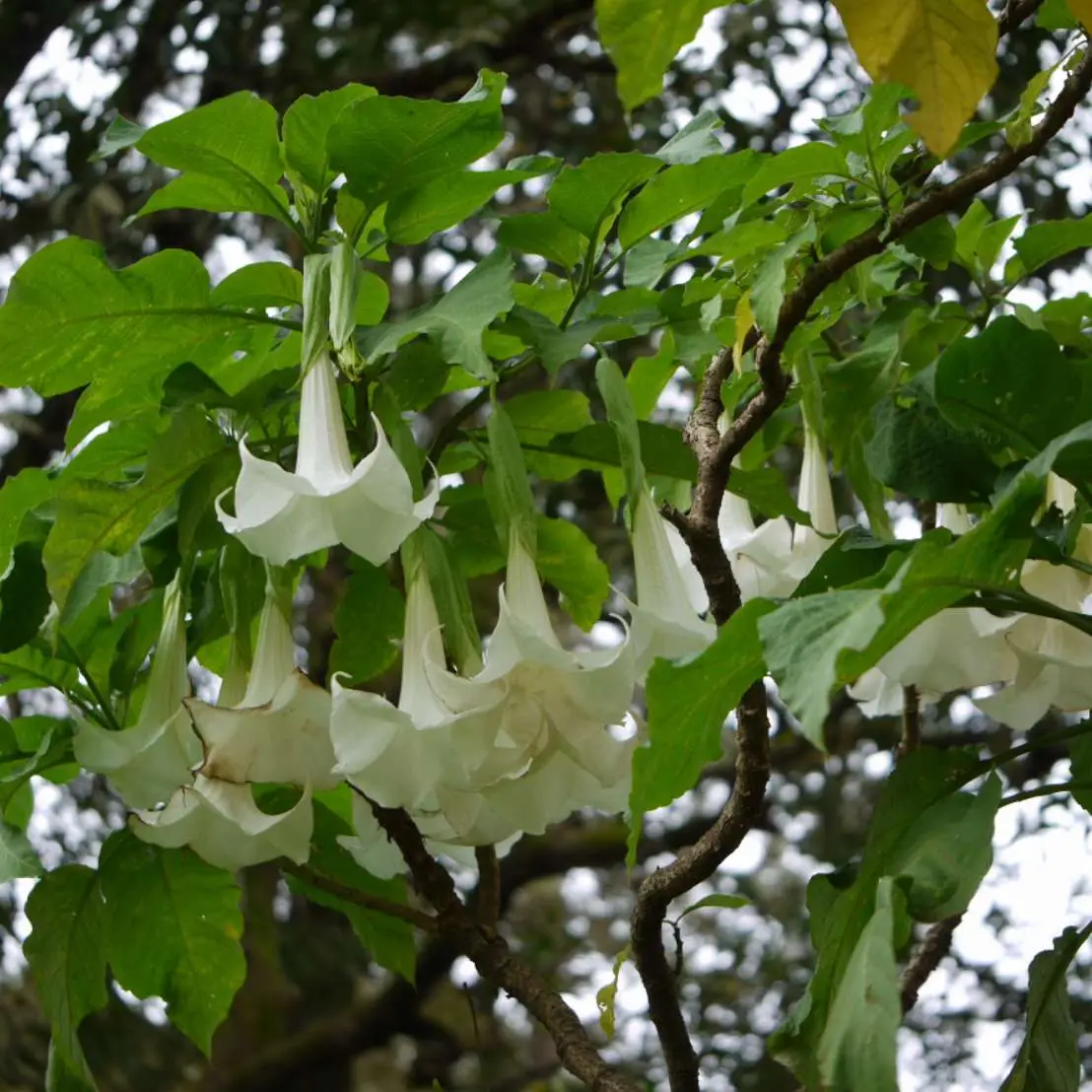
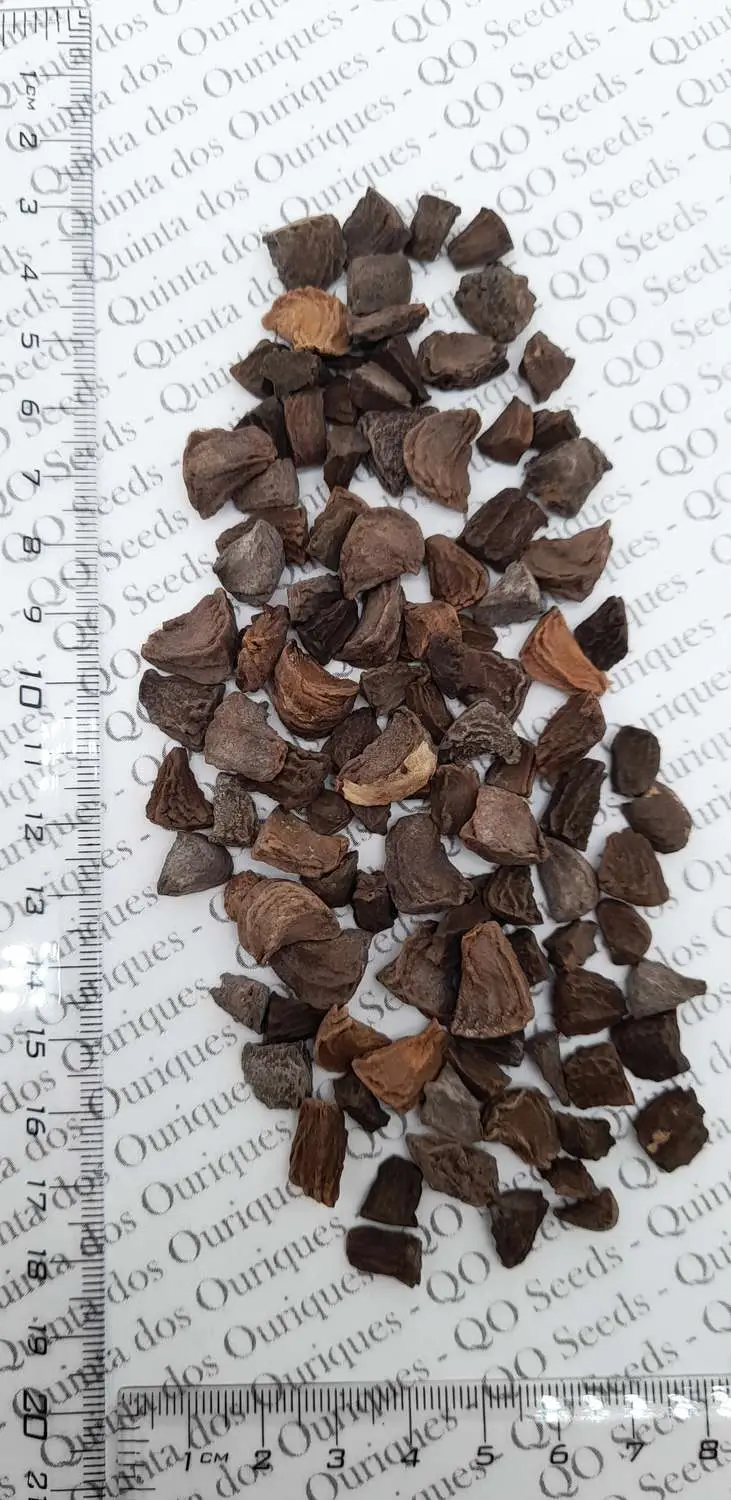
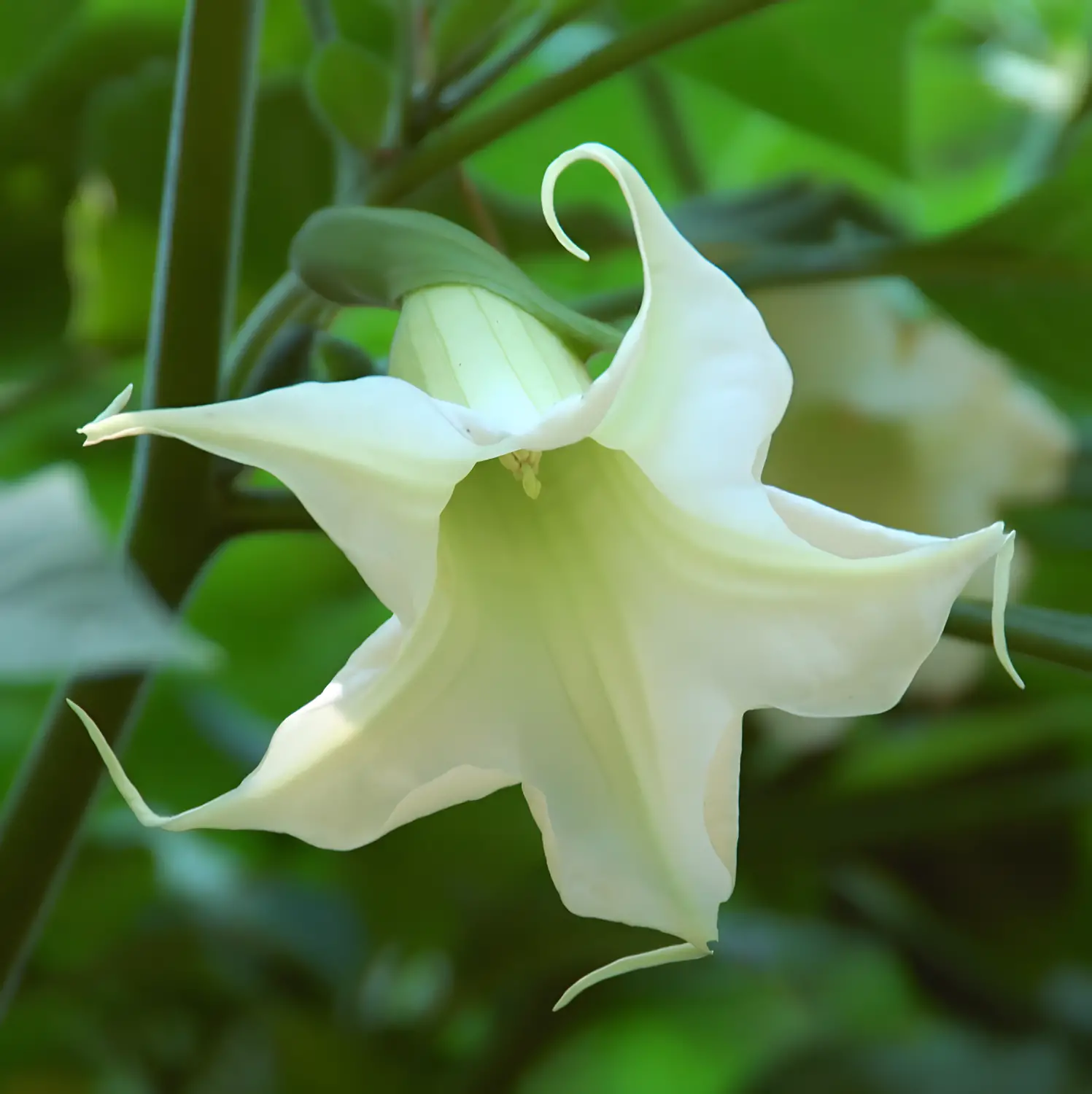
Imagine your garden transformed at dusk: pendulous white trumpets unfurling to release an intoxicating fragrance that fills the entire yard. Brugmansia arborea is THE vespertine bloom—flowers that open and scent only in evening hours, pollinated by moths for millennia. Compact flowers (the tiniest of all Brugmansias), continuous blooming, and native to cool Andean heights makes it hardier than siblings. Moderate to grow from seed.
€7.01
Picture this: as sunset arrives, your garden awakens. Creamy-white trumpet flowers begin to open, and within moments, a powerful, honeyed fragrance drifts through the evening air—so thick, so sweet, it feels almost narcotic. This is Brugmansia arborea, the true White Angel’s Trumpet, nature’s most exquisite evening perfume.
Brugmansia arborea originates from the high, cool valleys of the Andes—Ecuador, Peru, Bolivia, and northern Chile—where it grows at elevations between 2,000 and 3,000 meters. Unlike its warm-climate cousins in the Brugmansia genus, B. arborea is the hardiest, adapted to cool nights and even light frosts. This is a species born from mountain mist, and it carries that ethereal character into your garden. The name itself tells the story: *arborea* means “tree-like,” and indeed, it grows as a woody shrub or small tree reaching 7 meters in ideal conditions—though container culture keeps it beautifully manageable. The botanical lineage is ancient; Linnaeus first classified it as *Datura arborea* in 1753, before being reclassified into its own genus Brugmansia in 1805. Today, tragically, it is listed as Extinct in the Wild by the IUCN—meaning every plant alive exists only through human cultivation. Growing it from seed is an act of botanical preservation.
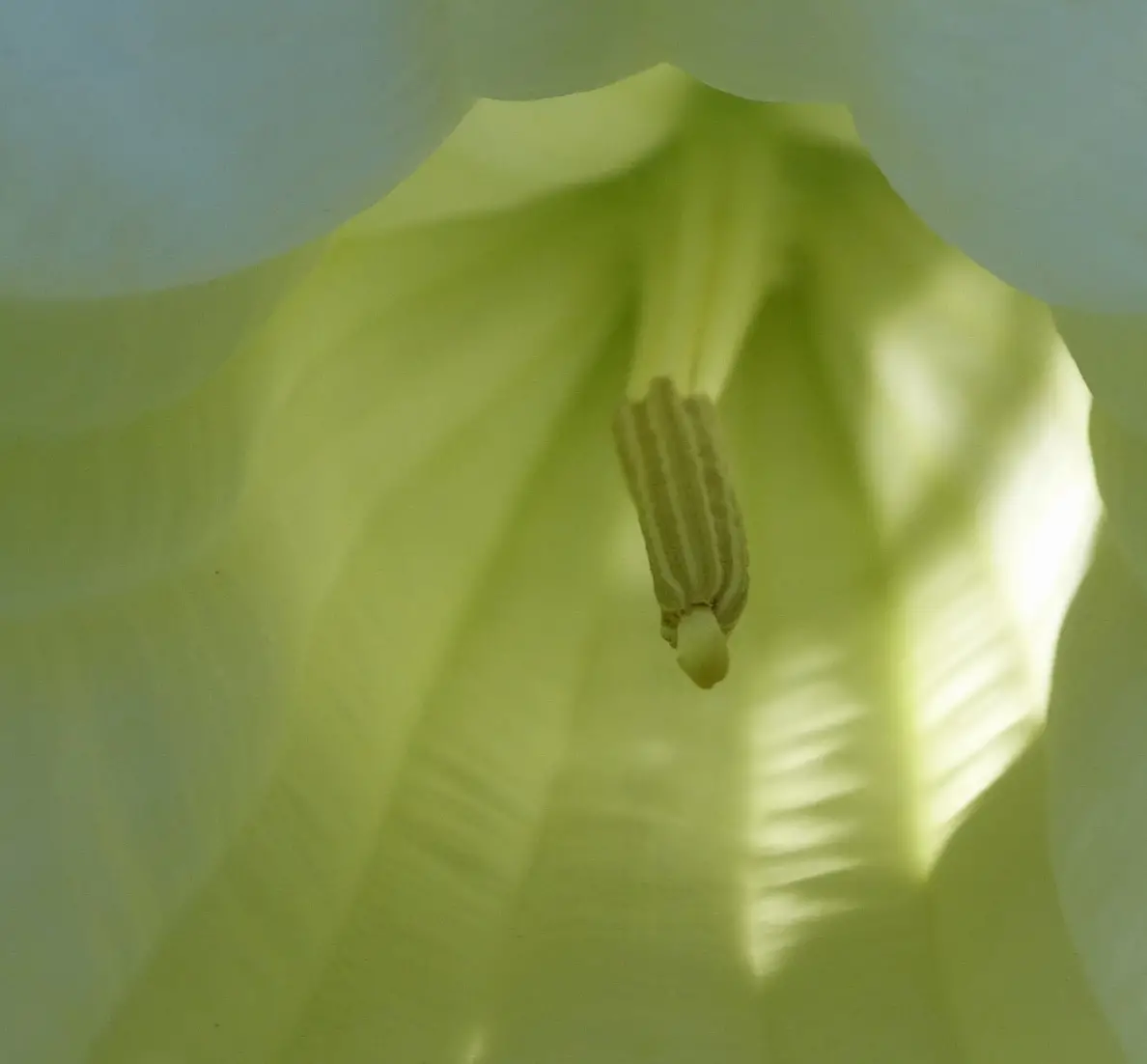
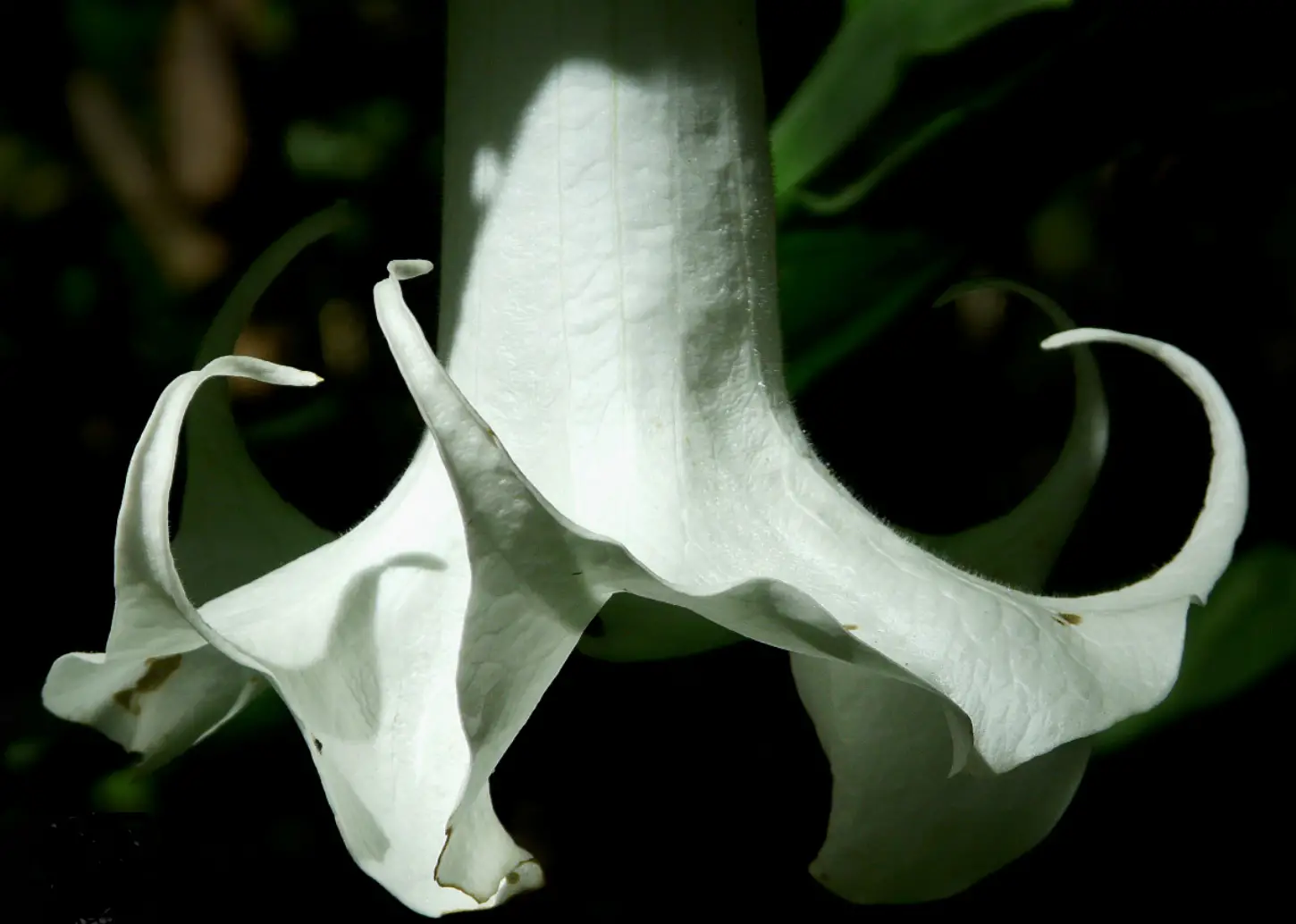
But here’s what makes B. arborea genuinely special: **it is a vespertine flower**—a bloom evolutionarily adapted to open and release fragrance exclusively in the evening, between dusk and early morning. This is no accident. In its native habitat, the flowers attract hawkmoths and other nocturnal pollinators through a combination of pale coloration (visible in low light) and an intensifying, intoxicating scent. The fragrance is variously described as musky, honeyed, jasmine-like, with notes of lemon and lily—a complex, haunting aroma that intensifies as temperatures drop after sunset. Unlike many ornamentals that release scent sporadically, B. arborea’s evening perfume is *reliable*, *powerful*, and *transformative*. A single mature plant can perfume an entire garden. Gardeners report that neighbors from blocks away ask about the source of the mysterious fragrance. The flowers themselves are the smallest of all Brugmansia species—elegant trumpets measuring 12–17 cm (roughly 5–7 inches) in length, hanging downward in a graceful nodding posture, white to cream-colored. What they lack in size compared to their siblings, they make up for in *continuous flowering*: unlike most Brugmansias that flower in dramatic flushes, B. arborea blooms steadily and constantly throughout the growing season, producing flowers in measured abundance. Each bloom lasts 4–6 days, ensuring your garden always wears fresh trumpets. The foliage is elegant too—large, ovate leaves with coarsely toothed margins, covered in fine velvety white down, lending a soft, almost tactile quality to the plant.
Tradditionally, B. arborea has been valued for far more than ornament. Indigenous Andean cultures used it for centuries in shamanic rituals and as traditional medicine—applied as ointments and poultices for inflammation, arthritis, rheumatism, and pain relief. Modern research has confirmed the presence of tropane alkaloids with genuine pharmacological applications; however, the plant’s toxicity demands extreme respect and careful handling (gloves always). This complexity—beauty paired with potency—is part of B. arborea’s mystique, its layered history.
Growing B. arborea from seed is moderately straightforward and deeply rewarding. **Light & location:** Provide bright, indirect light or dappled sun; full sun encourages more abundant flowers, though afternoon shade is beneficial in extremely hot climates. B. arborea tolerates both sun and partial shade but prefers protection from harsh midday rays and wind, which dehydrate the large leaves. **Soil:** Well-draining, fertile soil rich in organic matter is essential. A pH of 6.0–7.0 (neutral to slightly acidic) is ideal. In containers, use high-quality
Only logged in customers who have purchased this product may leave a review.
Reviews
There are no reviews yet.