Nicandra physalodes — Apple of Peru | Natural Whitefly Killer & Stunning Pollinator Magnet

Watch whiteflies vanish overnight. Nicandra physalodes releases compounds that repel and kill whiteflies—just place it among infested plants and witness the magic. Plus, delicate pale blue bell flowers bloom daily through summer, drawing pollinators and drying beautifully for arrangements. Grows fast, thrives anywhere, zero maintenance. Direct sow seeds after frost.

1.92

SKU: P-2282 Category: Tags: ,

You May Also Like

Description

One plant. One secret. Your greenhouse nightmare ends here.

Nicandra physalodes isn’t just beautiful—it’s a biological weapon disguised as ornamental grace. This South American native produces a natural insecticidal compound called nicandrenone that makes whiteflies disappear. Growers have tested it with remarkable results: place Shoofly plants among whitefly-infested crops, and within 24 hours, the pest population collapses. This isn’t folklore. This is proven companion planting power.

Native to the highlands of Peru, this plant arrived in European gardens centuries ago, initially prized purely as a ornamental curiosity. But gardeners discovered its darker purpose: juices from the leaves were mixed with milk to attract and poison flies—hence the name “Shoofly Plant.” What ancients knew by accident, modern growers now understand by chemistry. The entire plant—leaves, stems, roots—contains withanolide alkaloids and nicandrenone, compounds that repel flies, whiteflies, and various insect pests. It’s a living pesticide.

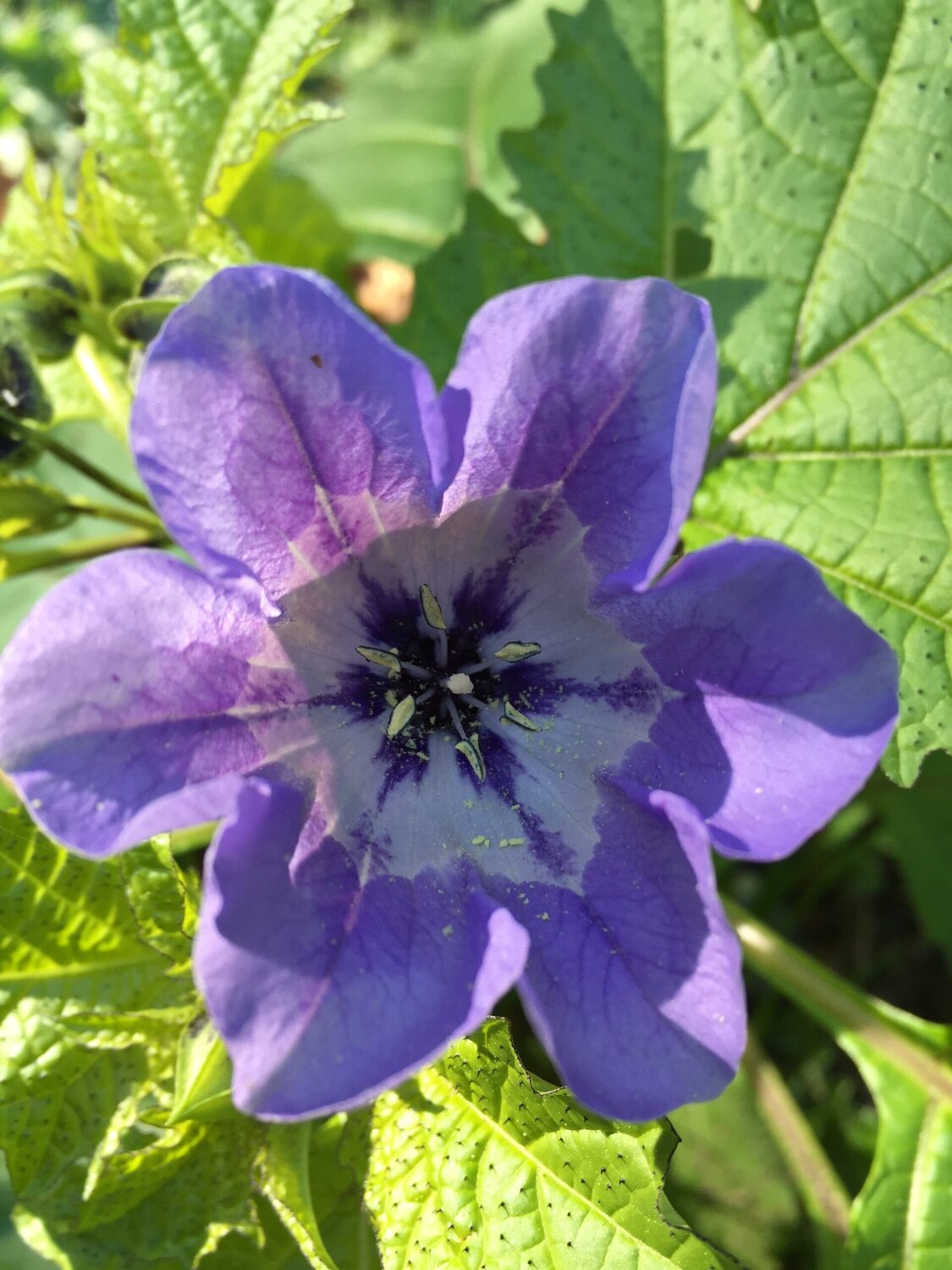
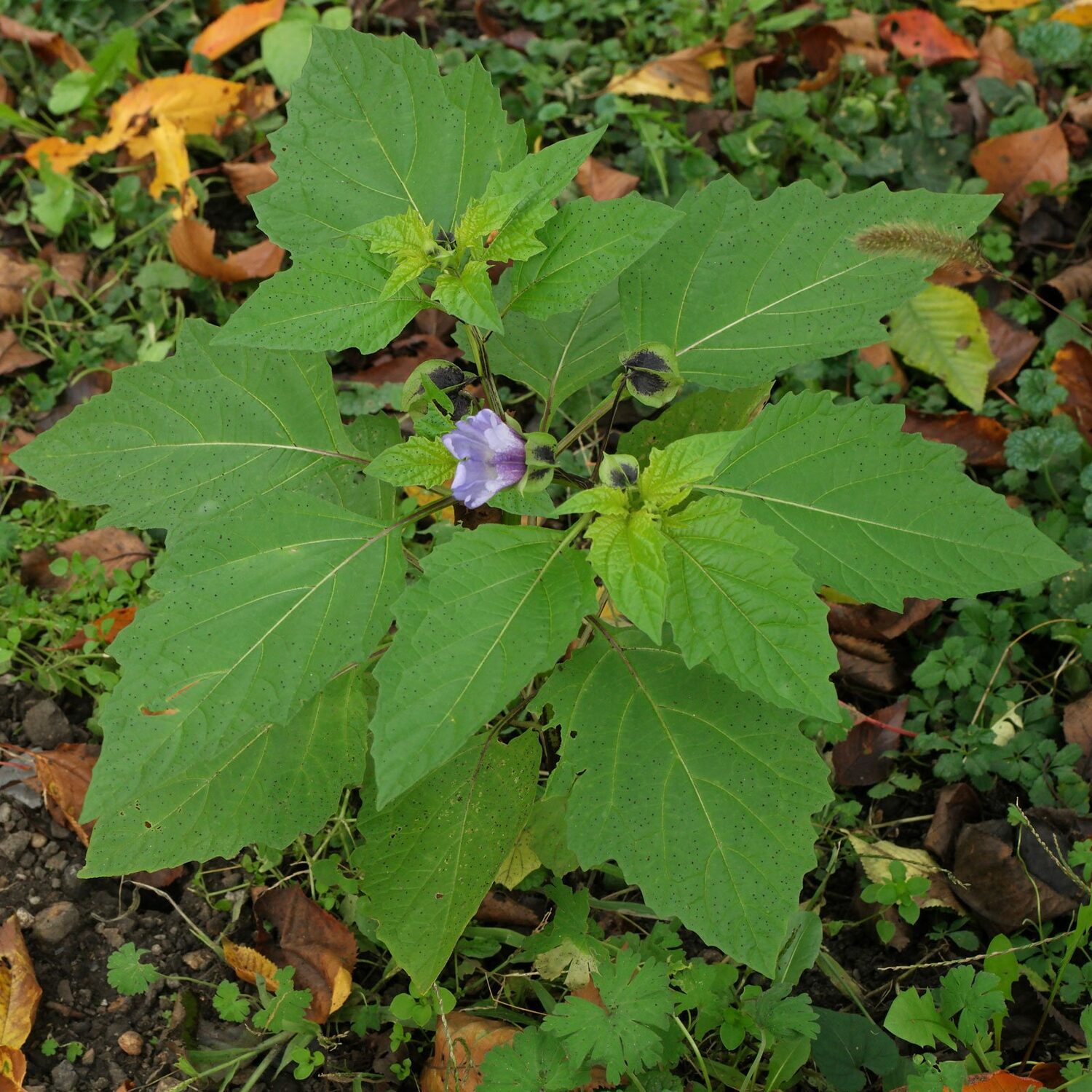
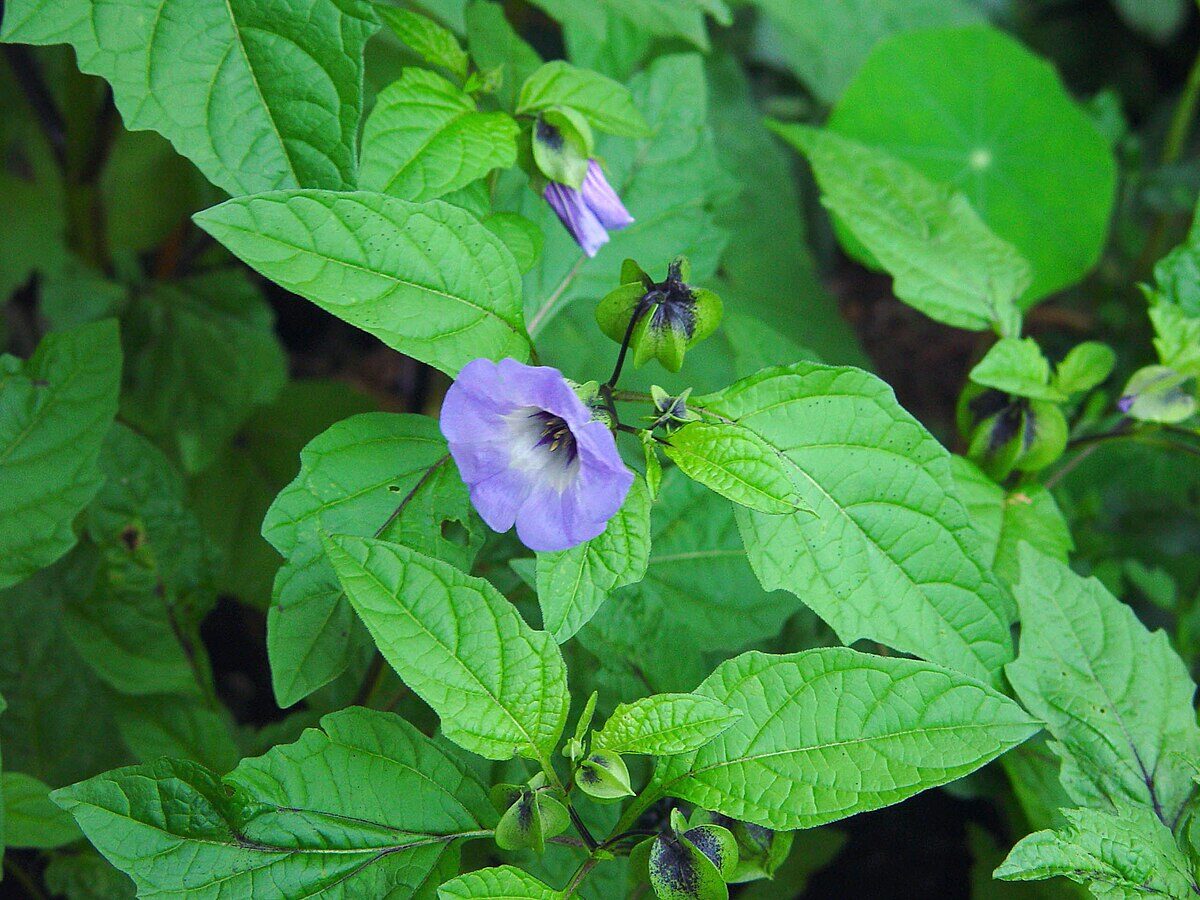
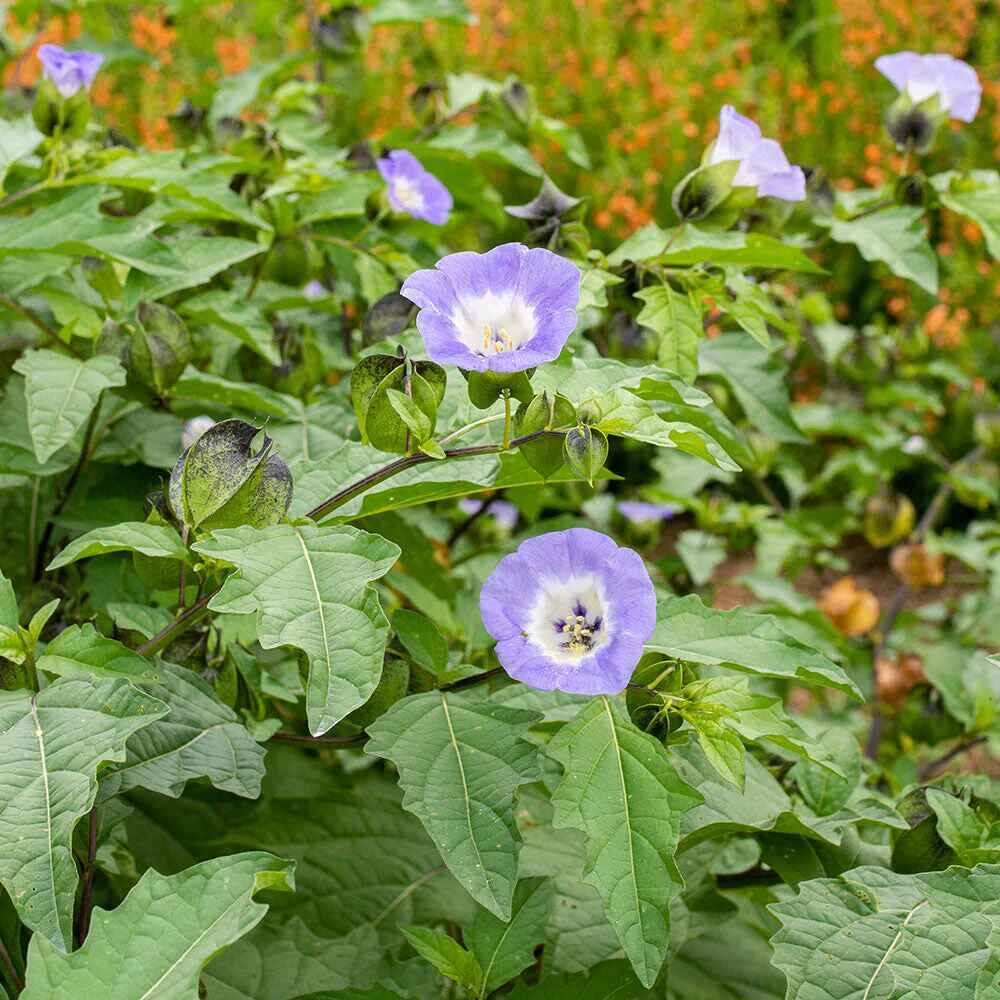
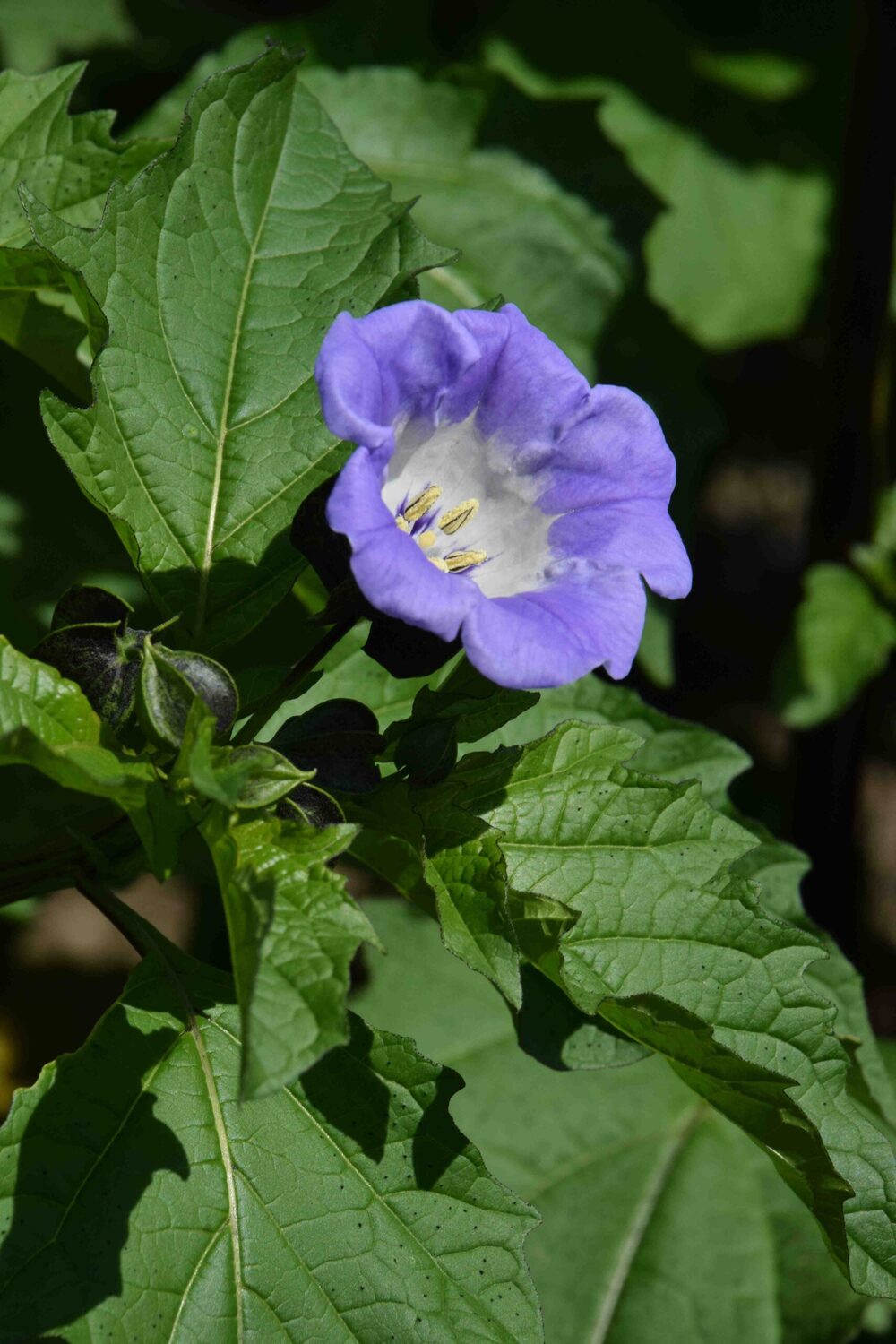
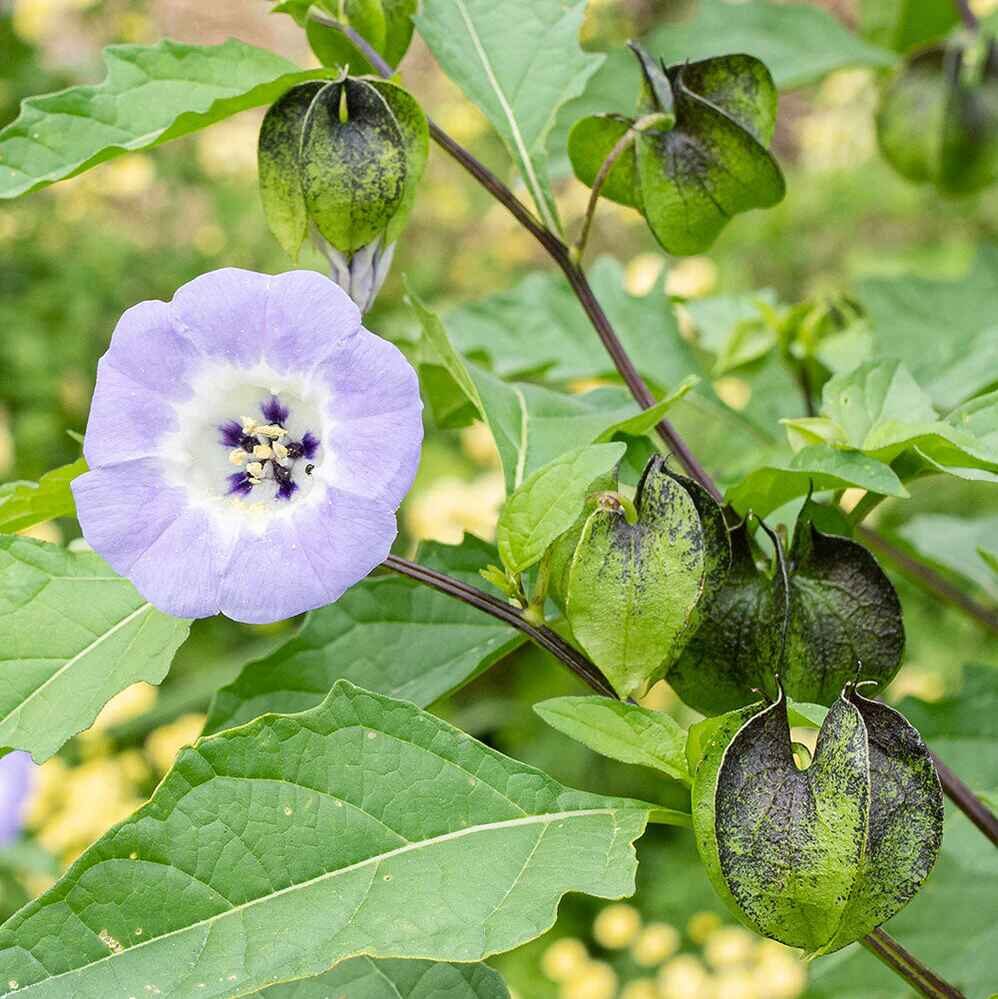
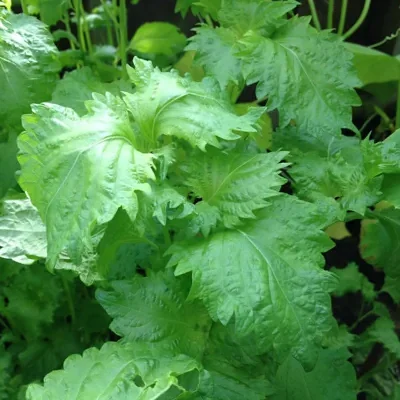
But here’s where Nicandra seduces you beyond utility: beauty. The flowers are pale violet-blue bells, each with a contrasting white throat, opening fresh each morning and closing by afternoon—a delicate daily display from summer through early autumn. They’re bell-shaped, 1-3 inches across, and arrive in endless succession. The foliage is distinctly textured: large, heart-shaped, deeply toothed and wavy-edged leaves that add sculptural interest to any bed. After flowering comes the real showstopper—the fruit develops inside an inflated, papery, lantern-like calyx with deeply lobed sepals. These curious structures dry to pale, papery perfection, making them prized for dried flower arrangements and winter décor. You’re not just growing pest control. You’re growing living architecture.

Growing Nicandra is embarrassingly easy. Direct sow seeds ¼ inch deep after frost danger passes—no indoor seed-starting required, though you can if you wish. The plant erupts from soil with astonishing speed, reaching 3-5 feet tall by midsummer. It demands full sun to partial shade, thrives in average to fertile, well-draining loam, and tolerates a wide pH range. Once established, it shrugs off drought, flooding, pests (ironically), and disease. Water moderately—keep soil consistently moist but never waterlogged. The plant adapts to containers, borders, and greenhouse benches with equal enthusiasm. It asks for almost nothing and rewards generously.

Imagine: a garden where whiteflies simply don’t exist. Where pollinators dance among blue flowers. Where your dried arrangements include these architectural lantern-pods, adding texture and story. That’s Nicandra physalodes. A working plant. A beautiful plant. A plant that remembers its purpose. Grow it from seed, and let nature’s own insecticide reshape your relationship with pests.

Germination Guide

🌍 Western South America - Northwest Argentina, Bolivia, North and Central Chile, Peru
Moderate

Nicandra physalodes is an annual species in the nightshade family (Solanaceae), native to western South America. Known as Apple of Peru or Shoo-fly plant for its insect repellent properties. Seeds have a relatively thick seed coat and exhibit strong physiological dormancy.

Germination
Germination time
Expect germination in

14 – 21 days

Temperature

Min 15°C
Ideal 22°C
Max 25°C
🌡️ Temperature alternation recommended
— Temperature fluctuation between 15-25°C helps break dormancy; alternating temperatures 25-15°C improves germination

Light
☀️ Light required

Substrate moisture
💧 Medium

Sowing depth
0.5 cm

Press seed
👆 Yes


Seed Pre-treatment
  • ❄️


    Cold then warm stratification at 20°C
  • 📋

    Additional notes
    Seeds exhibit strong dormancy; warm and cold stratification combination effective; gibberellin treatment can overcome dormancy

Substrate & Container
Recommended substrate
Well-drained seed compost, moist soil

Recommended container
8cm pots after germination


Growing Tips
Seeds should be sown barely covered (1mm deep); light improves germination; keep substrate consistently moist but well-drained; sow 7-8 weeks before last frost for transplanting; self-seeds freely after flowering; prefers full sun to partial shade

Reviews

There are no reviews yet.

Only logged in customers who have purchased this product may leave a review.

Related Products