
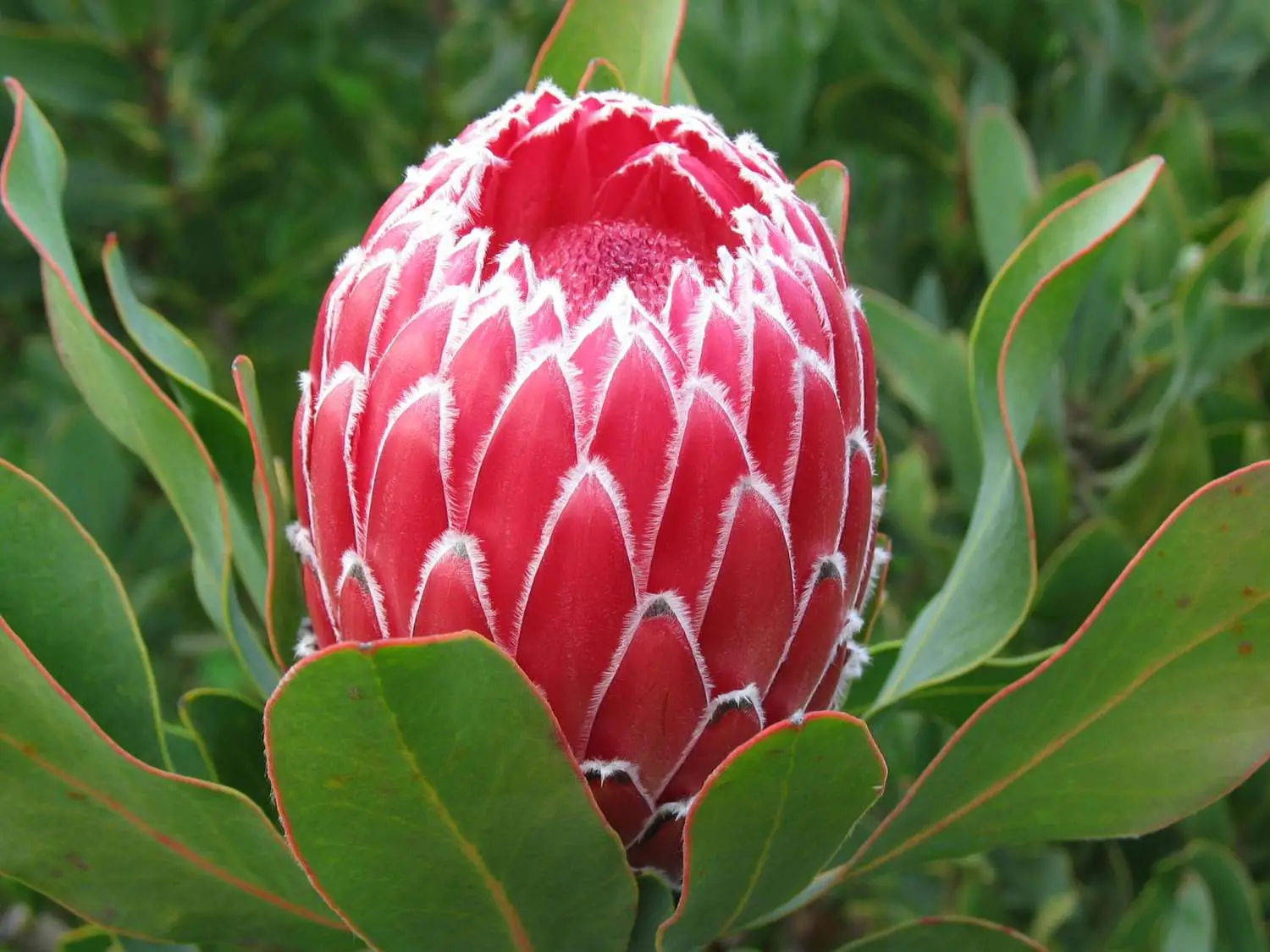
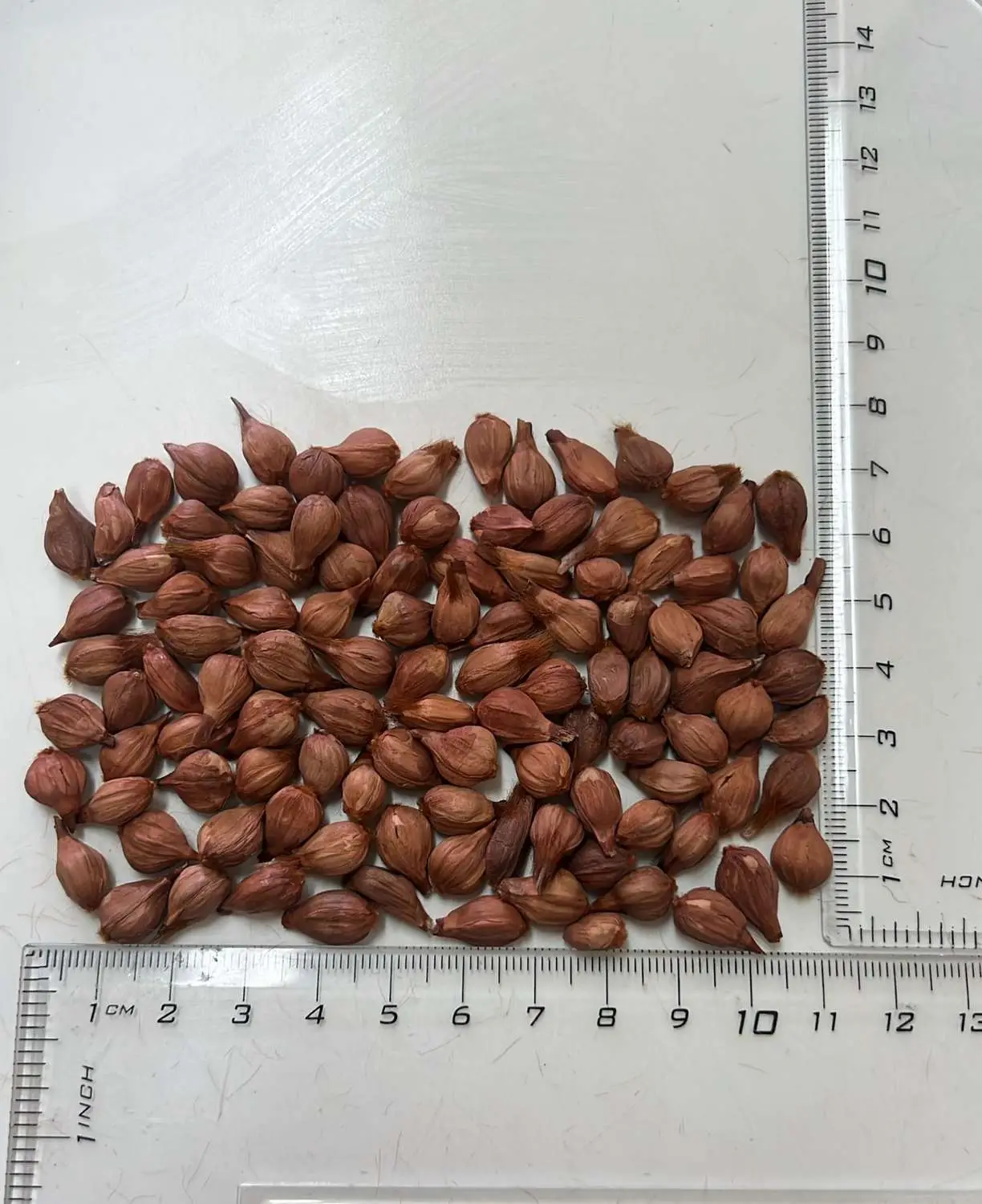
Grow the flower that commands florist counters worldwide. Protea magnifica produces massive, woolly blooms in cream, pink, and crimson that last for months—in the vase and dried. Nectar-rich flowers magnetize bees and birds. Sow seeds now for a specimen that blooms for decades and rewards patient growers with unmatched floristry gold.
€10.39
There is a flower that florists will fight over, that arrives on elite events in markets from Tokyo to London—and you can grow it from seed.
Protea magnifica, the Queen Protea, hails from the misty high mountain ranges of South Africa’s Western Cape, where it clings to rocky slopes between 1200 and 2700 meters. In 1806, Henry Andrews painted it for the first time in a London conservatory, capturing what would become an obsession among the world’s most discerning gardeners and flower professionals. Today, it remains one of the most sought-after proteas on earth.
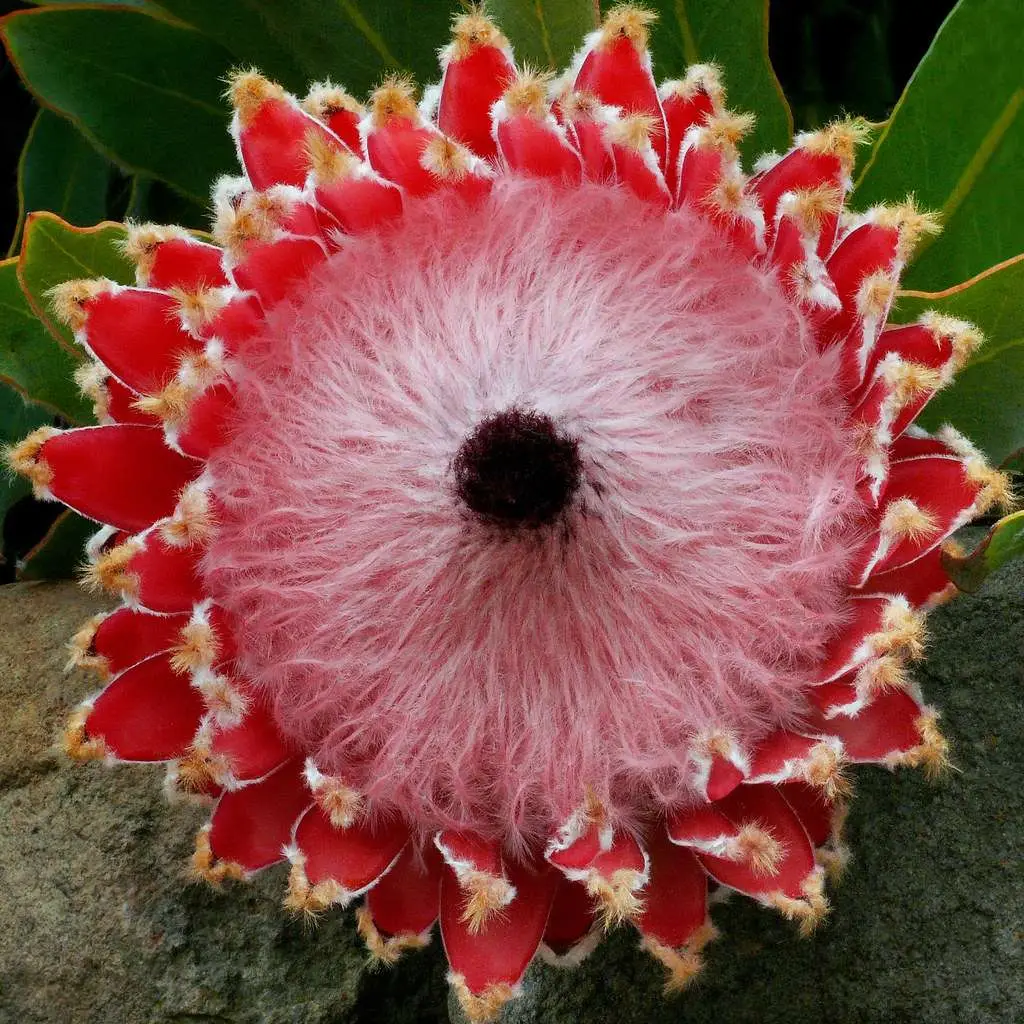
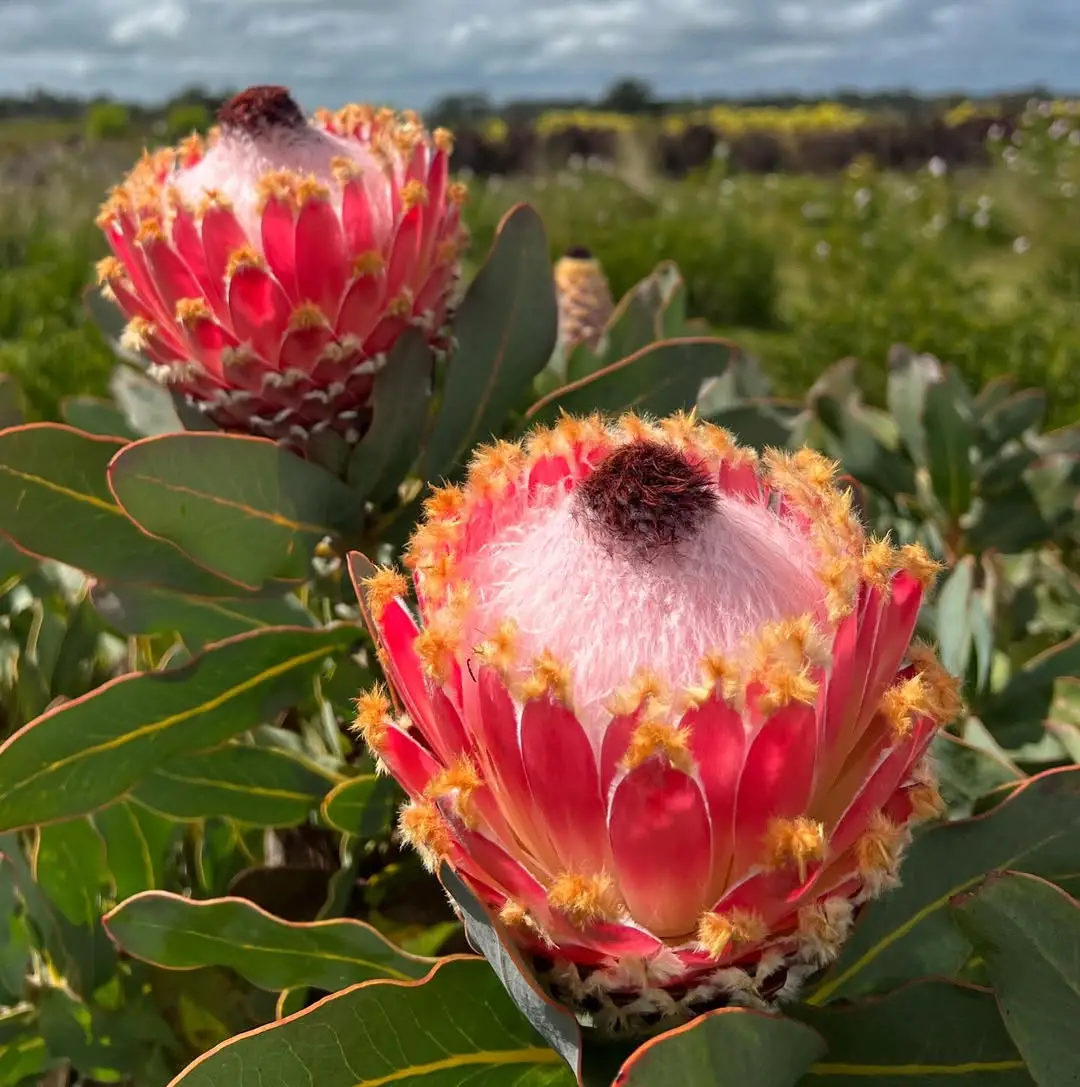
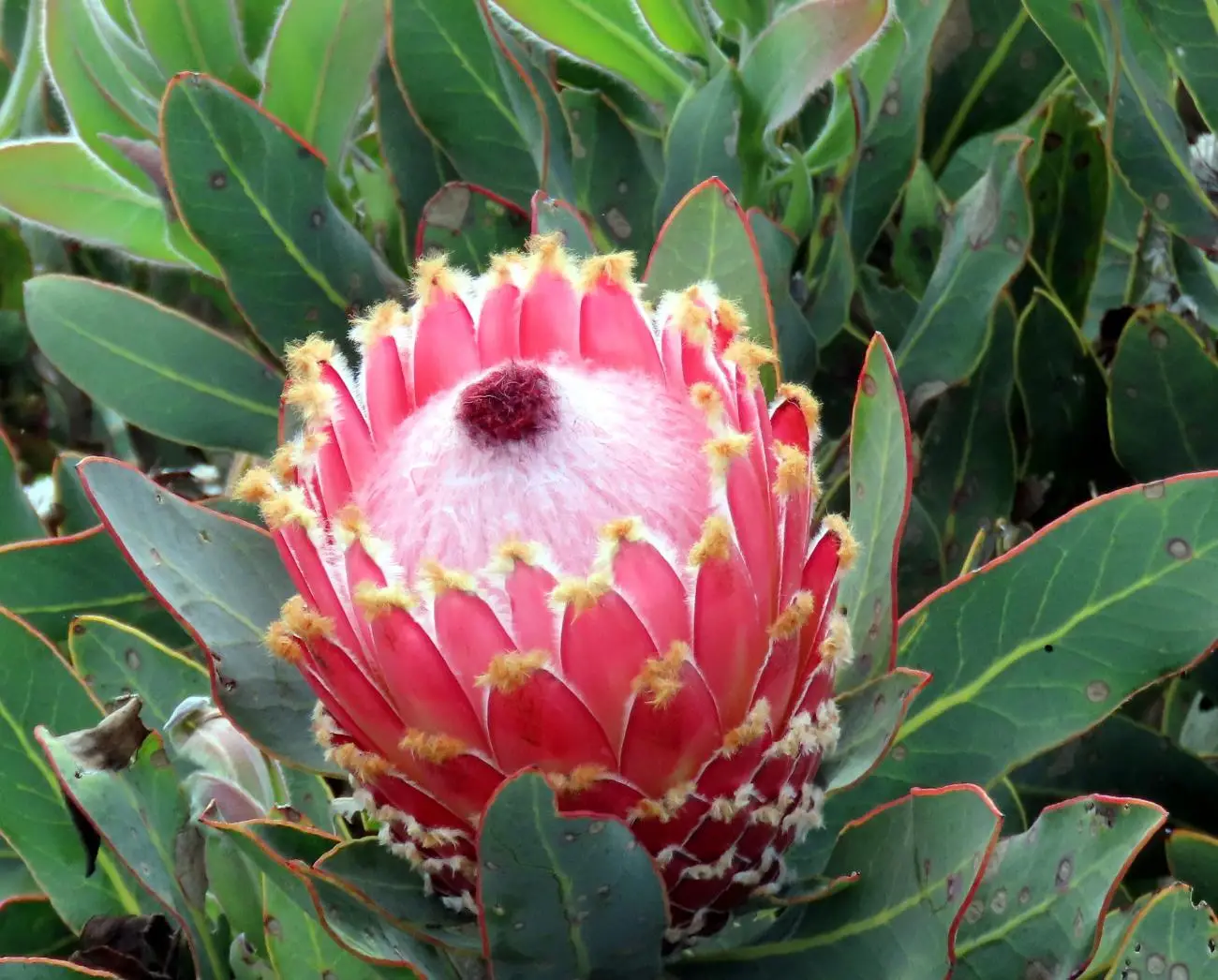
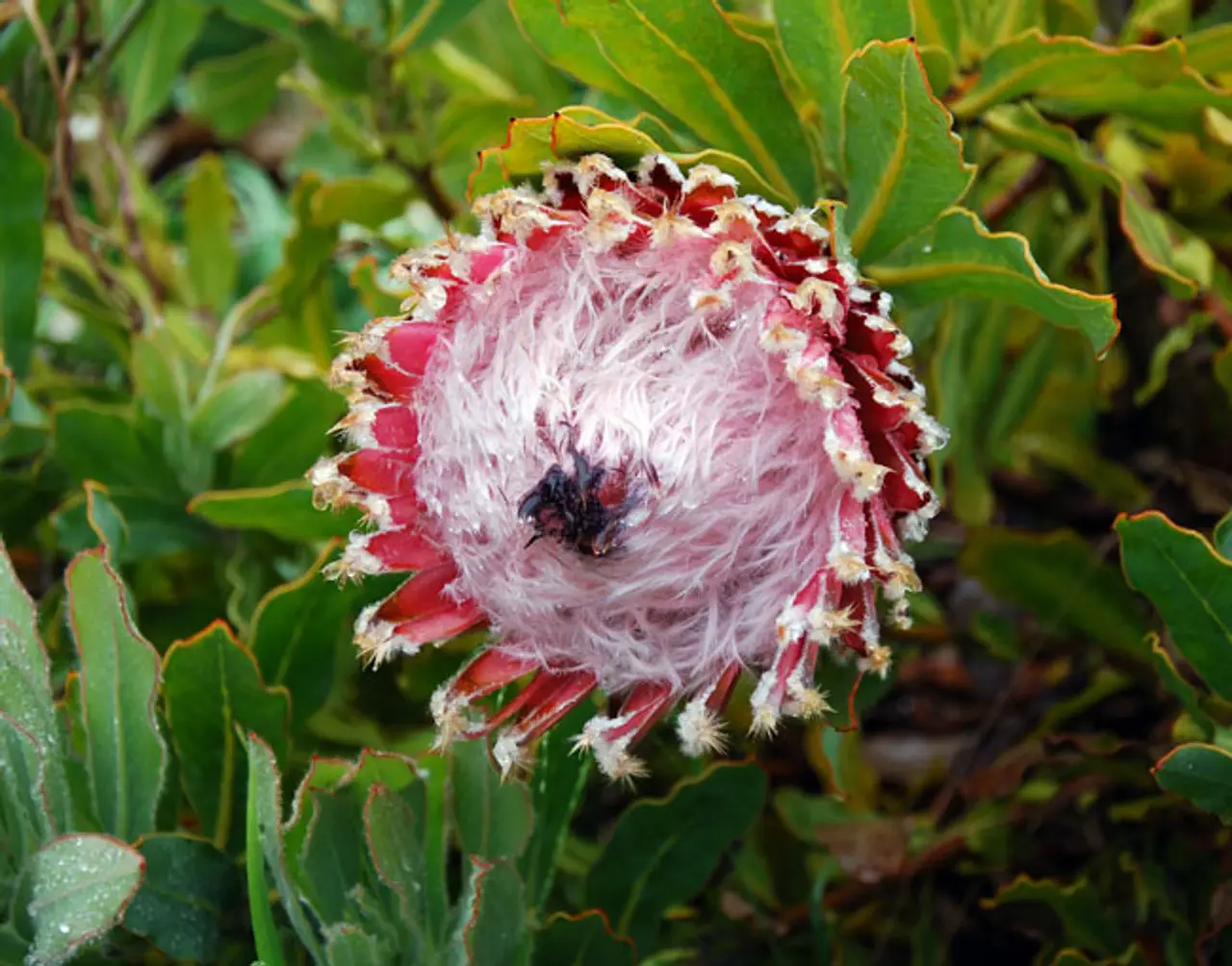
But here’s what makes this plant truly legendary: its flowers are a florist’s dream. The massive, cup-shaped flower head—150mm across and densely woolly—explodes in natural color variation: cream, salmon pink, rosy red, deep carmine, with beards of white, purple-black, or tawny brown. Each bloom lasts for months in the vase, and when dried, holds its beauty for years, transforming arrangements into heirloom-quality installations. Protea magnifica is the most prized cut flower in the entire global floral trade. One stem commands a room. A vase of them becomes pure theater. If you’ve ever wondered what flowers command triple-digit prices in premium bouquets, this is it.
Beyond the vase, these nectar-rich flowers are magnetic for pollinators. Bees arrive in waves. Birds visit repeatedly. If you’re serious about supporting biodiversity while growing botanical luxury, Protea magnifica does both—transforming your garden into both a visual monument and a pollinator haven that thrives independently once established.
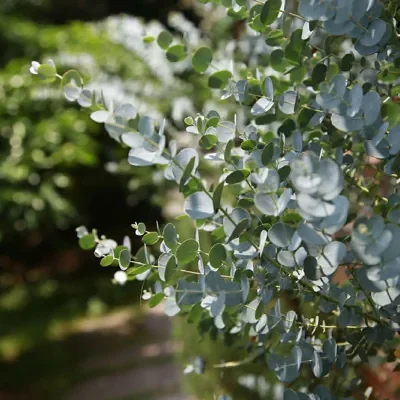
Growing from seed requires patience—expect four to six years before your first blooms appear—but this is not a weakness; it’s the initiation into a circle of true plant lovers. Your plant will reward this patience by living 30 years or more in suitable conditions. The requirements are specific but manageable: sow in autumn or spring when day-night temperature differences reach 12°C, use acidic, well-drained soil (pH 5.5 or lower), ensure full sun and excellent air circulation, and resist the urge to fertilize. These mountain plants evolved on nutrient-poor slopes and resent rich soil. Germination is unpredictable, beginning anywhere from 21 to 60 days after sowing, but once your seedlings develop true leaves, transplant them into individual containers and watch them establish their distinctive blue-grey foliage. Water deeply during the first three years, then step back—once mature, they are remarkably drought-tolerant, asking only sun, drainage, and space to breathe.
This is not a plant you rush. This is a plant you commit to. Every year you wait is a year closer to owning something that will make you proud—not just because it is beautiful, but because you grew it. And when it finally blooms, when those first impossible woolly flowers emerge in their crown-like splendor, you will understand why florists have treasured this species for two centuries. Start your seeds now. The future queen of your garden is waiting.
Only logged in customers who have purchased this product may leave a review.

Reviews
There are no reviews yet.