
Grow your own healing ally: wild thyme is especially beneficial for coughs, usable for productive and whooping cough. Make herbal tea for soothing properties, helping with respiratory issues, digestion, and calming the nerves. Easy to cultivate from seed—highly resilient and easily cultivated in gardens—this strongly scented flower plant produces l
€1.92
Wild thyme has been used since ancient times due to its multifaceted culinary and medicinal attributes. This is no novelty herb—it’s ancient wisdom in a delicate, creeping form.
The species is native to most of Europe and North Africa, where it has threaded through mountain rocky outcrops and sandy heaths for millennia. Its name is derived from the Greek word “thymos,” meaning “courage” or “perfume”—during Medieval Times, thyme was thought to have been an emblem of bravery. Medieval knights embroidered thyme sprigs into their garments before battle. That’s the spirit you’re growing from these seeds.
But here’s where wild thyme truly shines: the main active ingredients are essential oils (notably thymol and carvacrol), plus tannins, bitter substances, flavonoids, saponins, and vitamins. Wild thyme is especially beneficial for coughs—the essential oils dilate the bronchi, liquefy mucus in airways, and accelerate coughing for productive and whooping cough. You can make herbal tea for soothing properties, helping with respiratory issues, digestion, and calming the nerves. It helps with colds, bronchitis, inflamed vocal cords, inflammation of the mucous membranes of the mouth and gums, and bad breath. It’s a powerful diuretic helpful for kidneys and also a very effective herb for wound healing. Whether brewed as a warming tea, used as a poultice, or harvested for essential oil extraction, this plant is a living pharmacy in miniature.
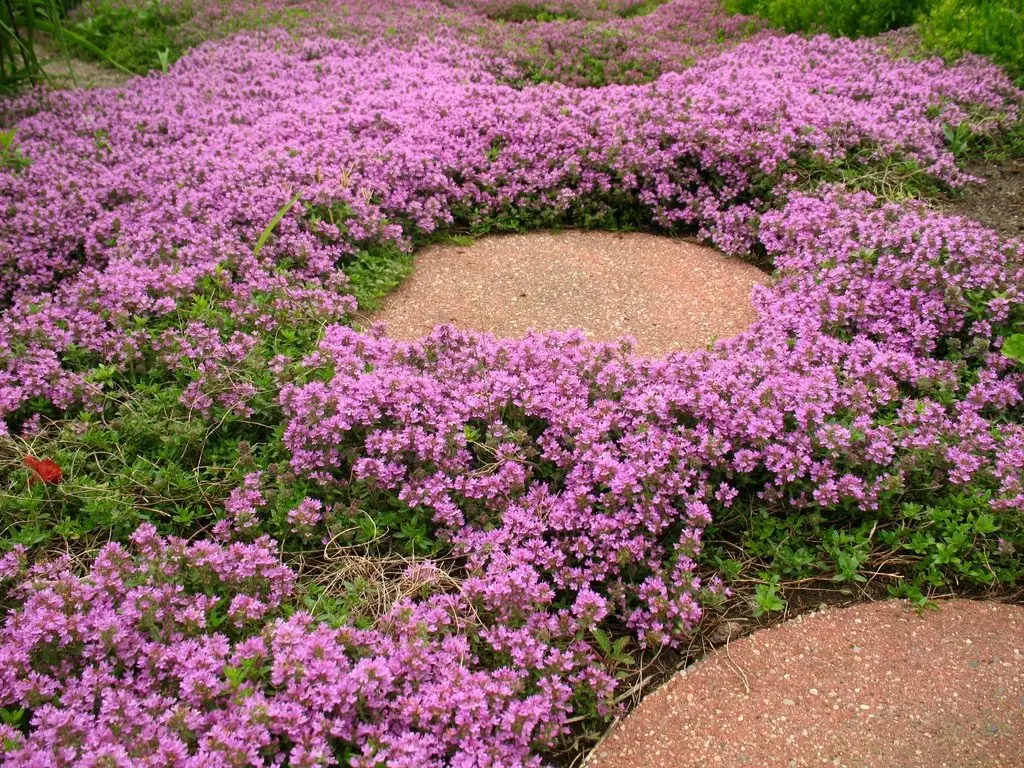
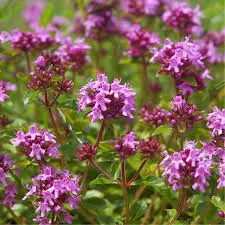
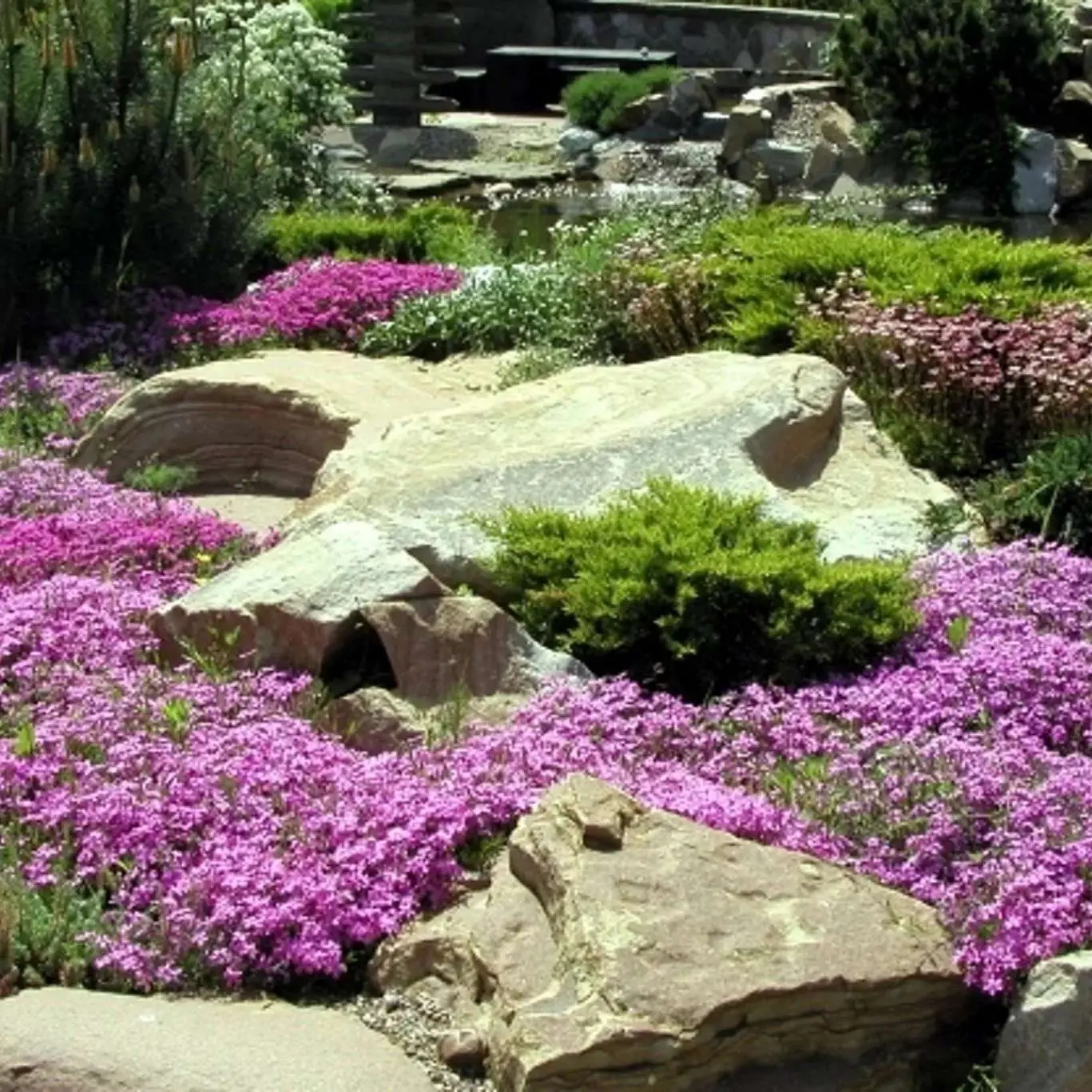
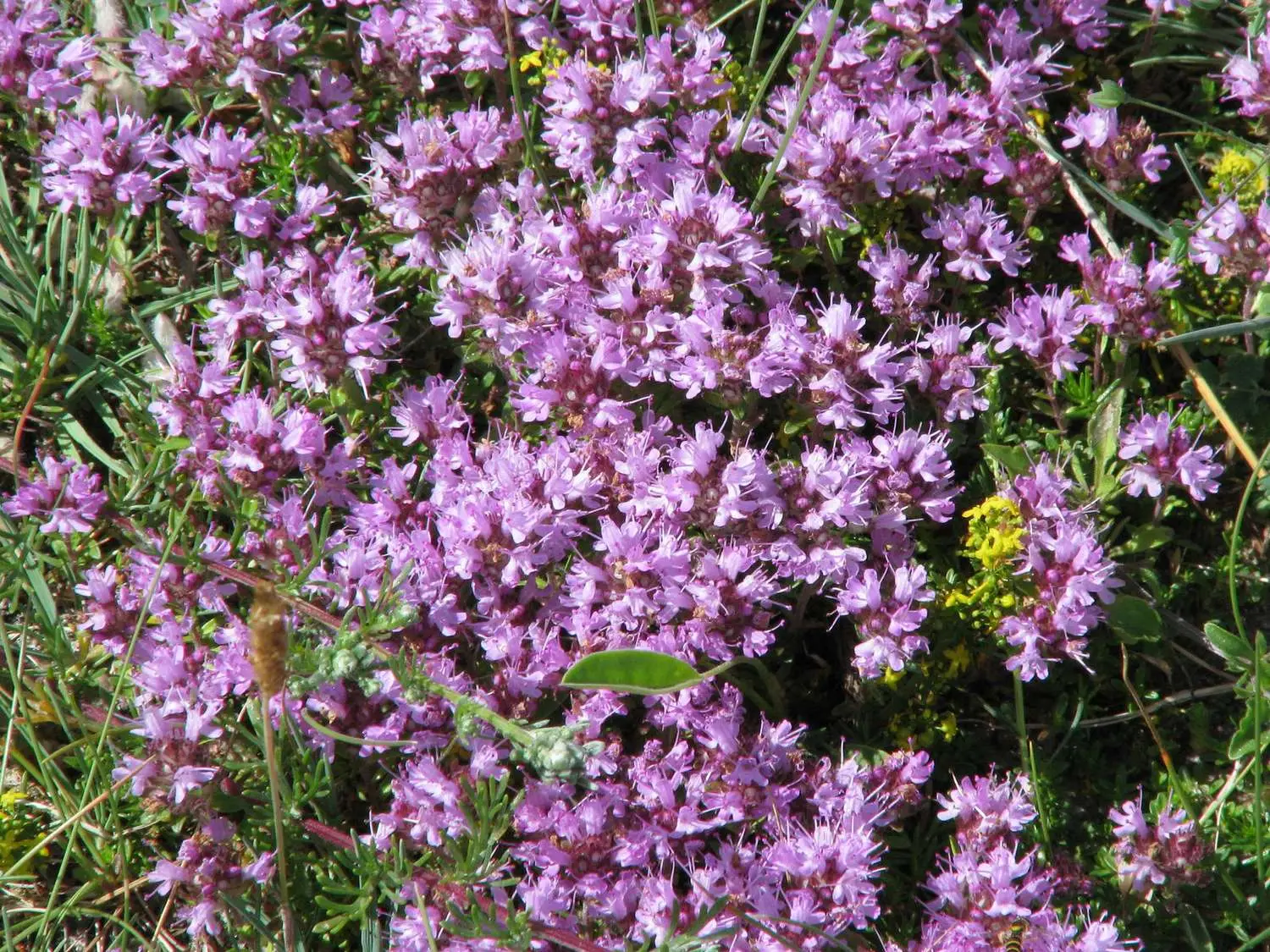
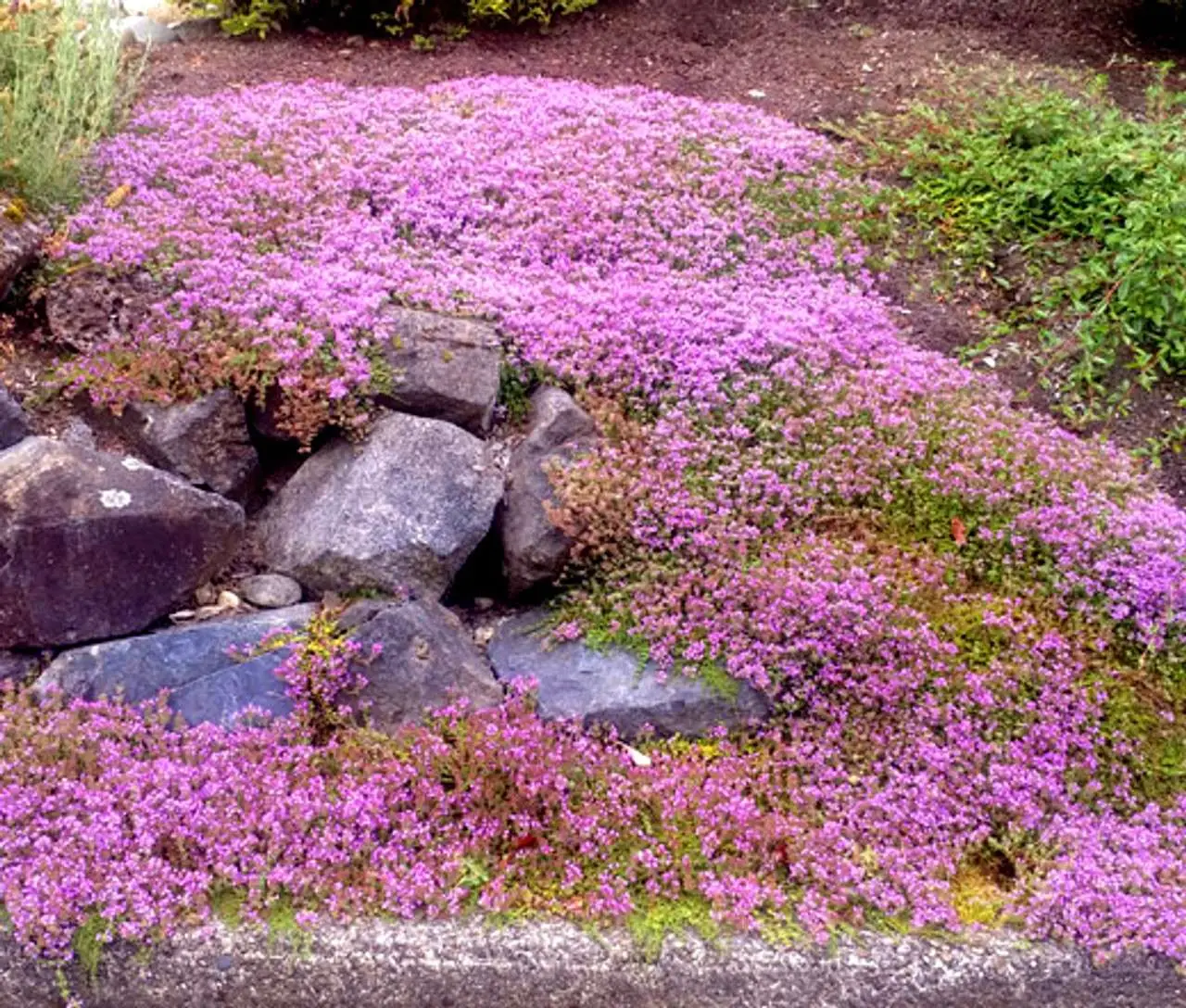
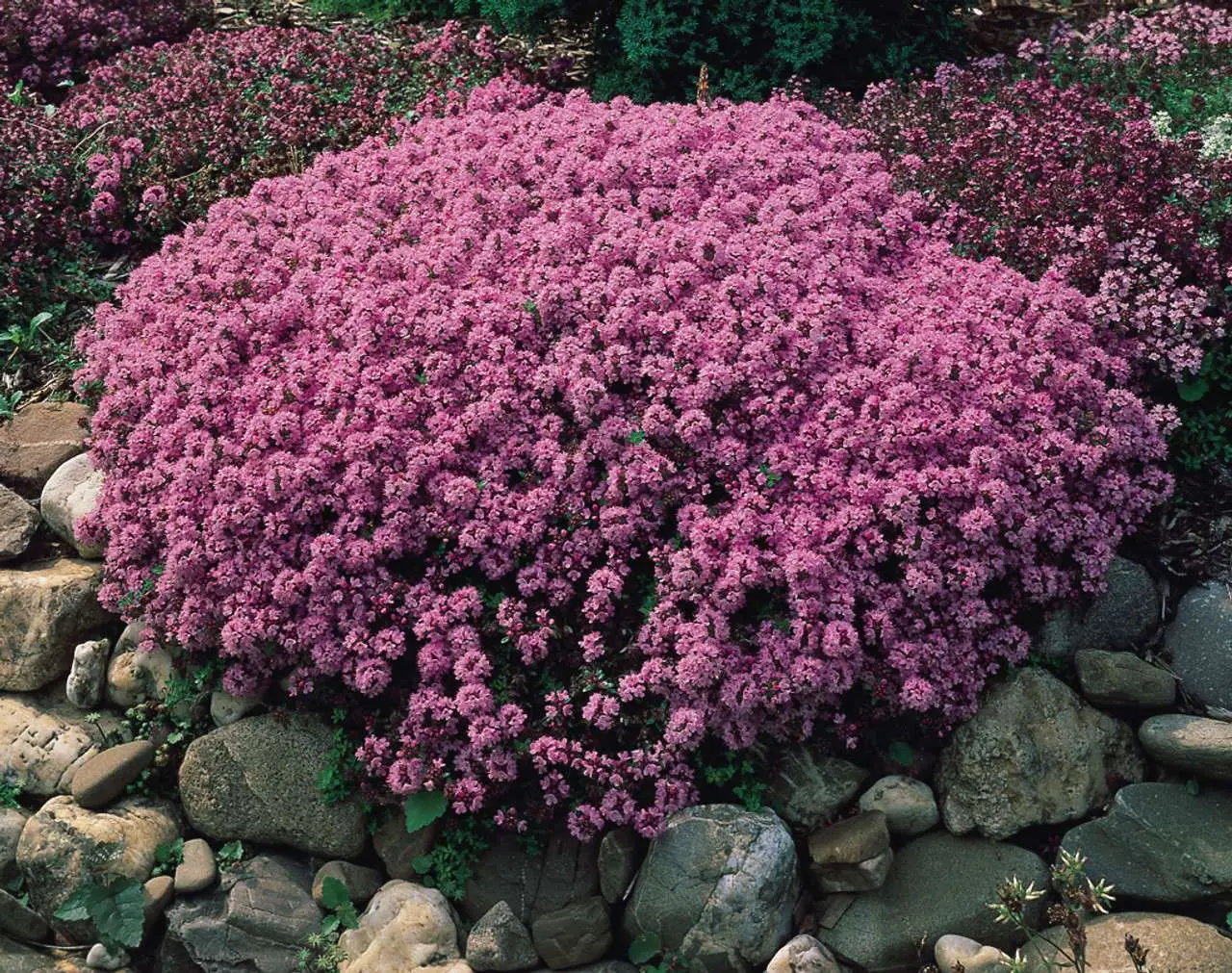
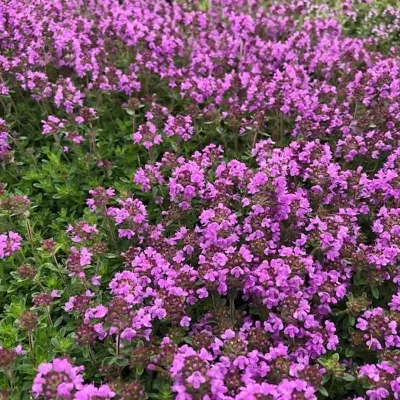
Beyond the medicine cabinet, creeping variants are used as border plants and ground cover around gardens and stone paths. The flowers are strongly scented, lilac, pink-purple, or magenta, and the hardy plant tolerates pedestrian traffic while producing aromas ranging from heavily herbal to lightly lemon depending on variety. The flowering is greatly appreciated by bees and other pollinating insects due to pollen and nectar—wild thyme is also attractive to bees and the larvae of both the common blue butterfly and large blue butterfly feed on it. Plant a few patches and you’re creating a wildlife refuge that also heals.
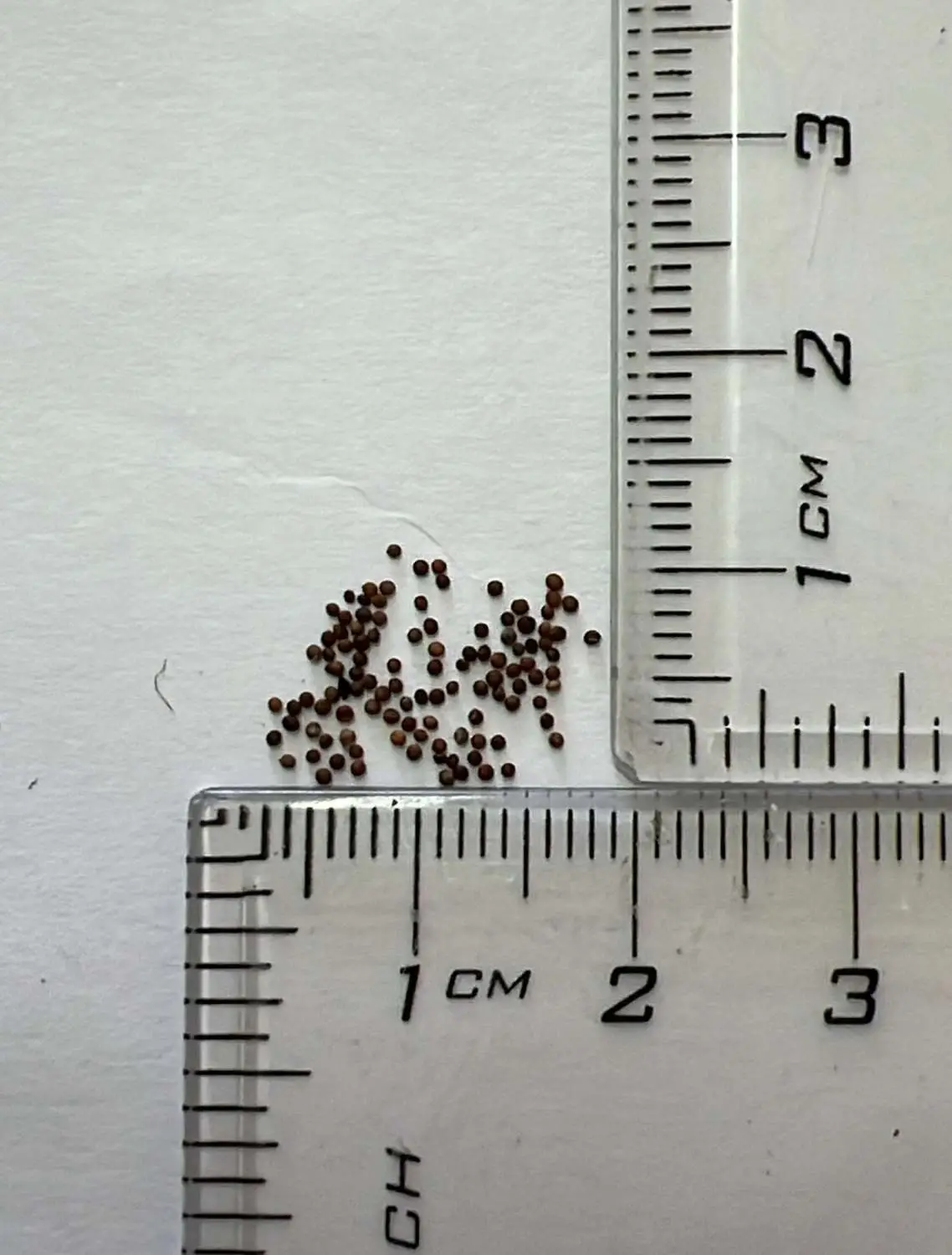
**Growing from seed is refreshingly straightforward.** It’s highly resilient and easily cultivated in gardens using proper organic techniques. It prefers full sun and tolerates poor soil while thriving in sandy, gritty, or rocky soil; it is drought tolerant and prefers average to dry medium moisture. The plant needs full sun exposure, at least 6 hours per day, and likes poor, well-drained stony soils. Creeping thyme requires pruning to manage growth and decrease woody stems. Seed can be sown in spring in a cold frame or in autumn in a greenhouse. This is a plant that grows where supermarket herbs surrender. It asks little; it gives far more.
There’s magic in growing something ancient and healing with your own hands. Each leaf you dry, each flower you steep, connects you to centuries of herbalists and healers who knew what modern medicine is only now rediscovering. Start from seed this season—watch these brave little plants transform your garden into a place of wellness, beauty, and quiet resilience.
Only logged in customers who have purchased this product may leave a review.

Reviews
There are no reviews yet.