Description
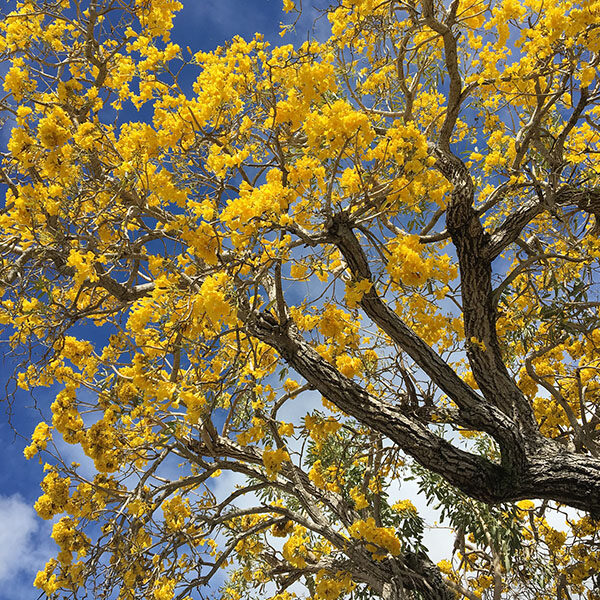
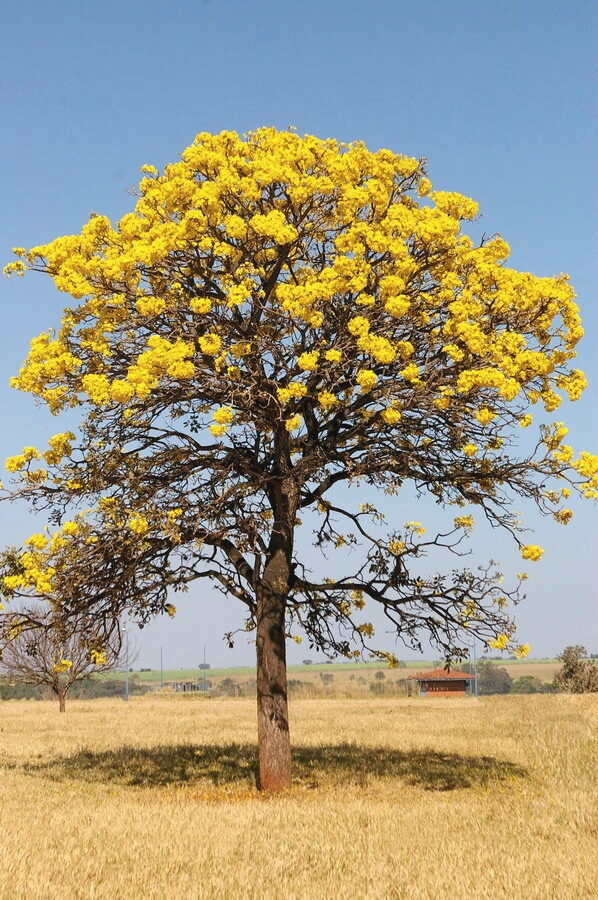
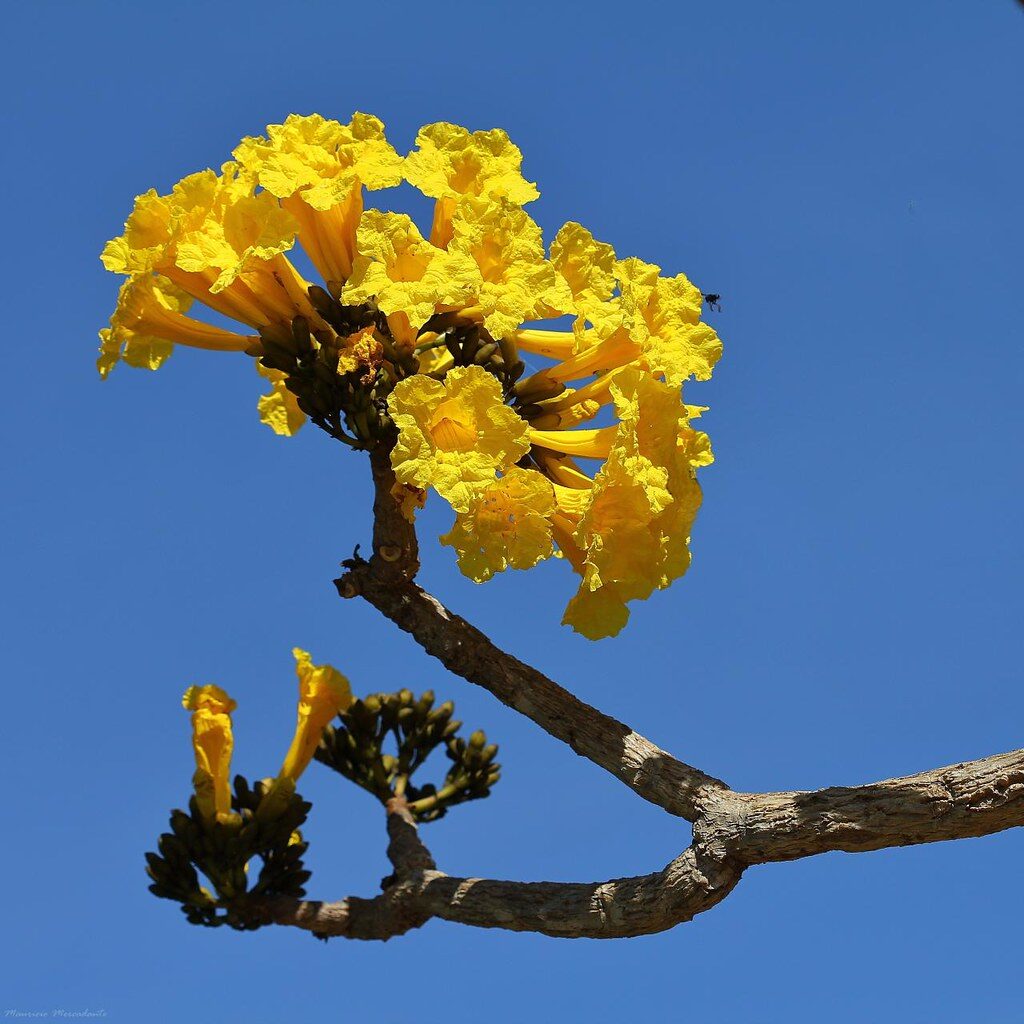
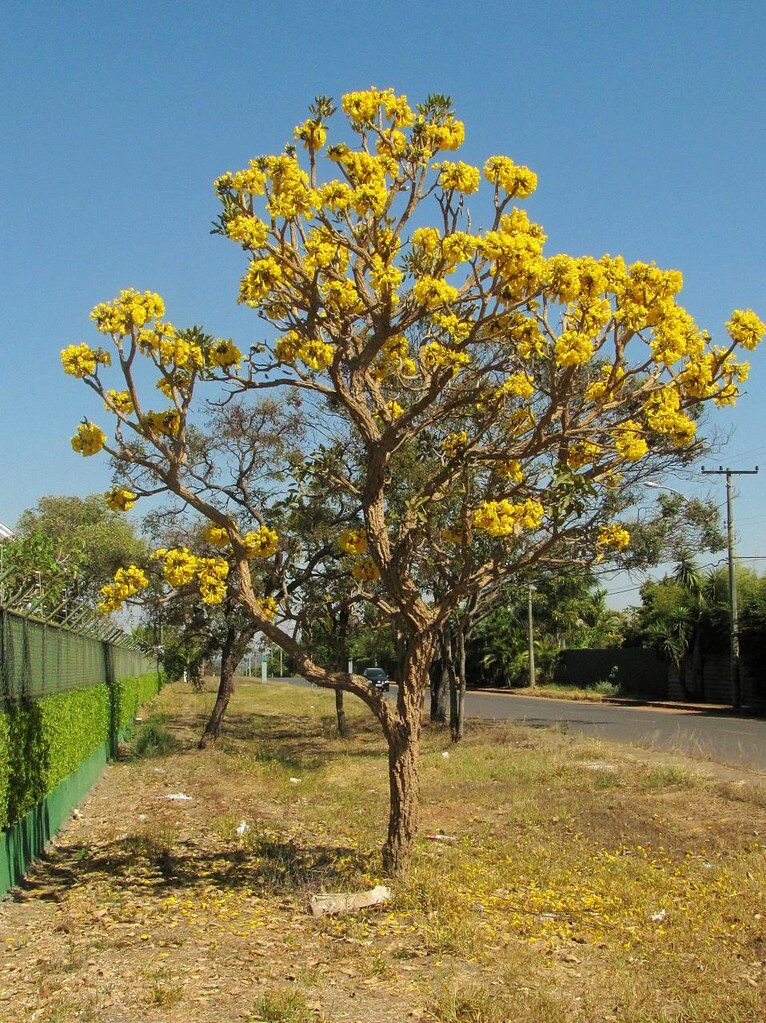
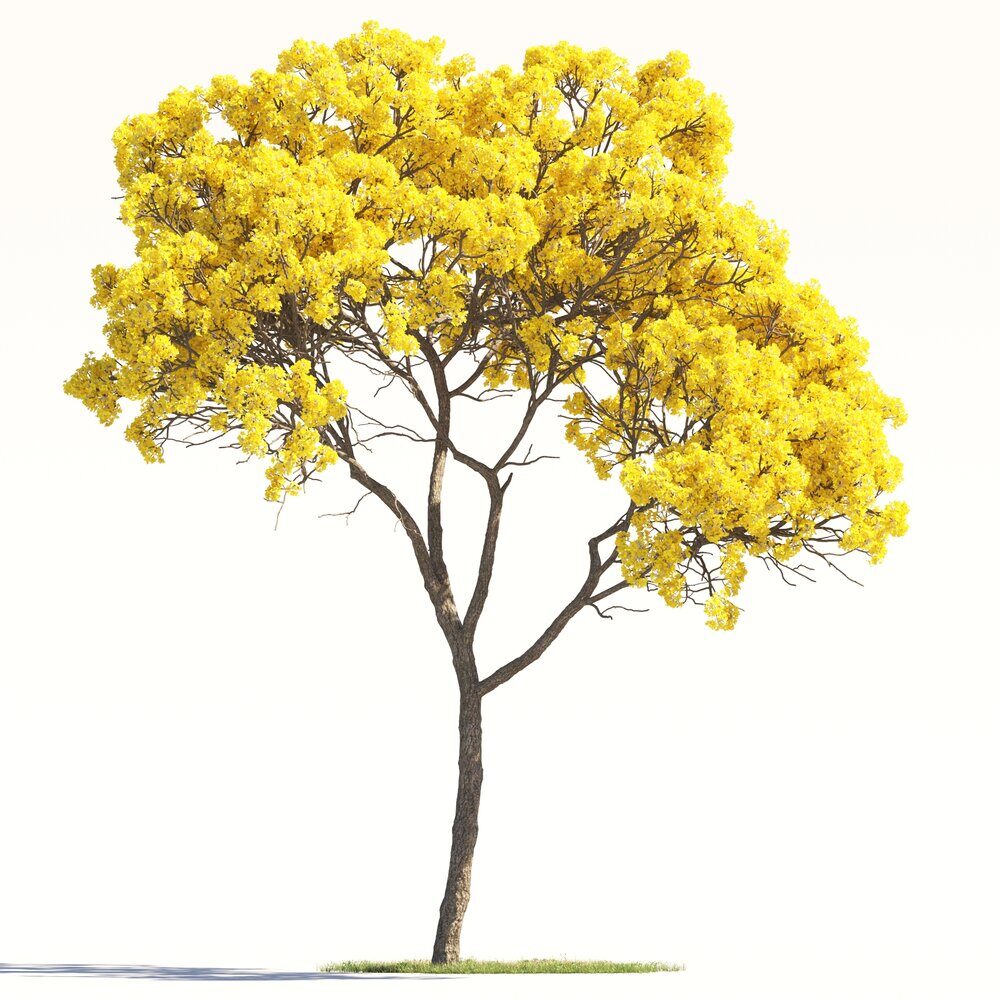
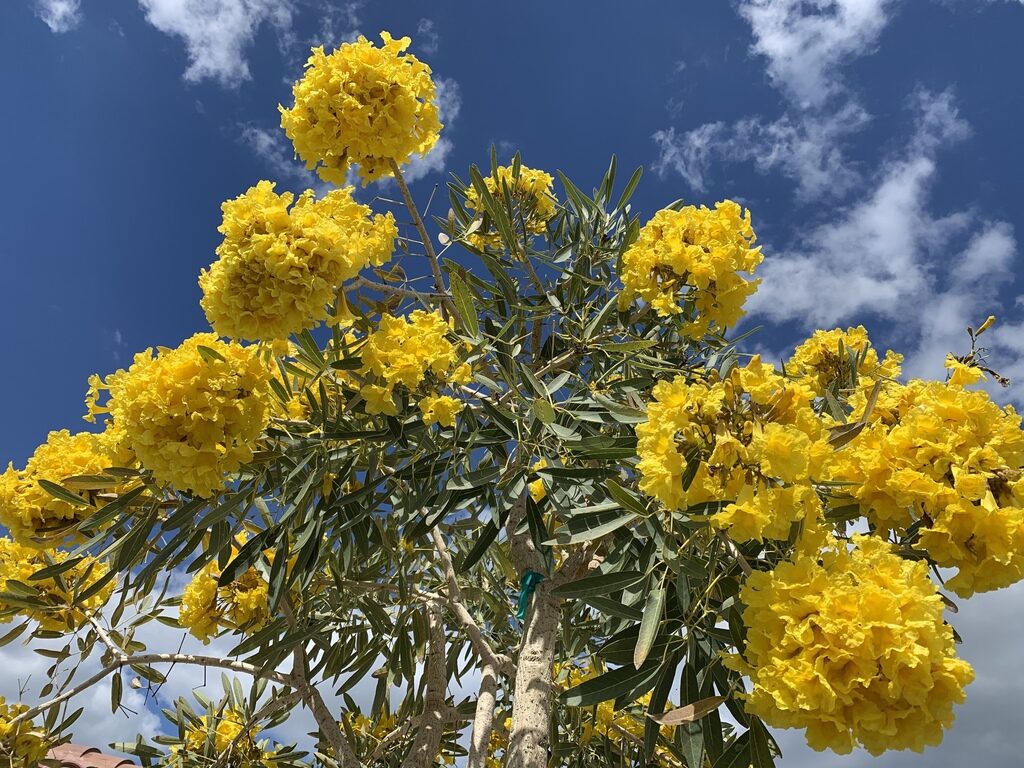
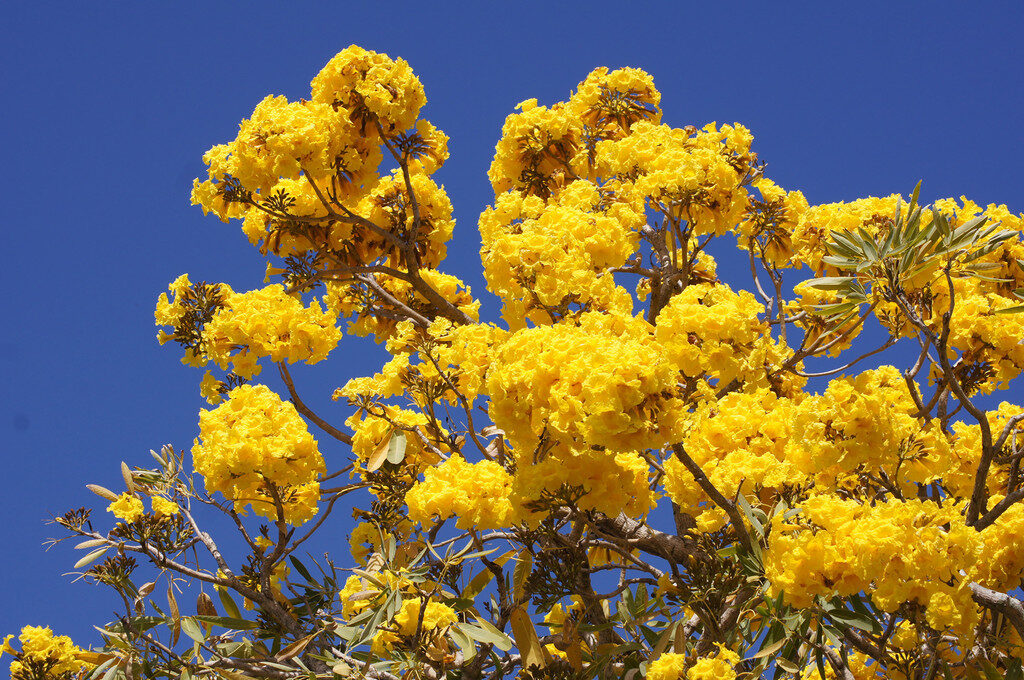
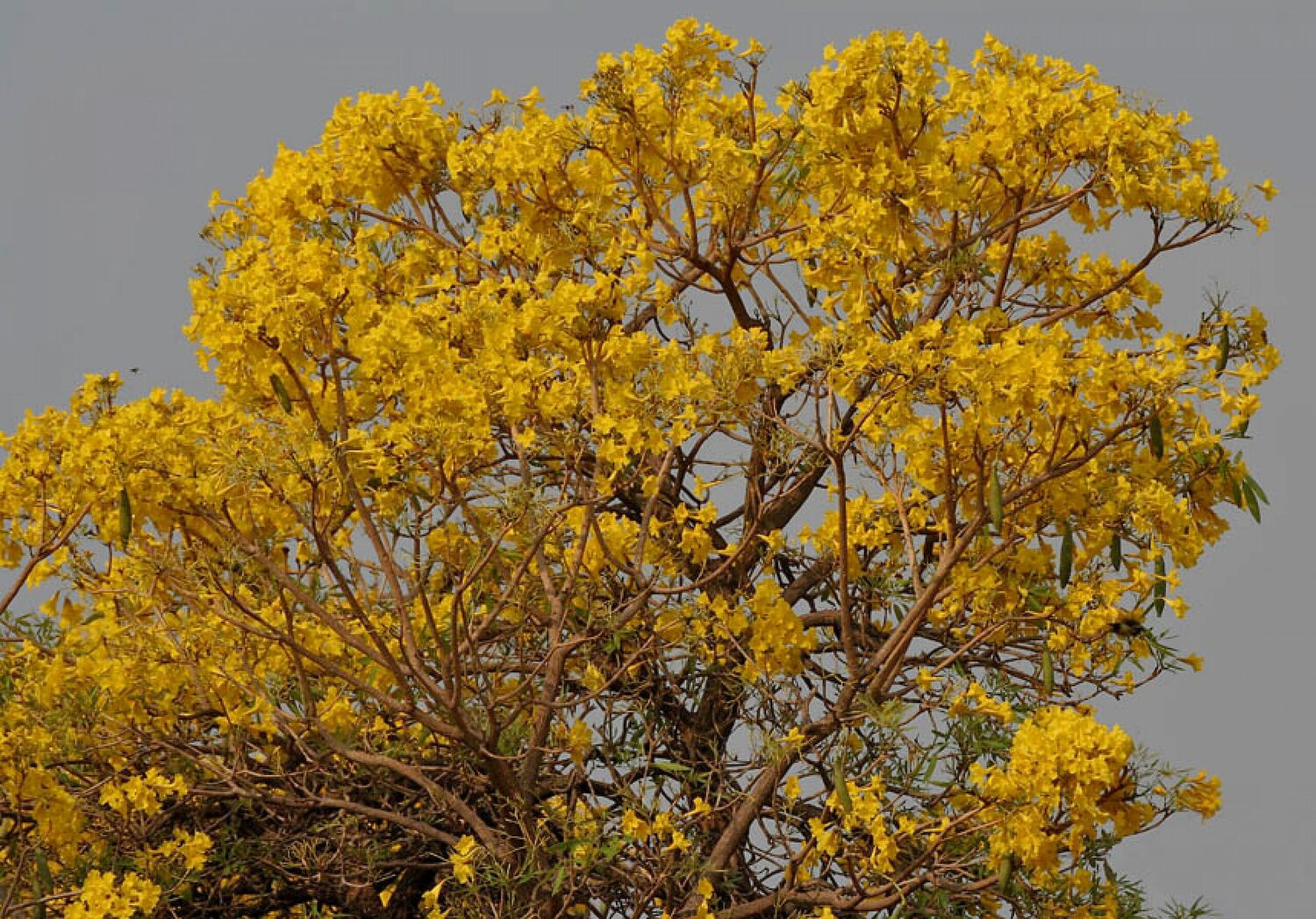
Tabebuia aurea is a species of Tabebuia native to South America in Suriname, Brazil, eastern Bolivia, Peru, Paraguay, and northern Argentina. The common English name Caribbean trumpet tree is misleading, as it is not native to the Caribbean. It is also known as the silver trumpet tree, and tree of gold.
Although it thrives only in warmer climates, it can be also be grown in containers, especially small ones, which eventually can turn the tree into a large bonsai specimen.
Before sowing, clean the seeds. It should be sown into a well-drained, sandy compost at any time of the year, and covered thinly with sand or grit and kept moist. Keep at between 20-25 degrees celsius (68-77 degrees fahrenheit). Seeds sometimes germinate within 4 to 6 weeks although some may take very much longer so please be patient. Plant out in the open ground in warmer countries or in a large container elsewhere.
Germination Guide
🌍 South America - Suriname, Brazil, eastern Bolivia, Peru, Paraguay, and northern Argentina
Easy
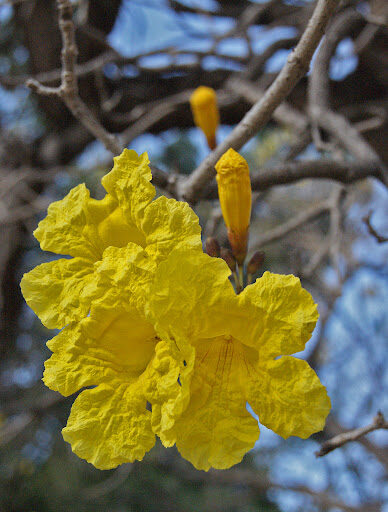
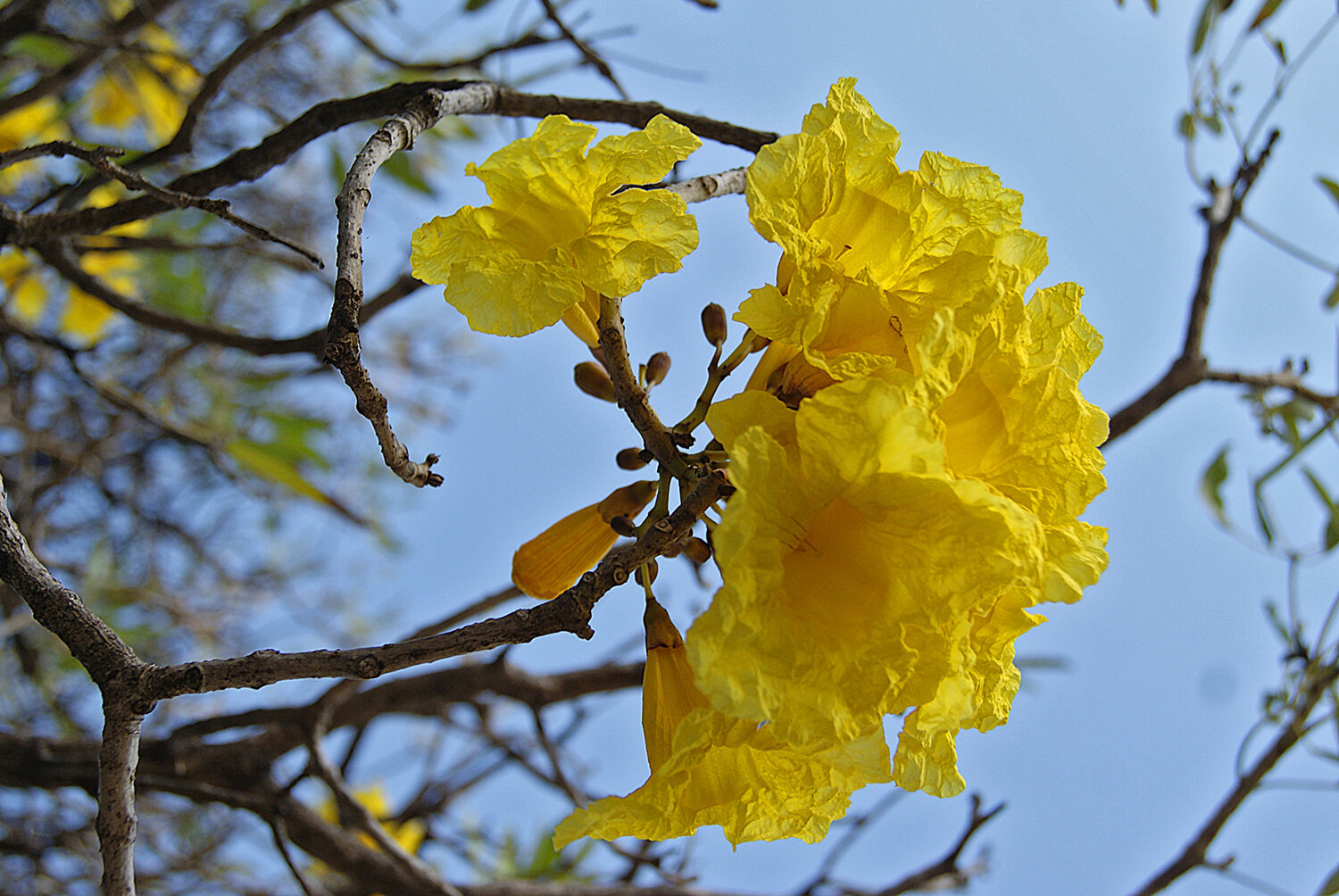
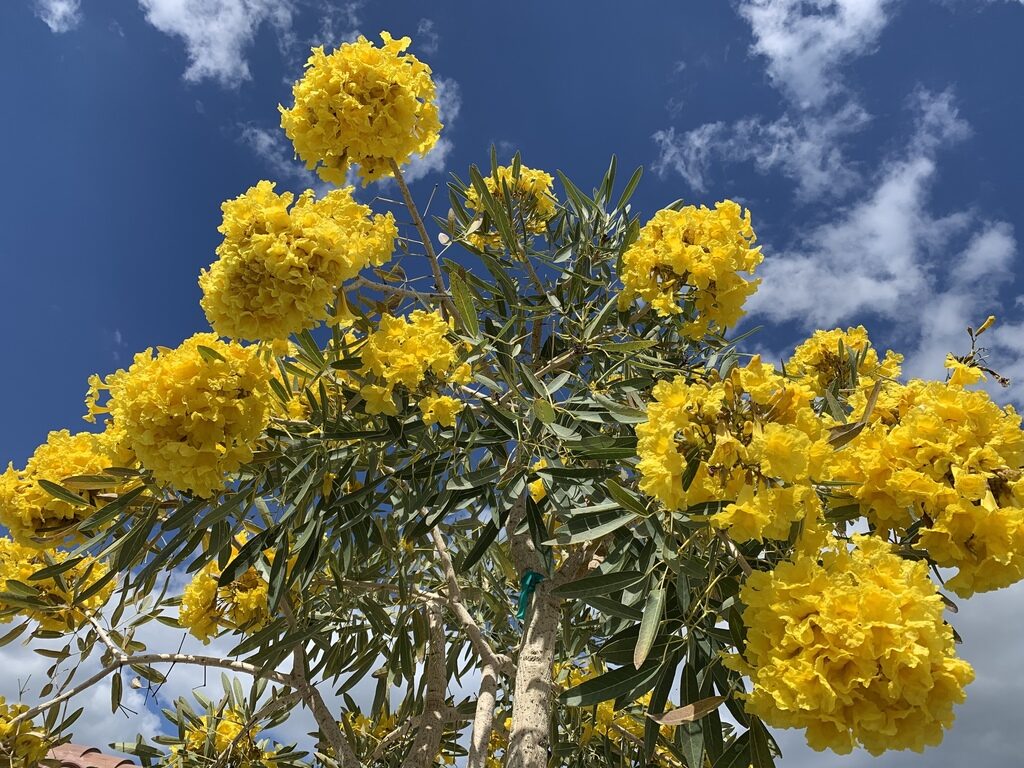
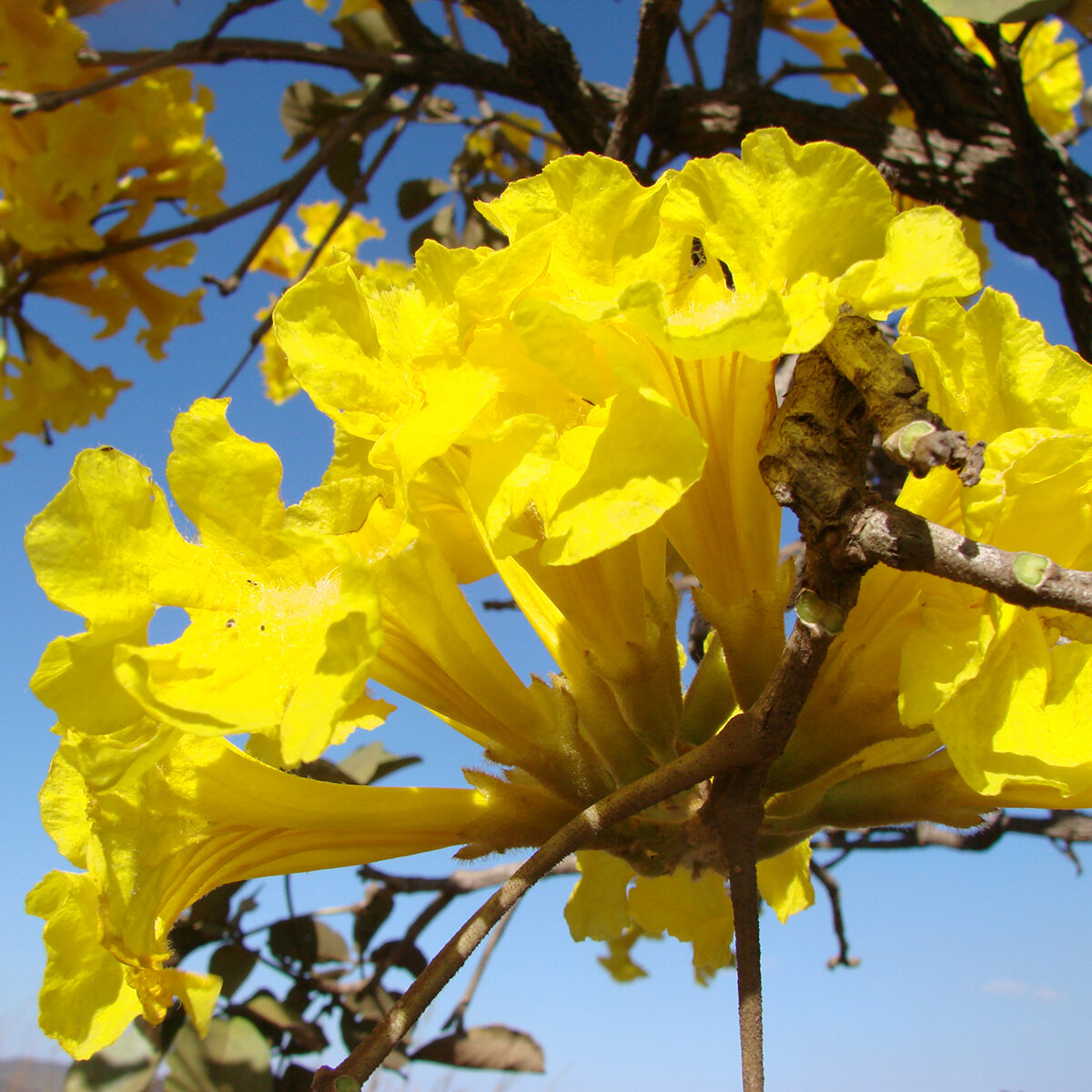
Tabebuia aurea is a tropical deciduous tree native to South America, renowned for its spectacular golden-yellow trumpet-shaped flowers displayed on leafless branches during the dry season. Seeds are small, winged, and dispersed by wind.
Germination
Germination time
Expect germination in
3 – 21 days
Temperature
Min 20°C
Ideal 30°C
Max 35°C
🌡️ Temperature alternation recommended
— Alternating temperatures of 20-30°C and 20-35°C also suitable for germination
Substrate moisture
💧💧 High
Sowing depth
Lightly covered
Seed Pre-treatment
-
💧
Soaking — 48 hours
Water immersion for 48 hours recommended for optimal seedling growth; hydrogen peroxide solution also reported effective
-
📋
Additional notes
Seeds have short viability and should be sown fresh immediately after collection
Substrate & Container
Recommended substrate
Well-drained sandy compost, vermiculite, sand, or paper; paper towels effective for observation
Recommended container
Individual containers or small pots
Growing Tips
Hydrogen peroxide (1 cap with 1 cup water) can accelerate germination; maintain high humidity and warmth; avoid burying seeds deeply; press lightly to ensure soil contact; paper towel method effective for monitoring root development; seeds are short-lived, viability remains only 4 months
Only logged in customers who have purchased this product may leave a review.


Reviews
There are no reviews yet.