
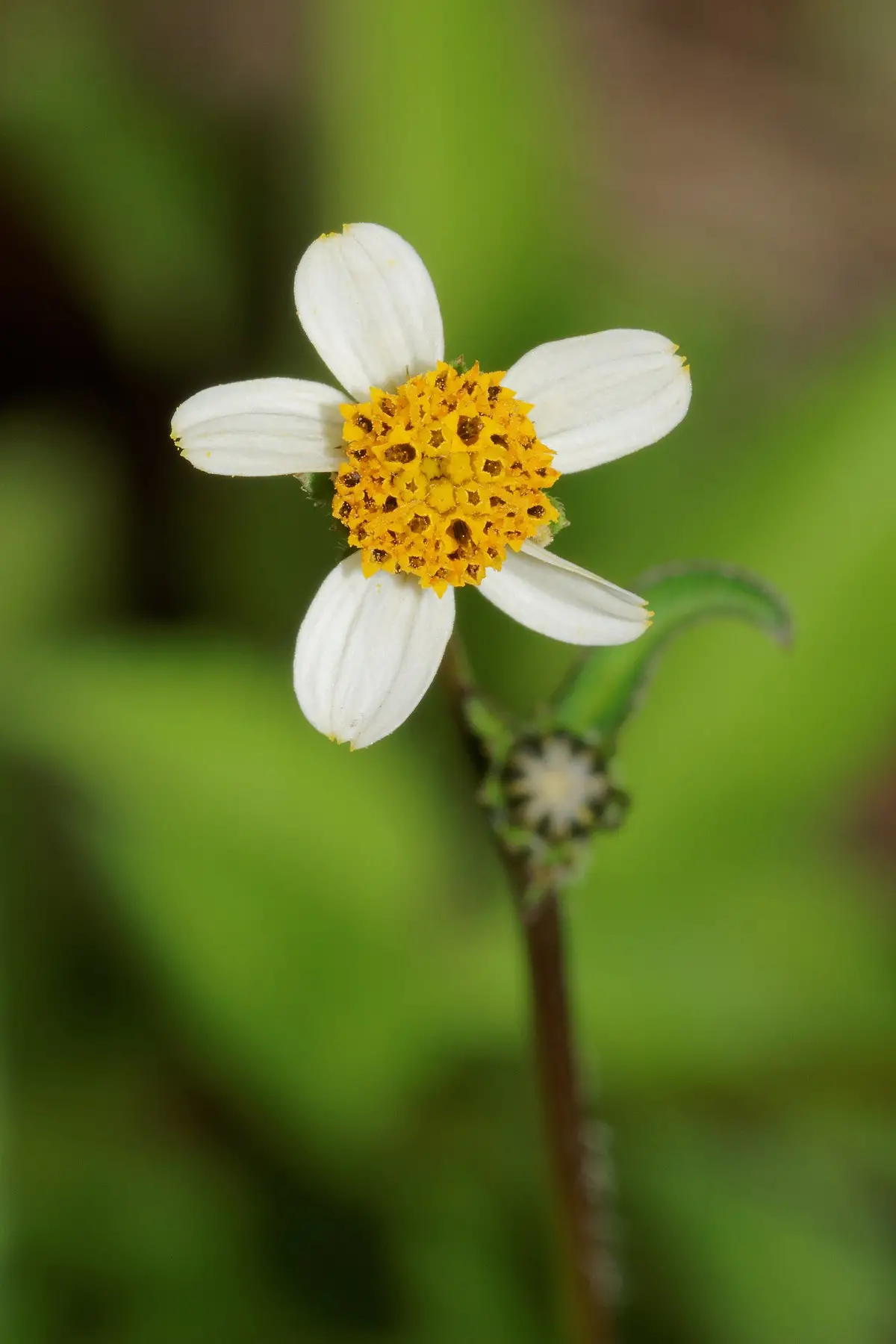
Unlock centuries of healing in one plant. Bidens pilosa grows effortlessly from seed, rewarding you with tender leaves and flowers packed with 40+ bioactive compounds used worldwide to support wellness. Steep as tea, toss into salads, or brew traditional remedies—all from one incredibly resilient plant. Start your healing garden today.
€2.02
There’s a reason this plant has traveled the world and been recognized by the United Nations as an edible species since 1975: Bidens pilosa delivers tangible, time-tested wellness. In Africa, Asia, and the Americas, this humble herb has earned its place as both food and medicine—called Spanish needle, cobbler’s pegs, blackjack, and farmer’s friend by generations who knew exactly what they were growing.
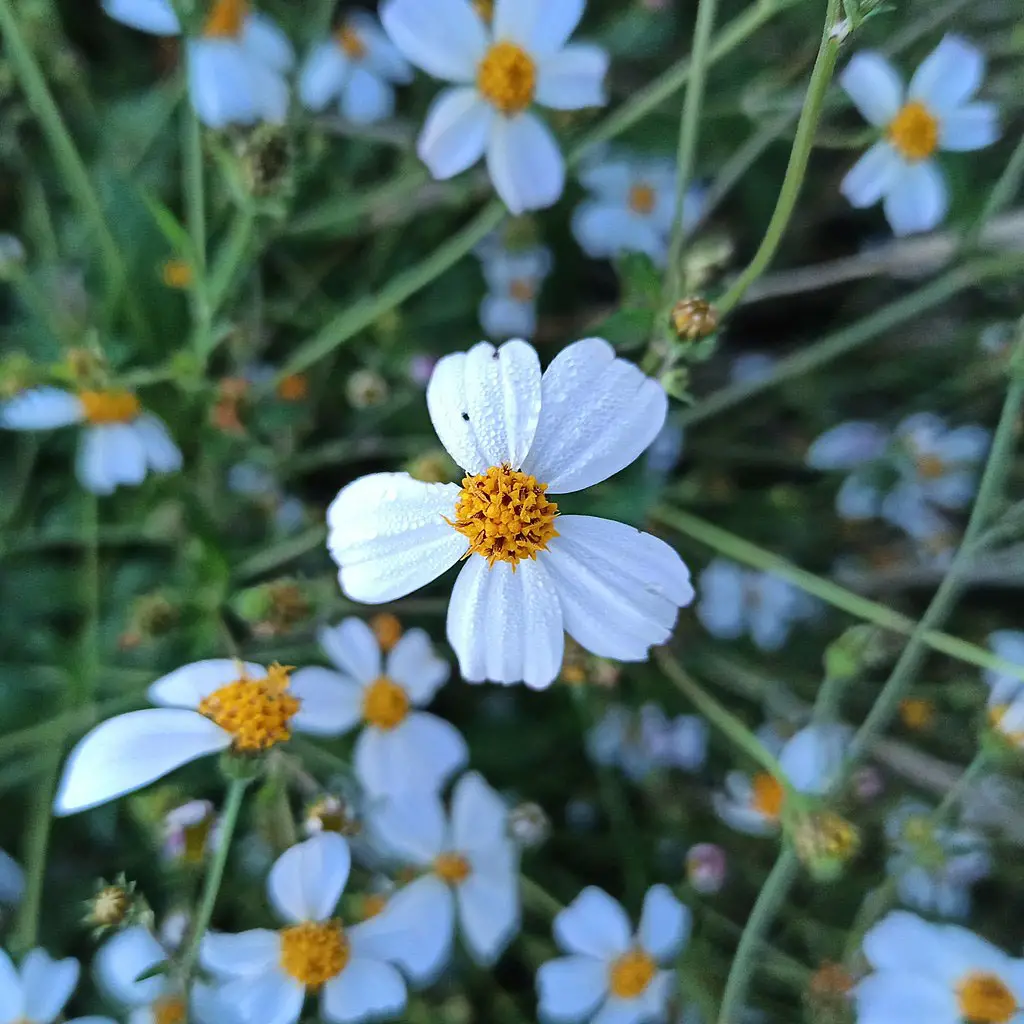
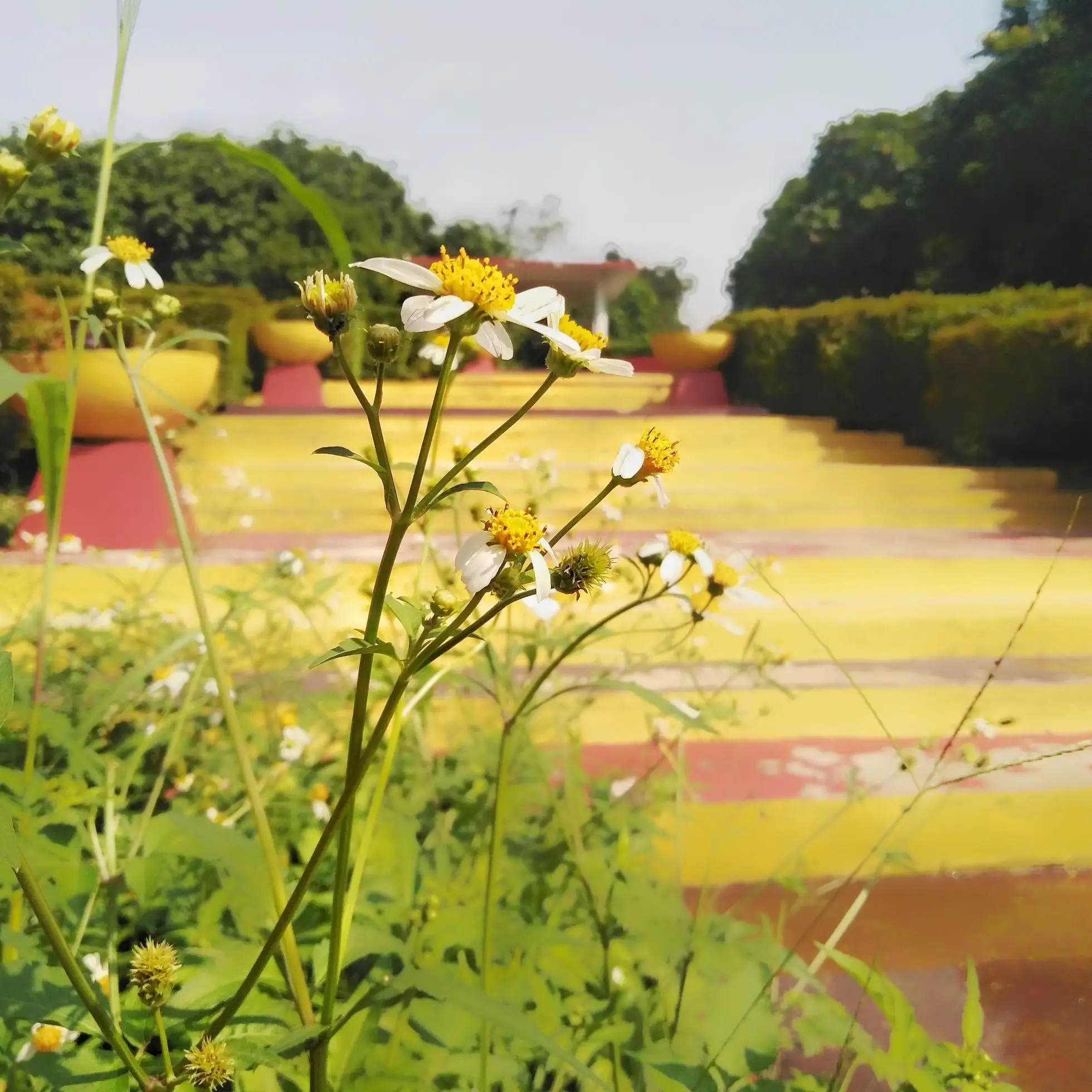
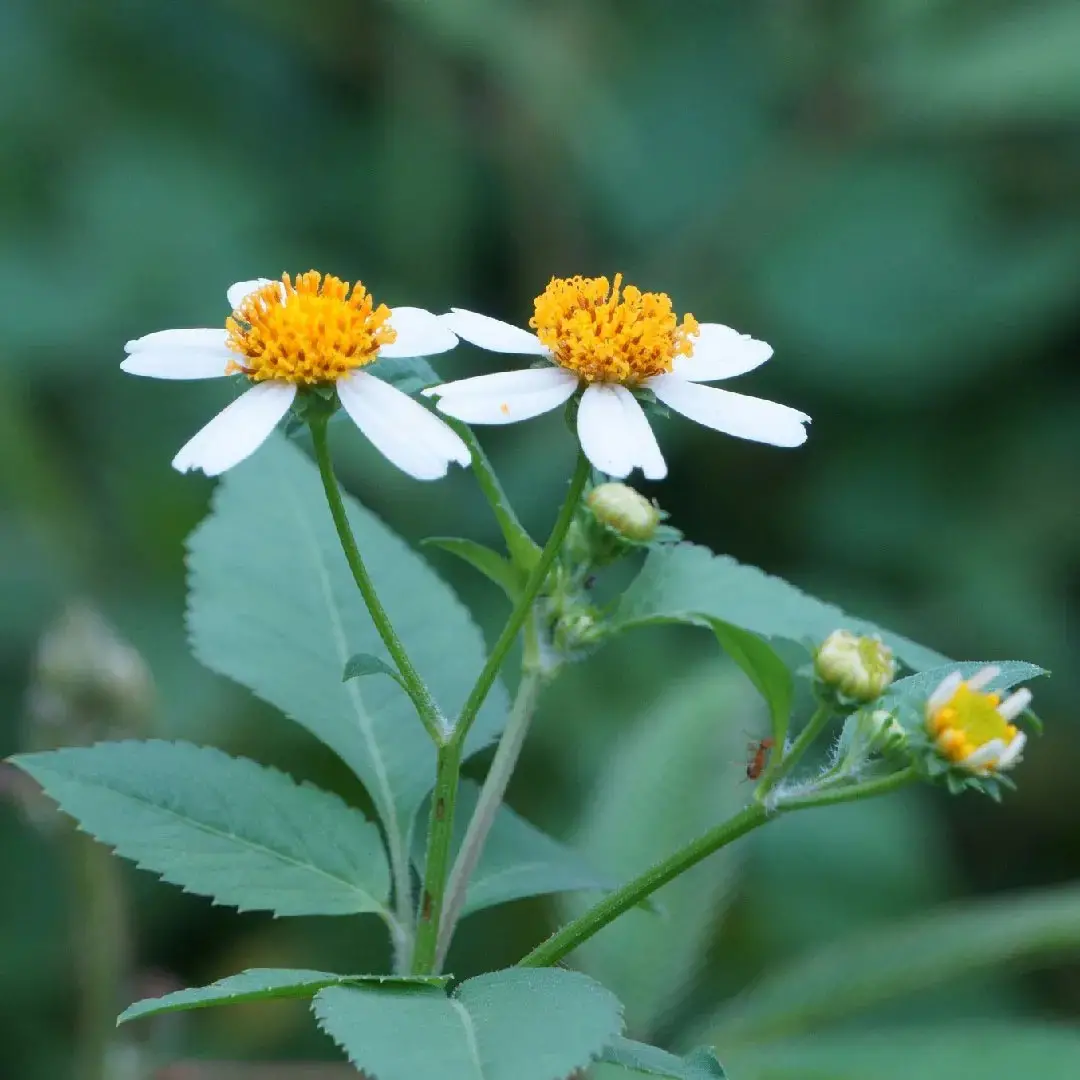
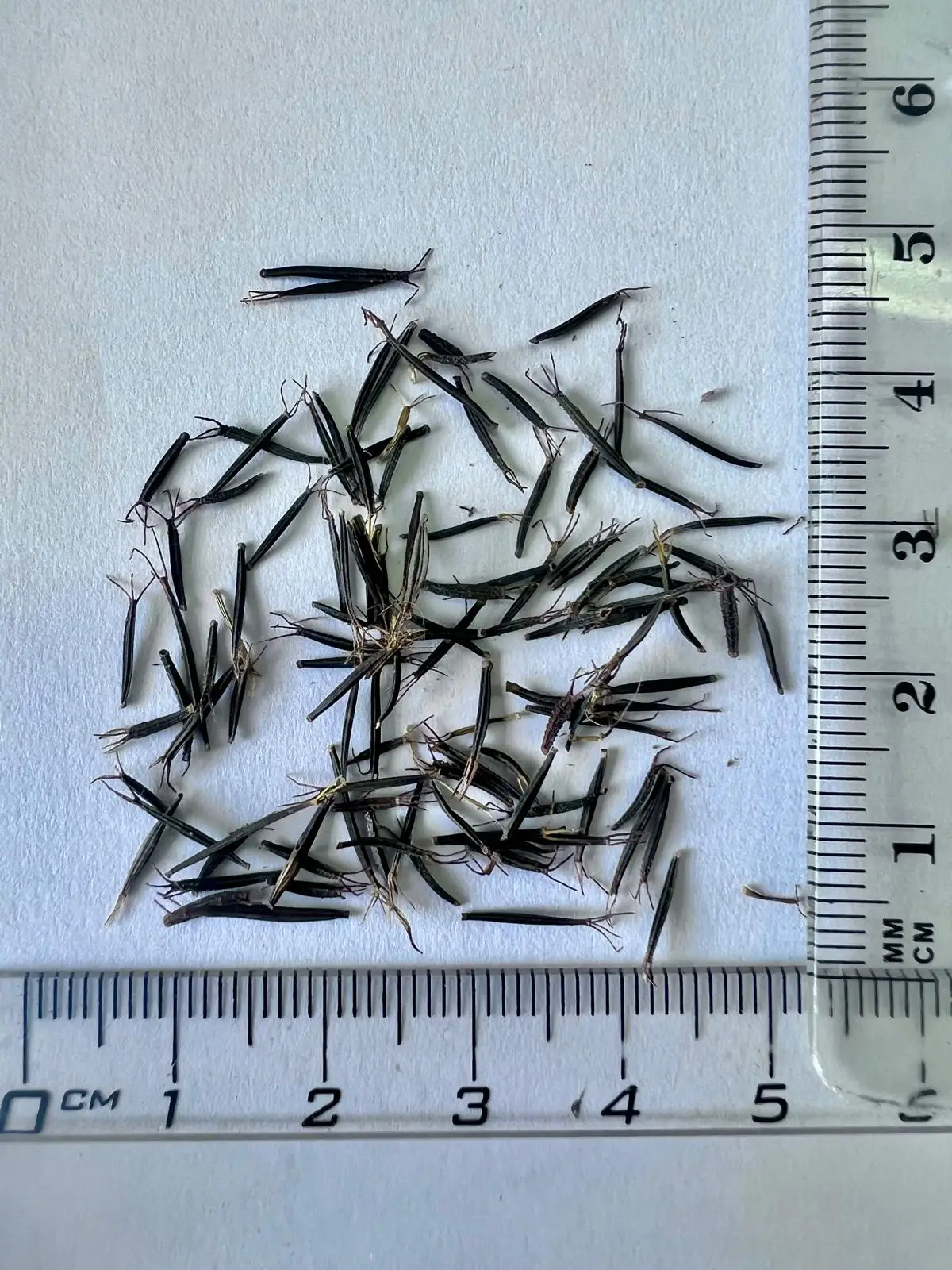
Bidens pilosa is native to the Americas and has naturalized across tropical and subtropical regions, becoming a staple in traditional medicine cabinets everywhere. But unlike finicky herbs that demand coddling, this plant thrives on neglect. It grows with fierce, graceful vigor—a branched annual reaching up to 1.8 meters tall, with delicate opposite pinnate leaves that range from soft green to deeper tones. The flowers are diminutive daisy-like clusters with warm yellow disc florets, sometimes ringed with white ray petals, appearing prolifically throughout the growing season. Each blossom gives way to the plant’s notorious needle-like seeds crowned with tiny barbs—a botanical marvel of seed dispersal that inspired all those evocative common names.
But here’s where Bidens pilosa truly shines: as a medicinal powerhouse and culinary green. The leaves, stems, flowers, and roots contain over 200 distinct compounds, including 60 flavonoids, alkaloids, and polyacetylenes with proven anti-inflammatory, antioxidant, and antimicrobial properties. In traditional medicine, it addresses more than 40 distinct health conditions—used in eastern Africa for wound healing, across southern Africa for malaria support, and globally for managing inflammation and fever. Modern science confirms what herbalists have always known: the plant contains compounds with genuine pharmacological activity. The leaves have a distinctly resinous flavor—earthy, slightly bitter, complex—making them equally at home in a medicinal tea as in a nourishing soup or blanched vegetable side. Vietnamese soldiers during the war adopted it as a staple vegetable, calling it the “soldier vegetable” for its nutrition and availability. It’s traditionally eaten raw in salads, cooked as a green similar to spinach, dried for storage, or brewed into a potent tea. Women have used it to support reproductive health, and it appears in traditional formulations throughout Africa and Asia for its broad wellness applications.
Growing Bidens pilosa is where resilience meets simplicity. Sow seeds directly into well-draining, moderately fertile soil—even sandy soils work beautifully. This plant doesn’t fuss: it germinates readily and thrives in full sun to partial shade with minimal water once established. It tolerates drought, handles various soil types, and actually prefers moderately dry conditions between waterings. No special fertilizers needed; no coddling required. Pinch it back occasionally to encourage bushiness, and watch it explode with vigor. The plant grows aggressively on disturbed land, yes—but in your garden, that vigor works for you. From sowing to first harvest takes mere weeks; you’ll be harvesting leaves throughout the season.
This is the plant that asks nothing and gives everything: medicine, food, beauty, and pure botanical confidence. When you grow Bidens pilosa from seed, you’re not just starting a plant—you’re planting your own herbal legacy, tending what healers have tended for generations. Let it flourish. Let it feed you. Let it restore what your body and spirit need most.
Only logged in customers who have purchased this product may leave a review.
Reviews
There are no reviews yet.