FREE SHIPPING OVER €30 FREE SHIPPING OVER €30

Pennisetum purpureum — Napier Grass | Premium Tropical Forage Powerhouse

Grow the world’s most prolific tropical forage grass—towering 3–4 meters with feathery purple-bronze plumes, delivering up to 80 tons of nutritious fresh feed per hectare annually. Perfect for livestock, soil healing, or stunning landscape screens. Hardy, drought-tolerant, and thrives on marginal land. Start from seed and unlock a perennial feed source that keeps giving season after season.

1.92

You May Also Like

Description

There’s a reason Pennisetum purpureum has conquered tropical farms across Africa, Asia, and beyond—it is relentless, generous, and utterly transformed how livestock farmers secure consistent, high-quality feed year-round.

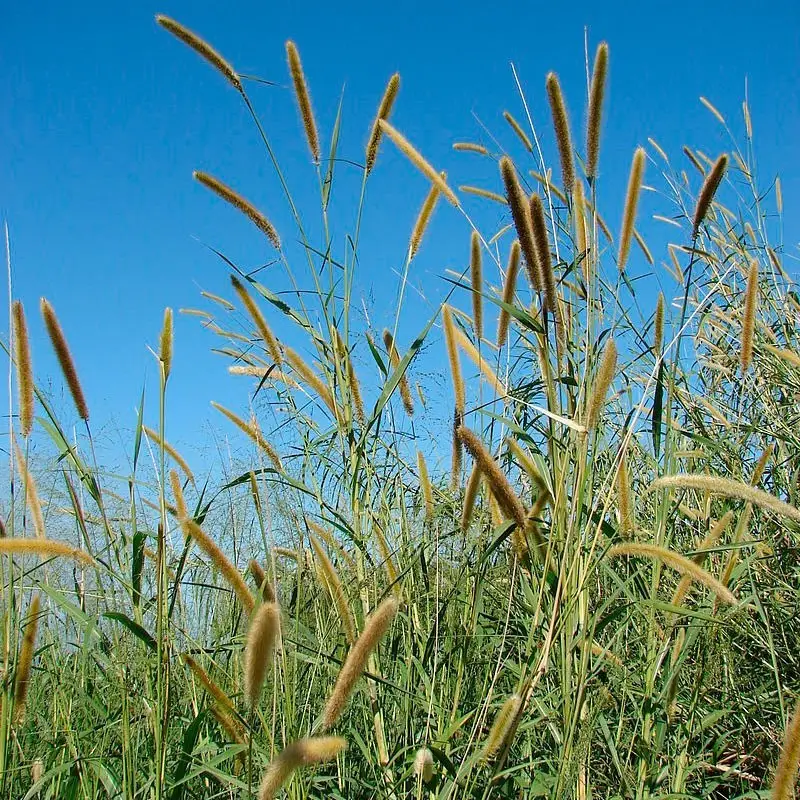
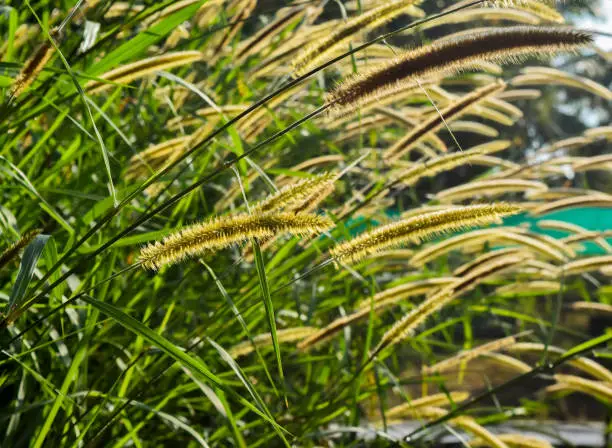
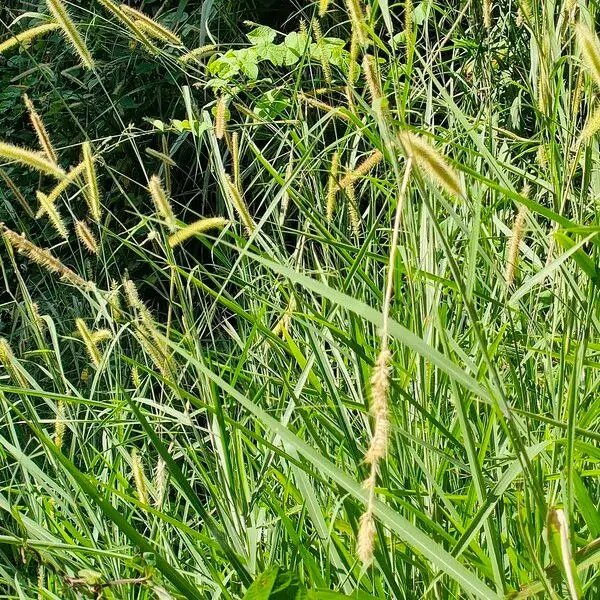
Native to the African grasslands, Napier grass arrived in Uganda in the early 1900s and spread like wildfire. Today, it comprises up to 80% of the cattle diet across entire tropical regions—not by accident, but by proven excellence. What makes it so unstoppable? Sheer productive power. A single cultivated plot can yield 80 tons of fresh forage annually under good management, consistently outperforming almost every other tropical grass. Its tall, robust clumps—reaching 3 to 4 meters with thick, bamboo-like stems—develop feathery, cylindrical inflorescences in striking yellow-brown to purplish tones. The visual drama alone turns it into a functional landscape statement.

But here’s where Napier becomes indispensable: its nutritional density and versatility. Rich in crude protein, fiber, and bioactive compounds including flavonoids, saponins, tannins, and alkaloids, every blade delivers what livestock need to thrive. The young leaves and shoots can also be eaten by humans—traditional soups and stews across Africa have relied on this plant for generations, providing protein, carbohydrates, healthy fats, and vitamins. For smallholder farmers and large operations alike, it’s simultaneous security and sustenance. The plant’s extensive, fibrous root system works beneath the surface too: it stabilizes degraded soils, prevents erosion on vulnerable land, improves soil fertility, and thrives where other crops struggle. In arid regions and marginal lands, Napier grass doesn’t just survive—it rehabilitates.

Cultivating Pennisetum purpureum is refreshingly straightforward. Plant it in well-draining soil with full sunlight, and it responds eagerly to nitrogen fertilization. Its drought tolerance and adaptability to a wide range of soil conditions—from sandy loam to heavy clay—mean you’re not fighting geography or weather. Once established, it grows at remarkable speed, recovering quickly from cutting or browsing. For tropical and subtropical regions (thriving in temperatures between 21–40°C), it’s a near-perfect perennial solution: cut and regrow multiple times per year, or let it mature for biomass and bioenergy applications. The plant does not demand waterlogged conditions, but it hungers for nutrients—feed it well, and it repays you in abundance. Seeds germinate readily, and young plants establish confidence.

Start Pennisetum purpureum from seed and you’re planting more than grass—you’re anchoring a legacy crop that will feed generations of livestock, heal worn-out land, and create a towering, feathery green wall that earns its place in any tropical or subtropical landscape. Watch it surge toward the sky, and feel the quiet power of having chosen a plant that actually delivers.

Germination Guide

🌍 African grasslands, tropical and sub-Saharan Africa
Easy

Pennisetum purpureum, commonly known as Napiergrass or Elephant grass, is a perennial tropical grass native to African grasslands. It is a robust C4 grass used primarily for forage, biomass production, and as an ornamental. Fresh seed germinates quickly when provided with proper conditions.

Germination
Germination time
Expect germination in

7 – 30 days

Temperature

Min 20°C
Ideal 25°C
Max 30°C

Light
☀️ Light required

Substrate moisture
💧💧 High

Sowing depth
1 cm

Germination rate
85 %


Seed Pre-treatment
  • 💧

    Soaking
    Seeds require consistent moisture to support germination; scarification assists in breaking seed dormancy
  • 🔨

    Mechanical scarification
    Mechanical or chemical treatment of seed coat to enhance water absorption and break dormancy
  • 📋

    Additional notes
    Scarification treatment recommended for enhanced germination rates

Substrate & Container
Recommended substrate
well-drained loam soil

Recommended container
seedling trays or containers with drainage


Growing Tips
Seeds are epigeous and can be stored for 7 months. Scarification breaks dormancy and enables quicker germination. Avoid waterlogging during germination as excessive moisture can hinder the process. Light is beneficial for germination. The plant naturally reproduces vegetatively through stolons, making seed production inconsistent in nature.

Reviews

There are no reviews yet.

Only logged in customers who have purchased this product may leave a review.

Related Products