Cascabela thevetia — Yellow Oleander | Blazing Golden Blooms & Sacred Tropical Drama

Imagine three glowing years of summer-through-fall trumpet flowers in pure, luminous yellow—each one sometimes softly fragrant, each one a golden cup that stops you mid-garden. Cascabela thevetia is your tropical statement plant, revered in temples, desired by pollinators, thriving on neglect once rooted. Glossy, waxy leaves year-round. Moderate ease. Grow from seed and watch this evergreen small tree become an instant landscape anchor.

7.37

SKU: P-2194 Category: Tags: , ,

You May Also Like

Description

When that first spike of golden-yellow, funnel-shaped flowers opens on your young Cascabela thevetia, you’ll understand why Hindu devotees call it sacred and why gardeners across tropical and subtropical zones plant it as their centerpiece, their hedge, their focal point—sometimes all three.

Native to the humid lowland forests of Mexico and Central America, Cascabela thevetia arrived in world gardens centuries ago and has never left. The Spanish named it cascabela—”small bell”—for the shape of its flowers, a poetic touch that fits. This is a plant that announces itself. It’s an evergreen tropical shrub or small tree growing 10–20 feet, dressed year-round in willow-like, glossy-green, waxy-coated leaves that seem to drink in light. The bark ages from green to silver-gray, a quiet beauty beneath the main event.

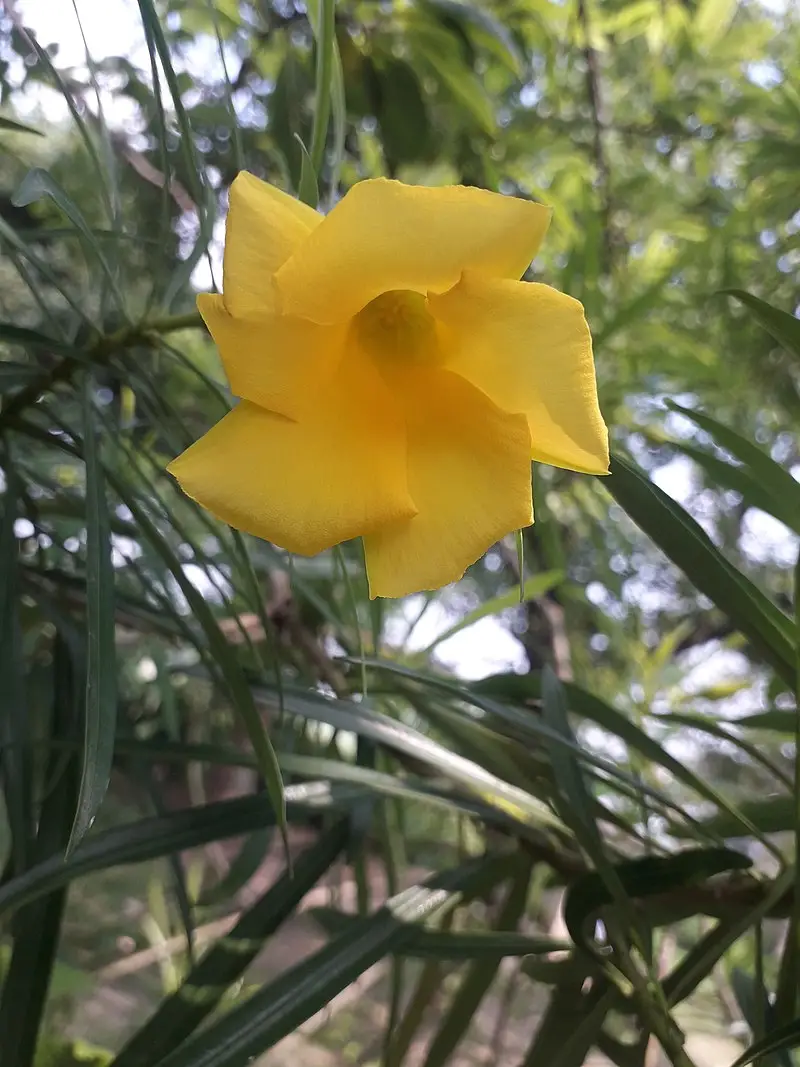
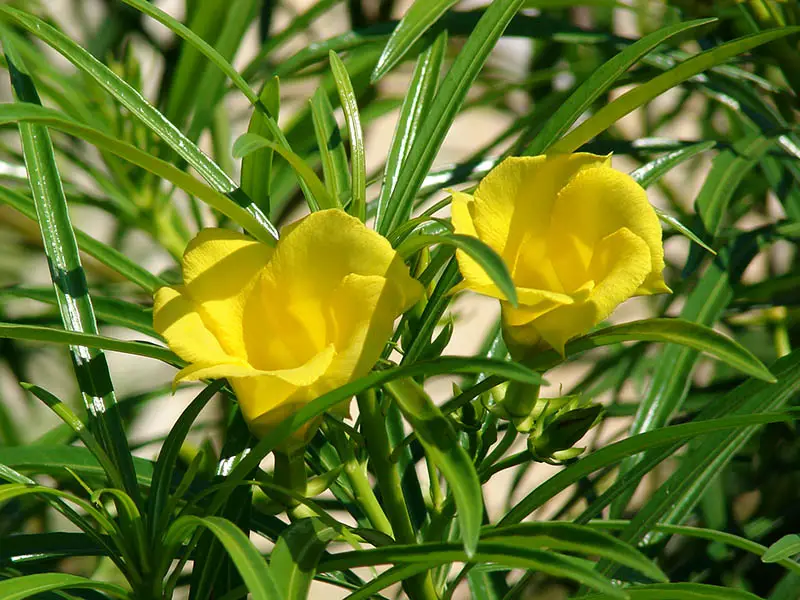
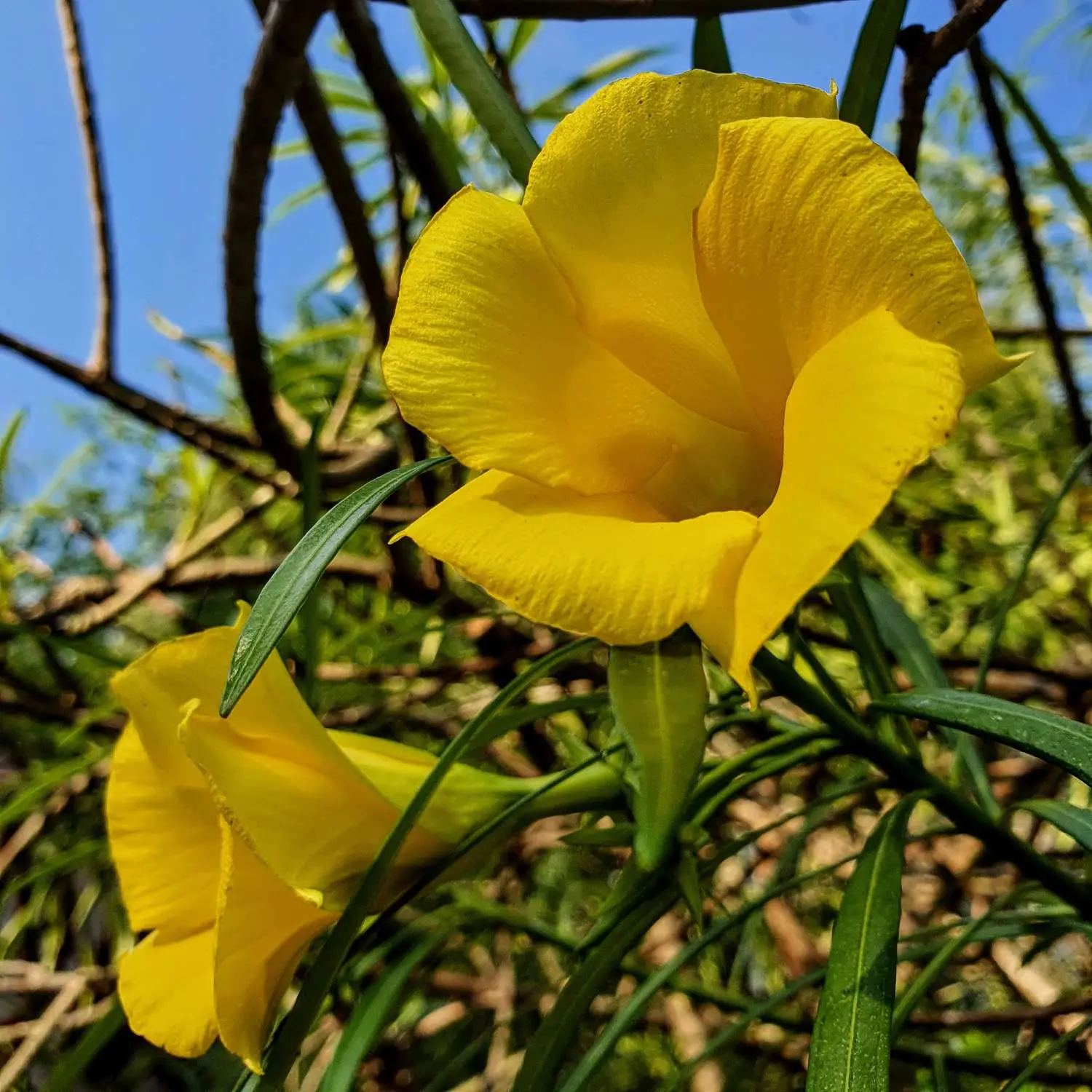
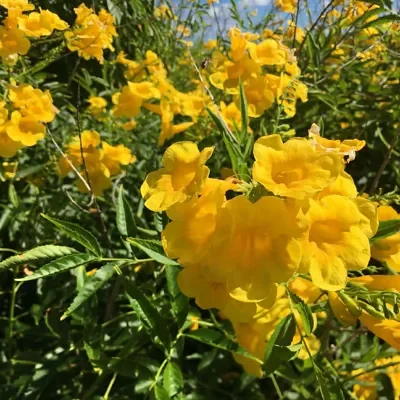
The main event? Long, summer-through-fall blooms in glowing yellow, sometimes touched with apricot or cream. They come in few-flowered terminal clusters, and many are lightly fragrant—that tender surprise when you brush past one in the heat. Each bloom is structurally stunning: five petals spirally overlapping, forming a funnel, so perfectly shaped they remain attractive even when closed. The flowers contain rich nectar that draws bees, butterflies, and hummingbirds, making this plant a living magnet for pollinator activity and garden life. In India, these bright yellow flowers are used in religious worship and temple offerings—a reminder that beauty and reverence are often the same thing. After bloom, dramatic fruits appear: green drupes that ripen to deep red-black, each containing seeds traditionally called “lucky nuts,” prized for their distinctive shape. The entire arc is ornamental theater.

Growing Cascabela thevetia is refreshingly straightforward. It loves full sun to part shade and thrives in rich, well-draining soil—though it’s adaptable and tolerates average soils once established. Plant it in fertile, sandy loam for best results, or into containers with good drainage. Water regularly during establishment, then reduce to moderate watering once the plant is rooted; it’s drought-tolerant and prefers to dry slightly between waterings. It grows moderately fast, building structure quickly, and is hardy in warm climates (foliage damage begins around 28°F, but recovery is swift in spring). In cooler zones, this tropical evergreen thrives in protected courtyards, against warm walls, or in containers you can move. No special feeding required—this is a low-maintenance beauty that grows steadily without fussing. Deadhead spent blooms to maintain ornamental appeal and prevent excessive seed set; alternatively, leave the seed pods for their striking appearance and the wildlife they feed.

When you grow Cascabela thevetia from seed, you’re joining centuries of gardeners who chose this plant for exactly what it delivers: a sculptural, ever-blooming, pollinator-friendly small tree that transforms its corner of the garden into something unmistakably tropical, unmistakably alive. This is the plant people stop to photograph, the plant that makes you feel like your garden belongs somewhere warm and wise. Start the seeds now, and in two seasons, you’ll have the kind of presence in your landscape that makes visitors pause.

Germination Guide

🌍 Mexico, Central America, West Indies
Easy

Cascabela thevetia, commonly known as yellow oleander, is native to Mexico, Central America and the West Indies. It is an evergreen tropical shrub or small tree with funnel-shaped yellow flowers. All parts of the plant are toxic and contain cardiac glycosides.

Germination
Germination time
Expect germination in

14 – 21 days

Temperature

Min 16°C
Ideal 25°C
Max 47°C
🌡️ Temperature alternation recommended
— Germinates across wide range of alternating day/night temperatures from 16/12°C to 47/37°C

Light
🌑 Darkness required

Substrate moisture
💧 Medium

Sowing depth
Lightly covered


Seed Pre-treatment
  • 💧

    Soaking — 24 hours
    Soaking seeds in water for 24 hours before sowing aids germination
  • 📋

    Additional notes
    Water soaking treatment recommended; seeds have hard coat but soaking appears to be primary pre-treatment

Substrate & Container
Recommended substrate
seed-starting mix; well-drained soil

Recommended container
seed-starting containers; pots


Growing Tips
Plant seeds promptly after collection. Seeds are large with hard coats. Germination greater and faster under shade conditions than under natural light. Seed banks are short-lived with longevity of approximately 2 years. Seeds can germinate across wide temperature ranges, making this species adaptable to various climates.

Reviews

There are no reviews yet.

Only logged in customers who have purchased this product may leave a review.

Related Products