Description
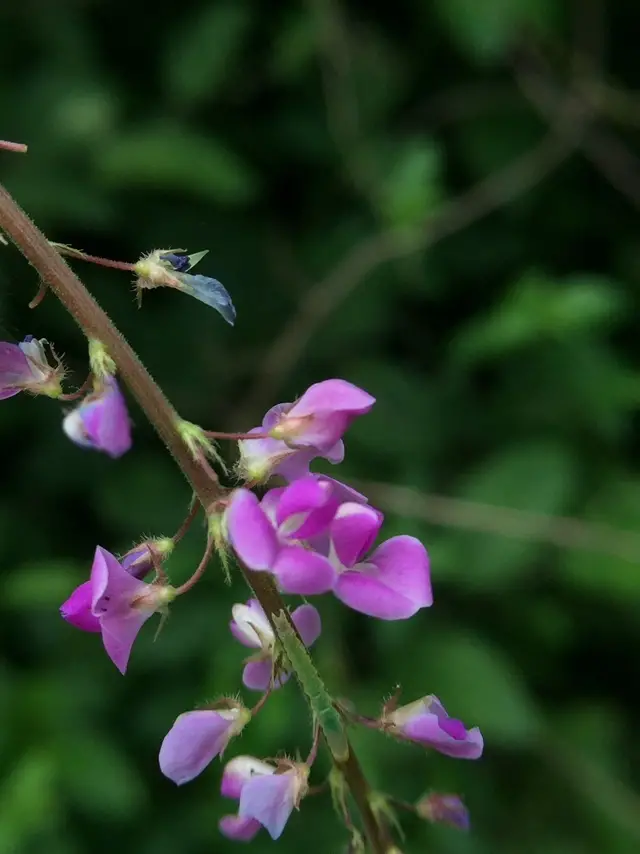
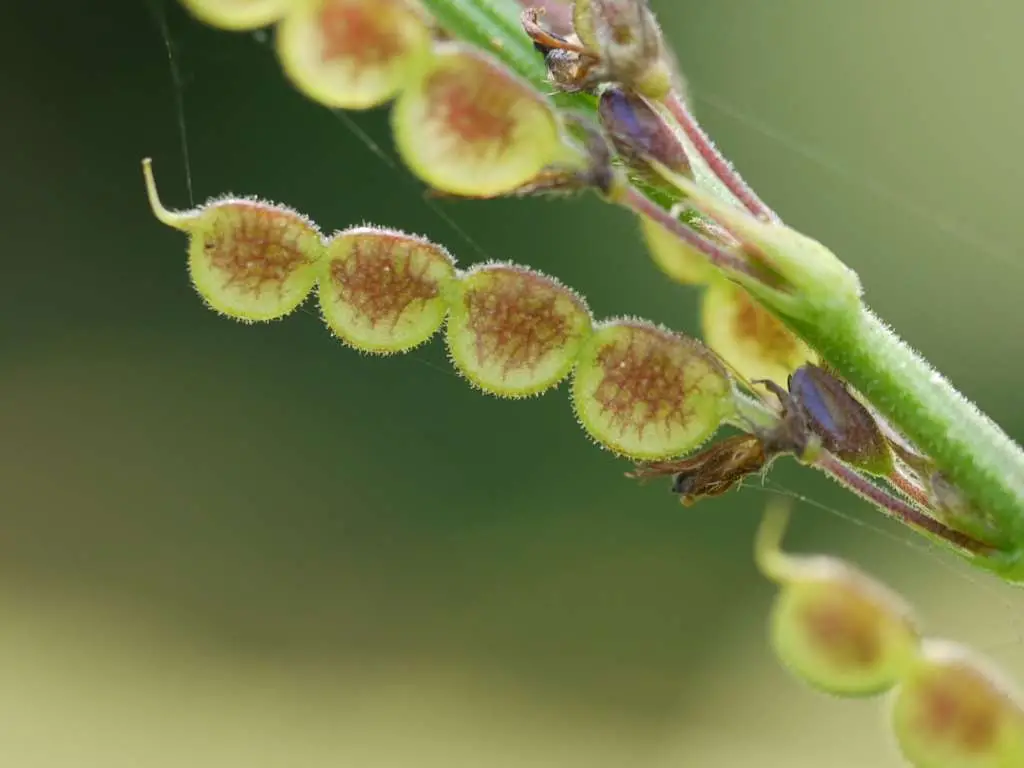
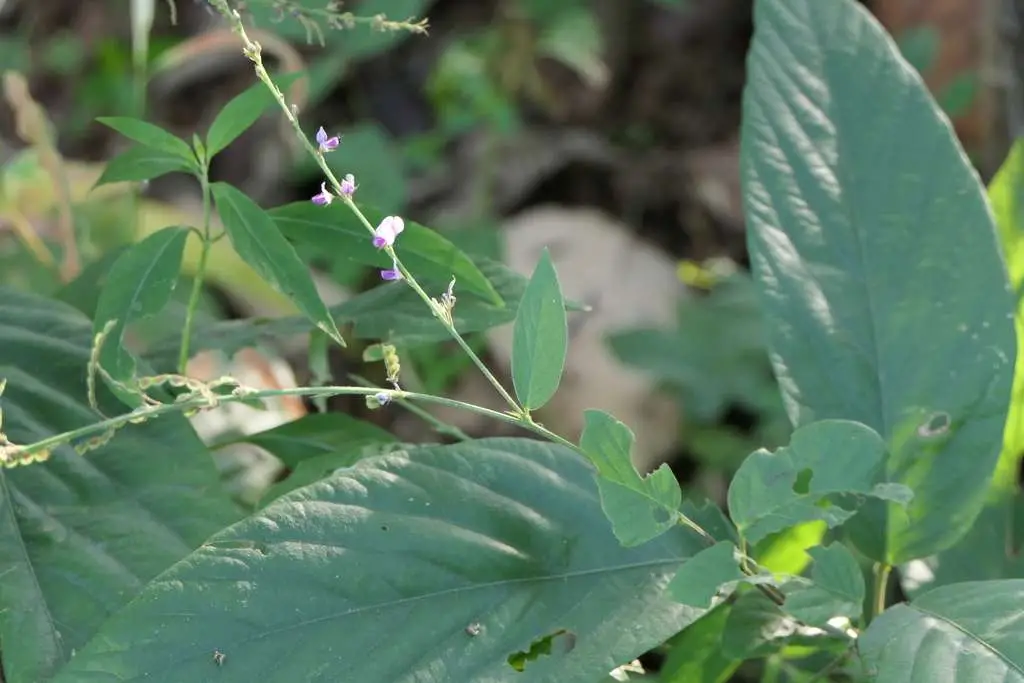
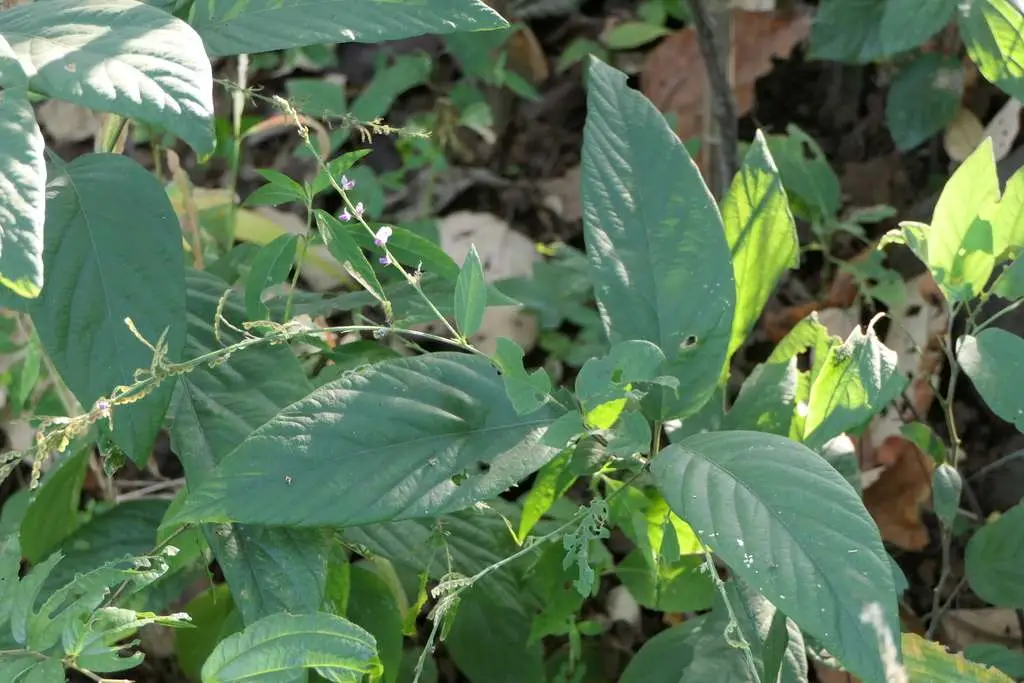
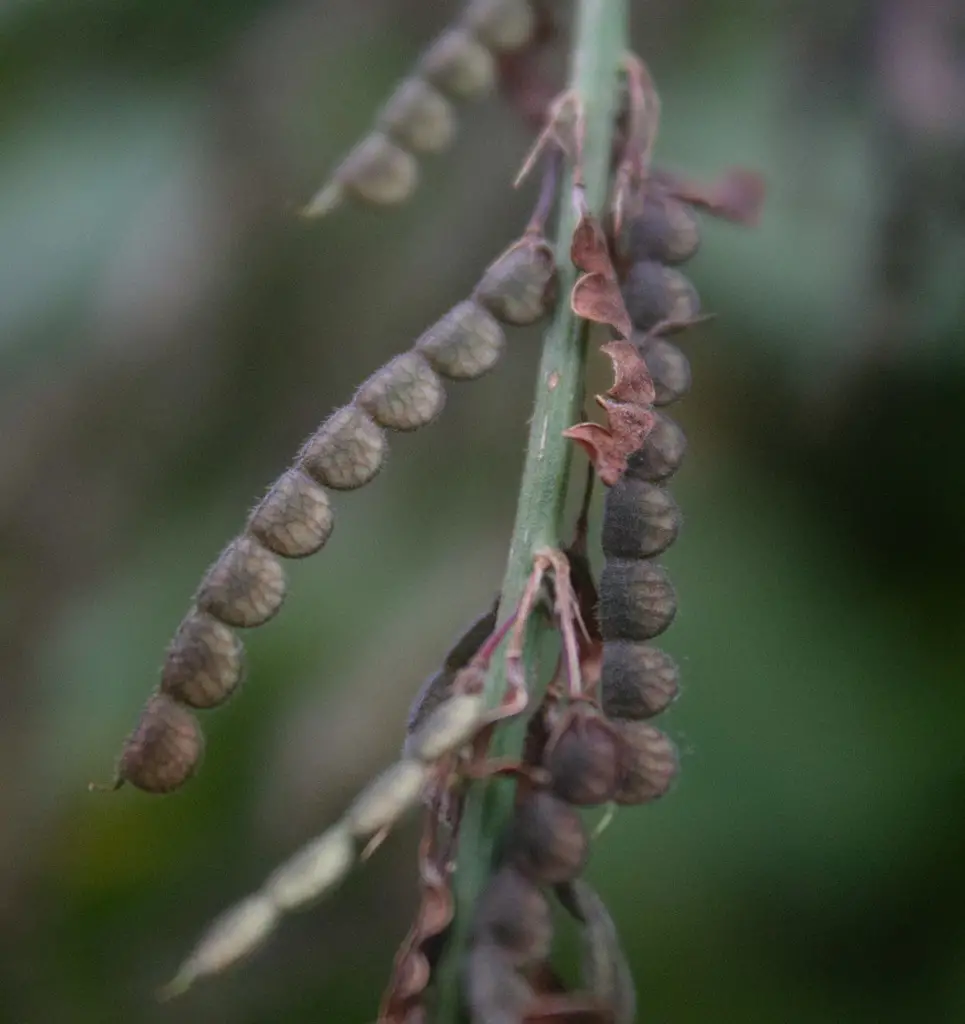
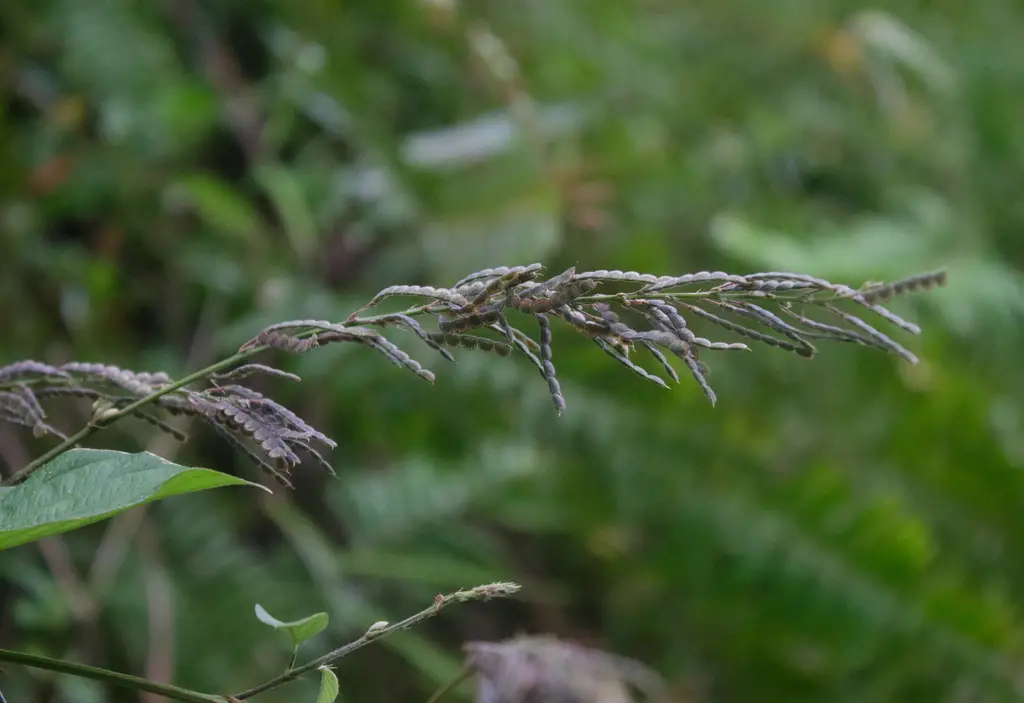
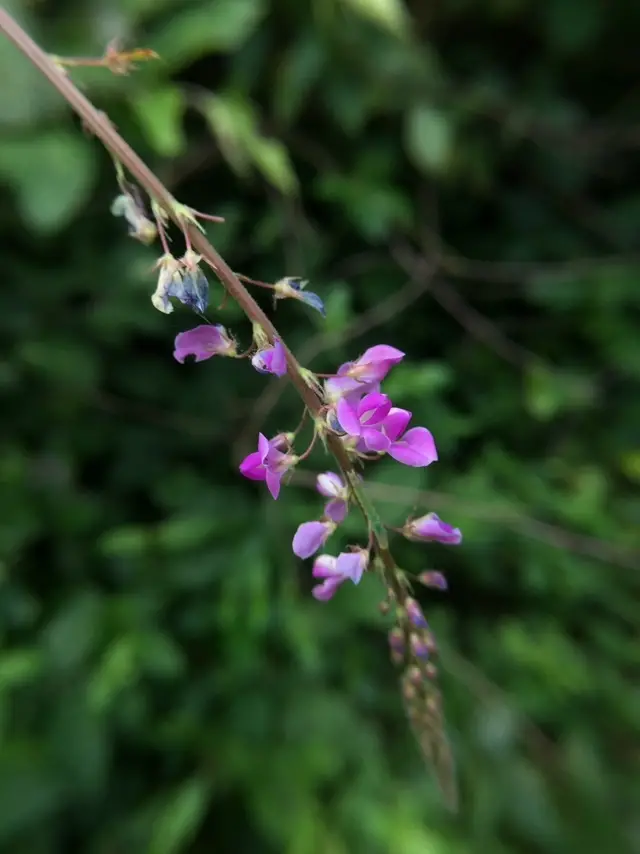
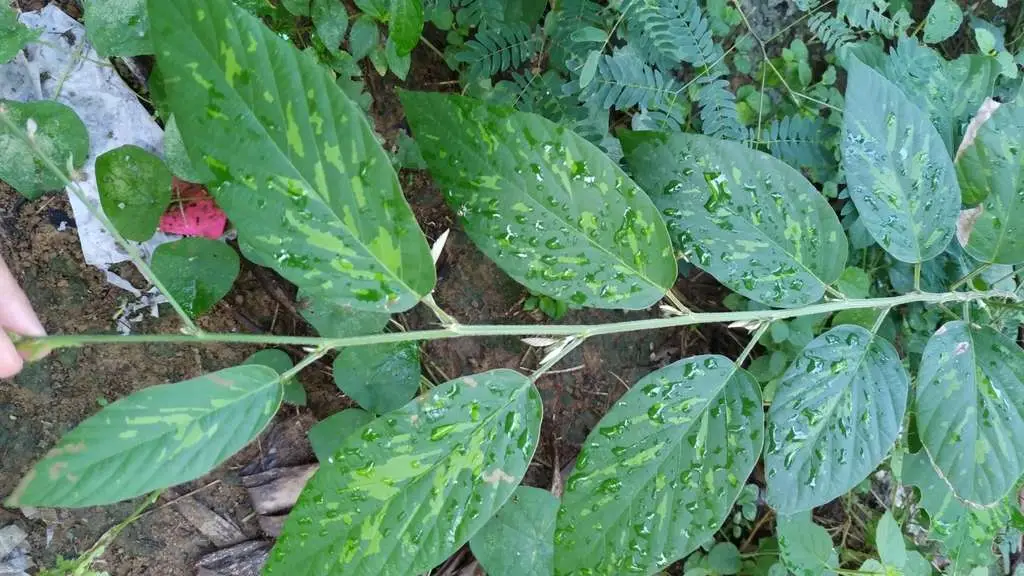
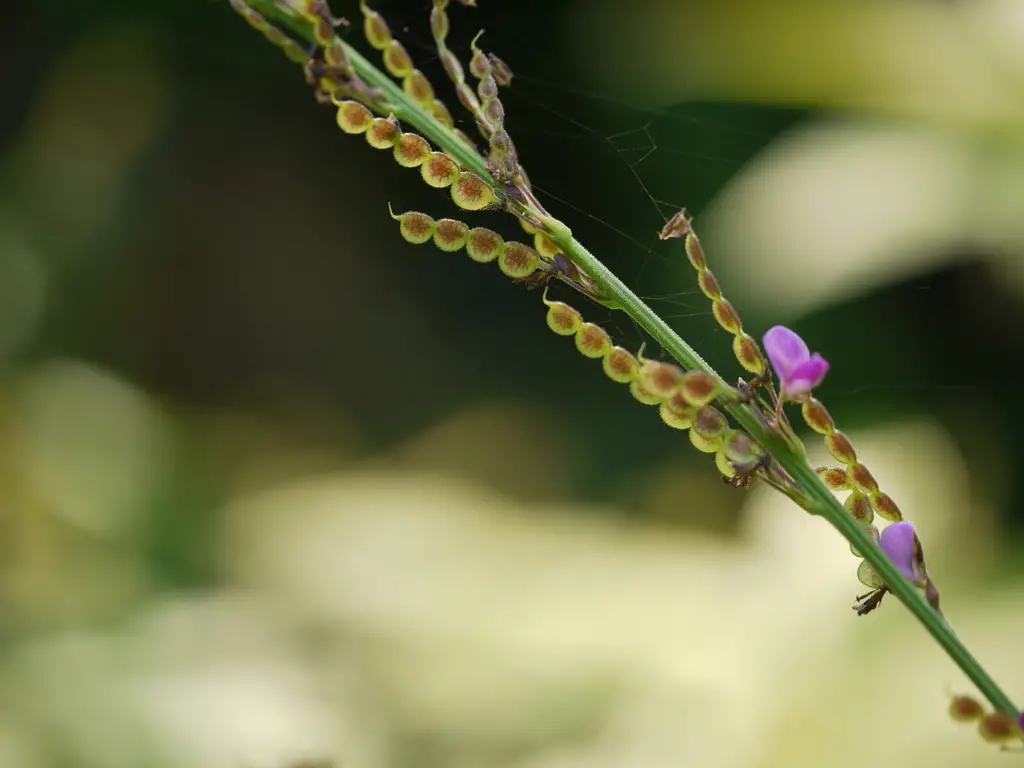
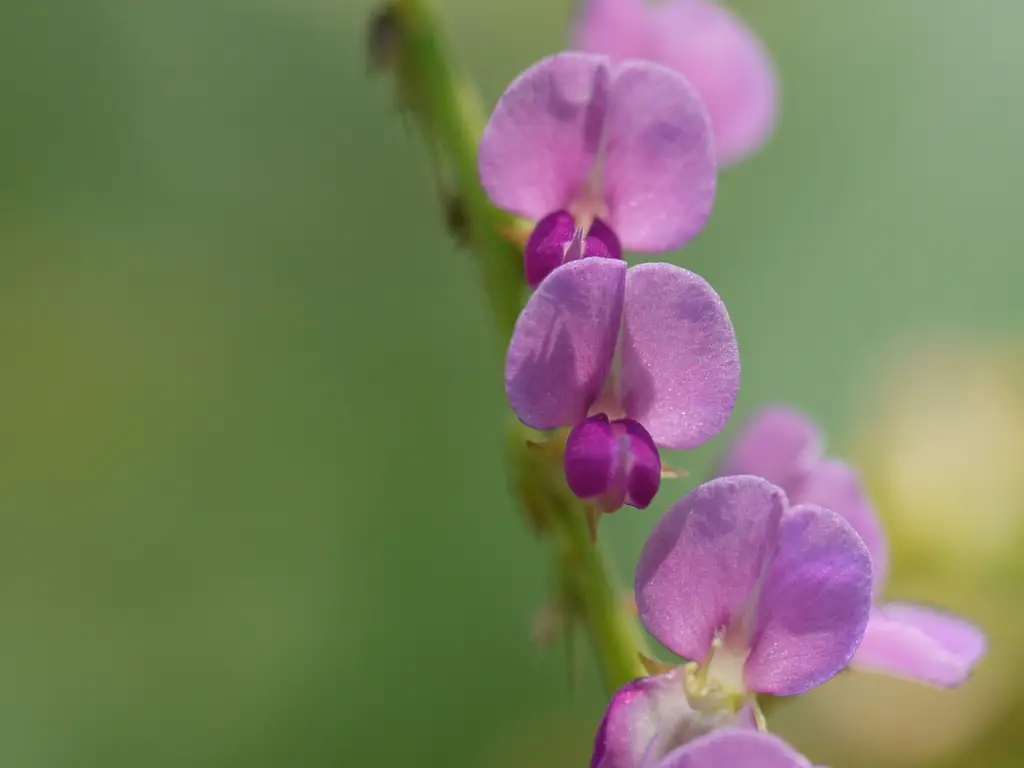
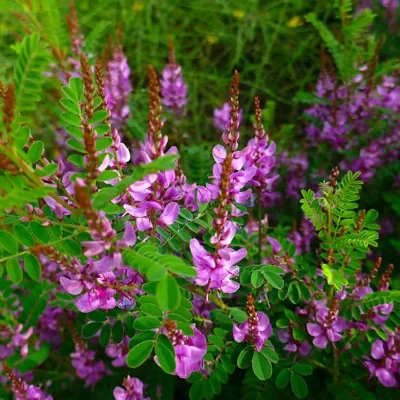
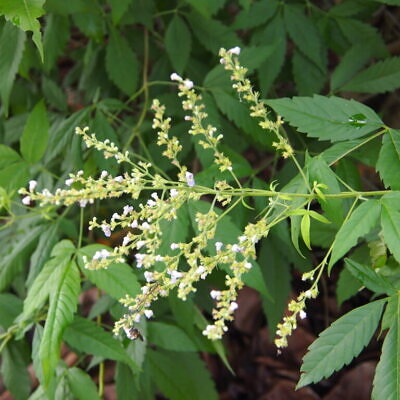
Desmodium gangeticum is found in places with partial shade or in the open, and very rarely in deep shade. It is native to tropical Africa, Asia, and northern Australia. Its biome is typically anthropogenic habitats in the lowlands, under ever wet or seasonal conditions. This plant grows best in dry conditions with clayey loam soils that are alkaline and moderately calcareous. The plant also uses pollinator such as bees and is frequently grazed by cattle which aids with seed dispersal. The plant spreads its seed through the small hairs on the seedpods that readily cling to human skin and clothing as well as other animals’ fur and feathers. This ensures that the seed gets maximum dispersal. Due to this method the plant is considered an invasive weed in some habitats. This species has a symbiotic relationship with certain soil bacteria; these bacteria form nodules on the roots and fix atmospheric nitrogen. One fungal parasite has been recorded on this species from India (Synchytrium desmodiicola), most seedlings come up in July after the first few showers and flowering and fruiting take place from October to February.
Medically, the plant has many benefits. A medicine made from the leaves of the plant can be used to prevent and treat stones in the gall bladder, kidneys or bladder. The leaves can also be made into a moist ointment to mend headaches. The plant is deemed to restore proper functioning of the body by increasing health and vitality, supporting the structure of organ tissue, reduce fever and cough, and support digestion. The root of the plant can be used for toothache pain in addition to cleaning wounds and ulcers with a decoction. Effective use of the medicine is from both external and internal use. The entirety of the plant is classified as an anthelmintic which means it can be used to remove parasitic worms and other internal parasites.
Germination Guide
🌍 Tropical Africa, East Asia, Indian subcontinent, Myanmar, Thailand, Cambodia, Laos, Vietnam, Malaysia, Indonesia, Philippines, Australia
Moderate
Desmodium gangeticum, conhecida como Salparni ou Shalparni, é uma planta medicinal perene subtropical encontrada principalmente na Índia e regiões do Himalaia. Membro da família Fabaceae, possui dormência física do tegumento que requer tratamento pré-germinativo com água quente.
Germination
Germination time
Expect germination in
7 – 120 days
Temperature
Min 25°C
Ideal 25°C
Max 30°C
Substrate moisture
💧 Medium
Seed Pre-treatment
-
💧
Soaking — 24 hours
Embebição em água morna (50-60°C) por 12-24 horas quebrando dormência física do tegumento impeneável ao água.
-
🔨
Hot water scarification
Sementes armazenadas desenvolvem tegumento duro. Derramar água quase fervendo sobre as sementes, depois imersão em água morna por 12-24 horas. Se sementes não incham após este tempo, fazer um pequeno entalhe no tegumento e deixar em imersão por mais 12 horas.
-
📋
Additional notes
Escarificação mecânica (lixa ou entalhe) também efetiva. Sementes recém colhidas germinam melhor do que sementes armazenadas.
Substrate & Container
Recommended substrate
arenoso ou marga bem drenada
Recommended container
vasos individuais
Growing Tips
Manter solo úmido mas não encharcado. Fornecer luz solar indireta ou sombra parcial para crescimento ótimo de mudas. Transplantar para vasos individuais quando mudas forem grandes o suficiente.
Only logged in customers who have purchased this product may leave a review.

Reviews
There are no reviews yet.