
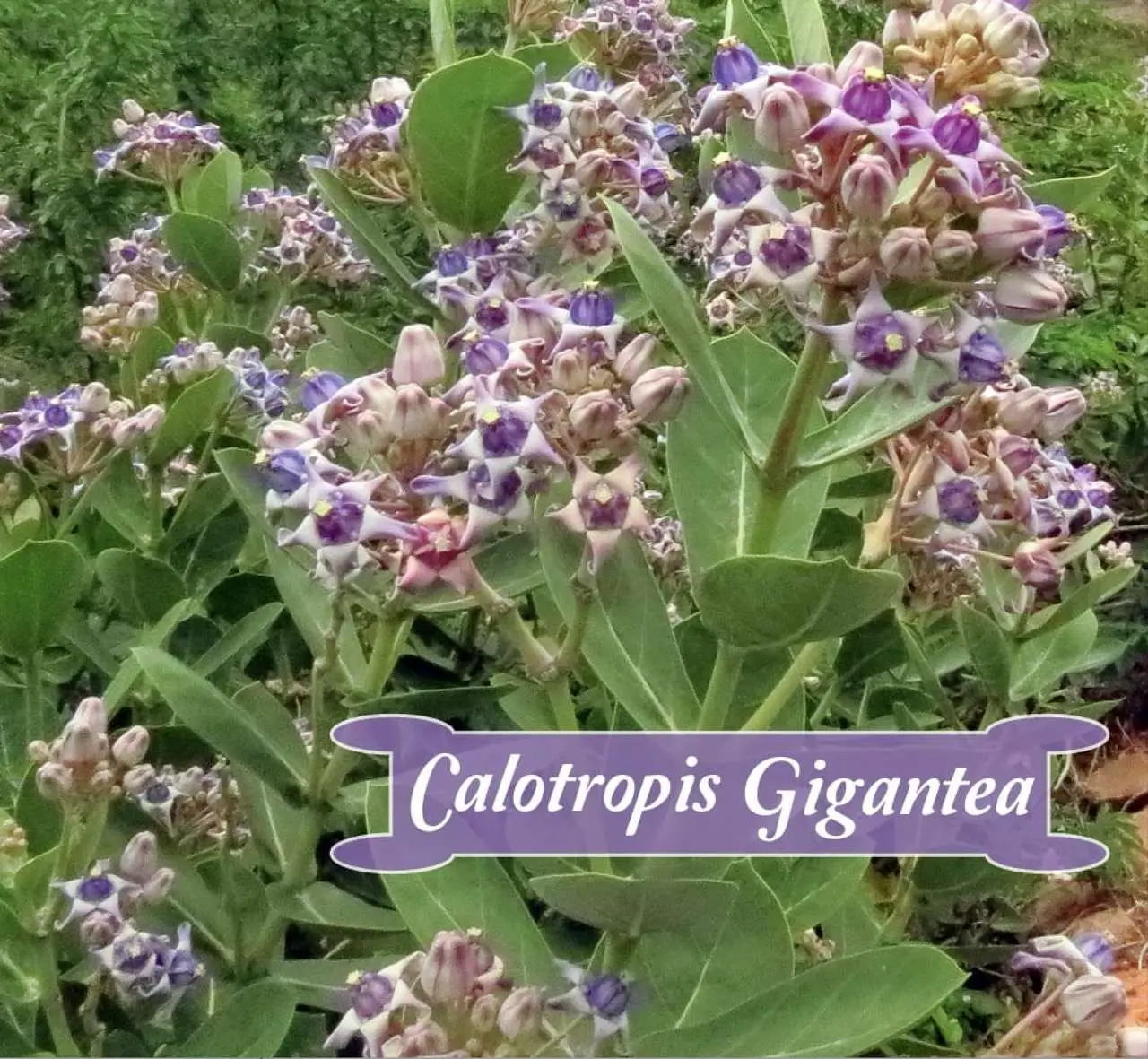
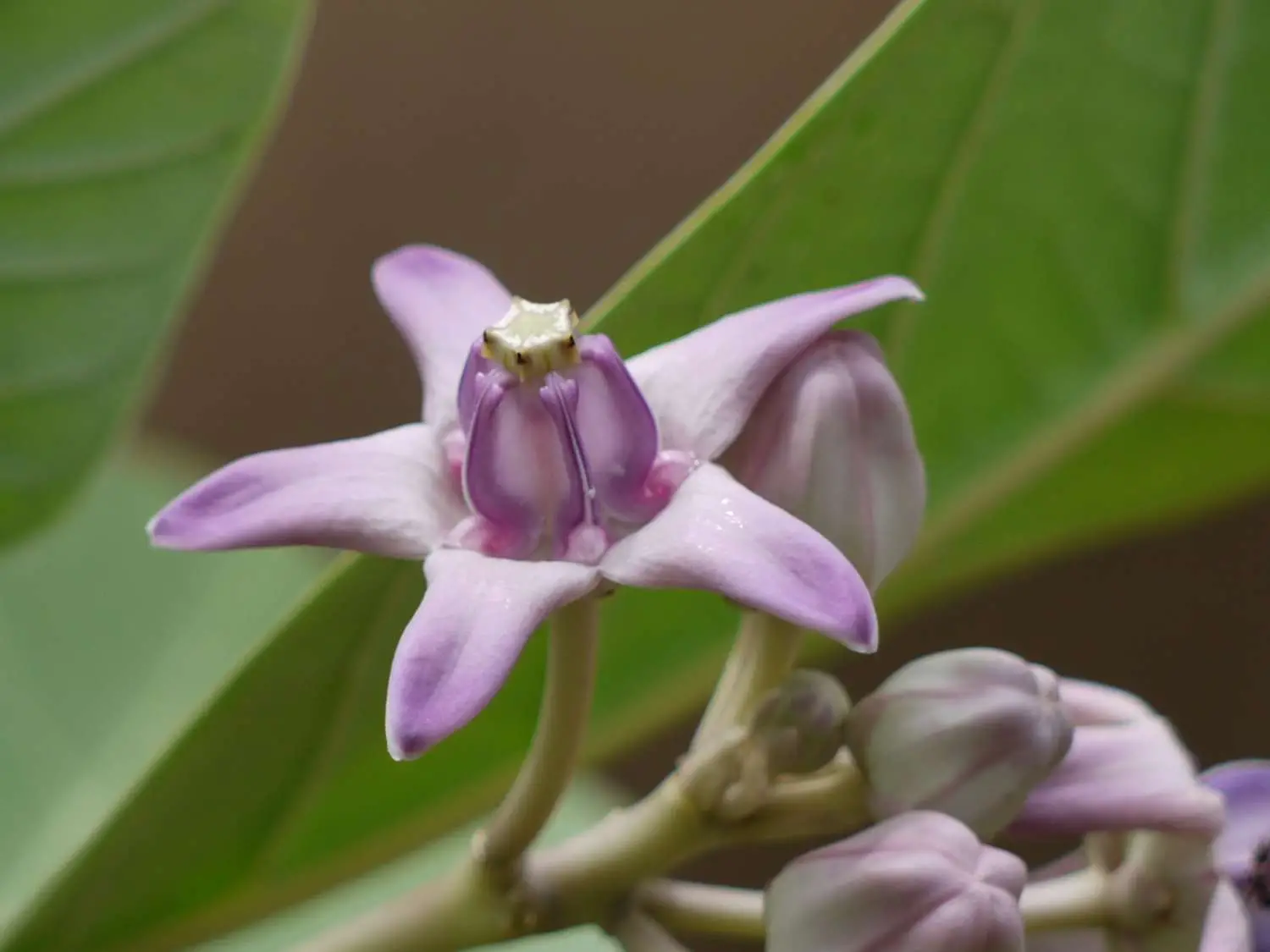
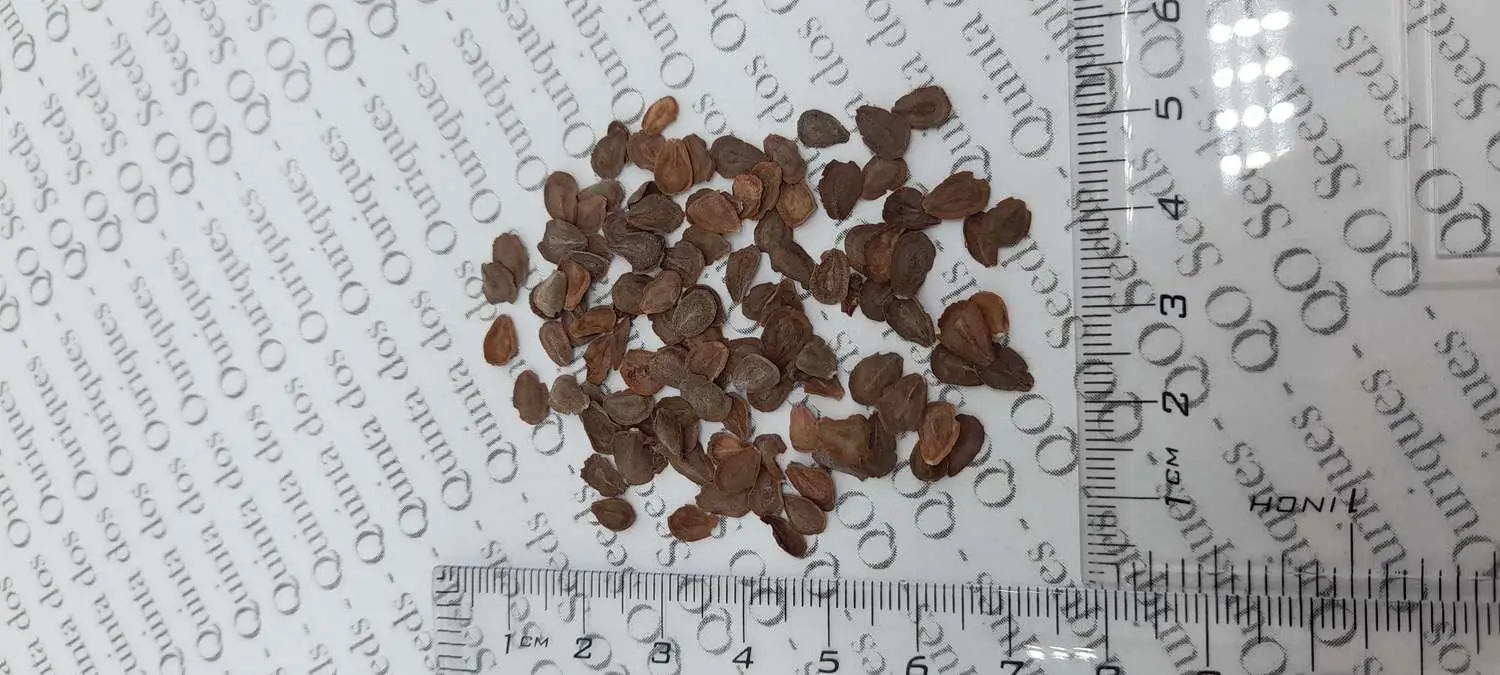
Botanical nomenclature: Calotropis gigantea var. purple
Common name: Crown Flower, Giant Milkweed, Aak, Alarka, Arbre a soie, Arka, Biduri, Bows
Kingdom: Plantae
Clade: Tracheophytes
Clade: Angiosperms
Clade: Eudicots
Clade: Asterids
Order: Gentianales
Family: Apocynaceae
Genus: Calotropis
Species: C. gigantea
€1.92
Calotropis gigantea, the crown flower, is a species of Calotropis native to Cambodia, Vietnam, Bangladesh, Indonesia, Malaysia, Thailand, Sri Lanka, India, China, Pakistan, and Nepal.
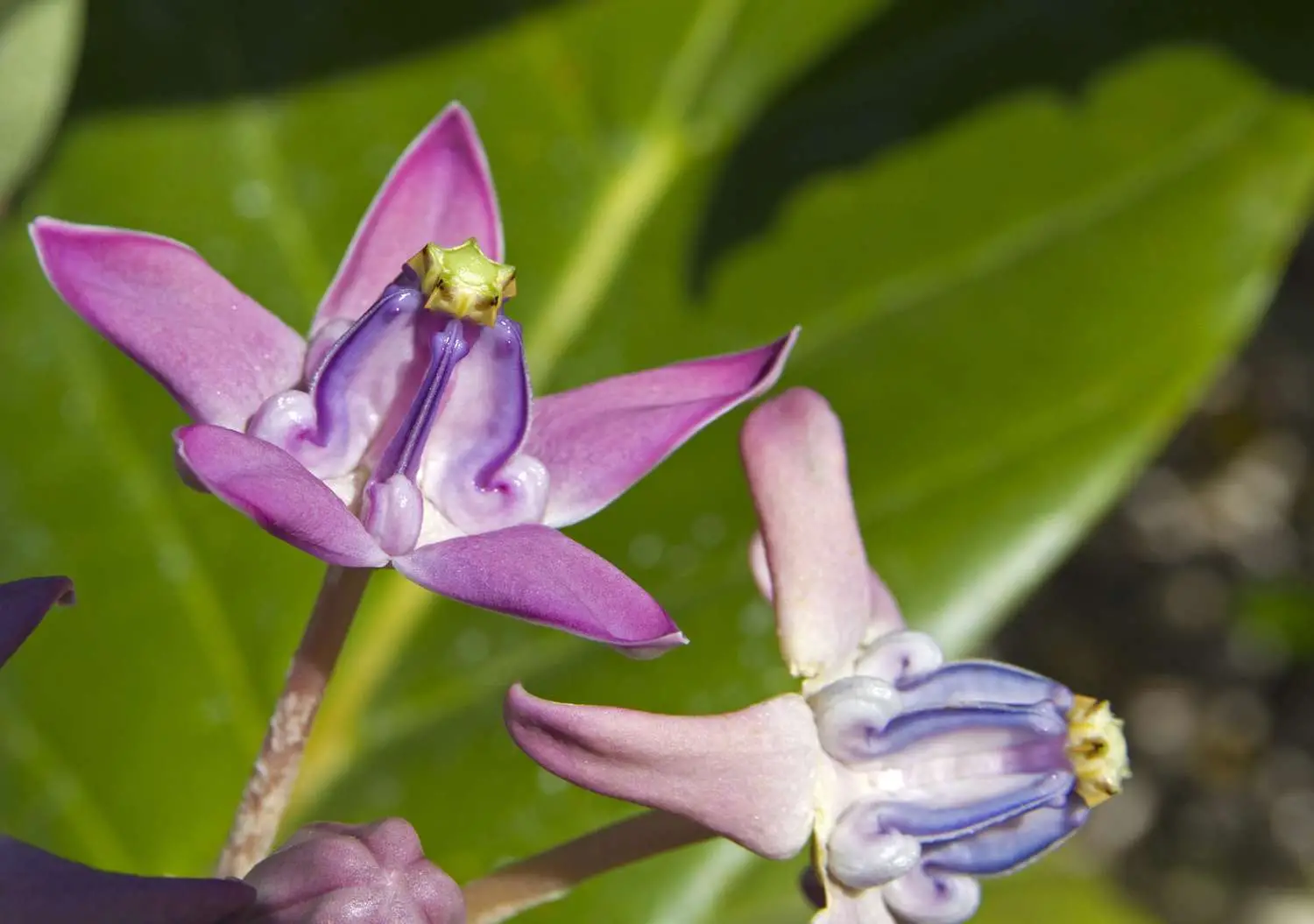
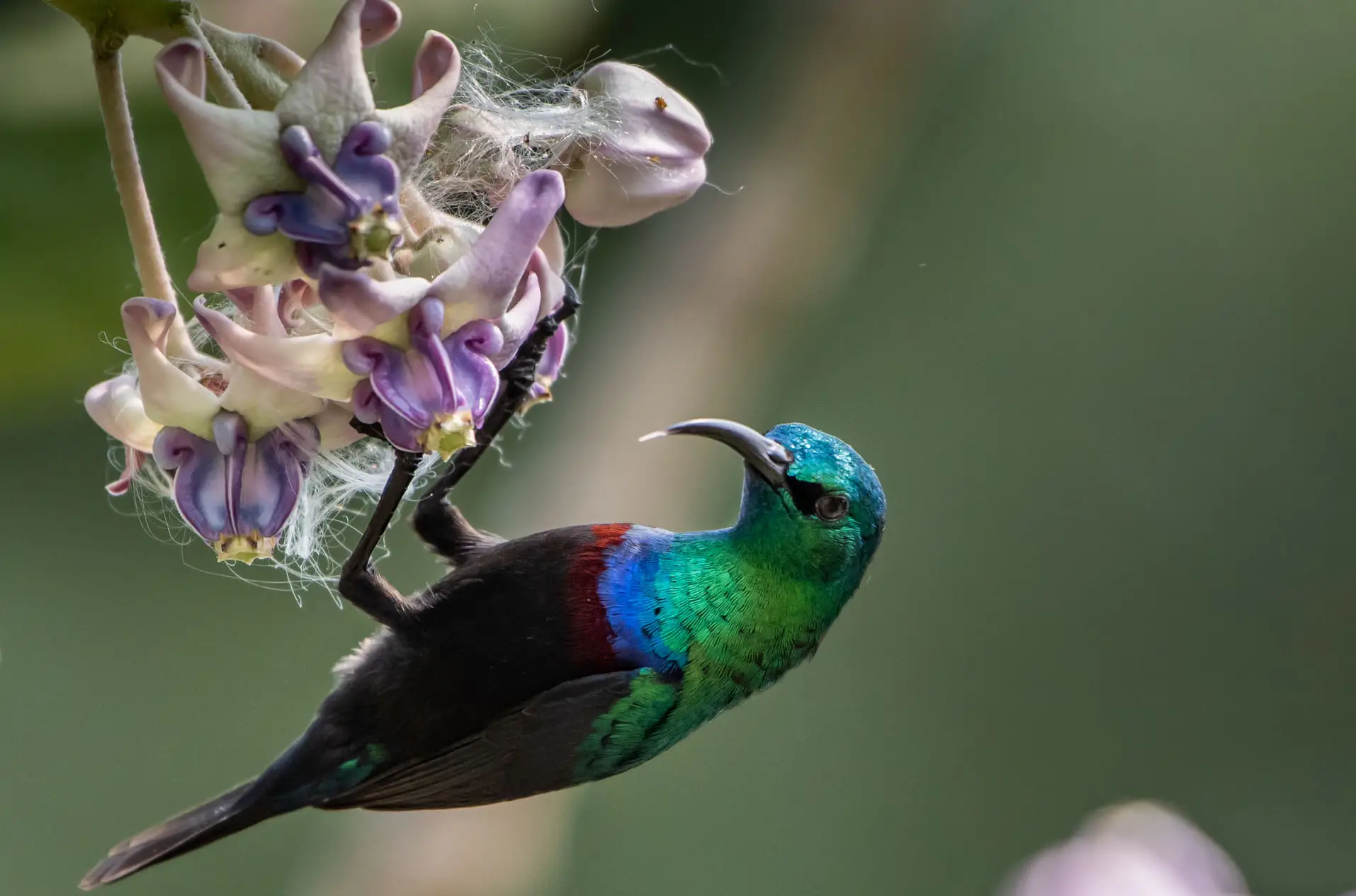
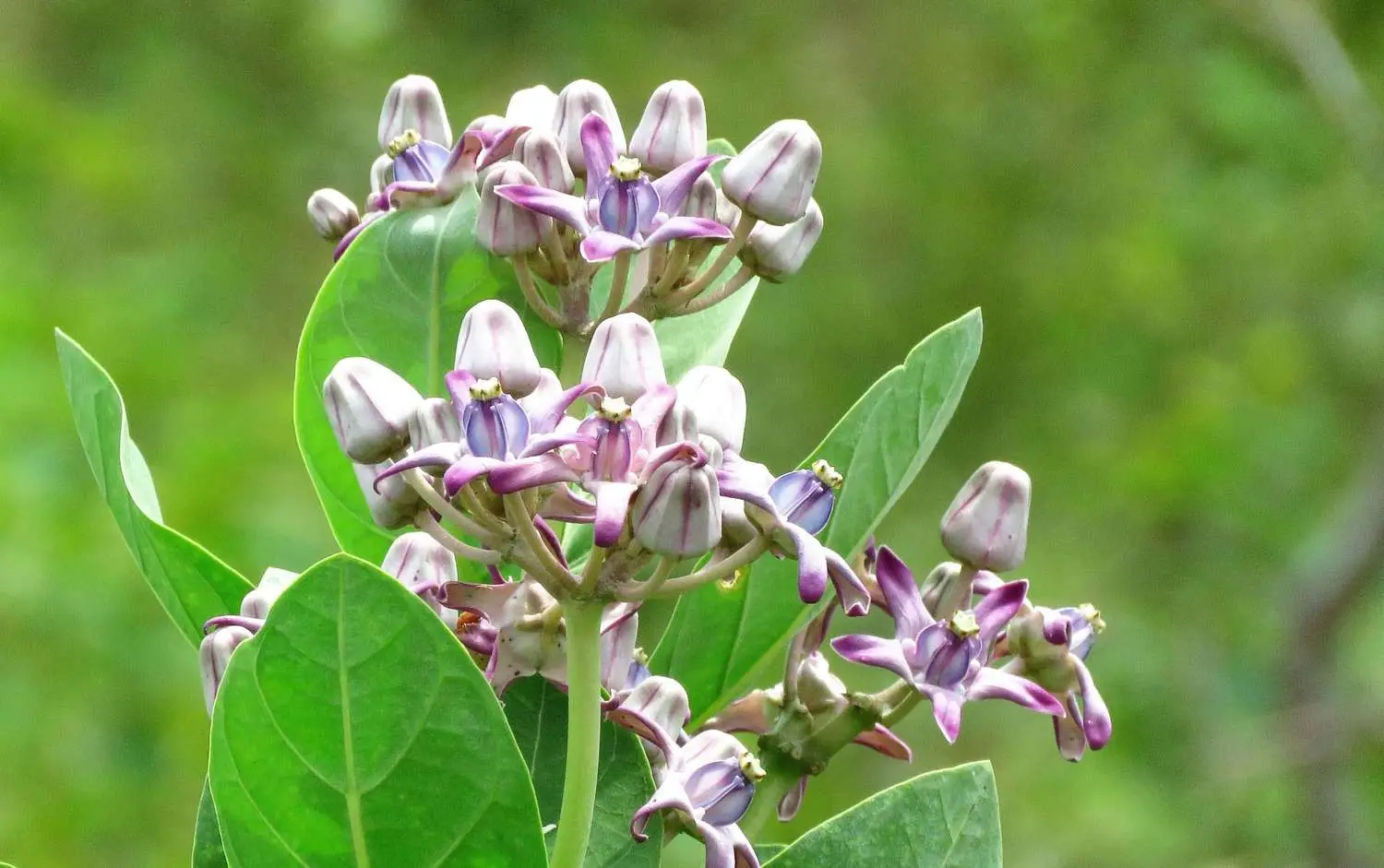
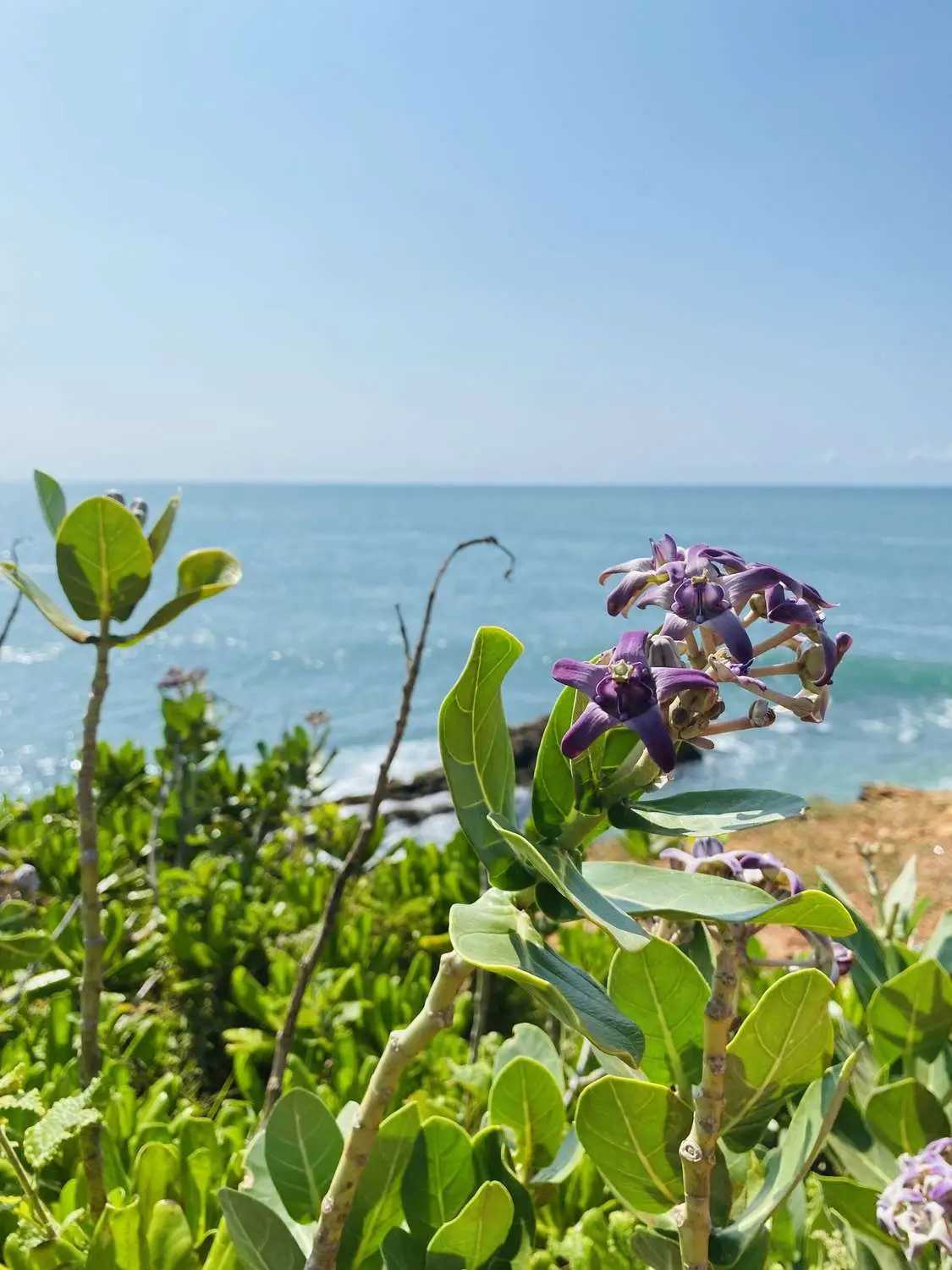
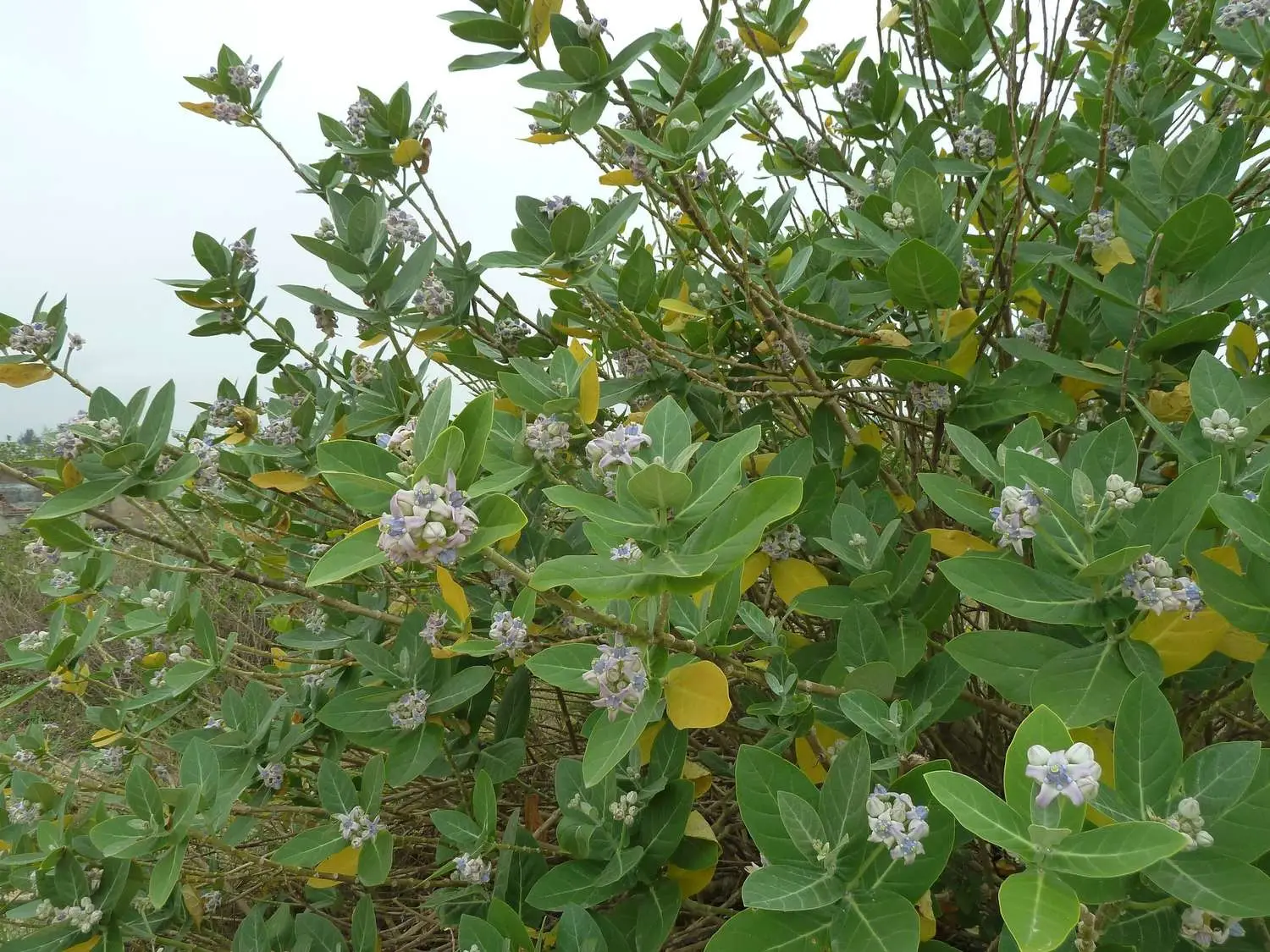
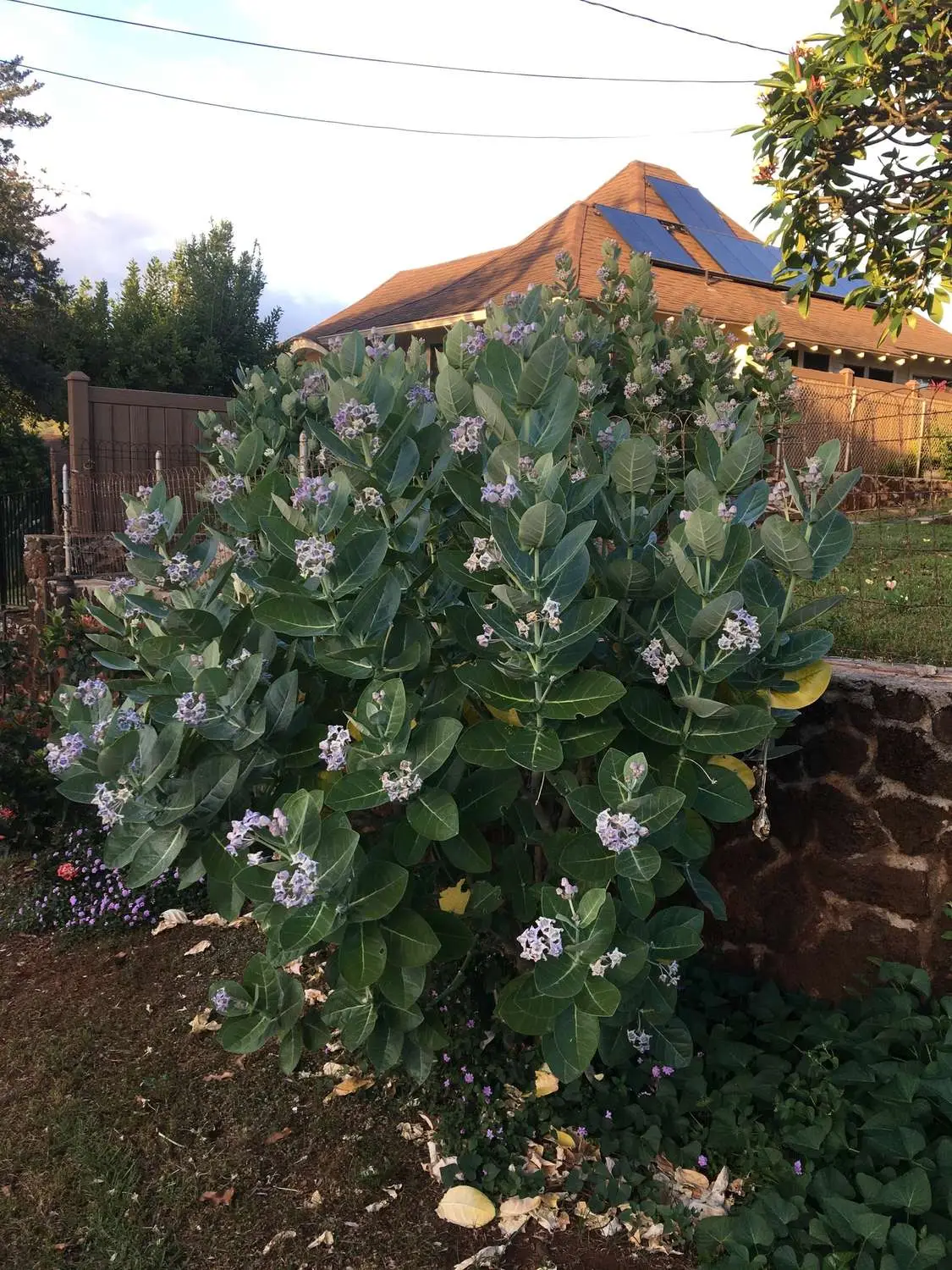
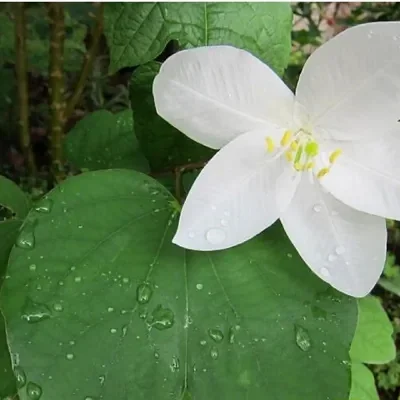
It is a large shrub growing to 4 m (13 ft) tall. It has clusters of waxy flowers that are either white or lavender in colour. Each flower consists of five pointed petals and a small “crown” rising from the center which holds the stamens. The aestivation found in calotropis is valvate i.e. sepals or petals in a whorl just touch one another at the margin, without overlapping. The plant has oval, light green leaves and milky stem. The latex of Calotropis gigantea contains cardiac glycosides, fatty acids, and calcium oxalate. The roots also contain Calotropone.
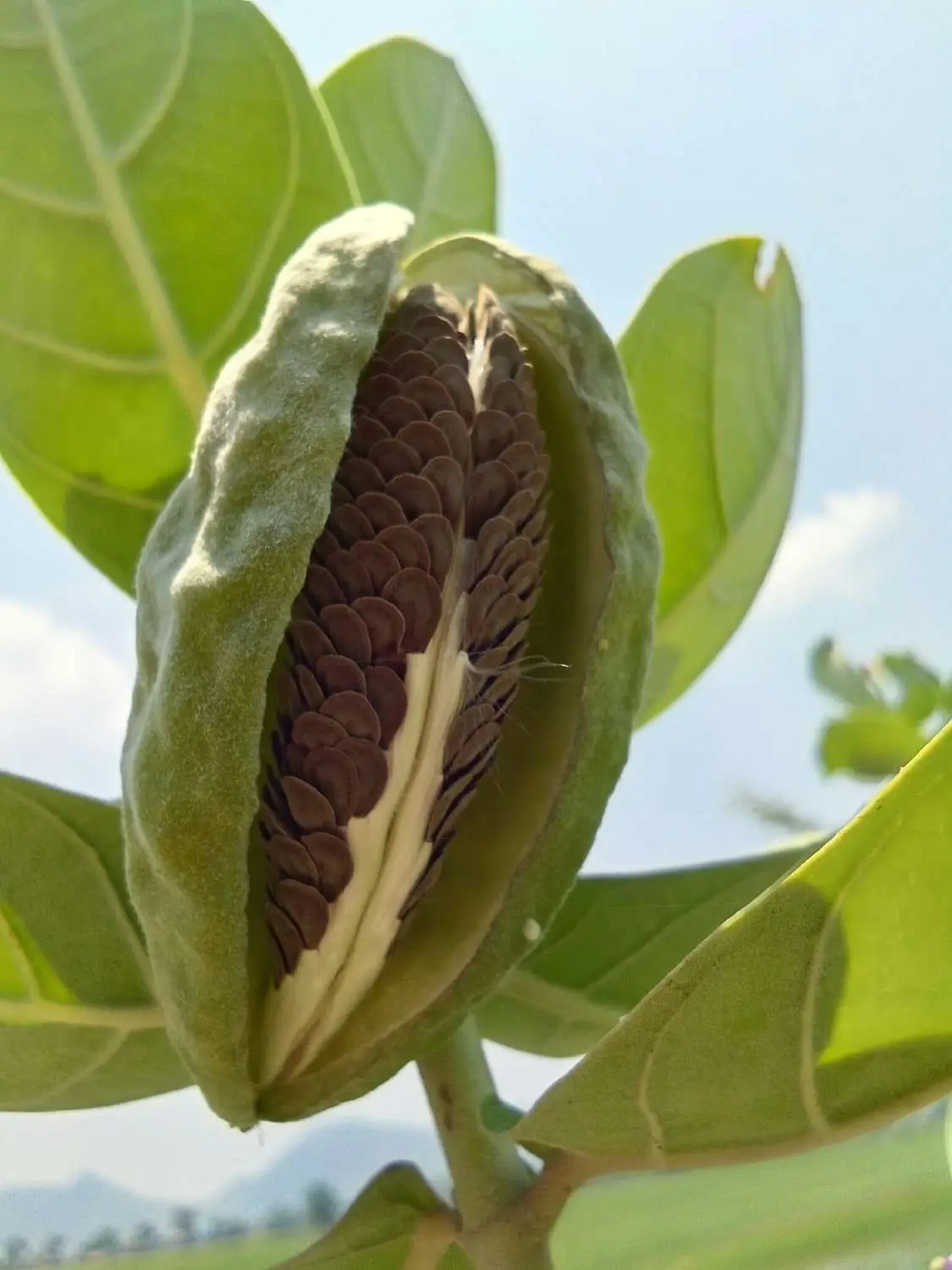
The flowers are long lasting, and in Thailand they are used in floral arrangements. The extract of flowers and leaves has shown hypoglycemic effect in preclinical studies. They were favored by the Hawaiian Queen Liliuokalani, who considered them a symbol of royalty and wore them strung into leis. In Cambodia, they are used in funerals to decorate the urn or sarcophagus and the interior of the house holding the funeral. The fruit is a follicle and when dry, seed dispersal is by wind. In Indonesia its flowers are called widuri. According to the Shiva Purana, the madar flower/crown flower is very much liked by Lord Shiva; therefore the crown flower and its garland are offered to Lord Shiva for peace, prosperity and stability in society. The Crown flower is also one of the major parts of the nine astrological trees (Navagrah tree).
Calotropis yields a durable fiber (commercially known as bowstring of India) useful for ropes, carpets, fishing nets, and sewing thread. Floss, obtained from seeds, is used as stuffing. Crown flower cotton can also be used to make a pillow. A fermented mixture of Calotropis and salt is used to remove the hair from goat skins for production of nari leather and from sheep skins to make leather which is much used for inexpensive book binding. Fungicidal which is far effective than oinmentand insecticidal properties of Calotropis have been reported.
Given the potent bioactivity of calotropin, calotropis gigantea has been used as a folk medicine in India for many years, and has been reported to have a variety of uses. In Ayurveda, Indian practitioners have used the root and leaf of C. procera in asthma and also used in bacterial infection, swelling with redness, boils also and shortness of breath and the bark in liver and spleen diseases. The plant is reported as effective in treating skin, digestive, respiratory, circulatory and neurological disorders and was used to treat fevers, elephantiasis, nausea, vomiting, and diarrhea. The milky juice of Calotropis procera was used against arthritis, cancer, and as an antidote for snake bite. However, these reports are of folk uses and more research is needed to confirm the clinical usefulness of the leaves, latex, and bark. Recent studies have displayed use of calotropin as a contraceptive and as a promising cancer medication. In one study of the cancer-fighting properties of Calotropis gigantea, DCM extracts were demonstrated to be strongly cytotoxic against non-small cell lung carcinoma (A549), colon carcinoma (HCT 116), and hepatocellular carcinoma (Hep G2). These extracts show promise as cancer medications and warrant further clinical research.
Only logged in customers who have purchased this product may leave a review.
Reviews
There are no reviews yet.